Iris Bearded Group 'Yellow' (Bearded Iris)
Botanical name: Iris Bearded Group
Common name: Bearded Iris
Cultivar: Yellow
Family: Iridaceae
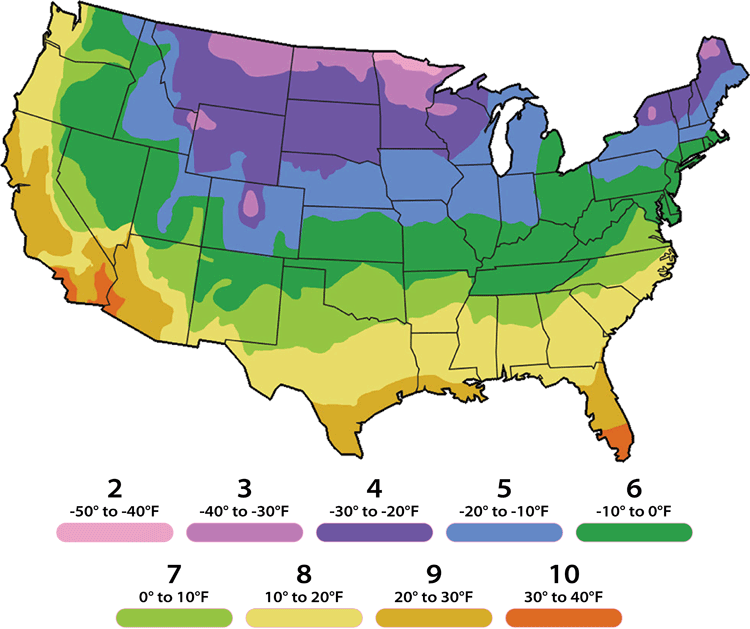
USDA Zone: 3-10
 Plant form: Small
 Mature height: 2-5 ft
 Sun exposure: Full sun or bright light indoor; semi-shade
 Cold tolerance: Tolerates light freezing to about 30°F for short periods (mature plants). Young plants must be protected.
 Watering: Regular; moderate
 Flower color: Yellow, orange; unusual color
 Suitable for: Outdoors in the suitable USDA zone; small gardens, containers, and indoor growing
 Fragrance: Fragrant; perfume plant
 Wildlife: Attracts butterflies and hummingbirds
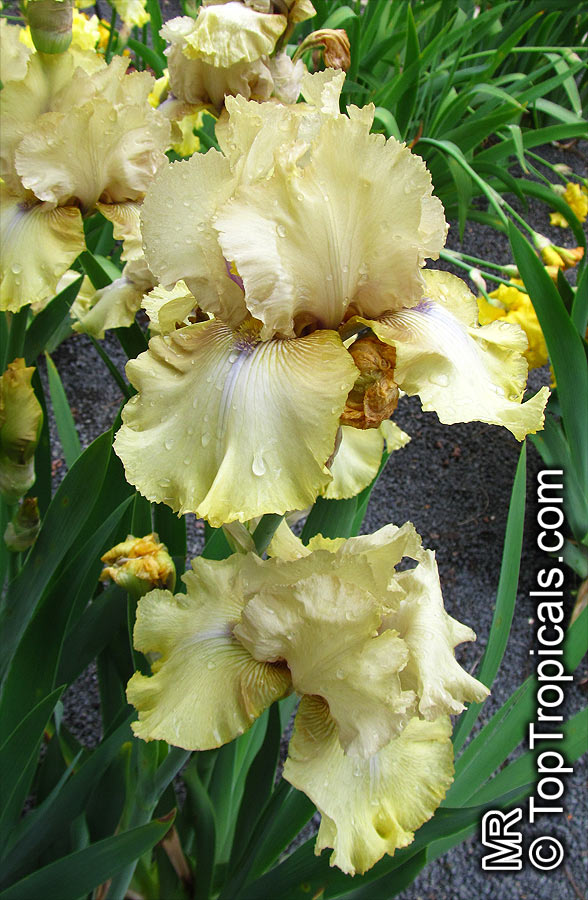
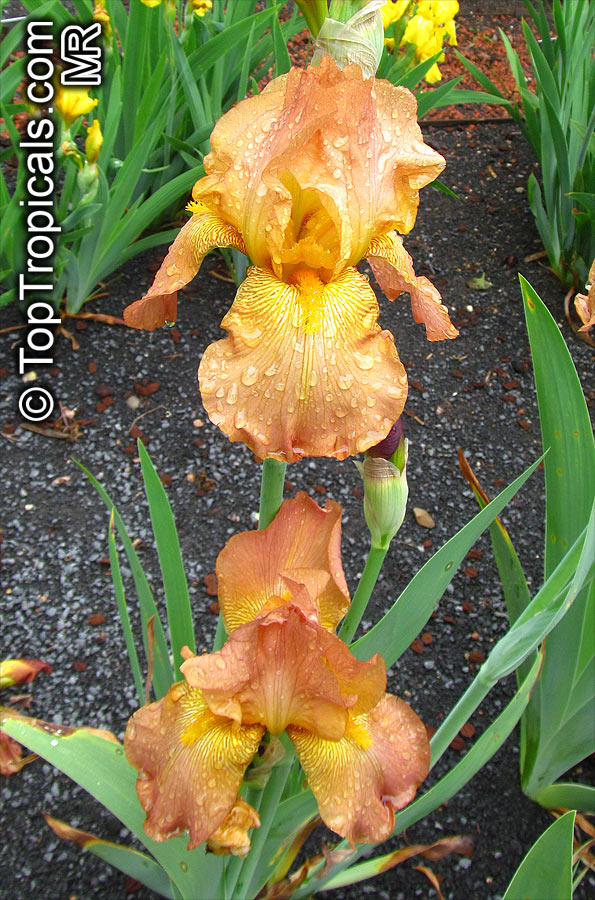
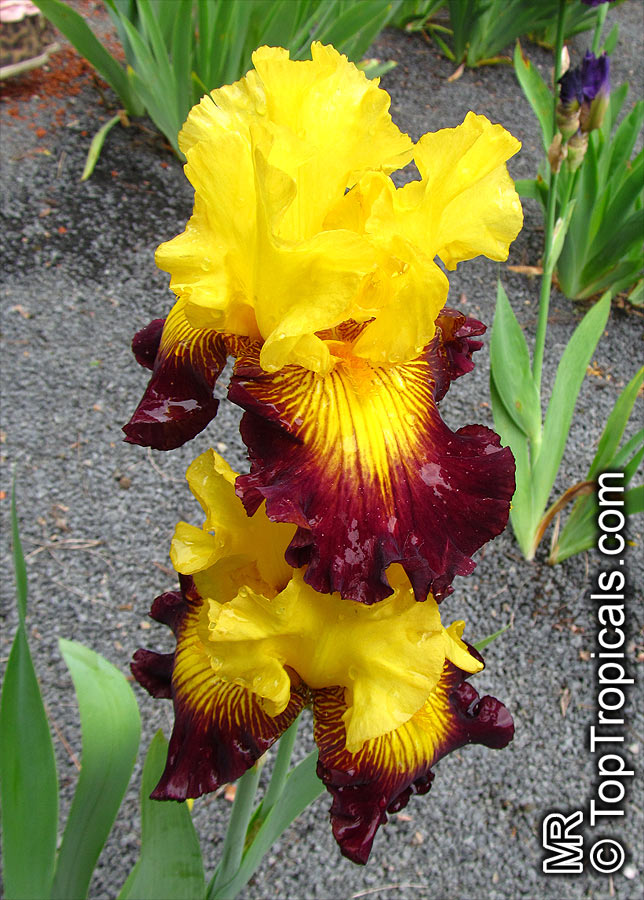
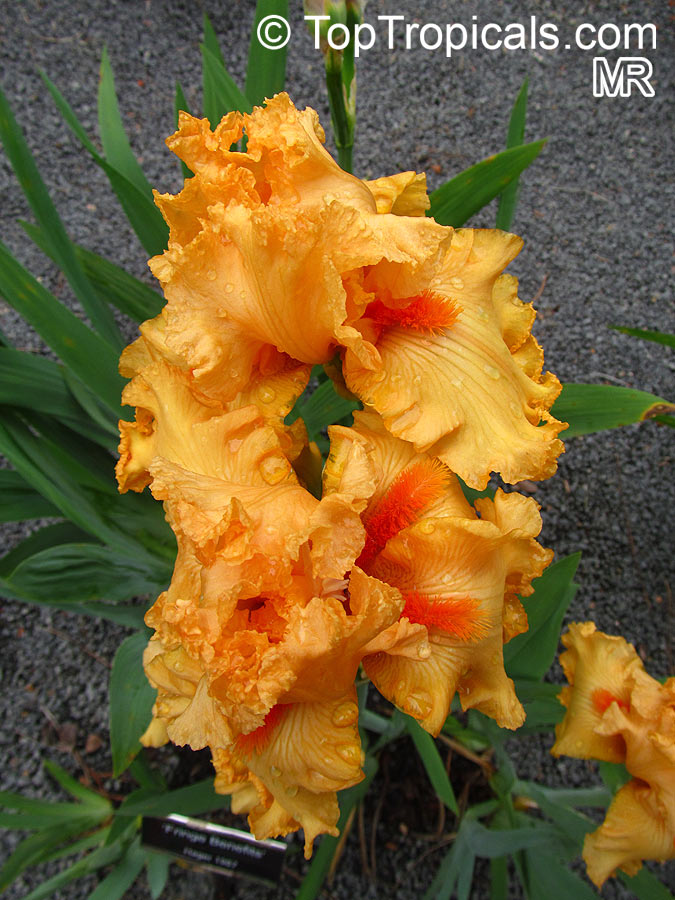
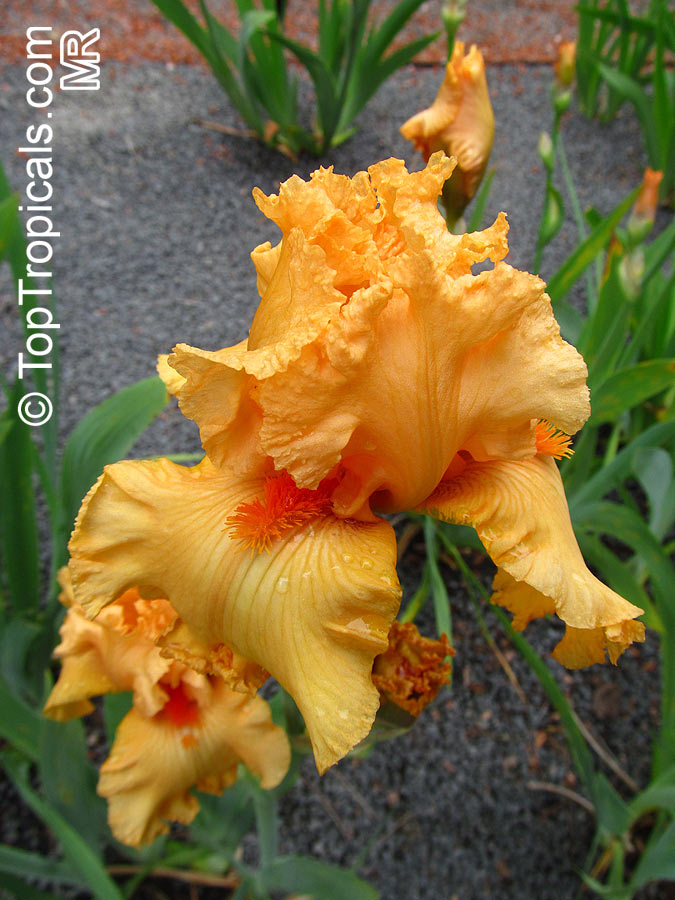
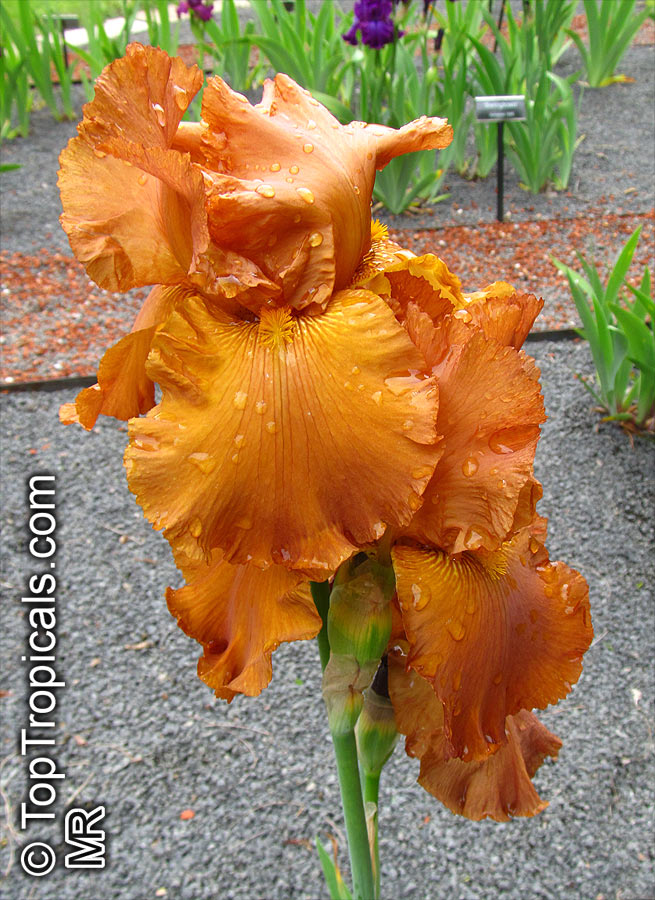
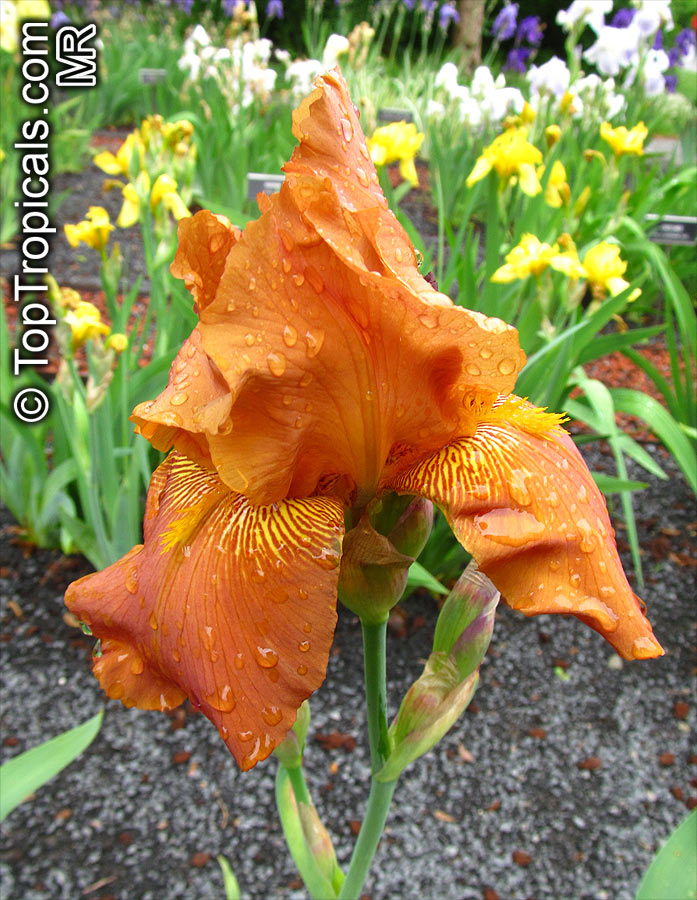
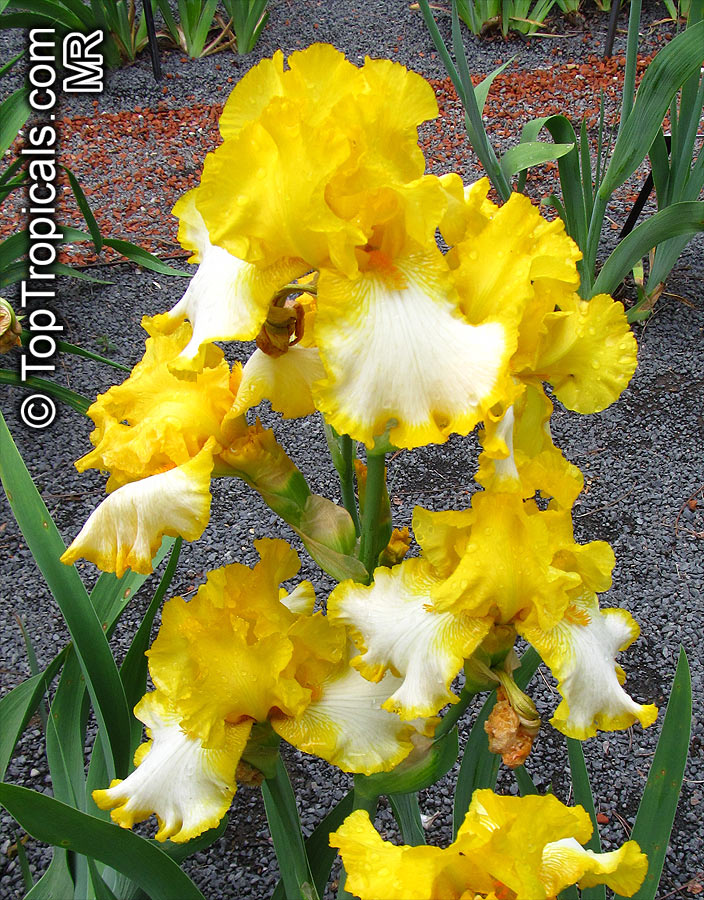
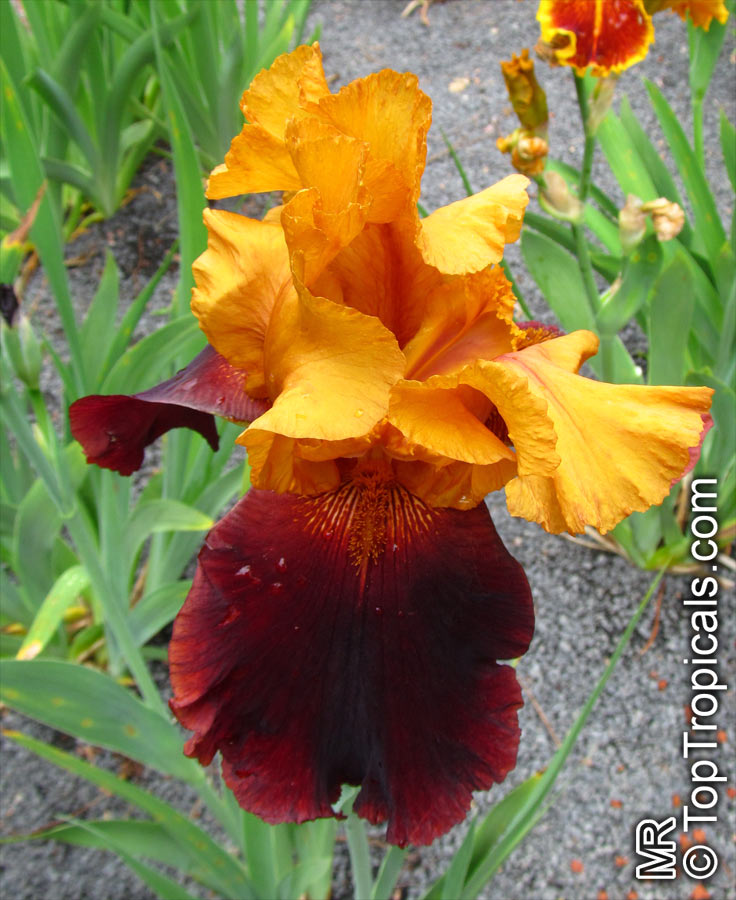
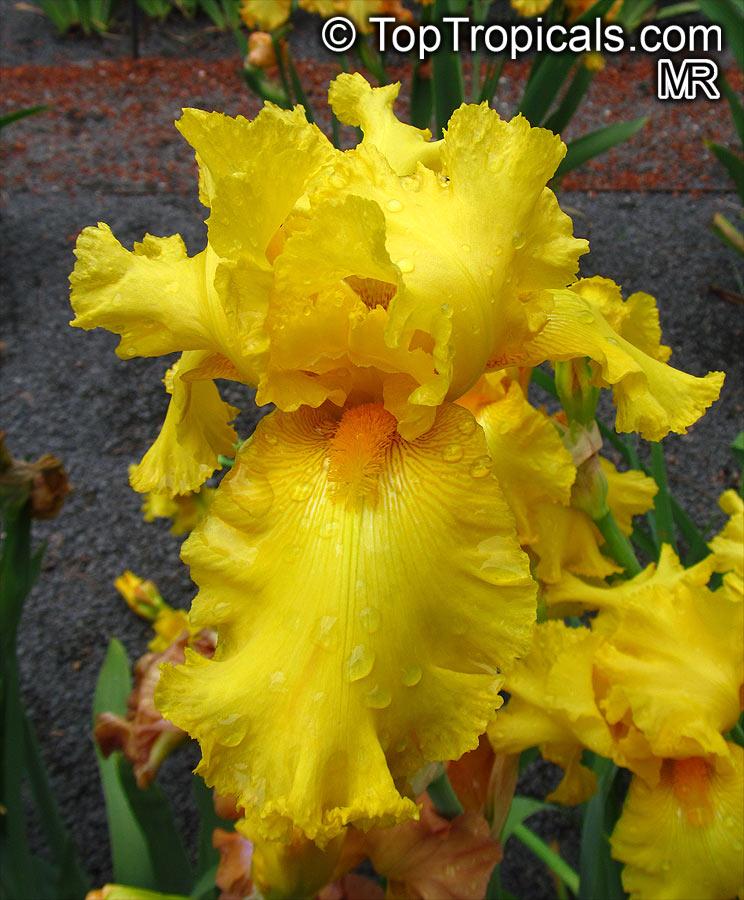
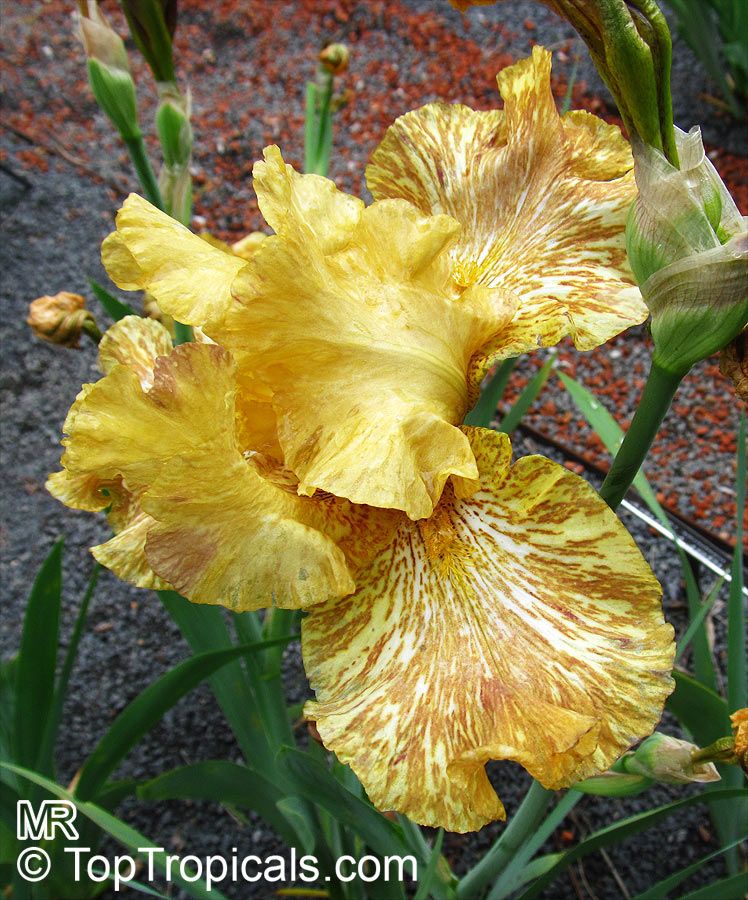
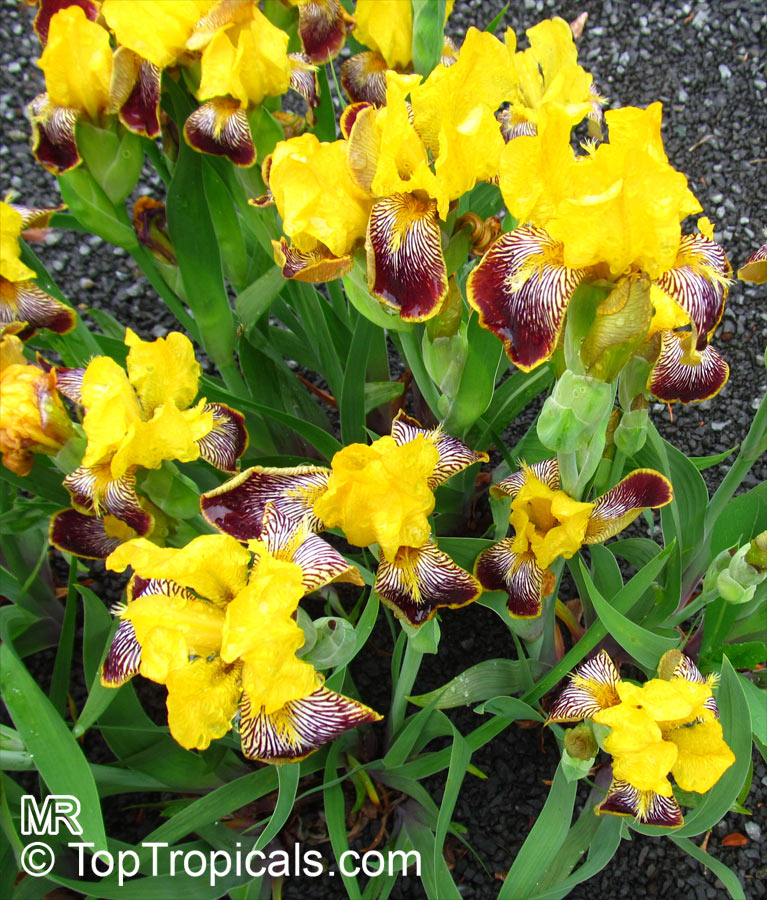
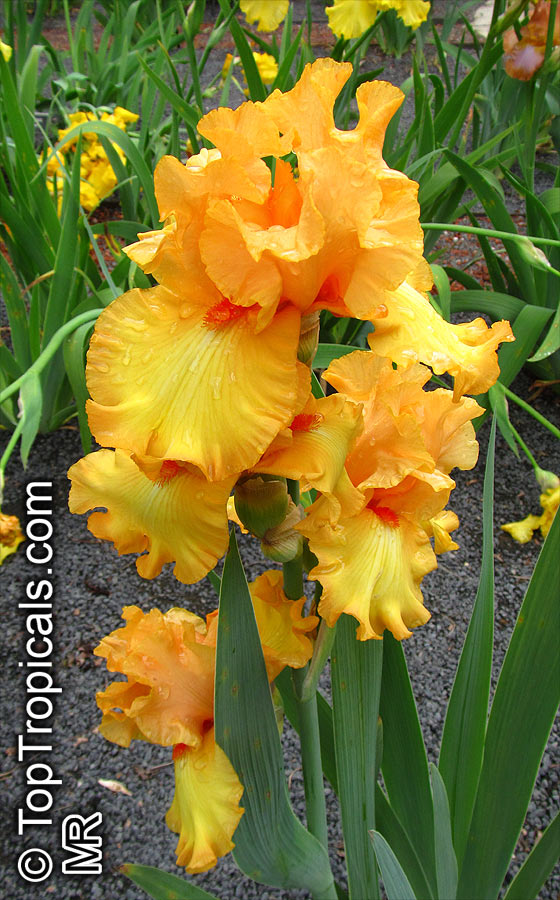
Iris Bearded Group yellow cultivar is a perennial ornamental plant valued for its large, ruffled flowers in clear yellow tones. Like other bearded irises, it forms a fan of sword-shaped, grey-green leaves arising from thick rhizomes. The flower stems carry several blooms, each with three upright standards and three downward falls marked by a soft "beard" of fuzzy hairs. This vivid yellow form brings strong color accents to spring borders and mixed plantings, and its bright hue pairs well with contrasting blues, purples, or whites in the garden. One notable variety is Iris 'Tiger Honey', which combines a warm yellow base with subtle brown veining on the falls for added depth and texture.
Grow bearded irises in full sun with excellent drainage and good air circulation to prevent rhizome rot and leaf spot. Average to rich sandy loam is ideal. Water regularly during active growth, reducing in cooler months. Divide and replant rhizomes in midsummer after flowering to maintain vigor. Remove any diseased foliage and destroy affected rhizomes to control pests such as iris borers. Hardy in USDA Zones 3 9, these cultivars thrive in climates with cold winters to encourage strong blooming.
Similar plants: Iris Bearded Group 'Yellow' (Bearded Iris)