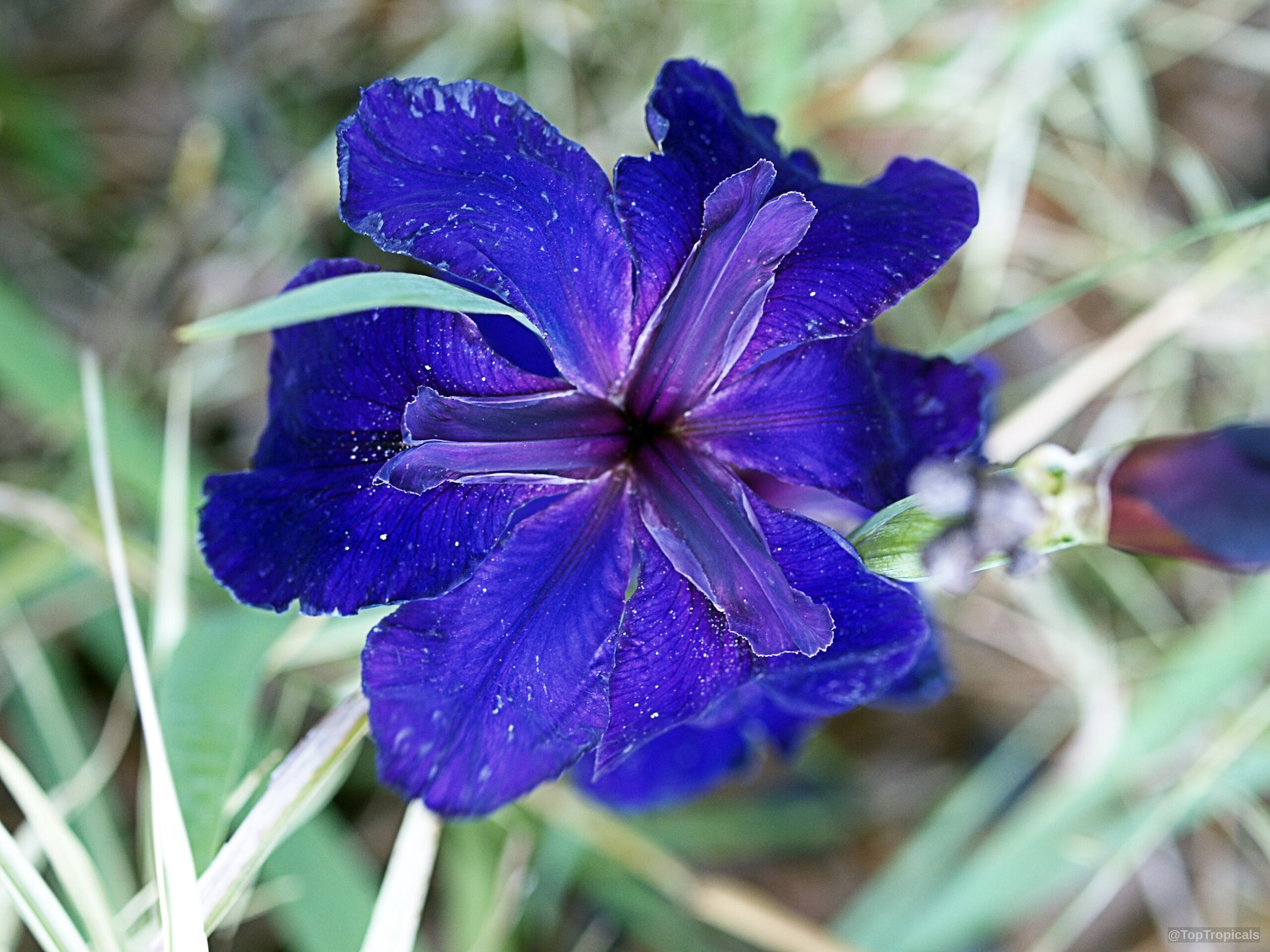
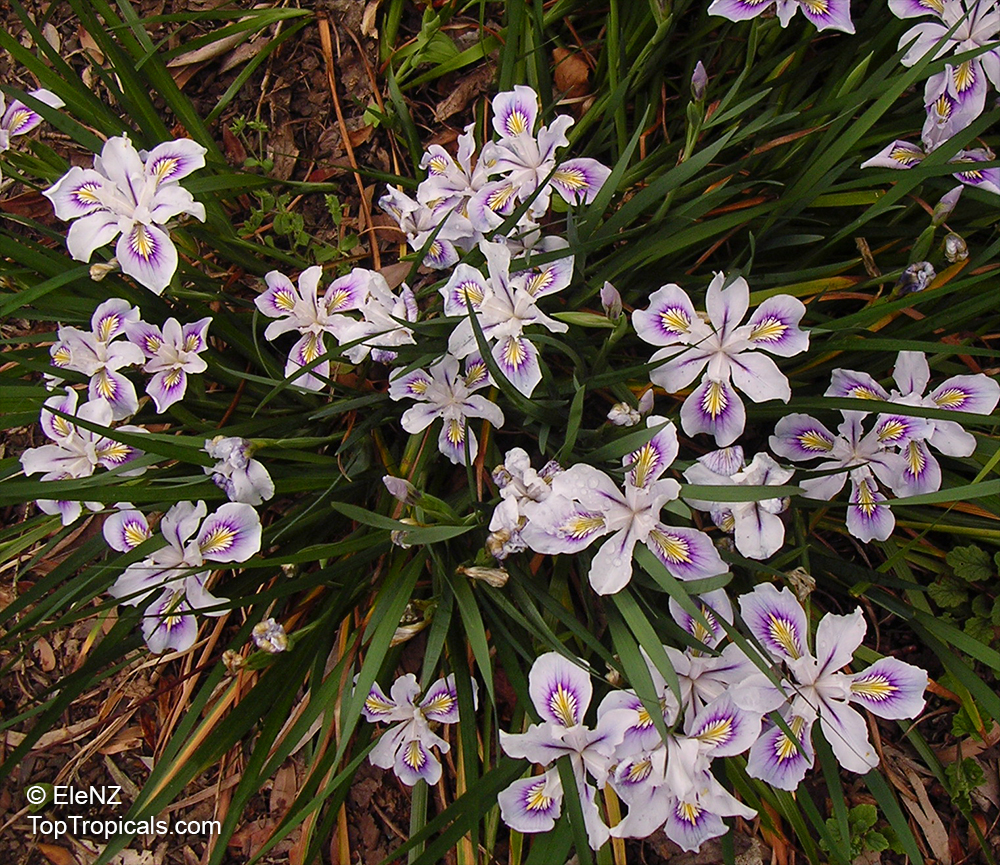
Iris sp. (Beardless Irises)
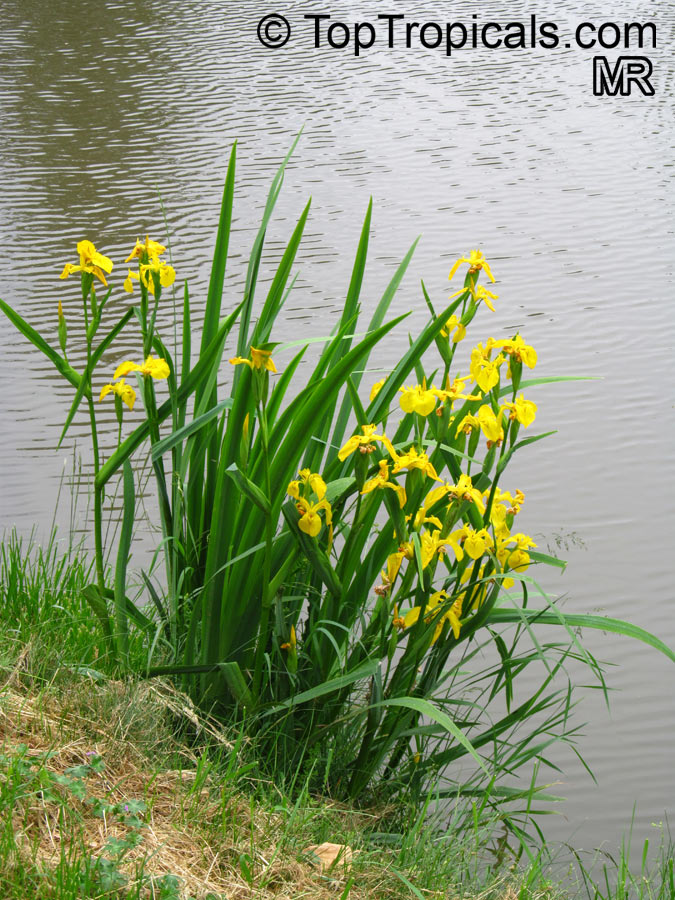
Botanical name: Iris sp.
Common names: Beardless Irises, Water Irises
Family: Iridaceae
Origin: East Asia
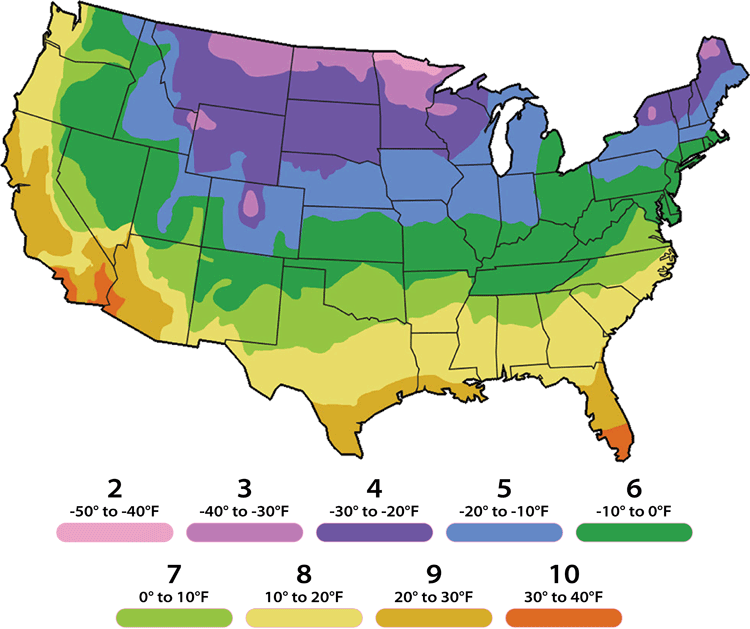
USDA Zone: 3-10
 Plant form: Small
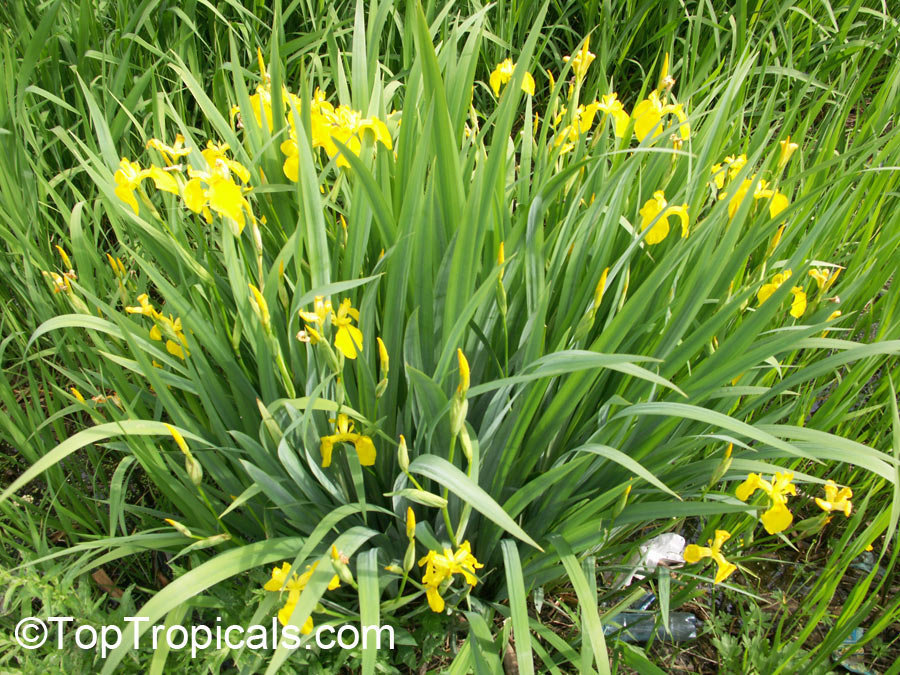
 Mature height: 2-5 ft
 Sun exposure: Full sun or bright light indoor
 Cold tolerance: Tolerates light freezing to about 30°F for short periods (mature plants). Young plants must be protected.

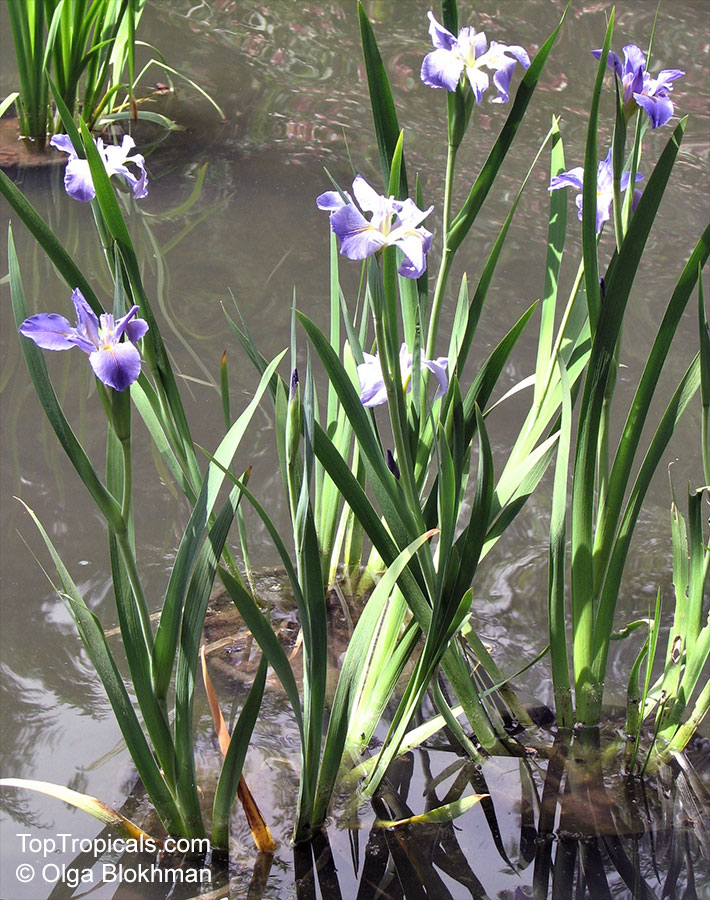
 Watering: Moderate; keep soil moist; bog or aquatic


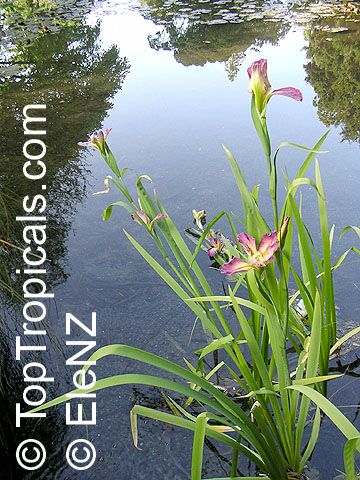
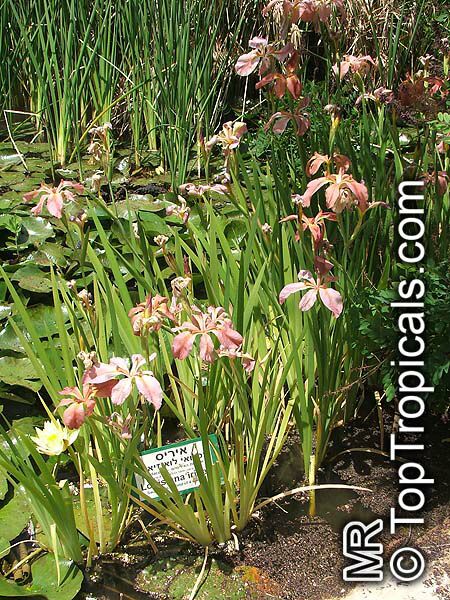
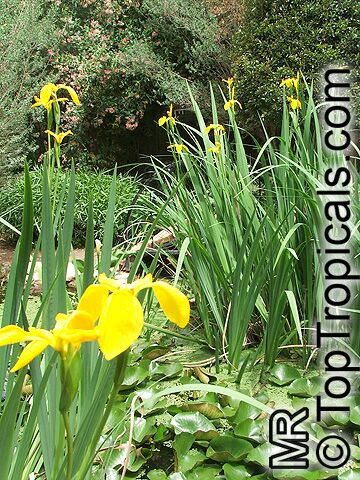
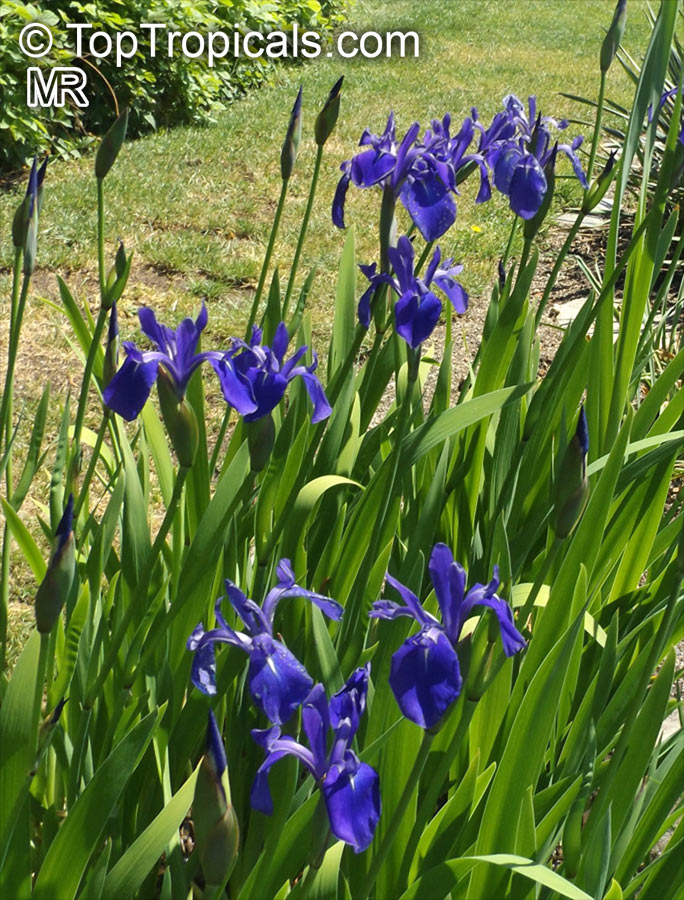
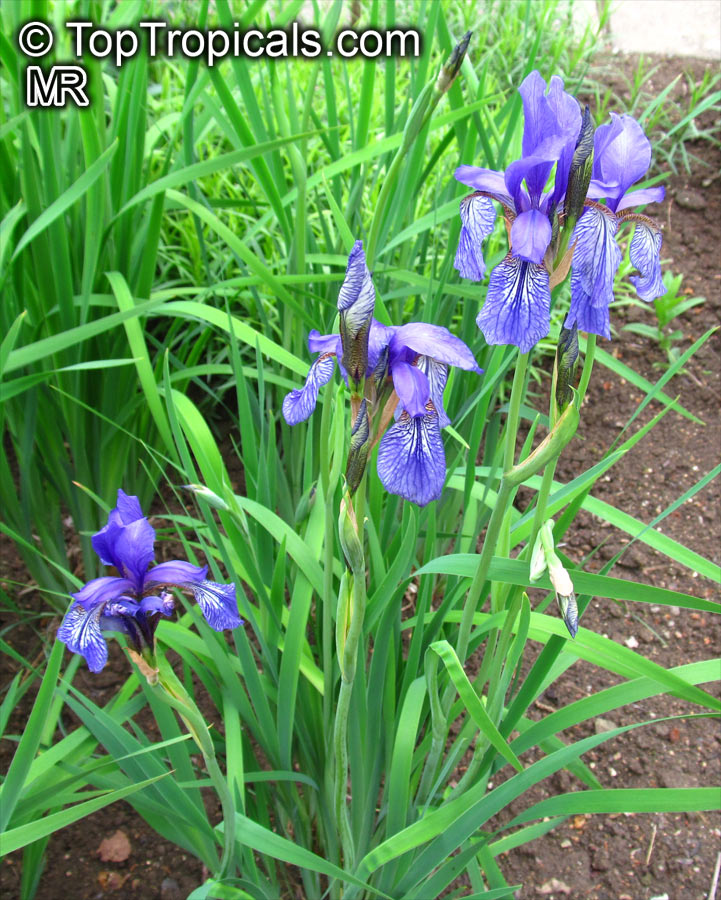
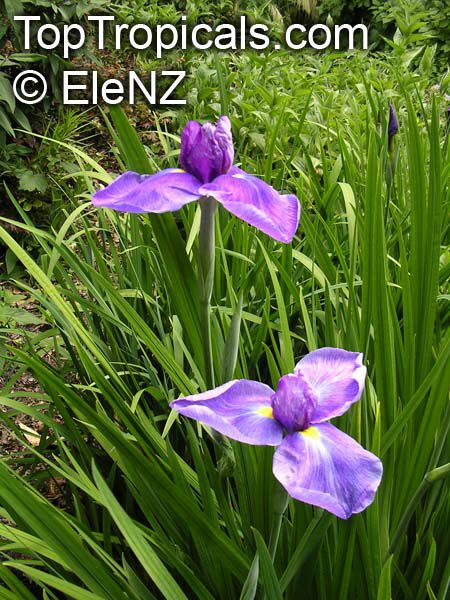
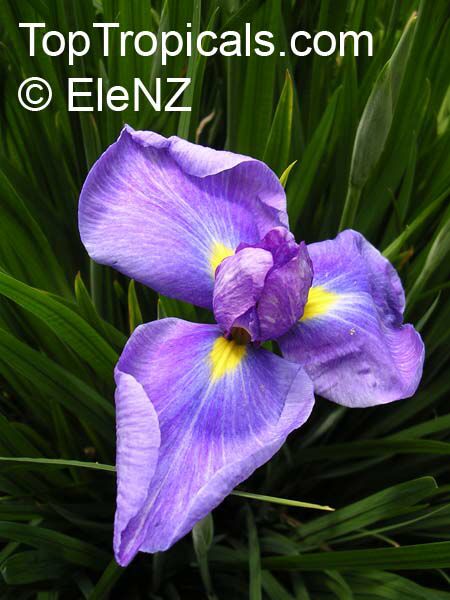
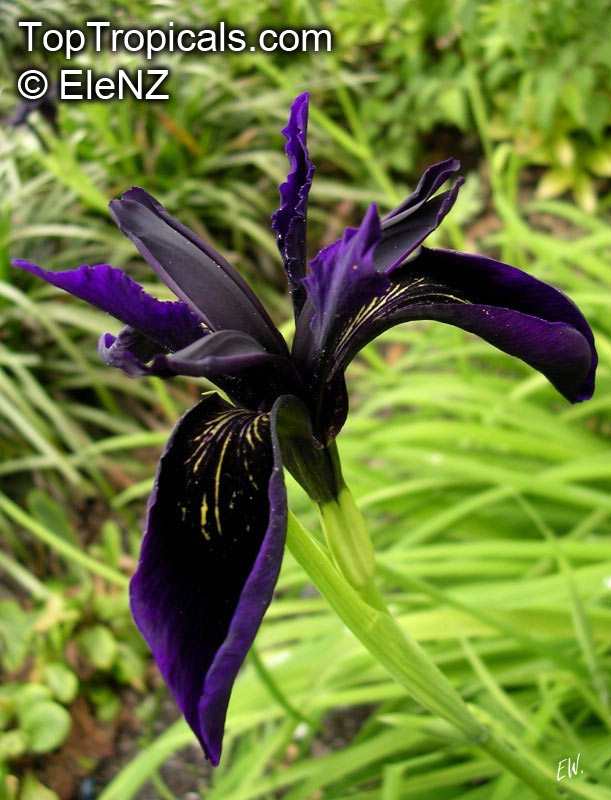
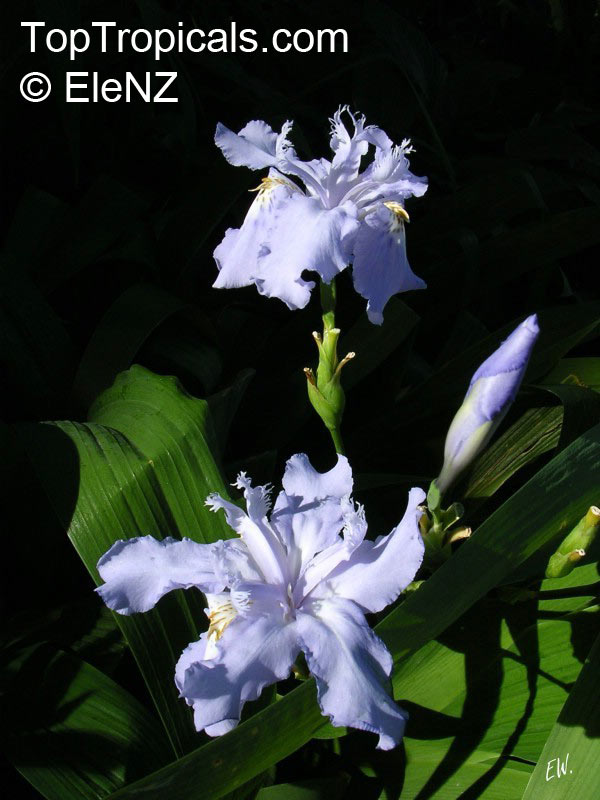
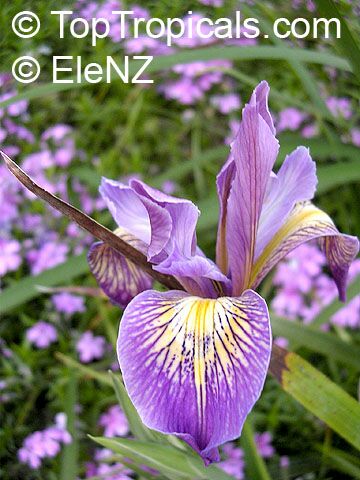
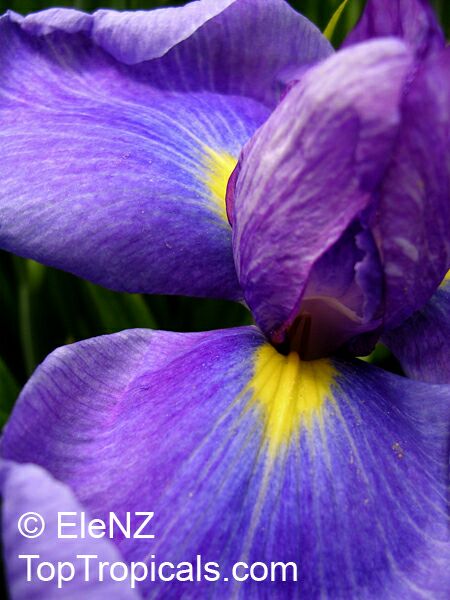
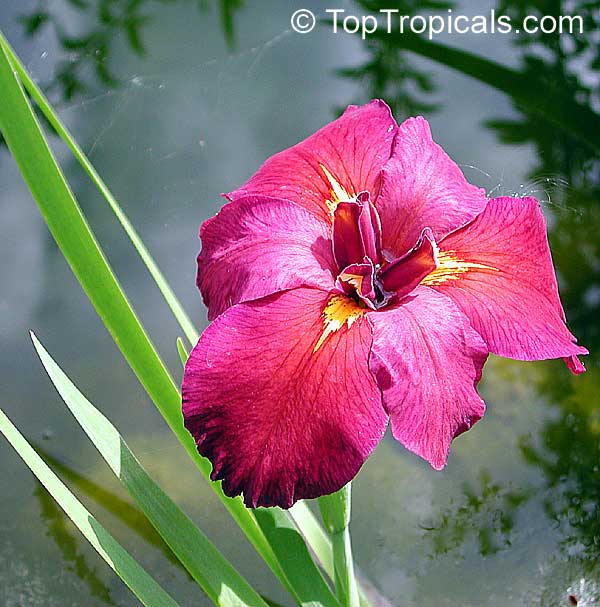
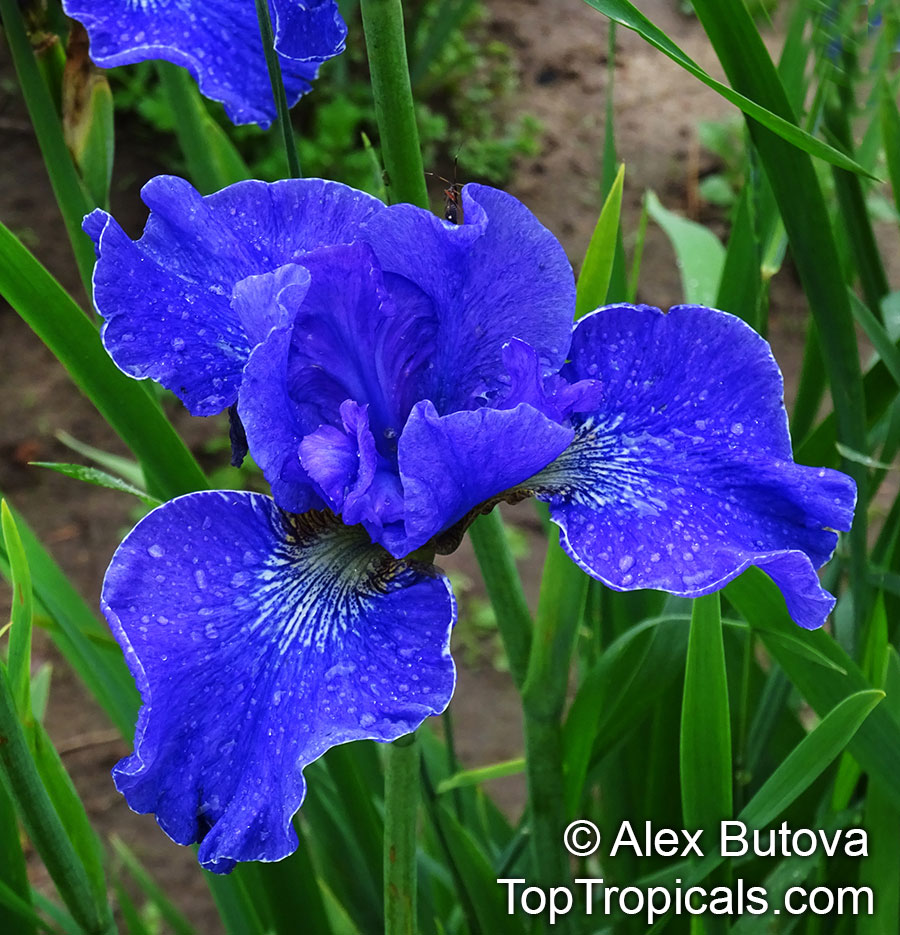
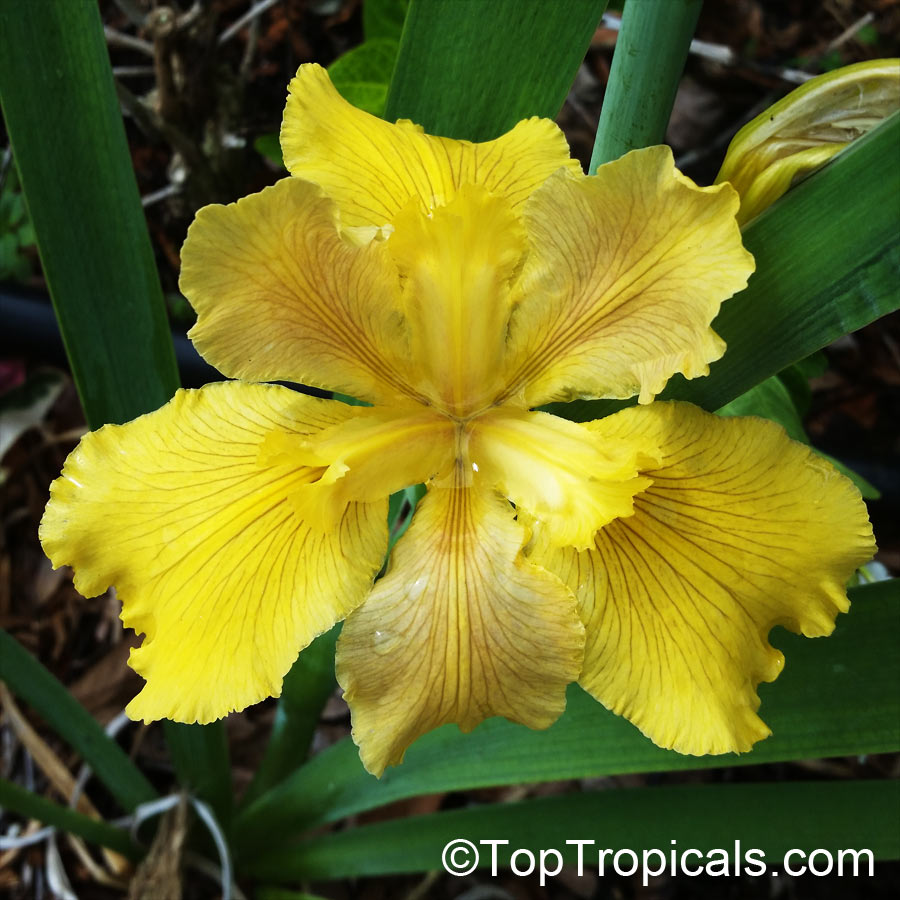
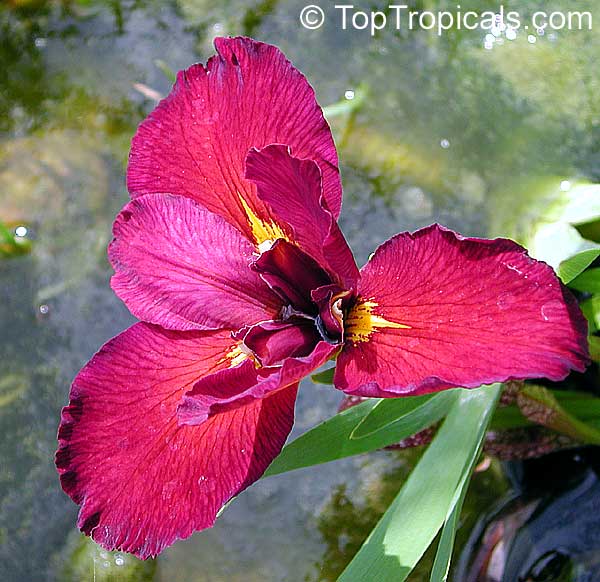
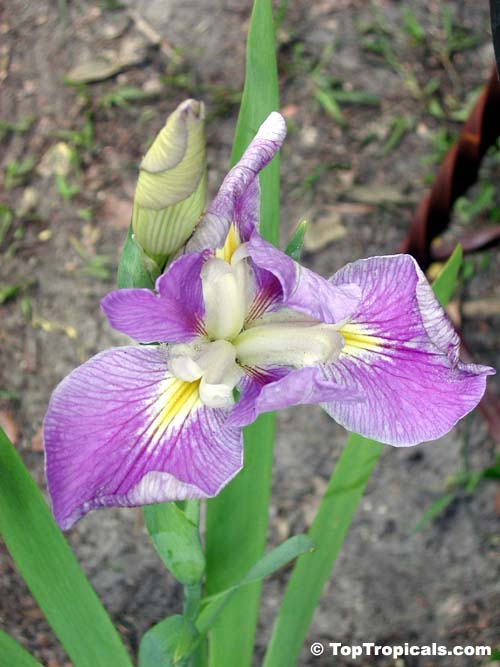
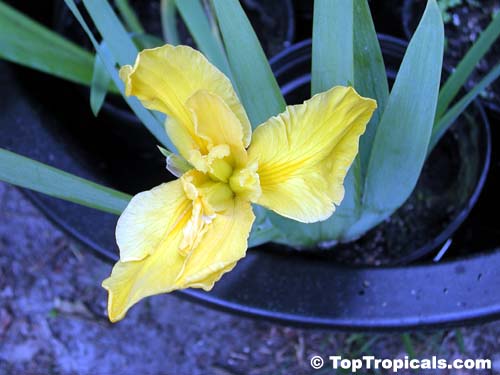
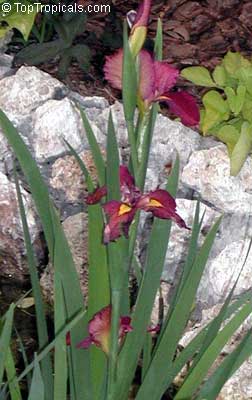
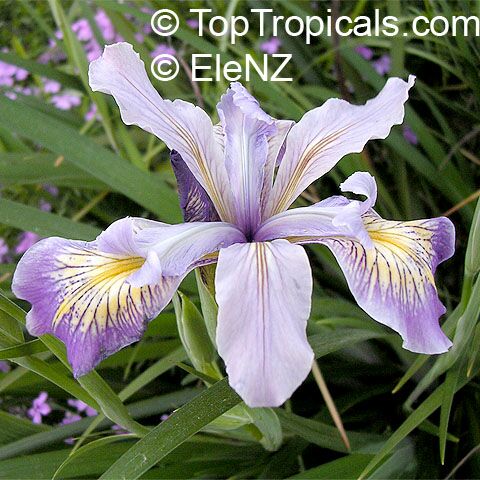
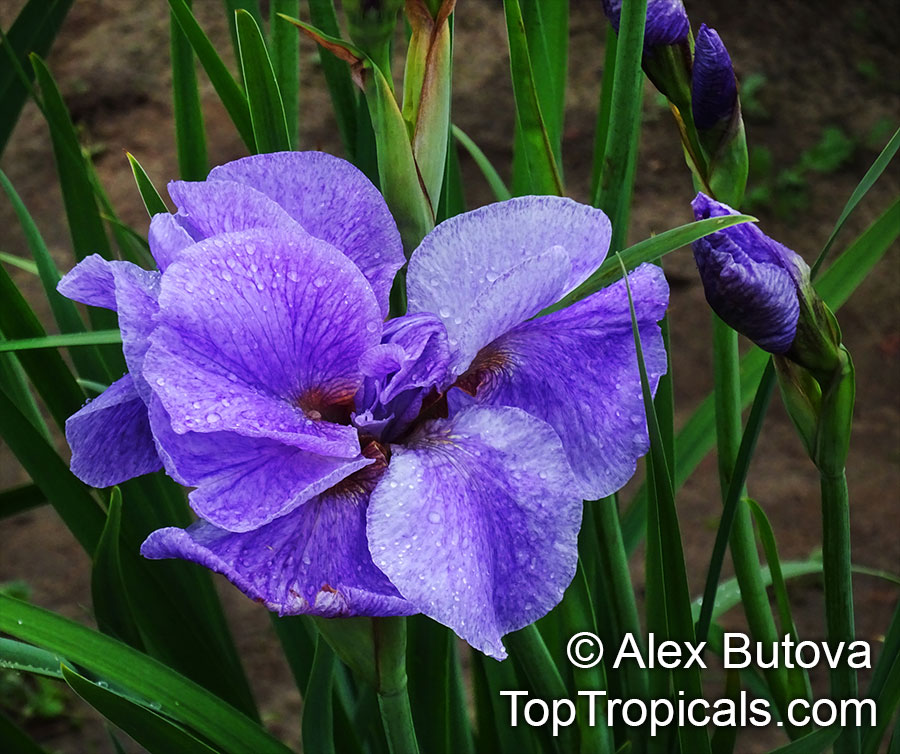
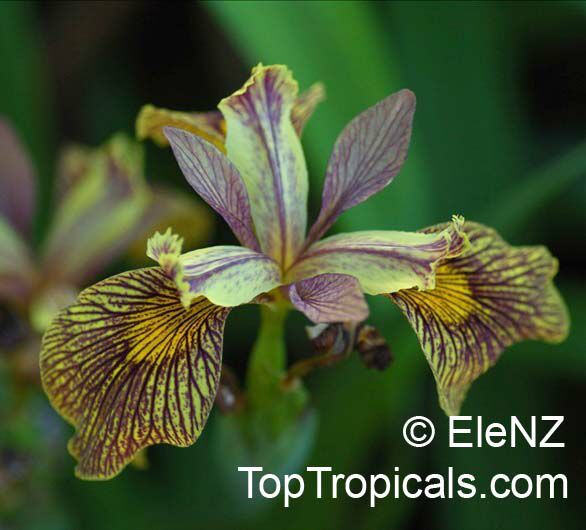
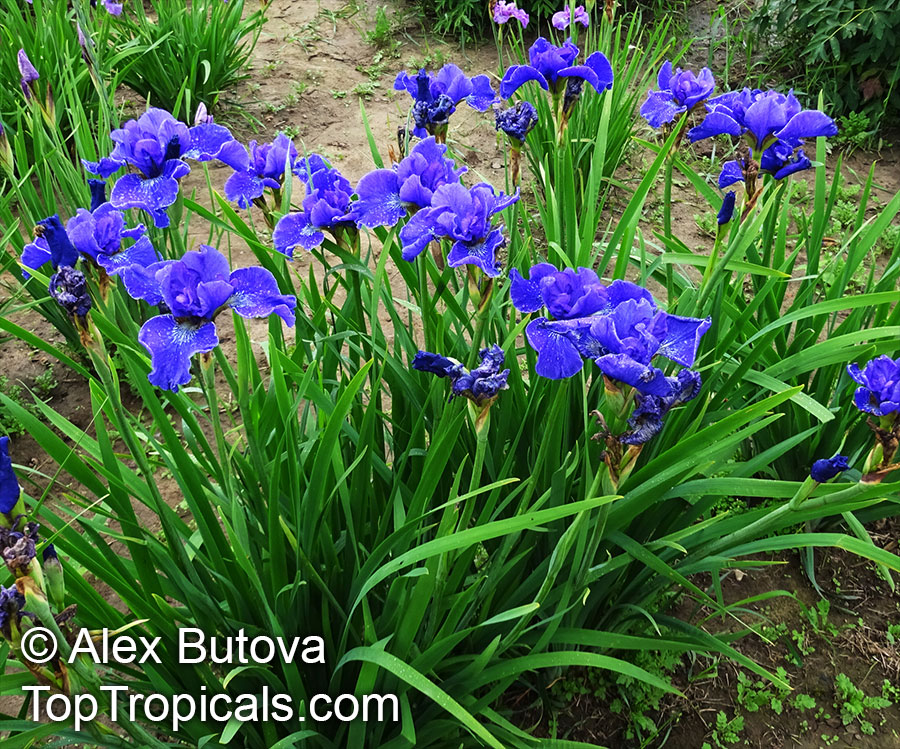
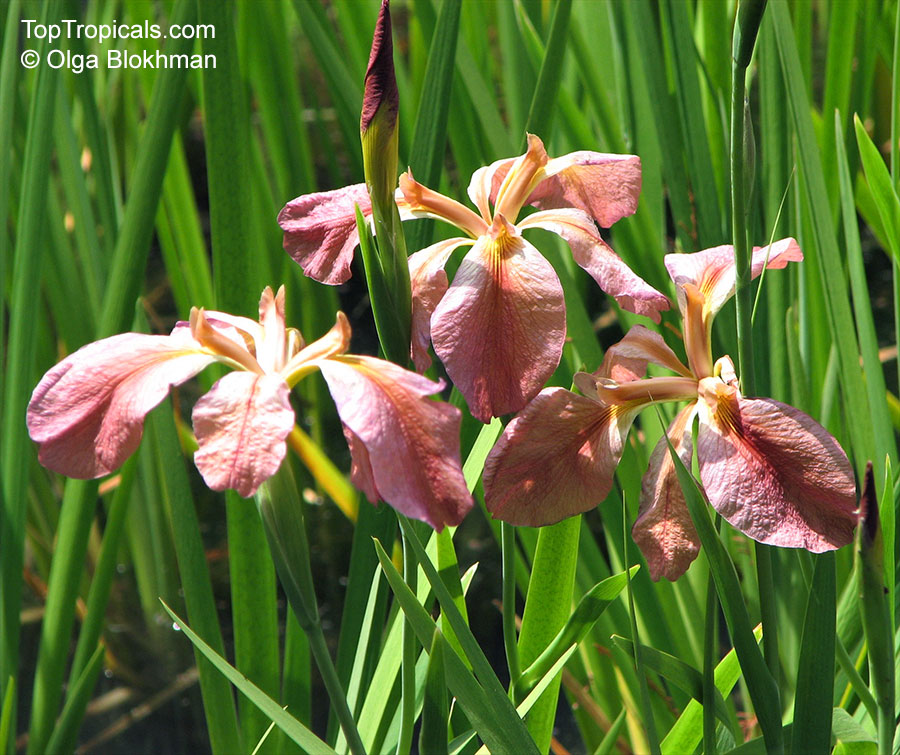
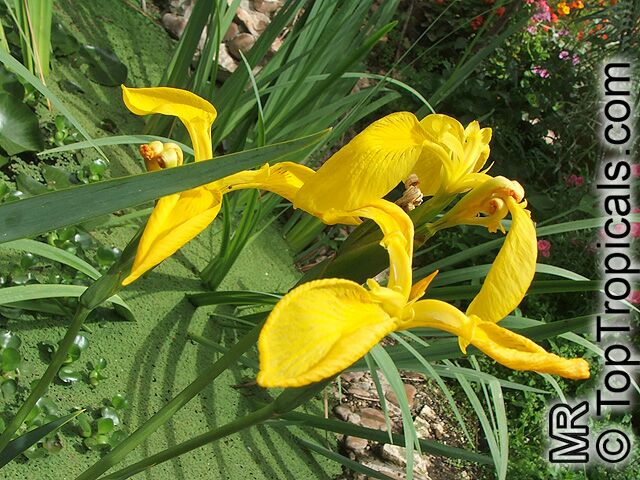
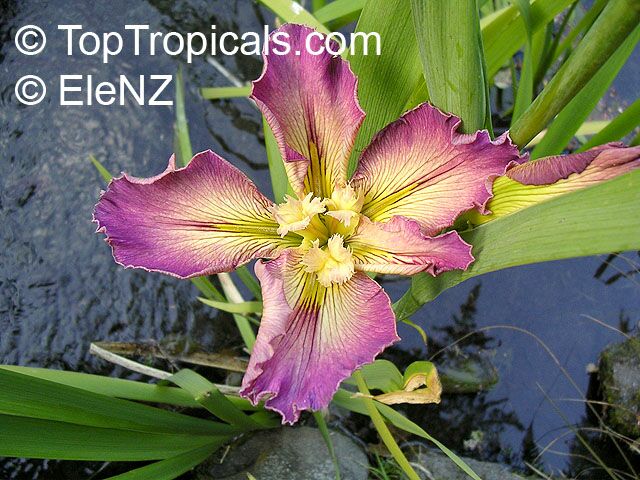
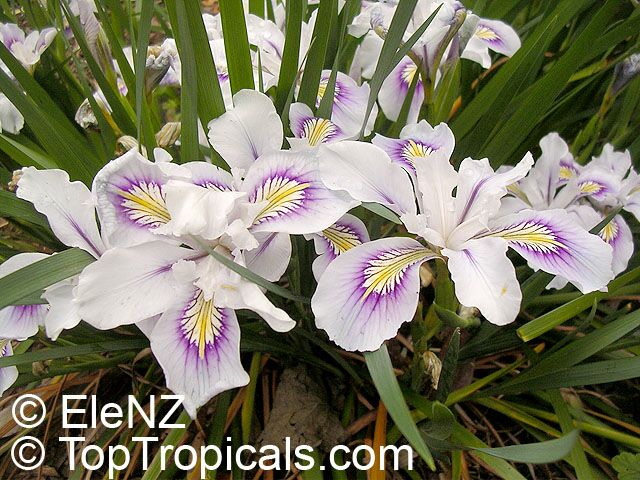
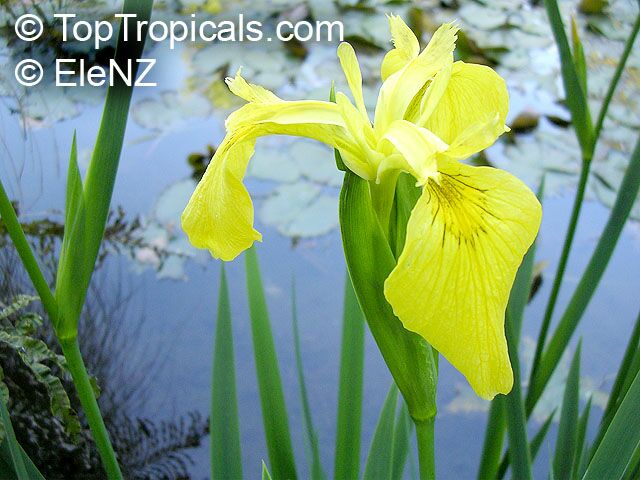
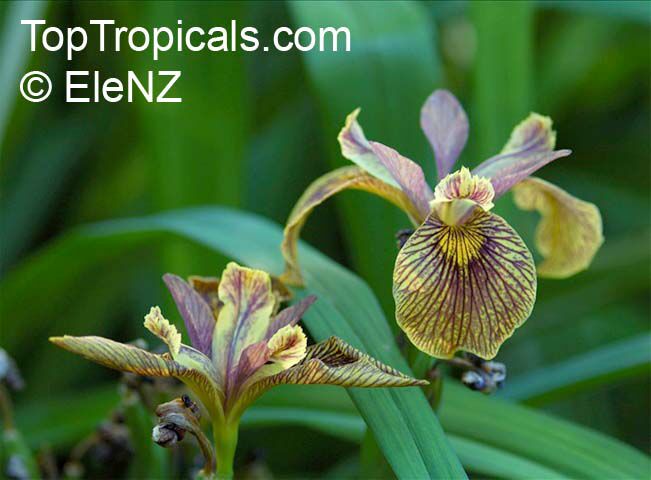
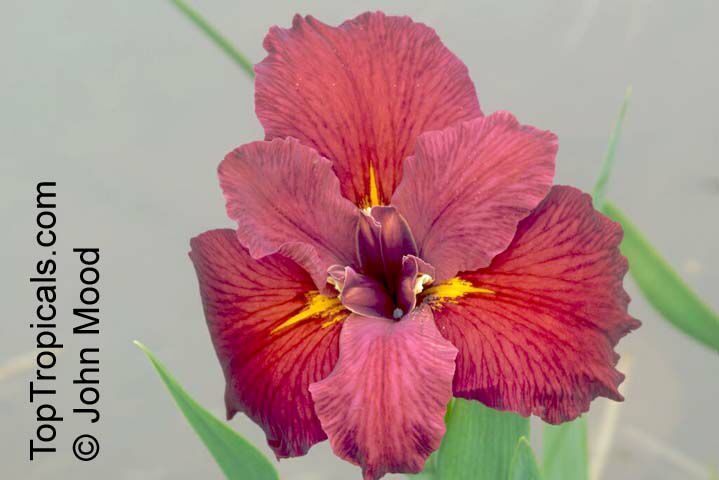
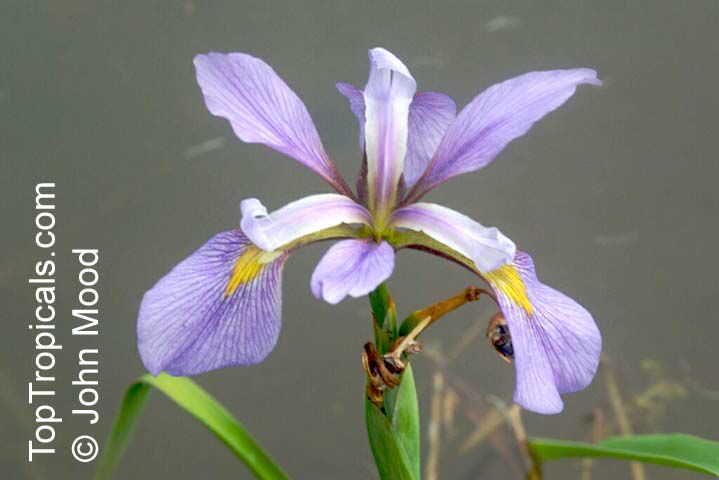
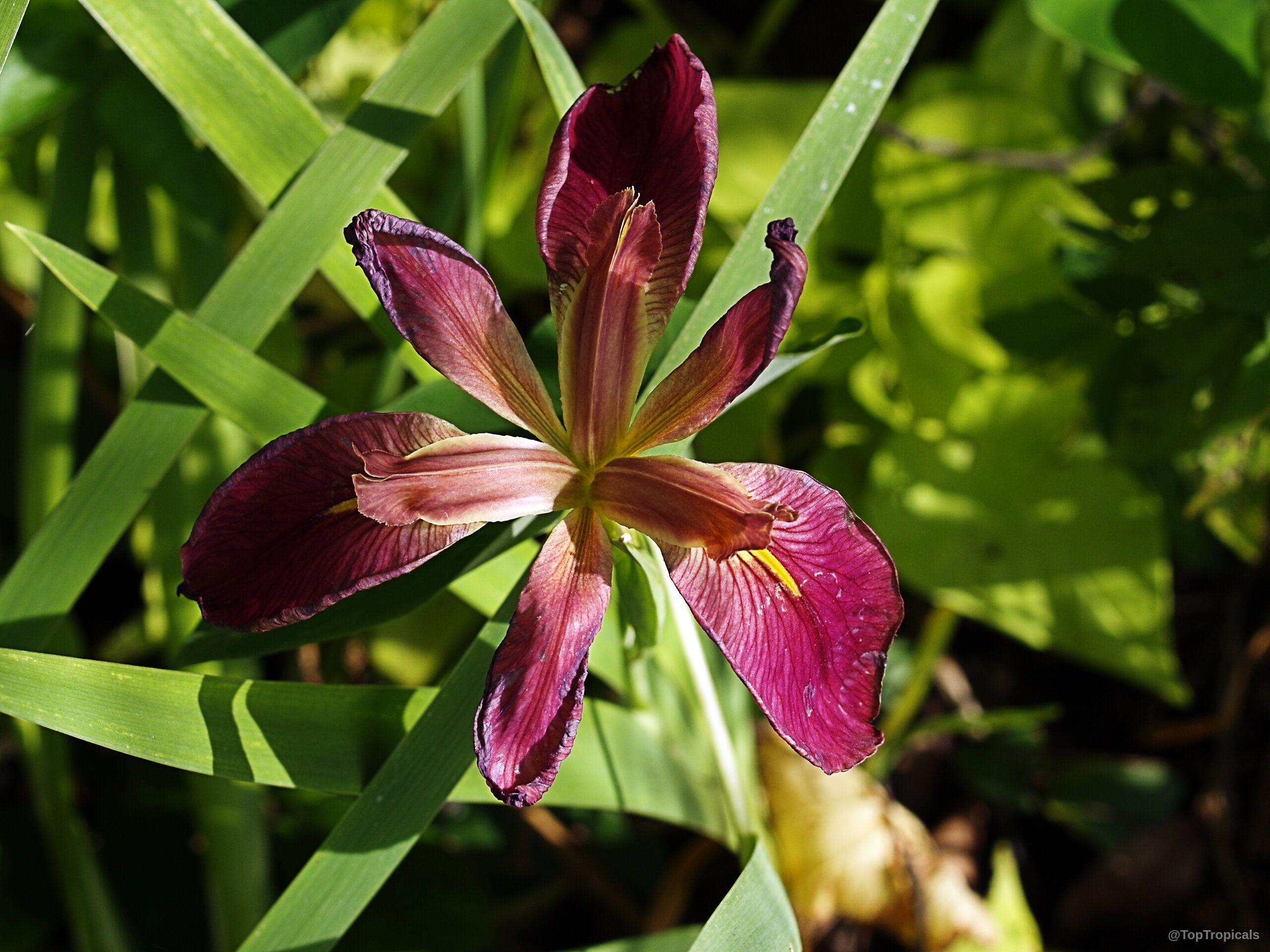
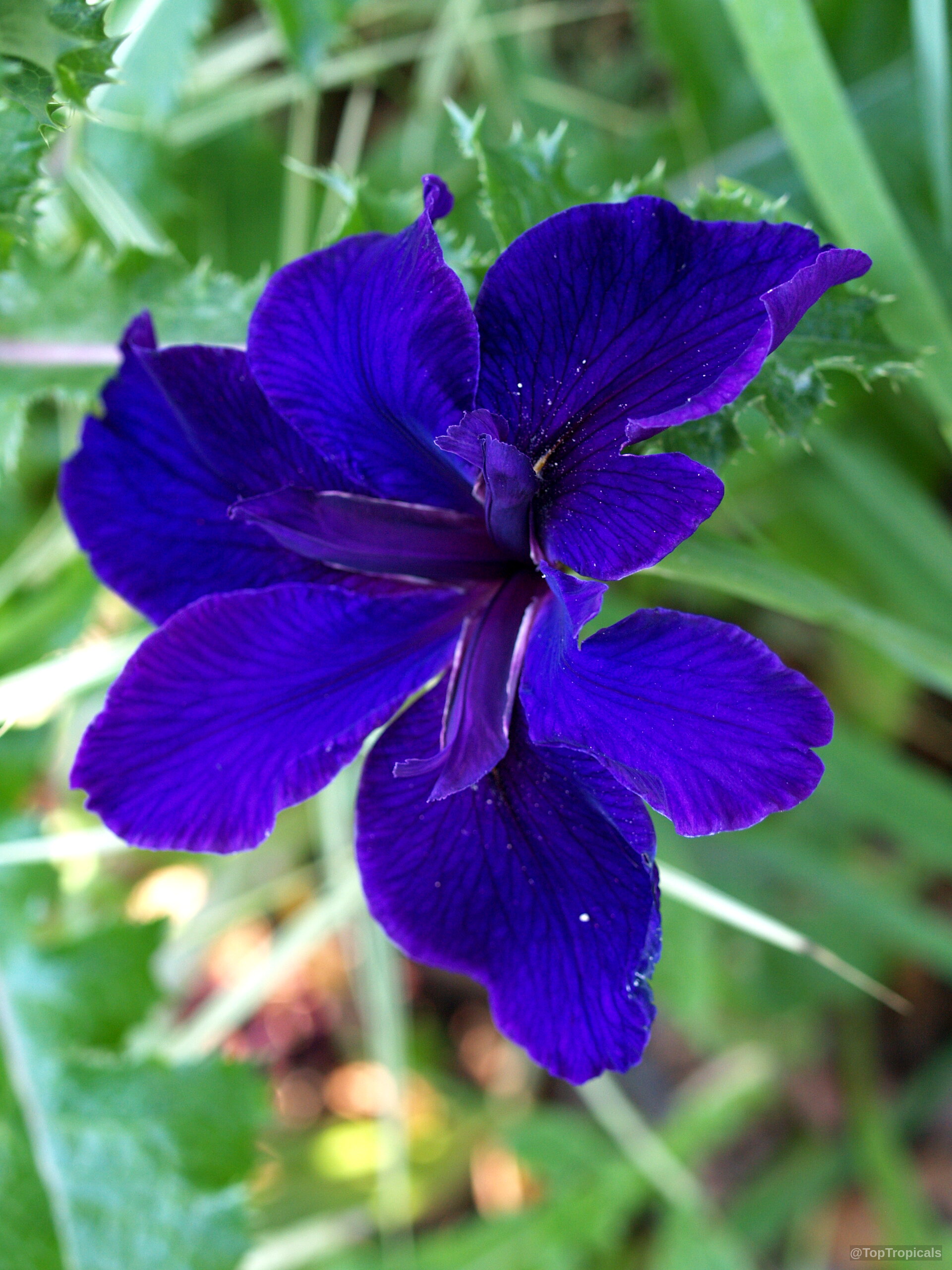
 Flower color: Pink; white and off-white; blue, lavender, purple; red, crimson, vinous; yellow, orange; unusual color
 Suitable for: Outdoors in the suitable USDA zone; small gardens, containers, and indoor growing
 Flood tolerance: High
 Wildlife: Attracts butterflies and hummingbirds
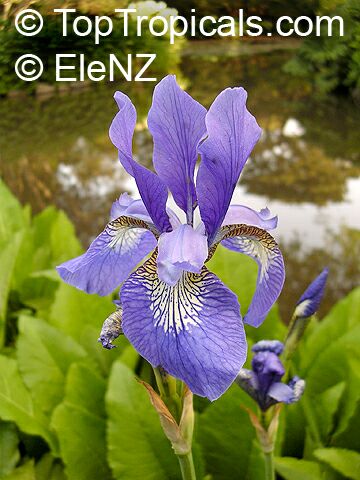
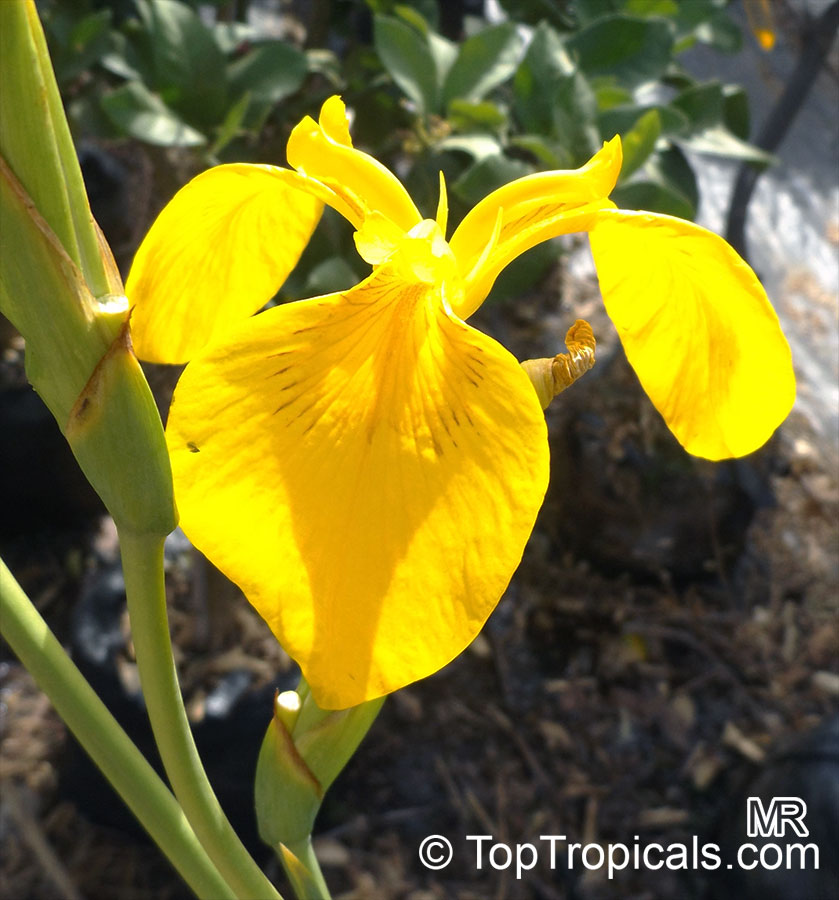
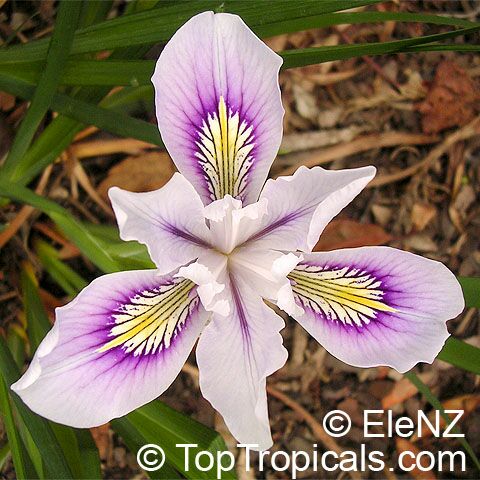
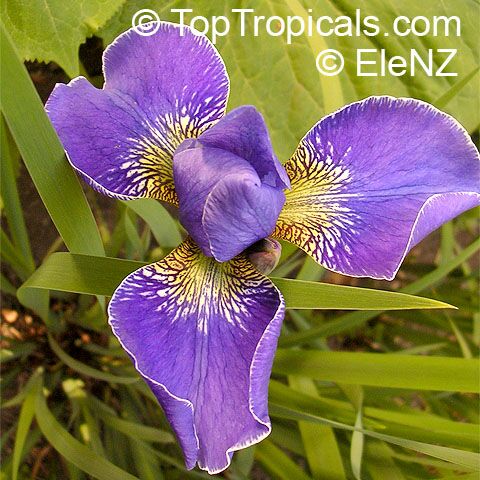
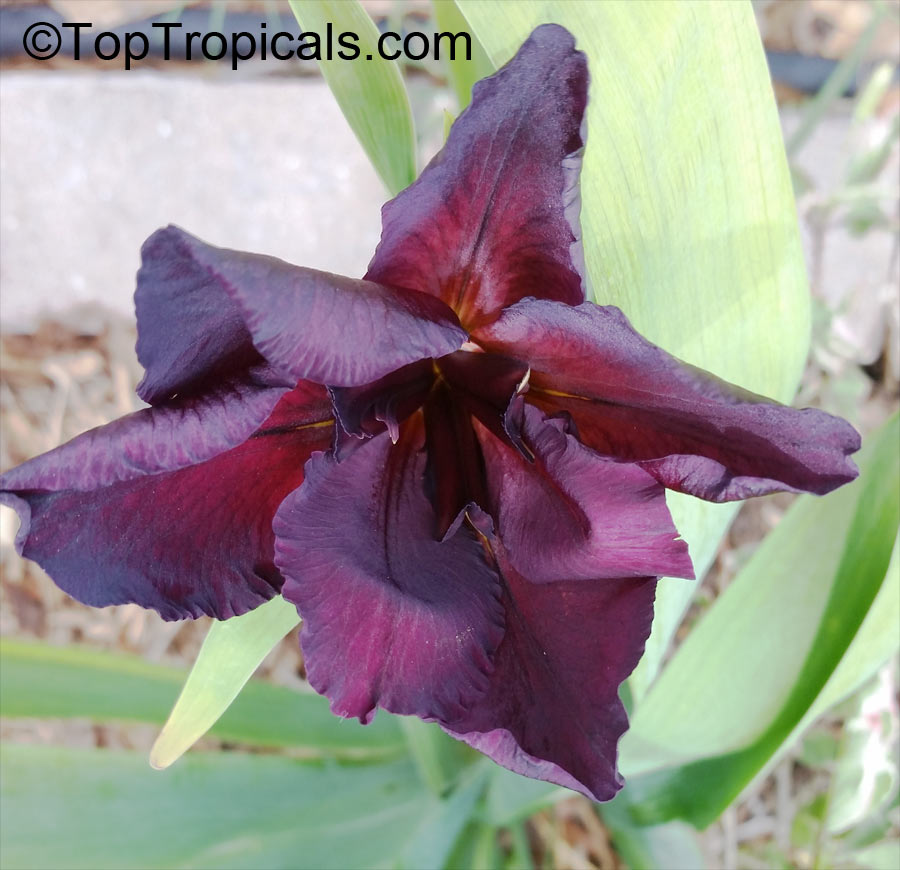
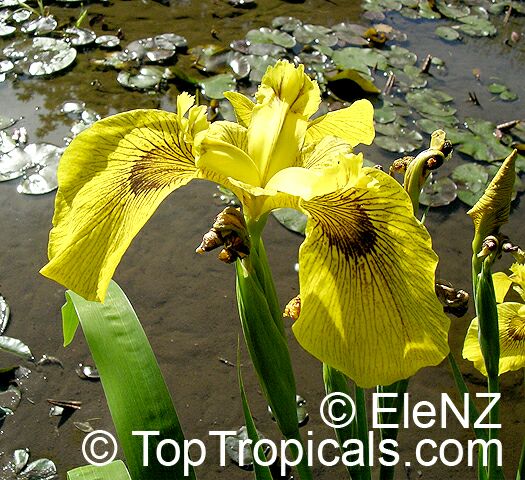
Iris is a genus of flowering plants with showy flowers ranging in color from gold or yellow to white, blue, lavender and purple. Pink and apricot colored irises have also been bred in some species. The name "Iris" can be applied either to the genus, or to any of the species within it. It is also applied to various subdivisions within the genus.
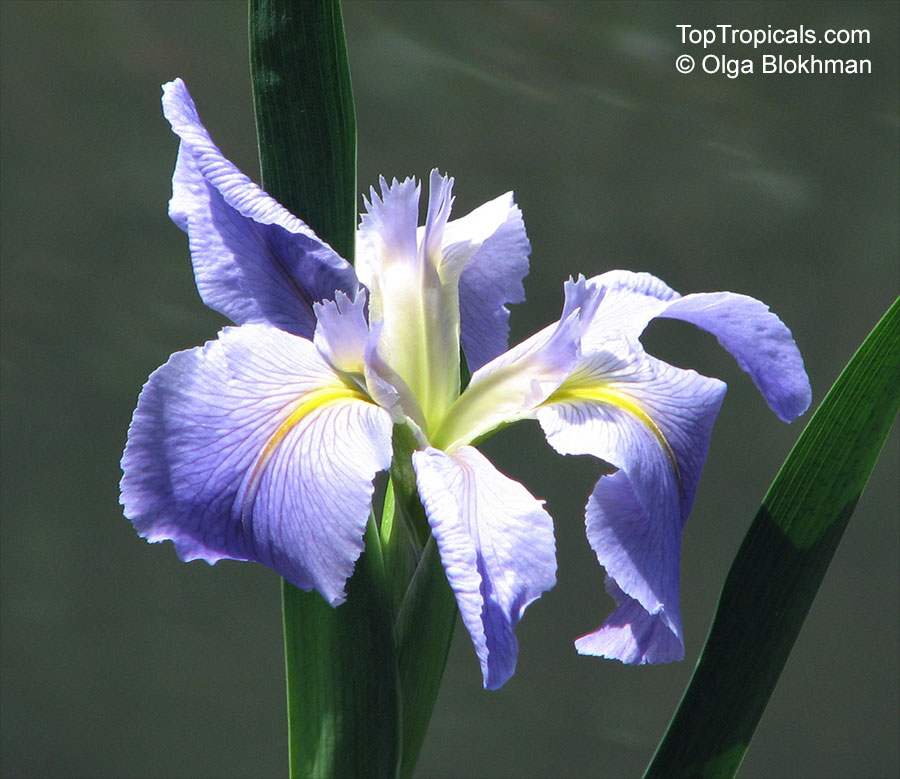
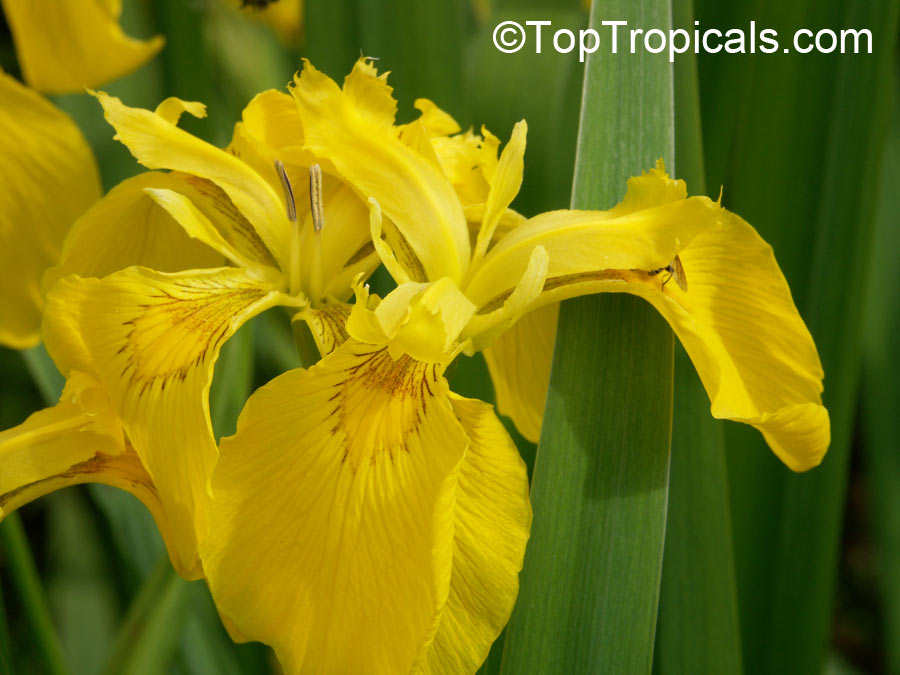
There are many species of Iris, widely distributed throughout the north temperate zone. All Irises have long stems and six-lobed flowers with three petals sagging downwards (actually large sepals in the same color as the flower), and three standing upright. Some smaller iris species have all six lobes pointing straight outwards. Typical irises grow from a creeping rhizome, but some species, known as bulbous irises, have a bulb. The cushion irises are somewhat fastidious growers, and to be successful with them they must be planted rather shallow in very gritty well-drained soil. They should not be disturbed in the, autumn, and after the leaves have withered the roots should be protected from heavy rains until growth starts again naturaily.
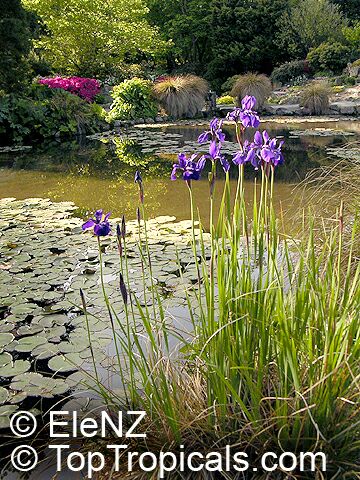
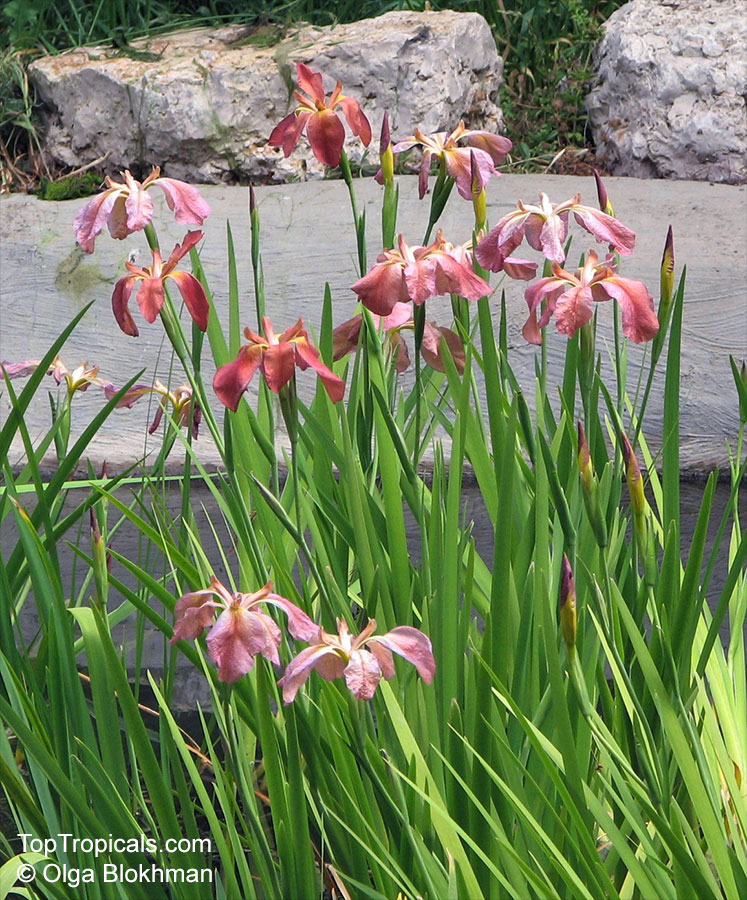
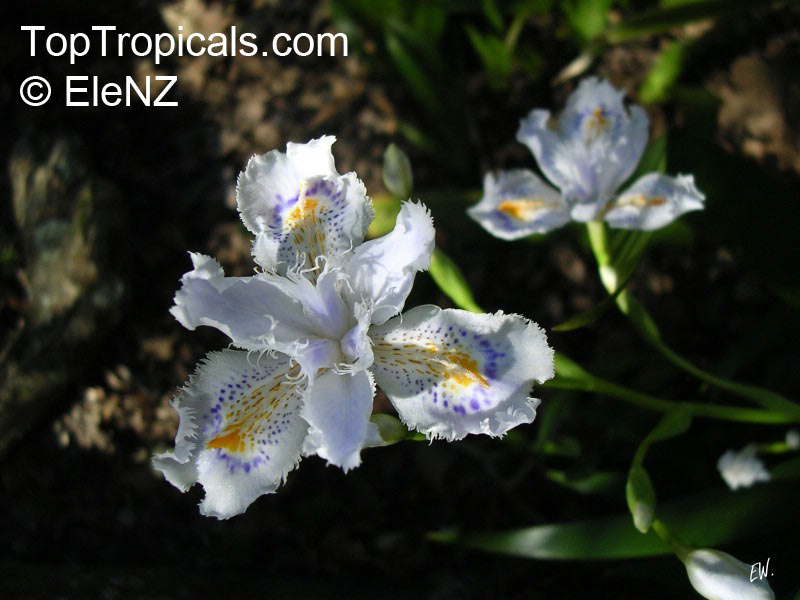
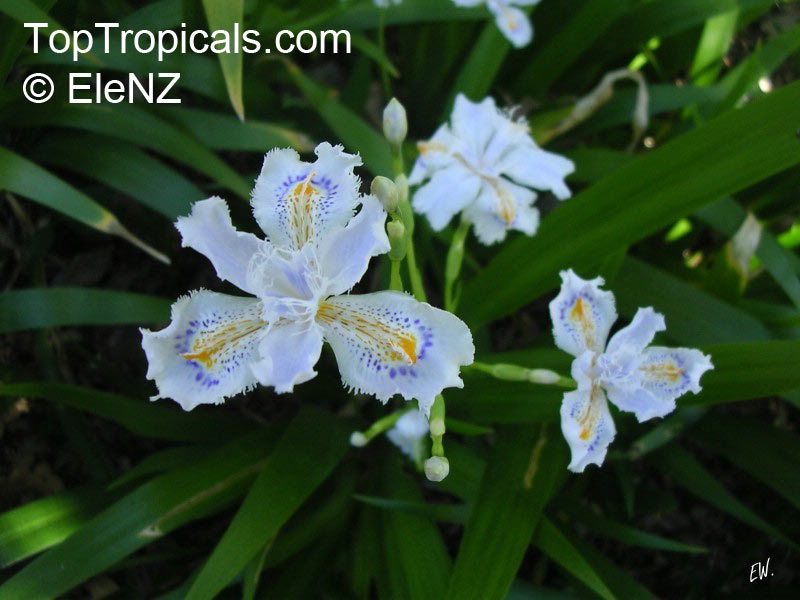
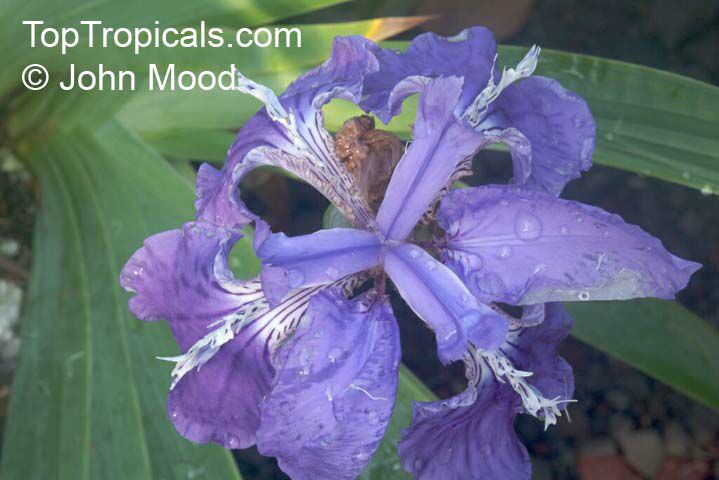
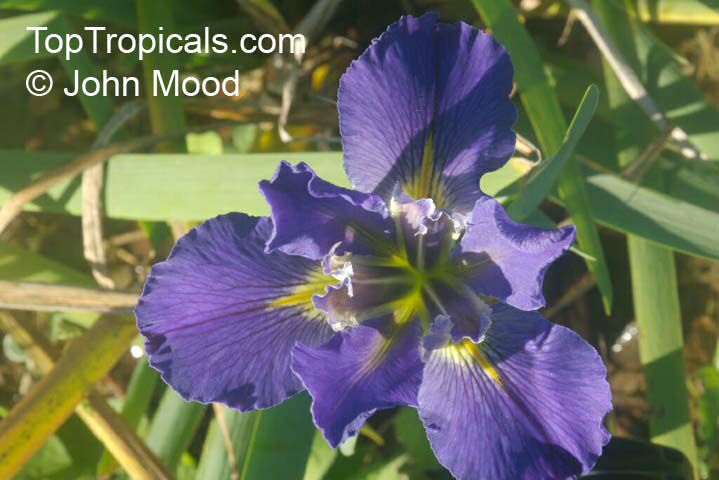
Beardless irises comprise the Pacific Coast irises, Siberian, Spuria, Laevigata the water or Japanese irises, Louisiana, Unguiculares and Crested irises. Louisiana iris can survive in cold climates with winter protection, moved to a cold frame or frost free cellar.
Similar plants: Iris sp. (Beardless Irises)