Ilex paraguariensis (Yerba Mate)
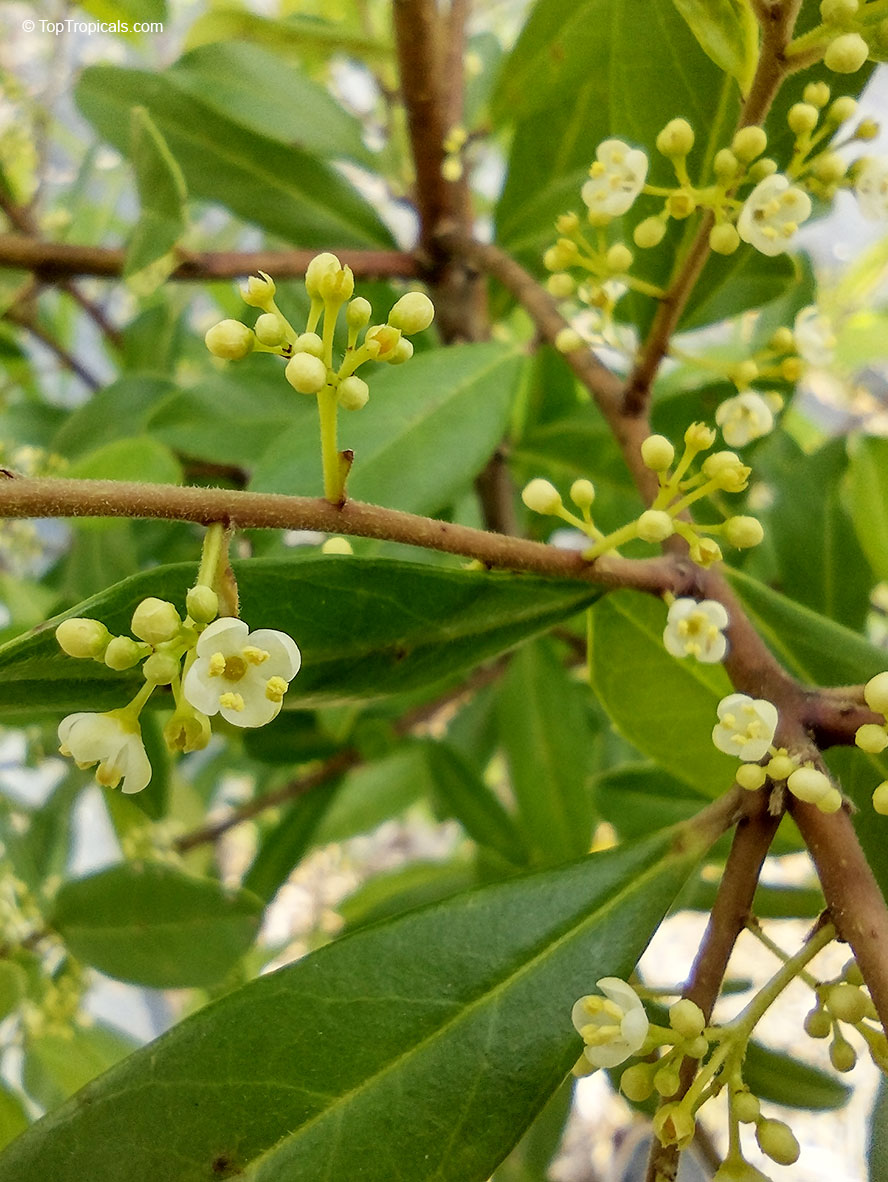
Botanical name: Ilex paraguariensis
Common name: Yerba Mate
Family: Aquifoliaceae
Origin: Subtropical South America
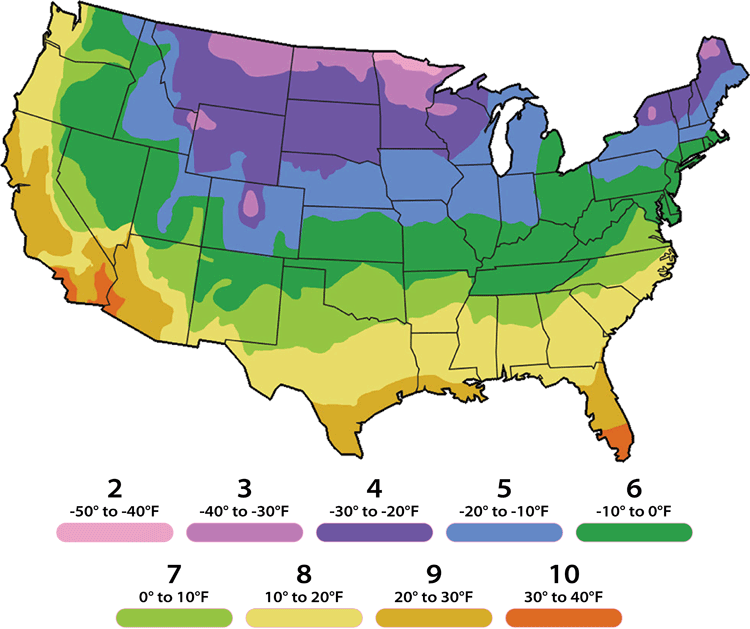
Hardiness: 20°F


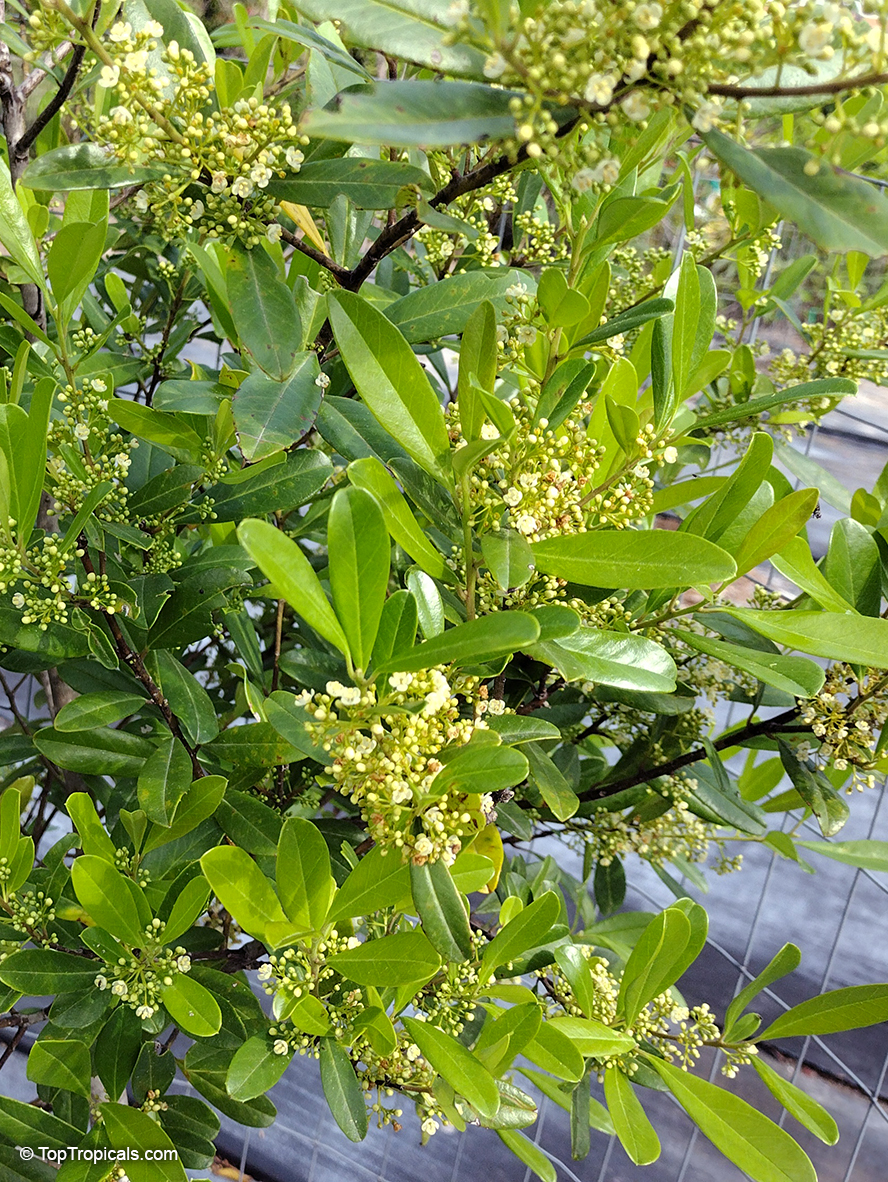
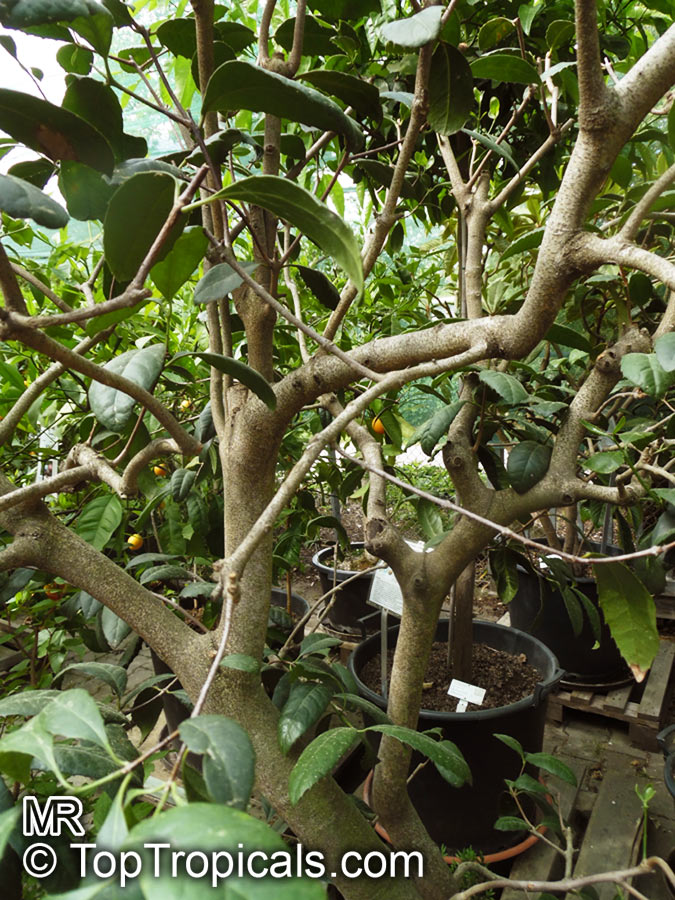
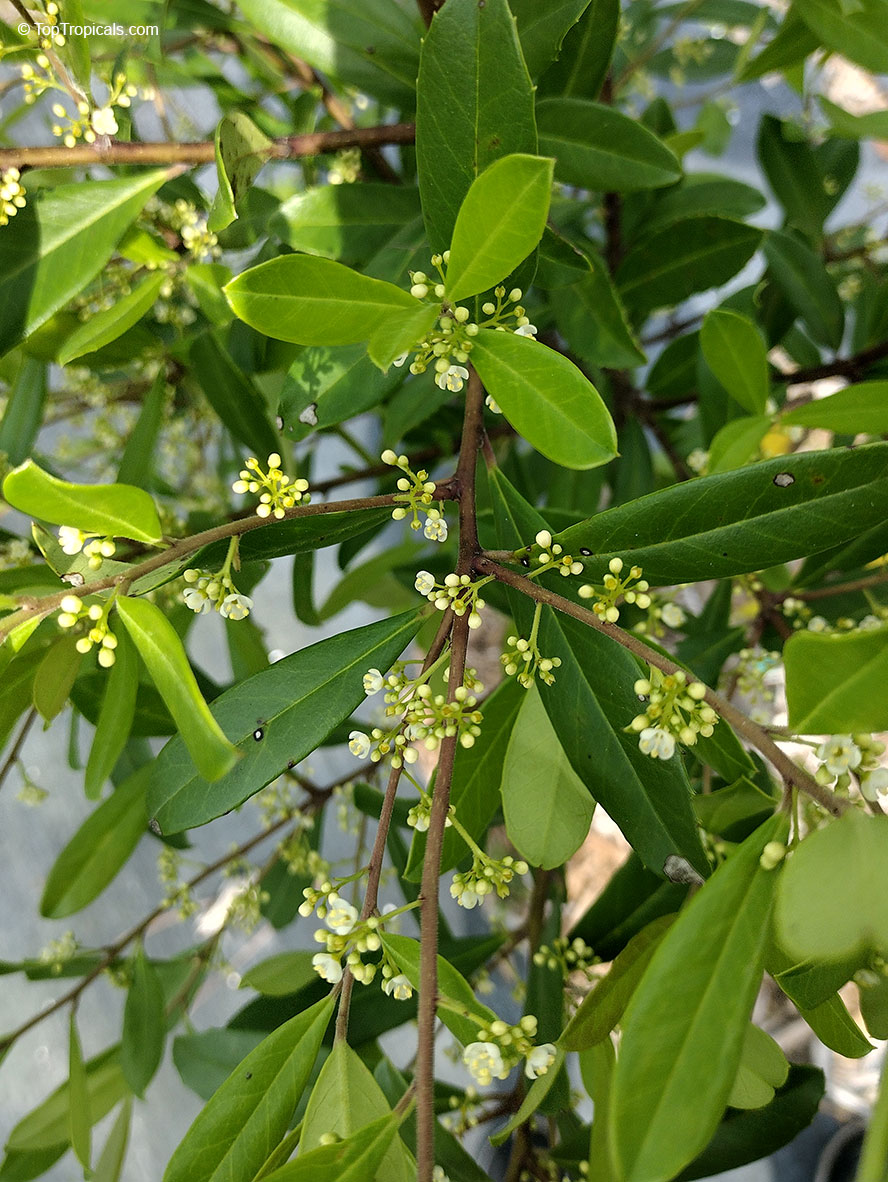
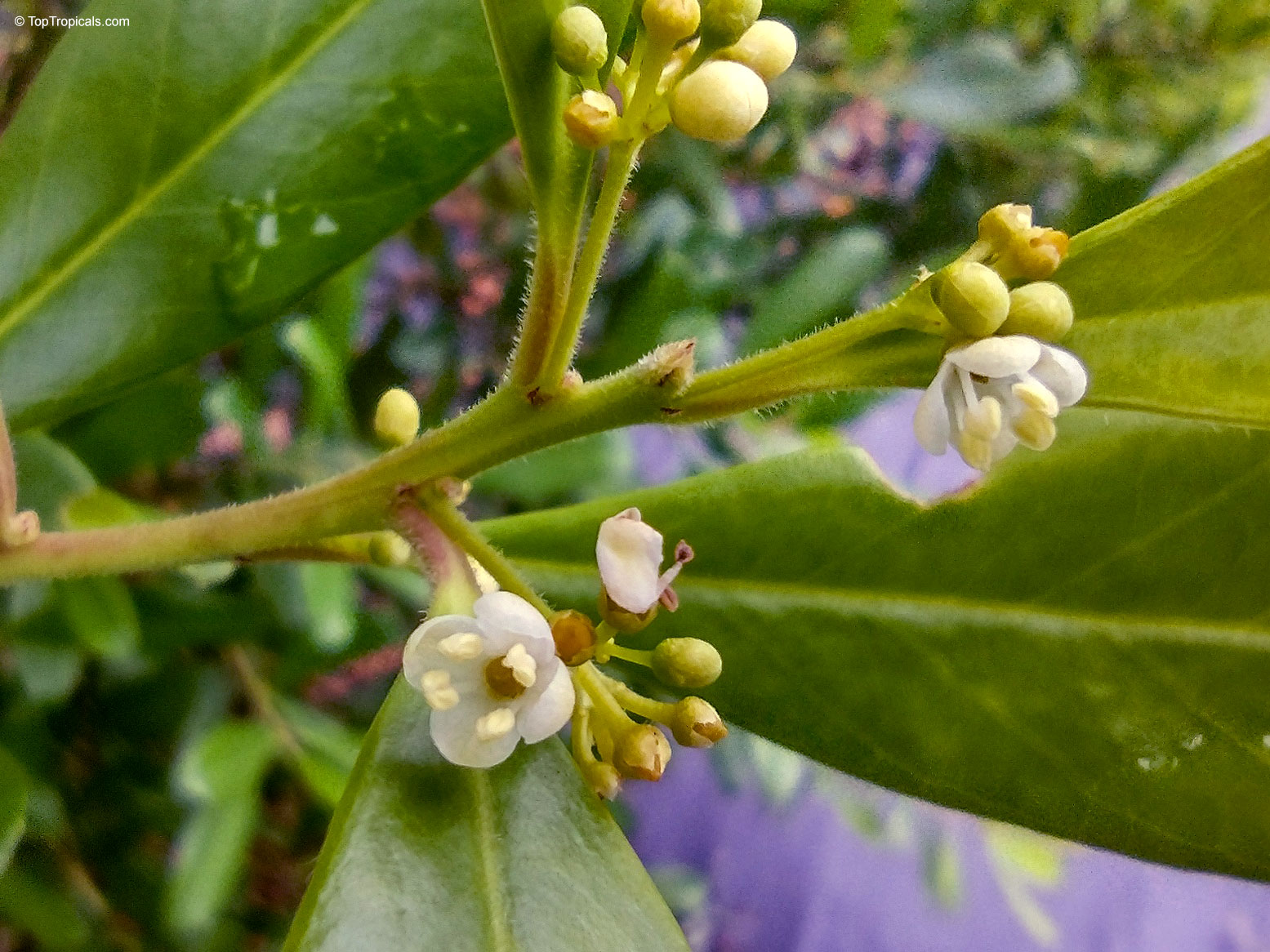
Ilex paraguariensis is an evergreen tree or large shrub in the holly family, native to subtropical regions of South America, including Paraguay, Brazil, Argentina, and Uruguay. It bears glossy, serrated leaves and small white flowers, followed by red berries. The leaves are harvested, dried, and traditionally used to prepare yerba mate, a stimulating beverage rich in caffeine and antioxidants. The species is culturally significant and economically important throughout its native range, with plantations established for commercial leaf production.
Grow Ilex paraguariensis in full sun to partial shade, in fertile, well-drained soil with regular moisture. It prefers a warm, humid climate and is not tolerant of prolonged frost. Plants benefit from protection from cold winds and light pruning to maintain shape and encourage new leaf growth for harvest. Propagation is typically from seed, though germination can be slow. Hardy in USDA Zones 9-11. Suitable for agroforestry systems, specialty crop production, and ornamental planting in suitable climates. See Yerba Mate (Ilex paraguariensis) article
Similar plants: Ilex paraguariensis (Yerba Mate)