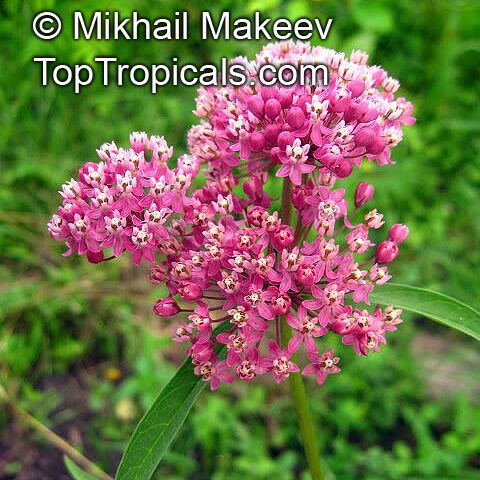
Asclepias incarnata (Swamp Milkweed)
Botanical name: Asclepias incarnata
Common names: Swamp Milkweed, Rose Milkweed, Swamp Silkweed
Family: Apocynaceae (Formerly:Asclepiadaceae)
Subfamily: Asclepiadoideae
Origin: North America
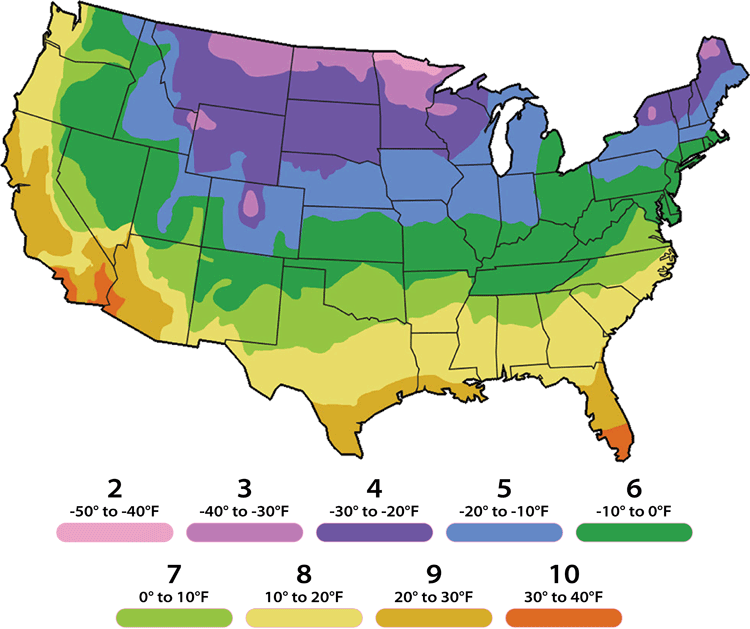
USDA Zone: 3-10
 Plant form: Small
 Mature height: 2-5 ft
 Sun exposure: Full sun or bright light indoor
 Cold tolerance: Tolerates light freezing to about 30°F for short periods (mature plants). Young plants must be protected.


 Watering: Regular; moderate; keep soil moist; bog or aquatic
 Flower color: Pink
 Suitable for: Outdoors in the suitable USDA zone; small gardens, containers, and indoor growing
 Irritating or toxic: Irritating
 Wildlife: Attracts butterflies and hummingbirds
Swamp milkweed (Asclepias incarnata) is a drought-tolerant plant with a strong taproot, making it ideal for areas with limited water. It can thrive in pots with good drainage and regular watering, and appreciates occasional light fertilization and weed-free conditions.
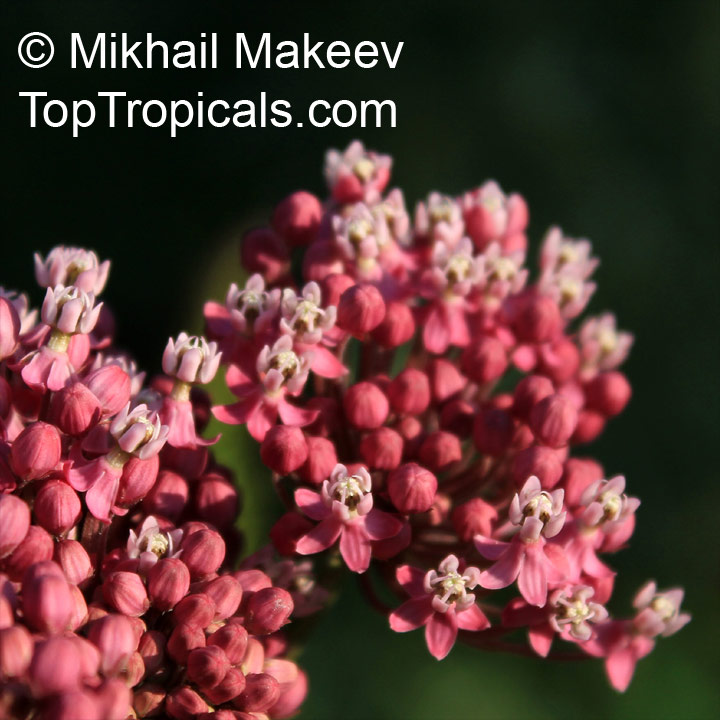
This Missouri native plant grows well in grows in USDA zones 9-11. It is clump-forming and grows 3-4 feet tall on branching stems. It is commonly found in swamps, river bottomlands, and wet meadows in the state. Its small, fragrant flowers are pink to mauve and have five reflexed petals and an elevated central crown. These flowers appear in tight clusters at the ends of the stems in the summer and are a popular nectar source for butterflies, particularly the Monarch butterfly. The plant also produces attractive seed pods, which split open to release silky-haired seeds when ripe.
The genus name of swamp milkweed honors the Greek god of medicine, Asklepios, while the specific epithet refers to the flesh-colored flowers. This plant is easy to grow in full sun and tolerates average, well-drained soils in cultivation, despite being native to swamps and wet meadows. Its deep taproots make it best left undisturbed once established, and its foliage may take longer to emerge in the spring. Swamp milkweed is suitable for sunny borders, stream or pond banks, and butterfly gardens, and it is a good plant for moist areas in the landscape. However, it is important to note that its stems exude a toxic milky sap when cut.
Similar plants: Asclepias incarnata (Swamp Milkweed)