Garden Blog - Top Tropicals
Date: 6 Aug 2026
The Biggest Breakthrough in Tropical Horticulture Since Someone Invented Coffee
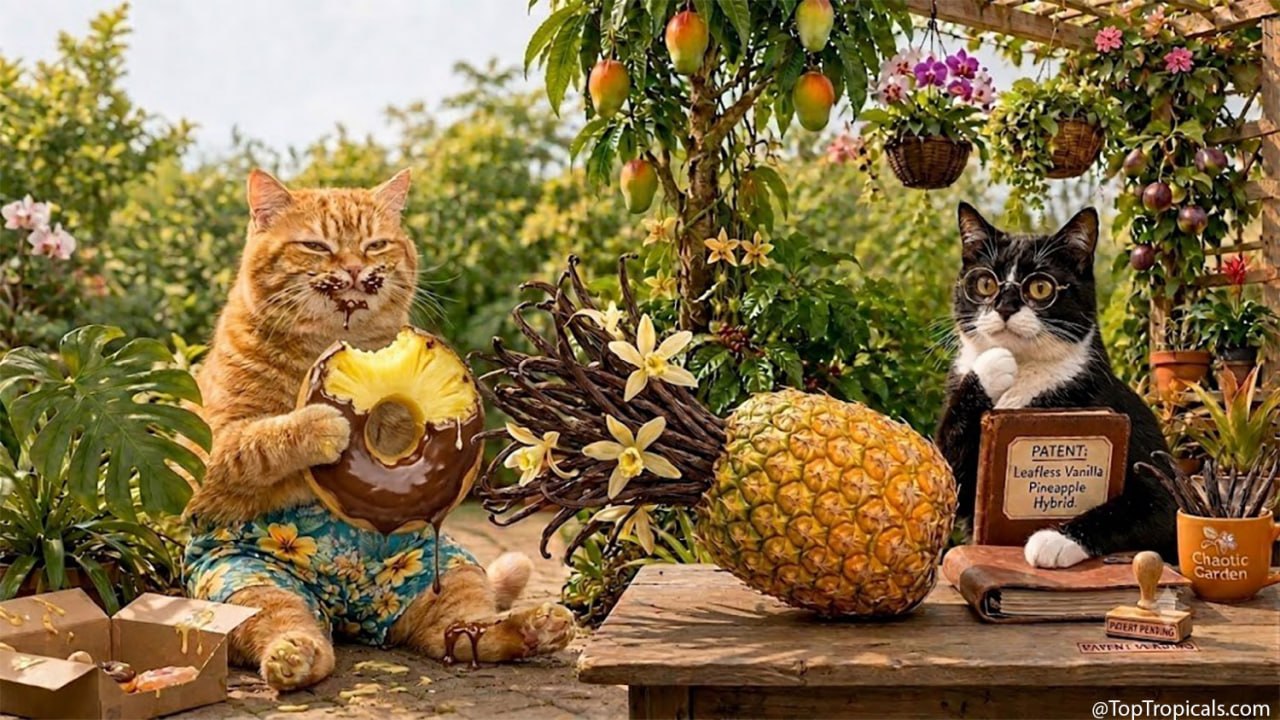
🍍 The Biggest Breakthrough in Tropical Horticulture Since Someone Invented Coffee
Smokey: "I've just created the world's first Pineapple × Leafless Vanilla hybrid. I call it Vananas dillonianus. The patent paperwork is almost finished."
Sunshine: "Great. I already turned it into donut glaze."
Smokey: "You did WHAT before I filed the patent?"
Sunshine: "Relax. It's called field testing."
Smokey: "Please don't eat the prototype."
Sunshine: "Too late. It pairs beautifully with donuts."
Smokey: "This hybrid could change horticultural history."
Sunshine: "It already changed breakfast."
Smokey: "I was thinking Nobel Prize."
Sunshine: "I was thinking second donut."
Smokey: "I spent five years researching."
Sunshine: "And I spent five minutes proving it belongs on a donut."
Smokey: "I hate how often you're right."
📚 Learn more:
· Ananas comosus in Plant Elcyclopedia
· About Smokey & Sunshine
· Smokey & Sunshine interview
· The Vanilla Plant That Outgrew Its 100-Gallon Container
· The biggest in the world Vanilla dilloniana monster grew even bigger
· The most luscious Hospitality Fruit
· What is the best pineapple to grow at home
🎥 King of Fruits that makes you healthy and happy
#PeopleCats #Smokey_Sunshine #Food_Forest
🟢 Join 👉 TopTropicals
Date: 6 Aug 2026
A living Bonsai Orchid Tree for your patio: Bauhinia tomentosa
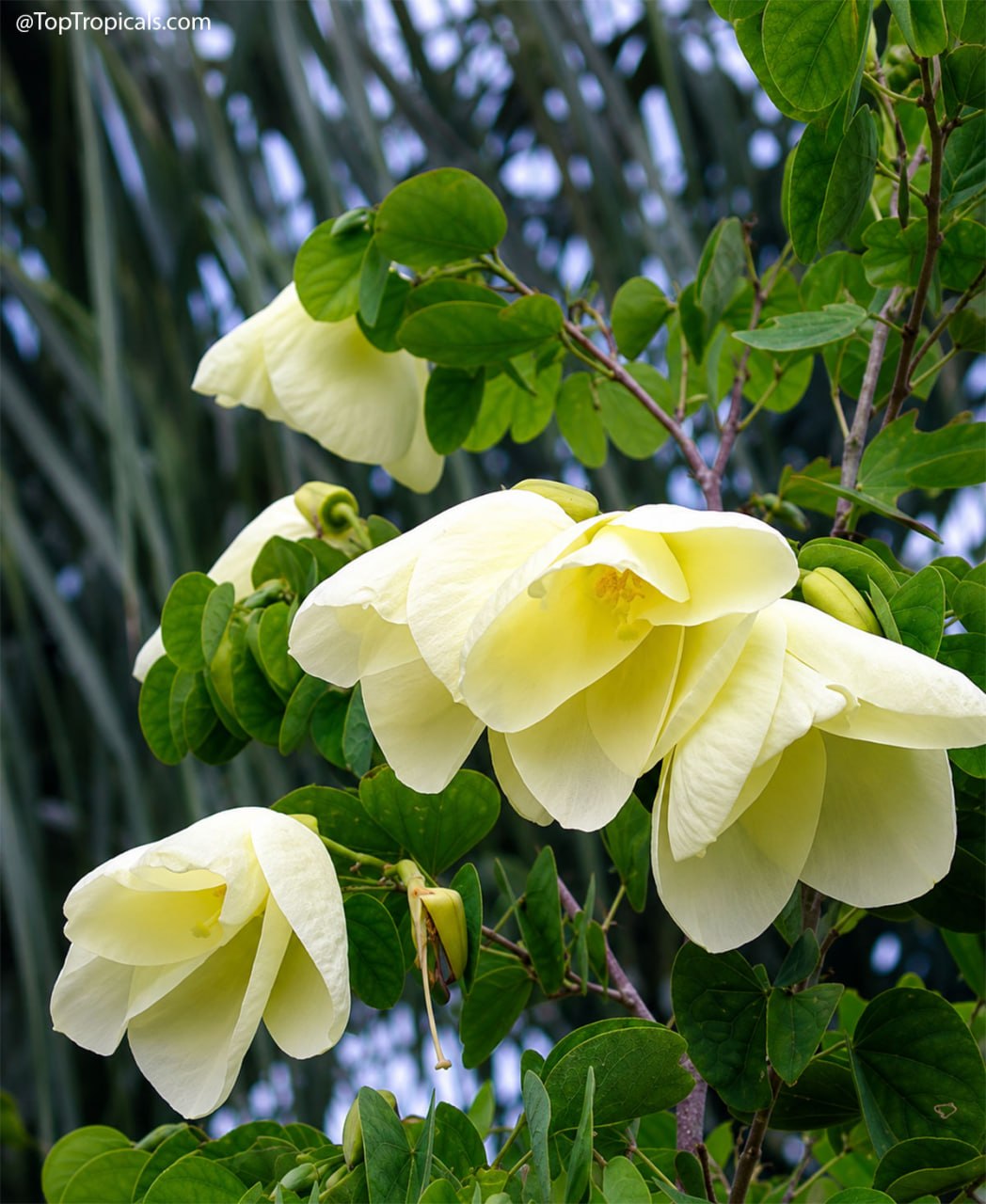
🦋 A living Bonsai Orchid Tree for your patio: Bauhinia tomentosa
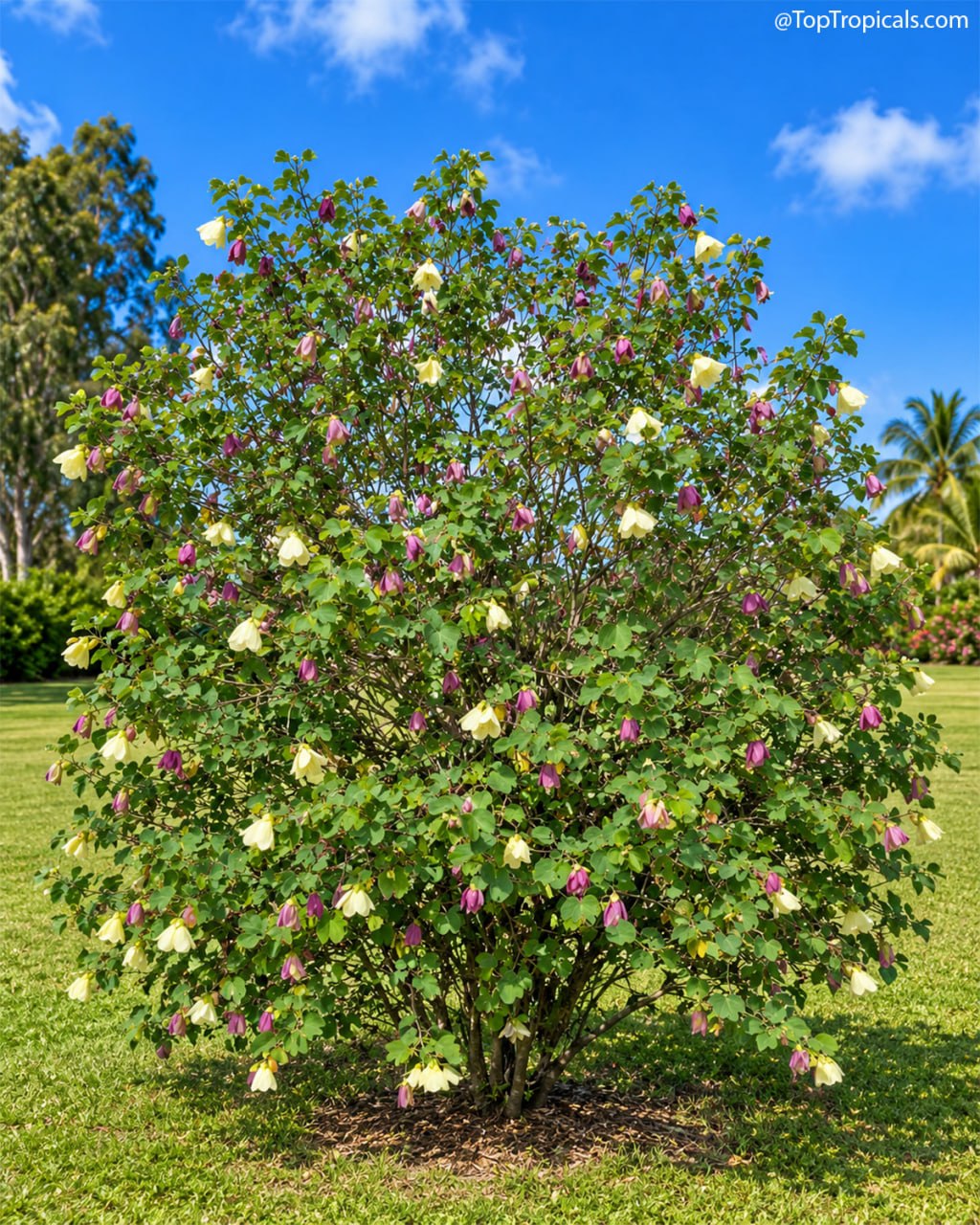
Most orchid trees eventually become massive, lanky tropical specimens that dominate a yard. The Yellow Orchid Tree (Bauhinia tomentosa) takes the exact opposite approach. Naturally compact, dense, and effortlessly charming, it gives gardeners all the beauty of a flowering orchid tree in a package small enough for a patio container.
🌻 Refined Foliage and "Bonsai" Character
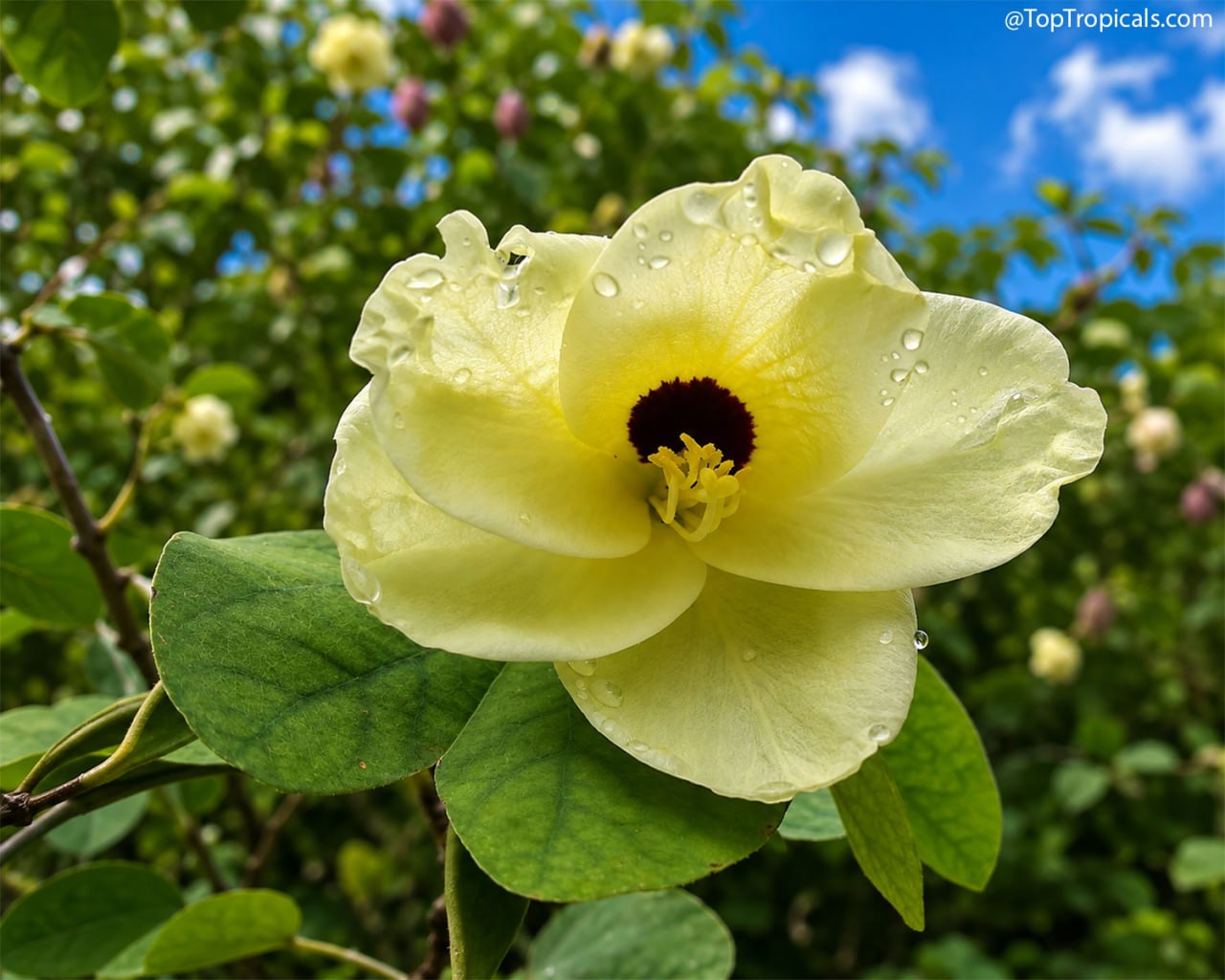
Unlike the broad, massive leaves of most Bauhinia species, Bauhinia tomentosa produces much smaller butterfly- or camel's-foot-shaped leaves. Combined with fine, delicate branching, the plant naturally develops a balanced, mature structure without requiring complex training.
Even without regular attention, it maintains a tidy, rounded profile. With an occasional trim, it assumes the elegant silhouette of an aged, large-scale bonsai.
🌻 The Pruning Paradox: More Trimming, More Blooms
Many flowering plants take months to recover after heavy shaping, but the Yellow Orchid Tree operates differently. Because it sets flowers on new growth, pruning actually stimulates fresh branching and generates a higher concentration of flower buds.
The Golden Rule for Bauhinia tomentosa: More pruning = more new shoots = more flowering tips.
Instead of becoming sparse or leggy with age, regular light pruning keeps the shrub full, bushy, and covered in blooms throughout the warm season.
🌻 Lantern-Like Flowers with a Color-Changing Surprise
While other orchid trees hold their blooms upright, the blossoms of Bauhinia tomentosa hang gracefully downward like delicate bells or lanterns.
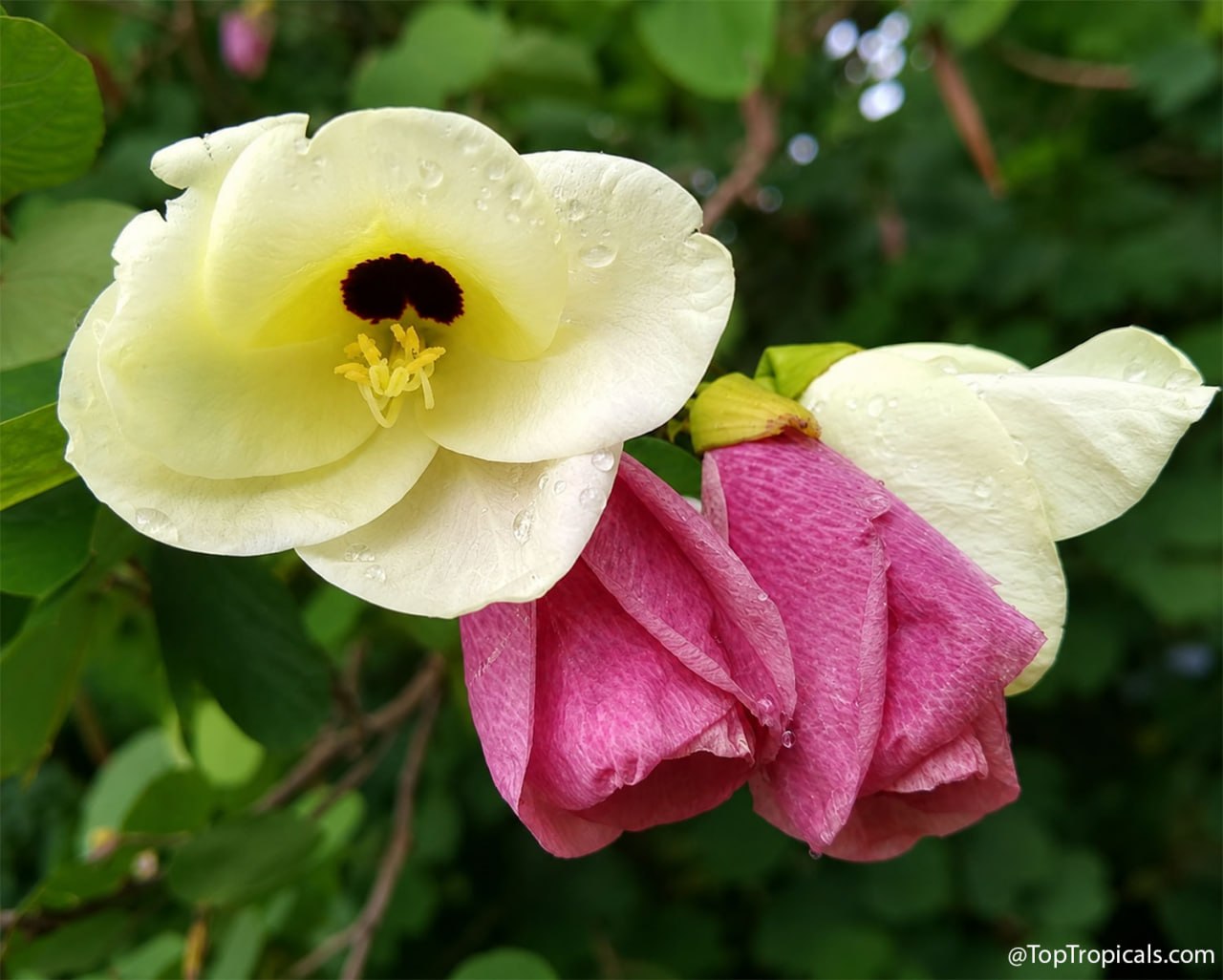
The Initial Bloom: Soft lemon-to-buttery yellow with a striking dark maroon blotch at the throat to attract pollinators.
The Color Shift: As the flowers age, the petals shift into soft pink and rosy-red tones.
The Visual Effect: Because fresh buds continue to open alongside maturing flowers, the shrub displays multiple shades of yellow, pink, and burgundy simultaneously.
🌻 Built for Containers and Cold Climates
Its greatest vulnerability is cold: Bauhinia tomentosa is among the least frost-tolerant members of the Bauhinia genus, making permanent in-ground planting tricky outside of tropical regions.
Fortunately, it thrives in pots. Container growing keeps the plant naturally compact and manageable, allowing gardeners in cooler regions to simply roll or carry the pot indoors when frost threatens.
🌻 Botanical Quirks and Traditional Uses
Beyond its ornamental value, the Yellow Orchid Tree carries a few surprising characteristics:
The Burned Rubber Secret: Crushing or rubbing the leaves between your fingers releases an unexpected scent that many gardeners compare to burned rubber - a memorable quirk that makes it a great conversation starter. It's also a secret how to tell this distinctive species from similar small-leaf bauhinias, when not in bloom.
Ethnobotanical History: Across parts of India and Africa, different parts of the plant feature in traditional herbal practice. The bark has historically provided an astringent gargle, while roots, flowers, and fruit pods have seen various folk applications.
🌻 How to Keep It Thriving
Light: Full sun to light shade (blooms best in full sun).
Soil: Tolerates a wide variety of soils provided drainage is excellent.
Watering: Regular moisture while establishing; once established, it handles light drought well.
Maintenance: Prune lightly after major bloom flushes to maintain structure and encourage the next flowering cycle.
For plant collectors with limited outdoor space, patios, or balconies, few flowering tropicals offer this level of constant color and manageable size.
🛒 Grow Your Own Mini Orchid Tree - Shop All Orchid Trees
📚 Learn more:
· Bauhinia tomentosa in Plant Encyclopedia
· Compact Bauhinias - everblooming container trees
· How to grow Orchid Trees in pots
· Why Bauhinias are called Orchid Trees: orchid flowers with butterfly wings
#Hedges_with_benefits #Trees #Butterfly_Plants #Discover


Date: 5 Aug 2026
Watch what happens to her nose at the end - sound on!
💨 Watch what happens to her nose at the end - sound on! 💨
"The only way to get rid of temptation is to yield to it." - Oscar Wilde
🐈📸 Klaksa the cat is testing Jim the Lion's patience at TopTropicals PeopleCats.Garden.
#PeopleCats #Quotes
🟢 Join 👉 TopTropicals
"The only way to get rid of temptation is to yield to it." - Oscar Wilde
🐈📸 Klaksa the cat is testing Jim the Lion's patience at TopTropicals PeopleCats.Garden.
#PeopleCats #Quotes
🟢 Join 👉 TopTropicals
Date: 5 Aug 2026
One plant today - dozens tomorrow: why gardeners love Insulin Ginger
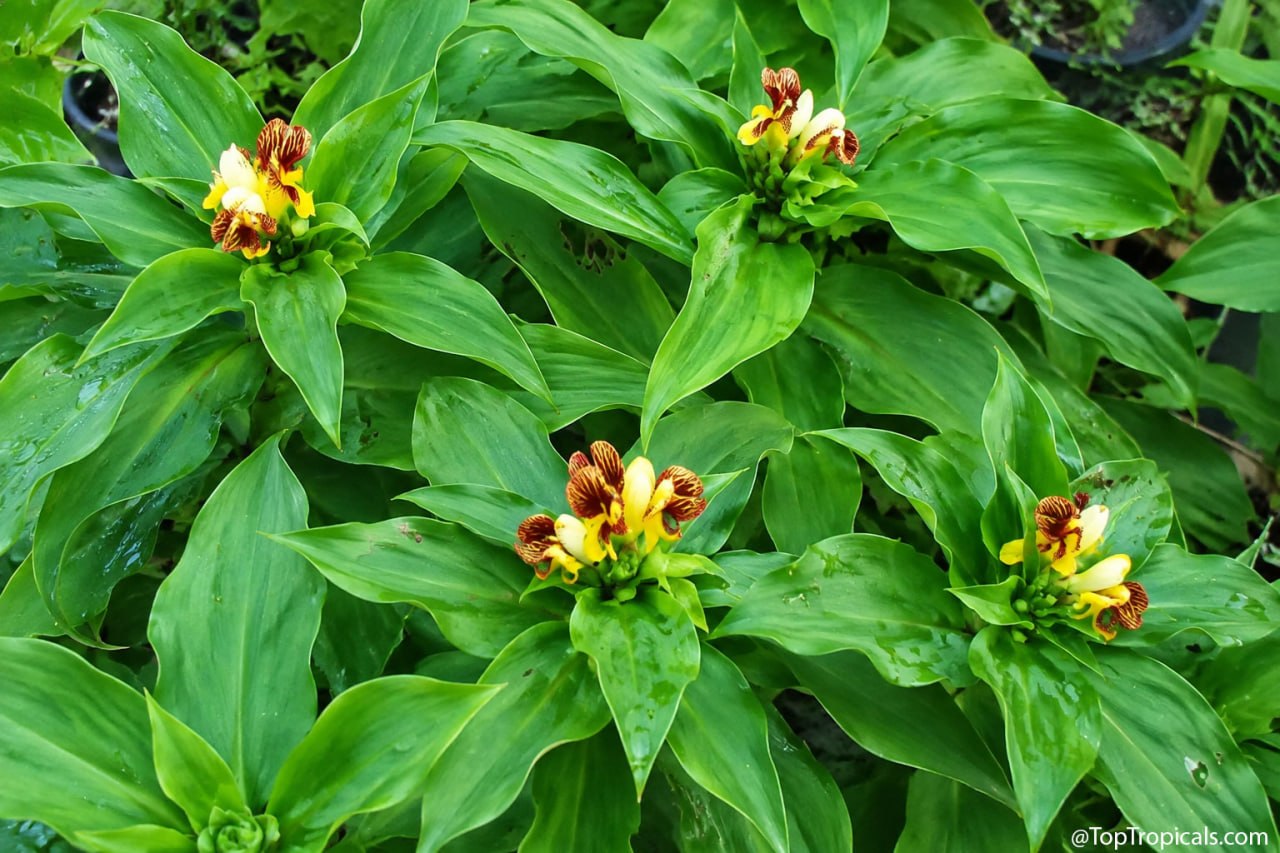
💚 One plant today - dozens tomorrow: why gardeners love Insulin Ginger
People first seek out Insulin Ginger (Chamaecostus cuspidatus, formerly Costus igneus) for its long-standing reputation in supporting healthy blood sugar levels. But most end up keeping it for an entirely different reason: it is practically impossible to run out of it.
Unlike plants that simply get taller, Insulin Ginger spreads outwards. Most gardeners start with a single potted plant. Within months, that sole stem multiplies into a dense, lush clump full of fresh shoots.
A year or two down the line, a single plant usually turns into several new pots scattered around the garden - with plenty left over to give away.
A common concern for beginners is whether picking leaves daily will weaken the plant. The short answer: it actually helps it grow.
· More Light & Air: Removing mature outer leaves lets sunlight reach the center of the crown.
· Thicker Growth: Pruning triggers the root system to send up fresh, vibrant shoots.
· Prevents Overcrowding: Regular harvesting acts as routine maintenance, keeping the foliage looking fresh rather than leggy or tired.
As long as you leave a few healthy stems intact, harvesting only encourages faster regrowth.
Insulin Ginger grows via underground rhizomes. As these roots expand, brand-new stems continuously push through the soil.
When the pot or garden bed gets full, simply dig up the clump and split the roots. Each division quickly takes hold on its own. One plant easily becomes two, then five, then twenty.
Whether you grow it for its striking spiral foliage, vivid orange flowers, or herbal properties, a mature clump ensures a continuous supply. Instead of relying on store-bought dried herbs, home gardeners can harvest fresh leaves year-round in tropical and subtropical climates.
Sometimes the best plants aren't the rarest ones - they are the ones that keep giving back.
Grow your own Insulin Ginger and watch one plant become many.
✅ Don't forget Green Magic fertilizer for the best results. Insulin Ginger absolutely loves it! Healthy plants grow faster, produce lush foliage, and give you plenty of leaves to harvest throughout the season. Plus, a vigorous clump multiplies more quickly, so one plant soon becomes many.
🛒 Plant One - Harvest for Years


Costus igneus (Chamaecostus cuspidatus) - Insulin Ginger in Plant Encyclopedia
Insulin Ginger traditional remedies: Quick-n-fun exotic recipes
A leaf you grow, not a pill you buy: Insulin ginger - the plant people actually use
How to make lots of Insulin Ginger plants quickly and get more health benefits
How to lose weight naturally with tropical fruit and plants
The fiery plant that fights sugar: Nature secret insulin?
#Food_Forest #Remedies #Shade_Garden #Discover
🟢 Join 👉 TopTropicals
People first seek out Insulin Ginger (Chamaecostus cuspidatus, formerly Costus igneus) for its long-standing reputation in supporting healthy blood sugar levels. But most end up keeping it for an entirely different reason: it is practically impossible to run out of it.
☘️ One plant, hundreds of leaves every year
Unlike plants that simply get taller, Insulin Ginger spreads outwards. Most gardeners start with a single potted plant. Within months, that sole stem multiplies into a dense, lush clump full of fresh shoots.
A year or two down the line, a single plant usually turns into several new pots scattered around the garden - with plenty left over to give away.
☘️ What happens if you keep harvesting the leaves?
A common concern for beginners is whether picking leaves daily will weaken the plant. The short answer: it actually helps it grow.
· More Light & Air: Removing mature outer leaves lets sunlight reach the center of the crown.
· Thicker Growth: Pruning triggers the root system to send up fresh, vibrant shoots.
· Prevents Overcrowding: Regular harvesting acts as routine maintenance, keeping the foliage looking fresh rather than leggy or tired.
As long as you leave a few healthy stems intact, harvesting only encourages faster regrowth.
☘️ More plants for free
Insulin Ginger grows via underground rhizomes. As these roots expand, brand-new stems continuously push through the soil.
When the pot or garden bed gets full, simply dig up the clump and split the roots. Each division quickly takes hold on its own. One plant easily becomes two, then five, then twenty.
☘️ The easiest medicinal plant to share with friends
Whether you grow it for its striking spiral foliage, vivid orange flowers, or herbal properties, a mature clump ensures a continuous supply. Instead of relying on store-bought dried herbs, home gardeners can harvest fresh leaves year-round in tropical and subtropical climates.
Sometimes the best plants aren't the rarest ones - they are the ones that keep giving back.
Grow your own Insulin Ginger and watch one plant become many.
✅ Don't forget Green Magic fertilizer for the best results. Insulin Ginger absolutely loves it! Healthy plants grow faster, produce lush foliage, and give you plenty of leaves to harvest throughout the season. Plus, a vigorous clump multiplies more quickly, so one plant soon becomes many.
🛒 Plant One - Harvest for Years
📚 Learn more:
Costus igneus (Chamaecostus cuspidatus) - Insulin Ginger in Plant Encyclopedia
Insulin Ginger traditional remedies: Quick-n-fun exotic recipes
A leaf you grow, not a pill you buy: Insulin ginger - the plant people actually use
How to make lots of Insulin Ginger plants quickly and get more health benefits
How to lose weight naturally with tropical fruit and plants
The fiery plant that fights sugar: Nature secret insulin?
#Food_Forest #Remedies #Shade_Garden #Discover
🟢 Join 👉 TopTropicals
Date: 4 Aug 2026
Learn more:
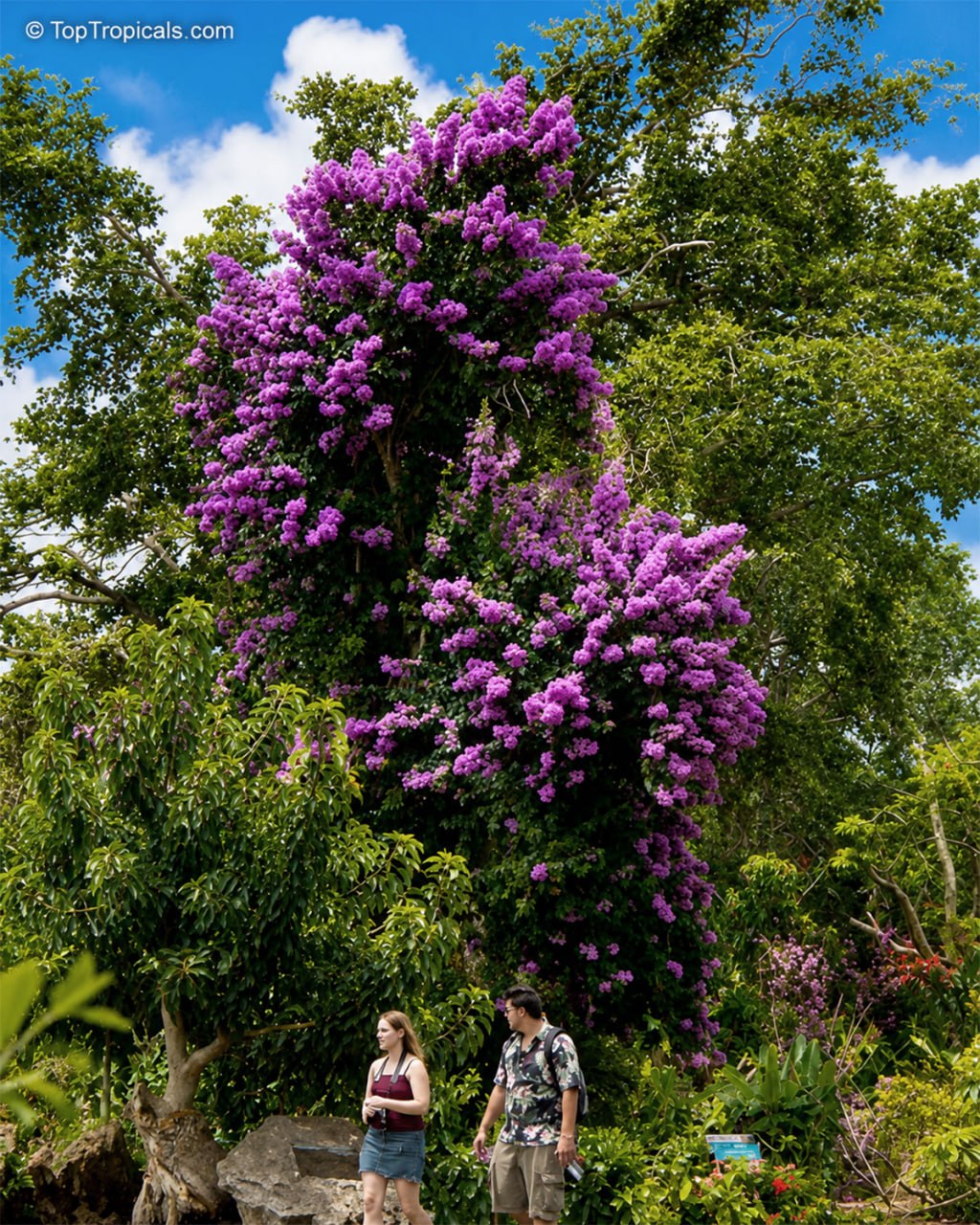
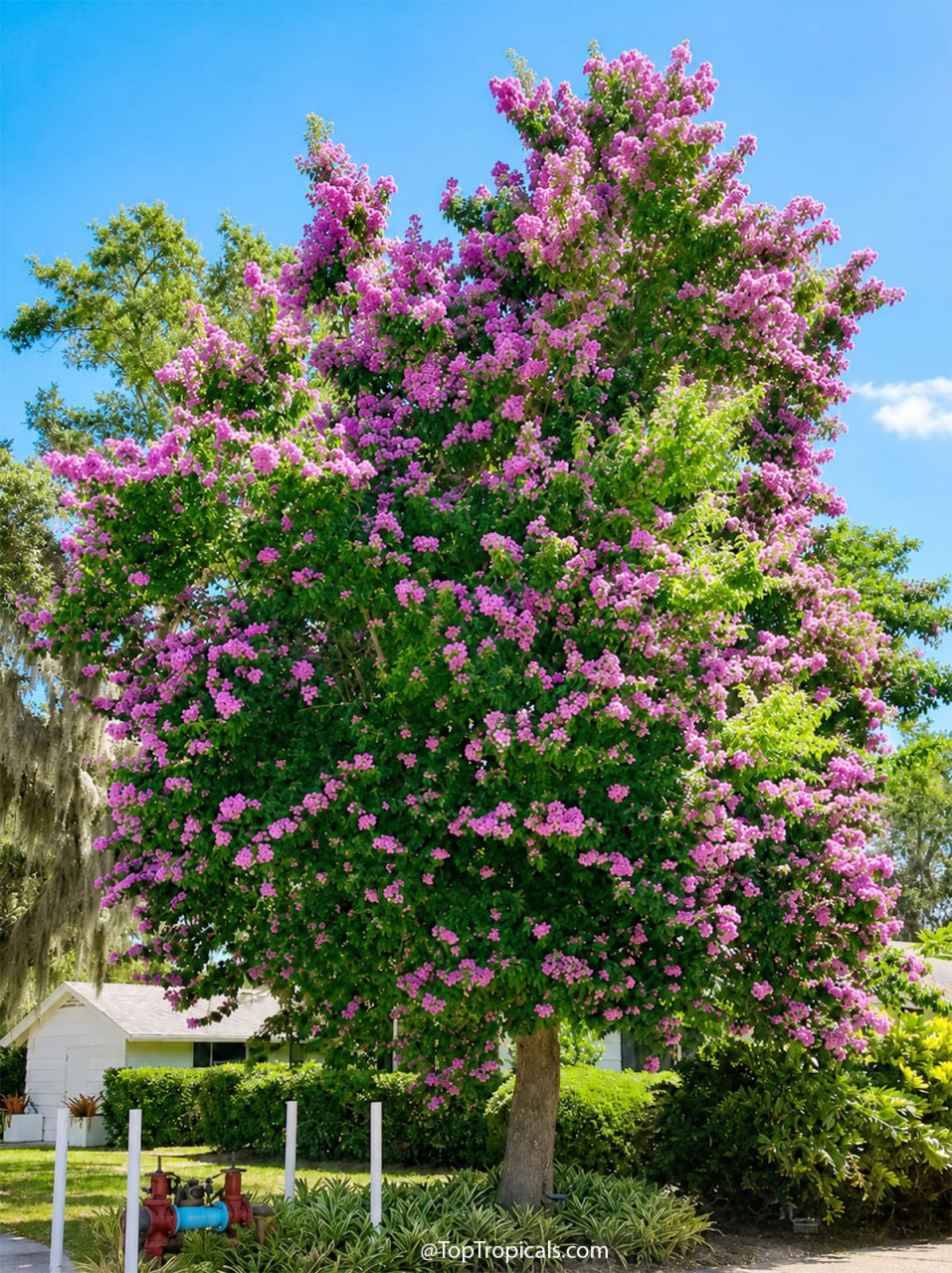
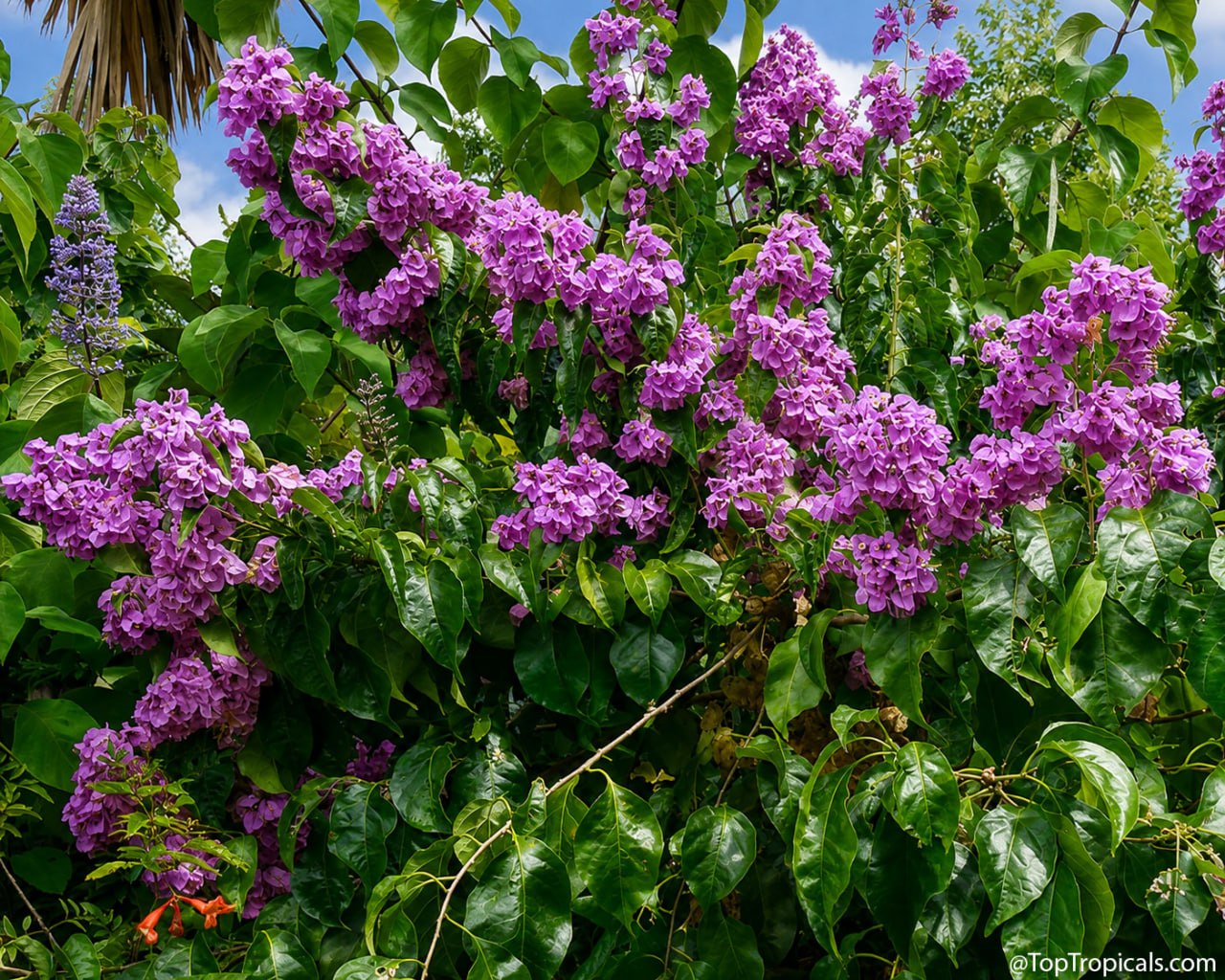
🌸 Growing Bougainvillea arborea in Containers: Training, Pruning, and Shaping Tips
Q: "I bought a Bougainvillea arborea from Top Tropicals this spring and have been amazed by how fast it's growing. Unlike my regular bougainvilleas, it's sending shoots in every direction, and I can't even tell which one should become the trunk. Since I live in New York (Zone 6B), I'll be growing it in a container and bringing it indoors for winter. Can this species be trained into a standard, or is it better grown as a bush? And can it live long-term in a 5-gallon pot?"
🌸 Why Doesn't Bougainvillea arborea Grow Like Other Bougainvilleas?
Bougainvillea arborea is quite different from the familiar Bougainvillea glabra and B. spectabilis.
One of the things that makes it so special is that it's naturally thornless, has a graceful tree-like habit without producing the long, sprawling, arching canes typical of common bougainvilleas, and bears beautiful clusters of lavender flowers.
This species is also surprisingly cold hardy for a bougainvillea. During 2026 Florida's record freeze, our 2- to 3-year-old plants growing in the ground without cold protection survived three nights around 25F with no significant damage, while regular bougainvilleas throughout the area - even large, established bushes - were killed.
Of course, in Zone 6B it will still need to spend the winter indoors.
🌸 Tree or Bush? How to Train Bougainvillea arborea
1. Can it be trained into a standard?
Yes. While the plant is young, simply choose the strongest upright shoot to become the trunk and gradually remove the lower side branches as it grows. Don't worry if there isn't one obvious trunk yet; you can let it grow a little more before selecting the main leader. Once the trunk and canopy are established, very little pruning is needed to maintain the shape.
2. Can it be grown as a bush?
Absolutely, and for a container-grown plant, this is actually the option we would recommend. Instead of removing the lower branches, lightly tip-prune the shoots to encourage branching. The result is a tall, upright, columnar shrub that stays naturally elegant without becoming an oversized tree. In our experience, this form is easier to maintain in a container over the long term.
🌸 Pot size that works best
A 5- to 7-gallon pot is an excellent permanent size for this species, provided you do occasional light pruning to keep the overall size in balance with the container.
Once the plant starts growing vigorously, it's time to begin shaping it toward whichever form you prefer. The important pruning is only during the initial training stage. After that, it tends to hold its shape well and requires very little maintenance.
Once it matures and begins flowering, those lavender blooms are well worth the wait!
🛒 Grow Your Own Thornless Tree Bougainvillea


Bougainvillea arborea in Plant Encyclopedia
Bougainvillea that is thornless and grows as a tree
What bougainvillea doesn't need pruning
🎥 Thornless Bougainvillea Tree YouTube Video
#How_to #Fun_facts #Discover #Trees #Container_Garden
🟢 Join 👉 TopTropicals
Q: "I bought a Bougainvillea arborea from Top Tropicals this spring and have been amazed by how fast it's growing. Unlike my regular bougainvilleas, it's sending shoots in every direction, and I can't even tell which one should become the trunk. Since I live in New York (Zone 6B), I'll be growing it in a container and bringing it indoors for winter. Can this species be trained into a standard, or is it better grown as a bush? And can it live long-term in a 5-gallon pot?"
🌸 Why Doesn't Bougainvillea arborea Grow Like Other Bougainvilleas?
Bougainvillea arborea is quite different from the familiar Bougainvillea glabra and B. spectabilis.
One of the things that makes it so special is that it's naturally thornless, has a graceful tree-like habit without producing the long, sprawling, arching canes typical of common bougainvilleas, and bears beautiful clusters of lavender flowers.
This species is also surprisingly cold hardy for a bougainvillea. During 2026 Florida's record freeze, our 2- to 3-year-old plants growing in the ground without cold protection survived three nights around 25F with no significant damage, while regular bougainvilleas throughout the area - even large, established bushes - were killed.
Of course, in Zone 6B it will still need to spend the winter indoors.
🌸 Tree or Bush? How to Train Bougainvillea arborea
1. Can it be trained into a standard?
Yes. While the plant is young, simply choose the strongest upright shoot to become the trunk and gradually remove the lower side branches as it grows. Don't worry if there isn't one obvious trunk yet; you can let it grow a little more before selecting the main leader. Once the trunk and canopy are established, very little pruning is needed to maintain the shape.
2. Can it be grown as a bush?
Absolutely, and for a container-grown plant, this is actually the option we would recommend. Instead of removing the lower branches, lightly tip-prune the shoots to encourage branching. The result is a tall, upright, columnar shrub that stays naturally elegant without becoming an oversized tree. In our experience, this form is easier to maintain in a container over the long term.
🌸 Pot size that works best
A 5- to 7-gallon pot is an excellent permanent size for this species, provided you do occasional light pruning to keep the overall size in balance with the container.
Once the plant starts growing vigorously, it's time to begin shaping it toward whichever form you prefer. The important pruning is only during the initial training stage. After that, it tends to hold its shape well and requires very little maintenance.
Once it matures and begins flowering, those lavender blooms are well worth the wait!
🛒 Grow Your Own Thornless Tree Bougainvillea
📚 Learn more:
Bougainvillea arborea in Plant Encyclopedia
Bougainvillea that is thornless and grows as a tree
What bougainvillea doesn't need pruning
🎥 Thornless Bougainvillea Tree YouTube Video
#How_to #Fun_facts #Discover #Trees #Container_Garden
🟢 Join 👉 TopTropicals