Garden Blog - Top Tropicals
Date: 17 Jul 2026
People who love to eat
🐾 People who love to eat
"People who love to eat are always the best People." - Julia Child
🐈📸 One of the Best PeopleCats - Timo - is silently reminding about dinner time at TopTropicals PeopleCats.Garden
#PeopleCats #Quotes
🟢 Join 👉 TopTropicals
Date: 17 Jul 2026
Grows in neglect: tough plant for tough spots
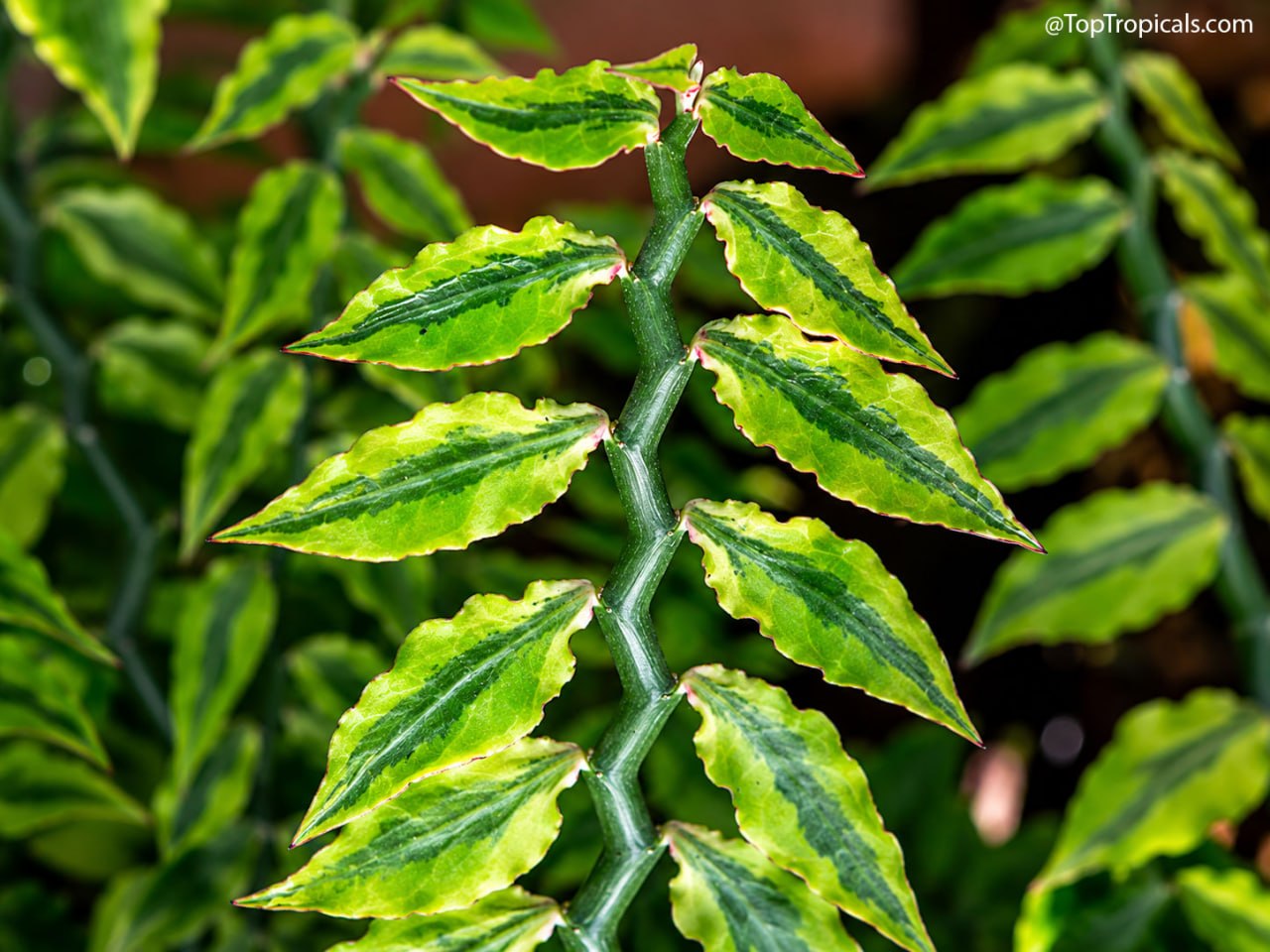
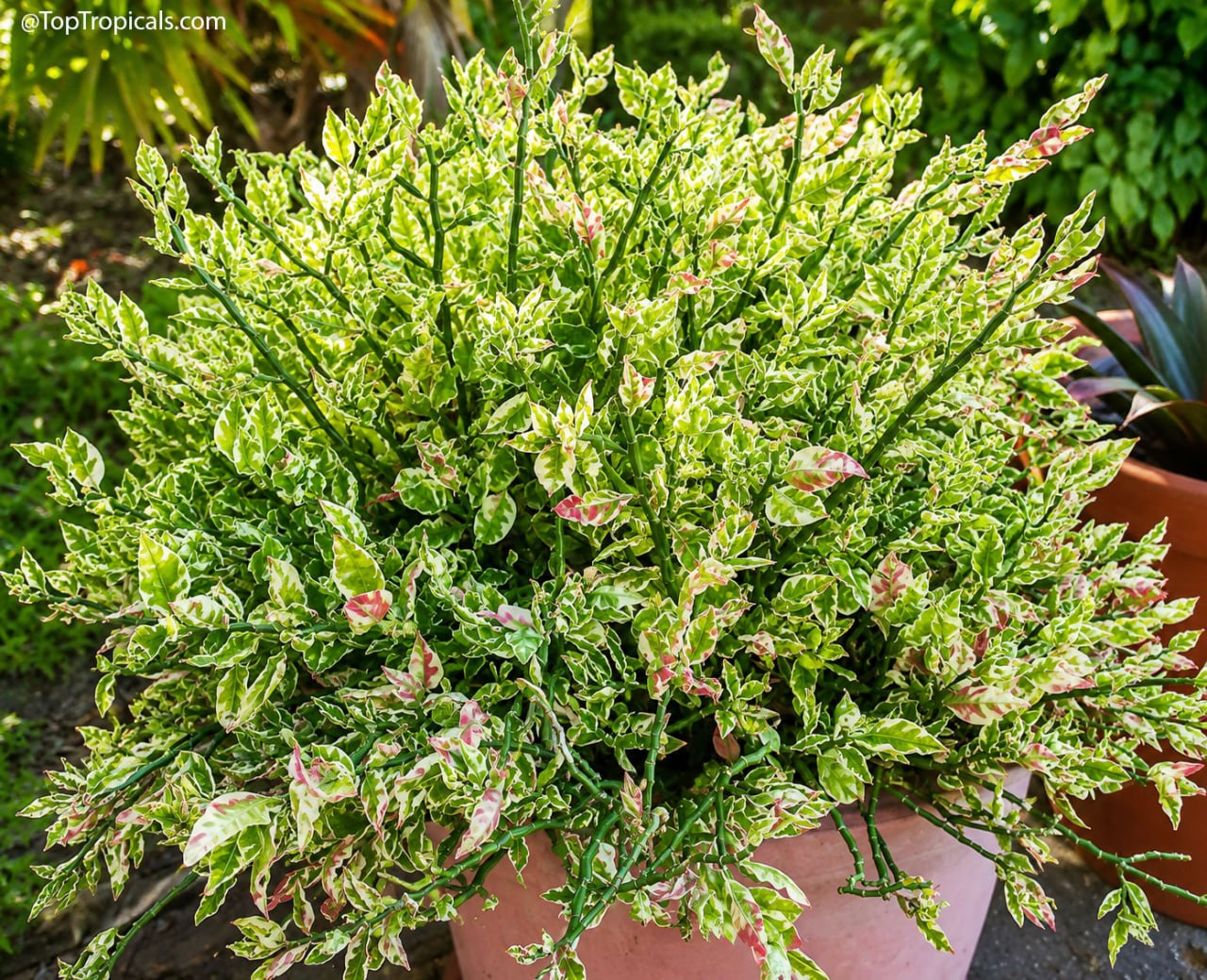
💪 Grows in neglect: tough plant for tough spots
The Plant That Thrives on Neglect (And Looks Incredible Doing It) Pedilanthus tithymaloides
Some plants demand constant watering, pristine soil, and endless coddling. Devil’s Backbone asks for almost nothing. If you have a hot, dry corner where other plants go to die, this architectural tropical is ready to step in and steal the show.
🌿 Why it's the Ultimate "Lazy Gardener" Plant
Scientifically known as Pedilanthus tithymaloides (or Euphorbia tithymaloides), this resilient beauty goes by many names: Jacob’s Ladder, Zig-Zag Plant, or Devil’s Backbone. It gets its dramatic nicknames from its bizarre, zig-zagging stems that bend sharply at every leaf, looking almost as if they were folded by hand.
Here is why it deserves a spot in your collection:
· Year-Round Show: The variegated variety features striking creamy-white leaf borders that blush a gorgeous pink when kissed by the bright sun.
· Built to Last: Native to the Caribbean and Central America, it shrugs off heat, drought, poor soil, salt air, and long periods of absolute forgetfulness.
· Wildlife Magnet: During its blooming season, it produces charming, slipper-shaped pink-red flowers that hummingbirds absolutely love.
· Free Plants for Life: It is ridiculously easy to propagate. A simple stem cutting roots quickly, meaning one plant can easily turn into a whole garden.
⚠️ A Quick Note on Safety: Like other members of the Euphorbia family, Devil's Backbone contains a milky white sap that can irritate your skin and eyes. Wear gloves when pruning.
🌿 Where to Plant It
In warm climates, it can grow into a dense, 3-4 foot shrub, making it perfect for borders or rock gardens. If you live somewhere with cold winters, don't worry - it makes an exceptionally tough, low-maintenance houseplant for your sunniest window.
👉 Real-World Nursery Note: While many references label this tropical as highly cold-sensitive, it is far tougher than people think. During the Record Florida freeze in February 2026, our landscape plantings of Devil’s Backbone right by the front gate endured several consecutive nights down to a brutal 25F and came through with absolutely zero damage!
🌿 Devil's Backbone Quick Stats
Cold Tolerance: Surprisingly hardy! Established plants can handle brief freezes down to 25F.
☀️ Light & Soil: Full sun to bright shade; needs excellent drainage, thrives in dry, sandy, or poor soils
🦋 Bonus Feature: Striking zig-zag structural stems and a favorite refueling stop for hummingbirds
Sometimes, the toughest plants are also the most interesting. If you're ready to add some major personality to your space without adding to your weekend chores, it's time to plant the Devil's Backbone.
🛒 Claim Your "Lazy Gardener" Plant
📚 Learn more:


· Pedilanthus tithymaloides in Plant Encyclopedia
· Grows in neglect: tough plant for tough spots
· The best undemanding plant for dry and hot area
· 9 awesome accent plants and vines that love heat and dry conditions
#Container_Garden #Nature_Wonders #Hedges_with_benefits #Discover
🟢 Join 👉 TopTropicals
Date: 16 Jul 2026
Meet Max - the cat who won the Life lottery


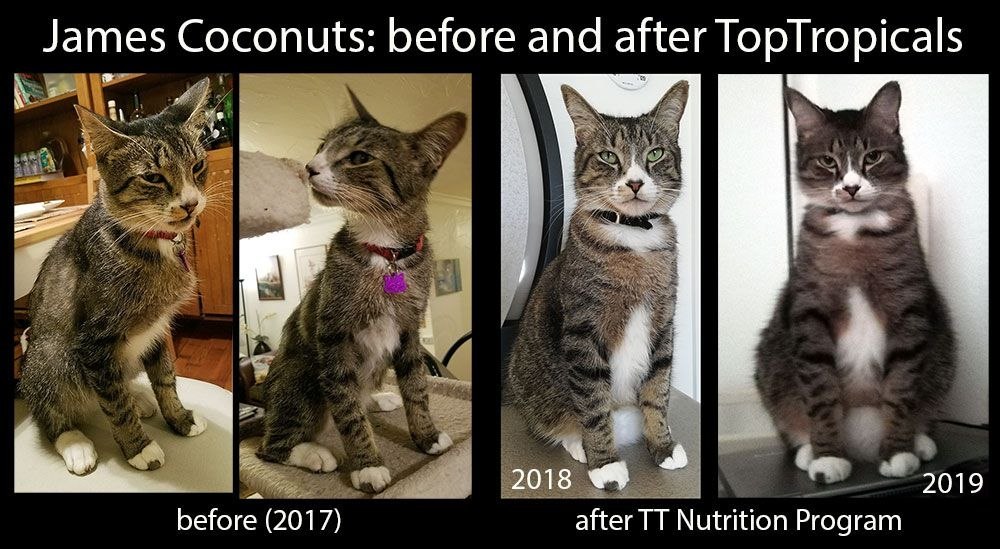
🐱 Meet Max - the cat who won the Life lottery
🐾 This handsome young guy wandered into Chiane's garage looking like he hadn't had a meal in a while. Skinny. Tired. But friendly enough to ask for help.
🐾 Around here, he's got one important mission before anything else - to reach the official Top Tropicals Cat Standard. A few extra pounds are definitely required!
🐾 Funny thing is - Max looks almost exactly like James Coconuts did when we first found him. Another skinny little street survivor.
Some cats win the lottery.
Not the money lottery.
The Life lottery.
Max pulled the winning ticket.
He wandered into the right garage.
"It ain't the roads we take; it's what's inside of us that makes us turn out the way we do."
O. Henry
🐈 Check out what happened to James Coconuts after he traded street life for a career as a full-time Top Tropicals nursery cat. If Max follows the same training program... we may need a bigger food budget.
🐈📸 Rescued cat Max joining TopTropicals Team at PeopleCats.Garden
#PeopleCats #Quotes
🟢 Join 👉 TopTropicals
Date: 16 Jul 2026
The Forgotten Tropical Fruit That Literally Tastes Like Peanut Butter: Bunchosia argentea
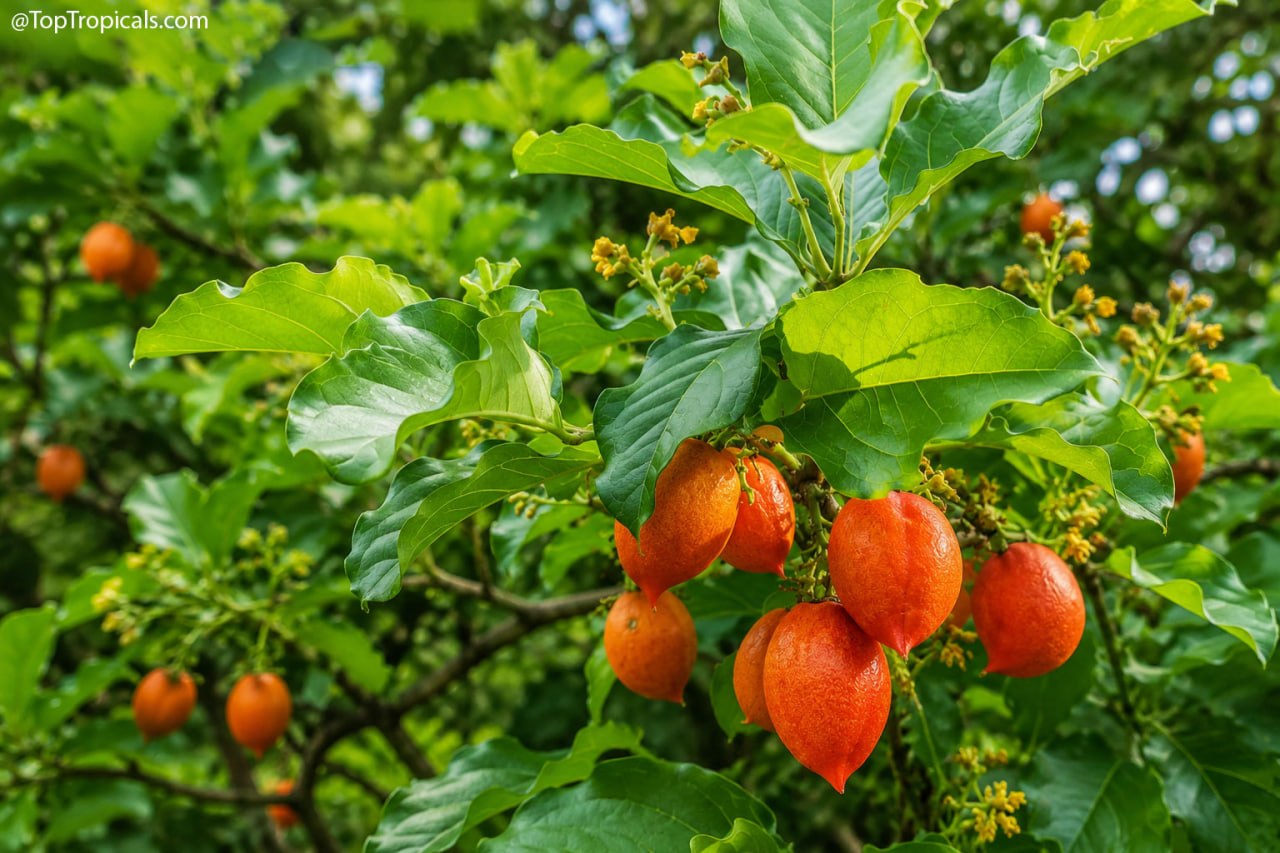
The Forgotten Tropical Fruit That Literally Tastes Like Peanut Butter: Bunchosia argentea
Most people know that peanut butter comes from roasted peanuts, oil, and a lot of processing. But what if you could bypass the jar entirely and pick a fresh snack straight from a branch that tastes exactly like it?
Meet Bunchosia argentea, more famously known as the Peanut Butter Tree. It is easily one of the world's most surprising tropical fruit plants—and it’s quickly becoming a holy grail for backyard gardeners and indoor plant collectors alike.
The Taste Test: What is it Actually Like?
First-time tasters almost always experience a moment of total brain confusion. Your eyes see a bright, glossy red berry, so your mind prepares for a burst of tart, watery juice like a cherry or a raspberry. Instead, you get a dense, creamy, paste-like pulp with a naturally sweet, nutty flavor. It doesn't just hint at peanut butter - the texture and aroma mimic it so closely that it leaves people stunned.
The best part? There are no actual peanuts inside (making it safe for those with tree nut/legume allergies), zero added sugars, and absolutely no processing. It’s just pure, natural chemistry.
Why Gardeners are Obsessed with Peanut Butter Tree
Beyond the novelty flavor, this tree checks every single box for home growers, whether you have an acre of land or a sunny apartment balcony:
· Ultra-Compact Size: Unlike standard tropical giants, this tree naturally maxes out around 8 to 10 feet tall. With light pruning, you can easily keep it shaped as a dense, manageable shrub.
· Container & Indoor Friendly: Because of its limited root spread, it thrives in large pots. If you live in a colder climate, you can keep it on the patio for the summer and bring it indoors near a sunny window for the winter.
· Lightning-Fast Harvests: Many tropical trees take 7 to 10 years to produce. The Peanut Butter Tree frequently begins pushes out its first crop just 2 to 3 years from seed.
· Year-Round Beauty: Before the fruit arrives, the canopy bursts with vibrant clusters of bright yellow, pollinator-friendly flowers. As the berries transition from green to deep orange-red, it doubles as a stunning ornamental plant.
The Nutritional Perks
It’s more than just a party trick on a stem. The deep red hue of the skin and pulp comes from dense concentrations of carotenoids and vitamin C. It provides a powerful antioxidant boost, offering a sweet, nutrient-rich reward that you can feel genuinely good about eating fresh or blending into smoothies.
If you love unusual, edible landscapes, this is the ultimate conversation starter.
The next time someone in your house reaches for a jar of Jif or Skippy - you can simply point out the window and say, "Mine grows on a tree."
🛒 Taste the Unusual: Grow Your Own Peanut Butter
📚 Learn more :


· Bunchosia argentea in Plant Encyclopedia
· Before opening a jar, see where the natural peanut butter comes from!
· Delectable Peanut Butter Tree
· How soon will Peanut Butter Tree fruit?
· Top 10 fast-fruiting trees: #10. Peanut Butter Tree (Bunchosia argentea)
· Fruit Tree Hacks: 5 High-Yield Fruit Trees You Can Buy for Under $50
· 3 Best Trees for a "Fast-Fruit" Garden
· Don't Wait Years: 8 Fruit Plants You Can Harvest the Same Season
· The best small fruit trees that will produce right away
· How soon will Peanut Butter Tree fruit?
· Top 10 fast-fruiting trees
🎥
#Food_Forest #Discover
🟢 Join 👉 TopTropicals
Date: 16 Jul 2026
moringa
moringa