Garden Blog - Top Tropicals

Date: 6 Oct 2021

Cold hardy Aronia and its Superfruit:
a Magic gift from the Native Americans

by Alex Butova, the Witch of Herbs and Cats

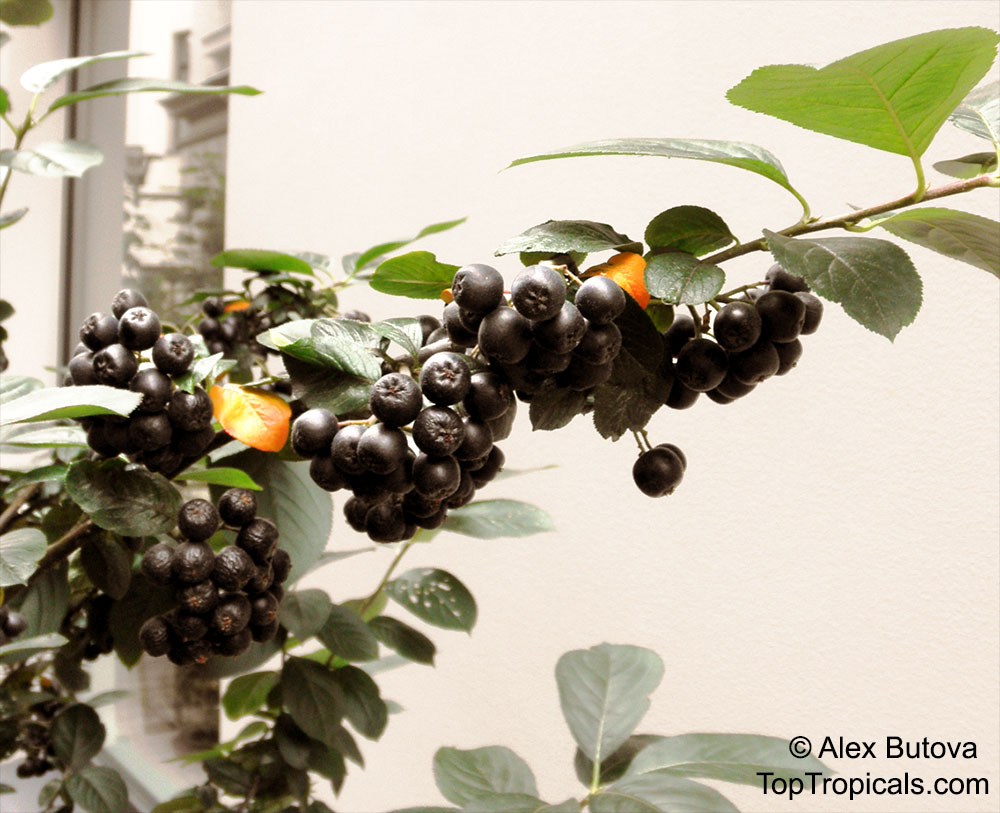
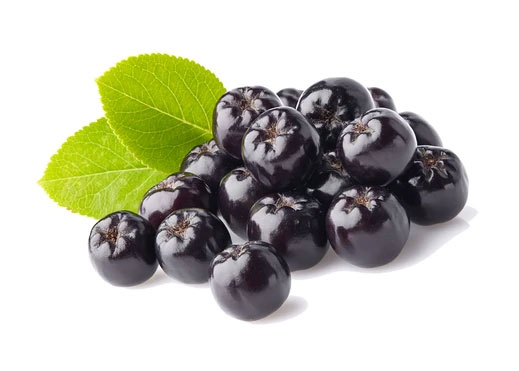
...A very cold hardy fruiting plant (USDA hardiness zone 3-9), Chokeberry has been cultivated for ages as both ornamental and food plant. Enjoy them in an array of foods as they are rich in vitamins. Masses of fragrant, white flowers bloom in spring; gorgeous red fall colors and extra large berries follow the glossy summer foliage. Persistent, purplish black berries are high in nutrients and can be used for pies and jellies. This is one of the true super fruits, high in antioxidants with huge health benefits. This fruit is widely used in Eastern Europe in holistic medicine for lowering blood pressure. Fruit should be consumed with caution as excessive amount can cause significant and immediate blood pressure drop...

CONTINUE READING >>

Date: 26 Sep 2021

Edible Landscape: fruit bearing hedge

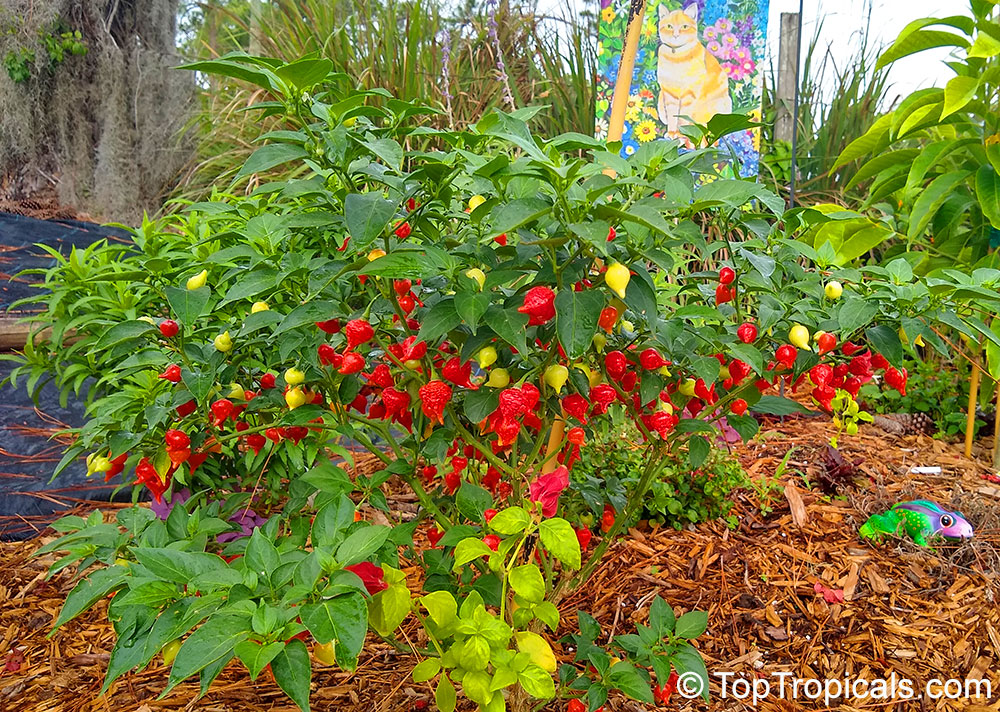
Photo above: Biquinho Pepper (2 months old plant)

Q: My mom had to remove a hedge for some renovations and after being heartbroken about losing my little bird haven, I've decided to plan on a fruit bearing hedge that offers some privacy and places for the little fledgling to wait for food. Any suggestions? I was thinking blueberries or citrus but open to any ideas.

A: Below are a few suggestions for a fruit bearing hedge planted with fast-growing, tropical species. They will contribute to a nice edible landscape for both your family and the birds - they will be very happy!

Larger size hedge (small trees), grows full-size within 1 season:
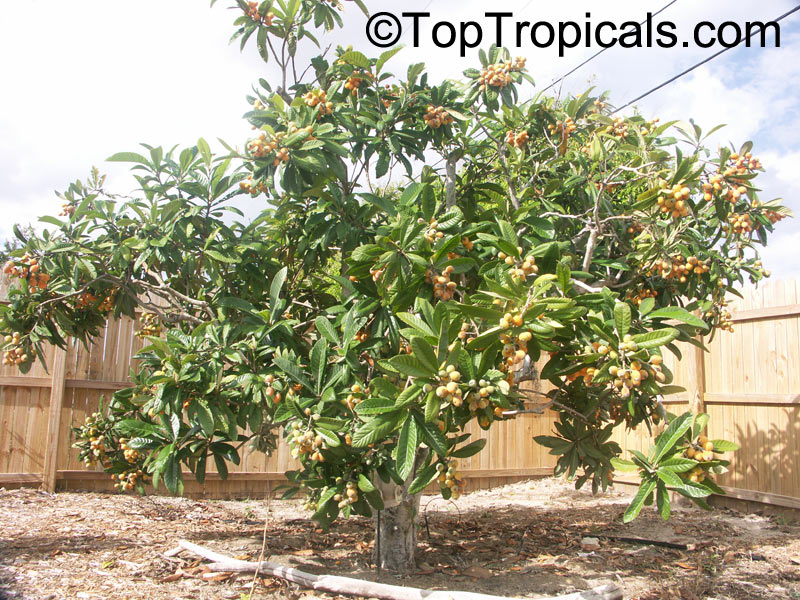
- Loquats
- Dwarf Mulberries (very cold hardy too) such as Dwarf Everbearing

Medium size hedge (shrubs or vines), 2-3 seasons to grow full size:
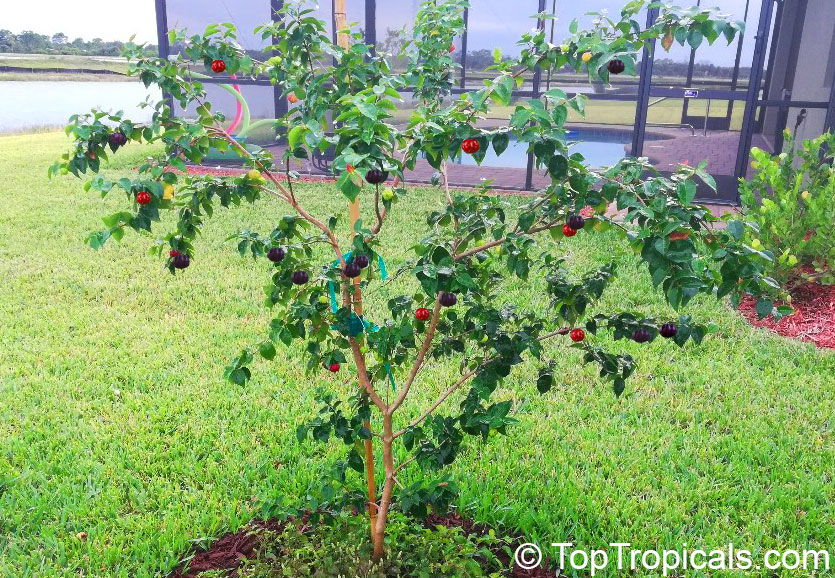
- Black Surinam Cherry Lolita
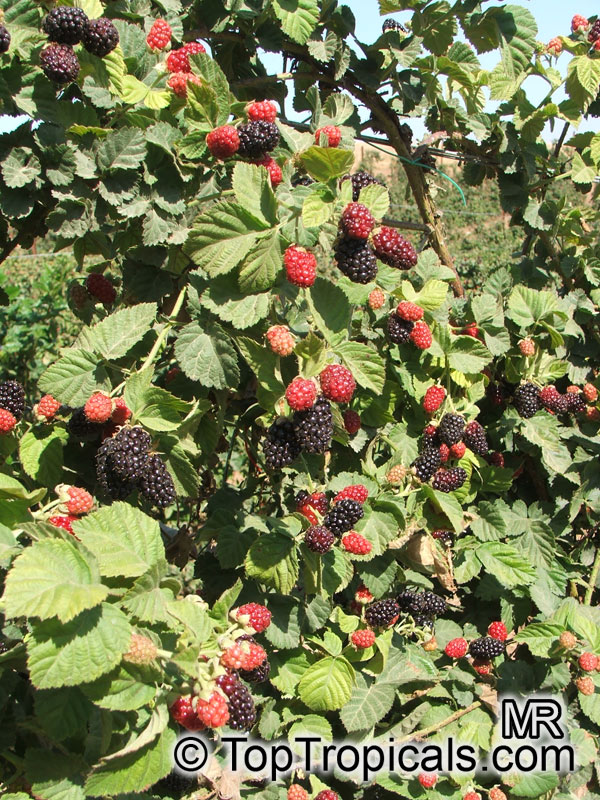
- Blackberries and raspberries

Low hedge (4-5 ft tall, 1 season, fast growing):
- Biquinho Pepper
- Wiri Wiri Pepper

Citrus is probably not a good idea, not bird's favorite, and blueberries require a special acidic soil here in Florida, so they will need extra maintenance, special soil, and heavy mulching.

Blackberry hedge

Surinam Cherry Lolita, 2 year old plant

Loquat (5 years old bushy specimen)

Date: 26 Sep 2021

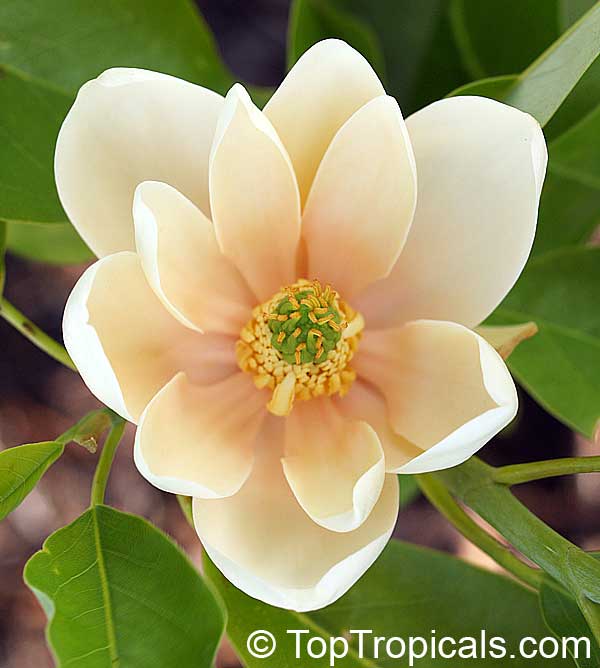
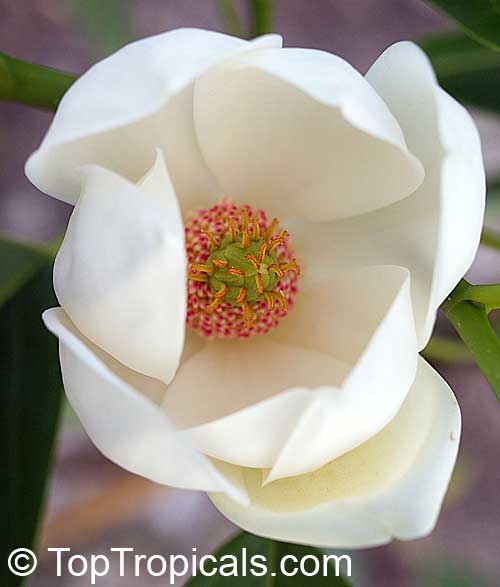
A Native Virgin - Sweetbay Vanilla Magnolia
(Magnolia virginiana)

by Alex Butova, the Witch of Herbs and Cats

...Fossilized specimens one of Magnolias have been found dating to 20 million years ago. Magnolia virginiana as a true American pioneer - it was the first magnolia to be scientifically described, and is the type species of the genus Magnolia; as Magnolia is also the type genus of all flowering plants (magnoliophytes), this species in a sense typifies all flowering plants...
...The flowers carry a very strong vanilla scent that can sometimes be noticed several hundred yards away! Fresh off the tree, the flavor of leaves is unique and fun to use. If you have a Florida Sweet Bay, your cooking will have flavors folks outside Florida can never hope to duplicate. It likes moist soils, so if you have a wet spot on your land - plant this tree. The lifespan of individual trees has been estimated at 130 years! No bugs, no pests!..

CONTINUE READING >>

Date: 17 Sep 2021

Mango Talk: How to prune mango trees for best shape and production

by Ed Jones, the Booster Guy

...Why should you prune your mango trees? There are a few reasons.
First, a good foundation is the key to strong growth and a shapely tree.
Second, if you get your mango tree started off on the right foot with a strong foundation, it becomes much easier to keep it shaped nicely.
And third - it will be forced to produce more branches allowing for more places for fruit production...

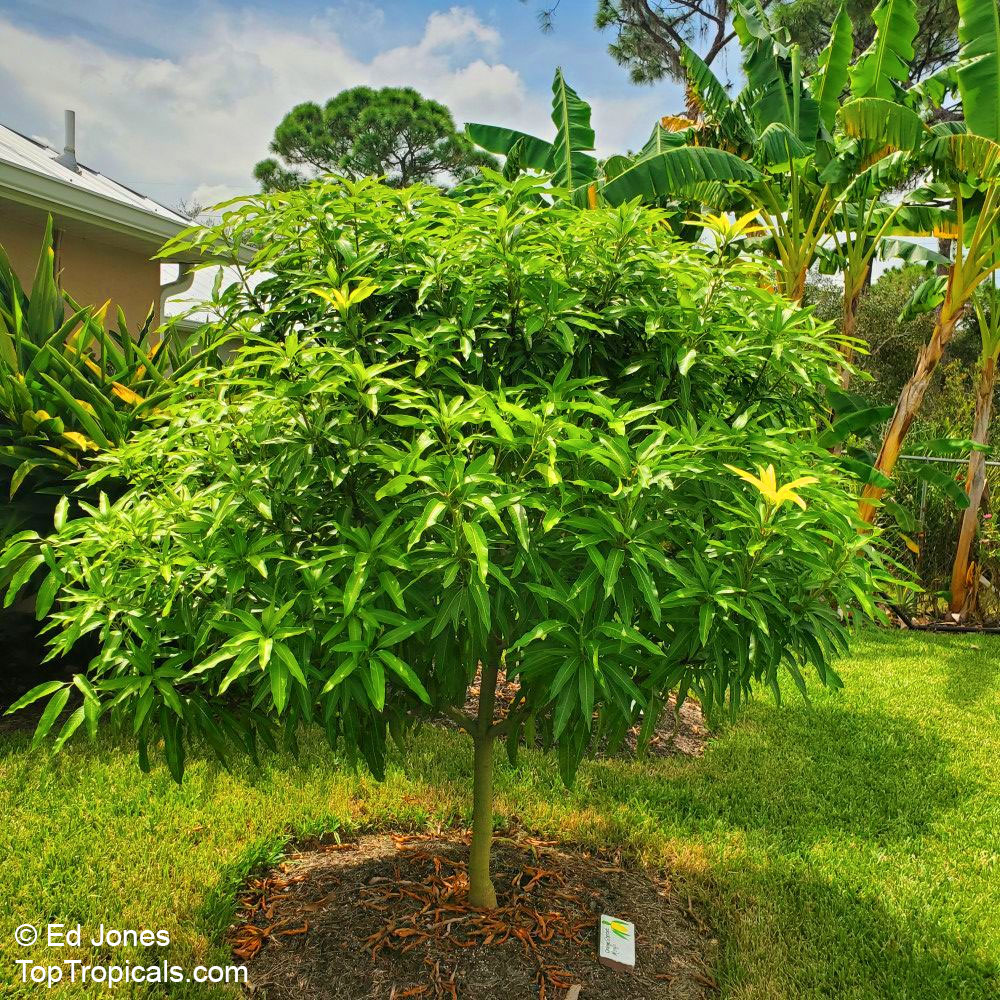
...We received our Mango tree in late February of 2020 as a relatively small plant in 3 gal pot...
...The opening photo was taken just last week and you can see that as she grows, her shape is very nice...
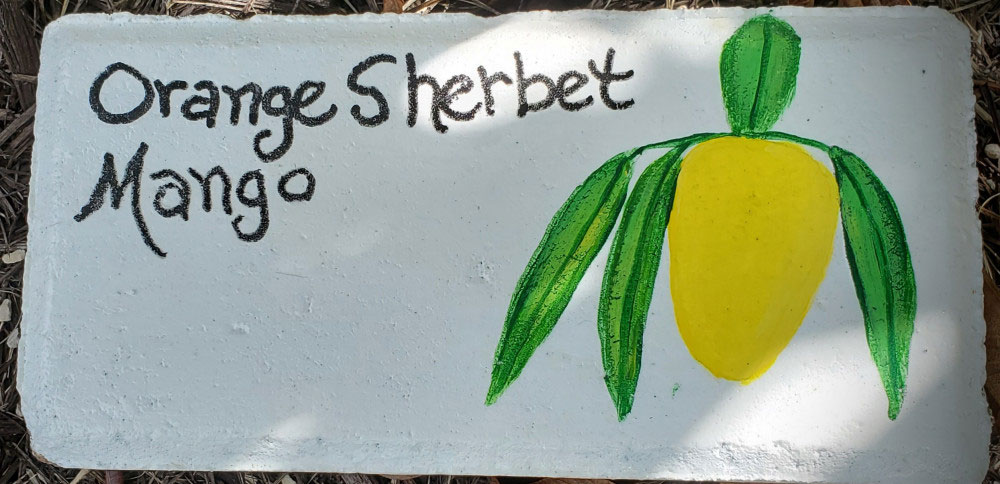
...She is now about 7' tall and just as wide. She has a great foundation and a lot of branches. We also have less grass to mow. She also got her very own marker painted on a brick:

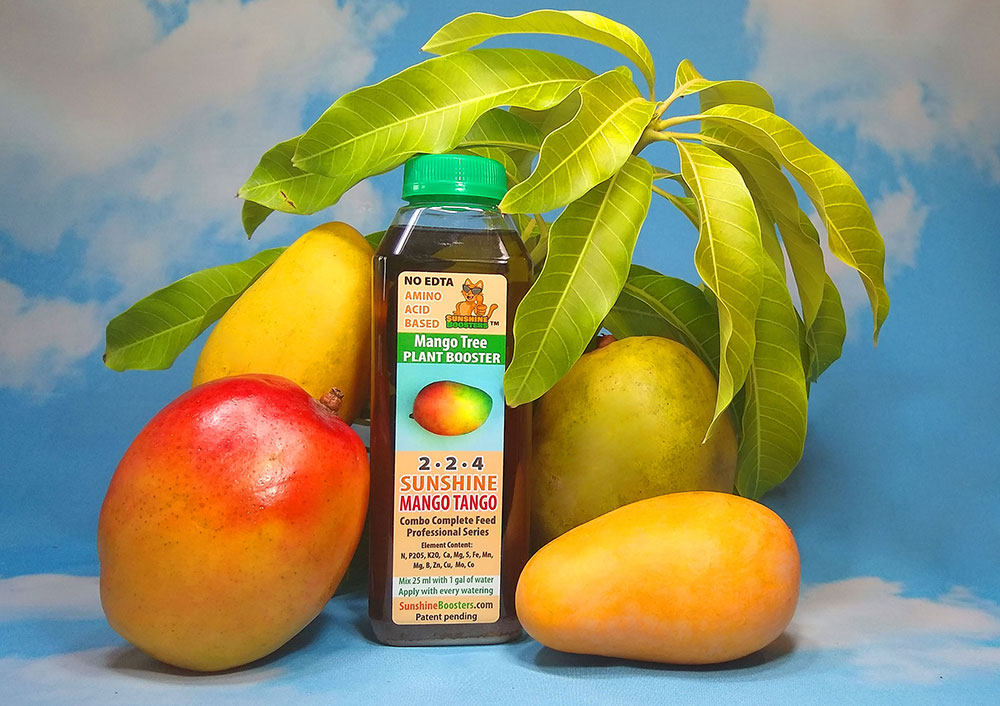
...We have also enlarged the circle of mulched area under the tree to allow it to be able to get nutrients from it's SUNSHINE Boosters Mango Tango without having to compete with the grass. This is one mistake that I see frequently in my neighborhood with all trees...

CONTINUE READING >>

Date: 17 Sep 2021

Hibiscus: TopTropicals' first plant

- September 2001 @ TopTropicals -

Q: I wonder how you started your plant business and what was your first plant?

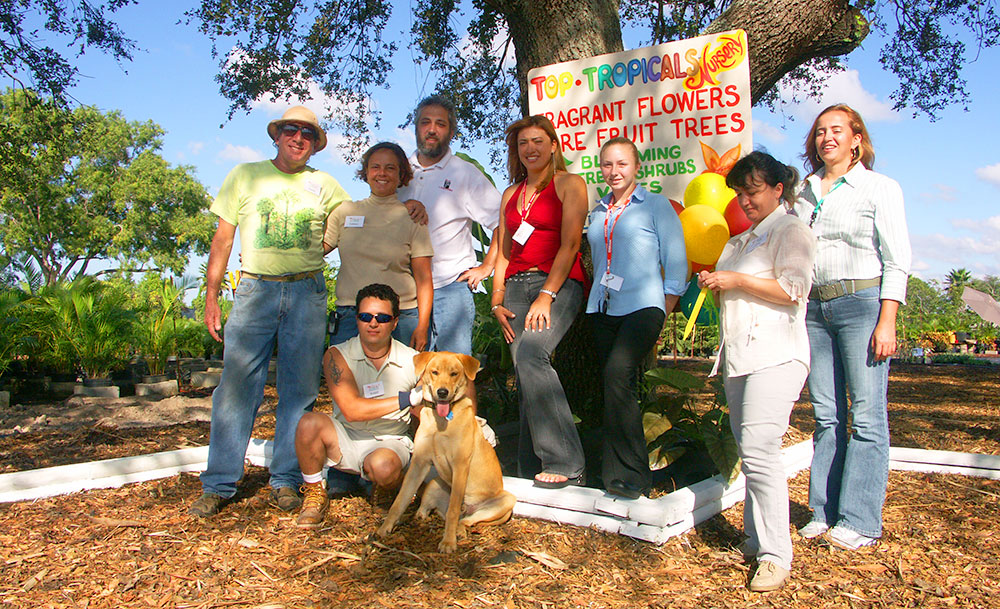
A: It was 20 years ago this month that we started Top Tropicals Project. No idea where it was going or how to even get "there", just started with the idea of sharing these wonderful creatures we call plants with anyone and everyone who felt the same way.

Believe it or not, the first plant at TopTropicals was a hibiscus. Right before we opened our plant nursery in Florida, we ran into a place called Winn Soldani's FANCY HIBISCUS. The variety of colors inspired us to start our own tropical plant business. We asked the owner Winn Soldani: what plants do you suggest us to grow in Florida? His answer was, "Your plant will find you". Very soon we discovered jasmines, then perfume trees and fruit trees - all those became our specialty. Then very quickly TopTropicals.com turned into a large Plant Mall where you can find every tropical plant you can think of!
But at TopTropicals we still grow hibiscus!
- September 2004 @ TopTropicals -

Hibiscus Plus

Hibiscus is a wonderful plant, considering there are thousands of hybrids with color palettes you can only imagine. Especially interesting are those rare and useful species, yet very easy to grow, such as:
- Salad Hibiscus - Hibiscus furcellatus - yes, used in salads
- Coral Hibiscus with crazy pendant flowers - Hibiscus schizopetalus
- African Cranberry hibiscus that is used for making teas and salads - Hibiscus acetocella
- Cotton Candy Hibiscus mutabilis - the flower changes color, opens as white and turns into bright pink within 3 days, like Yesterday-Today-Tomorrow
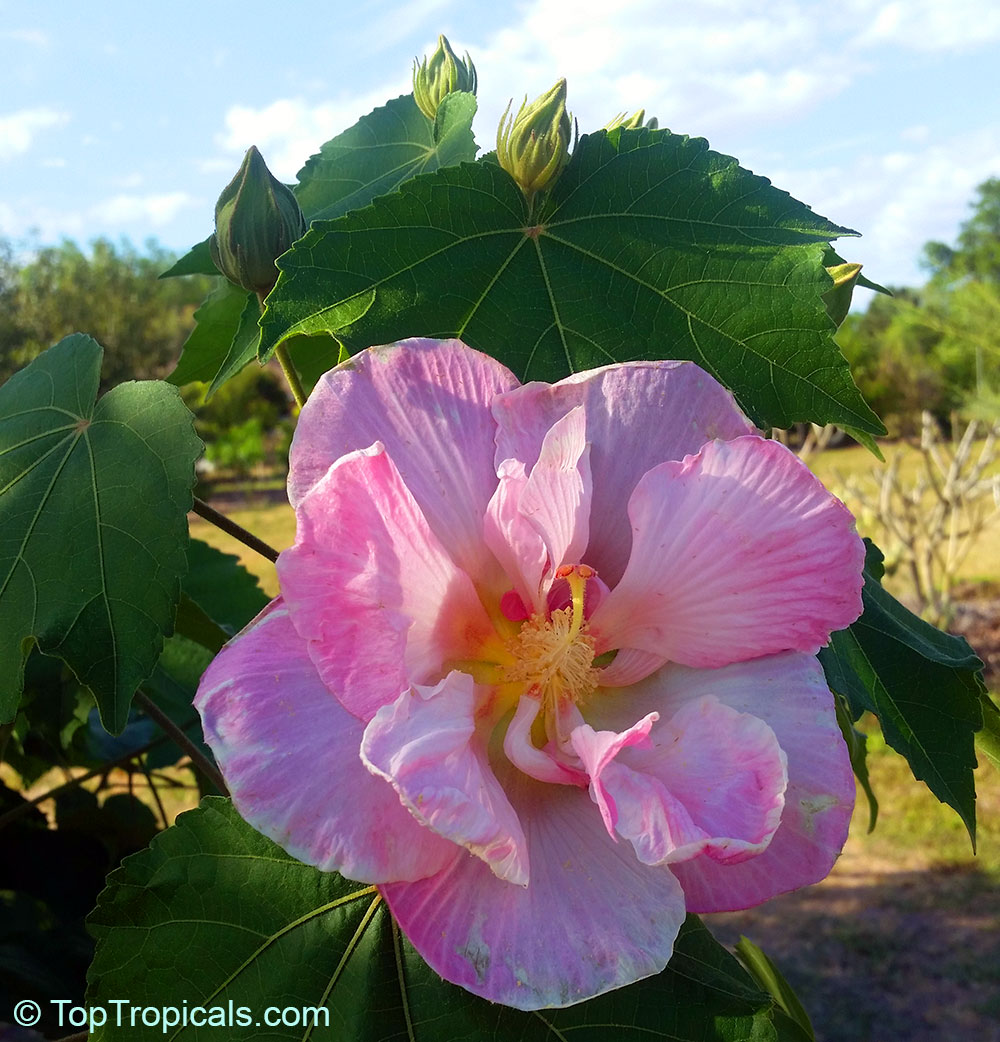
Photo above: Hibiscus mutabilis Cotton Candy

Care of Hibiscus and other flowering tropicals

"If your plant isn't flowering, feed it."
- Winn Soldani, Fancy Hibiscus -

Among gardeners, Hibiscus plants have a reputation to have couple maintenance issues:
1) they can get bugsy (because they must be so tasty!)
2) they can get leggy, especially fancy grafted cultivars, and after a while they don't look as perfect as when they came from a nursery.

4 tips for healthy and pretty hibiscus plant

1. Full sun. Essential for profuse flowering and keeps away diseases.
2. Pruning. Keep it pruned and it will get bushy and produce more blooms.
3. Well-drained soil. Hibiscus likes regular watering but hates wet feet.
4. Nutrition program. Hibiscus plants are heavy feeders. But keep in mind that if you just keep pushing granulated plant food, you can over-fertilize the plant. Excessive salts will accumulate in soil and you will end up with a sickly looking plant.

Keys to balanced plant food and bloom booster

1) Use liquid fertilizer, preferably amino acid based, it won't create nutrients lock up
2) Fertilize on regular basis, it's better dilute concentration and add food with every watering
3) Always add micro-elements - they are essential for plant health

If you do this part right, the result will be:
- healthy, green plants, like they just came from a nursery
- reliable blooming circle
- better cold tolerance and disease resistance. Remember that a strong plant will be less stressed and less "bugged" by bugs!

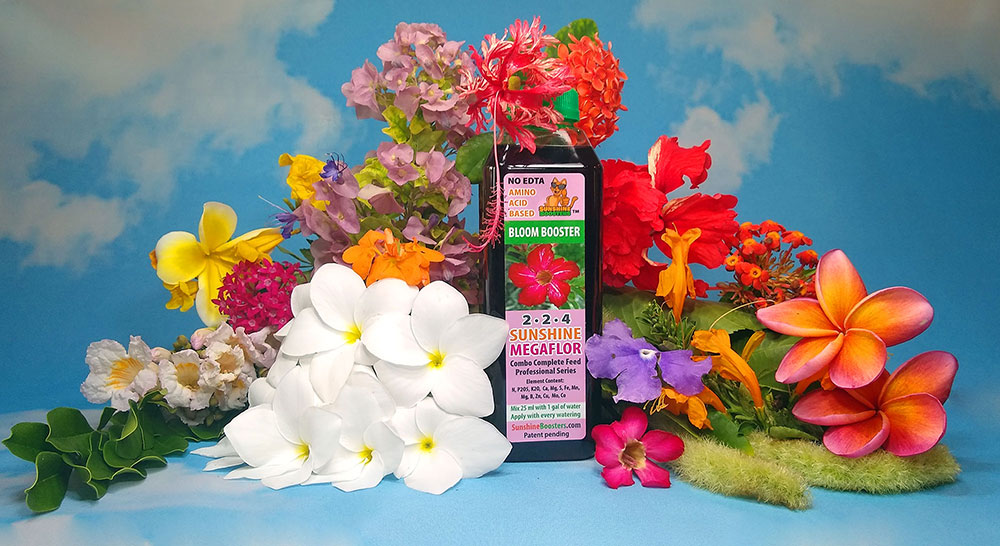
We always suggest Sunshine Boosters - scientifically balanced liquid fertilizers that are amino acid based = they are natural and organic, can be used for both flowers and edibles, and what's most important - year around. They are safe to use virtually with every watering.

This is all you need for healthy plants and lots of flowers!