Garden Blog - Top Tropicals

Date: 17 Jan 2026

Ti plant leaf color meaning
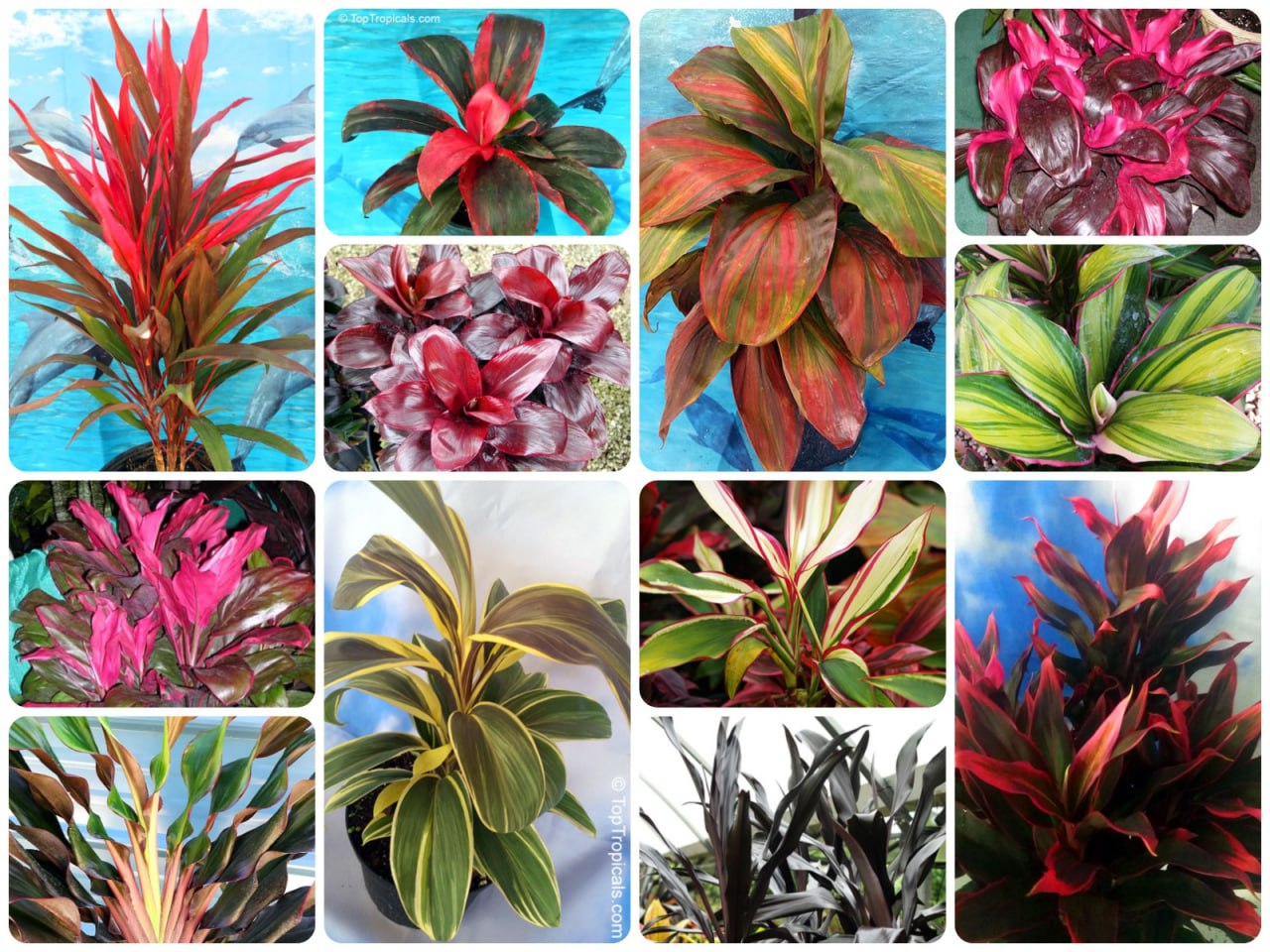
Hawaiian Ti plant (Cordyline fruticosa)

Hawaiian Ti plant (Cordyline fruticosa)

🌈 Ti plant leaf color meaning

The Hawaiian Ti plant (Cordyline fruticosa) is more than just a colorful tropical accent. Across Polynesian, Hawaiian, and Southeast Asian cultures, the color of ti plant leaves has long been associated with different meanings, moods, and uses - both symbolic and practical.
  • 🌈 Green leaves

  • Green ti plants are linked to peace, balance, and steady growth. Traditionally, they were planted around homes for protection and good fortune. In the garden, green varieties are usually the toughest and most shade-tolerant.
  • 🌈 Red and deep burgundy leaves

  • Red ti plants are associated with strength, power, and protection. In Hawaiian tradition, red ti leaves were believed to ward off negative energy and were often used in ceremonies. Garden-wise, deeper reds usually mean more sun exposure and stronger pigmentation.
  • 🌈 Pink, magenta, and multicolor leaves

  • These colorful ti plants symbolize joy, celebration, and creativity. They are often used as ornamental focal points and in festive plantings. Variegated and pink types tend to prefer brighter light to keep their colors sharp.
  • 🌈 Purple and dark-toned leaves

  • Purple ti plants are linked to mystery, spirituality, and transformation. Their dramatic color comes from high anthocyanin levels and usually intensifies in bright light with good nutrition.
  • 🌈 Yellow or light variegation

  • Yellow tones often represent optimism and new beginnings. Plants with lighter variegation may grow a bit slower and need protection from harsh sun, but they add a softer contrast in tropical landscapes.
  • 🌈 One practical note

Leaf color is influenced not just by variety, but also by light, temperature, and nutrition. Fading color usually means too little light or depleted soil, while rich, bold tones signal a happy plant.

Ti plant colors tell a story - part cultural tradition, part plant health, and part personal style in your garden.

🛒 Ti plants rainbow: collect them all

📚 Learn more:

#Container_Garden #Hedges_with_benefits #Shade_Garden #Discover #Horoscope

🟢 Join 👉 TopTropicals
Date: 15 Jan 2026

Why collectors go crazy for this ginger

Burbidgea schizocheila - Voodoo Flame Ginger

🔥 Why collectors go crazy for this ginger
  • 🔥 Burbidgea schizocheila - Voodoo Flame Ginger is one of those gingers that quietly surprises you. This ginger looks fake - but it blooms like this in real life! Compact, upright, and rarely seen in cultivation, it sends up glowing golden-orange flower cones that look almost unreal against its dark green leaves and deep maroon stems. Blooms appear on and off throughout the year, and each cone slowly opens individual flowers that can last up to two weeks, giving you a long-lasting show instead of a one-day flash.
  • 🔥 What makes this plant especially intriguing is how different it is from typical gingers. It grows more like a sculptural accent than a spreading clump, staying neat and vertical. Even more unusual - it behaves partly like an epiphyte. The rhizome prefers to sit above the soil surface, with only the roots buried, much like orchids or staghorn ferns. Bury the rhizome and the plant will sulk.
  • 🔥 Voodoo Flame Ginger thrives in bright shade, warm temperatures, and high humidity, making it a natural choice for indoor growing or protected patios. Direct sun will scorch the leaves, and cold temperatures are not tolerated, so it is best kept in containers and brought inside when nights cool down. Slow-growing, tidy, and dramatic without being flashy, this is a true collector ginger - strange, elegant, and quietly mesmerizing.


📚 Learn more about gingers:

🛒 Get collectible Coral Ginger Borneo Pink

#Shade_Garden #Container_Garden

🟢 Join 👉 TopTropicals

Date: 14 Jan 2026

How to clone yourself: Diplazium baby tricks

Peacock Fern (Diplazium proliferum)

👀 How to clone yourself: Diplazium baby tricks
  • 🌿 This fern looks normal at first glance - until you look closer. Peacock Fern (Diplazium proliferum) does something unbelievable: it grows tiny baby plants right on its own fronds! Those little clones are called bulbils, and they develop while still attached to the leaf, ready to root and become new ferns. And once those baby plantlets get big enough, you can pin them to soil and they root into brand-new ferns.
  • 🌿 In fern books, you might also hear this called a "viviparous" or "proliferous" frond - because the new plants start developing right on the leaf. Basically, the fern is cloning itself in public!
  • 🌿 And it gets even better. When new fronds emerge, they curl up tightly and slowly unfurl like tiny baby dragons waking up. This classic fern move is called circinate vernation, and on Peacock Fern it looks especially wild.
  • 🌿 A rare, collectible fern and a conversation piece that feels more like a science experiment than a houseplant!
  • 🌿 Perfect for shaded, humid spaces and anyone who loves plants that do something unexpected.


🛒 Get the fern that clones itself

📚 Learn more:

#Nature_Wonders #Shade_Garden #Container_Garden

🟢 Join 👉 TopTropicals

Date: 14 Jan 2026

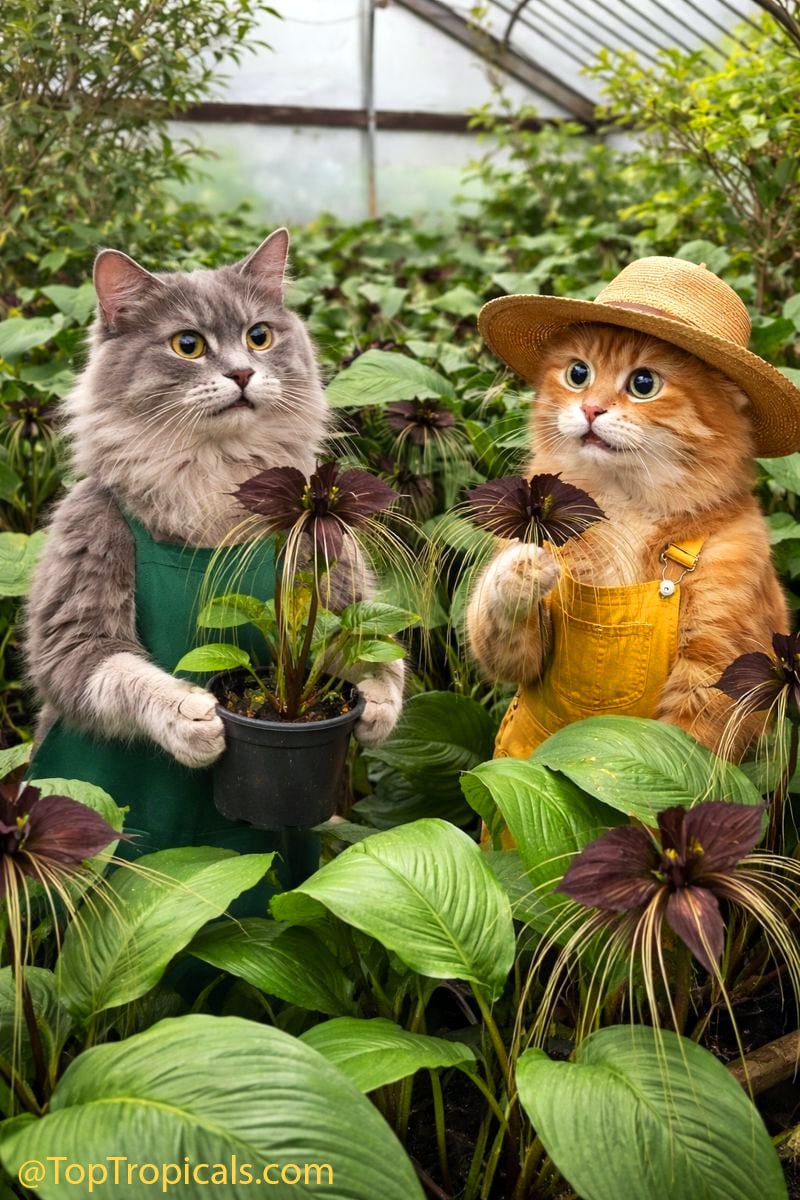
Did you know that Tacca is a cat?

Tacca plants and Cats

Tacca plants and Cats

🐈‍⬛ Did you know that Tacca is a cat?

That’s probably the real evolutionary secret no botanist will admit! Those whiskers? Pure marketing genius from nature.
Cats had it figured out first — look mysterious, add long elegant whiskers, and everyone falls in love.
Tacca just took notes and said, “Alright, I can work with that!
Continue reading: Tacca wants to be a cat! - and everyone loves cats!

Tacca colors: Black, White, Green:
Tacca nivea - White Tacca
Tacca chantrieri - Black Tacca
Tacca leontopetaloides - Green Tacca

🛒 Add Get your own Bat Head Lily Tacca

📚 Learn more:

#Container_Garden #Shade_Garden #Nature_Wonders

🟢 Join 👉 TopTropicals

Date: 13 Jan 2026

A dancing water nymph revealed!

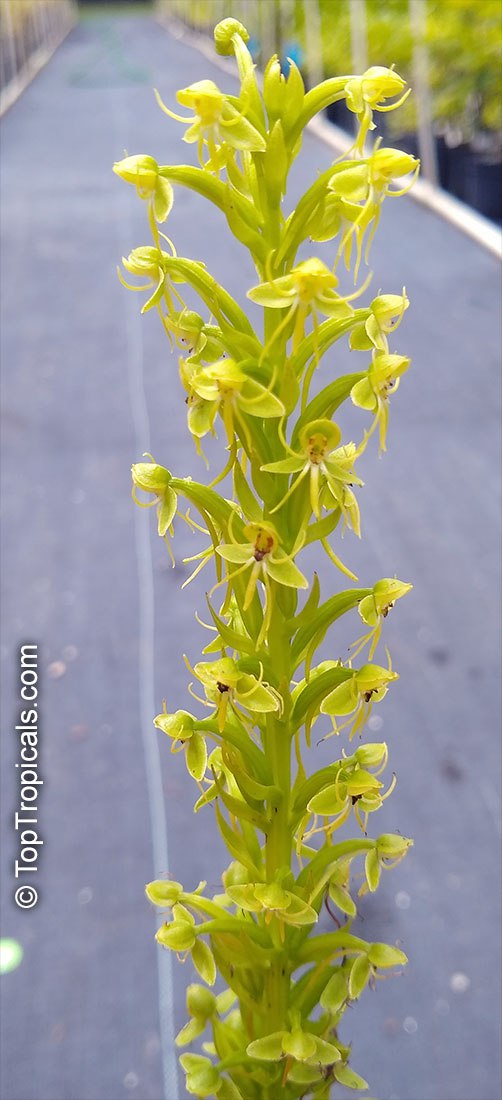
Habenaria repens - Dancing Water-Spider orchid, Floating Orchid, flower spike

Habenaria repens - Dancing Water-Spider orchid, Floating Orchid, flower spike

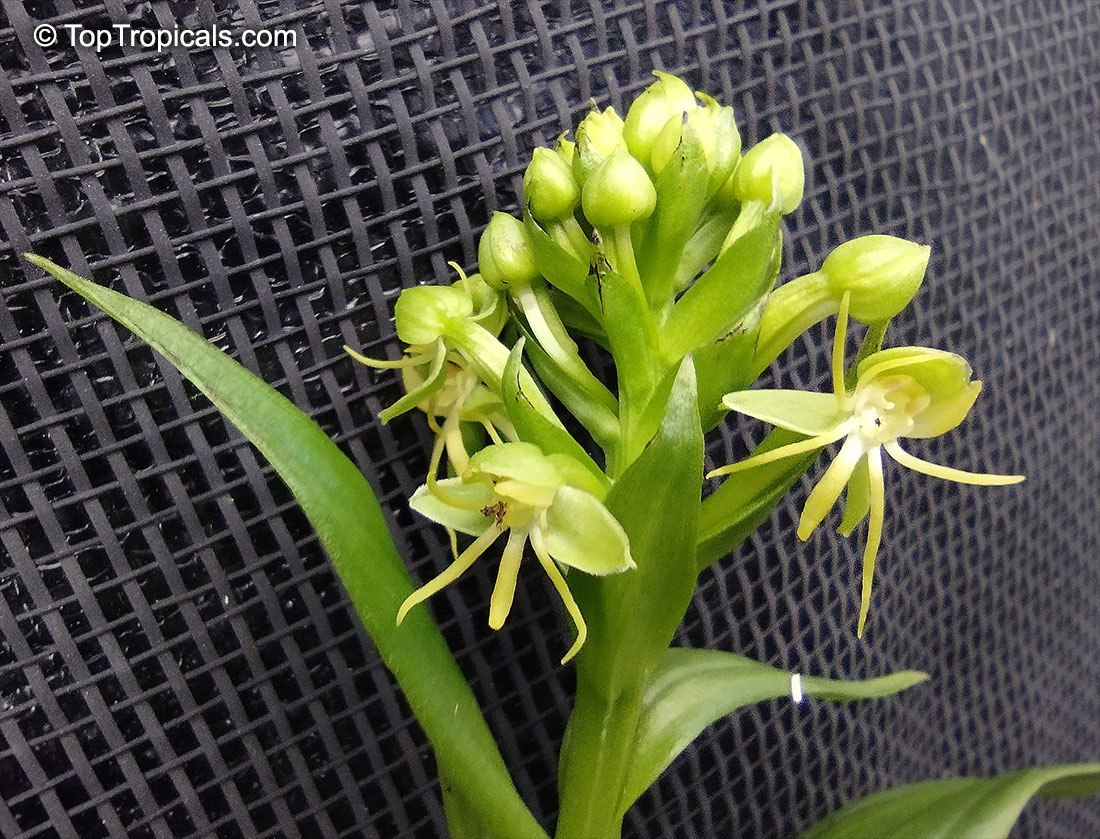
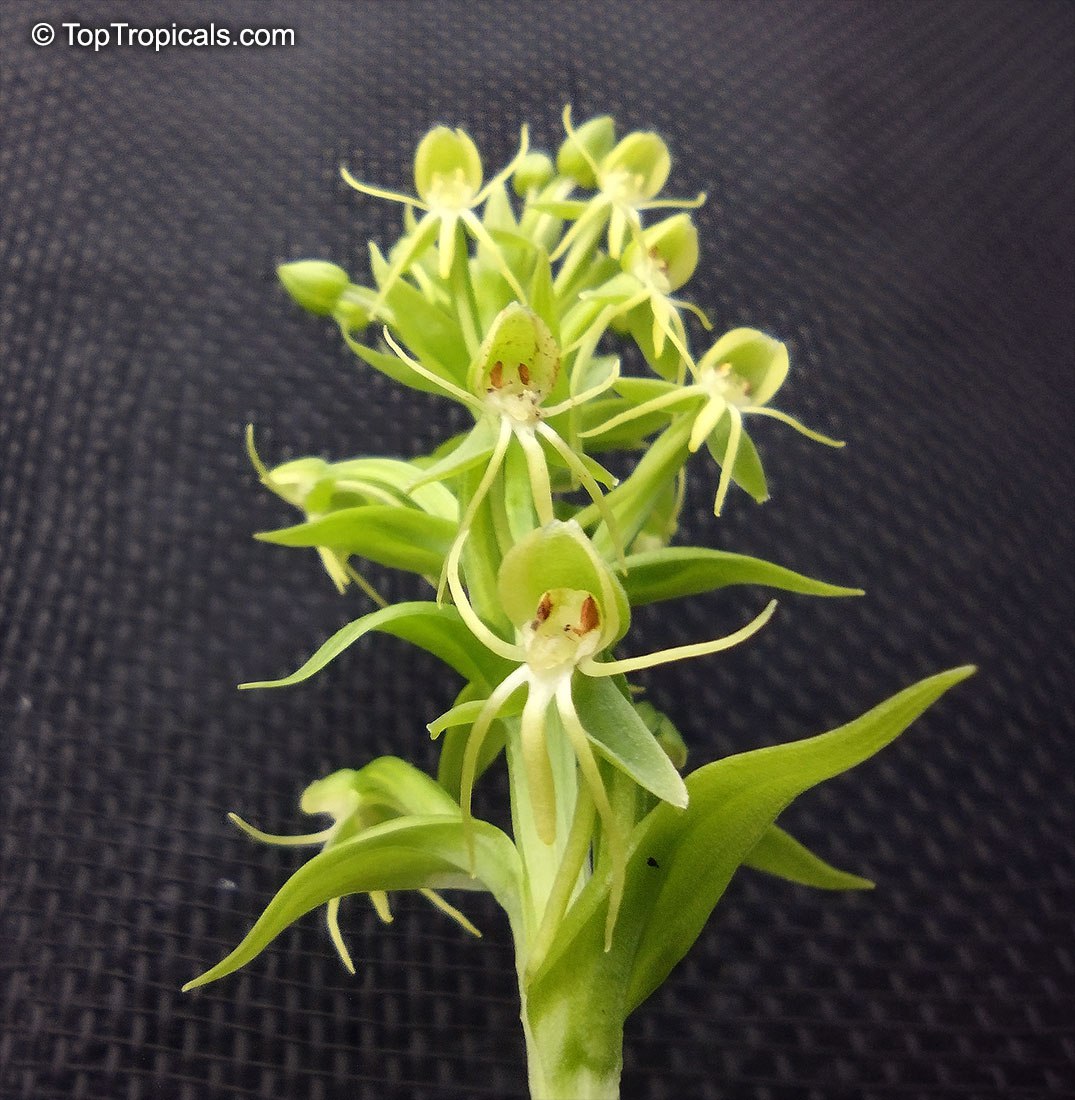
Habenaria repens - Dancing Water-Spider orchid, Floating Orchid, flower close up

Habenaria repens - Dancing Water-Spider orchid, Floating Orchid, flower close up

Habenaria repens - Dancing Water-Spider orchid, Floating Orchid, flower close up

Habenaria repens - Dancing Water-Spider orchid, Floating Orchid, flower close up

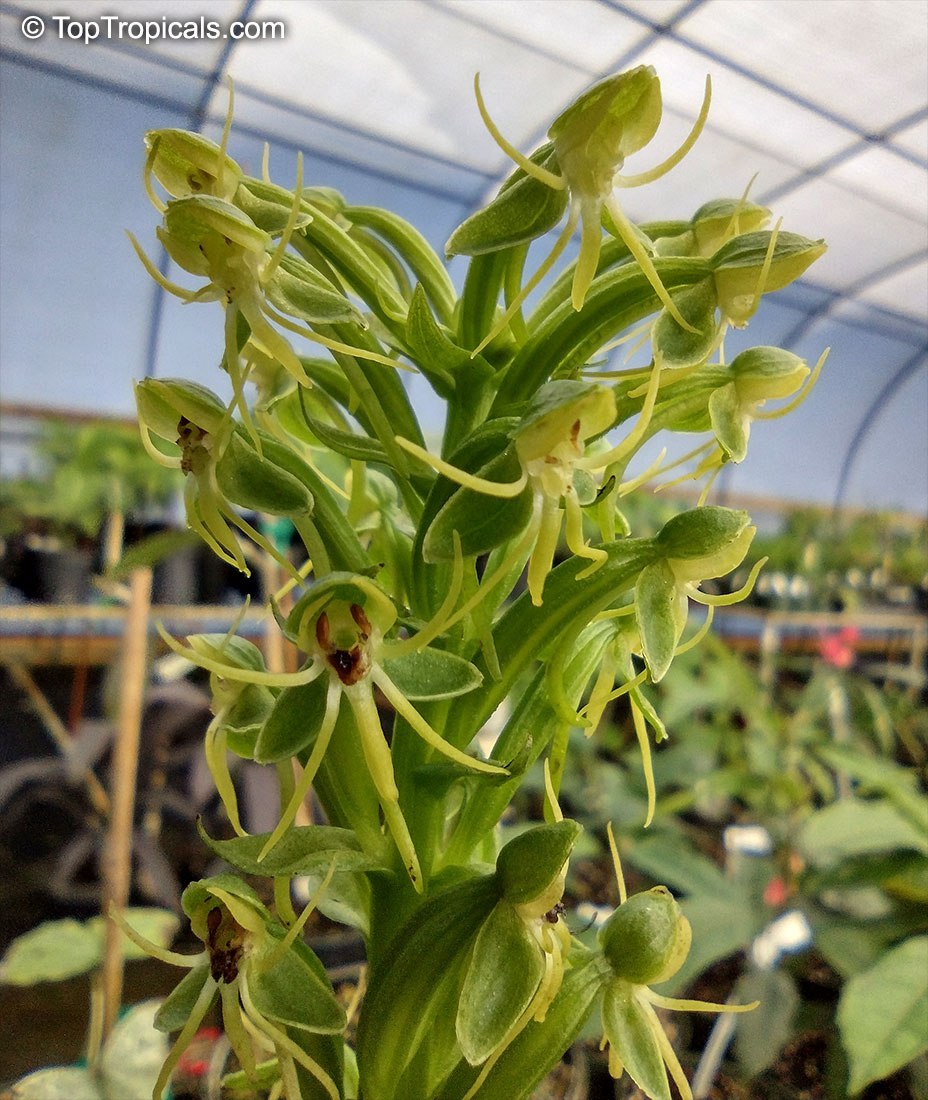
Habenaria repens - Dancing Water-Spider orchid, Floating Orchid, flowers

Habenaria repens - Dancing Water-Spider orchid, Floating Orchid, flowers

💃 A dancing water nymph revealed!

Habenaria repens - the tiny Dancing Water-Spider orchid, Floating Orchid, a dancing fairy, sprite, sylph, pixie - or a water nymph?
  • 💞 If you look closely, this native orchid really does look like it is dancing. The tiny, spidery flowers of Habenaria repens seem to hover in motion, giving rise to its charming common name - Water-spider Bog Orchid, also called Floating Orchid.
  • 💞 Habenaria repens is one of the few orchids that can live both on land and in water. It naturally grows in wet ditches, marshes, meadows, and along pond and lake edges, and it can even form floating mats in still water. In warm climates, it may bloom almost year-round, sending up tall flower spikes packed with 10-50 delicate greenish-white blooms. The narrow, spider-like petals and lip are designed to attract pollinators, while the light green sepals blend perfectly into wetland surroundings.
  • 💞 This orchid produces several yellow-green leaves along its stem, with smaller leaves near the flower spike. It prefers consistently moist to wet conditions and slightly acidic soil. In cultivation, it does best in bog gardens, shallow pond margins, alongside carnivorous plants like pitcher plants, or even in containers kept very wet.
  • 💞 Small, subtle, and easy to overlook at first glance, Habenaria repens rewards anyone who stops and looks closely. Once you see that little flower dancing, you will never forget it.


What does this tiny flower look like to you?
A dancing fairy, sprite, sylph, pixie - or a water nymph?

🛒 Add Dancing Spider Orchid to your rare plant collection

📚 Learn more:
Habenaria repens - Water-spider Bog Orchid, Floating Orchid in Plant Encyclopedia

#Nature_Wonders #Container_Garden

🟢 Join 👉 TopTropicals