Date: 17 Jan 2026
Ti plant leaf color meaning
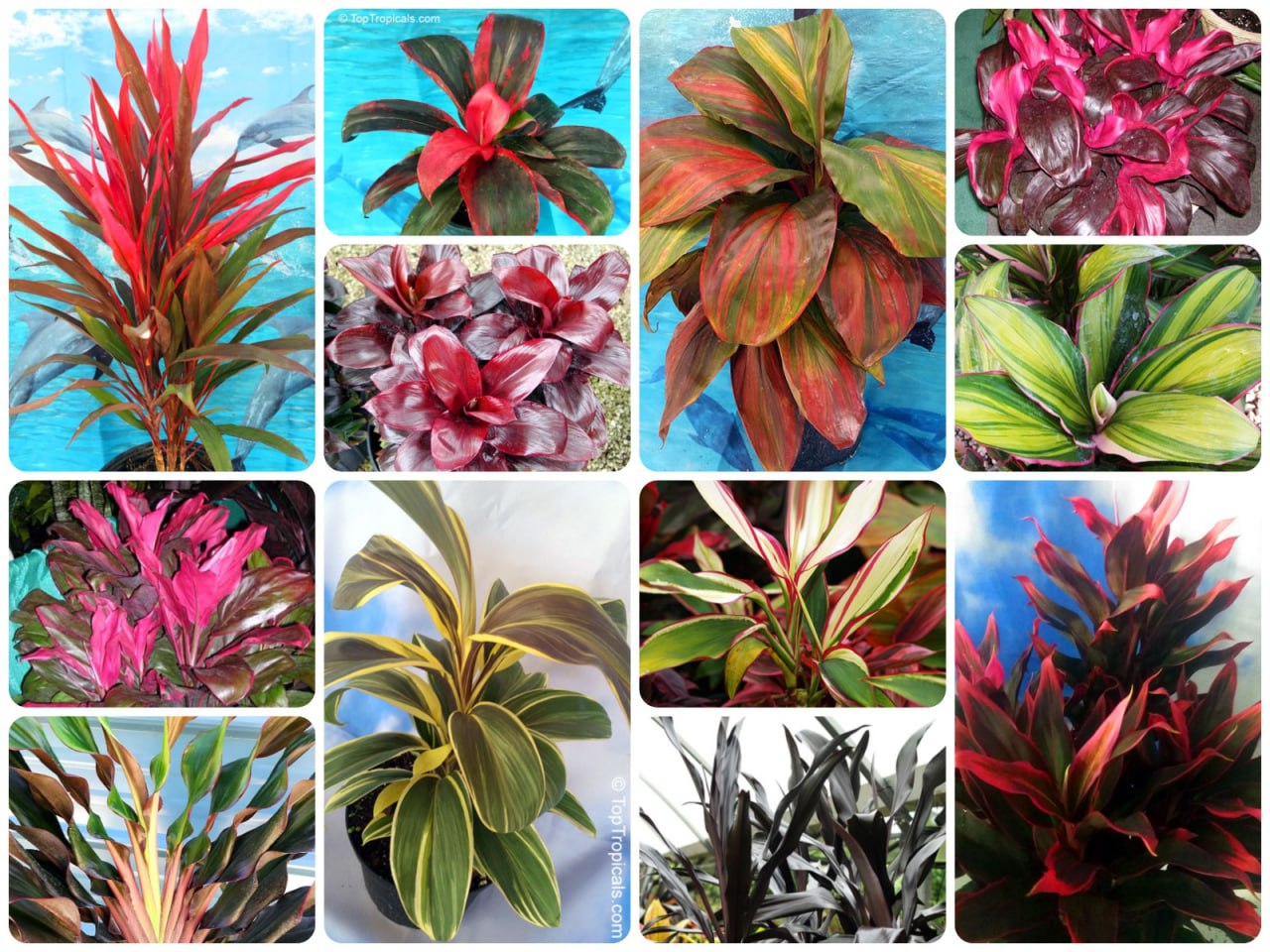
Hawaiian Ti plant (Cordyline fruticosa)
🌈 Ti plant leaf color meaning
The Hawaiian Ti plant (Cordyline fruticosa) is more than just a colorful tropical accent. Across Polynesian, Hawaiian, and Southeast Asian cultures, the color of ti plant leaves has long been associated with different meanings, moods, and uses - both symbolic and practical.
Leaf color is influenced not just by variety, but also by light, temperature, and nutrition. Fading color usually means too little light or depleted soil, while rich, bold tones signal a happy plant.
Ti plant colors tell a story - part cultural tradition, part plant health, and part personal style in your garden.
🛒 Ti plants rainbow: collect them all
📚 Learn more:
#Container_Garden #Hedges_with_benefits #Shade_Garden #Discover #Horoscope
🟢 Join 👉 TopTropicals
The Hawaiian Ti plant (Cordyline fruticosa) is more than just a colorful tropical accent. Across Polynesian, Hawaiian, and Southeast Asian cultures, the color of ti plant leaves has long been associated with different meanings, moods, and uses - both symbolic and practical.
- 🌈 Green leaves
- 🌈 Red and deep burgundy leaves
- 🌈 Pink, magenta, and multicolor leaves
- 🌈 Purple and dark-toned leaves
- 🌈 Yellow or light variegation
- 🌈 One practical note
Green ti plants are linked to peace, balance, and steady growth. Traditionally, they were planted around homes for protection and good fortune. In the garden, green varieties are usually the toughest and most shade-tolerant.
Red ti plants are associated with strength, power, and protection. In Hawaiian tradition, red ti leaves were believed to ward off negative energy and were often used in ceremonies. Garden-wise, deeper reds usually mean more sun exposure and stronger pigmentation.
These colorful ti plants symbolize joy, celebration, and creativity. They are often used as ornamental focal points and in festive plantings. Variegated and pink types tend to prefer brighter light to keep their colors sharp.
Purple ti plants are linked to mystery, spirituality, and transformation. Their dramatic color comes from high anthocyanin levels and usually intensifies in bright light with good nutrition.
Yellow tones often represent optimism and new beginnings. Plants with lighter variegation may grow a bit slower and need protection from harsh sun, but they add a softer contrast in tropical landscapes.
Leaf color is influenced not just by variety, but also by light, temperature, and nutrition. Fading color usually means too little light or depleted soil, while rich, bold tones signal a happy plant.
Ti plant colors tell a story - part cultural tradition, part plant health, and part personal style in your garden.
🛒 Ti plants rainbow: collect them all
📚 Learn more:
- ✦ Cordyline fruticosa in Plant Encyclopedia
- ✦ Ti plant: bold color, easy care
- ✦ Color that lasts year-round
#Container_Garden #Hedges_with_benefits #Shade_Garden #Discover #Horoscope
🟢 Join 👉 TopTropicals