Date: 4 Nov 2019
Hardy Plumeria Pudica
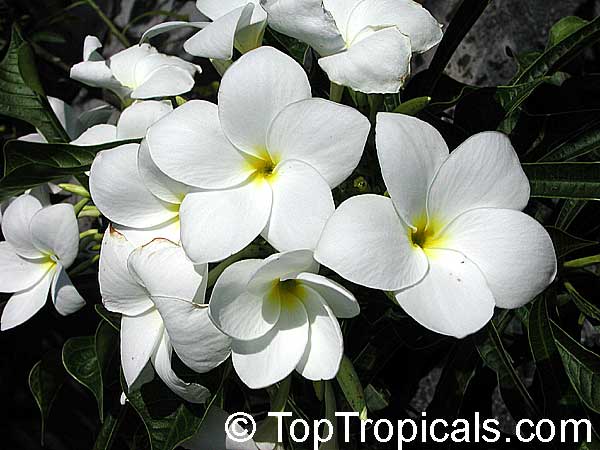
Q: I have ordered plumeria pudica from you in March and it is thriving really well here in Rancho Cordova, California. The current temperatures are ranging from 68 to 32 degrees Fahrenheit. My USDA zone is 9b. Does this plumeria pudica survive outside with temperatures dropping in coming winter in CA?
A: From our experience, Plumeria pudica is pretty cold hardy and takes some cold spells in
spite of being a tropical species.
Our trees (well-established) took a few hours of freeze with no
significant damage.
Potted plants are less hardy than in-ground plants. However, their
advantage is, they are easy to move indoors or inside warmer place like garage,
etc. If the temperature stays borderline around 32F for a few hours, the plant
should be safe as long as warm day temperatures follow a cold night. For
longer periods of cold, move the plant inside.
Make sure do not overwater and keep Plumeria on a dry side during
winter, since cold and wet is a bad combination and may cause root problems.
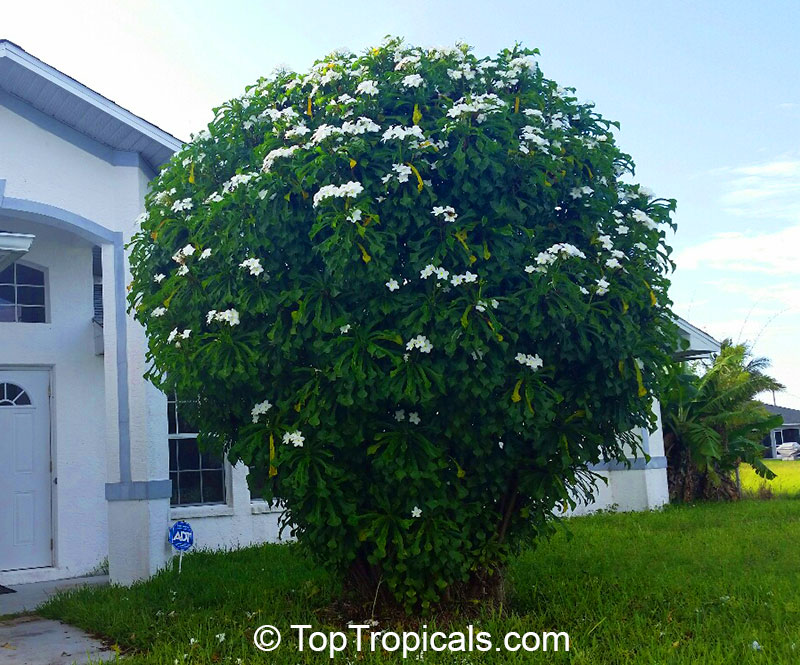
Above is the picture of Plumeria pudica tree growing in Cape Coral, FL
where low temperatures in winter sometimes go down to upper 20's for a few
hours.
To improve cold hardiness of Plumerias and other tropical plants, use SUNSHINE-Epi-T for plant thermal protection and immune system boost.
Make sure to fertilize plants on regular basis to keep them strong and
vigorous. The stronger and bigger the plant, the hardier it is!
RECOMMENDED FERTILIZERS:
Plumeria Top Dress - Smart-Release Booster
Pink N Good Daily Plant Food - Flower Booster
Tropical Allure - Smart-Release Booster

Date: 5 Oct 2019
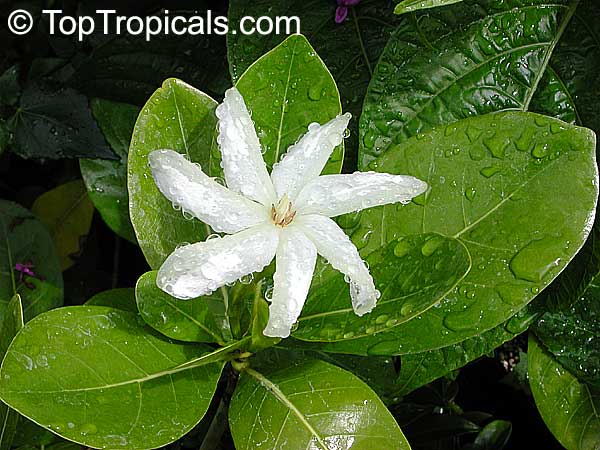
Gardenia flowers: how to prevent bud-drop
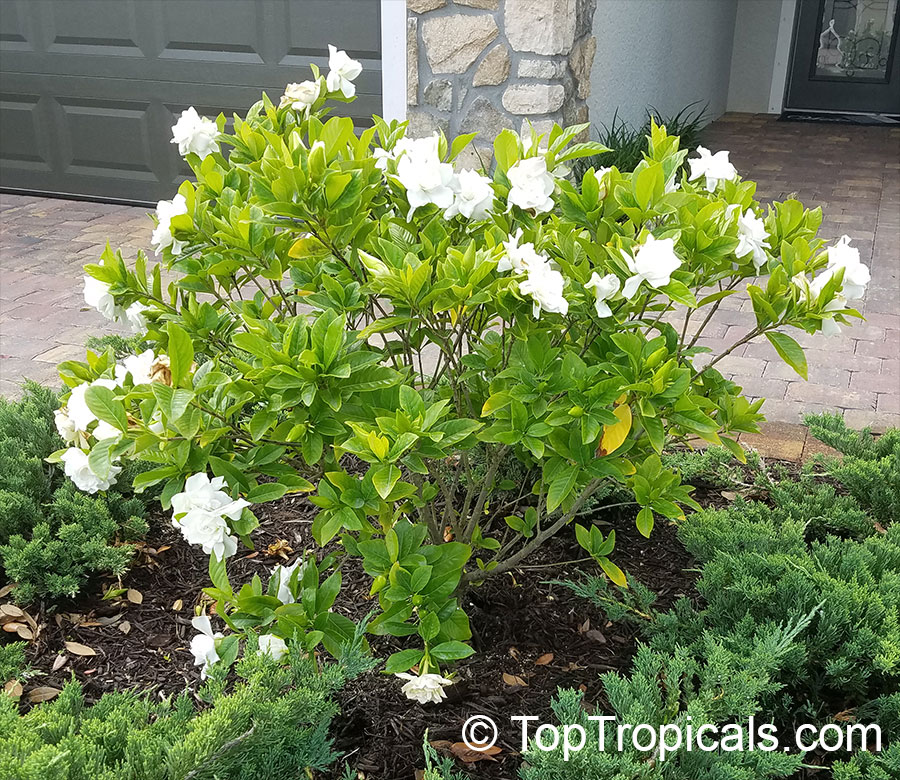
Q: My gardenia looks beautiful, but the flowers fall off of it before they even open up, the majority of them get this brown color at their base. Can you point me in the right direction.
A: There are 3 possible problems, either one, or a combination:
1) Lack of light
2) Too much water
3) Lack of micro-nutrients in soil
Try the following treatments:
- micro-elements SUNSHINE-SuperFood as foliar spray + drench rootball,
once a month, it will improve quality of the flowers.
- Silicon protection: SUNSHINE-Power-Si. This supplement has Silicon as
an active element (Si). Adding it to soil or/and over foliar spray can
immensely enhance plants' resistance to external factors and boost their growth and
health.
Make sure the soil is not soggy, reduce watering especially during
fall/winter.
Date: 28 Sep 2019
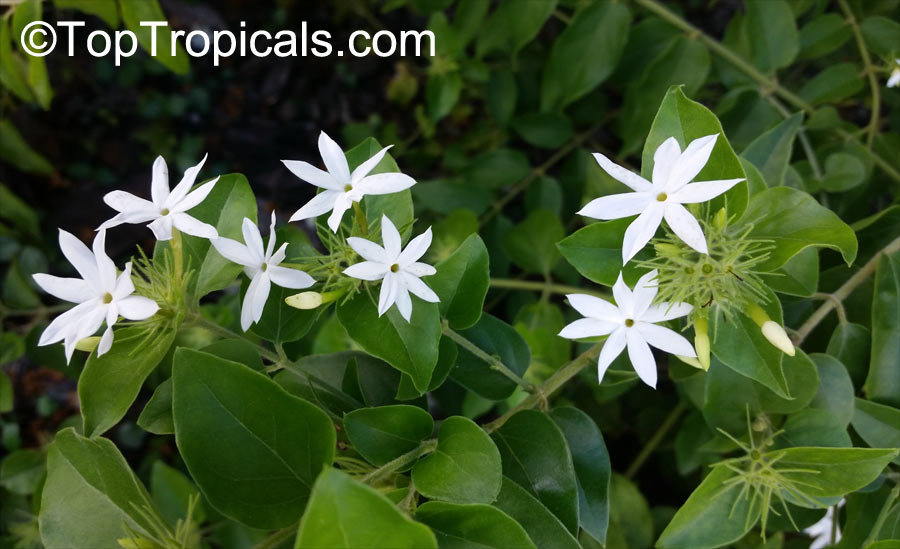
Fragrance of Angel Hair Jasmine
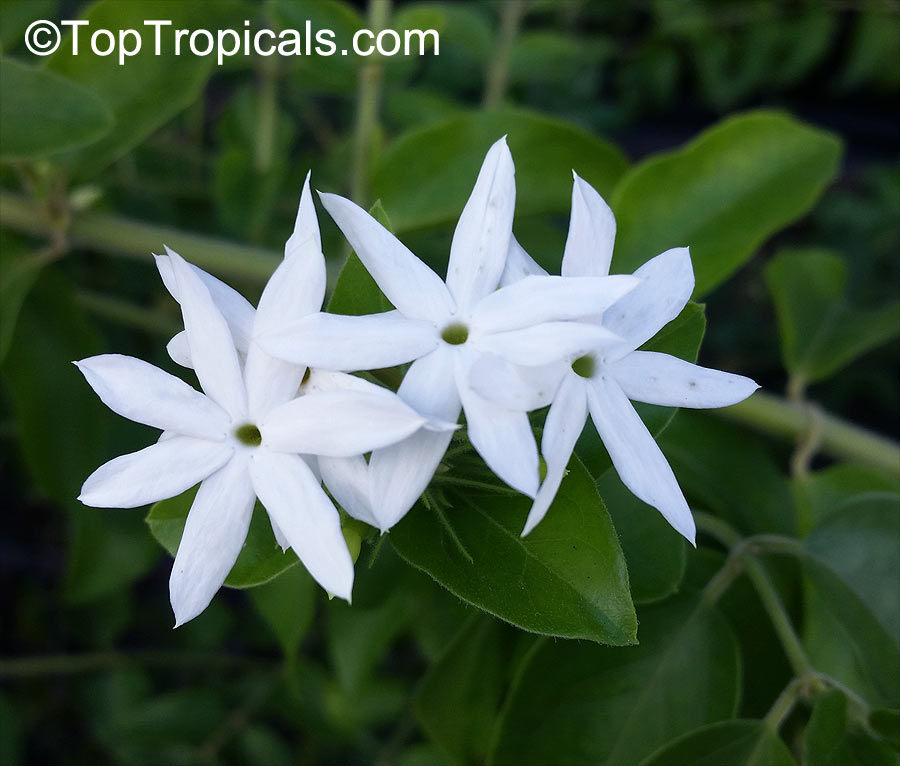
Q: I got angel hair jasmine, it started flowering, but it does not have any smell. What can be done?
A: Jasminum pubescens - Angel Hair Jasmine has very fine fragrance. It is
not as strong as some other jasmines like Sambac for example. However flowers do have a sweet scent especially in
the early morning hours, as long as the plant is well-established, grows in
a warm and humid environment. Keep in mind that flowers on young small plants
that do not have a developed root system, may not be as fragrant as on
mature vigorous specimens. Also, this jasmine needs a full sun location and
regular fertilizer for profuse flowering.
We recommend the following fertilizers to boost flowering energy:
- Pink N Good Daily Plant Food - Flower Booster
- Plumeria Top Dress - Smart-Release Booster
Use microelements at least once a month to improve plant vigor and quality
of flowers
Date: 24 Sep 2019
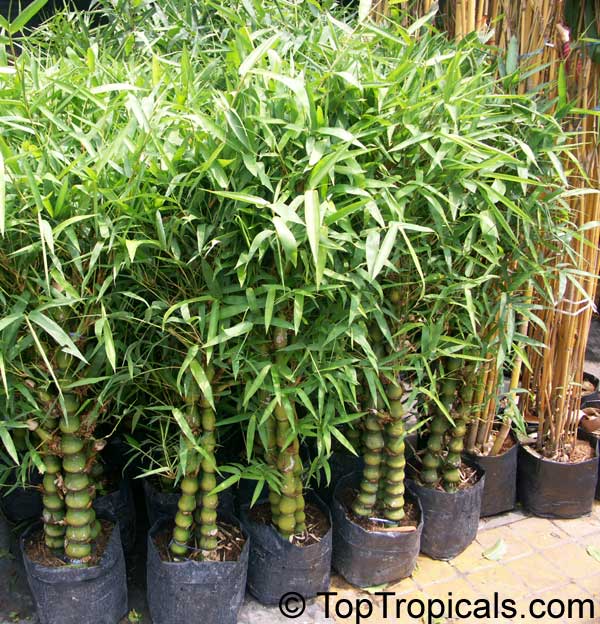
How to fertilize a bamboo?
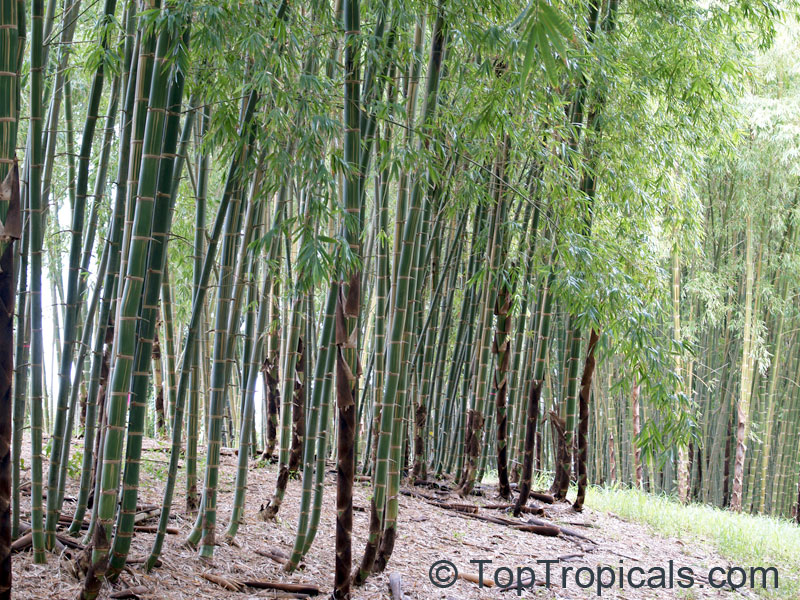
Q: When do you fertilize new bamboo trees and can you use the same fertilizer you use for mango trees?
A: Bamboo is a tropical to subtropical plant with growing season
year-round. You can start fertilizing it right away with the exception of colder
months when temperatures drop below 65F.
Mango fertilizer is formulated for fruit trees, so bamboo won't benefit
from it. Bamboo is not a fruiting plant and is not even cultivated for
flowers. Its beauty is in healthy green foliage and beautiful stems. So you will
need foliage-type of fertilizers for it.
We recommend the following fertilizers for bamboo plants:
Tropical Greenhouse Plus - Plant Booster
Tropical Allure - Smart-Release Booster
Remember to always use micro-elements that are essential for every green plant.
Date: 25 Jun 2019
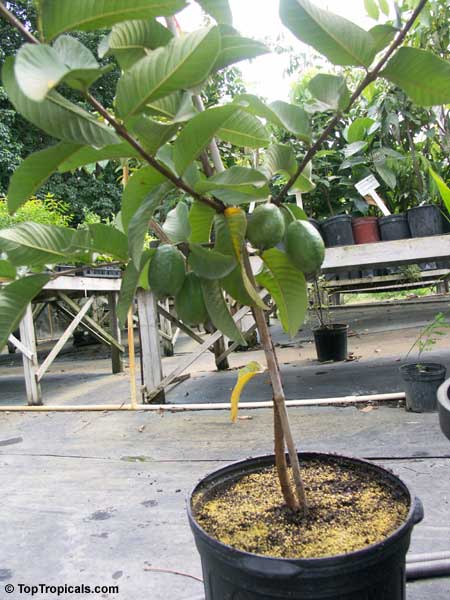
How soon will Guava tree fruit?
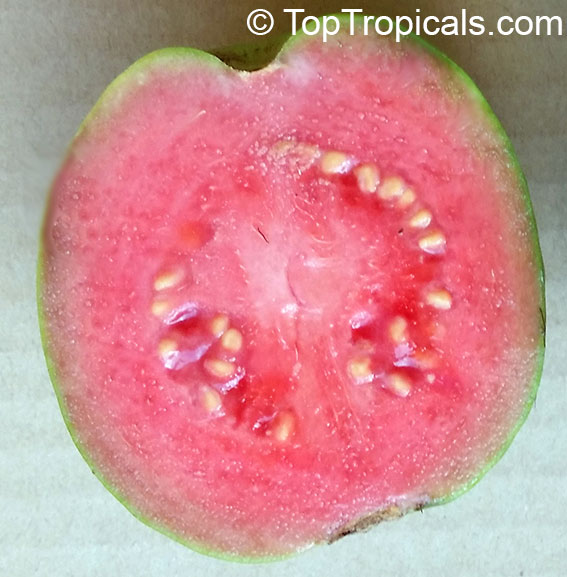
Q: Can you tell me how your Guava trees are propagated? Grown from seed vs. air grafted, etc.? I'm interested especially in the Barbie variety. In particular, I'd like to know how long it takes them to bear fruit - I live in Southern California zone 10b, with good sunlight.
A: Guavas can be propagated by seed, air layers, or grafting.
Propagation method depends on the species.
Cattley guavas - Psidium littorale - are usually grown from seeds and start flowering
and producing as early as in 2-3 years from seed. Tropical guavas, Psidium guajava - especially named varieties, are propagated usually by
air layers, and the rarest varieties like Variegated Honey Moon are often grafted, although they will come true
from seed (it's just takes them longer to fruit). Both air-layered and grafted
plants start producing right away, usually on the same year of planting or
next year, depending on growing conditions.
Barbie Pink is a superior variety, very popular among fruit lovers. It
produces large aromatic fruit with a bright pink pulp and very few seeds. This
variety is air-layered; in our nursery, these plants start flowering and
setting fruit in 3 gal containers.
Plant this tree in full sun and provide regular watering, guavas don't
like to dry out. Use fertile soil, with at least 50% of compost, and add some
soil conditioning components for better drainage: bark, sand, perlite, etc.
Mulch well, just make sure to keep mulch 2-3"away from the trunk. Follow our
detailed planting instructions that come with every plant, and you are good
to go!
Recommended fertilizers:
Fruit Festival Plant Food - Super Crop Booster
Mango-Food - Smart Release Fruit Tree Booster