Garden Blog - Top Tropicals

Date: 11 May 2024

Why Dutchmans Pipe is the best butterfly attracting vine? Smell it!
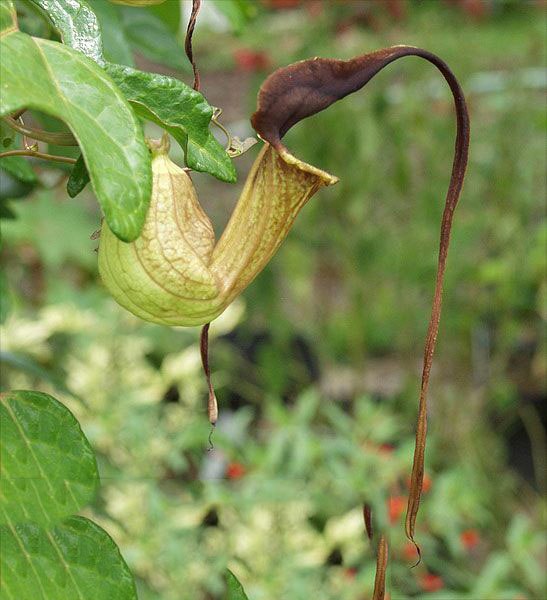
Aristolochia trilobata - Birthwort Dutchman's Pipe
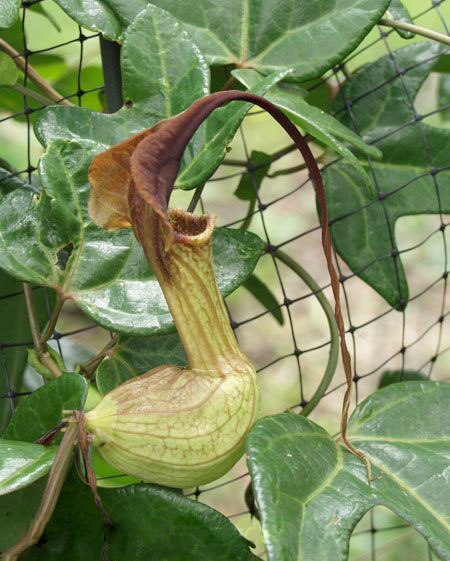
Aristolochia trilobata - Birthwort Dutchman's Pipe

Aristolochia trilobata - Birthwort Dutchman's Pipe

Aristolochia trilobata - Birthwort Dutchman's Pipe

Why Dutchman's Pipe is the best butterfly attracting vine? Smell it!

Without any doubt, Aristolochia, or Dutchman's Pipe, is one of the best butterfly plants.
  • 🍃 Aristolochia trilobata - Birthwort Dutchman's Pipe is celebrated for its unique and intricate flowers that resemble Dutch smoking pipes, hence its name.
  • 🍃Dutchman's Pipe flowers emit a scent mimicking decaying matter, which certain butterfly species, like the Pipevine Swallowtail, find irresistible 💩🙄
  • 🍃The butterflies lay their eggs on the plant, as it serves as a suitable host for their larvae, contributing to the plant's ecological significance by promoting pollination and biodiversity.
  • 🍃 As a result, it not only beautifies gardens but also supports local butterfly populations, enriching the ecosystem.
  • 🍃 Beyond its distinctive appearance, it's valued for its historical use in traditional medicine, particularly for its alleged healing properties.


🛒 Bring butterflies to your garden!

#Butterfly_Plants #Hedges_with_benefits #Fun_Facts

🏵 TopTropicals
Date: 7 May 2024

Have you ever seen a hibiscus like that? This flower will blow your mind!

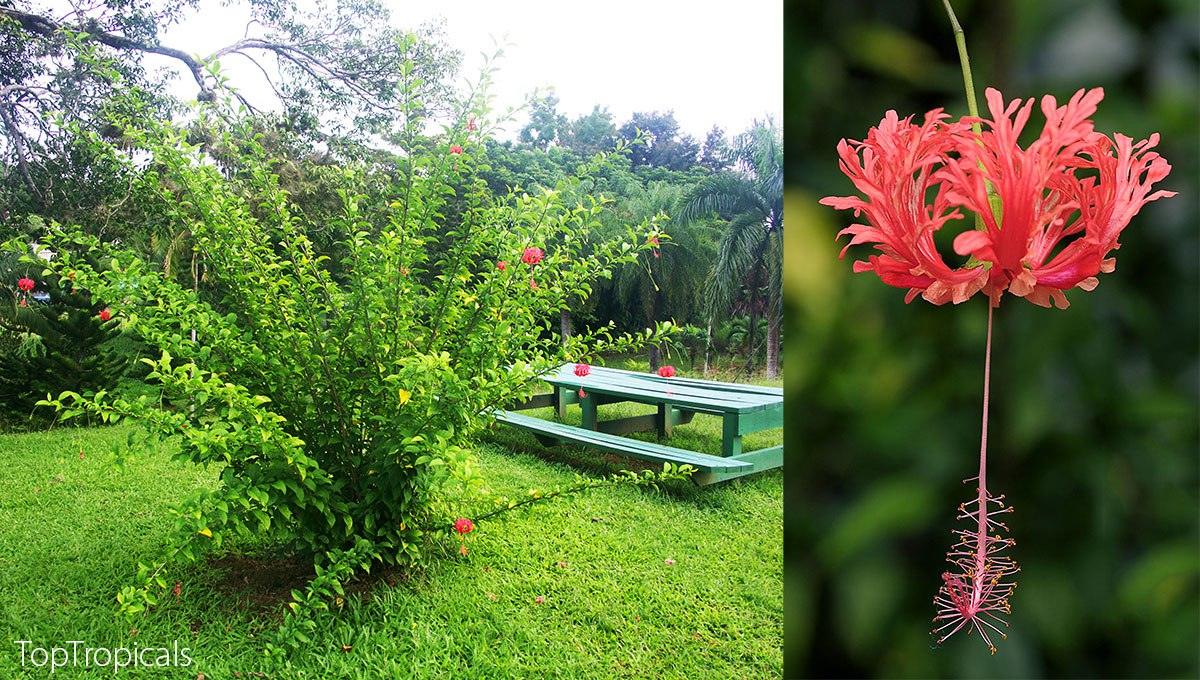
Hibiscus schizopetalus - Skeleton Hibiscus, Coral Hibiscus

Hibiscus schizopetalus - Skeleton Hibiscus, Coral Hibiscus

🌺 Have you ever seen a hibiscus like that? This flower will blow your mind! 👀
  • 💀 Hibiscus schizopetalus - Skeleton Hibiscus, or Coral Hibiscus - earns its nickname due to the delicate, lacy appearance of its flowers. The Latin word schizopetalus literally means "crazy petals"! Flowers look like parachutes, with lacy petals bent backward. The petals are thin and elongated, resembling the intricate structure of a skeleton or bones! 💀

  • ♦️ When the flowers bloom, they create a beautiful, ethereal effect, which has led to the association with the term "skeleton." This unique characteristic sets it apart from other hibiscus varieties, hence the distinctive moniker.
  • ♦️ Spectacular weeping tree shape, it has slender and gracefully curved stems.
  • ♦️ Rare and hard to find.
  • ♦️ Grows rapidly and blooms freely.
  • ♦️ Can be trained into a showy standard.


🛒 Get Skeleton Hibiscus

#Nature_Wonders #Hedges_with_benefits

🏵 TopTropicals

Date: 5 Jan 2025

Condo (Dwarf) Mango Practical Guide:
What varieties are good for container culture
or small yards

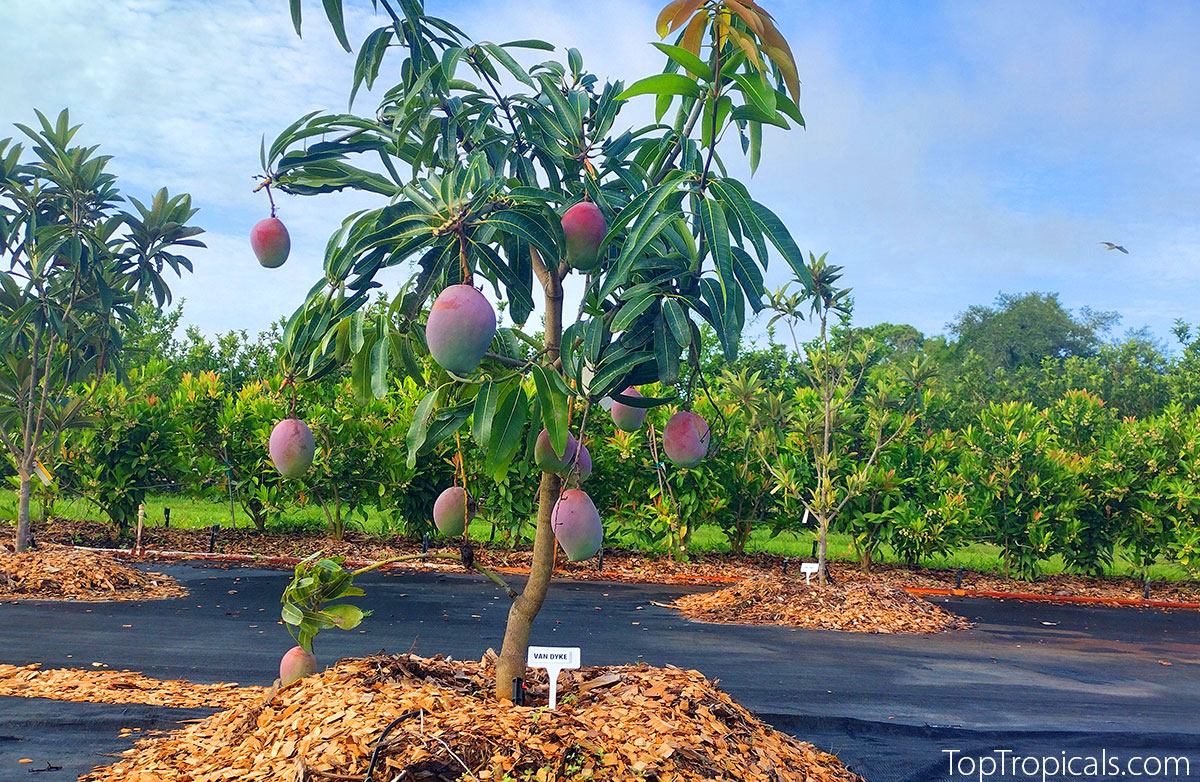
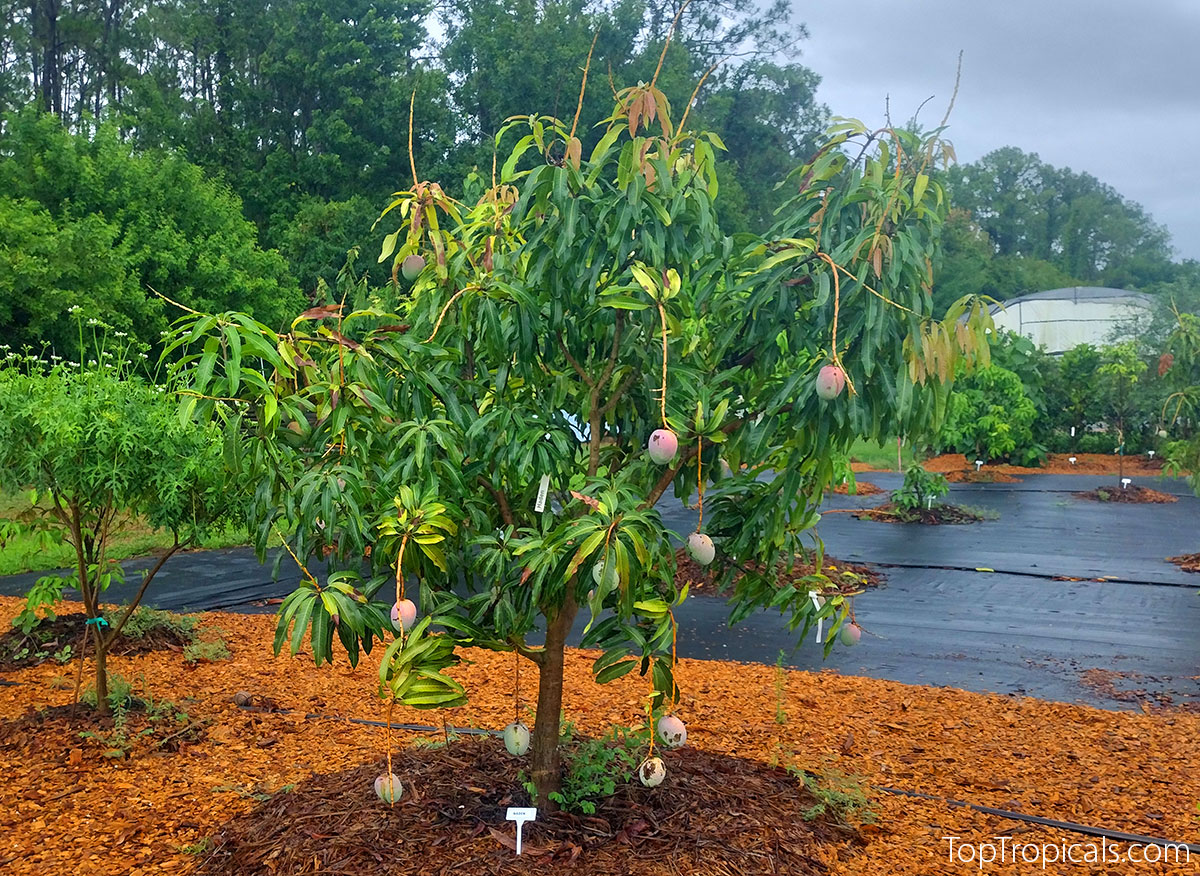
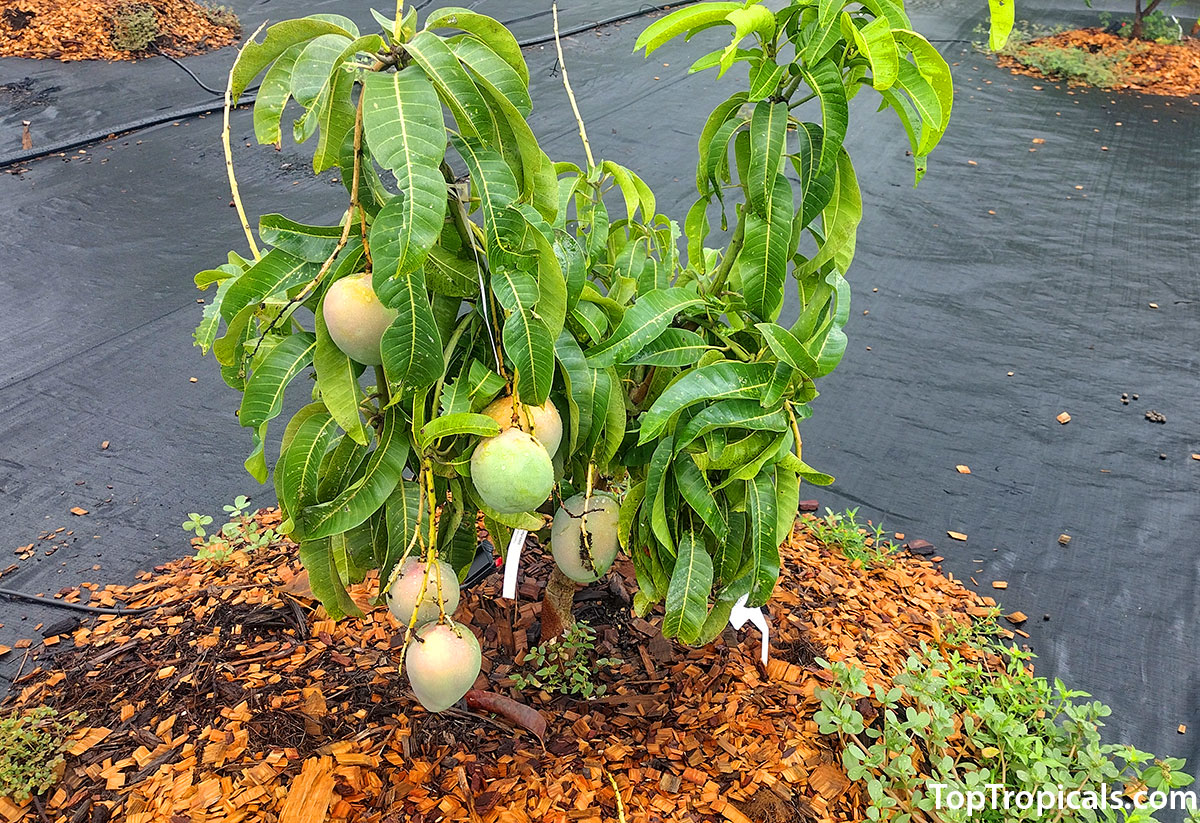
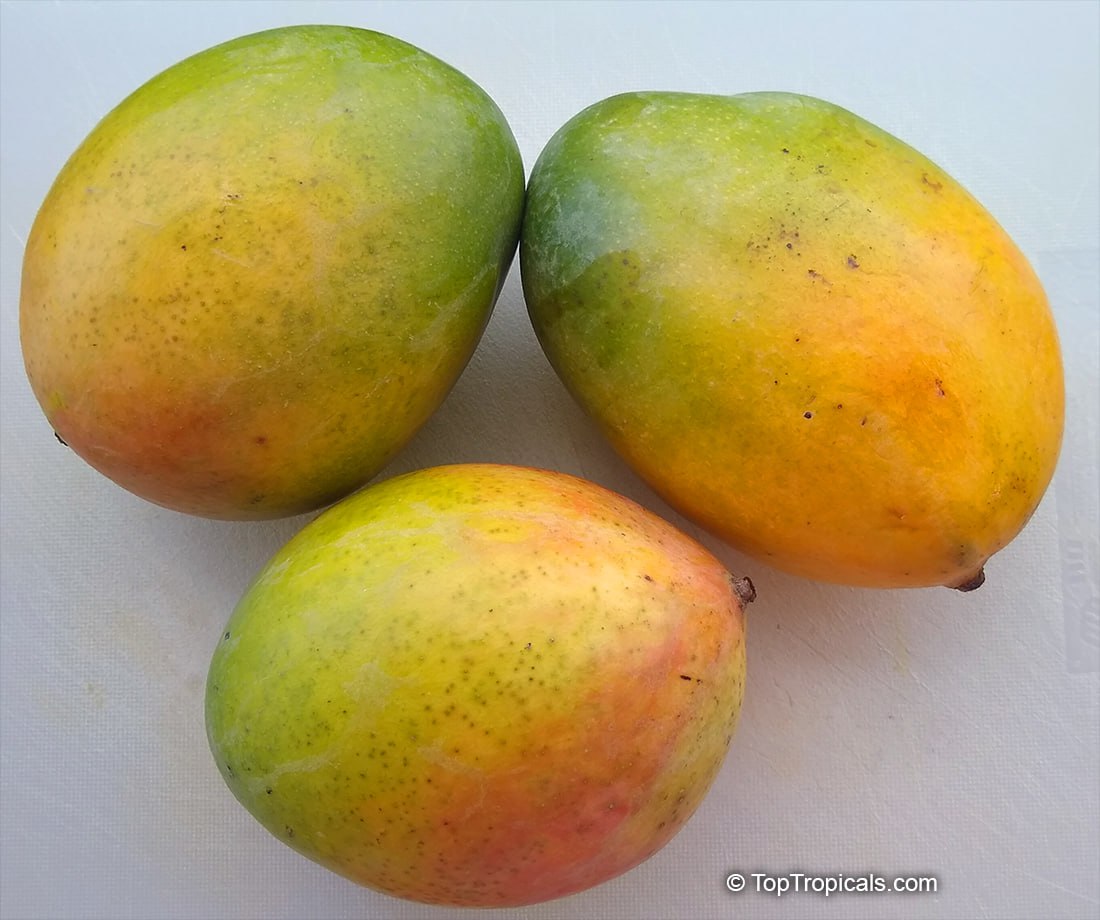
Condo  dwarf  mango  with  fruit

Q: "Our winters are too cold for a mango tree, but I'd like to grow one in a pot so I can bring it inside during cold nights. Which varieties do you recommend for container gardening? I've heard of Condo Mango - do you carry them?"

A: Yes, we always carry Condo Mango varieties: they are a fantastic choice for gardeners with limited space or in cooler climates. They grow well in containers and can be easily maintained through pruning. Whether you're growing them on a balcony, in a greenhouse, or in a backyard, Condo Mangos provide the perfect mix of beauty and practicality.

What Are Condo Mangos?

Condo Mangos, also known as dwarf mango trees, are perfect for small spaces. These trees can be grown in containers, making them ideal for balconies, greenhouses, or small suburban backyards. With proper care, they can be maintained at a manageable height of 6-10 feet through regular pruning. Some plant enthusiasts even manage growing Mango tree as an indoor plant!

The term Condo Mango

Condo Mango refers to mango varieties that thrive in containers and are small by nature, allowing them to be easily kept even smaller with selective pruning.

Size and Growth

Unlike traditional mango trees, Condo Mangos are compact. They naturally grow to around 6-10 feet, but with proper pruning, they can be kept small, making them an excellent choice for limited space.

Growing in Containers

- Condo Mango trees thrive in pots and containers.
- A 15-20 gallon pot is ideal to give the roots enough room to grow.
- Ensure your container has drainage holes to prevent root rot.

Planting Tips

- Plant Condo Mangos in full sun, where they'll get plenty of heat and light.
- Use well-draining soil for optimal growth.
- Fertilizer regularly with quality plant food. Out best choice is Sunshine Mango Tango for edibles. - Late Winter to early Spring is the best time to plant in containers, before the rainy season starts.
- Mangoes grow well in USDA zones 9-10, but if you live in cooler climates, you can grow them indoors or in a greenhouse, as long as you meet their heat and light needs.

Pruning and Maintenance

- Prune Condo Mango trees once a year to keep them at the desired height (6-10 feet), right after harvesting (late Summer to Fall)
- Trim the tips of the branches to maintain a compact shape and encourage healthy growth.
- Regular pruning will help keep the tree manageable and ensure better fruit production.

Learn more: Find out what are Top 10 Dwarf Condo Mango - great for container culture.

Condo  dwarf  mango  with  fruit

Condo  dwarf  mango  with  fruit

Date: 24 Jan 2025

Ten best fruit trees to grow in Florida and Southern landscapes

Mango Keitt (Mangifera indica)

Mango Keitt (Mangifera indica)

🏆 Ten best fruit trees to grow in Florida and Southern landscapes.
# 1: Mango Tree.
  • 🥭 Mango trees (Mangifera indica) are a Florida garden essential, and if you own one, you're truly embracing the Sunshine State's spirit!
  • 🥭 Delicious, Nutritious Fruit: Known as the "King of Fruits," packed with vitamins and fiber.
  • 🥭 Fast-Growing & Low-Maintenance: Thrives with minimal water once established, and is heat-tolerant.
  • 🥭 Quick Fruit Production: Grafted trees produce right away and you can expect large crops in just 2-3 years.
  • 🥭 Cold Protection: Young trees need protection from frost, but mature trees handle cold better.
  • 🥭 Compact Varieties Available: Dwarf "condo" mangoes are perfect for containers and smaller spaces.
  • 🥭 Grafted Varieties for the Best Taste: When selecting a mango tree, be sure to choose a grafted variety for an immediate payoff of high-quality, fiberless fruit. Grafted trees will produce sweet and flavorful mangos right away, unlike seedling trees, which can take up to 7-8 years to bear fruit. Grafted mangoes are known for their rich taste, which you can find only in home gardens. Commercially grown mangos, while more durable for shipping, tend to be fibrous and less flavorful. Opting for a grafted variety ensures that you enjoy the full, vibrant sweetness of mangoes.


📚 Learn more from previous posts:
  • 🟡about #Mango trees
  • 🟡10 best fruit trees to grow in Florida and Southern landscapes


🛒 Shop Mango varieties

#Food_Forest #Mango

🔴 Join 👉 TopTropicals

Date: 22 Apr 2025

Low-Maintenance Bloom for Your Patio

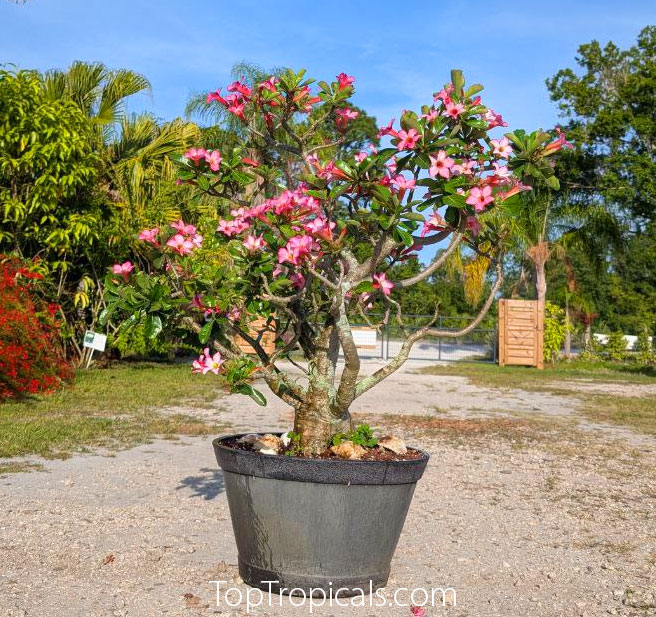
Desert  Rose  -  Adenium  in  pot

Q: I'm looking for compact, low-maintenance plants for my patio - something colorful, unusual, and not like the boring crotons. I need several for my lanai, preferably flowering, showy, and easy to care for since I often forget to water. Do such plants even exist?

A: Sounds like you need Adeniums - also known as Desert Roses. They're perfect for patios and lanais, and they check every box: compact, low maintenance, drought-tolerant, and bursting with color. You can grow them in sun or shade, and they don't mind if you forget to water now and then. Plus, they're real conversation pieces - people collect them like art! Adeniums look like living sculptures thanks to their thick, swollen caudex.

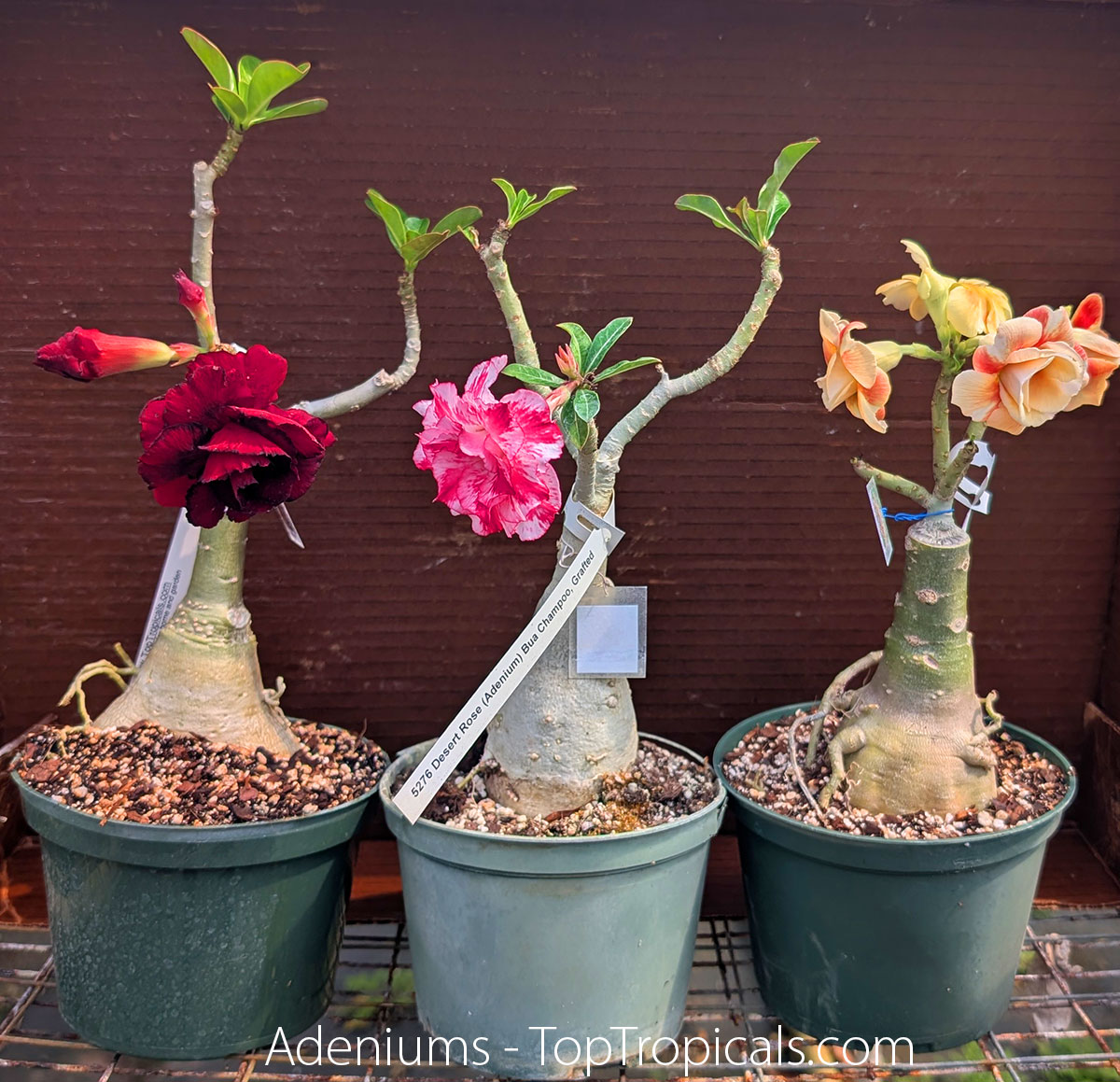
At Top Tropicals, we grow over 200 hybrid varieties of Adeniums, and usually have 100+ in stock. You'll find doubles, reds, purples, yellows, even striped, dotted, rainbow, and black flowers. With so many options, you'll want more than just one!

Desert  Roses  -  Adeniums  in  pots

Want that iconic fat base? Here's the trick:

Every time you repot, raise the plant slightly to expose more of the upper roots. This encourages downward root growth and thickens the caudex over time. Just use a well-draining mix, water only when dry, and feed with Sunshine Megaflor Booster to support both blooming and trunk growth.

Adeniums aren't just low-effort - they're living art for your lanai!

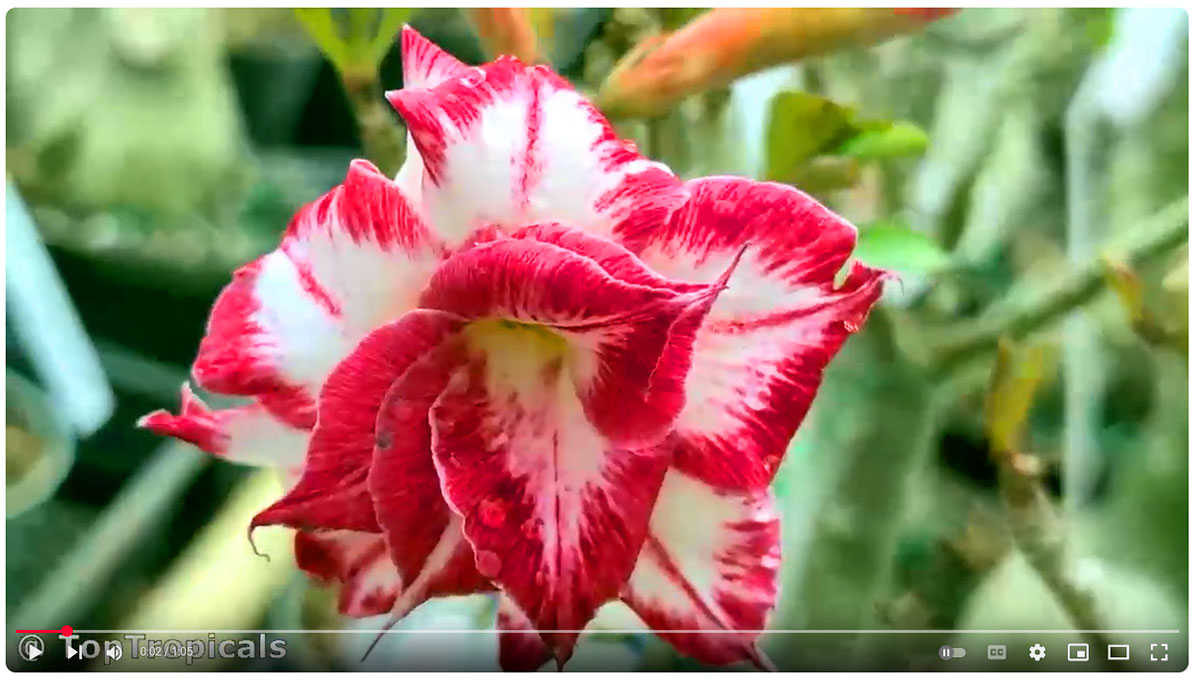
The First Video of Exotic Adenium Hybrids

Our Desert roses - Adeniums - were planted in March - and now, at the end of April, they're in full bloom. Just look at these colors in this !

Desert  Roses  -  Adeniums  flowering  different  varieties