Garden Blog - Top Tropicals

Date: 29 Jul 2018

Fragrant garden
TopTropicals

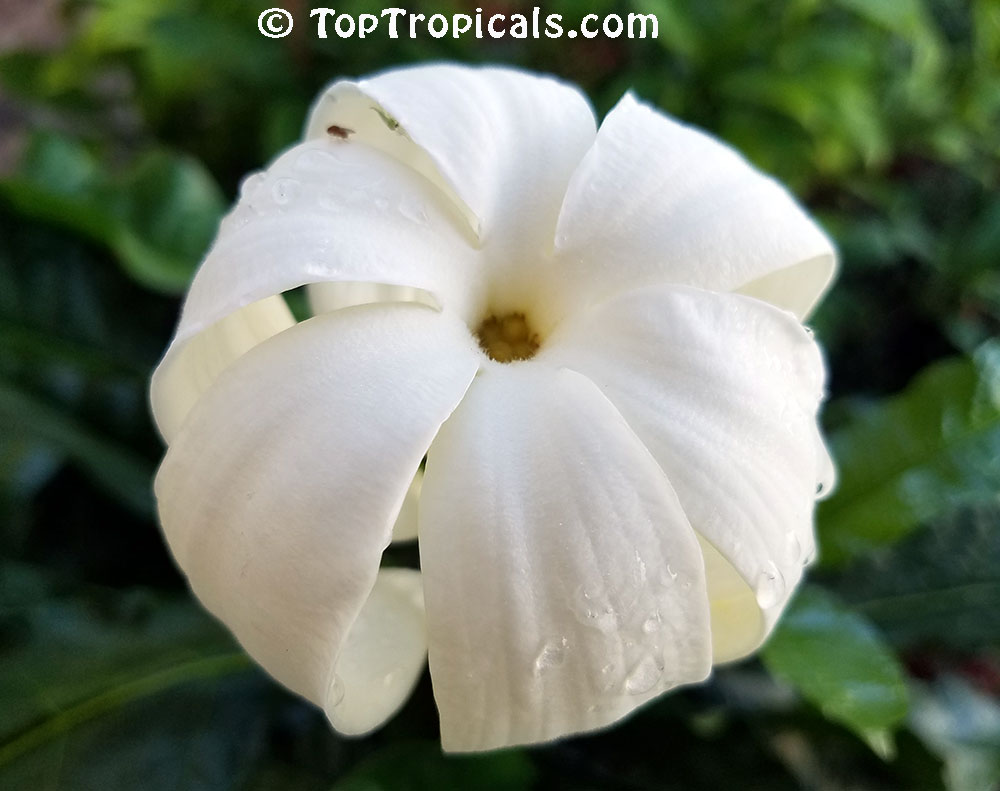
Q: I love fragrant plants and I want to make a fragrant garden. Your website offers amazing selection. A friend of mine told me I should be careful with planting fragrant plants next to each other, and that mix of fragrances may create a funny combination. Are there any flowers that don't go together?

A: Flower scents, unlike perfumes, are pure natural and not as intoxicating to create funny combinations. Although some of them can be strong and even overwhelming. Example - Night Blooming Jasmine, Cestrum nocturnum, which fragrance at night is super-sweet; however most people like it. Reality is, even Night Blooming Jasmine planted next to Gardenia won't create a bad mixture, although one scent may somewhat take over another. In any case, with wind blowing in your garden, you will never be disappointed with fragrant garden. Some plants, like Ylang Ylang - Cananga odorata, or Magnolia champaca, create very fine fragrance that can be smelled yards away, other flowers you will need to stick your nose into.

Check out plants for fragrant garden
Date: 25 Jul 2018

Looking for the rarest plant? This is the one!

TopTropicals

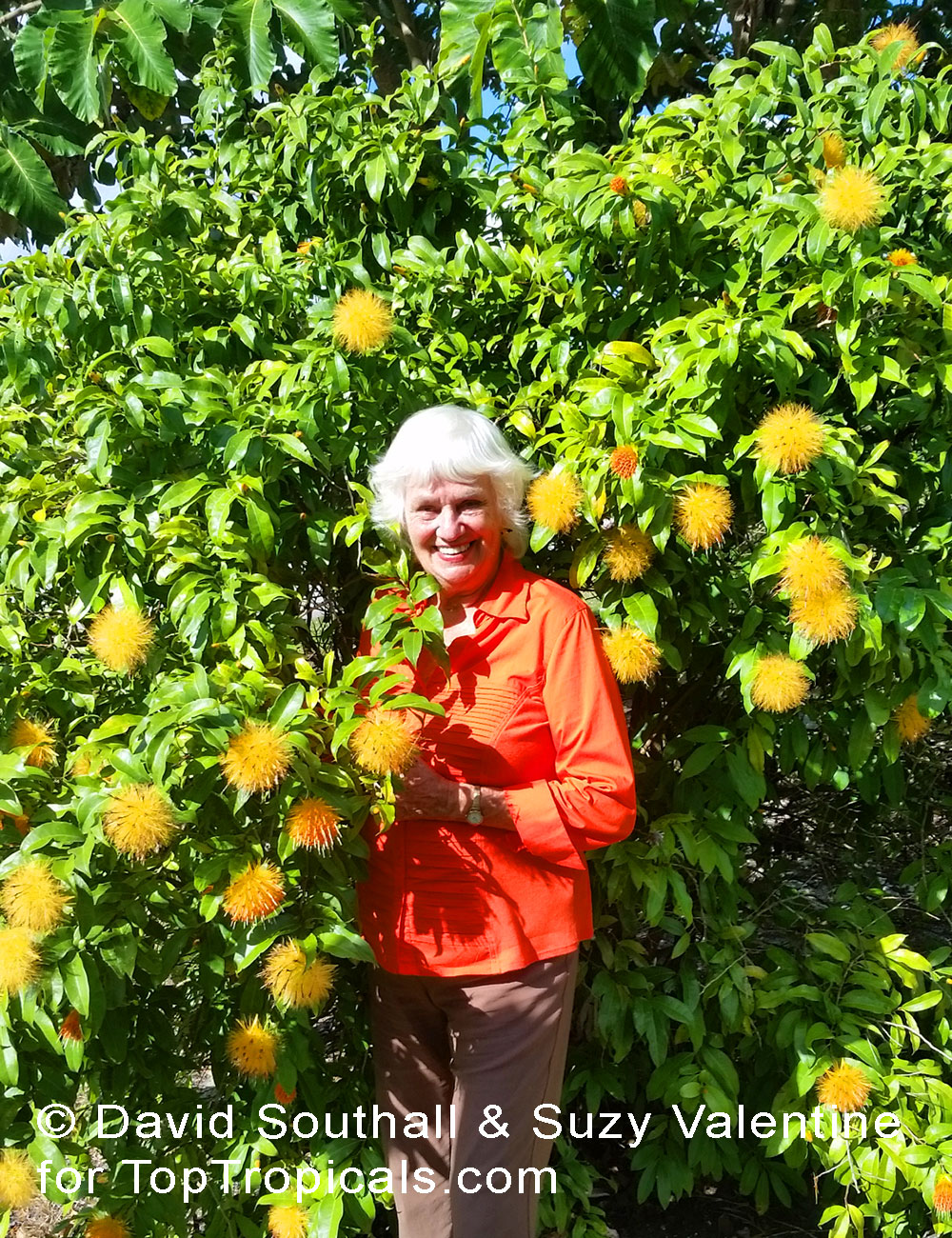
Stifftia chrysantha - Pompom, Rabo-de-Cutia

Looking for the rarest plant? This is the one!
Stifftia chrysantha is an exotic, rare flowering small tree with spectacular flowers, endemic to the vast tropical savanna ecoregion of Brazil called Cerrado. It grows into a bushy, attractive tree between 8 and 15 ft tall and starts flowering within 1.5 - 2.5 years from seed. It is a very rewarding plant that blooms 9 months out of the year, starting in Winter with great intensity during July-September, with each flower staying on the plant for several weeks. Seeds ripen from September through November.
The tree belongs to Aster family (Compositae) and has nothing to do with Powderpuffs which are from Bean (Fabaceae) family. The flower has 30 to 40 green, imbricated scales with short hairs, and actinomorphic corollas are orange below and darker above. After flowering, the inflorescence blows apart, which would scatter seeds. The dried center remaining is very attractive, like a small dried flower, and lasts for many months.
Stifftia can be grown in full sun to partial shade and is relatively cold tolerant, can take short cold spells.
The plant doesn't like wet feet and heavy/soggy soils; requires very well drained, acidic soil. We strongly recommend to use our professional soilless mix. Let soil slightly dry between waterings. It can be grown in full sun to partial shade and is relatively cold tolerant, can take short cold spells. If grown in a pot, try to keep the container shaded because roots don't like to be overheated. The plant needs monthly applications of slow release fertilizer as well as extra iron - use micro-nutrients to keep leaves green and healthy.
See more pictures of this beauty.

Check out this plant...

Date: 24 Jun 2018

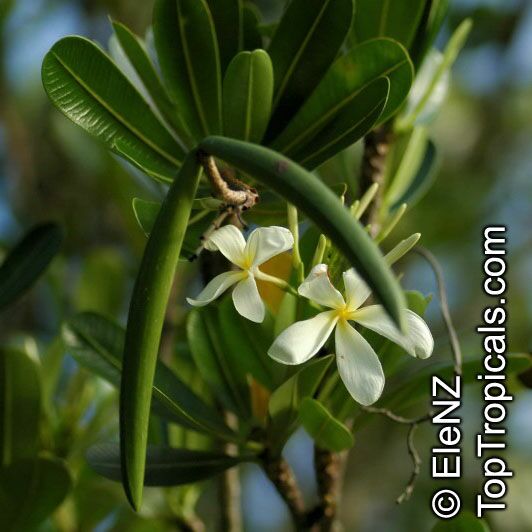
Tip of the day: Growing Plumeria from seed

Q: I purchased a Plumeria from your company. It has done quite nicely and now has produced a seed pod. Please forward me information on how to care for it and use the seeds that may be inside to propagate another plant.

A: Wait until seeds are ripe (seed pod turns brownish). Soak seeds overnight. Use only well drained soil, or cactus mix. Insert heavy end of seed 1/4"into soil, leaving feathered end exposed. Place the pot in direct sunlight. Don't allow soil to completely dry out, but don't let it be soggy. Germination occurs usually within 3 weeks. Do not overwater. For more information on growing Plumerias, see our slideshow guide:

Date: 24 Jun 2018

TopTropicals

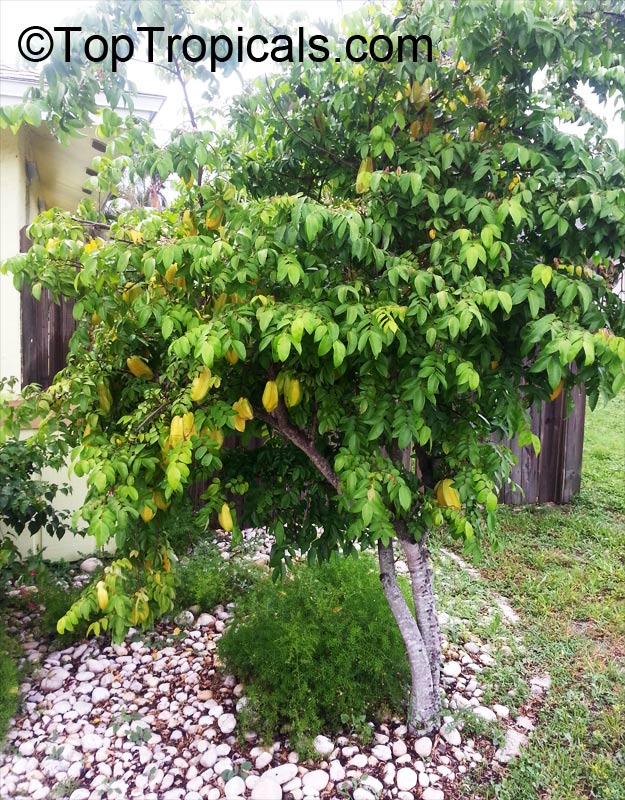
Carambola (Star Fruit) in winter

A word from our customer:
I just wanted to let you know that the Dwarf Carambola Kari has survived last winter and turned into a nice bushy tree this summer.I have been trying to grow this tree forever it never survived winters here. Then last year you suggested me to plant Carambola in wind protected corner, so I picked a place next to the house,South side very close to the wall. I covered it several times with a sheet on windy days like you said. The tree did lose leaves during winter but it survived and established well. I had my first crop this year nearly 20 fruit!Just thought your other customers wanted to know keep it protected from winds this is the secret,it works! (M., Avon Park, FL)

Check out this plant...

Date: 24 Jun 2018

TopTropicals

Winter coming tips

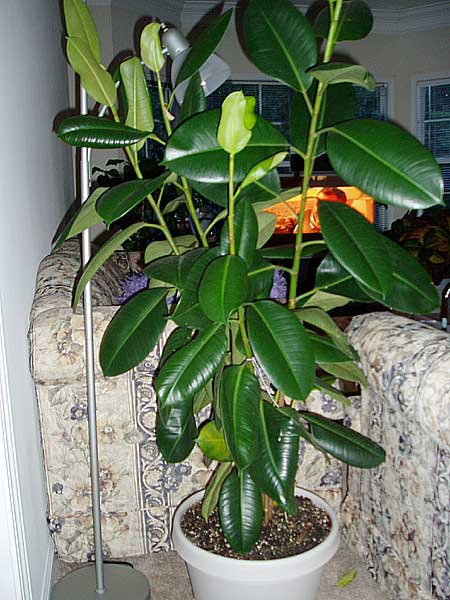
As the weather gets cooler, many of you move your potted tropical plants indoors.

Please remember:
1. Leaf drop. Lower air humidity, lower light and short day may cause some leaf drop. This is normal for seasonal environment change. Learn more about leaf drop and deciduous plants from this info sheet (PDF).
2. Reduce watering as winter coming. Under lower light and in cooler temperature, plants won't need much water; some plants go dormant and only need minimum water. Excess water may damage roots and kill a plant in winter.
3. No fertilizer in winter. Active growth stops. Let the plant go into dormancy or simply have a rest.
4. Insects. Watch for insects by inspecting leaves regularly. They may attack plants more likely in the indoor conditions.

STAY WARM!