Date: 24 Jun 2018
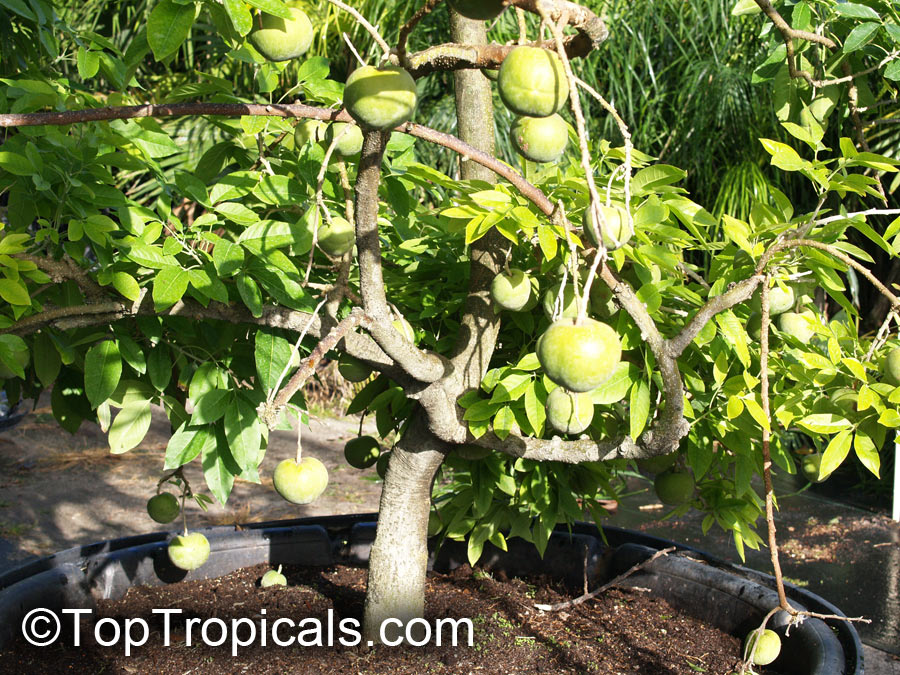
White Sapote from under graft
Q: My super sweet white sapote died back all the way to the roots but it's growing back from the roots and I'm wondering if that's just the rootstock growing back or if that's good fruiting wood that's going to make a nice healthy super sweet tree?
A: The "super sweet" White Sapote, or Casimiroa edulis, was probably variety Young Hands, Super Sweet White Sapote. It was grafted on seedling of White Sapote that has a pleasant somewhat-sweet flavor. The grafted variety you had is a little sweeter than that. So to answer your question, it is worth to give the tree a second chance as far as fruit quality is concerned, although it won't be the a grafted variety, if the new growth coming from under the graft point. The only problem is, non-grafted tree may take longer until it fruits. Grafted trees may fruit right away, seedlings may take a few years.
We suggest to use SUNSHINE-Sweet
Date: 24 Jun 2018
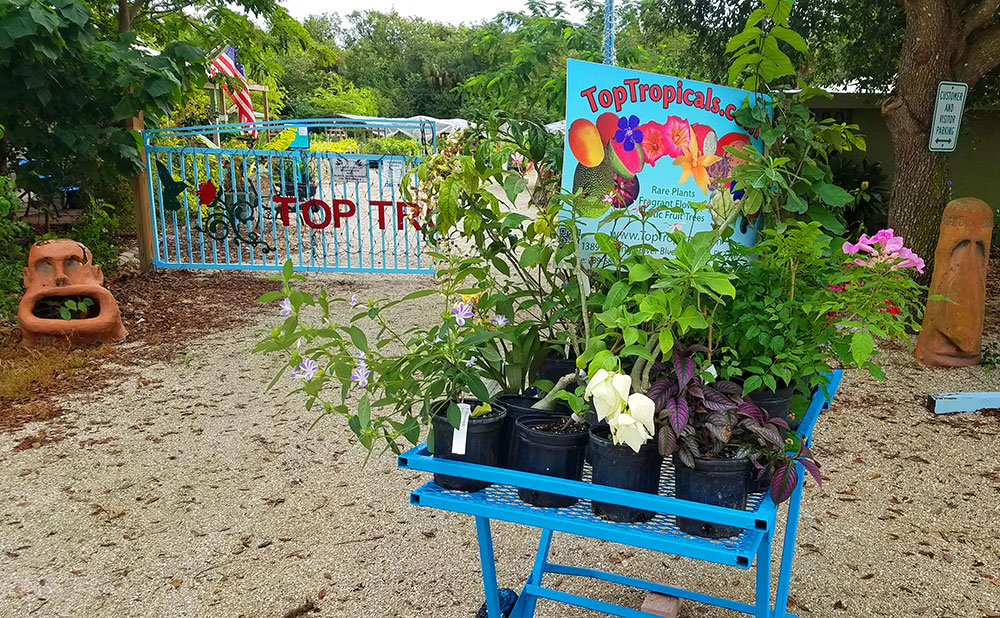
Winter Flowering Plants
Take advantage of the late season tropicals! Brighten up your winters with spectacular flowers and winter producing fruit trees!
Many Floridians move up North during hot summer months,
our snow-bird season usually starts late September and
ends by Mother's Day in May. Many of our local seasonal
customers planting those flowering and fruiting species
that they can fully enjoy while staying in Florida. Below
you will find a few specials that are in bloom right now.
Check out full list of winter bloomers and
late season plants, and download a PDF chart of the most
interesting tropical plants that will flower and fruit for
you in Fall, Winter and early Spring. Some of them are
ever-blooming, others are late- or early season.
Visit our Garden Center in Ft Myers FL
Date: 31 Oct 2025
👻 When plants grow wings...

🌴 Twilight in the garden. Smokey is holding a glowing pumpkin. Sunshine is sipping cocoa.
Sunshine: "Smokey, why does that plant look like it wants to fly away?"
Smokey: "That’s the Bat Lily - Tacca. It’s rare, it’s
weird, and it’s in bloom just in time for Halloween."
Sunshine: "Figures. You always find the spooky ones."
Meet the Bat Lily (Tacca)
Tacca is also called the Bat Lily or Devil Flower. This tropical wonder grows bat-shaped wings and foot-long whiskers. The black form (Tacca chantrieri) looks straight out of a gothic dream, while the white one (Tacca nivea) is ghost-like and elegant.
Some of our plants are blooming right now in the nursery — true Halloween magic! Blooms are delicate and may not travel, but the plants are strong and will flower again soon in your care.
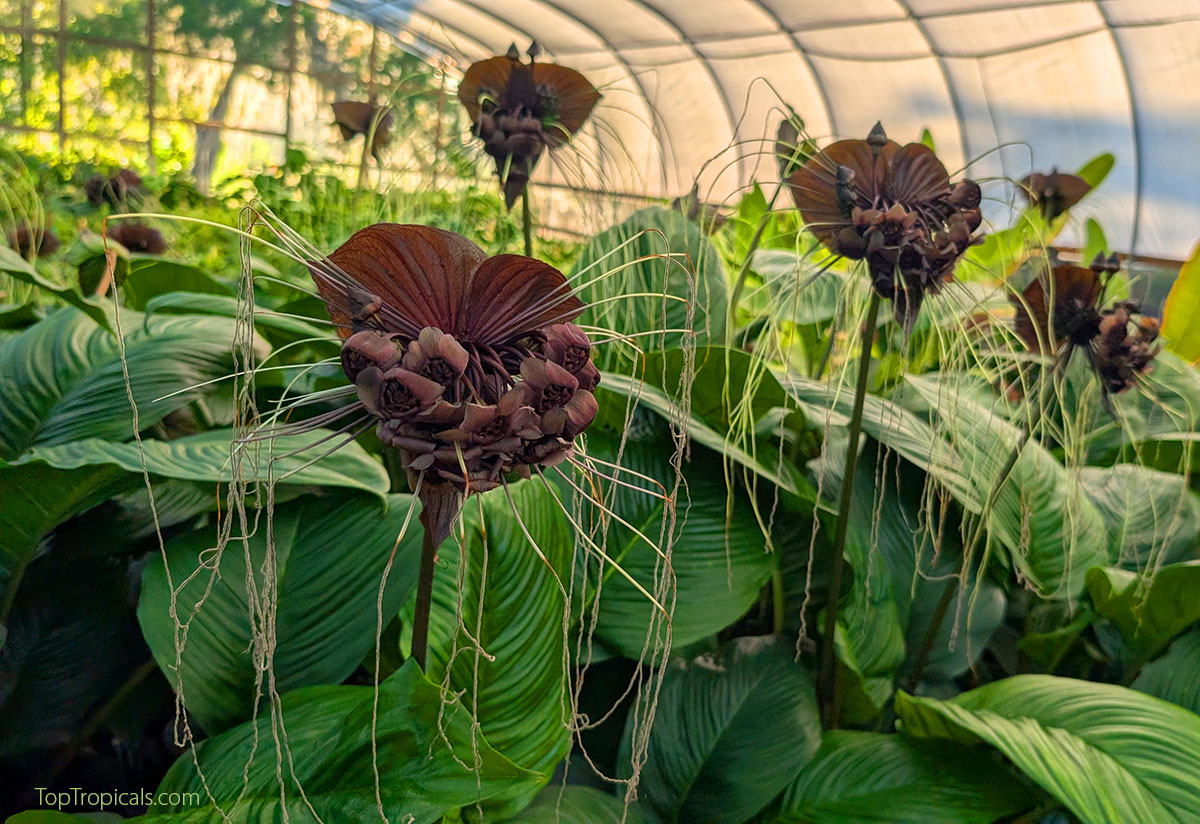
Black Bat Lily (Tacca chantrieri) with dark maroon wings and long whiskers
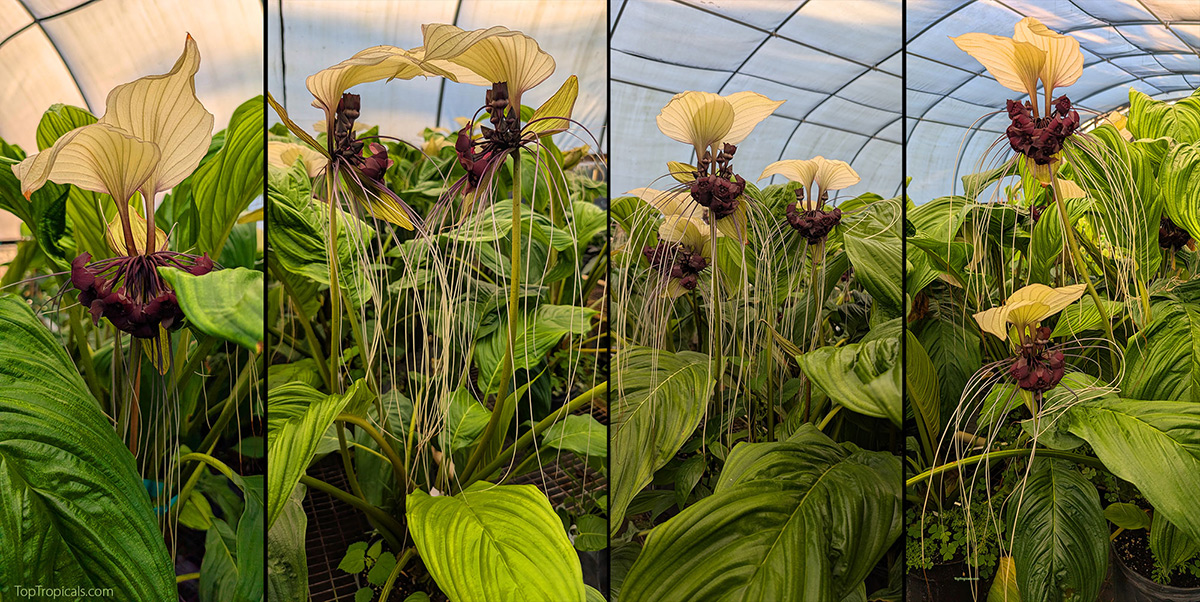
White Bat Lily (Tacca nivea) in bloom with wide ivory wings
"The White Bat Lily (Tacca nivea) is bold and sculptural, with oversized
ivory wings that command attention. Its pale bracts stretch wide above
clusters
of deep maroon flowers, and long, silvery whiskers spill gracefully through
the foliage. In filtered light, the plant seems to glow from within —
elegant, crisp, and perfectly balanced between the strange and the
beautiful.
If I could pick, I’d go with the White Tacca. It feels more
architectural, more balanced — those oversized wings catch light in a
way that
shows off every vein and curve. It looks engineered by nature, almost like
an
alien design prototype that actually works.
The Black Bat Lily (Tacca chantrieri) feels alive with shadow. Its dark
maroon wings and wiry whiskers make it look like something that fluttered
out of
the jungle at dusk. The bloom’s layered structure and near-black sheen
give it a quiet power — mysterious, understated, but impossible to
ignore. But if I were designing mood lighting for a greenhouse at night, the
Black Tacca wins. It’s subtle, mysterious, like a secret only visible
up
close. Together, they’re perfect opposites — yin and yang of the
tropical underworld: white for daylight, black for moonlight." — says
Tatiana Anderson, Top Tropicals Plant Expert
Special Offer: Discounts on Rare Tacca Plants
Grow your own Bat Lilies — White or Black — at a special Halloween price!
Get 25% OFF Tacca plants with code
TACCA2025
Min order $25 (excluding S/H), valid online only, cannot be combined with other offers.
Hurry, offer expires November 03, 2025!
🎃 Storewide Halloween Sale – For Everything Beyond Tacca
Not into spooky plants? Enjoy savings on all other tropical plants across the store!
Get 15% OFF tropical plants with code
HALLOWEEN2025
Min order $100 (excluding S/H), valid online only, cannot be combined with other offers.
Hurry, offer expires November 03 2025!
👉 Collect Tacca plants:
Date: 27 Jan 2026
🌸 Adenium, Coffee, and Donuts

Sunshine: So it is a team plant. Everyone blooms, nobody agrees.
Smokey: Yet it grows just fine.
Sunshine: That is the secret. Coffee and donuts.
🌸Featured Adeniums
Recommended by our Horticulturist, Tatiana Anderson

Deep magenta flowers with a velvety look and a darker, almost black edge. A bold, elegant adenium that stands out immediately.

Bright yellow and mauve swirls across layered petals create a warm, cheerful bloom that lives up to its name.
 Clean white petals brushed with playful pink streaks. A reliable bloomer
with soft ruffled flowers.
Clean white petals brushed with playful pink streaks. A reliable bloomer
with soft ruffled flowers.
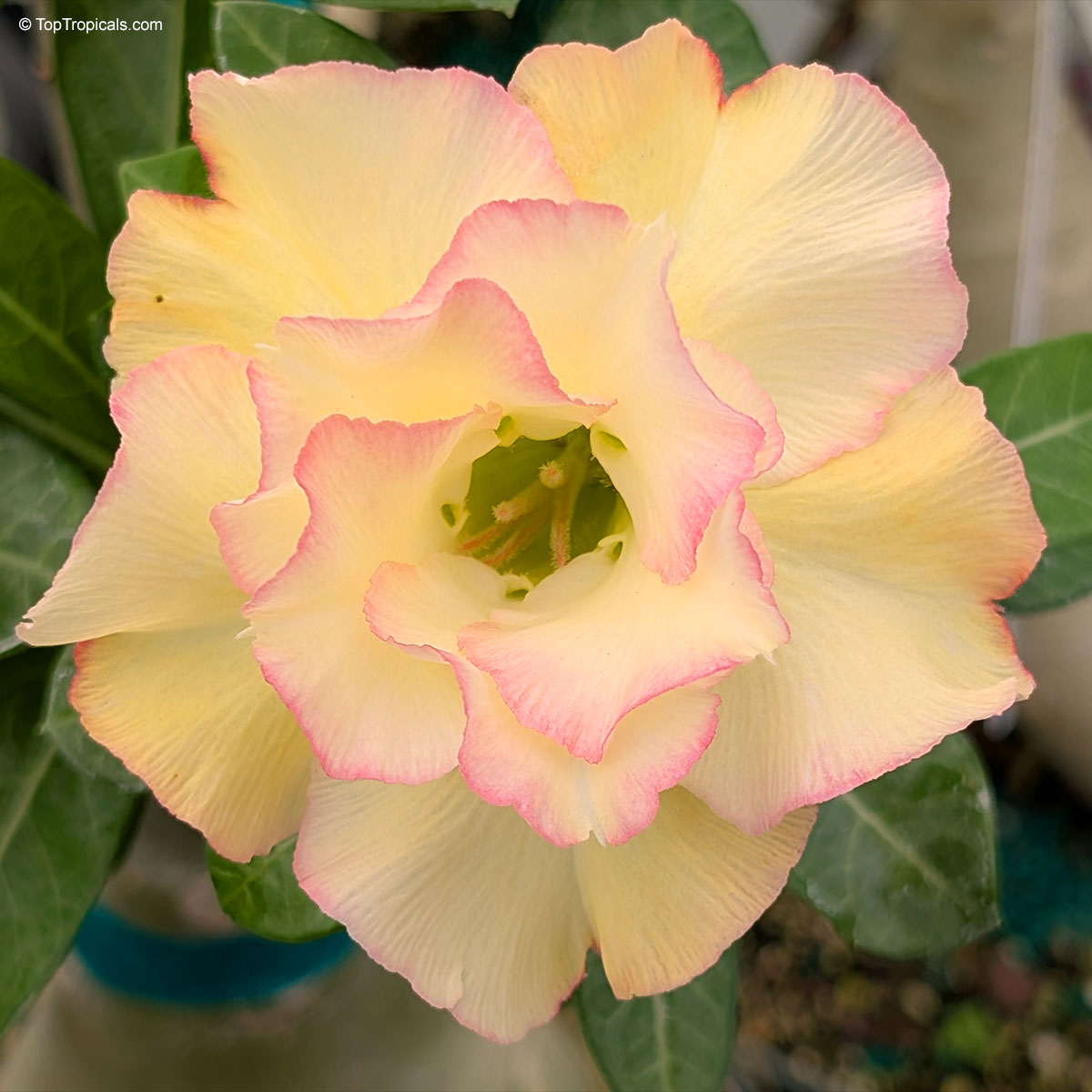
Known for its three-color effect, shifting from yellow to pink to nearly white on the same plant.
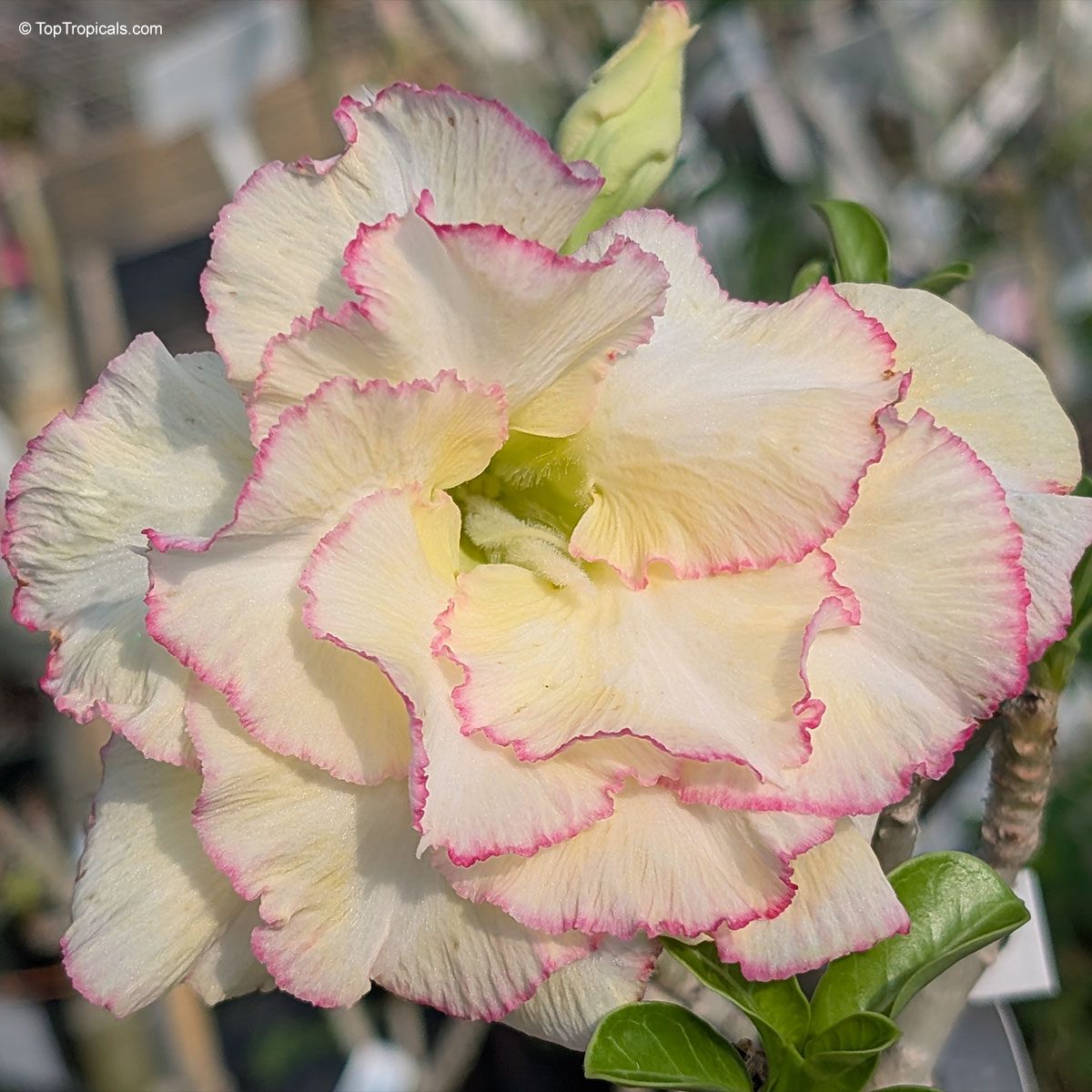
Cheerful yellow petals dipped in cherry red with bold ruffled layers. Bright, playful, and impossible to miss.
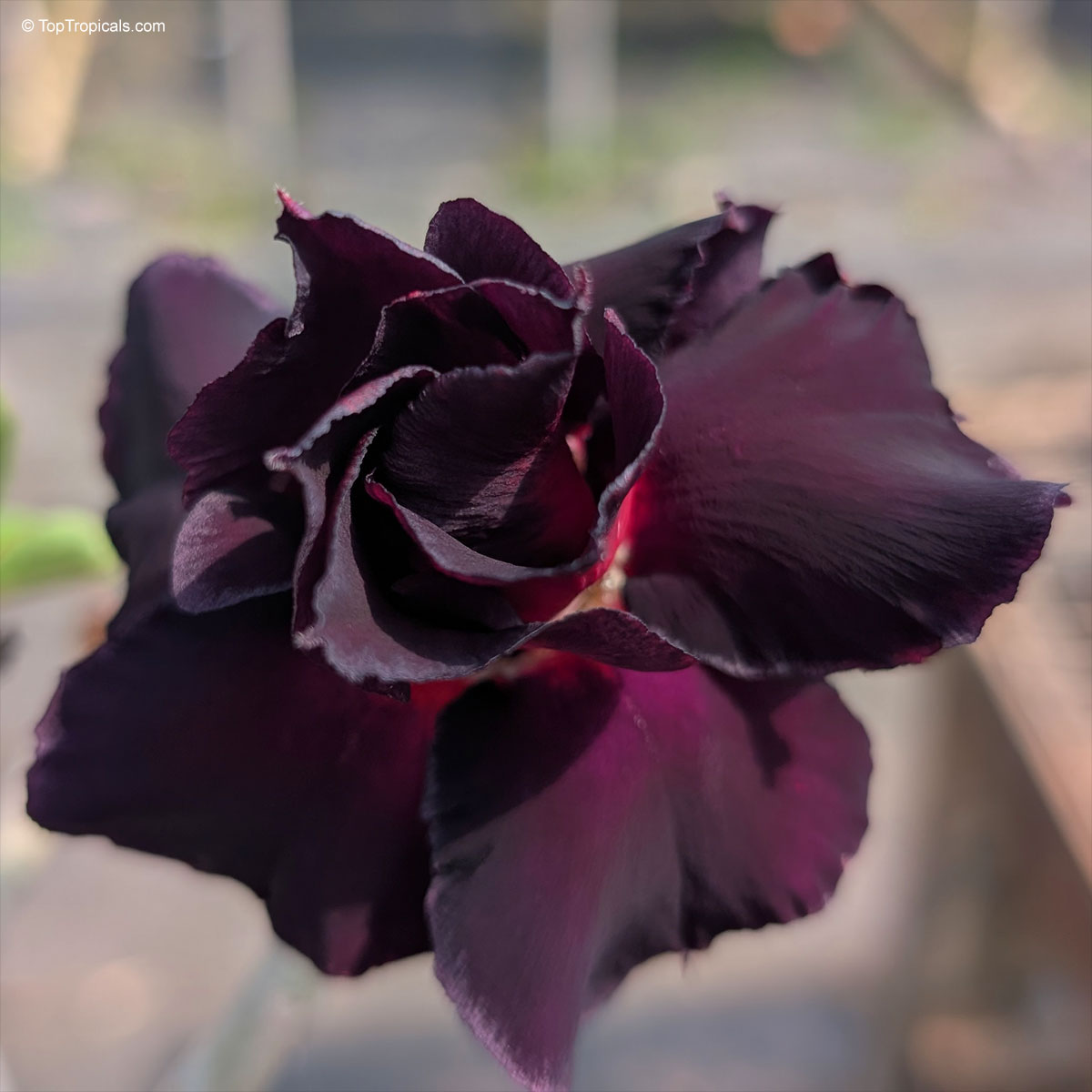
Nearly black petals with a glowing red center. Dark, dramatic, and different.
Date: 21 Aug 2025
🍒 Tropical Cherries – Eugenias
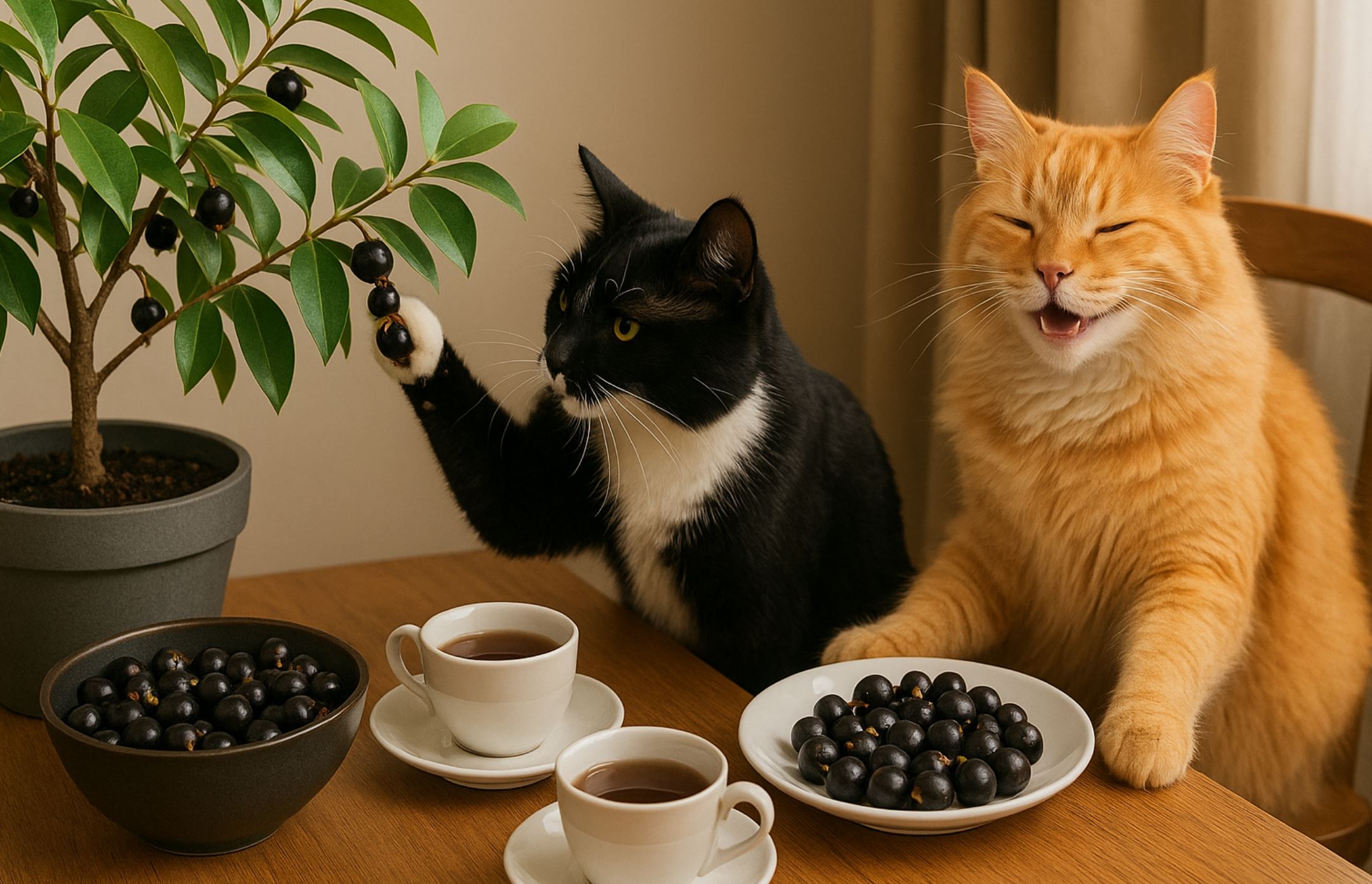
Tropical Tea Time with Grumichama
Eugenias have earned a spot in many Southern gardens because they’re easy, dependable, and surprisingly versatile. These small trees and shrubs grow well in the ground or in containers, and they don’t waste time before setting fruit.
15% Off Eugenias – Limited Time
Use code EUGENIA15 at checkout.
Excluding S/H. Offer expires 08/28/2025
👍 Popular Choices:
What Makes Eugenia Cherries Stand Out
- Start producing fruit in just a couple of years
- Compact size — easy to keep 6–12 ft tall, smaller in pots
- Low-care — tolerant of most soils and resistant to common pests
- Strong in hot weather, yet can handle a light frost down to the mid-20s °F
- Plenty of fruit for people and birds alike
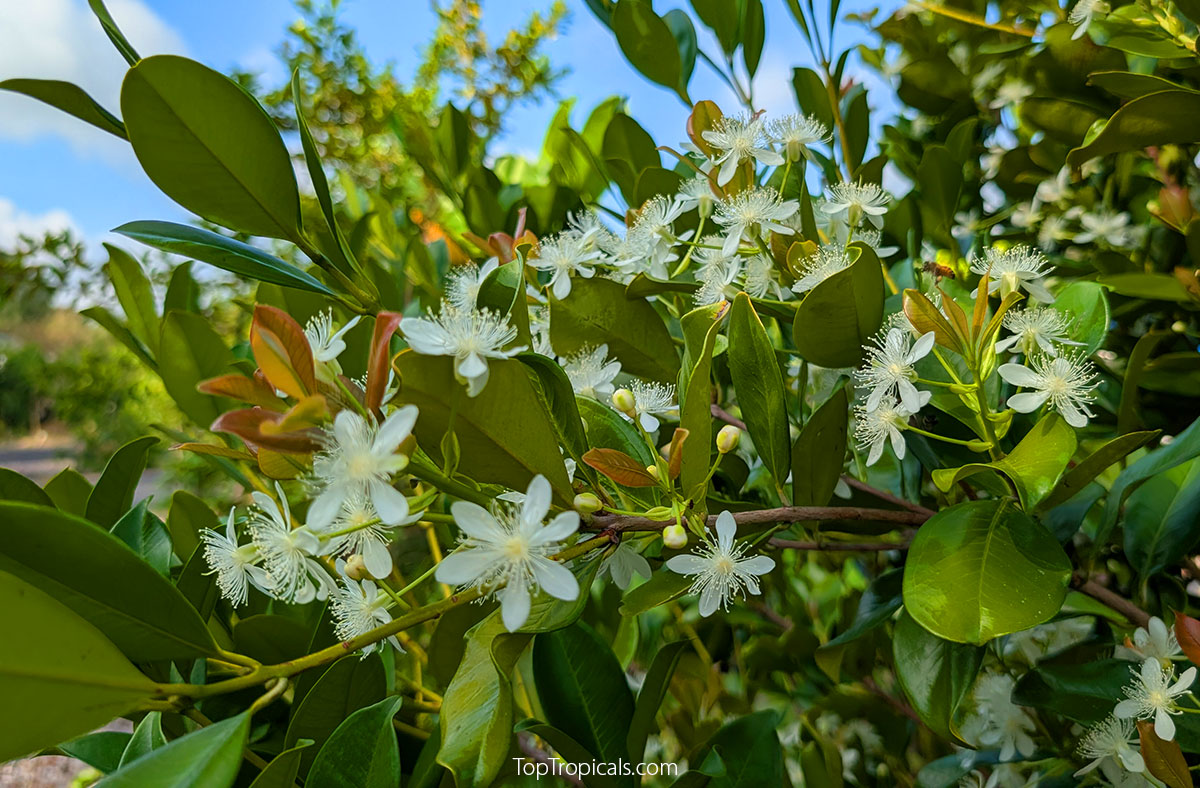 Grumichama Tree in Bloom – Eugenia brasiliensis
 Growing & Care
Outdoors
- Best in USDA Zones 9–11
- Sun or partial shade; more sun usually means sweeter fruit
- Plant in well-drained soil; avoid heavy, wet spots
- Withstands summer heat and humidity, and can take a light freeze
Container / Indoor
- Do well in 5–10 gallon pots on patios or balconies
- Need bright light indoors — a sunny window or grow lights
- Can flower and fruit in containers if kept warm and well lit
- In cooler zones, bring plants indoors for winter and back out in spring
General Care
- Water: Keep soil evenly moist; drought-tolerant once established but best yields with regular watering
- Soil: Use good potting mix - LINK TO SOIL
- Fertilizer: Balanced slow-release LINKL TO FERTILIZER Sunshine Boosters
- Pruning: Light trimming keeps plants bushy and productive
- Pollination: Self-fertile; one plant will fruit on its own
Read Garden Blog about Tropical Cherries