Garden Blog - Top Tropicals

Date: 2 Apr 2026

Skip the Egg Hunt - Start a Plant Hunt 🐰

Smokey  the  black-and-white  cat  with  glasses  sits  on  a  patio  taking 
 notes  while  Sunshine,  a  fluffy  orange  cat  wearing  bunny  ears,  holds  a  small 
 potted  mango  tree  with  light  yellow 
 flowers.
Sunshine: I went egg hunting. Found something better. Let’s grow it on the balcony. Mango-filled donuts, here I come.

Smokey: Finally. You’re thinking.

Read more about Smokey & Sunshine

Mango Plant Facts

Botanical name: Mangifera indica
Also known as: Mango
USDA Zone: 9 - 11
Highligths Large tree taller than 20 ftSmall tree 10-20 ftFull sunWatering: Moderate. Water when top soil feels dryYellow, orange flowersPink flowersEdible plantSeaside, salt tolerant plant
Get personalized tips for your region

Groundhog said long winter… and it sure felt like it. But now it is finally over, and balconies and patios are waking up again.

Easter is here, and with it comes that fresh start feeling - time to open the doors, bring plants back out, and start growing.

We made it through the cold. For northern gardeners, that is every year; for borderline zones, it is a reminder that freezes happen. That is exactly why growing in pots makes sense - you stay flexible.

Container growing is not just about pots - it is about choosing the right plants. The best options stay manageable, produce well, and handle being moved.

Let's look at what works. Start with plants that naturally stay compact and adapt well to containers. These are the ones that won’t outgrow your space and will reward you quickly. These are proven performers in containers - compact, productive, and easy to manage:

Blackberry Jam Fruit Plant Facts

Botanical name: Randia formosa, Mussaenda formosa, Randia mussaenda, Rosenbergiodendron formosum
Also known as: Blackberry Jam Fruit, Jasmin de rosa
USDA Zone: 9 - 11
Highligths Large shrub 5-10 ft tallSmall tree 10-20 ftSemi-shadeFull sunKeep soil moistWhite, off-white flowersEdible plantPlant attracts butterflies, hummingbirdsFragrant plantSubtropical plant. Mature plant cold hardy at least to 30s F for a short time
Get personalized tips for your region

Fig Tree Plant Facts

Botanical name: Ficus carica
Also known as: Fig Tree, Brevo
USDA Zone: 7 - 10
Highligths Plant used for bonsaiSmall tree 10-20 ftFull sunWatering: Moderate. Water when top soil feels dryOrnamental foliageEdible plantDeciduous plantSubtropical plant. Mature plant cold hardy at least to 30s F for a short timeFlood tolerant plantSeaside, salt tolerant plant
Get personalized tips for your region

Simple rule: if it stays compact and handles pruning, it works in a container.

Skip the egg hunt this year - go on a plant hunt instead. Start with one or two plants this Easter - not ten. Get them established, learn how they grow, and then expand.

Container basics (keep it simple):

  • Pot size: start with 3–7 gallon, upgrade as plant grows
  • Soil: fast-draining mix (never heavy garden soil)
  • Water: soak well, then let top inch dry
  • Feeding: consistent light feeding works better than heavy doses
  • Sun: most tropicals want full sun (6+ hours)

🐣 Browse our Easter Container Collection

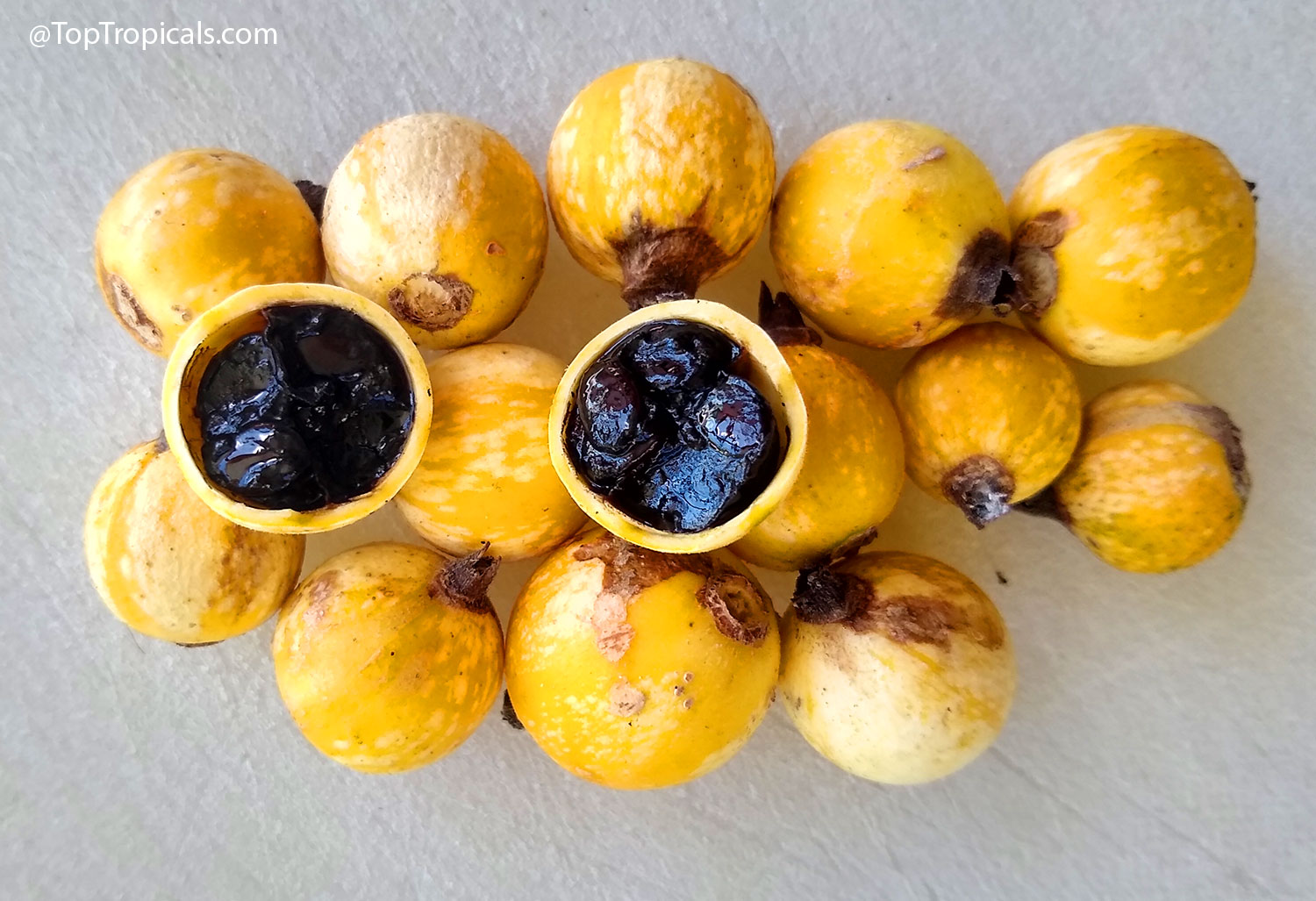
Randia  formosa  (Blackberry  Jam  Fruit)  showing  yellow  ripe  fruits,  some 
 cut  open  to  reveal  glossy  dark  pulp 
 inside.

Randia formosa - Blackberry Jam Fruit

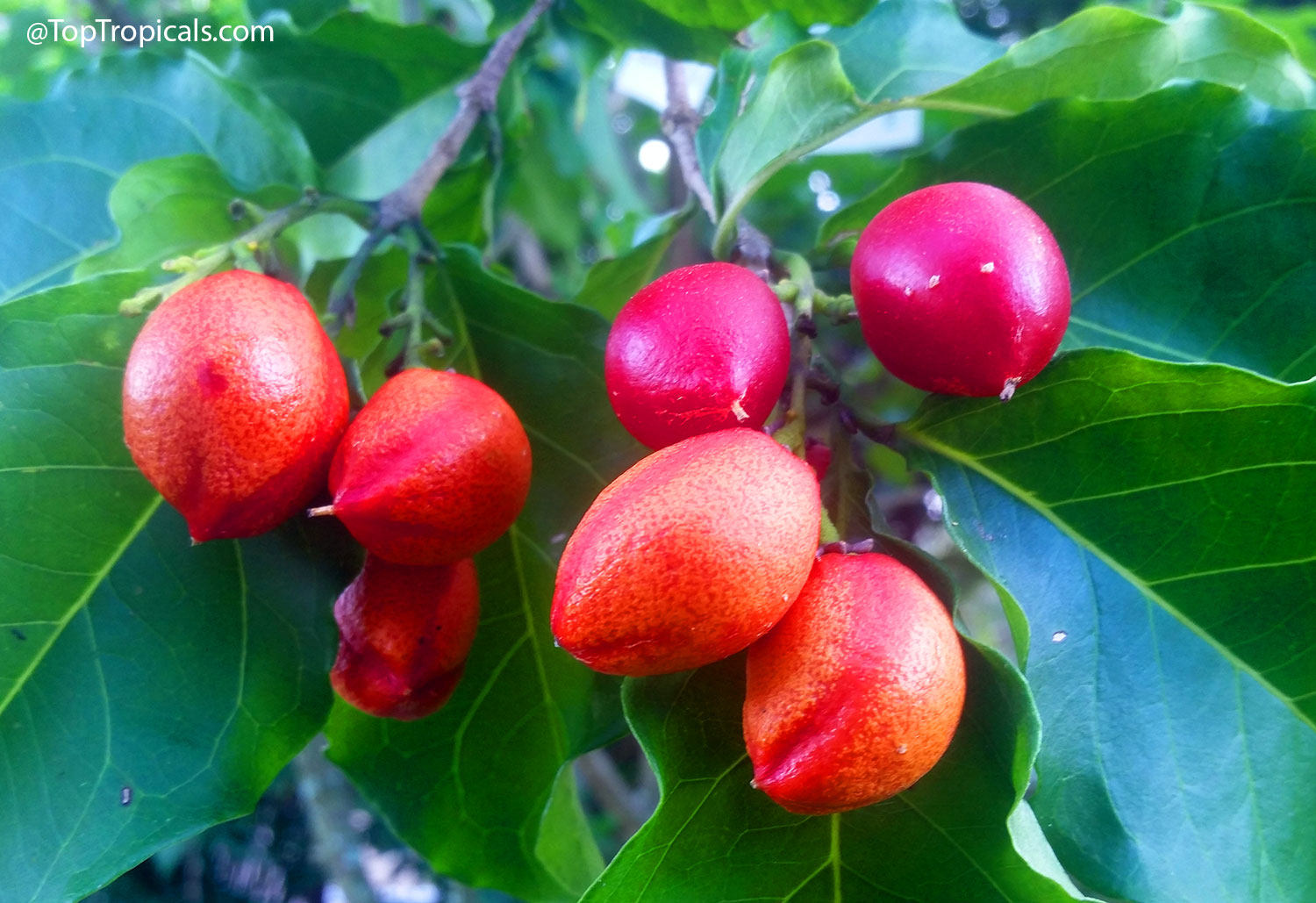
Bunchosia  argentea  (Peanut  Butter  Fruit)  showing  clusters  of  red  ripe 
 fruits  on  a  leafy 
 branch.

Bunchosia argentea - Peanut Butter Fruit

Peanut Butter Fruit Tree Plant Facts

Botanical name: Bunchosia argentea, Bunchosia armeniaca
Also known as: Peanut Butter Fruit Tree, Ciruela Del Monte
USDA Zone: 9 - 11
Highligths Large shrub 5-10 ft tallSmall tree 10-20 ftSemi-shadeFull sunWatering: Regular. Let topsoil dry slightlyYellow, orange flowersEdible plantSubtropical plant. Mature plant cold hardy at least to 30s F for a short time
Get personalized tips for your region

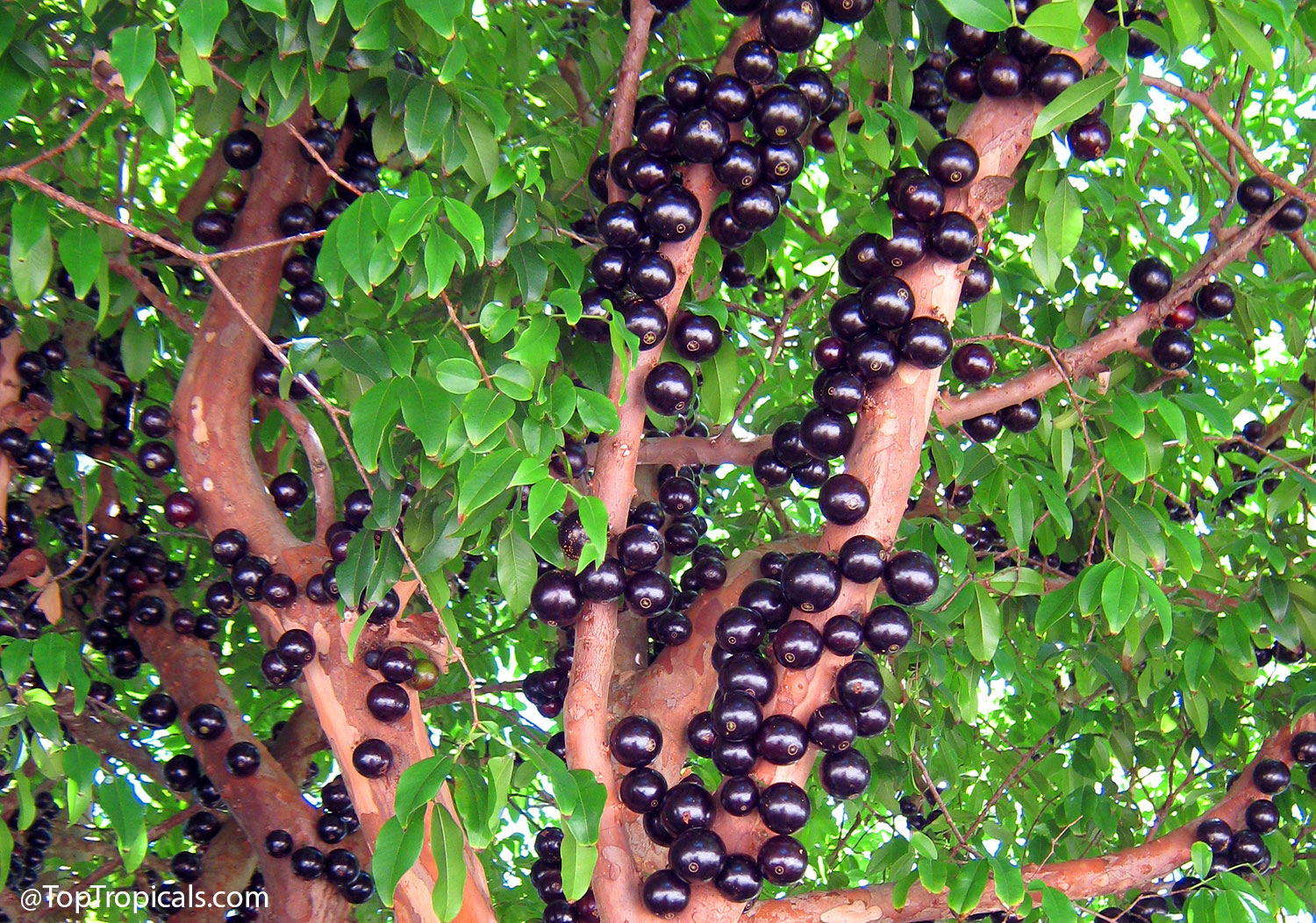
Myrciaria  cauliflora  (Jaboticaba)  tree  with  clusters  of  dark 
 purple-black  fruits  growing  directly  on  the 
 trunk.

Myrciaria cauliflora - Jaboticaba

Jaboticaba Plant Facts

Botanical name: Myrciaria cauliflora, Plinia cauliflora, Eugenia cauliflora
Also known as: Jaboticaba, Duhat
USDA Zone: 9 - 11
Highligths Plant used for bonsaiSmall tree 10-20 ftFull sunKeep soil moistEdible plantSubtropical plant. Mature plant cold hardy at least to 30s F for a short timeFlood tolerant plant
Get personalized tips for your region

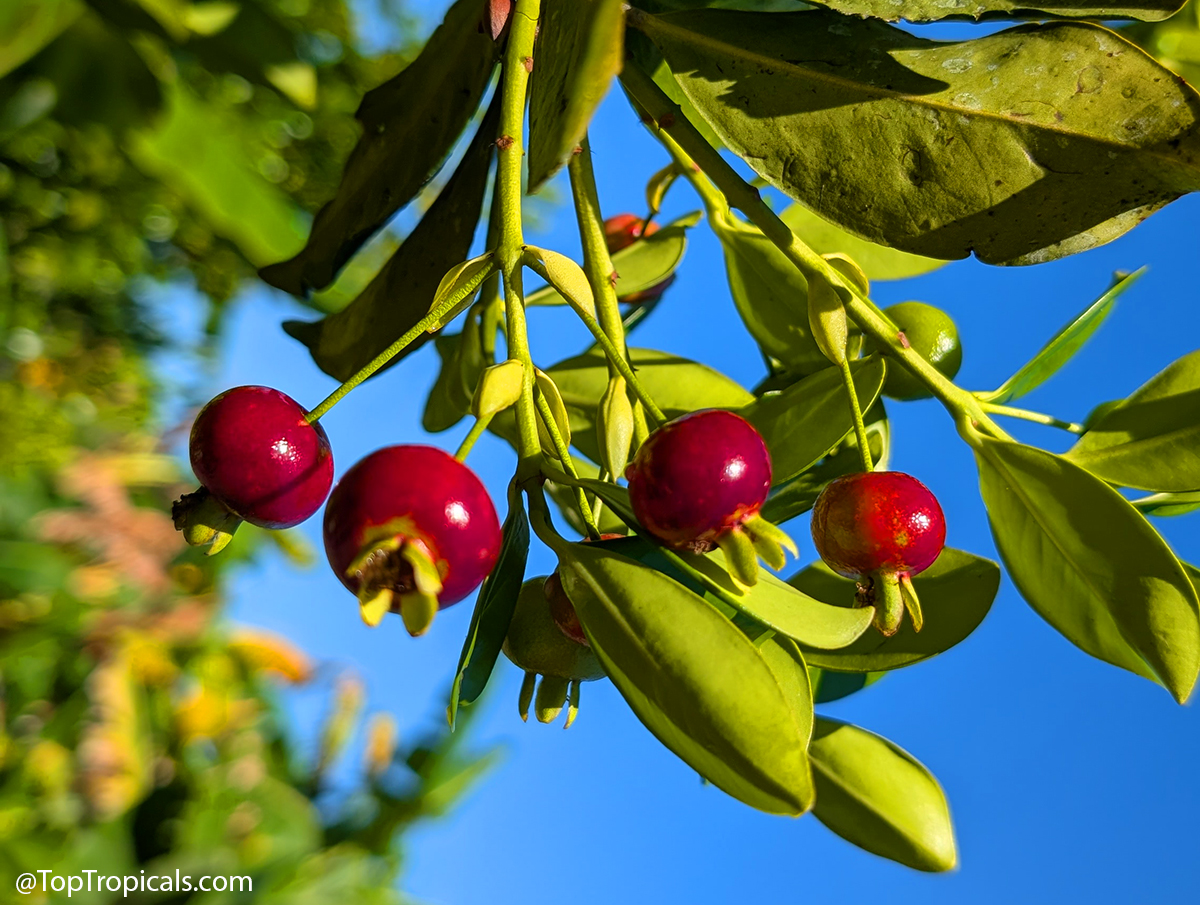
Eugenia  brasiliensis  (Grumichama)  with  red  ripe  cherries  hanging  from  a
   branch  against  blue 
 sky.

Eugenia brazilensis - Grumichama and more Eugenia Cherries

Grumichama Plant Facts

Botanical name: Eugenia brasiliensis, Eugenia dombeyi
Also known as: Grumichama, Brazilian Cherry
USDA Zone: 9 - 11
Highligths Small tree 10-20 ftSemi-shadeFull sunWatering: Moderate. Water when top soil feels dryEdible plantSubtropical plant. Mature plant cold hardy at least to 30s F for a short timeSeaside, salt tolerant plant
Get personalized tips for your region

Date: 26 Mar 2026

🌈 Adeniums: More Than Just Plants

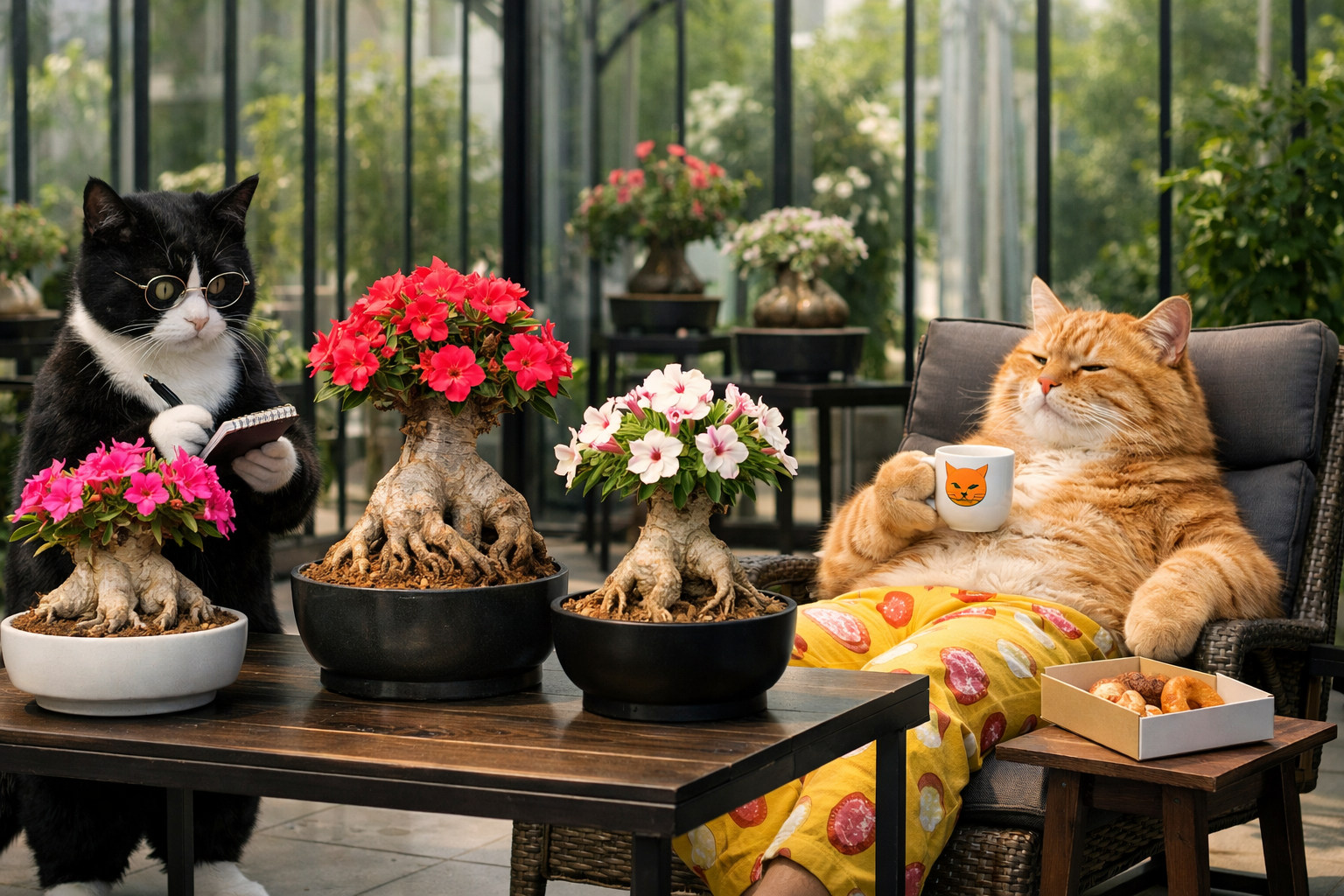
Smokey  and  Sunshine  in  a  luxury  greenhouse  admiring  sculptural  adenium 
 plants  with  thick  caudex  trunks  and  colorful  blooms.
Sunshine: What are they called? Adeniums? They’re not plants. They’re art. Look at those sculptured butts.

Smokey: Caudex. Water and nutrient storage for future use.

Sunshine: I need a caudex too. For coffee and my donuts

Smokey: You already have one. Have you looked in the mirror lately?.

Read more about Smokey & Sunshine

Adenium Plant Facts

Botanical name: Adenium sp.
Also known as: Adenium, Desert Rose, Impala Lily
USDA Zone: 9 - 10
Highligths Plant with caudexLarge shrub 5-10 ft tallSmall tree 10-20 ftFull sunWater Requirement: Low. Allow soil to dry out between wateringsWatering: Moderate. Water when top soil feels dryYellow, orange flowersRed, crimson, vinous flowersUnusual colorBlue, lavender, purple flowersWhite, off-white flowersPink flowersToxic or Poisonous
Get personalized tips for your region

🌱 Shape, Color, and Why Each Adenium Feels Unique

Adeniums can stop you in a strange way. It is not only the flowers, although they help. It is the whole plant. The swollen base, the curves, the way no two look quite the same. Some are thick and heavy, some more refined, almost like they were shaped on purpose. After a bit, you stop seeing them as regular plants and start treating them more like objects you want to keep and look at.

That is usually how a collection starts. One plant, then another that feels different, and then you want contrast. Light next to dark, soft next to bold, one with a wide base next to a taller form. It is not really about having many. It is about how they look together. And over time, each one changes a little, so the collection never stays the same.

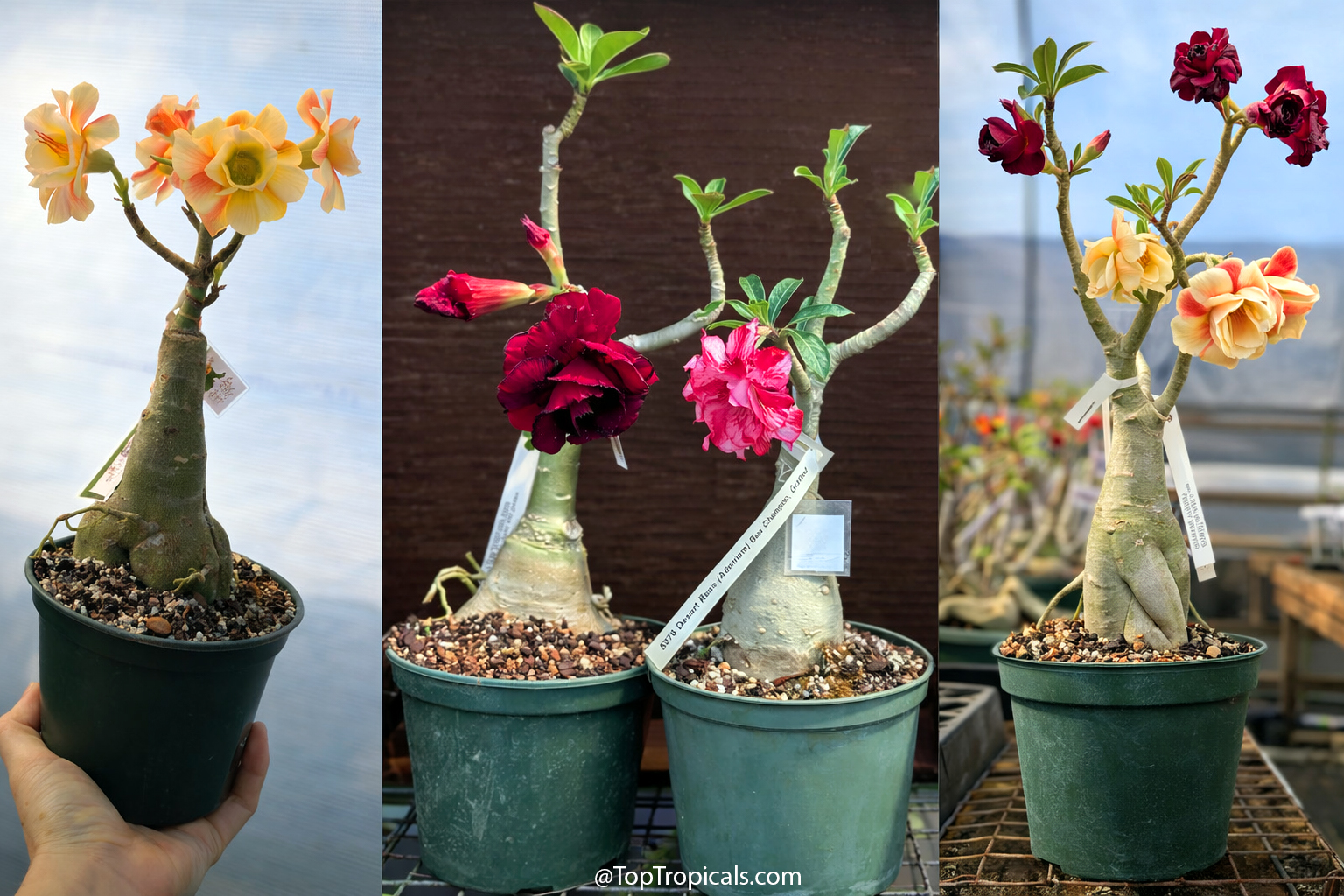
Adenium  desert  rose  plants  in  pots  with  thick  sculptural  caudex  and 
 colorful  blooms  in  yellow,  orange,  red,  and  pink

Adeniums display a wide diversity of colors and forms, from red and pink to yellow and purple. Through multi-grafting, several varieties can even grow and bloom on a single plant.

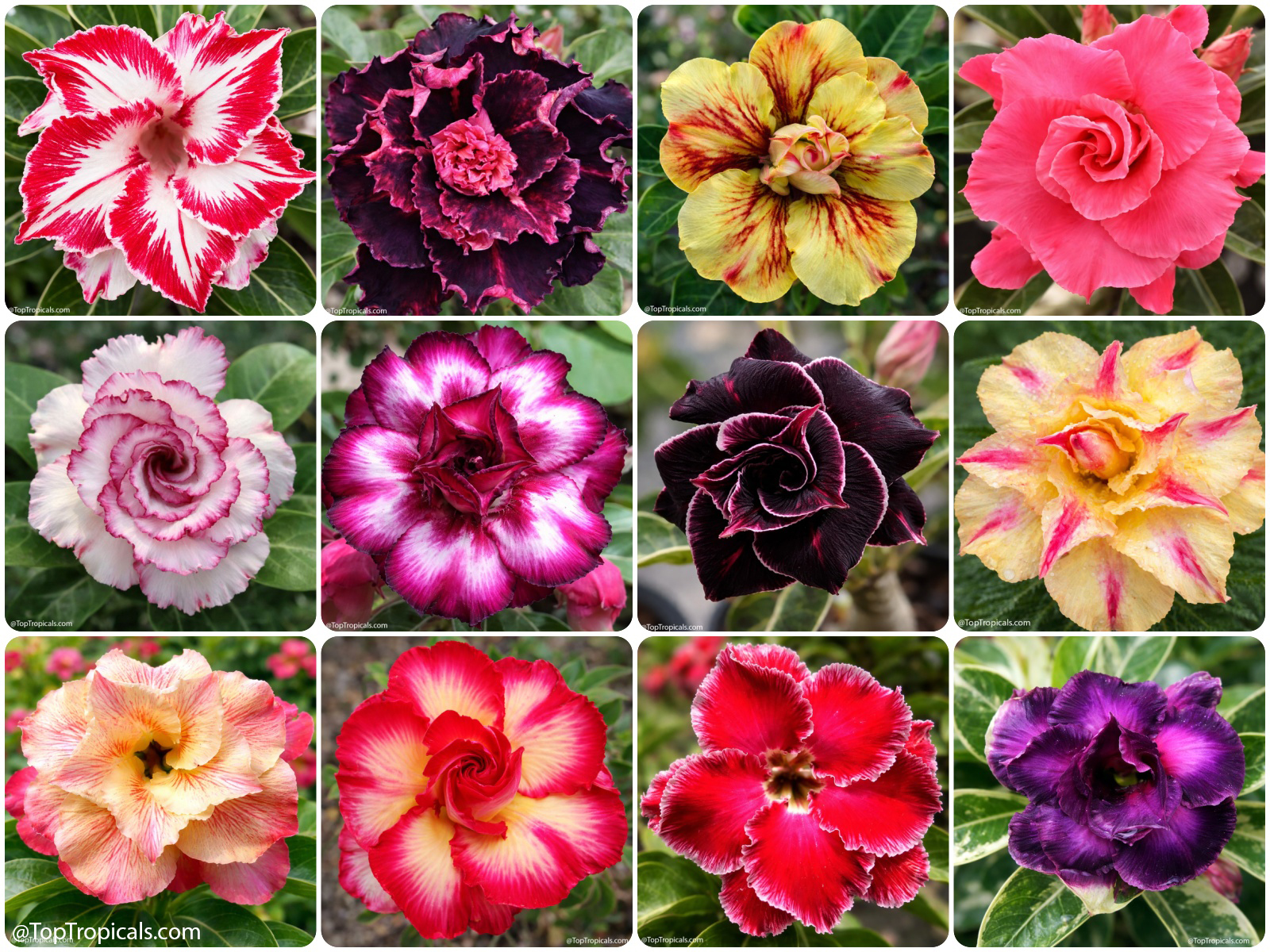
Collection  of  Adenium  desert  rose  flowers  in  many  colors  including  red,
   pink,  yellow,  white,  and  deep  burgundy  with  single  and  double 
 blooms

A world of colors in every bloom - how many can you resist? Warning: Highly collectible! No two are the same - and that’s exactly why one is never enough. Rare, unique, unforgettable - build your collection, one stunning bloom at a time.
Free Shipping on Adeniums
Add bold color and unique forms to your collection with no extra shipping cost.

🛒 Explore Exotic Adenium varieties

Date: 12 May 2026

EXCLUSIVE INTERVIEW: Behind the scenes with Smokey and Sunshine - after years of rumors they speak out!

EXCLUSIVE INTERVIEW: Behind the scenes with Smokey and Sunshine - after years of rumors they speak out!

Many people loved our mascots - Smokey and Sunshine - and kept asking the same questions over and over. So we finally decided to sit them down for an interview and ask everything at once.

Smokey is the tuxedo "engineering cat" with professor glasses, serious plant advice, and strong opinions about fertilizer and soil pH.

Sunshine is the fluffy orange Aloha guy of the group - chubby, relaxed, permanently snack-oriented, and somehow never in a hurry about anything. He approaches life with the confidence of a cat who believes coffee breaks, warm sunshine, and donuts are all basic human rights. He is also the one asking the questions normal people are actually thinking.

Together, they somehow turned gardening into conversations about plants, coffee, cats, donuts, and the meaning of life in a greenhouse.

In this interview, you will find out:

Are Smokey's glasses fake?
Are Sunshine's donuts real?
Are these cats based on real rescued Top Tropicals cats?
How many cats have been adopted by Top Tropicals over the years and how many are currently living in the gardens?
Why does Smokey take gardening so seriously?
Why does Sunshine think every problem can be solved with snacks?

Some answers may surprise you.
Some may explain a lot.

Read the full Smokey & Sunshine interview

"Learn more:
About Smokey & Sunshine

#PeopleCats

Join TopTropicals

Date: 11 May 2023

The Wonderful World of Tamarind:
from Planting to Plating

Tamarind  tree

Q: I use a lot of tamarind in my cooking. Can I grow my own Tamarind fruit? Can Tamarind tree grow in North Florida? Will Tamarind grow well outside or should I keep it in a pot?

A: Originating from tropical Africa, the Tamarind - Tamarindus indica - is a tropical tree that is highly appreciated for its ornamental beauty, delightful shade, and soft texture.

Tamarind is a highly valued culinary ingredient, with its tangy and sweet-sour flavor profile making it a popular addition to many dishes. It is frequently used in South Asian, Latin American, Caribbean, and African cuisines to add a touch of acidity and sweetness. Tamarind paste, made from the fruit's pulp, is a key ingredient in Worcestershire sauce, tamarind chutney, and many curry dishes. The seeds, when roasted and ground, can be used as a coffee substitute or as a thickening agent in sauces and stews....

Tamarind tree is prized for its versatile fruits and numerous health benefits. The tree can be grown outside in warm climates, as well as in pots and indoors... even as bonsai!
CONTINUE READING >>

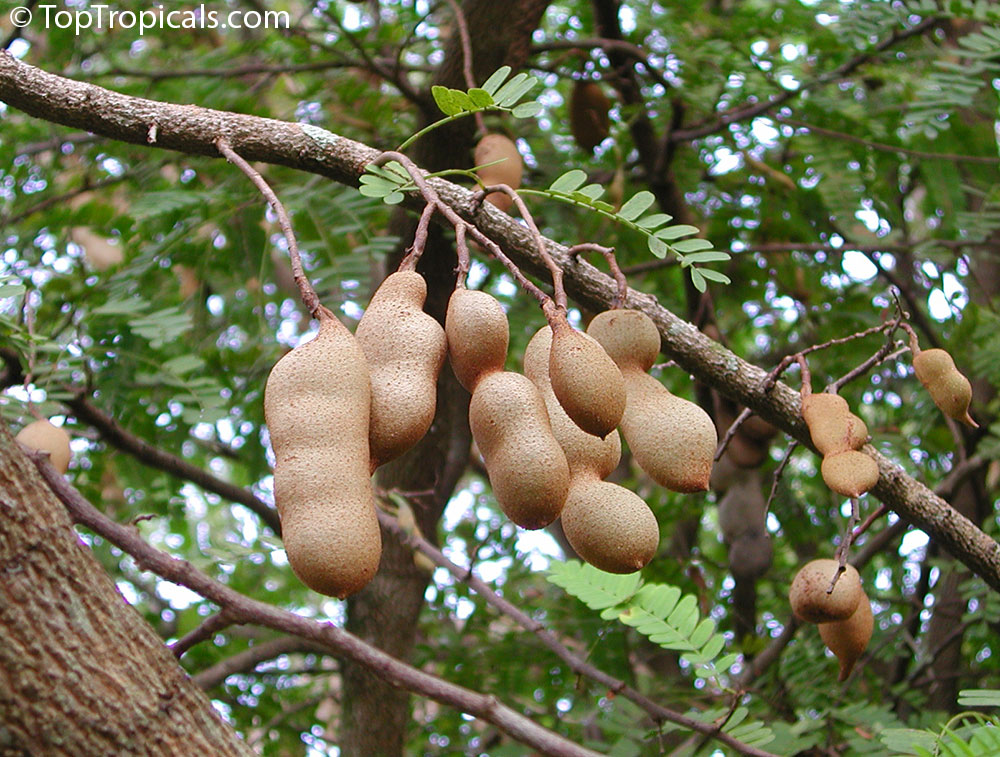
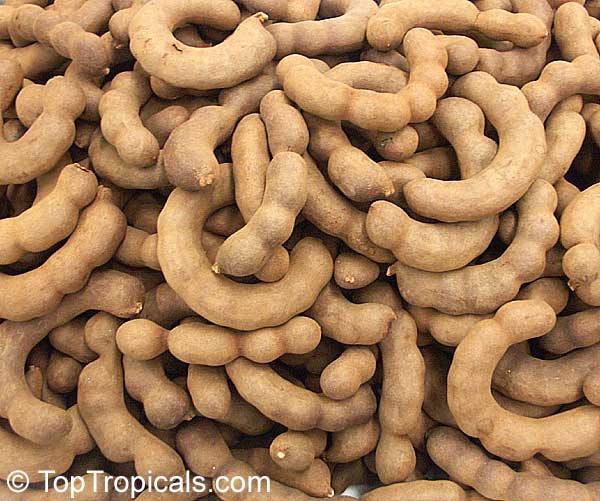
Tamarind  fruit

Date: 17 Jul 2024

How to add color to your yard

🌈 How to add color to your yard.


🔜 Lovely Cassias we mentioned in earlier post are in full bloom today - they love the Summer Heat! They are our favorite Summer flowers.

🔜 Cassia (Senna) trees are compact, fast growing, tolerant to drought and poor soils, free-flowering and relatively cold hardy. Always a great choice!

🔜 Cassias come in several colors: yellow, orange, pink, red and rainbow.

🔜 Yellow-flowering cassias:
Senna surattensis (Cassia glauca) - Scrambled Egg Bush
Cassia siamea - Kassod Tree
Cassia didymobotrya - Popcorn Cassia
Senna alata - Empress Candles
Cassia occidentalis - Fedegoso, Coffee Senna

🔜 Pink/red and multi-color Rainbow cassias (which are hybrids between yellow and pink cassias):
Cassia grandis
- Red Cassia
Cassia javanica - Apple Blossom Tree
Cassia marginata - Rainbow Shower Tree
Cassia roxburghii - Ceylon Senna
Cassia x nodosa - Pink Shower, Appleblossom.

What cassias do you have in your garden?
Share photos in comments
👇

🛒 Shop showy Cassia trees

#Butterfly_Plants #Trees

🏵 TopTropicals