Date: 2 Feb 2025
Mark your calendars: March 1, 2025

Spring into Green at Our Spring Plant Market!
Saturday, March 1, 9 am - 4 pm
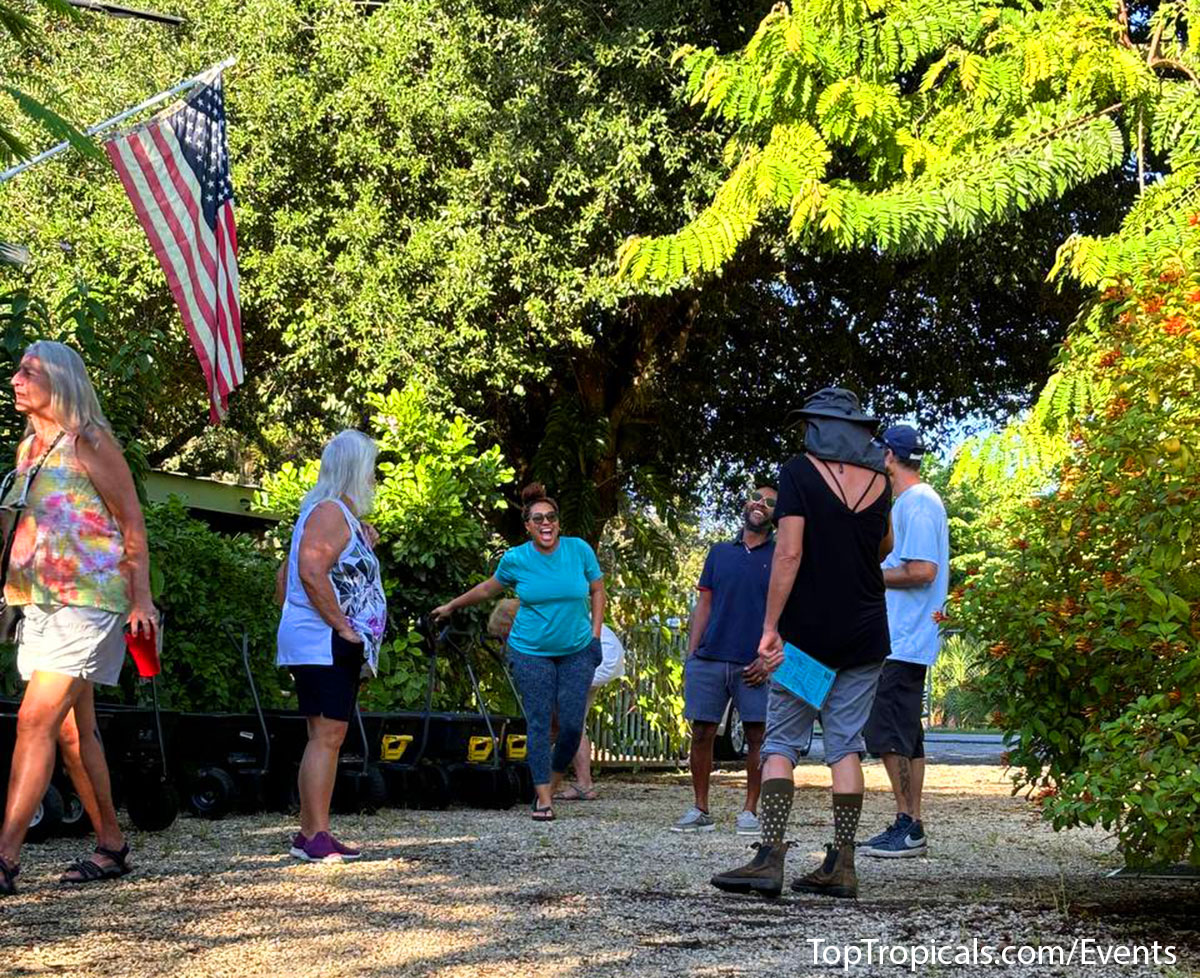
Save the date for March 1, 2025, and join us for a vibrant celebration of nature! Bring your friends and family to explore a tropical oasis where our friendly PeopleCats are ready to help you find the perfect plants to brighten your space.
Celebrate the season of renewal and let your garden flourish with new life. We can't wait to see you there and share in the joy of spring!
Highlights of the event:
30% OFF online prices, one day only!
(excluding 15 gallon material and rare plants)
Exciting raffle prizes
Special discounts on selected plants
Complimentary gift bags for the first 25 ccustomers with an order $50+
Free plant with any purchase as a token of our appreciation
Life Music: the Famous
Event discounts valid at both locations:
Ft Myers Garden Center: 13890 Orange River, Ft Myers, FL
Sebring B-Farm: 9100 McRoy Rd, Sebring, FL
Date: 9 Feb 2025
How to grow Mandevilla: Practical Guide to Growing Mandevilla Vine
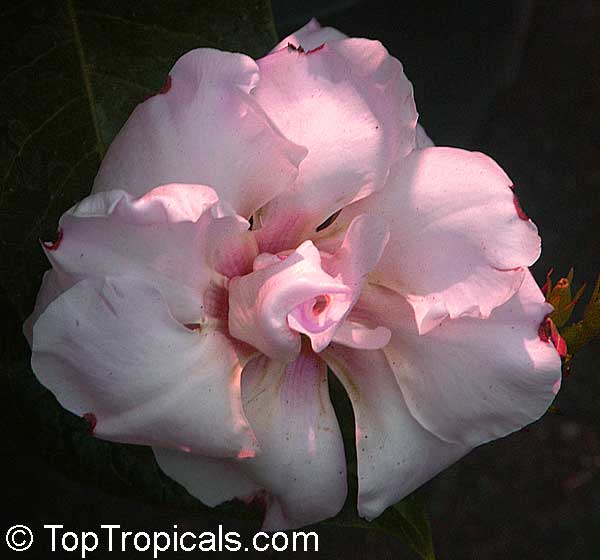
Mandevilla amabilis Thai Rose
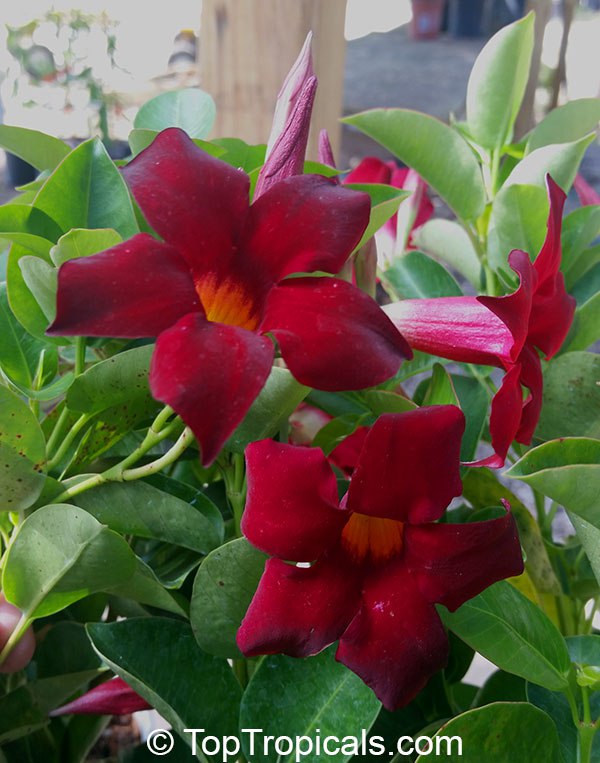
Mandevilla Sun Parasol Crimson
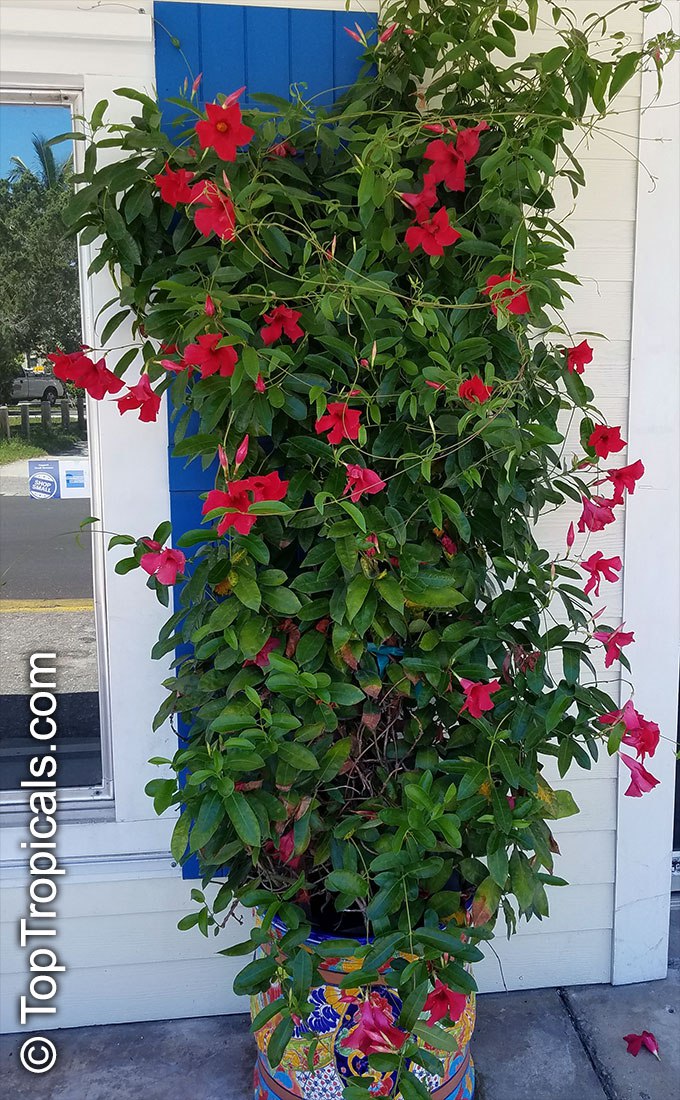
Mandevilla Sun Parasol Crimson on a trellis
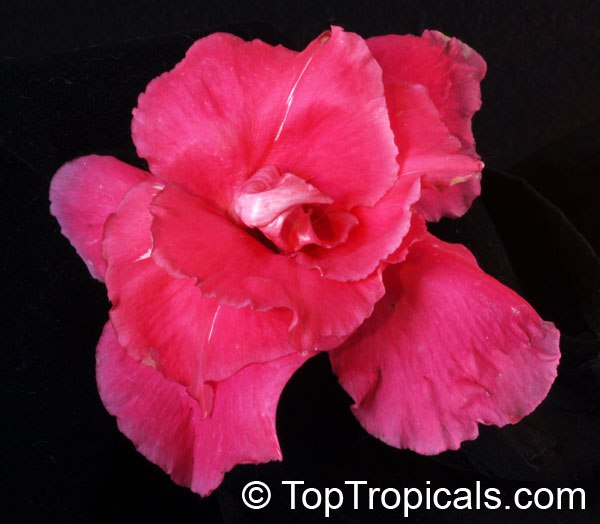
Mandevilla amabilis Thai Rose
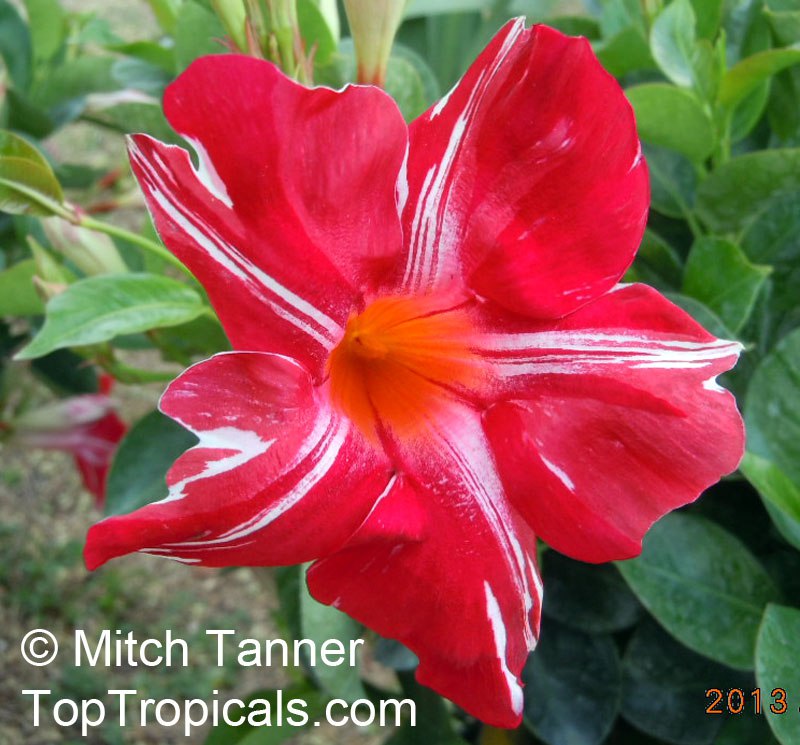
Mandevilla Stars and Stripes
🌺 How to grow Mandevilla: Practical Guide to Growing Mandevilla Vine
- 🌺 Mandevilla is a tropical vine known for its vibrant, trumpet-shaped flowers that bloom throughout the warm months. This fast-growing climber thrives in warm climates and adds a stunning display of color to gardens and patios.
🌺 Difference Between Mandevilla and Dipladenia
The names Mandevilla and Dipladenia are often used interchangeably, creating confusion. While they are closely related, there are key differences. Mandevilla is a vigorous woody vine with large, stiff leaves, ideal for trellises and fences. Dipladenia, on the other hand, has a more compact growth habit with smaller, smooth leaves. Dipladenia can be also trained on a trellis but also thrives in hanging baskets or as a compact specimen plant. As a bushier type of Mandevilla, its smaller, more compact varieties are excellent for mixed containers.
🌺 Growing in the Ground
💋Soil. Mandevilla prefers well-draining soil enriched with organic matter. A mix of garden soil, compost, and sand ensures good drainage and fertility. Both Mandevilla and Dipladenia require acidic soil. If your native soil contains limestone, consider growing them in containers with a peat-based potting mix to maintain a lower pH.
- 💋Light. Plant in a location with full sun to partial shade; at least 6 hours of direct sunlight promotes the best blooms. Water Mandevilla regularly, keeping the soil moist but not soggy. During hot months, water deeply a few times a week. Reduce watering in cooler seasons.
- 💋Feeding and Encouraging More Blooms: Feed Mandevilla with Sunshine Boosters Megaflor with every watering to encourage more blooms. Prune lightly after flowering to promote new growth and continuous flowering.
- 🌺 Most Interesting Varieties Mandevilla flowers come in a wide range of colors, including shades of red, mauve, pink, white, and even yellow. For vibrant color and impact, consider these varieties:
💋Mandevilla ‘Alice du Pont’– A classic pink variety with large flowers and vigorous growth.
- 💋Mandevilla ‘Sun Parasol’ Series – Offers compact plants in deep red, pink, or white, great for containers or small spaces.
- 💋Mandevilla ‘Crimson Red’– Deep red blooms stand out against glossy green foliage.
- 💋Dipladenia ‘Stars and Stripes’ - features striking red-and-white striped blooms. In Florida, Sun Parasol and Alice du Pont perform exceptionally well, thriving in the heat and humidity while providing season-long blooms.
- 🌺 Pests and Problems
- 💋Spray with a neem oil solution weekly if pests are present.
- 💋Encourage beneficial insects like ladybugs to control aphids naturally.
- 💋Remove affected leaves and rinse plants with a strong stream of water.
- 💋Watch for fungal diseases in humid climates; ensure good air circulation and avoid overhead watering.
🌺 Growing Mandevilla in Pots and Winter Care
Mandevilla grows beautifully in containers, making it a great option for cooler climates where it can be brought indoors for winter.
- 💋Pot Growing Tips:
· Use a well-draining potting mix with added perlite for aeration.
- · Choose a pot at least 12-16 inches in diameter, with several drainage holes, for vigorous growth.
- · Water when the top inch of soil feels dry, avoiding waterlogged conditions.
💋Winter Care:
- · In regions with frost, move potted Mandevilla indoors to a bright, cool location (50-60°F).
- · Reduce watering and stop fertilizing during cooler season.
- · Prune lightly before bringing indoors to maintain shape and size.
- · Repotting: Repot every 2-3 years in early spring before active growth begins, refreshing the soil and upgrading to a slightly larger container if needed.
With the right care, Mandevilla provides stunning, long-lasting blooms and thrives in gardens or pots, making it a versatile and rewarding addition to any space.
📚 Learn more from previous post:
How to overwinter Mandevilla indoors
🛒 Shop flowering vines
#How_to #Container_Garden #Hedges_with_benefits
🔴 Join 👉 TopTropicals
Date: 18 Feb 2025
What cactus vine produces gooseberries
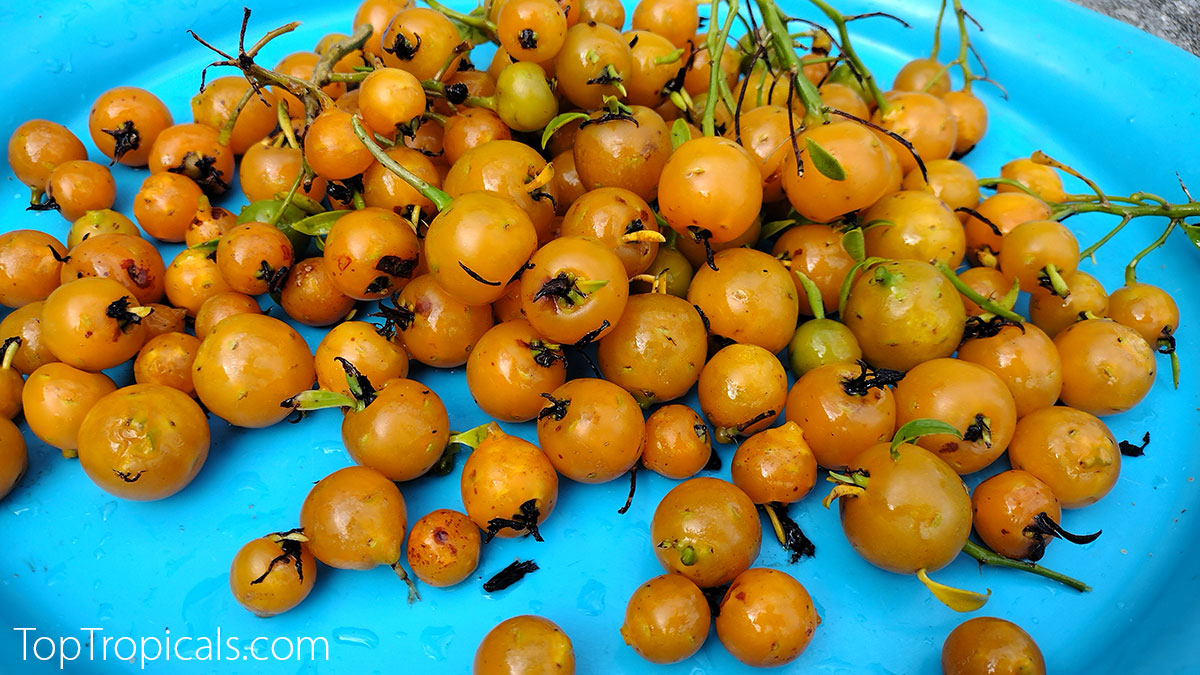
Q: I've heard about a tropical gooseberry suitable for making jams but don't know its exact name. Do you have it? Gooseberry jam is my husband's favorite, but I can't find gooseberries here in Florida - too hot, maybe?
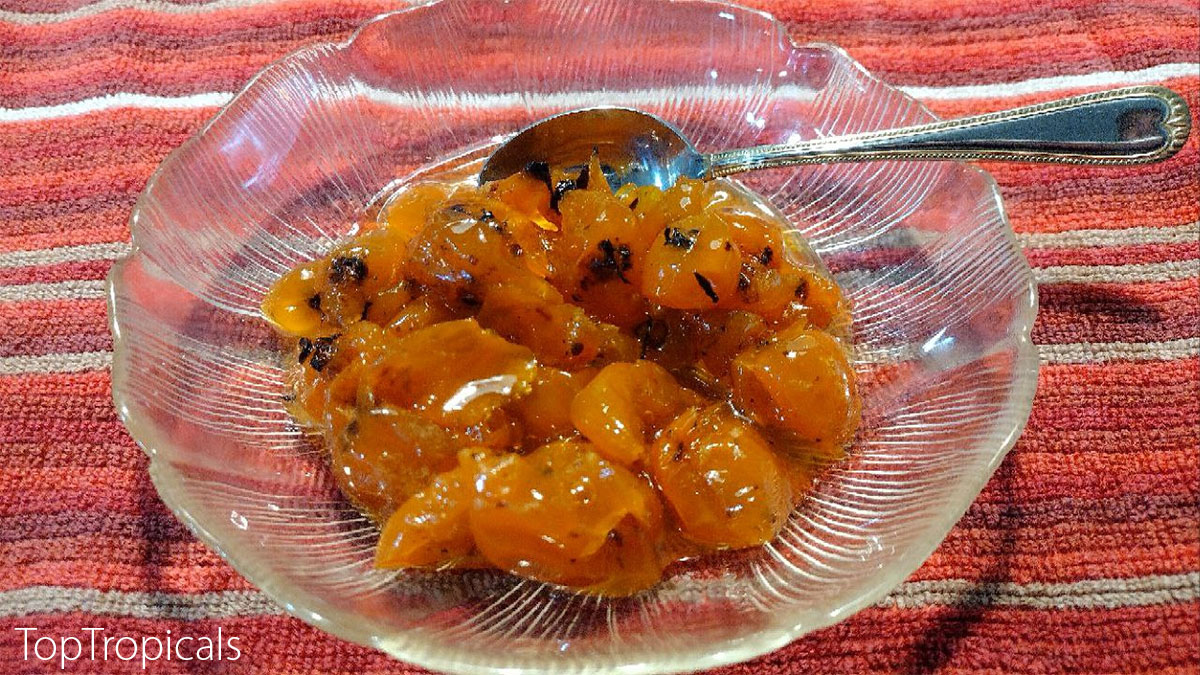
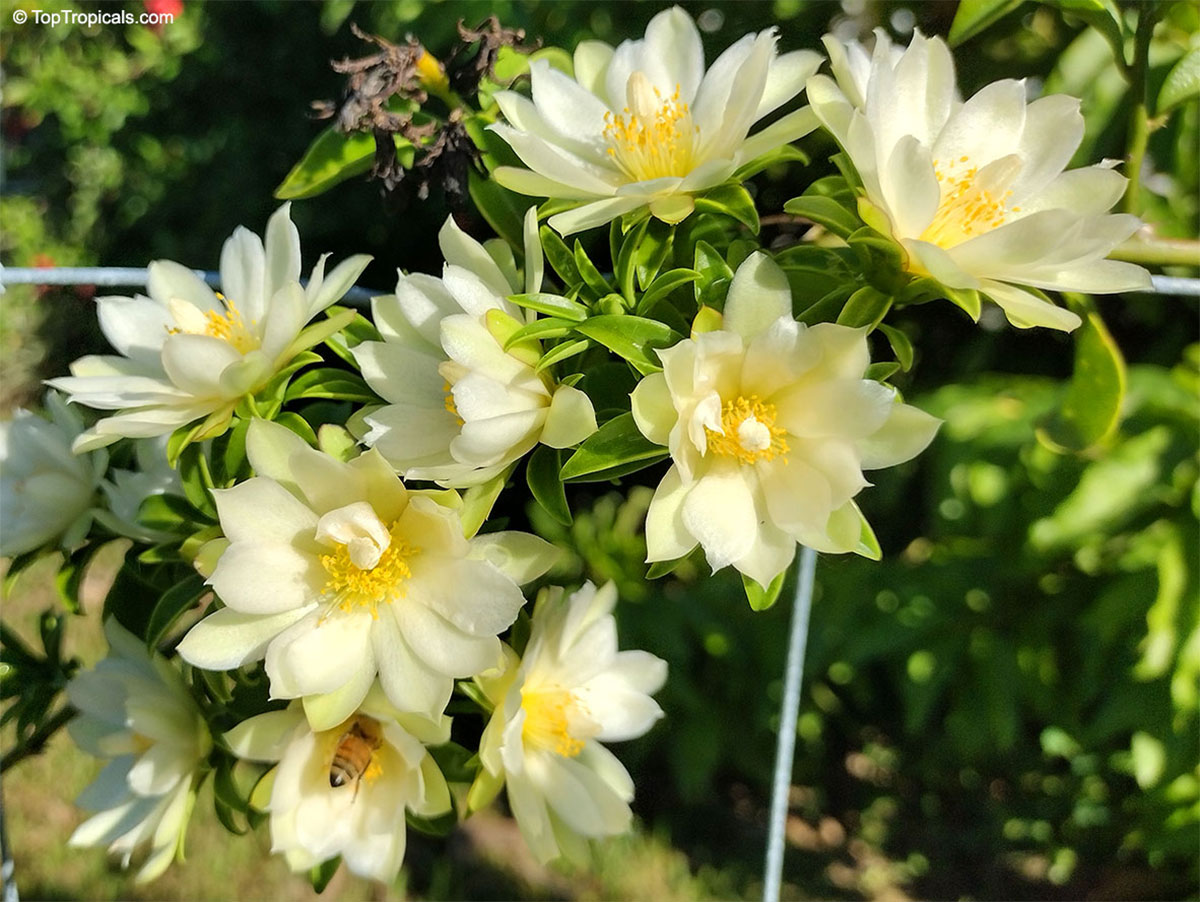
A: Yes, we do have the plant you're looking for! We've just made some delicious jam from this tropical gooseberry, and it tastes just like the northern varieties but even more flavorful! Florida's winter is the perfect season for this wonderful fruit. Right now, our plant is growing quickly and vigorously over our fence, and it's covered with fruit. Just a couple of months earlier it was full of fragrant, beautiful white flowers!
The plant in question is Perescia aculeata, commonly known as Barbados Gooseberry. It's a unique cactus with both edible leaves and fruit, making it a tropical treasure that offers beauty as well as culinary delights.
The fruit is yellow with a juicy, subacid pulp that tastes remarkably similar to traditional gooseberries. You can enjoy the fruits fresh, stewed, or transformed into jams and jellies.
The young leaves are also edible, adding a nutritious boost to your meals.
This fast-growing vining cactus prefers well-drained soil that remains moist during the summer and drier in winter, and it can be effectively grown in containers on a trellis.
Watch a short video of Barbados Gooseberry fruiting.
Date: 1 Mar 2025
March 1, 2025 - SATURDAY - Spring Plant Market

🛍 March 1, 2025 - SATURDAY - Spring Plant Market
🟢 Spring into Green at Our Spring Plant Market! Join us today, March 1, for a vibrant celebration of nature!
Bring your friends and family to explore a tropical oasis where our friendly #PeopleCats are ready to help you find the perfect plants to brighten your space.
🗓 Highlights of the event include:
- 30% OFF online prices (*excluding 15 gallon material and rare plants)
- Exciting raffle prizes
- Special discounts on selected plants
- Complimentary gift bags for the first 25 ccustomers with an order $50+
- Life Music: the Famous Hand Pan Lady! (see her previous performance at Top Tropicals)
🆓 Free plant with any purchase as a token of our appreciation
📍 Event discounts and specials valid at both locations:
Ft Myers Garden Center: 13890 Orange River, Ft Myers, FL
Sebring Farm: 9100 McRoy Rd, Sebring, FL
🔴 Join 👉 TopTropicals
Date: 11 Mar 2025
What trees are fruiting and blooming right now?
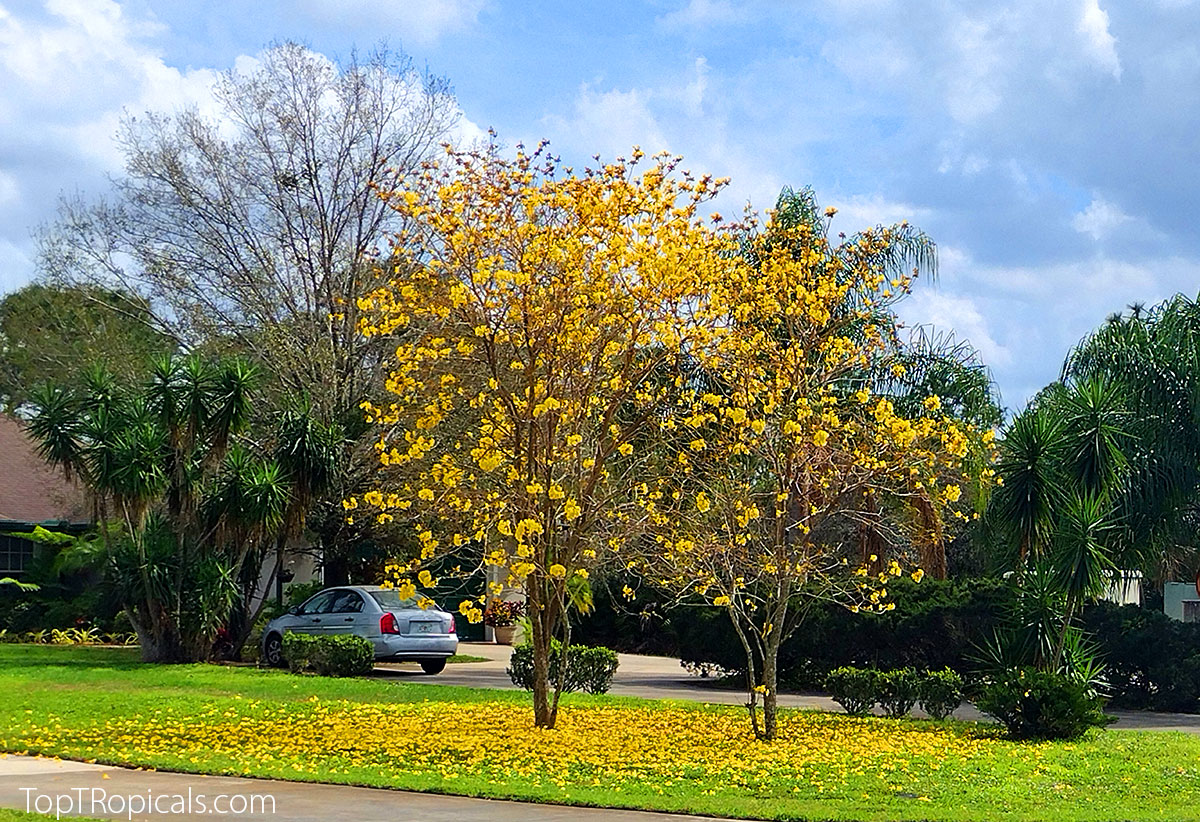
Photo above: Tabebuia chrysotricha - Dwarf Golden Tabebuia
Q: What tropical trees are fruiting and flowering in March?
A: There's always something blooming and fruiting, especially with spring on the way! Our garden is buzzing with bees and butterflies, and in the nursery, you'll always find plants in bloom or bearing fruit. Here are a few standout winners of the season.
Orchid Trees
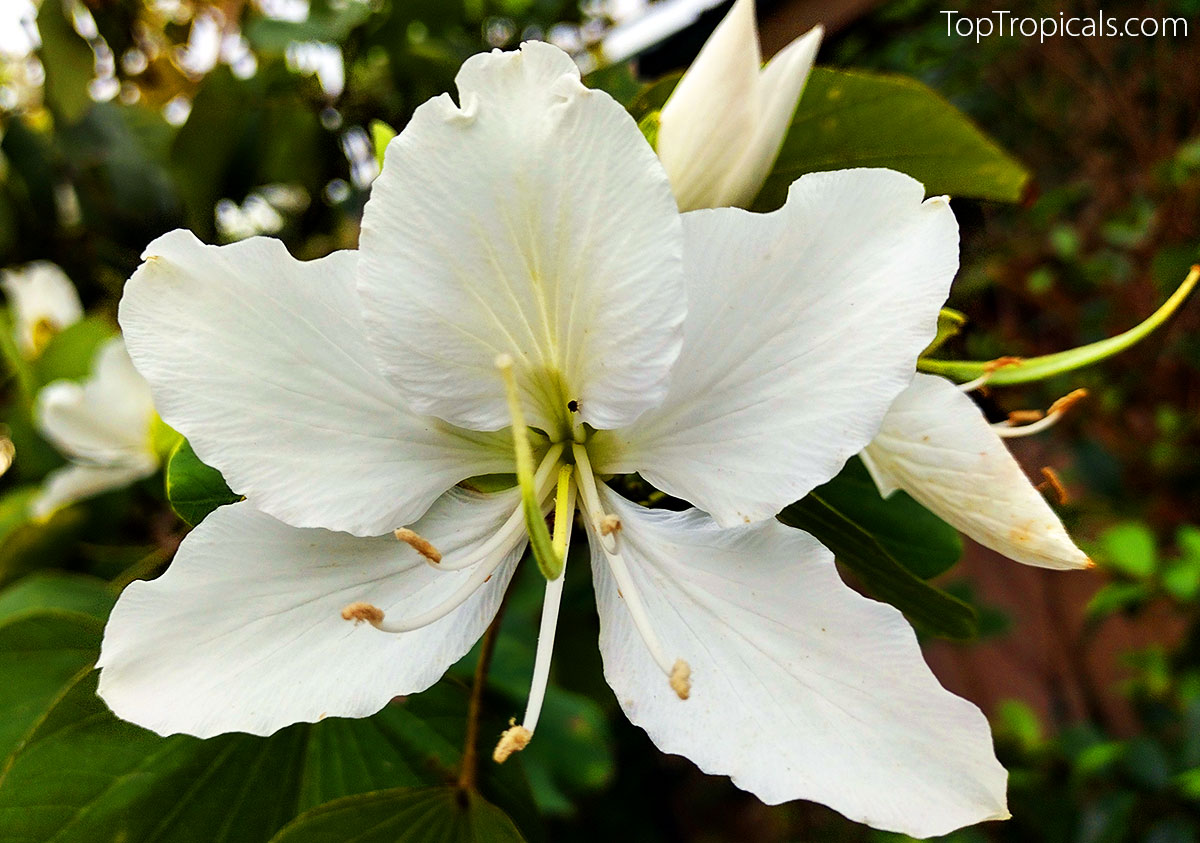
Orchid trees are among the most spectacular trees in Florida, flowering from late winter through spring. They are fast-growing, not fussy about soil or water, and bloom for several weeks in a stunning display of white, purple, pink, or red flowers. In the photo: Bauhinia alba (candida) - White Orchid Tree - the most cold-hardy of all Bauhinias, tolerating temperatures as low as 26F. You can see them in full bloom across Florida right now!
Carambola - Star Fruit
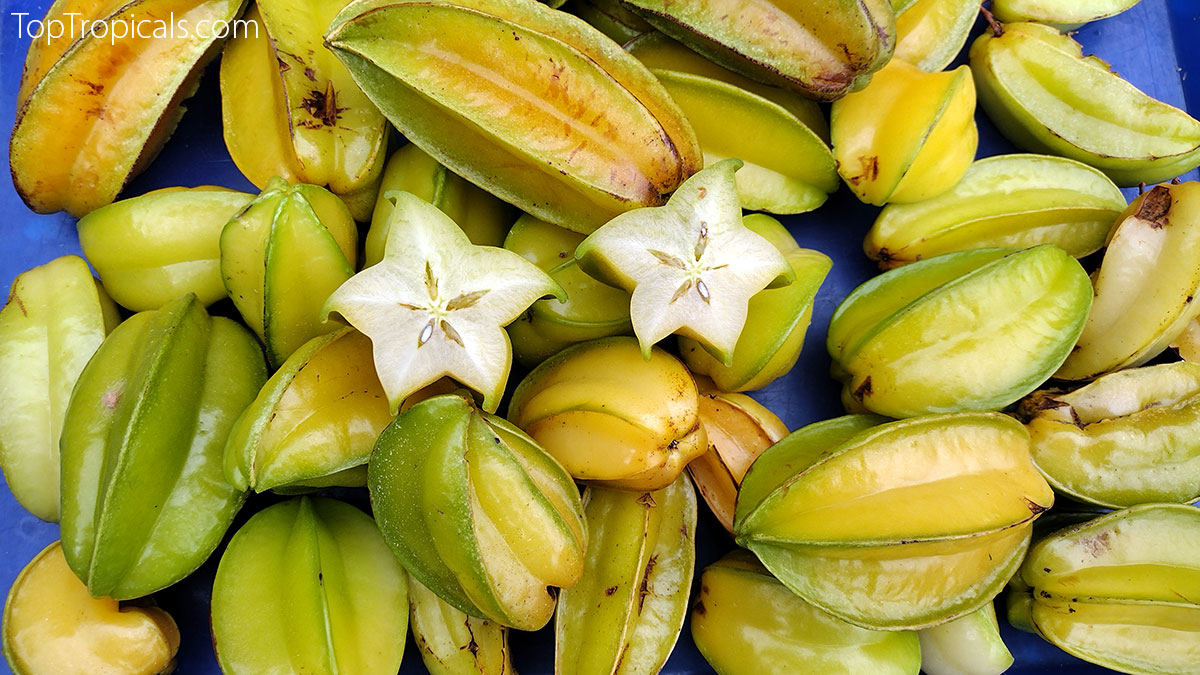
Starfruit trees (Averrhoa carambola) have been fruiting in our garden since fall, and they just keep producing! We've had so many starfruits that we ended up making lots of jam.
Calliandra
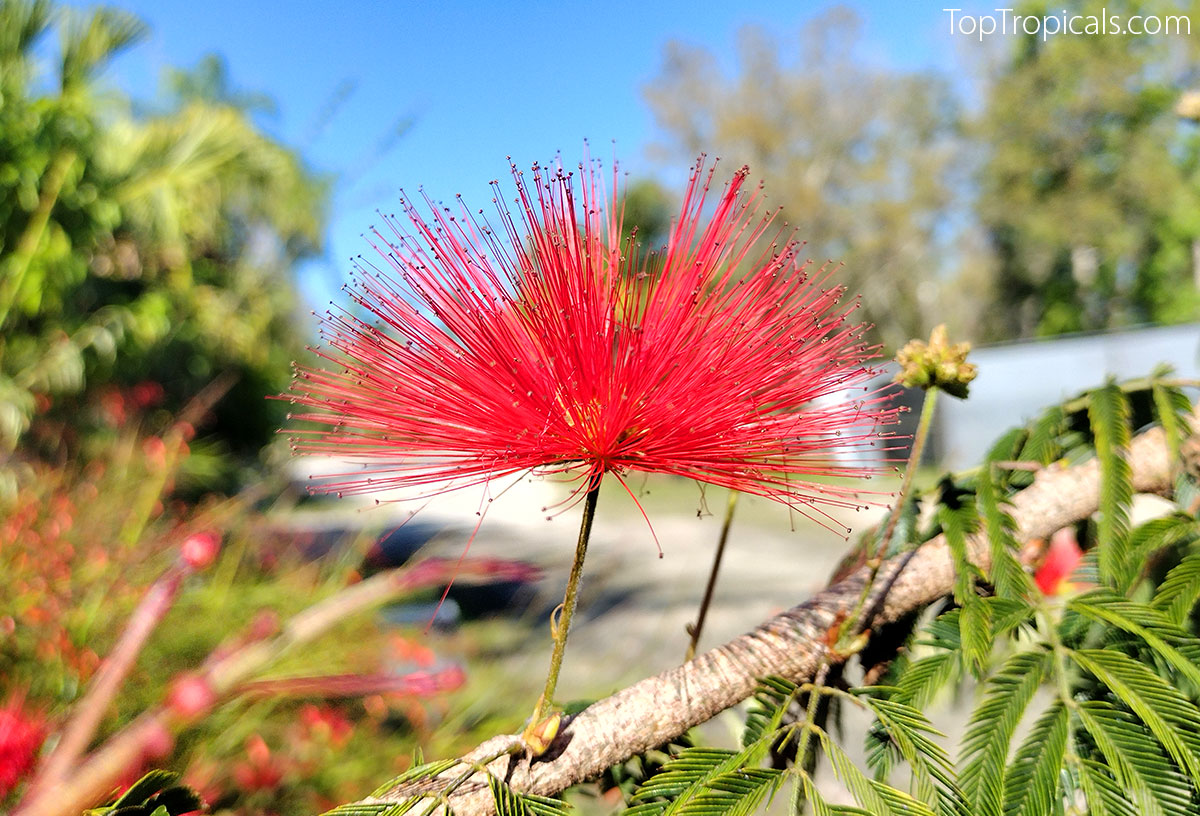
Calliandras are known to be spectacular winter bloomers, but in our garden, they
seem to flower year-round. They make fantastic ever-blooming hedges or
striking small specimen trees.
In the photo: red-flowering Calliandra tweedii "With Love" - Red Tassel Flower, yright now, this
beautiful bush is covered in red blooms in front of our office at Sebring
Farm.
Mulberry Trees
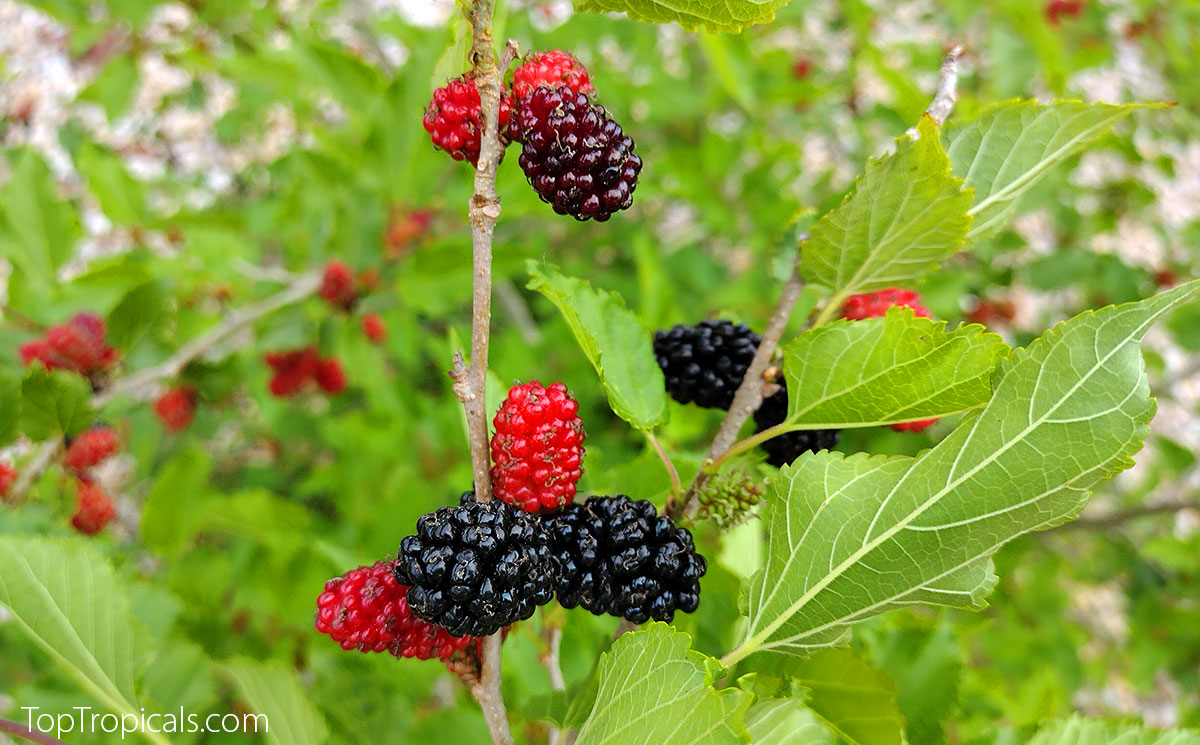
Yes, it's Mulberry season! Some varieties have already ripened, while others are just about to. We're competing with the birds to see who gets the first fruit, but honestly, there's plenty for everyone! These trees are very cold hardy and highly productive.
Loquat Trees
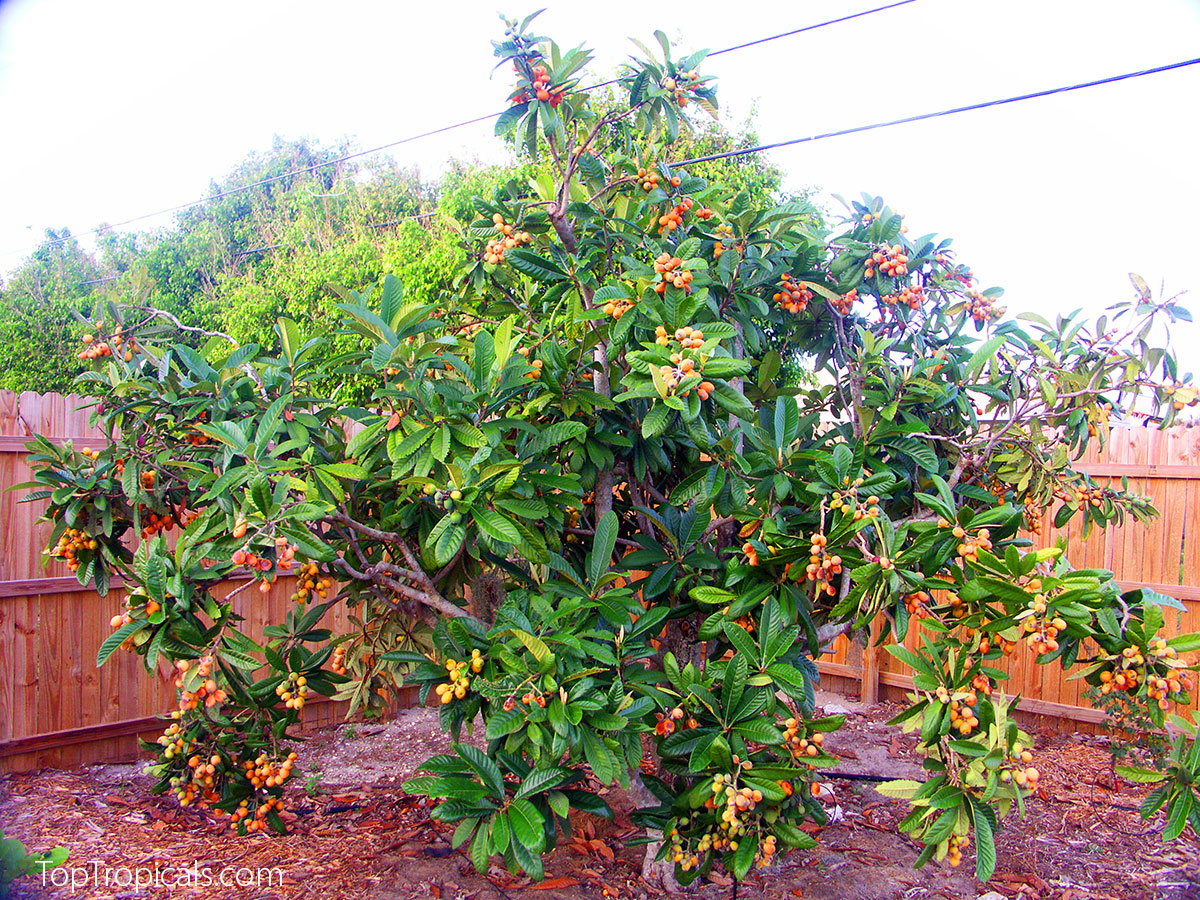
Loquat trees (Eriobotrya japonica) are loaded with fruit right now! We've started picking them and have already made some delicious preserves - you can only eat so many fresh. Loquats continue fruiting through April and May, making them one of the most rewarding, easy-to-grow, and productive fruit trees.
Tabebuia Trees
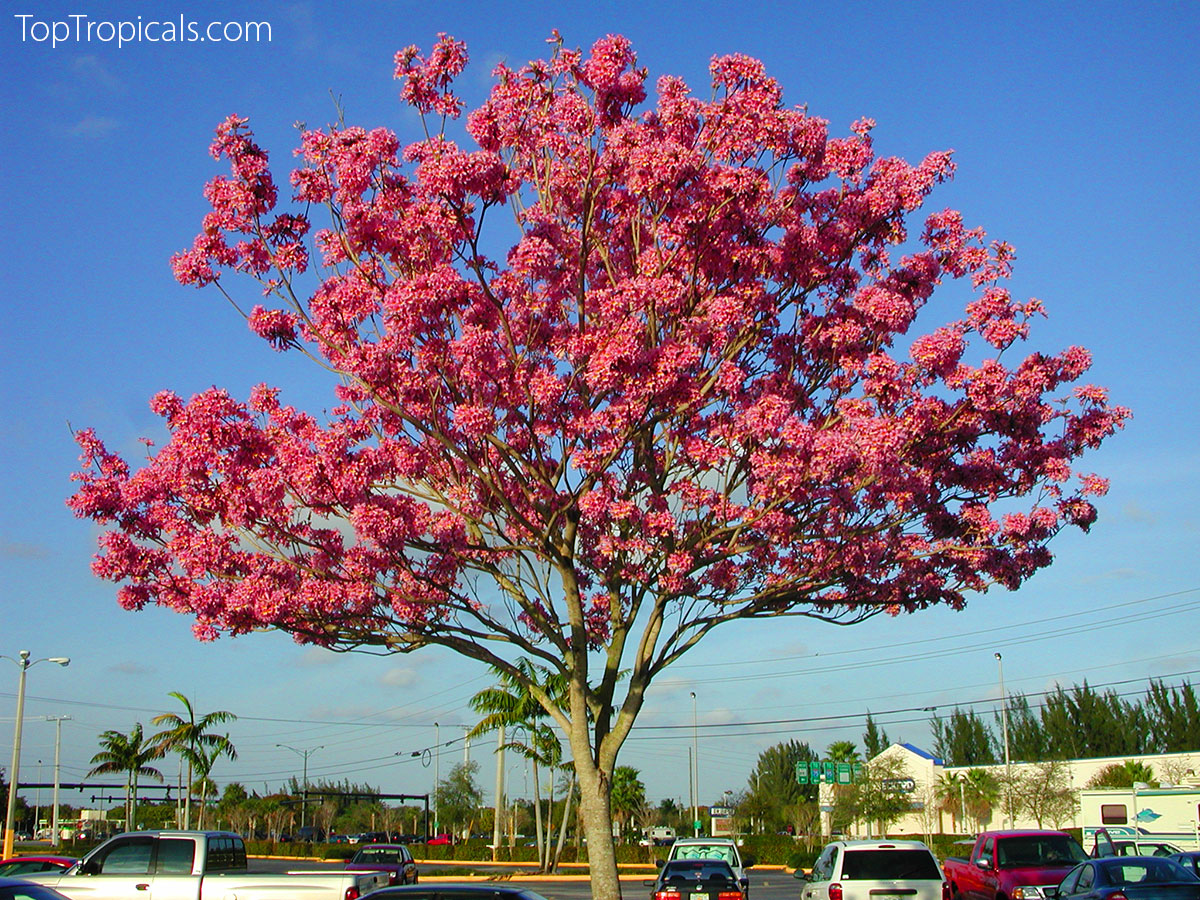
Tabebuia
trees put on a spectacular show from late winter through spring! Golden
and pink Tabebuias are small, compact trees that fit any yard and deliver a
breathtaking display year after year.
Check out these short videos of blooming Tabebuias:
Tabebuia
chrysotricha - Dwarf Golden Tabebuia
Tabebuia
impetiginosa - Dwarf Pink Tabebuia, Pau DArco, Taheebo