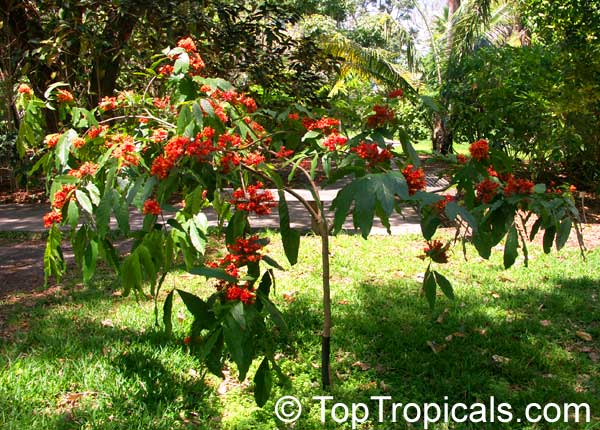
Date: 17 Jun 2022
Mango trees: how to deal with cold weather
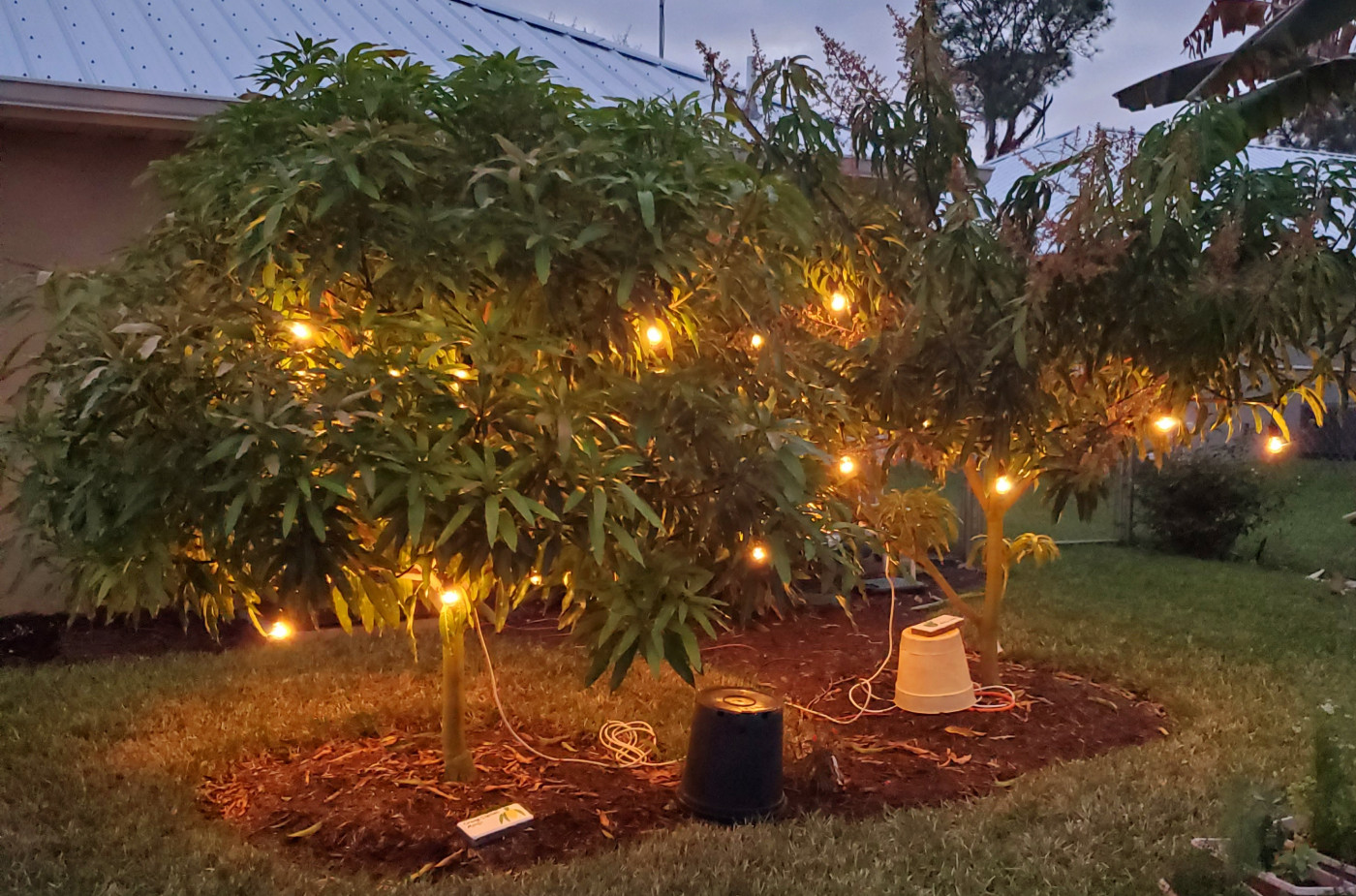
By Ed Jones, the Mango guy
...Well, you did it didn't you? You love fresh mangoes, don't you?
Wouldn't it be great to be able to pick your own mango fresh off a tree in
your back yard?
So you bought a mango tree hoping to do just that. You are in USDA growing
zone 10 or 11 aren't you? If so, you should have no problems with weather
extremes other than possibly an occasional frost in zone 10A. If you can cover
your tree, you will not likely see any damage. But what if you are a little
further north and you have decided to try your luck on the magnificent mango
fruit tree? Mangoes are a tropical fruit tree best grown in tropical zones with
temperatures that stay above 40F. If you are in zone 9A or 9B, you may still
have luck growing a mango tree...
Date: 18 Apr 2024
How to water a new Mango tree?
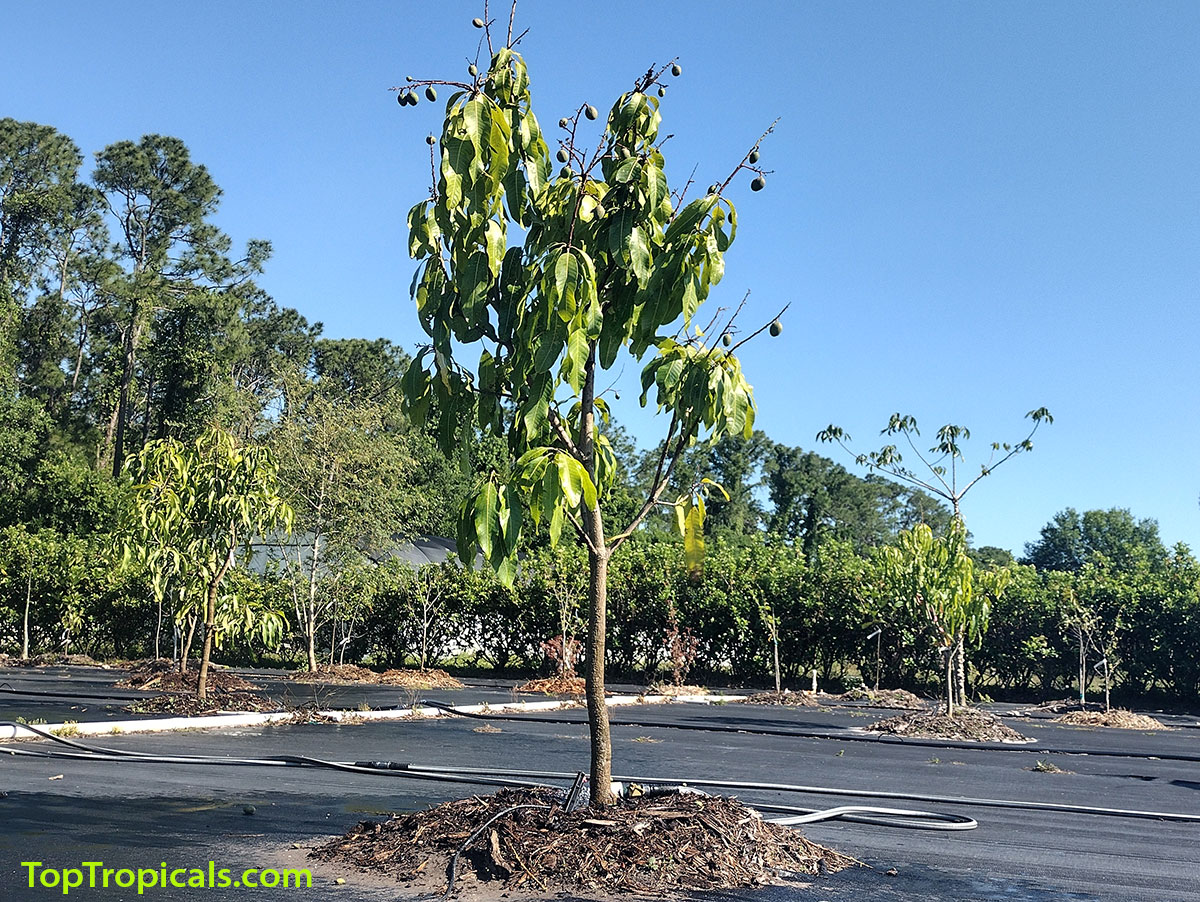
Q: I got a large mango tree from your garden center recently, planted in the ground, but noticed the corners of the leaves turning brown. It was full of little fruit when I planted it but now they are falling off... I wonder how much should I water the mango tree? We have lawn sprinkler system that runs daily, is this enough?
A: Generally speaking, never rely solely on your sprinkler system when planting a new tree, especially during the first week or even several weeks if you have no rain. By rain, we mean a nice downpour. Here in Florida, we usually have a hot and dry spring, and while springtime is great for starting new trees, additional hose-watering becomes essential for establishing them during the first months.
Dry leaves are a signal of under-watering. Make sure to hand water your mango tree every day for at least the first week after planting. Even if you have an individual sprinkler for the tree, ensure that the soil around the rootball receives enough water, not only around the trunk. Surprisingly, the bigger the tree, the more it may suffer from a lack of water, and sprinkler watering does not saturate the large root system, sometimes only reaching around the trunk. Big tree means lots of leaves and branches - they all get thirsty!
Mangos are pretty drought-tolerant trees, but only once established. They even benefit from hot, drier air (means less leaf fungus). However, young trees require regular irrigation until they start growing new leaves and branches.
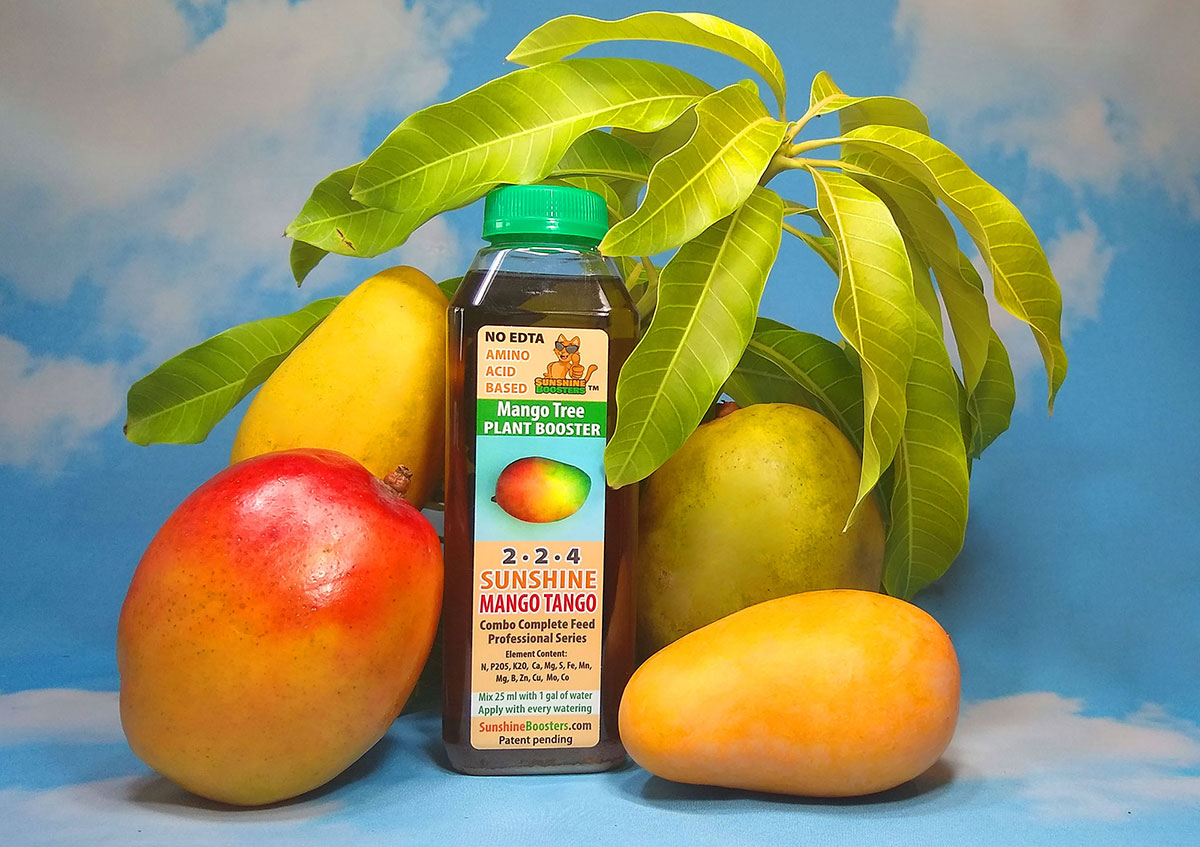
Note that fertilizing your Mango tree is especially important during the spring and summer seasons - the period of active growth. This ensures that the tree takes the best advantage of nutrients with a faster metabolism encouraged by high temperatures. Give your tree a chance to build up lots of energy for the cooler winter as well as for the next flowering and crop season. To ensure a strong tree and reliable crop with no fruit drop, apply Sunshine Mango Tango liquid fertilizer with every watering and watch your mango tree become a Champ!
Date: 10 Jun 2021
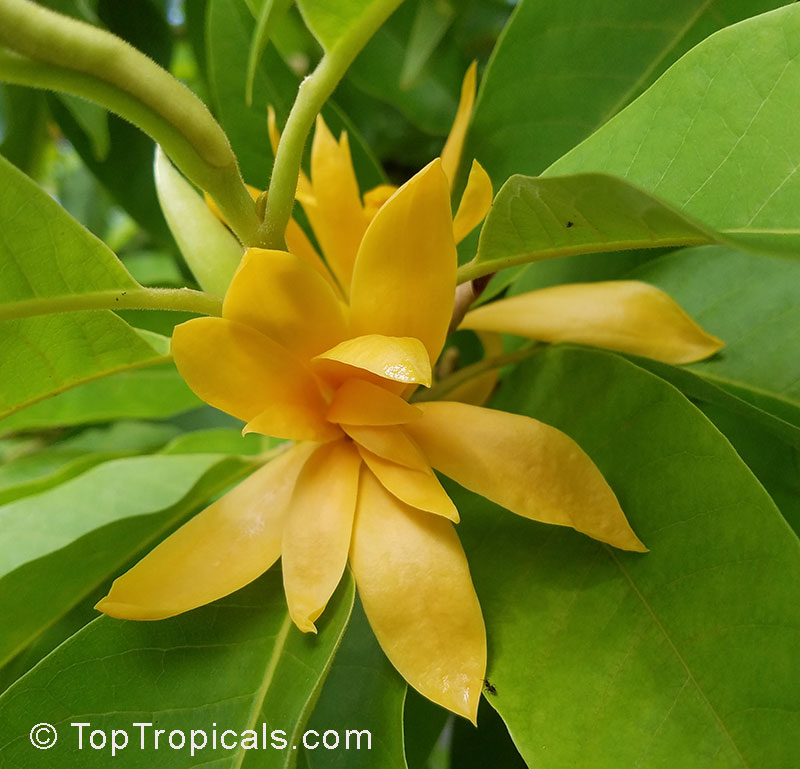
Champaka - a true Joy of your life

by Alex Butova, the Witch of Herbs and Cats
...Champaka, or Joy Perfume Tree, is regarded as one of the most sacred
trees of India and tropical Asia. Its flowers exude a divine fragrance that
is exceedingly pleasing to the Gods... and women!..
...The tree was traditionally used to make fragrant hair and massage oils.
Jean Patou's famous perfume, 'Joy', the second bestselling perfume in the world after Chanel No. 5, (but definitely the most expensive number one!) is derived from the essential oils of champaka flowers. The plant common name "Joy Perfume Tree" comes from this perfume. Many niche perfumers are now once again using Champaka Absolute as single note fragrances...
Planting a Golden Champaka really makes your home a sweet home. Also you
can take the flower into your car, office, restroom, and anywhere you want to
create fragrant atmosphere. It emits a unique warm fragrance which promotes a
peaceful state of mind, reduces stress and helps you to relax and breathe
easily. Looks like it is specially designed for moments of tranquil
contemplation. It's the nature of Champaka - to remind us of the Divine in all
things...
CONTINUE READING >>


Date: 28 Apr 2021
Macadamia Goodness
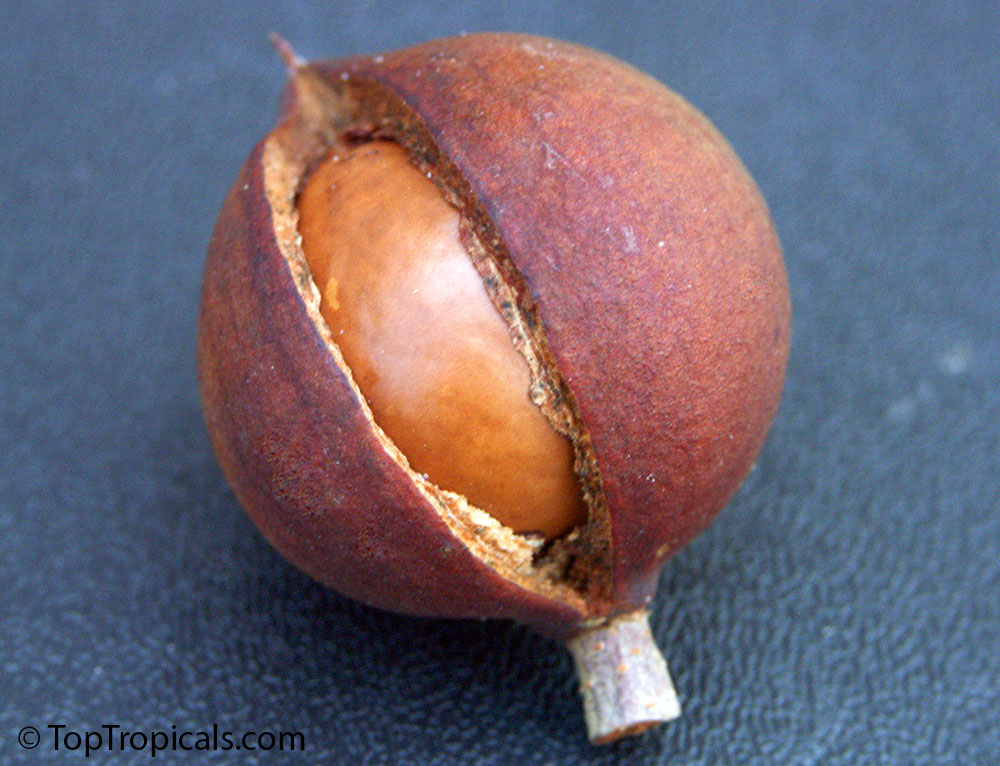
Macadamia nuts are rich in vitamins, minerals, fiber, antioxidants, and
healthy fats. Their potential benefits include weight loss, improved gut
health, and protection against diabetes, metabolic syndrome, and heart
disease.
Native to Australia, Macadamia trees are now grown in various places around the world, such
as Brazil, Costa Rica, Hawaii, and New Zealand.
Like most other nuts, Macadamia nuts are rich in nutrients and beneficial
plant compounds. They are also linked to several benefits, including improved
digestion, heart health, weight management, and blood sugar control.
10 health benefits of macadamia nuts
1. Rich in nutrients
2. Loaded with antioxidants
3. Boost heart health
4. Reduce risk of metabolic syndrome
5. May aid weight loss
6. Improve gut health
7. Providing anticancer properties
8. Boosting brain health
9. Bumping up your longevity
10. Easy to add to your diet
Learn more...
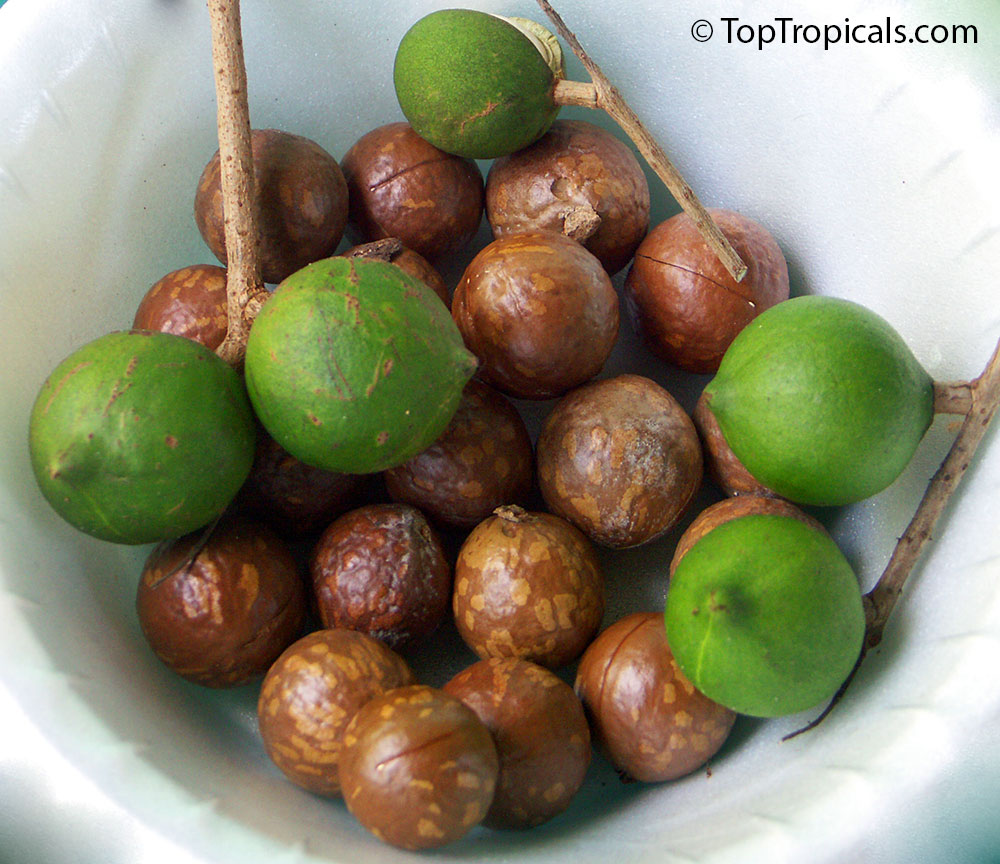
Delicious Macadamia nuts are loved by everyone, but they are so expensive from a grocery store... If you are excited about this nut, start saving: get your own tree and harvest your own goodness!
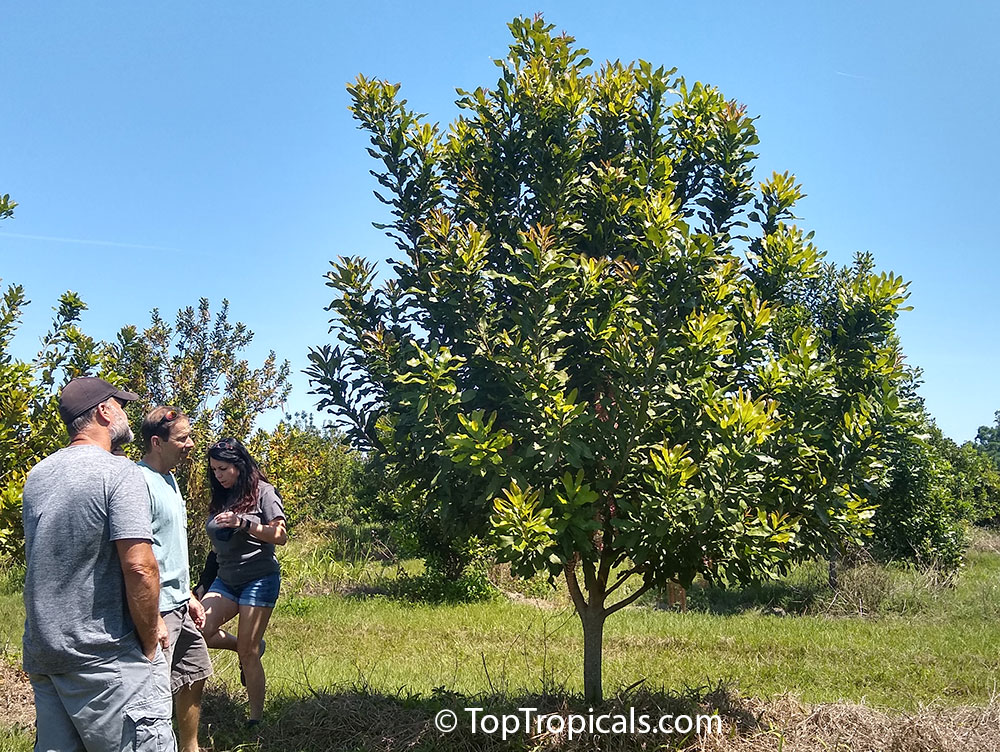
Macadamia are very handsome trees. They are easy to grow, require very little care and are relatively cold hardy. The are slow growing, compact bushy trees that start fruiting within 2-3 years from seed. Macadamias trees are reliable producers. The most important in Macadamia cultivation - do not over-fertilize this plant, it is very sensitive to regular fertilizer. Use only liquid plant food, and provide Micro-elements on regular basis.
Read more about this plant >>
Date: 11 Jan 2020
Improve your intellect with Ashoka,
the tree of Happiness
(Saraca indica, the Sorrowless Tree)
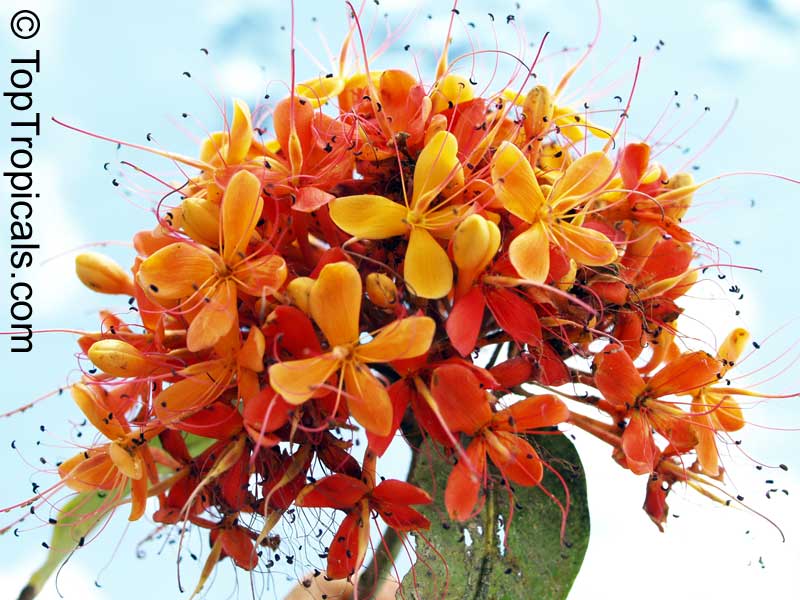
By Onika Amell, tropical plant specialist
Q: I have recently visited India and saw the most beautiful Ashoka trees at the entrance to a temple. The flowers were simply show stopping, growing directly on the trunk and branches. I would love to grow one. I have been told it has significant medicinal properties. I am delighted to see you have them in your inventory. And they are on sale too! Are they easy to grow?
A: Ashoka or Saraca indica is one of the most exotic flowering trees of the Indian subcontinent. Without a doubt it is one of the most stunning Indian flowering trees. Buddhists, Jains and Hindus all hold this tree in extremely high esteem and it is considered a sacred tree. Ashoka is extremely highly valued for nutritional value as well as its beautiful appearance. No surprise then that they are often found in royal palace grounds and gardens as well as around temples throughout India. Young leaves are a stunning deep pink color and emerge at the end of branches like hanging tassels. This tree will typically grow to around 20 feet and is a brilliant bloomer. It will wow you with large, round clusters of fragrant flowers throughout the year. Almost all parts of this tree are widely used for different medicinal purpose. It reportedly even helps to improve intellect! Simply amazing...