Date: 7 Dec 2016
Soursops fruiting in Virginia?!
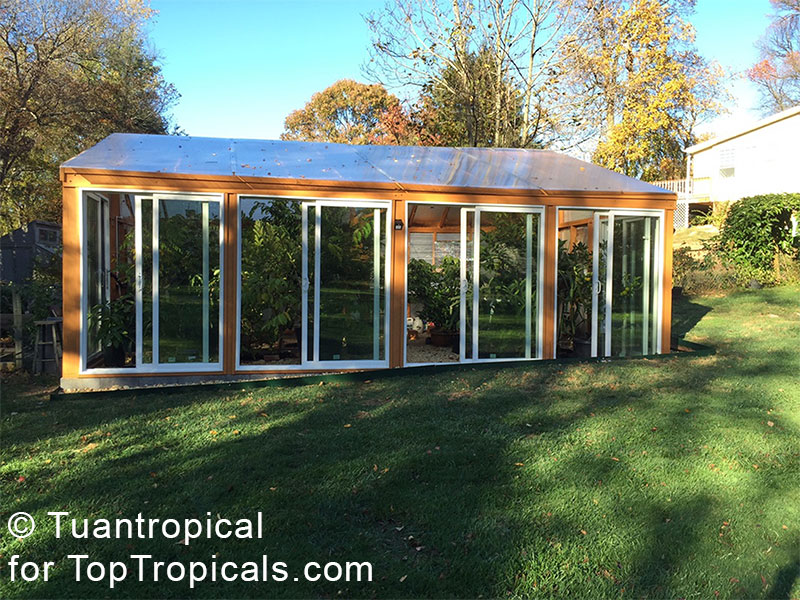
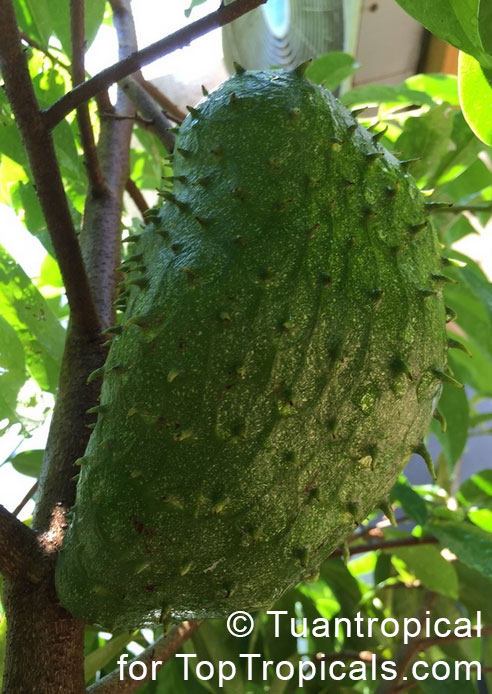
Amazing
news - from our customer in Virginia.
Not only his ultra tropical plants survive -
they thrive, producing multiple fruit in only 2
years despite living in a climate with freezing
winter temperatures.
We always like to think of our plants as a
challenge. We continually push ourselves to
collect, grow and propagate the rarest of the
rare. Seeds, plants, and cuttings are ordered
from all over the world and continue to
challenge us with finicky temperature, humidity,
and watering demands.
Naturally, we also get many customers from
cooler zones asking which plants they can grow.
The answer is any of them! As long as you can
give them the requirements they need. Continue reading...
Date: 7 Jul 2016
Growing fruit trees in containers
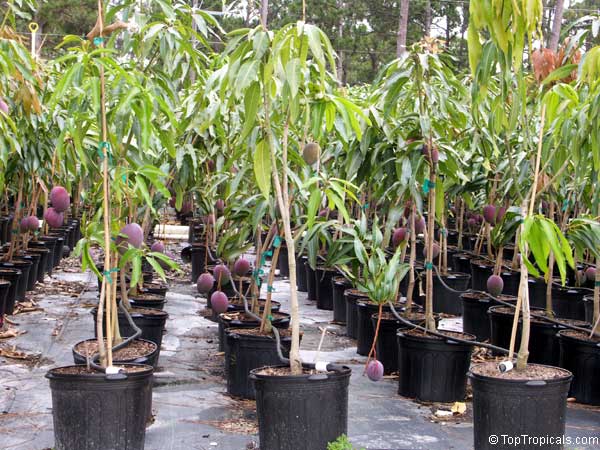
Will it fruit in a pot? YES!
Many tropical fruit trees can be grown in a pot. We get many calls from customers in cooler climates asking if our tropical trees can grow and fruit in a pot. The answer is yes!
Several plants fruit well in pots. Blackberries and raspberries, barbados cherries, blueberries and many more start fruiting even in their 1 gallon containers. We are especially excited about our new Pixie grapes, which are heavily laden with grapes even at only a foot long!
While some plants are small and will fruit easily in a container, others are large trees. For the tree type fruits, we recommend growing only non-seedling plants for pot culture. We have cuttings, air layers and grafted plants that are great options. These have the ability to fruit right away, as they are the same age as the parent tree. Some horticulturists recommend removing the first year fruit to allow the plant to focus on growth and establishing. If the plant is being kept in a pot, this is not necessary.
We also have several dwarf varieties of fruit trees that will thrive in a pot. For avocados, we carry the Wurtz variety which is a dwarf tree... read more...
Date: 12 Apr 2016
Hot novelty plant for hot Arizona
Q: What plants would you recommend for very hot and dry spot in front of my house that gets full sun all day long? I live in AZ, we recently had a couple good rains but this is going to be it for a long time. It gets so hot during the day that every plant I tried didn't make it. We have a few nice orange trees growing well but I would like to plant something compact, colorful and hopefully fragrant if there is such plant.
A: There is a perfect small size plant for you that is extremely fragrant and yet will be thriving in these conditions. It is the famous Jasmine sambac. It will appreciate dry air of Arizona and will bloom profusely for you in full sun or in partial shade. It doesn't mind heat at all.
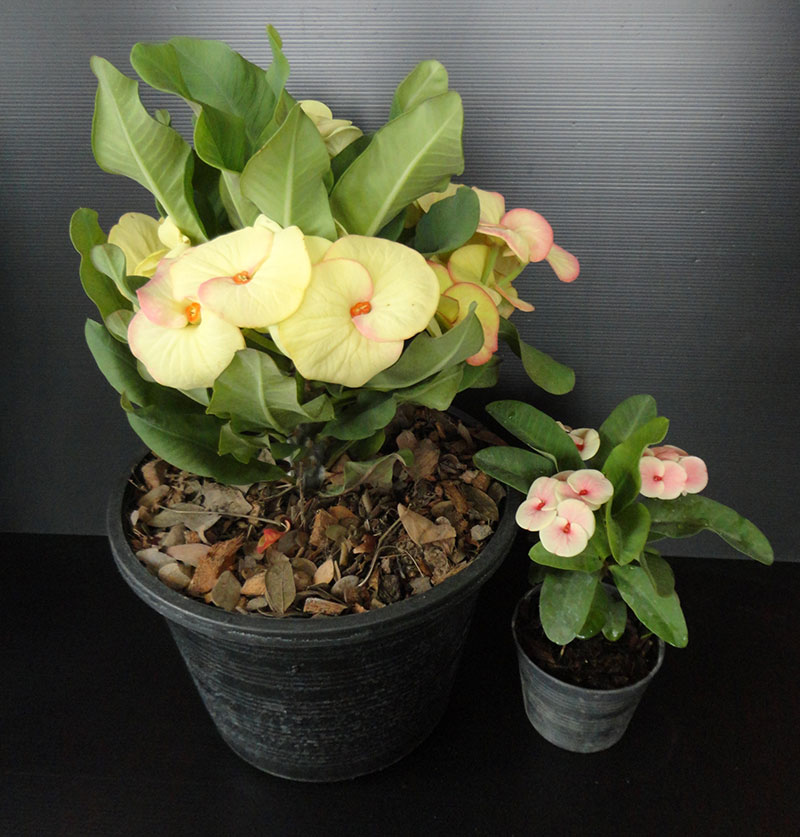
For colorful accents, a proven winner is Crown of Thorns - Euphorbia millii. New giant size flower varieties were recently selected in Thailand, and we just received a great selection, look at the colors! These plants don't mind hot sunny location at all. The more sun, the better the bloom! Small plants need regular watering until establish, then once they start developing, they will require less water.
Giant Euphorbia flowers from Thailand are 4-5 times bigger than regular flower euphorbia. Diameter of the flower is around 2". Compare giant flower to normal size - picture on the right.
Date: 26 Mar 2016
Growing Exotic Adeniums
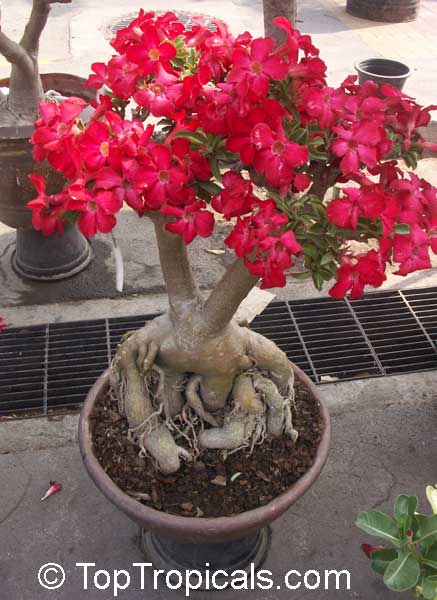
Exotic varieties of Desert Roses. Adeniums have many spectacular hybrids. The basic culture is very similar to orchids. A small pot with excellent drainage is a must. Adeniums do not like both over-watering or drying-out. There is a secret how to create a large swollen caudex: raise the plant a bit every time you re-pot it, so that the upper part of roots will be a little exposed. The plant will form more roots that will go down.
To make your plant develop a large swollen base/trunk, you'll need a good quality fertilizer. Fertilizer requirement for swelling up trunks is also used to increase flowering. It shouldn't be too high in nitrogen, the middle number should be the highest (similar to 10-50-10). Never apply fertilizer directly on roots and do not liquid feed when a plant is thirsty: always water first slightly to avoid root burn and leaf drop. Do not wet leaves. Adeniums need lots of light for heavy flowering.
Most hybrids and species start blooming in the spring when the conditions are warm and days get longer, and continue blooming through the fall and winter in warmer climates. Adeniums like a neutral to hard water. Acidic water tends to sour the soil too fast and may cause root rot. Water plants preferably in the early morning, and allow them to drink up throughout the day. Watering can be done daily to every few days. Never allow your plants to sit in a saucer of water, but don't let them to dry out too often - this causes adeniums to go into early dormancy.
Planting instructions for bare-rooted succulent plants. Position the plant in a pot, size of root system. Use only well-drained soil with high content of Perlite and/or sand (cactus mix can be used), water once and keep in warm (75-80F) place in filtered light. Do not water again until soil dries on surface. Once the plant is established and starts growing new leaves (may take a few weeks), gradually move it into brighter light. Then you can start fertilizing it.
Date: 2 Apr 2026
Skip the Egg Hunt - Start a Plant Hunt 🐰

Smokey: Finally. You’re thinking.
Read more about Smokey & Sunshine
Groundhog said long winter… and it sure felt like it. But now it is finally over, and balconies and patios are waking up again.
Easter is here, and with it comes that fresh start feeling - time to open the doors, bring plants back out, and start growing.
We made it through the cold. For northern gardeners, that is every year; for borderline zones, it is a reminder that freezes happen. That is exactly why growing in pots makes sense - you stay flexible.
Container growing is not just about pots - it is about choosing the right plants. The best options stay manageable, produce well, and handle being moved.
Let's look at what works. Start with plants that naturally stay compact and adapt well to containers. These are the ones that won’t outgrow your space and will reward you quickly. These are proven performers in containers - compact, productive, and easy to manage:
- Dwarf Condo Mango for your patio
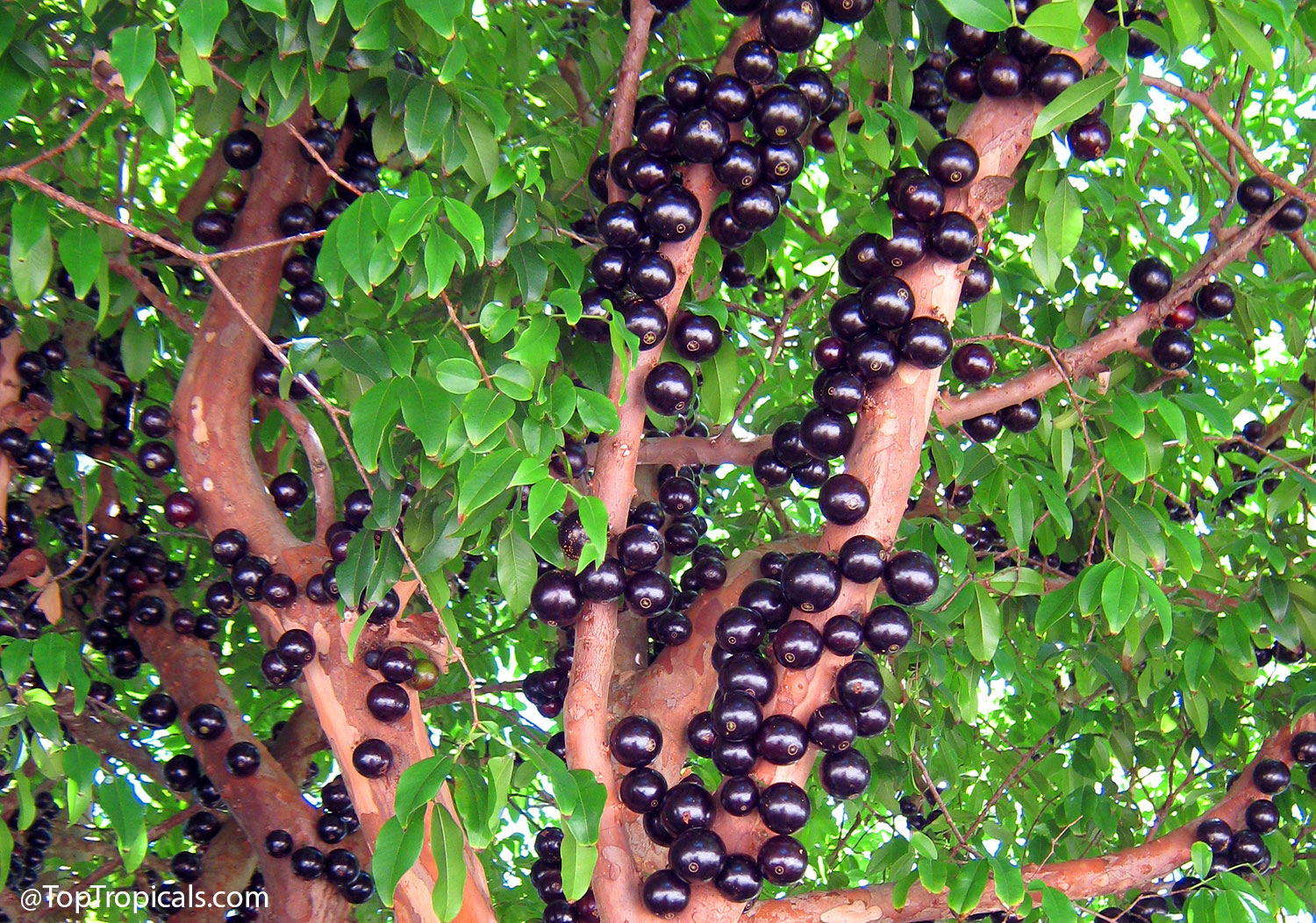
- Jaboticaba - source of Brazilian wine "Vinho Tinto de Jabuticaba"
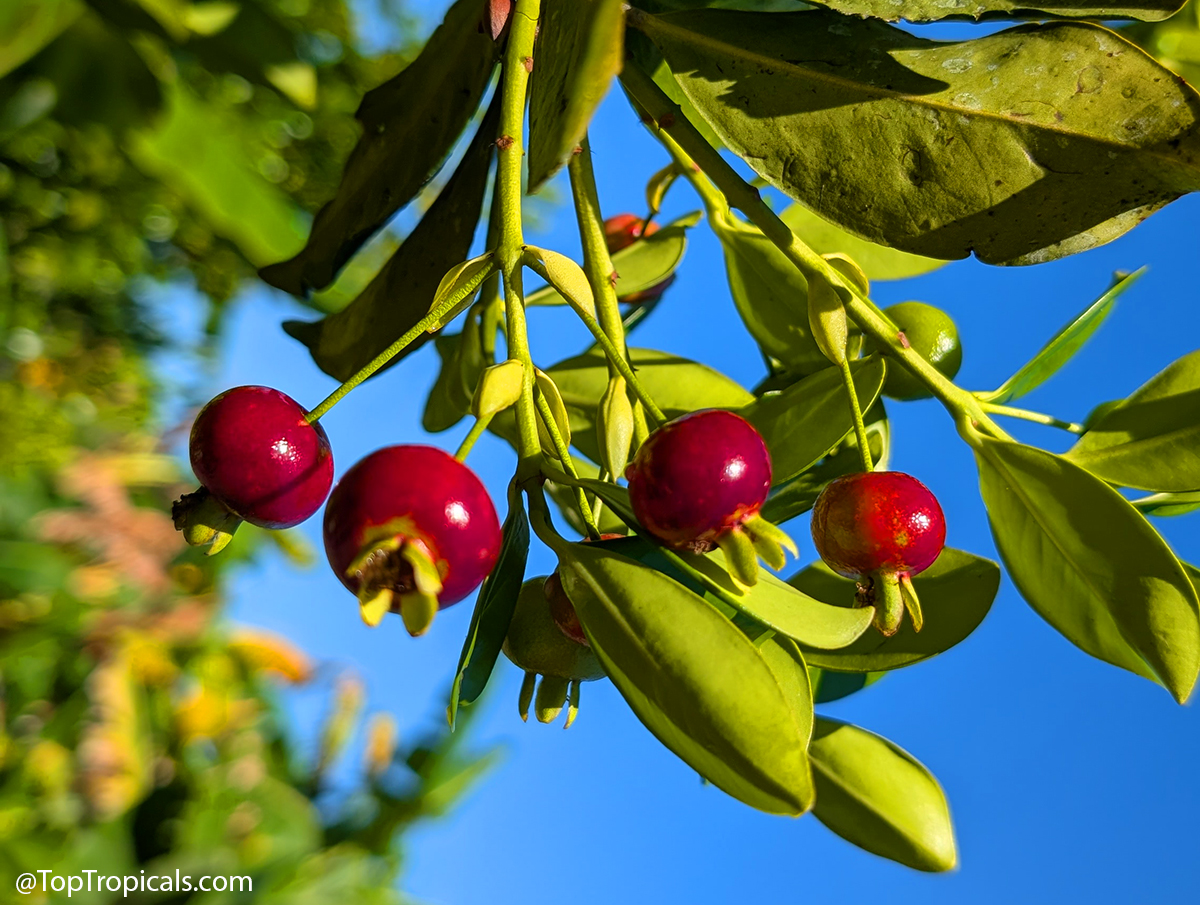
- Tropical cherries - fast-fruting Eugenias
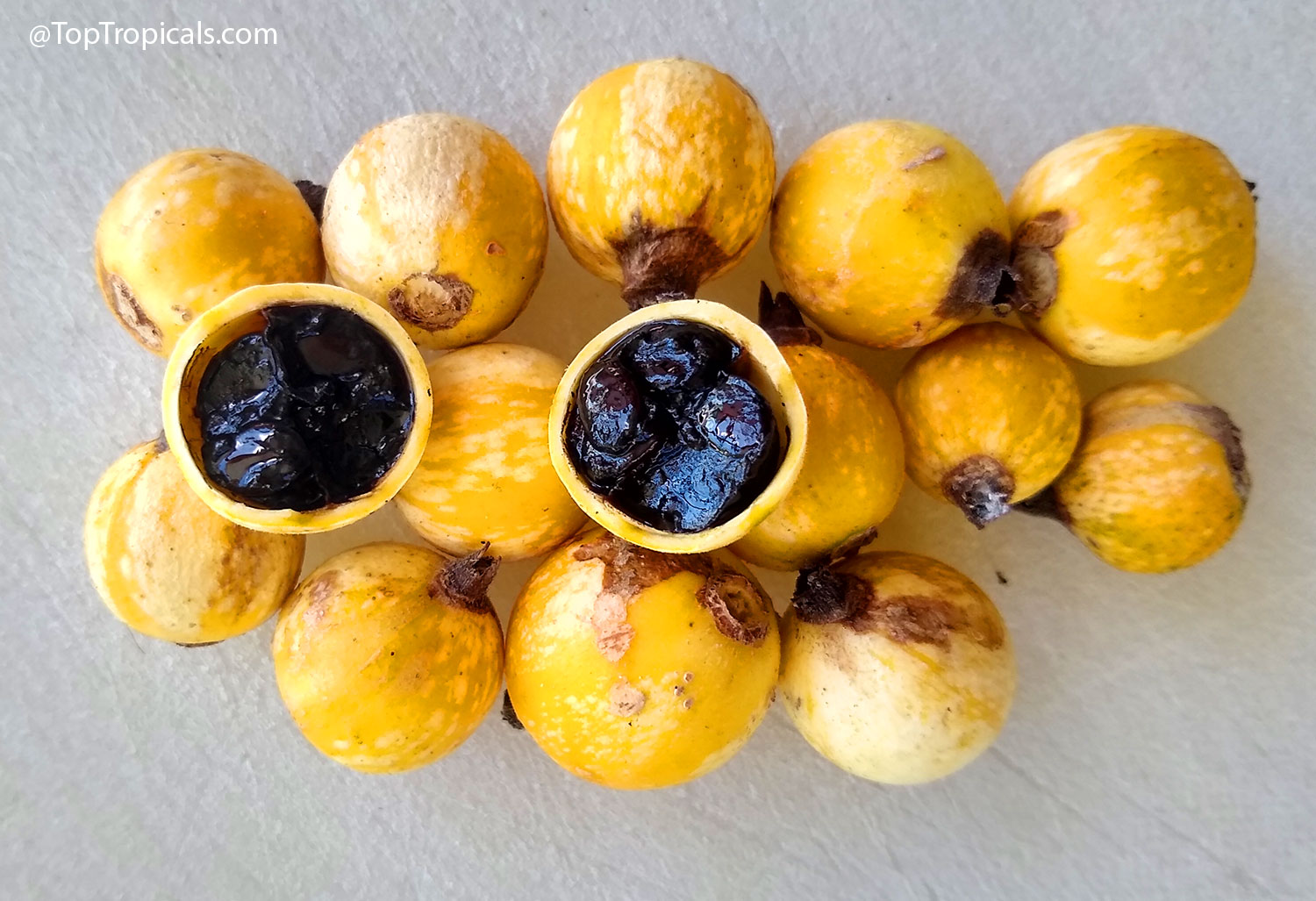
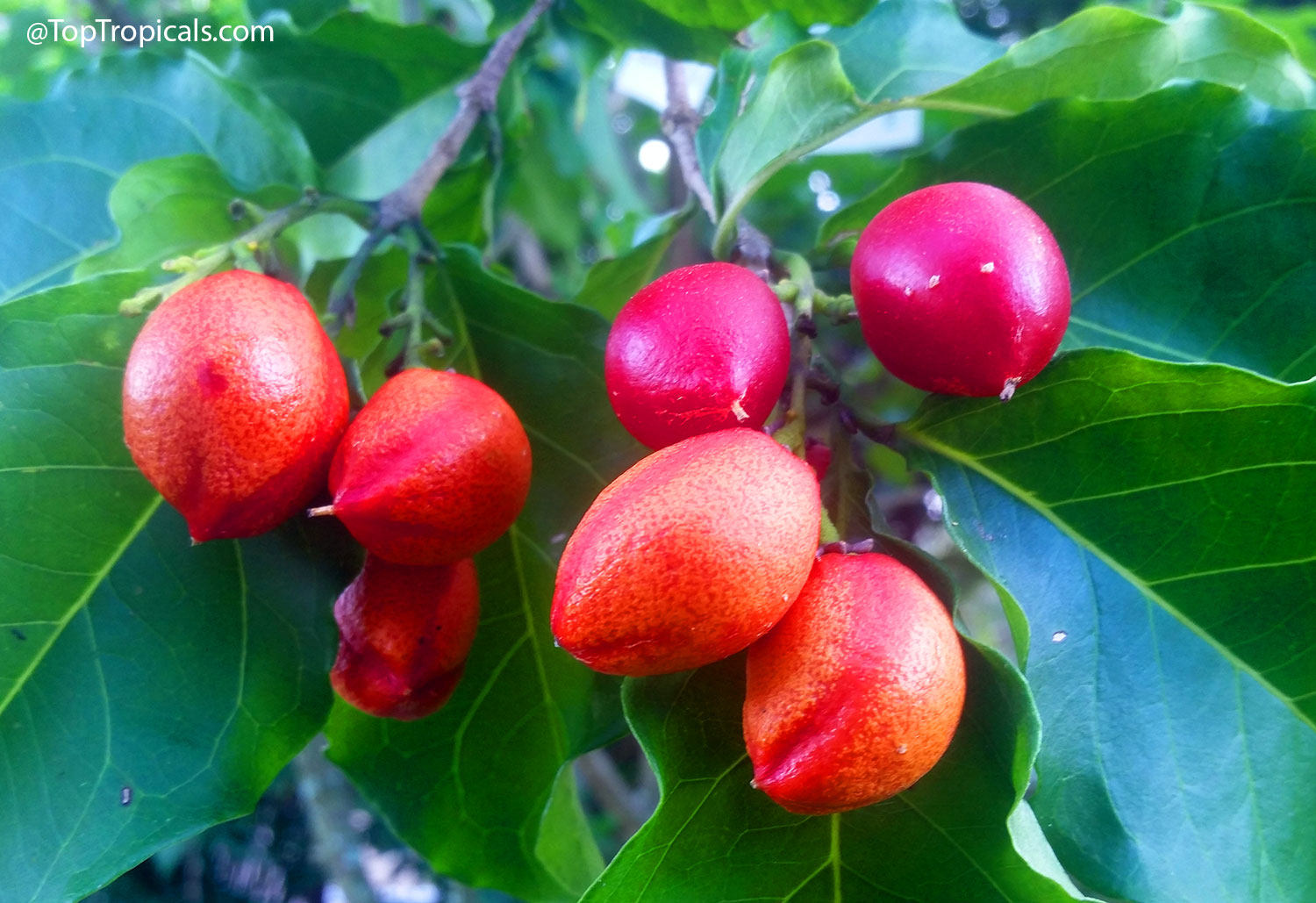
- Blackberry Jam Fruit and Peanut Butter Fruit - fun for kids and adults
- Fig Trees - compact and hardy
Simple rule: if it stays compact and handles pruning, it works in a container.
Skip the egg hunt this year - go on a plant hunt instead. Start with one or two plants this Easter - not ten. Get them established, learn how they grow, and then expand.
Container basics (keep it simple):
- Pot size: start with 3–7 gallon, upgrade as plant grows
- Soil: fast-draining mix (never heavy garden soil)
- Water: soak well, then let top inch dry
- Feeding: consistent light feeding works better than heavy doses
- Sun: most tropicals want full sun (6+ hours)
🐣 Browse our Easter Container Collection