Garden Blog - Top Tropicals

Date: 16 Jan 2022

Easy Sunday Morning Deals: Dwarf Guava Hawaiian Rainbow

Saving on your favorite plants is Easy.
Easy like Sunday Morning...


..."A ' ohe loa i ka hana a ke aloha.
Distance is ignored by love..."
- Toni Polancy -


It's time for our favorite day and another Easy stroll through Top Tropicals Garden with savings of

50% and MORE!

Put a little Aloha in your garden....
Two Exotics from Paradise

It may be cold where you are, so take a trip with us to the Hawaiian Islands. Tropical breezes, soothing ocean waves and an unbeatable selection of tropical plant treasures...
This week we bring the Aloha to you. A guava that will bring a taste of the Islands and a spectacular variety of Majestic Taro.

Dwarf Guava Hawaiian Rainbow

- Ready to fruit this year! -
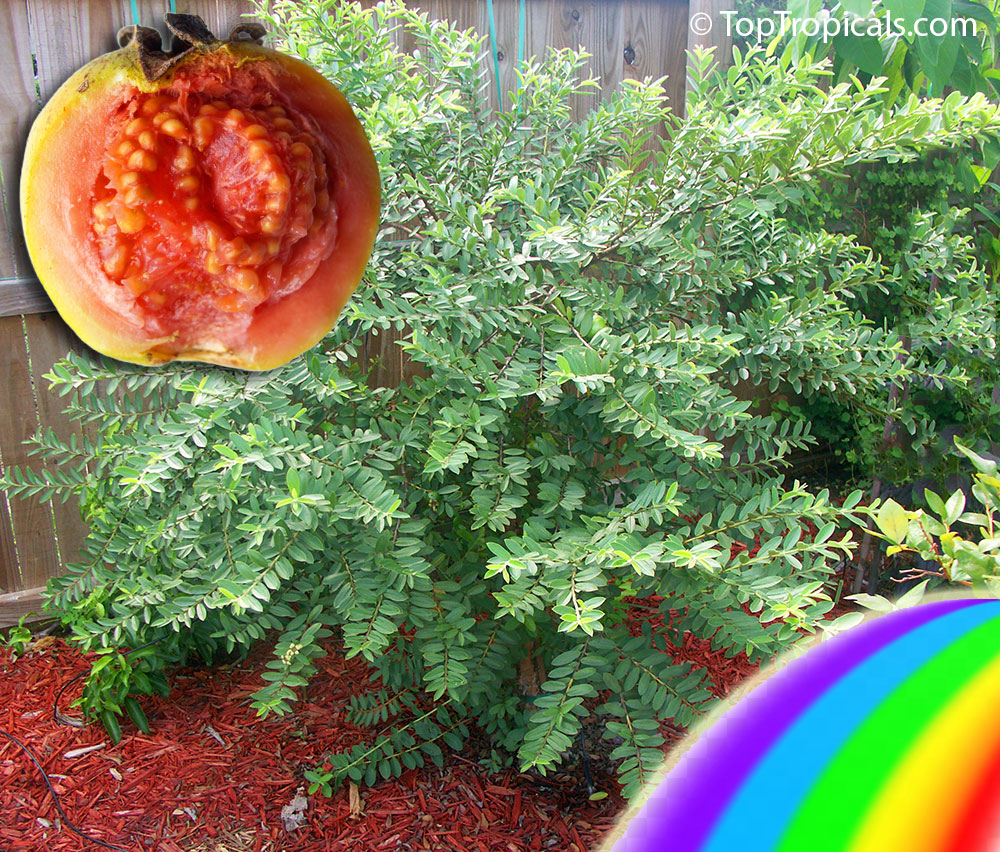
This is a very small version of the favorite aromatic Guava - Hawaiian Rainbow Nana. It grows only up to 5-6 ft tall, perfect for limited space. It can be grown in a pot and fruits heavily almost year around. The flesh is sweet, aromatic, and varies from white to yellow to pink.

Colocasia Diamond Head

- Large Developed plants! -

Diamond Head is a spectacular variety of Taro is named after the volcanic cone on the Hawaiian island of Oahu - both the cone and plant are black and lustrous! Mature plants form a well-behaved clump and reach 3 to 4 feet tall, with leaves up to 2 feet wide! A must for black plant fanatics. Grows more compact that other Colocasias and no two leaves are the same!

Colocasia Diamond Head, regularly $42.95,
is on Easy Sunday sale for only $21.48

Dwarf Guava Hawaiian Rainbow, regularly $52.95,
is on Easy Sunday Sale for only $26.48.

Combine the two for maximum Aloha and save even more:

only $42.95 for both - one plant comes FREE!

Remember, the Easy Sunday Deal expires on Monday January 17th.

Date: 17 Sep 2021

Hibiscus: TopTropicals' first plant

- September 2001 @ TopTropicals -

Q: I wonder how you started your plant business and what was your first plant?

A: It was 20 years ago this month that we started Top Tropicals Project. No idea where it was going or how to even get "there", just started with the idea of sharing these wonderful creatures we call plants with anyone and everyone who felt the same way.

Believe it or not, the first plant at TopTropicals was a hibiscus. Right before we opened our plant nursery in Florida, we ran into a place called Winn Soldani's FANCY HIBISCUS. The variety of colors inspired us to start our own tropical plant business. We asked the owner Winn Soldani: what plants do you suggest us to grow in Florida? His answer was, "Your plant will find you". Very soon we discovered jasmines, then perfume trees and fruit trees - all those became our specialty. Then very quickly TopTropicals.com turned into a large Plant Mall where you can find every tropical plant you can think of!
But at TopTropicals we still grow hibiscus!

- September 2004 @ TopTropicals -

Hibiscus Plus

Hibiscus is a wonderful plant, considering there are thousands of hybrids with color palettes you can only imagine. Especially interesting are those rare and useful species, yet very easy to grow, such as:
- Salad Hibiscus - Hibiscus furcellatus - yes, used in salads
- Coral Hibiscus with crazy pendant flowers - Hibiscus schizopetalus
- African Cranberry hibiscus that is used for making teas and salads - Hibiscus acetocella
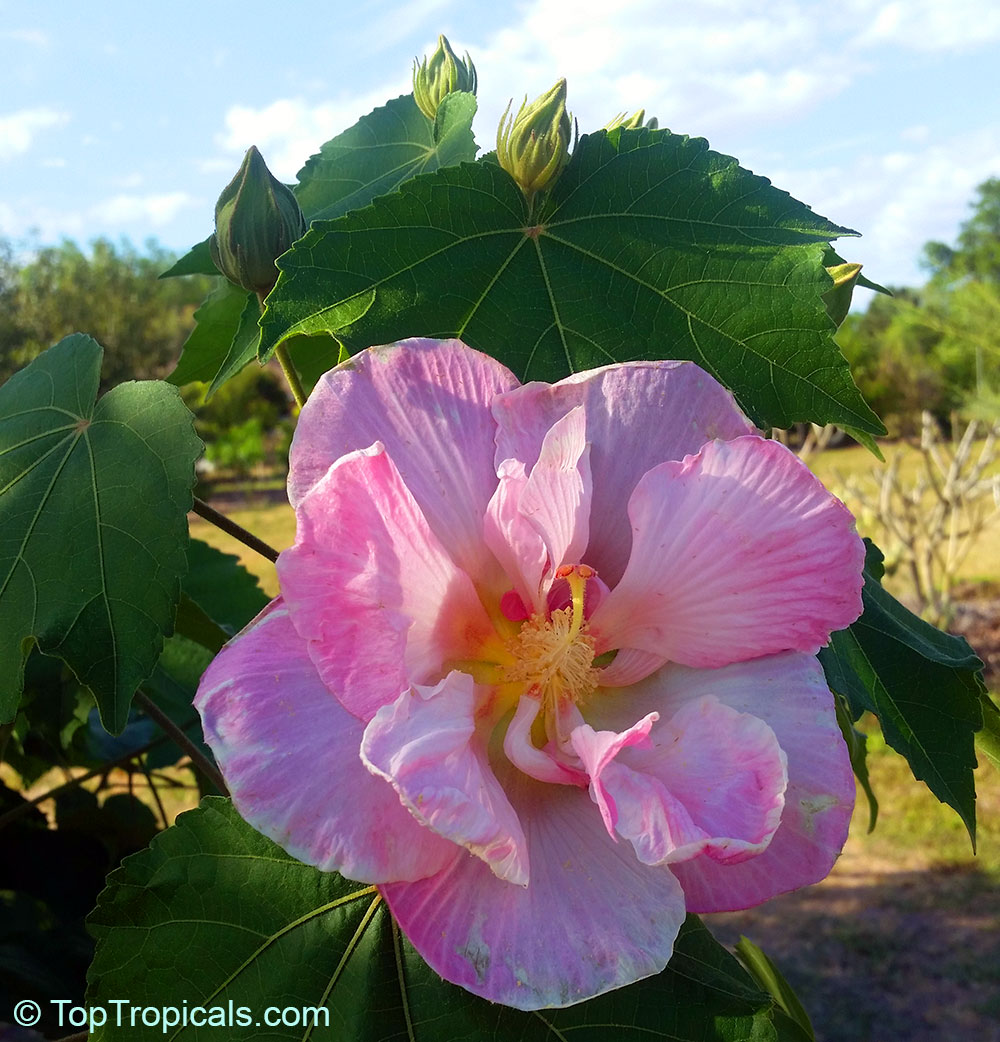
- Cotton Candy Hibiscus mutabilis - the flower changes color, opens as white and turns into bright pink within 3 days, like Yesterday-Today-Tomorrow

Photo above: Hibiscus mutabilis Cotton Candy

Care of Hibiscus and other flowering tropicals

"If your plant isn't flowering, feed it."
- Winn Soldani, Fancy Hibiscus -

Among gardeners, Hibiscus plants have a reputation to have couple maintenance issues:
1) they can get bugsy (because they must be so tasty!)
2) they can get leggy, especially fancy grafted cultivars, and after a while they don't look as perfect as when they came from a nursery.

4 tips for healthy and pretty hibiscus plant

1. Full sun. Essential for profuse flowering and keeps away diseases.
2. Pruning. Keep it pruned and it will get bushy and produce more blooms.
3. Well-drained soil. Hibiscus likes regular watering but hates wet feet.
4. Nutrition program. Hibiscus plants are heavy feeders. But keep in mind that if you just keep pushing granulated plant food, you can over-fertilize the plant. Excessive salts will accumulate in soil and you will end up with a sickly looking plant.

Keys to balanced plant food and bloom booster

1) Use liquid fertilizer, preferably amino acid based, it won't create nutrients lock up
2) Fertilize on regular basis, it's better dilute concentration and add food with every watering
3) Always add micro-elements - they are essential for plant health

If you do this part right, the result will be:
- healthy, green plants, like they just came from a nursery
- reliable blooming circle
- better cold tolerance and disease resistance. Remember that a strong plant will be less stressed and less "bugged" by bugs!

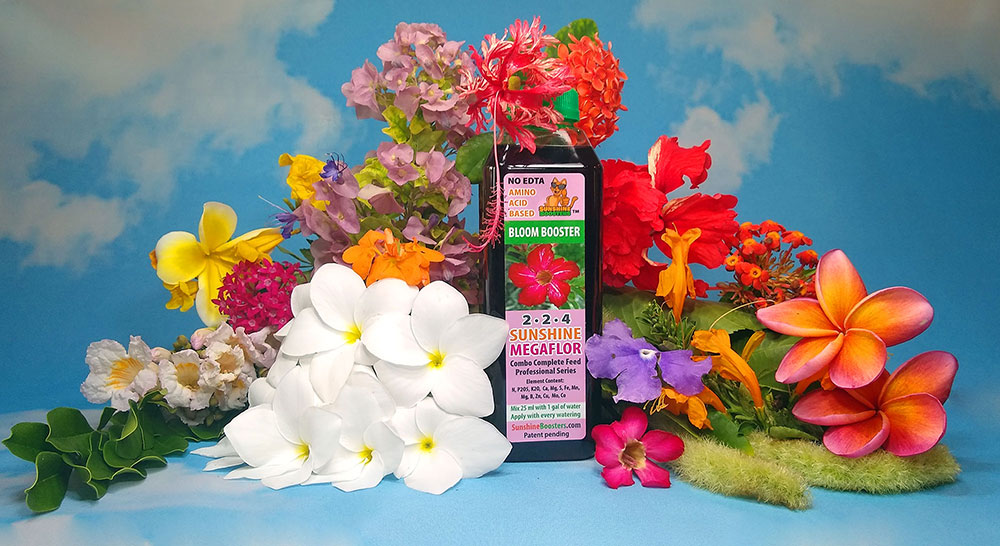
We always suggest Sunshine Boosters - scientifically balanced liquid fertilizers that are amino acid based = they are natural and organic, can be used for both flowers and edibles, and what's most important - year around. They are safe to use virtually with every watering.

This is all you need for healthy plants and lots of flowers!

Date: 24 Jul 2021

Planting during hot summer

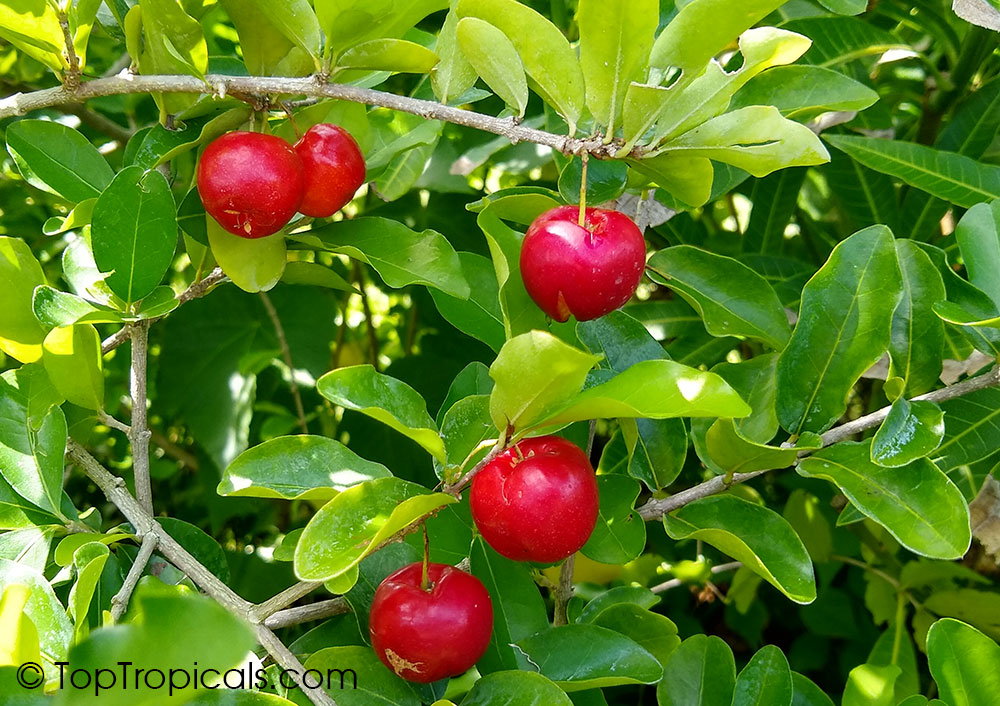
In the photo: Malpighia glabra - Barbados Cherry, Acerola

Q: We just moved to Florida from New York. The weather is so hot and I wonder if I should wait till Fall to plant my garden? I tried to plant some seeds of annuals but nothing grew, just weeds. I also planted tomato seeds, they germinated but died in few days. What am I doing wrong?

A: Growing from seeds during hot season can be tricky. Here in Florida, we still can grow anuals and vegetables from seeds, but only during winter season. Annuals and tomatoes need cooler temperatures and protection from rain water which we have in abundance during summer. Combination hot + wet can kill those seedlings. On the other hand, seeds of tropical species love the heat and humidity, and germinate in no time, they just require a little experience.
However, Summer is a perfect time to plant and establish starter plants in your garden.

Five advantages of summer planting

1. Root growth. High temperatures promote rapid root growth - this is one secrets of a plant nursery. If you grow plants in pots, putting a pot on top of black ground cover will increase the effect, and the roots will grow even faster than the tops! This is a great head start for a plant. Make sure to provide adequate watering.
2. Fast development. With bright sun and longest day light, photosynthesis is more efficient. In simple words, during hot summer tropical plants have faster metabolism, they produce cells faster and grow leaves and stems faster.
3. Bugs be gone. Bright sun in combination with good air circulation will help to stay away from insects, leaf fungus, and other diseases.
4. Fertilizing can be generous and will be most efficient. In summer, there is less chance to overdose, as plant food is consumed fast, and summer rains help to prevent nutrient lock up in soil.
5. Rain water works like magic. Rainy season in Florida is our blessing. It can not be replaced by sprinklers or even daily hose water. Rain penetrates evenly and saturates not only a root ball but also the surrounding area that gives room to spread even bigger roots. Rain water also works like a "flush" to rinse off all excessive salts that may build up in soil.

As a result, plants will establish faster and grow bigger before winter, which will give them a better chance to survive possible cold spells.

Plant in summer and watch plants grow healthy and happy every day!

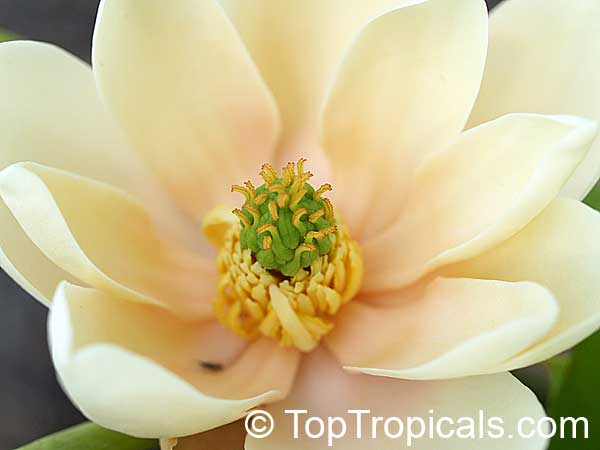
In the photo: Magnolia virginiana - Sweet Bay

Date: 29 Sep 2020

Shipping Tropical Plants Worldwide

Q: We are very interested in introducing frost-hardy avocado varieties into Switzerland. We would really, really like to have our own avocados in our garden. And we believe that the plants have a large sales market here. Do you see a way to send some plants to Switzerland? Which varieties would you recommend, which are the cold-hardiest?

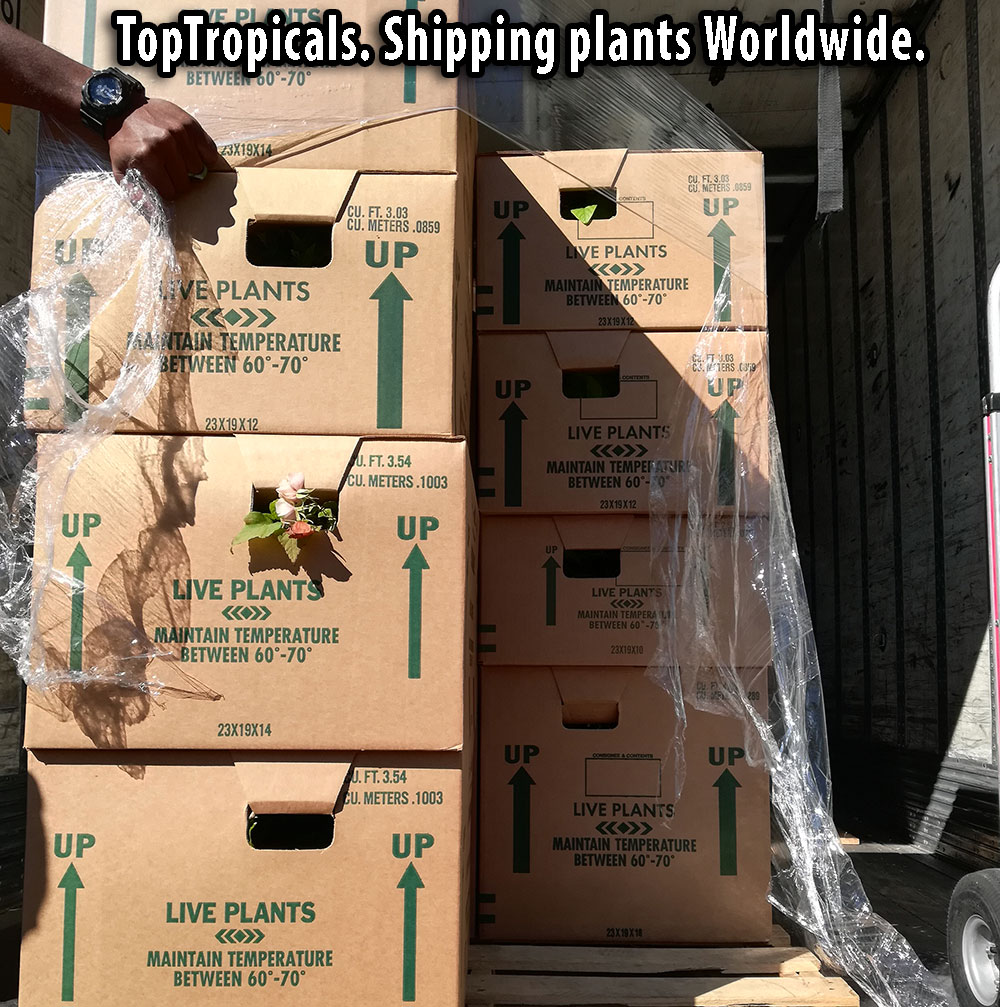
A: Yes, we do ship plants all over the world, including Europe. For basic information on international shipping, please refer to these guidelines. Shipping plants internationally is a bit complex procedure, however we have over 17 years experience with that and you came to the right place. For a quote on shipping cost and to make sure you get all the necessary paperwork, contact our international department direct number 239-771-8082 or email us .

Regarding your questions about Avocado varieties:
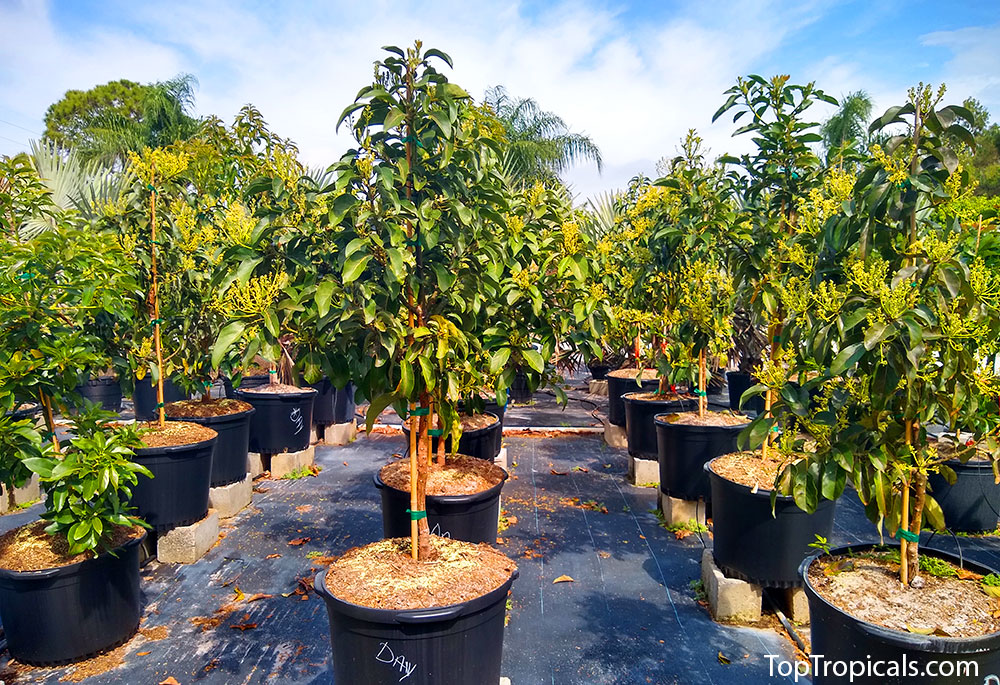
First, please take a look at Cold hardy Avocado varieties guide pdf file. The most cold hardy varieties like Brazos Belle, Fantastic, Joey, Lila, Poncho, Winter Mexican - can take short period of light freeze as long as they well established. This means, for the first year or two you need to protect them from freeze. Keep in mind that if you have hard freeze every night for several weeks, then even cold-hardy Avocados must be grown with cold protection. It is possible to do by creating a greenhouse/conservatory around plants in the ground, see example from one of our customers in Virginia. Even better - grow them in large pots. This way plants will be easier to handle and move around as needed. See the photo above of avocado production in pots.

Date: 12 Jul 2020

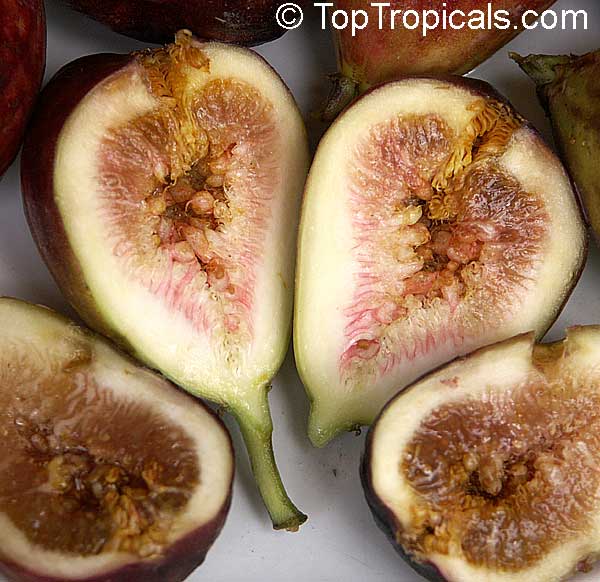
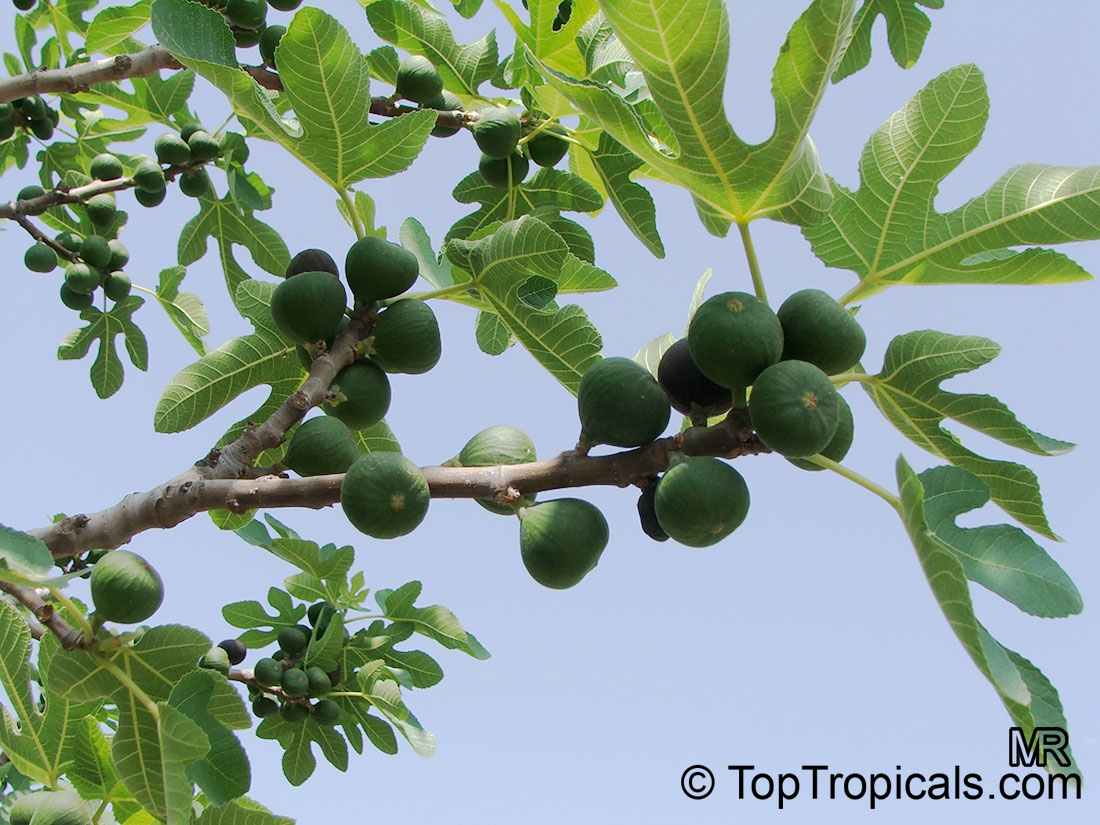
Delicious Turkish Brown Fig

by Onika Amell, tropical plant expert

...Did you know that figs were among the very first plants grown in the hot and arid Middle East? Fast growing and utterly delicious, they soon made their way all over the Mediterranean, transported aboard ships and on the backs of camels...
If you are a fig lover, you may be tempted to grow your own. Market-bought figs are never as good and tasty as your own, homegrown figs. They just simply do not keep well in supermarkets. Fast growing, undemanding and low maintenance, figs will bear fruit in just two years, often bearing two crops in a year. Another plus is that they are not bothered by too many pests and are self-fertile. Apart from the delicious fruit, any fig tree will add beauty and shade to a garden...

CONTINUE READING >>

Read more about fig trees:

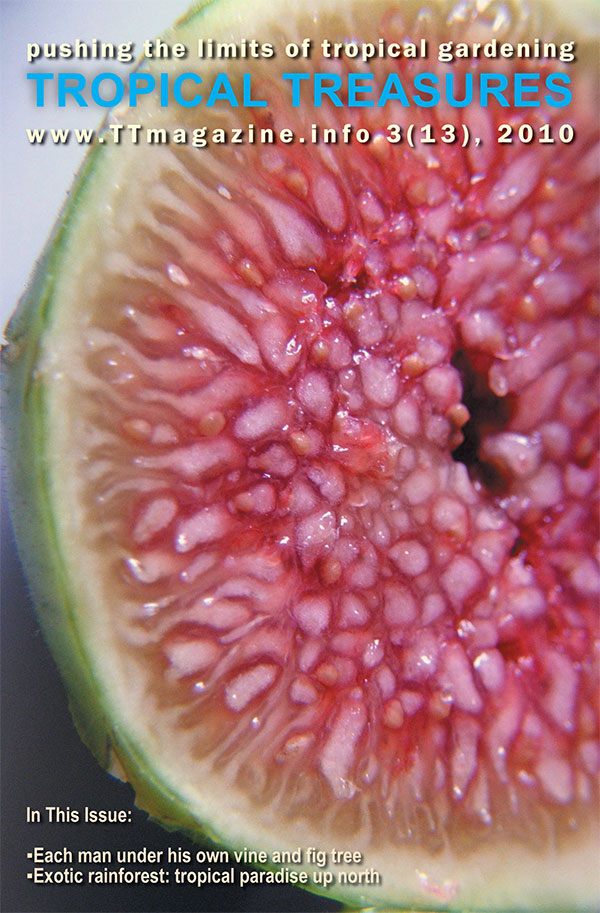
Tropical Treasure magazine # 13 (3) 2010:
- Hard copy
- PDF Download