Date: 6 Feb 2026
💘Rooted love lasts longer than flowers
Smokey: Nope. Heart-shaped hoya. Flowers fade. Plants stay.
Sunshine: Alright. One for my Valentine. One for me, with coffee.
💖 Sweetheart Hoya: a Valentine gift that lasts
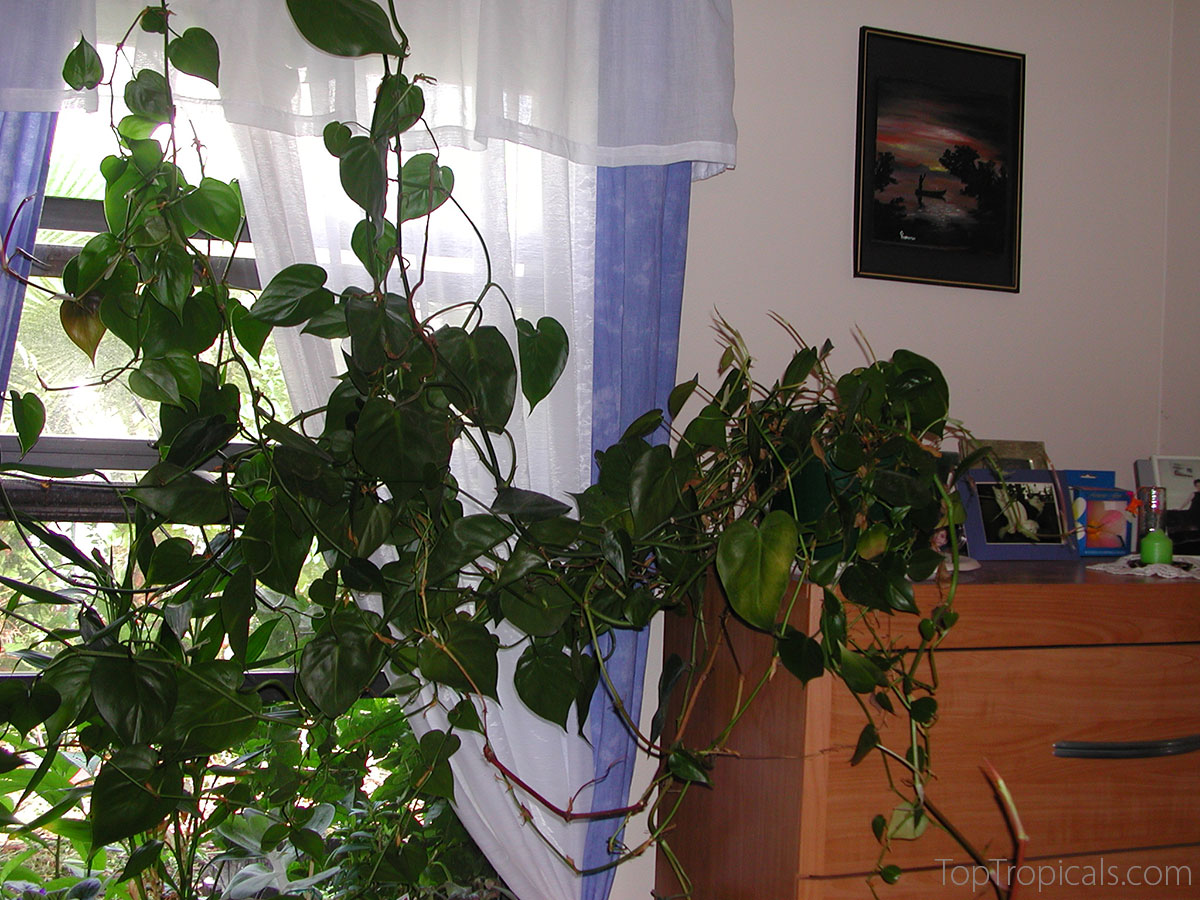
Sweetheart Hoya (Hoya kerrii) has thick, heart-shaped leaves and a compact form that fits easily on a windowsill, desk, or shelf. It does not need constant attention, bright sun, or frequent watering. In fact, it prefers a lighter touch.
This is a plant that works well indoors, grows slowly, and forgives missed waterings. It is comfortable in normal home conditions and does not require special tools or experience. That makes it a good gift not only for plant lovers, but also for people who have never kept a houseplant before.
Unlike flowers, it does not come with an expiration date. It becomes part of daily life and stays there quietly, doing its job. Over time, it feels less like a purchase and more like something chosen with intention.
For Valentines Day, Sweetheart Hoya is a simple, lasting way to give something real.
Sweetheart Hoya care: quick how-to
- Light: Bright window light is ideal. Avoid harsh, hot direct sun.
- Water: Let the potting mix dry between waterings. When you water, water thoroughly, then let it drain.
- Feeding: Light feeding during active growth helps. A balanced fertilizer like Sunshine™ Robusta keeps growth steady and leaves healthy.
- Pace: Slow-growing and patient. Do not overwater or overpot.
❓Sweetheart Hoya: quick FAQ
- Is it good for beginners? Yes. It is forgiving and does not need constant attention.
- Can it live indoors year-round? Yes, in bright indoor light and normal home conditions.
- Does it need flowers to be special? No. The heart-shaped leaves are the main feature.
- Learn more: What is the best Valentines Day gift that actually lasts?
Date: 7 Feb 2026
How to grow an Avocado tree on your patio
Yes, you can grow an Avocado tree on your patio - here is how to do it right
- If you would love to grow your own avocado but don’t have a big yard, good news - avocado trees can grow very well in containers. Compact or dwarf varieties, often called condo avocados, are especially suited for pots, patios, balconies, and even indoor growing near a sunny window.
Pick a compact avocado variety
Choosing the right variety is the most important step. Standard avocado trees grow very large, but condo or compact varieties stay much smaller and adapt well to containers.
Good choices for pots include:
· Wurtz (Little Cado) - a true dwarf, perfect for containers
- · Fuerte - a semi-dwarf that stays manageable with pruning
- · Joey - naturally compact and easy to keep smaller
Choose the right pot
Start with a pot about 12 inches wide (around 5 gallons). This size is easier to water correctly and helps prevent root rot. Avoid planting a small tree into a very large pot too soon.
As the tree grows, move up gradually. A mature potted avocado will need an 18- to 24-inch container. Repot every couple of years when roots show through drainage holes.
Always use a pot with excellent drainage.
Use well-draining soil
Avocados love water but hate wet feet. Use a loose, fast-draining mix, such as Abundance Professional Soilless Mix. You can improve drainage by adding perlite or coarse sand. Avoid heavy garden soil.
Water deeply, but not too often.
Water thoroughly, then let the soil dry before watering again. Always check moisture first. In summer, watering may be needed once or twice a week; in cooler weather, much less.
Overwatering is the fastest way to kill a potted avocado.
Give plenty of sun
Avocado trees need at least 6 to 8 hours of full sun daily. Outdoors is best, but indoors place the tree near a bright south- or west-facing window. Grow lights can help if light is limited.
Fertilize and prune
Feed during the growing season with a balanced fertilizer such as Green Magic (every 6 months) or liquid Sunshine Boosters (safe to use with every watering, year-around). Prune lightly to keep the tree compact and well-shaped.
Protect from cold
Most Avocados are sensitive to hard freeze. When temperatures drop below 35F, move the pot indoors or into a protected space. Reduce watering in winter as growth slows.
Cold hardy varieties can take cooler temperatures down to 18F once established. For example, Joey is both cold hardy and dwarf - perfect choice.
Final thoughts
Growing an avocado tree in a pot is practical and rewarding. With good drainage, sun, careful watering, and the right variety, you can enjoy homegrown avocados even without a yard.
Small space? No problem. Just think condo avocado. According to Southern Living, Lemons can be grown in pots - and so can Avocados!
✔️ Check outAvocado Variety Guide interactive chart. Sort them by flower type A or B, tree habit, fruit shape and quality, cold hardiness, origin, season and more!
🛒 Explore Avocado varieties and Dwarf Avocado
📖 Our Book: Avocado Variety Guide, Snack or Guacamole?
- ·
📚 Learn more:
- · Avocado Variety Guide
- · Posts about #Avocado
- · Avocado tree (Persea americana) in Plant Encyclopedia
- · How to grow tropical fruit outside the Tropics
- · What is so unique about Wurtz avocado?
- · How to protect Avocado from cold and how hardy is it?
- · Avocado that laughs at frost: Mexicola Grande for cooler climates
- · Cold hardy Avocado Joey - you eat it with the skin
- · Cold-hardy avocados: how cold-hardy are they?
🎥 What is a Dwarf Condo Avocado that fruits at 3 ft tall? 📱
#Food_Forest #Avocado
🟢 Join 👉 TopTropicals
Date: 12 Mar 2026
How to learn the secret meanings behind Thai flower names
If you have ever looked at names of Adeniums or Plumerias from Thailand, you may have noticed something interesting. Many of them sound poetic, mysterious, or even magical. That is not accidental.
Thai plant breeders often give their hybrids meaningful names connected to jewels, wealth, beauty, and mythology. Instead of simple numbers or codes, the plants receive names that sound like something from a legend - Jade Swan, Golden Lotus, Rainbow Diamond.
Once you learn a few common Thai words, these names suddenly start to make sense. It is almost like decoding a secret language of flowers.
Below are some of the most common words you will see in Thai plant names.
🔠 Glossary of common Thai words used in plant names
Gems and precious stones 💎
Anyamanee - precious jewel or rare gem.
Gaew / Kaew - crystal or glass-like jewel.
Manee - jewel or gemstone. A classic word in elegant Thai names.
Noppakao - nine gems, a symbol of royal power and prosperity.
Petch - diamond. Symbol of brilliance and beauty.
Ploy - gem or precious stone. Often used for plants considered rare or jewel-like.
Yok - jade.
Wealth, luck, and prosperity 💰
Boon - merit, blessing, good karma.
Chok - luck or good fortune.
Kanjana / Kanjamapon - golden or noble.
Mongkol - auspicious or lucky.
Paruay / Pa Ruay - to become wealthy or prosperous.
Ramruay - to become rich or prosperous.
Sap / Sab - wealth or treasure.
Sedthee - wealthy person.
Tawee / Taweechok - to increase or multiply.
Thong - gold.
Yod - the best, the peak, or the finest.
Mythology and cultural symbolism 🐉
Bua - lotus.
Chai / Chai Lai - victory or triumph.
Hassadee - derived from the mythical Hatsadiling, an elephant-bird creature in Thai mythology.
Hong - mythical swan or phoenix.
Jai - heart or spirit.
Maha - great or grand.
Moradok - heritage, treasure, or legacy.
Orathai - heart of Thailand or beloved Thai.
Pratum / Pratuma - lotus blossom.
Siam - Thailand, the historic name of the country.
Colors and visual descriptions 🎨
Chompoo - pink color.
Lai - patterned or striped.
Lueng - yellow.
Moung / Muang - purple color.
Nature and poetic imagery
Chaba - hibiscus flower.
Dao - star.
Doung - heart, soul, or central essence.
Fah - sky. Example: Sai Fah - sky-colored.
Nam - water.
Namwhan - sweet water or sweetness.
Natee - river or flowing water.
Sai - thread, line, or ray.
Sairung - rainbow.
Sang Aroon - dawn or sunrise.
Suree - sun or sunlight.
🌸 Examples of plant names built from these words
Once you know the meanings, the names start to read like short poems.
Hong Yok - Jade Swan
Ploy Nappan - Celestial Jewel
Thong Hassadee - Golden Mythical Elephant
Ped Sairung - Rainbow Diamond
Som Paruay - Golden Prosperity
Sai Fah - Sky Blue
Pratum Thong - Golden Lotus
Ramruay - Becoming Rich
Chok Dee - Good Luck
Thong Yod - Peak of Gold
You will see these words frequently in the names of Thai-bred Adeniums, Plumerias, Orchids, and other tropical flowers. Once you recognize them, plant names become much easier - and more fun - to understand.
🛒 Explore Exotic Thai Adeniums
📚 Learn more:
- · About #Adenium Rainbow - fantastic varieties
- · How to grow a happy Adenium
- · The First Video of Exotic Adenium Hybrids
#Container_Garden #Adeniums #Horoscope #How_to #Discover
🟢 Join 👉 TopTropicals
Date: 22 Sep 2025
Dragon Fruit Plant Care – Tips
from the Garden Expert
Dragon fruit is one of those plants that look exotic but are surprisingly easy once you know the basics. Here is what works best in the garden:
- Soil: They hate wet feet. A sandy, fast-draining soilless-mix is your friend. If water sits around the roots, rot comes fast.
- Watering: Deep watering is better than frequent sips. Let the soil dry between waterings. In rainy season they cope well, but in pots you need to be careful.
- Sunlight: Full sun is great, but in very hot places a touch of afternoon shade keeps them happy.
- Support: They are natural climbers. A wooden post, concrete pole, or trellis will give them something to grab and makes harvest easier.
- Fertilizer: Feed lightly but often. A gentle liquid like Sunshine C-Cibus liquid booster with every watering, or Green Magic controlled release fertilizer every 5-6 months. It encourages strong roots, lush growth, and lots of flowers.
- Pruning: Trim off tangled or weak stems. This guides energy into strong branches that will flower and fruit.
Think of it as training a cactus vine into a small tree. Once it settles in, it almost takes care of itself — and pays back with fruit you can’t buy in stores.
🌱 Dragon Fruit Plant Care – Outdoors and Indoors
Outdoors: Dragon fruit thrives in USDA Zones 10–11 year-round. In warm regions like Florida, Texas, California, and Hawaii, you can grow it outside in the ground. Give it fast-draining soil, full sun with a little afternoon shade in the hottest months, and a sturdy trellis or post to climb. Deep watering with drying periods in between keeps roots healthy. A yearly pruning shapes the plant and boosts flowering.
Indoors or Patio Pots: Gardeners in cooler zones can still enjoy dragon fruit in containers. Use a large pot with sandy, well-draining mix or soilless-mix and a pole for support. Place the pot in the brightest spot — a greenhouse, sunroom, or patio that gets 6+ hours of light daily. Move pots inside when temperatures drop below 40F. Even indoors, a healthy plant can bloom and fruit if it has enough light and warmth.
❓ Dragon Fruit FAQ
How soon will a dragon fruit start producing?
Cuttings can flower and fruit in as little as 2–3 years. Seed-grown plants take longer, often 4–6 years. Large developed specimens can start flowering and fruiting within a year or even the same season.
Do I need more than one plant for pollination?
Some varieties are self-fertile, others need a second plant for cross-pollination. Even self-fertile types usually set more fruit with a partner nearby.
How big do they get?
In the ground, dragon fruit can climb 15–20 ft if you let it. With pruning and a trellis, you can keep it shaped like a small tree, 6–8 ft tall.
Can I grow it in a pot?
Yes. A large container with sandy mix or soilless-mix and a pole for climbing works well. Indoors it will need bright light or a grow lamp.
What does a dragon fruit taste like?
Sweet and juicy, like a blend of blackberry and raspberry. Varieties differ: flesh can be white, pink, deep red, or purple, wrapped in skins of red, pink, or yellow. White flesh is mild and refreshing, red flesh is sweeter, and yellow flesh is the sweetest with a honey-pineapple flavor.
What zones can I grow dragon fruit outside?
USDA Zones 10–11 are best for year-round outdoor planting. In cooler areas, grow it in containers and bring inside for winter.
How often should I water?
Deep water, then let the soil dry. Too much water causes root rot. Think “desert cactus with a taste for rain.”
Is dragon fruit easy to grow?
Yes. Pitayas grow like cactus trees on strong supports, but they are easy to care for — little water, sun or semi-shade, and they thrive.
How long do they live?
A healthy dragon fruit cactus can produce for 10 years or more with proper care.
What are the health benefits?
Dragon fruit is high in fiber, supports digestion, and is low in calories. It is rich in antioxidants and vitamin C, making it good for immunity and overall wellness. Many gardeners enjoy it as a healthy snack or in smoothies.
Date: 22 Sep 2025
When do I get the fruit from my Dragon Fruit?
Dragon fruit varieties
🍉 When do I get the fruit from my Dragon Fruit?
- 🌵Dragon Fruit (Pitaya) is one of the most rewarding exotic fruits to grow. Sweet pulp, striking looks, and plenty of health benefits make it a favorite. You'll see it in three main types: white-fleshed (Hylocereus undatus), red-fleshed (Hylocereus costaricensis), and yellow-skinned (Hylocereus, or Selenicereus megalanthus).
- 🌵Don't want to wait years for fruit? Here’s the good news: unlike many tropical trees that test your patience, dragon fruit is a fast-fruiting, easy-going cactus. With the right care, you can harvest in just 1-2 years from a cutting - or even the same season if you plant a well-established specimen.
🌵 How to get Dragon Fruit faster
- Give it strong support - trellis, fence, or post. This cactus loves to climb.
- Full sun and good drainage - sandy or well-draining soil works best.
- Smart watering - water deeply in hot weather, then let the soil dry. Dragon fruit loves water during active summer growth, but remember it's still a cactus - don’t keep soil soggy.
- Pollination matters - flowers open at night. Some varieties are self-fertile, but planting a few different types boosts fruit set. This is why it helps to keep several varieties close together.
- Feed well - use organic liquid fertilizers like Sunshine Boosters C-Cibus with every watering, or Green Magic controlled-release fertilizer every 6 months.
With these steps, dragon fruit quickly rewards you with flowers, followed by colorful, delicious fruit. Few exotics are this easy - or this fast!
🛒 Start your fast-growing Dragon Fruit production
📚 Learn more:
- · Pitaya vs Dragon fruit - what is the difference and how to grow it. Varieties.
- · The secret to abundant dragon fruit harvests
- · How to grow Dragon Fruit from a cutting - Quick Guide
- · How to grow Dragon Fruit 📱
- · Planting your own Dragon Fruit plantation
- · Do-It-Yourself Support Structure for Dragon Fruit
- · Grow Your Own Exotic Dragon Fruit Garden
- · Top 10 fruit you'll ever need for your health benefits: Dragon fruit
- · What does Dragon Fruit Flower look like?
- · Why you need to grow your own dragon fruit
- · Do red, white and yellow Dragon fruit taste differently?
- · What to do with a lot of Dragon Fruit
#Food_Forest #How_to #Dragon_Fruit
🟢 Join 👉 TopTropicals