Garden Blog - Top Tropicals

Date: 9 Apr 2024

How to start a tropical garden?
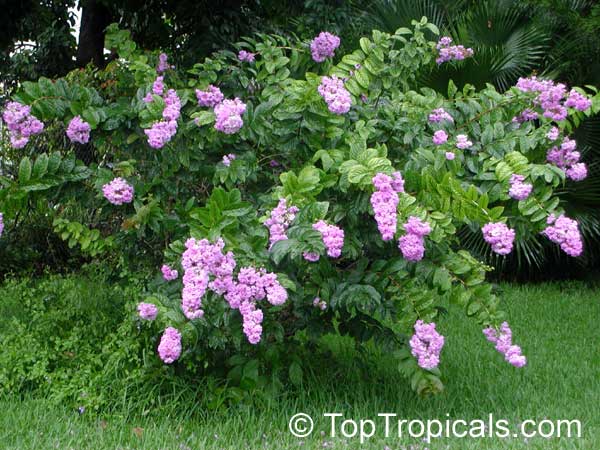
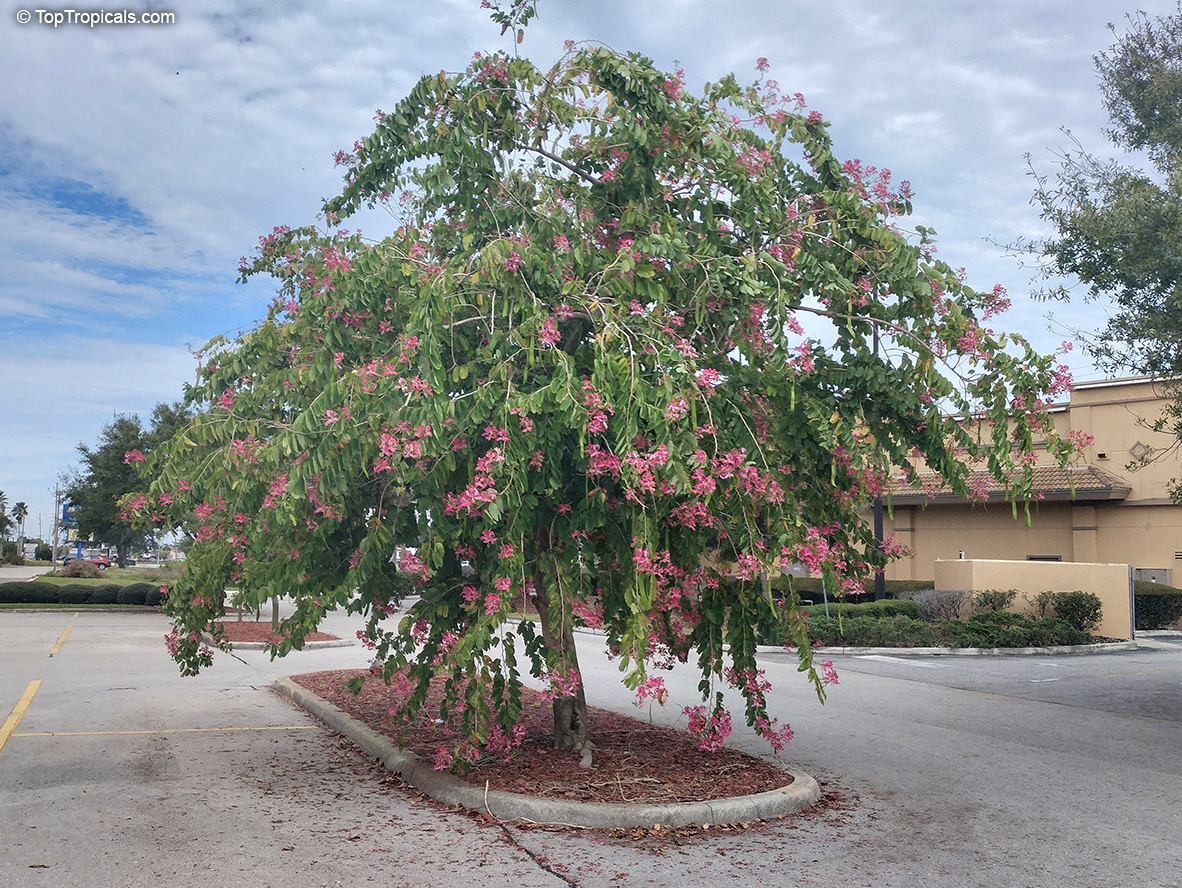
Lagerstroemia

Photo above: Lagerstroemia speciosa - Queen Crape Myrtle. Gorgeous flowering tree with cascades of lilac flowers. One of the most popular trees in Southern gardens.

Q: It's spring, finally! I can't wait to plant my paradise garden with lots of tropical flowers. We moved into a nice new house but the yard has nothing but grass. Where do I start?

A: When you start your garden from scratch, you need to plant your trees first. It's a perfect timing!
Getting tropical flowering trees now is really important for making your garden strong and beautiful. Trees are like the bones of your garden, giving it shape and shade. If you plant them in spring, they have enough time to grow strong roots before winter. This helps them survive better.
Trees also give shade to other plants so they can grow well too. It's like building a house - you need to start with the frame before adding other parts. So, it's a good idea to get those trees now before moving on to shrubs and vines.
Remember to provide regular fertilizing program which is the most important during season of active growth. The more food your tree gets, the stronger and faster it grows! For flowering trees, we recommend Sunshine Boosters Megaflor formula.
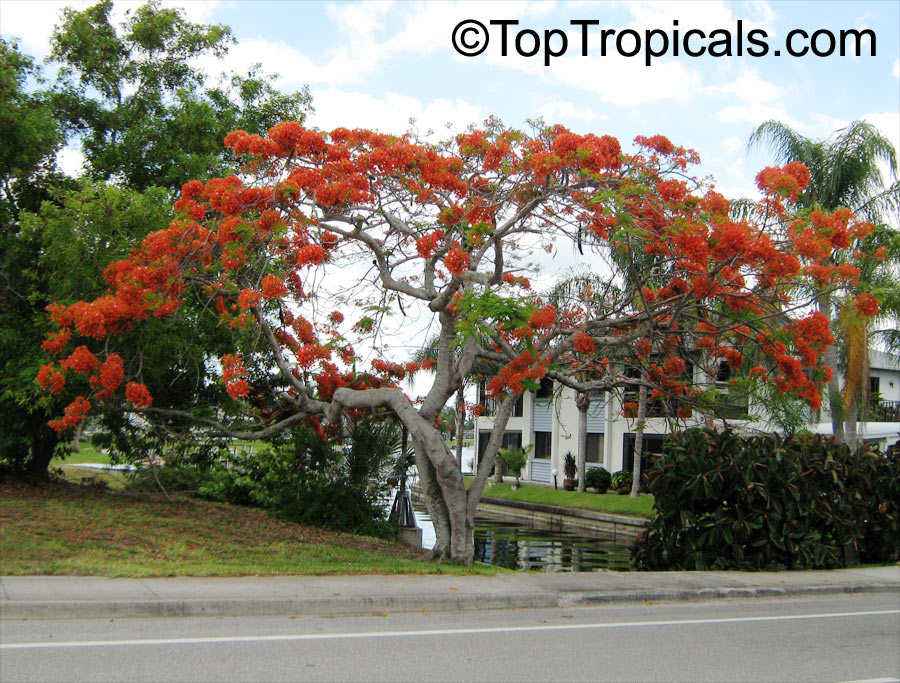
Royal  poinciana,  Flamboyant  tree,  Delonix  regia

Photo above: Royal poinciana, Flamboyant tree - Delonix regia."The Royal Poinciana is one of the most spectacular flowering trees in the USA, and probably among the top 10 on this planet. In full bloom, it is like a regal elephant caparisoned in red and yellow brilliance."(Larry M. Schokman, The Kampong, National Tropical Botanic Garden)
Date: 24 Mar 2024

Bauhinias: trees with Orchid Flowers
and Butterfly Wings...

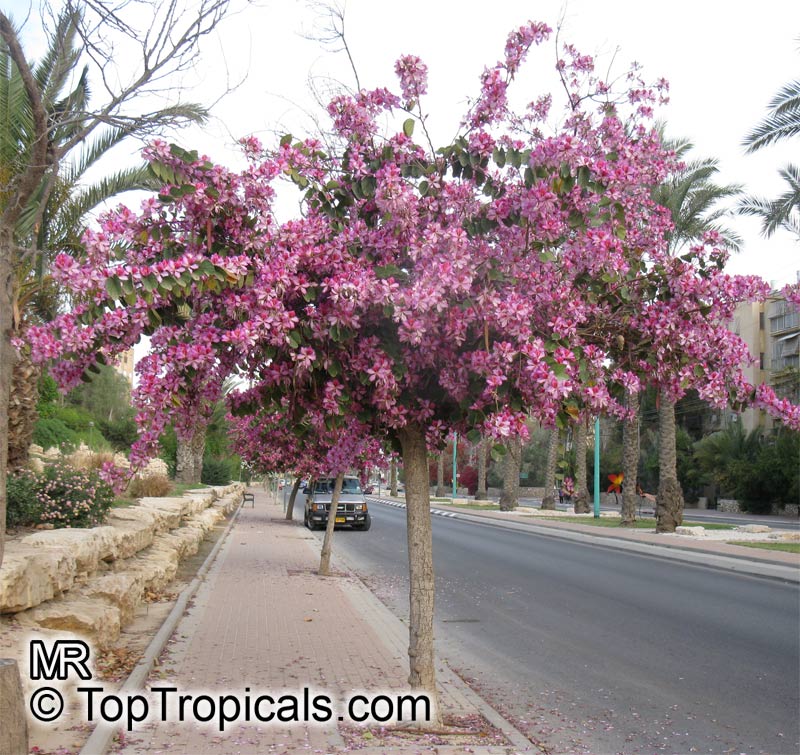
Bauhinia  variegata  -  Purple  Orchid  Tree

Photo above: Bauhinia variegata - Purple Orchid Tree, one of the most spectacular varieties.

Q: We just moved to Florida and I see these beautiful trees with large purple flowers. I was told these are Orchid trees, do you have them?

A: Bauhinias, commonly known as Orchid trees, are renowned for their captivating flowers and unique foliage. These trees typically grow to a moderate height of 15-25 feet with a spread of 10-15 feet, showcasing a rounded to vase-like shape. Thriving in hardiness zones 9-11, they exhibit resilience to heat and can withstand mild frost. There are over 300 species of Bauhinia, which are distributed in tropical and subtropical areas. These species vary in characteristics such as size, foliage, and flower color, contributing to the diversity and appeal of this genus. You can find them as trees, shrubs, and even vines.

Bauhinias are evergreen (in tropics) to semi-deciduous (in cooler climates), offering year-round beauty with intermittent blooming cycles. The peak bloom time varies depending on the species and location, often occurring in late winter to early spring, bedecking the tree with striking orchid-like flowers in hues ranging from white and pink to purple and red. The flowers boast delicate petals with intricate patterns, resembling the elegance of true orchids.

One of the distinguishing features of Bauhinia leaves is their unique bi-lobed or bilobed structure, which gives them a distinct appearance. The leaves are deeply divided, typically into two lobes or halves, hence the common name "Butterfly tree" due to their resemblance to butterfly wings. This characteristic is often used as an identifying trait for Bauhinia species. The bilobed leaves add to the visual appeal of the tree, contributing to its ornamental value in addition to its beautiful flowers.

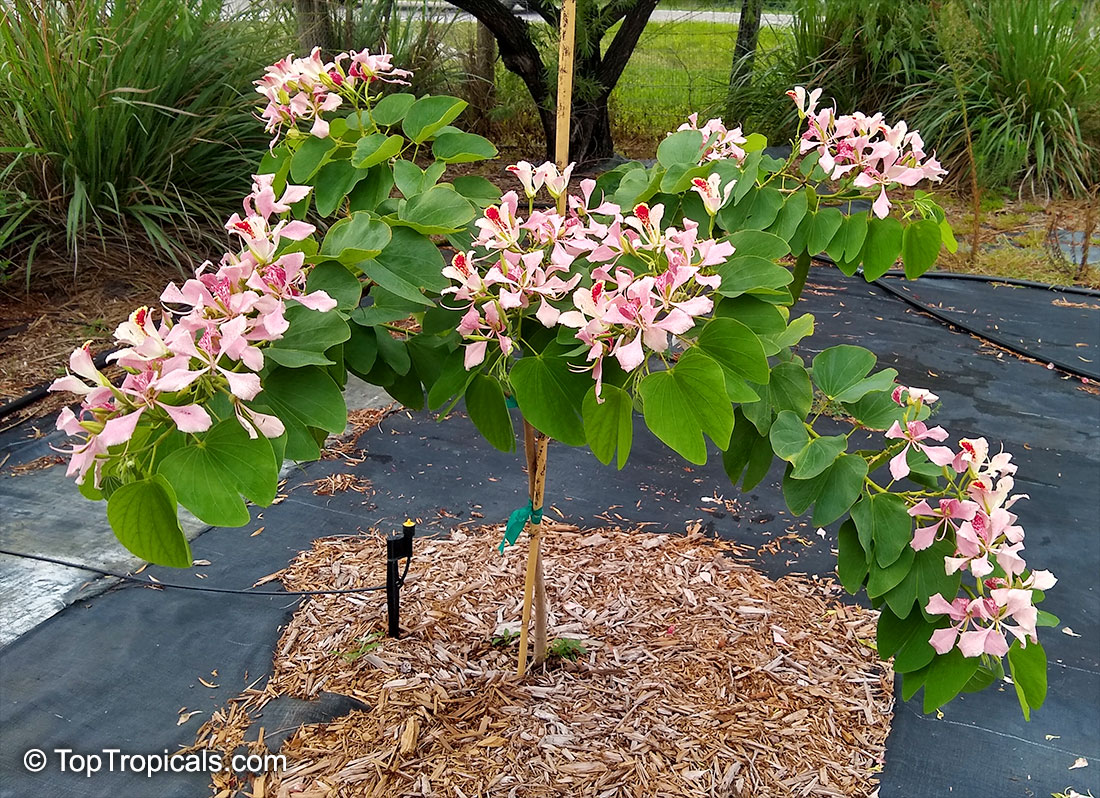
Bauhinia  monandra  -  Napoleons  plume

Photo above: Bauhinia monandra - Napoleons Plume, starts flowering in small size. This one is very beautiful but the most cold sensitive and should be grown in pots in areas with winter freeze. It will happily bloom in container!

Low-maintenance by nature, Bauhinias require minimal upkeep. Annual feeding with a balanced fertilizer enhances growth and flowering. Pruning is generally optional but can be done in late winter or spring, after flowering, to maintain shape or remove dead or damaged branches. These trees thrive in full sun, preferring well-drained soil. With their enchanting blooms and easy care requirements, Bauhinia orchid trees are a delightful addition to any landscape, and a colorful specimen for tropical winter gardens.

In addition, Orchid trees grow fast and provide excellent shade. They can make a shady spot in your garden in no time, giving relief from the hot sun. This is really valuable, especially in places where it gets very hot. So, not only are Orchid trees pretty to look at with their lovely flowers, but they're also great for keeping you cool!

Read more about Bauninias:
Bauihnias: Orchid trees with Butterfly flowers... and leaves

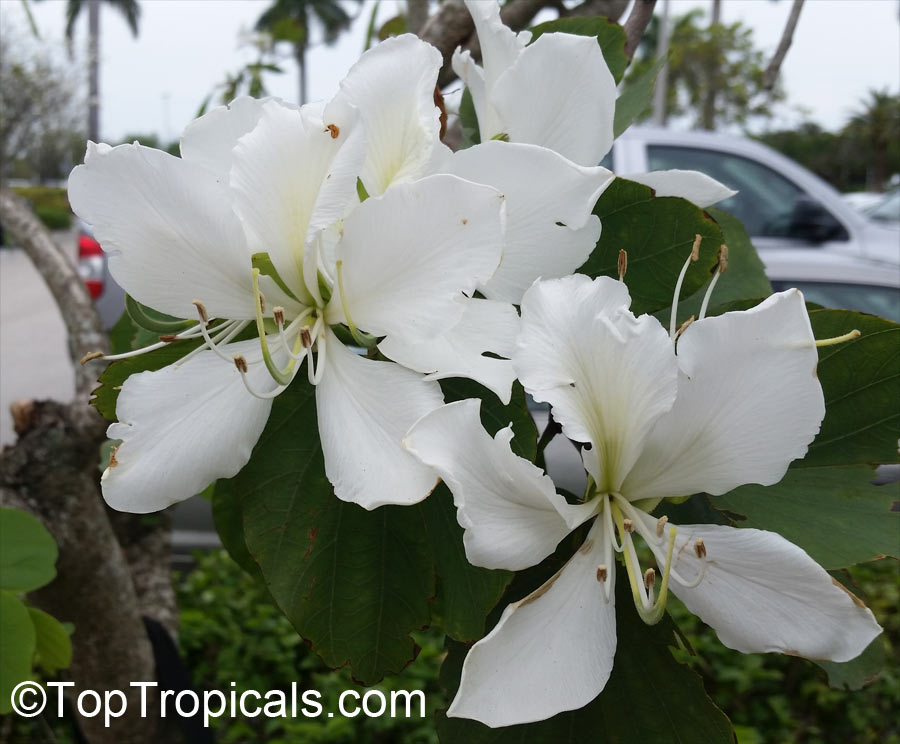
Bauhinia  x  alba  (candida)  -  White  orchid  tree

Photo above: Bauhinia x alba (candida) - White orchid tree, the most cold hardy variety that can take light freeze once established.

Bauhinia  purpurea  -  Purple  Orchid  Tree

Photo above: Bauhinia purpurea - Purple Orchid Tree, one of the most popular and easy trees in Southern landscapes.

Date: 19 Feb 2024

Cat of the Day: Matilda

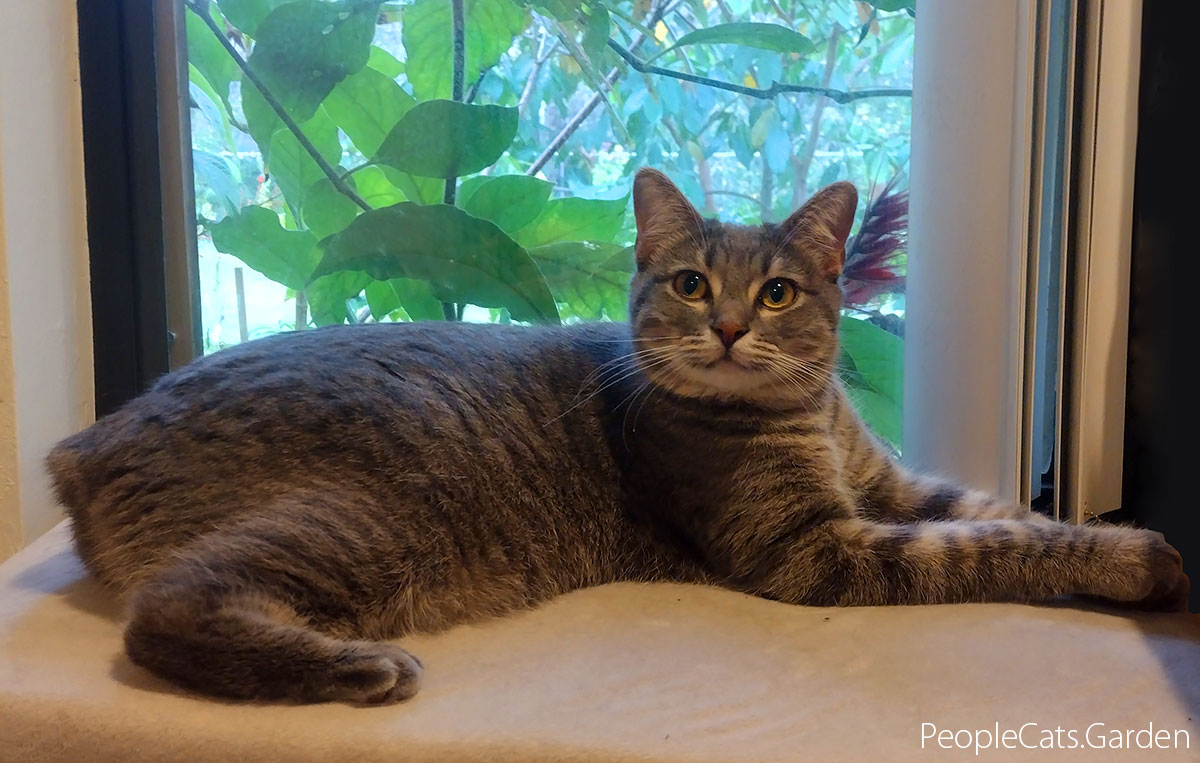
Gray  Manx  cat  Matilda

Introducing Matilda, the newest member of the Top Tropicals PeopleCats.Garden family. Matilda is a Manx cat, a special breed known for being tailless, originally from the Isle of Man.

Matilda is a loving and friendly cat who enjoys her meals. After dining with her fellow PeopleCats, she dutifully cleans all 11 dishes. While she may still remember her days in the bushes, Matilda is now happily settling into her new life at Top Tropicals. Stay tuned for more stories about this unique cat breed in our upcoming Cat Breeds Series.

Date: 20 Jan 2024

Sunshine Boosters PRO - for Professionals

Vegetables  and  greens

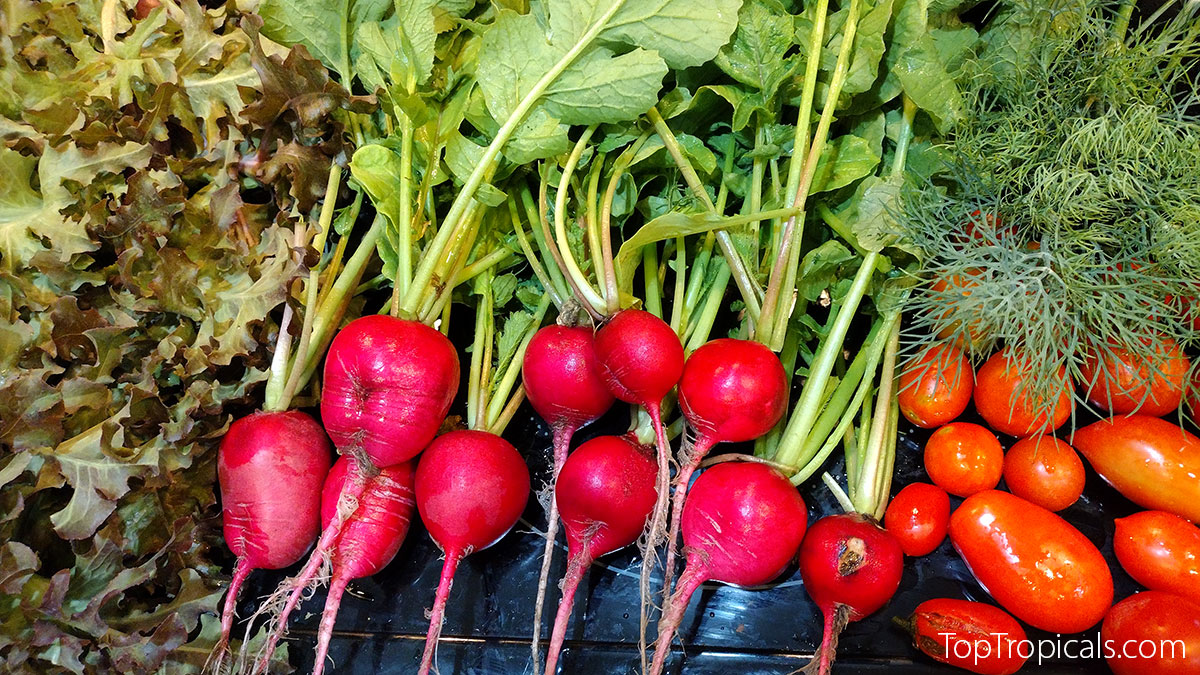
Q: Winter marks the vegetable season in Florida, and my half-acre vegetable garden in Highlands County thrives during this time. I cultivate a variety of produce, including tomatoes, cucumbers, onions, beets, various lettuces, radishes, and beans. Despite the sandy and poor soils, I manage a bountiful harvest that not only sustains my extended family but also provides for friends throughout the winter. To combat our sandy soil challenges, I heavily rely on fertilizers.

Recently, I came across your Sunshine Boosters products, and the results on my tomatoes were astonishing. They grew twice as fast compared to those on a "manure" bed. What I appreciate most about your product is its natural composition, allowing me to use it on edibles. The convenience of easily integrating liquid fertilizer into our irrigation system is a game-changer.

I'm curious if you offer budget-friendly deals on your boosters for larger gardens?

SUNSHINE  PRO  -  Complete  Nutrition  Booster  Kit  Pro,  fertilizer

ON SALE TODAY

A: Absolutely! We have just the solution you're looking for - our Professional Series of Sunshine Boosters is tailored for avid growers like you. Having catered to the needs of various crops, including tomato and hemp farms, our natural, amino acid-based professional formulas are the most economical choice for any scale of production.

Our professional series covers everything, from small backyard gardens to extensive greenhouses. The feeding process involves just three solutions mixed with water in your fertilizer tank: NPK (Advantage or BloomBoom, depending on the growth stage), Ca-Support (Calcium supplement), and Microelements (Constanta-Pro). This comprehensive nutrient package meets all your garden's needs. (See advanced info about Sunshine PRO products.)

Explore our professional solutions at the Top Tropicals Online Store. For larger quantities, you can directly order from the SunshineBooster.com professional selection or just contact us for a customized quote.

If you haven't implemented an injector system yet, consider the Robuster - an easy-to-install, care-free automatic system that takes care of all the work for you.

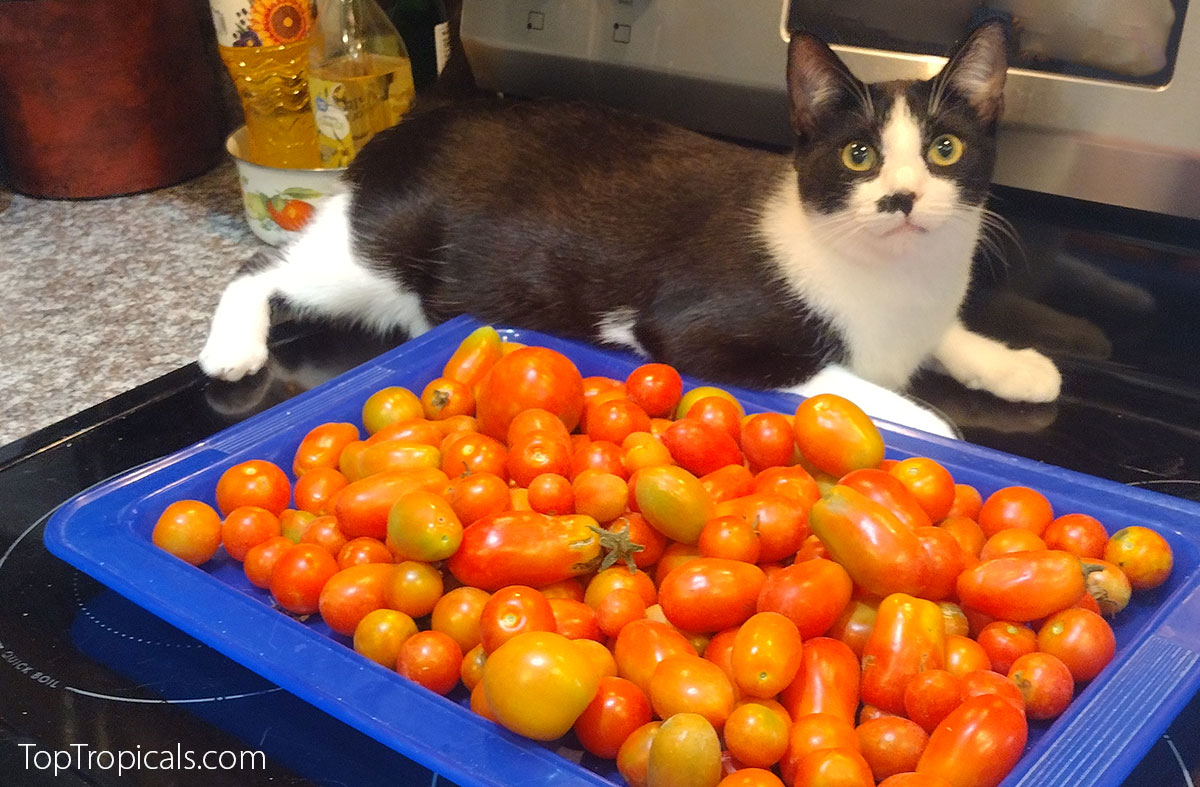
Cat  with  cherry  tomatoes

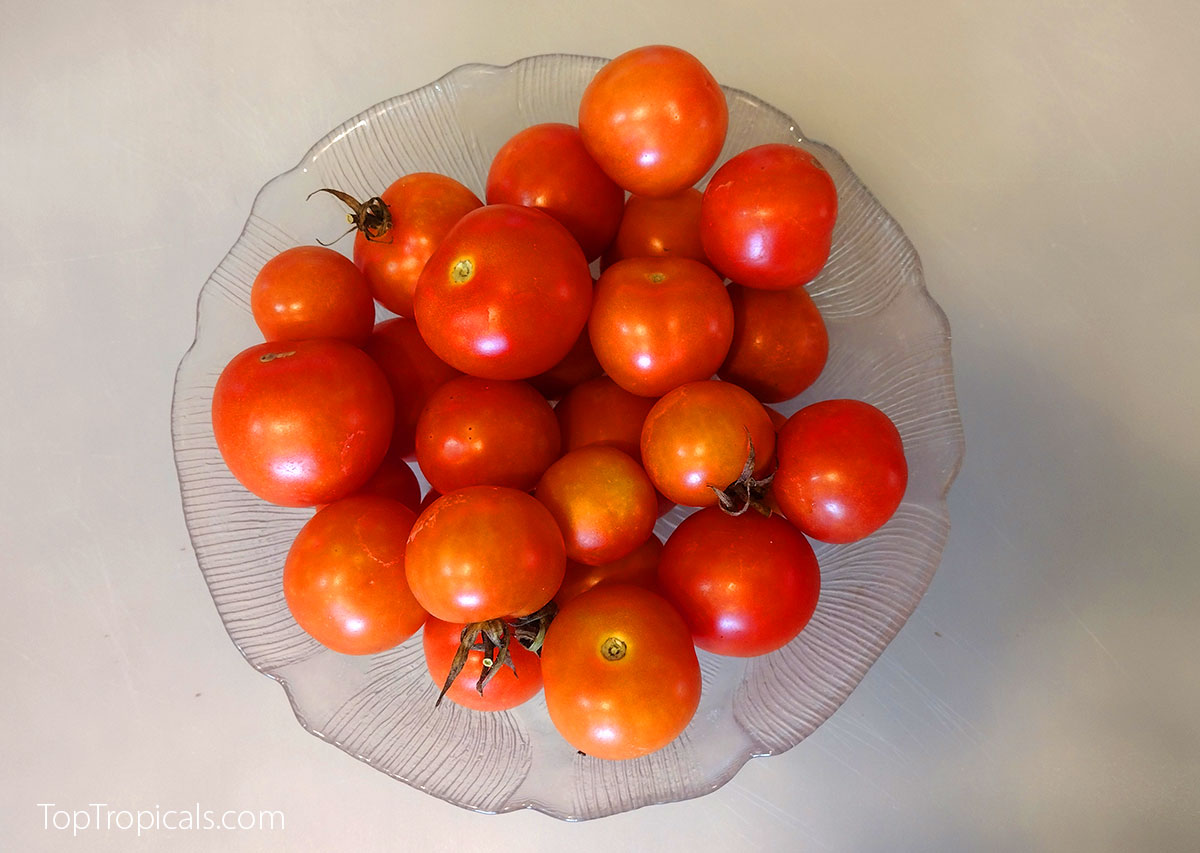
Cherry  tomatoes

Date: 28 Dec 2023

Blue Sage: Winter Wonder

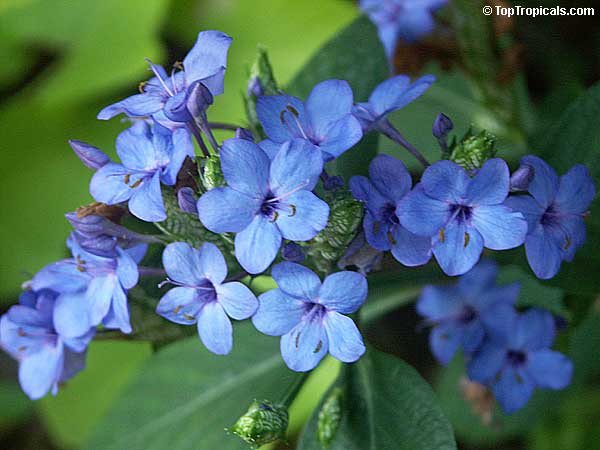
Eranthemum  pulchellum  -  Blue  Sage,  Lead  Flower

Q: I am looking for some interesting shrub that will flower in shade and doesn't grow too big. I am a snow bird, living in Florida during winter and will appreciate a winter bloomer.

A: In the shady corners of the tropical garden, the Eranthemum pulchellum, affectionately known as Blue Sage or Lead Flower, emerges as a vibrant winter surprise. Its petals boast a bright gentian blue hue, a hue so unusual in the tropics that it's as if the plant got a memo about standing out in a sea of green.

This botanical maverick flaunts its blossoms when the rest of the garden is caught napping, making it the prima donna of the winter bloomers. With a penchant for the shadows, the Blue Sage is the introvert of the garden, thriving in the cool embrace of shade. So, if your garden needs a touch of cool and a dash of mystery, invite the Blue Sage - the shade-loving sensation that's always fashionably late to the blooming party.

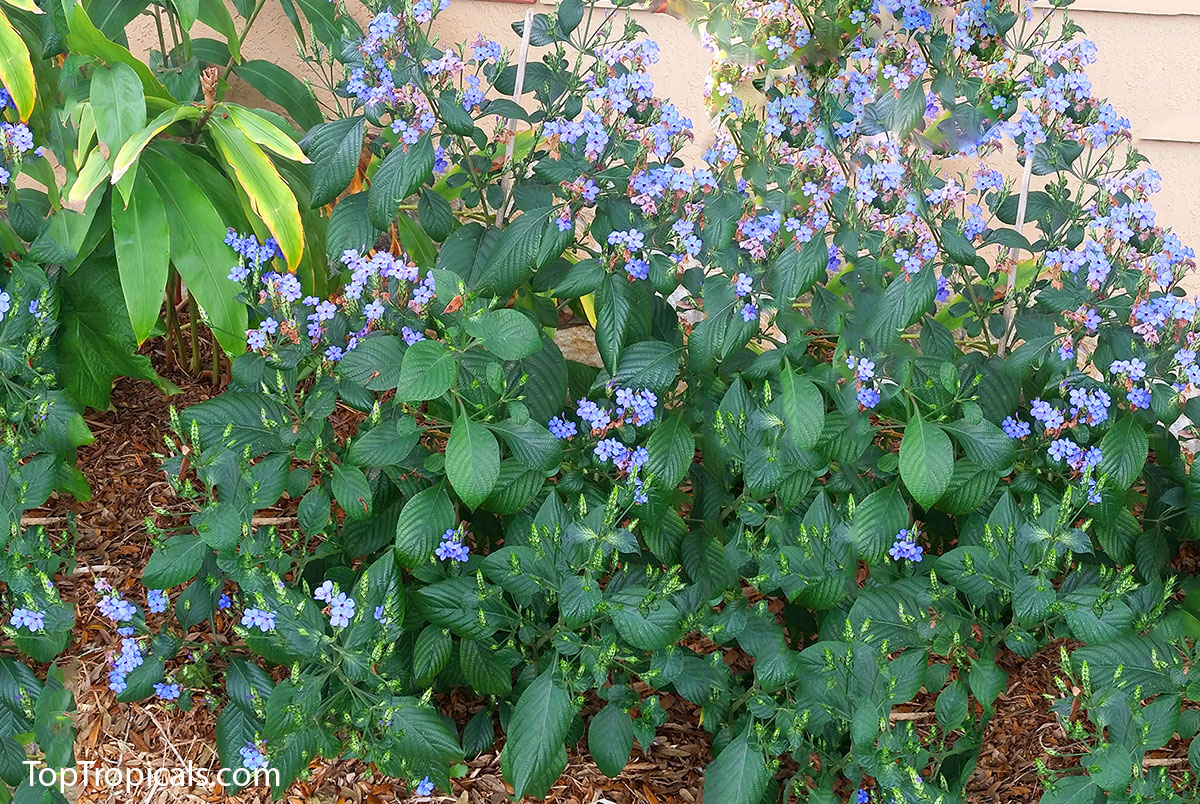
Blue Sage is an easygoing champ in your garden. You can trim it how you like, and guess what? The more you trim it, the bushier it becomes. This plant doesn't mind shade, and when winter hits, it shows off its bright flowers, making your garden extra pretty without any fuss. So, if you're all about simple gardening joy, the Blue Sage is your go-to pal that turns your garden into a happy, colorful spot.

Eranthemum  pulchellum  -  Blue  Sage,  Lead  Flower,  bush  size