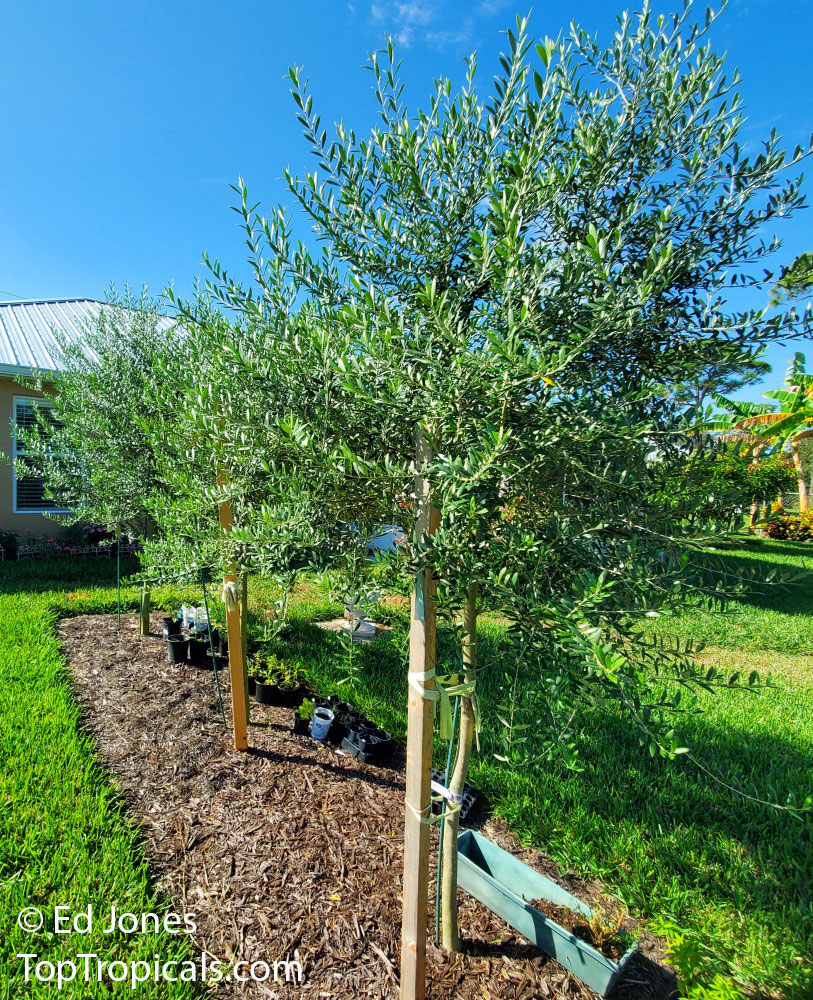
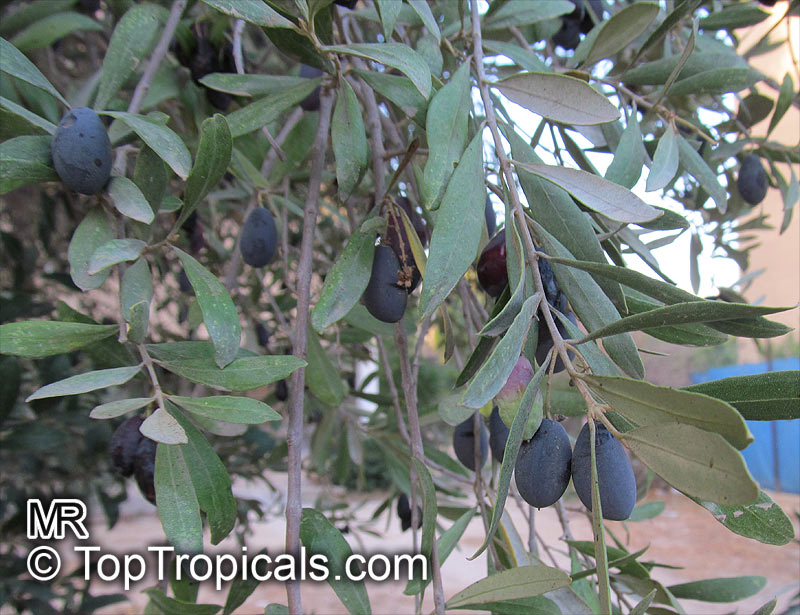
Q: I got an Olive tree from you a few months ago, planted in the ground and it is
doing well, but I don't see any active growth. The tree looks healthy but
still about the same size when I planted it in June. I'm old and I want to see
the olives sooner than later. Any suggestions, should I give it some
fertilizer?
A: Olive trees are relatively slow growers, however, with
balanced nutrition they can grow much faster, as fast as a few feet per year. Check
out this Article by Ed Jones where he describes how he grew nice, bushy Olive
trees just within one season with a help of Sunshine Boosters fertilizers. The
article shows in details how to properly use liquid fertilizer on your fruit
trees.
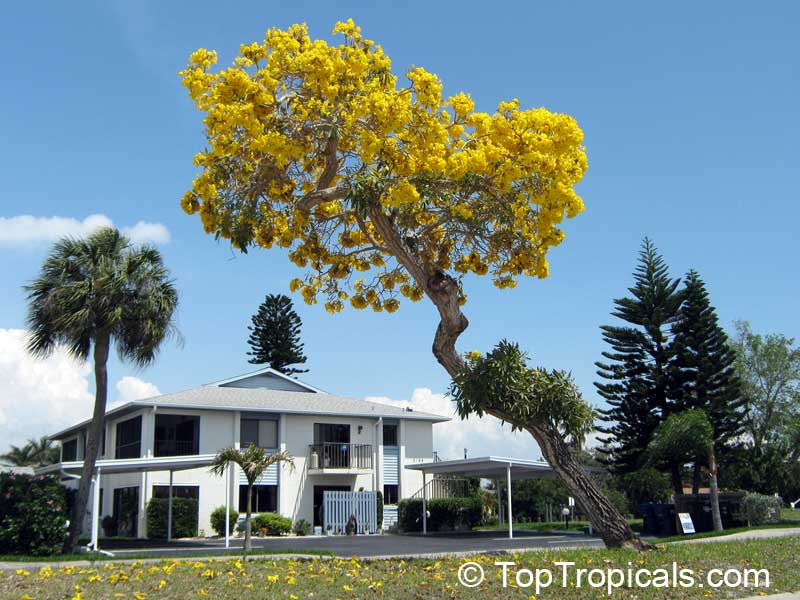
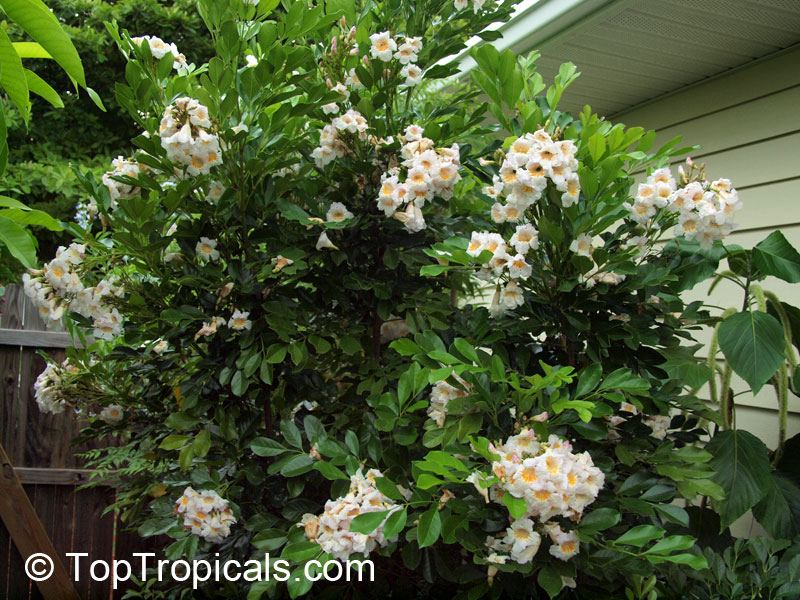
Q: Hi, I live on the east coast near West Palm, but I see you
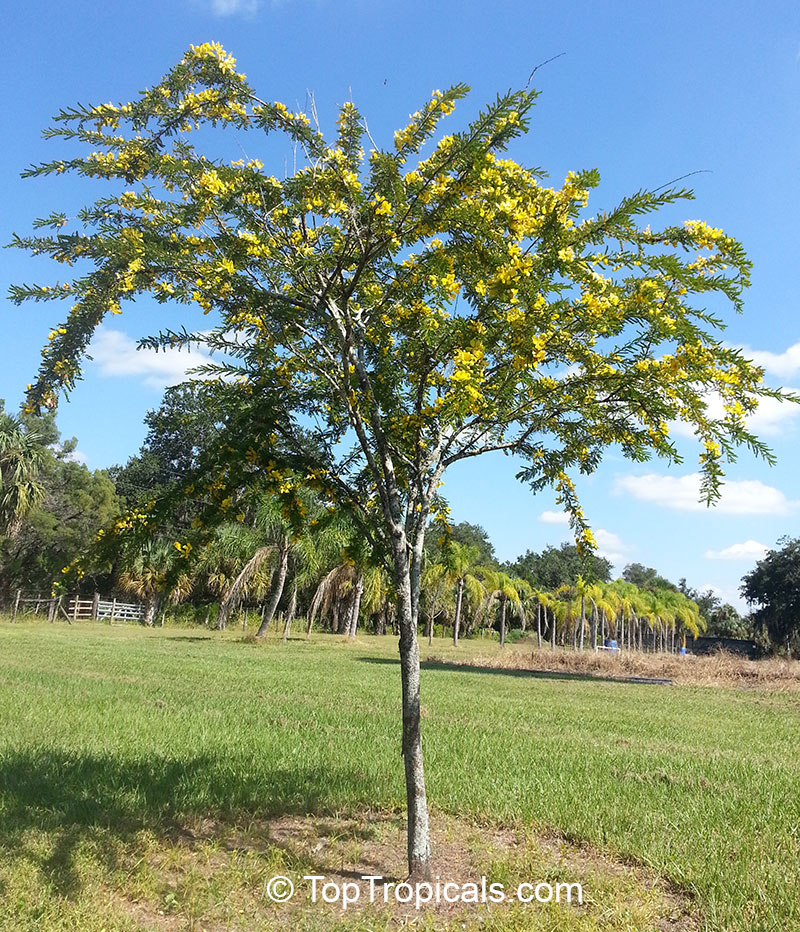
ship your plants. My HOA allows for Yellow Tabebuia species and I'm looking for two or three smaller trees that can fit in my front yard in smaller spaces. Ideally looking for trees that would stay under 20' in height, but preferably even smaller. Can you tell me the average height and spread of the Dwarf Golden Tabebuia or Silver Trumpet trees?
Q: My baby fig tree was sprayed by the lawn people with weed
killer :( Any ideas? Also what figs do you have available to grow here in
Florida?
A: Unfortunately once a plant is affected by a herbicide, there
is not much you can do about it.
If you don't rinse the chemical within a few seconds, it gets into the
plant internal system and nothing can be done to save the plant. The tree may
remain green for a few days up to a week, but then gradually dies back. If your
fig tree wasn't rinsed immediately after herbicide spray, it is probably too
late.
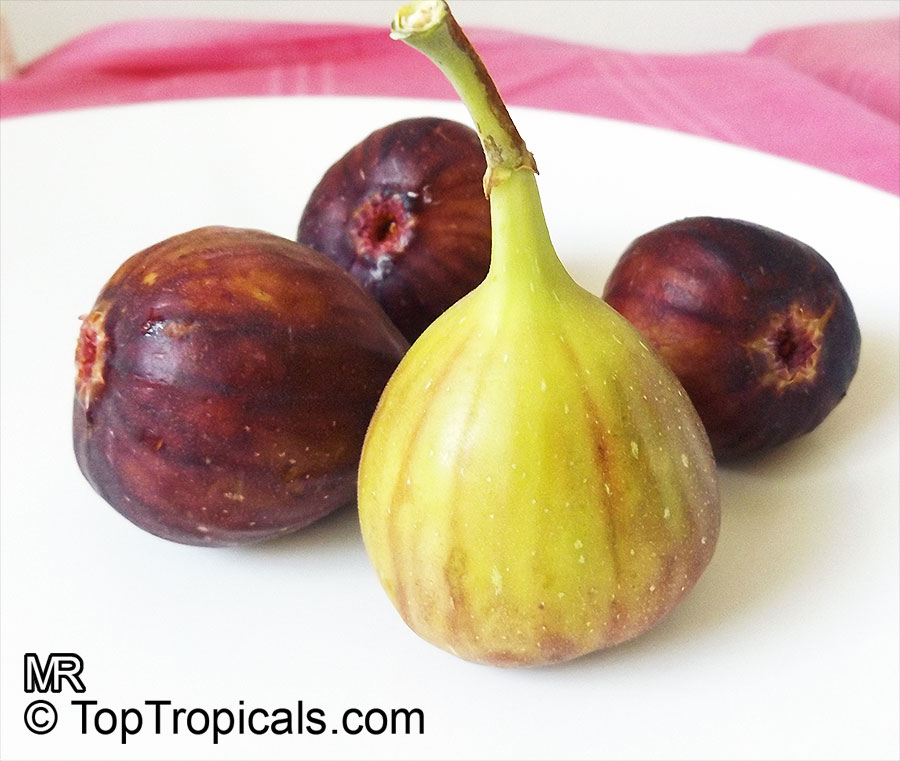
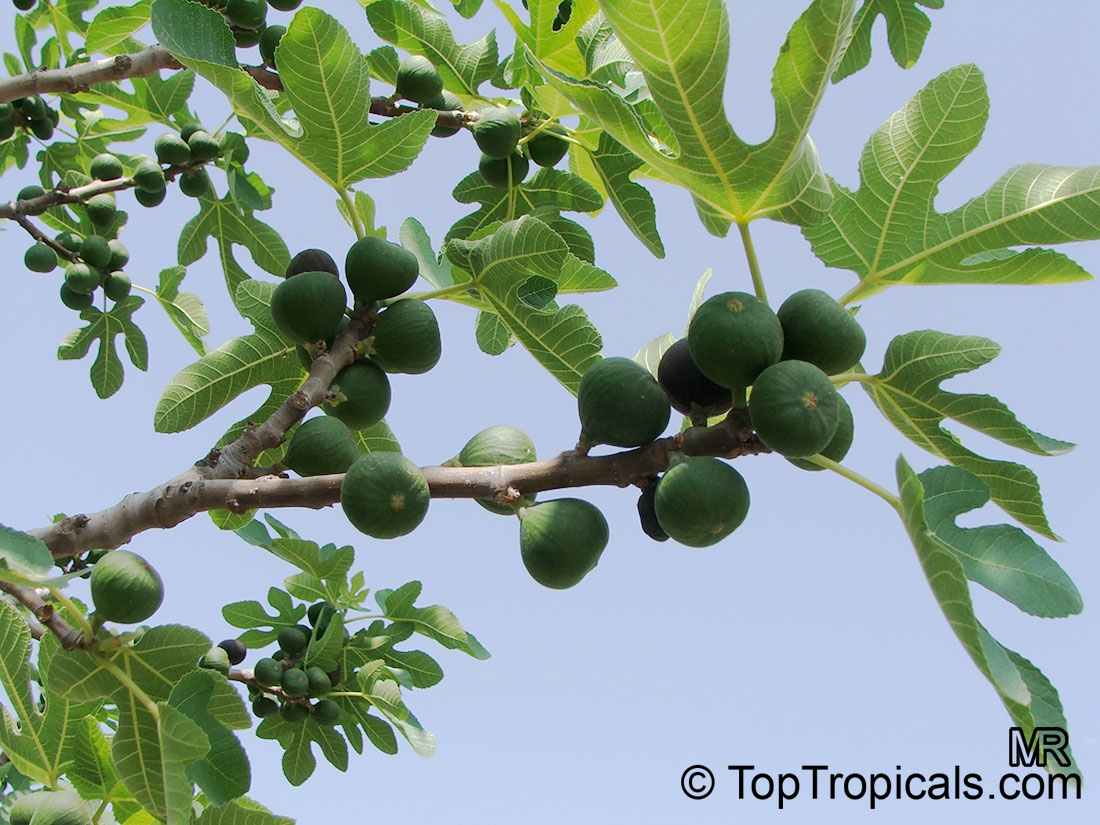
If you want to replace it with a new one, here is a few suggestions of our
favorite fig varieties which are great producers and grow well in Florida
heat:
Make sure to get appropriate plant food for your fig tree so it develops
faster for you and gets well-established before winter: SUNSHINE C-Cibus - Crop Nutrition Booster from Garden Series, or Combo
Total Feed Collection - all nutrients in just one bottle, for fruit trees and
edibles.
Date: 10 Jun 2020
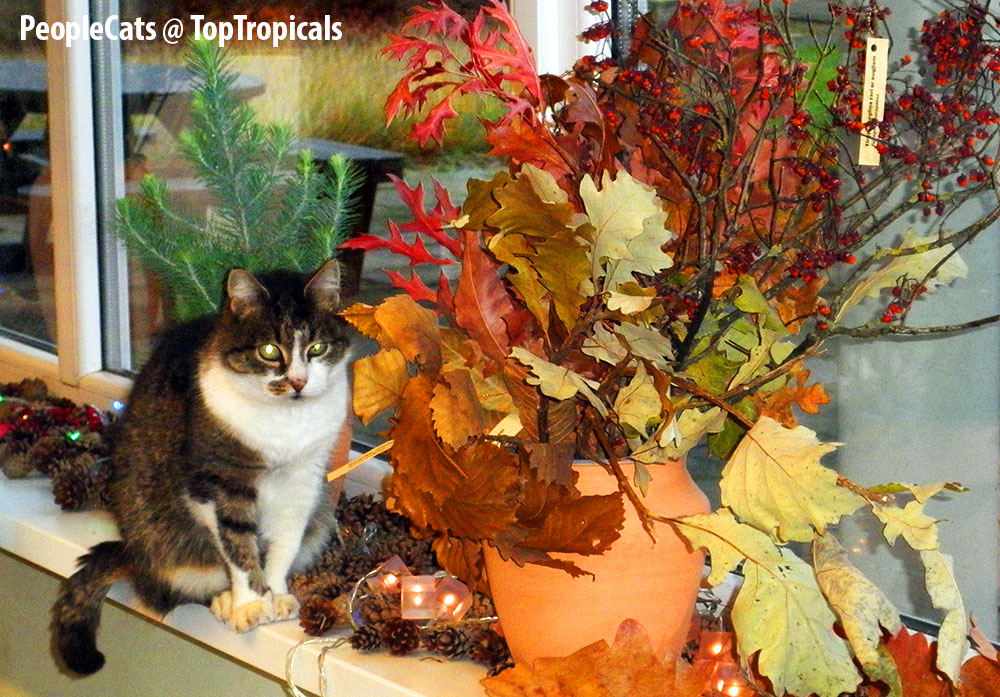
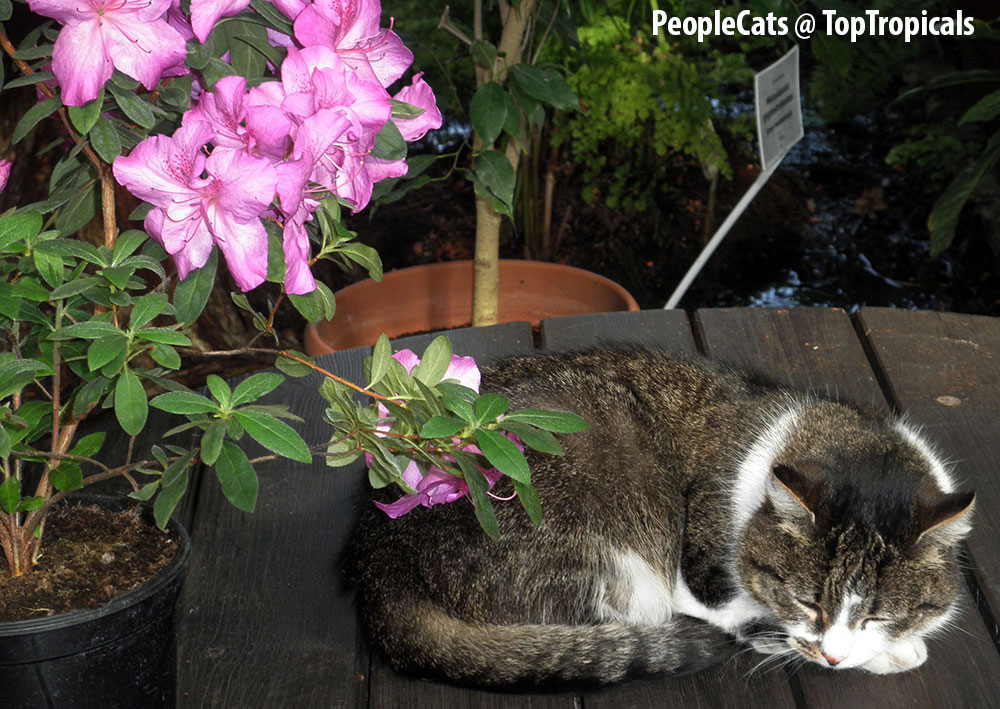
Meet PeopleCats of TopTropicals. Cat of the day: Ditta - the Botanical Cat
Ditta lives in Botanical Garden of
Riga, Latvia. Our columnist Alex Butova has been writing about that garden a lot and posted
numerous plant photos in our Catalog; now it is time to introduce its PeopleCats!
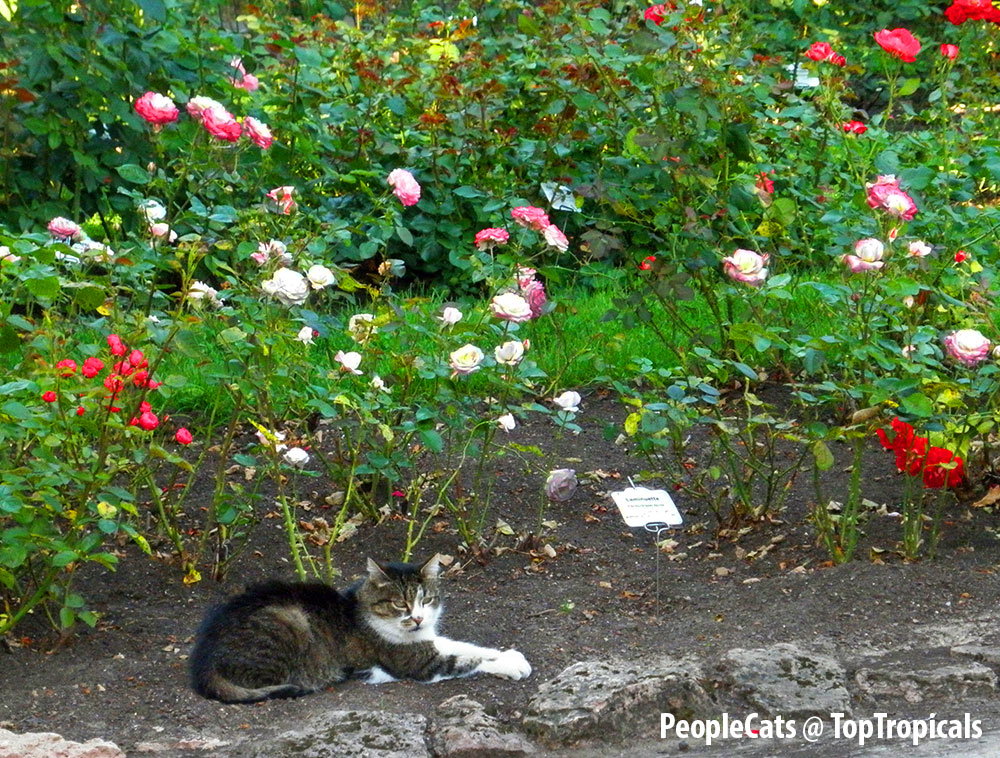
Ditta is the Boss of Riga Botanical Garden. She owns the security room and
watches her premises. Ditta is in charge of all events and exhibits of the
Garden, and her favorite spot is the Rose Garden.
TopTropicals PeopleCat Club and Zoo
Thank you for supporting us in helping PeopleCat Community! Make
your kind donation today and receive a surprise gift from us! Every little
bit helps. Thank you and God bless you and your pets!
Date: 29 Jul 2019
Monster hybrids of Monstera: juvenile and mature
by Mark Hooten, the Garden Doc
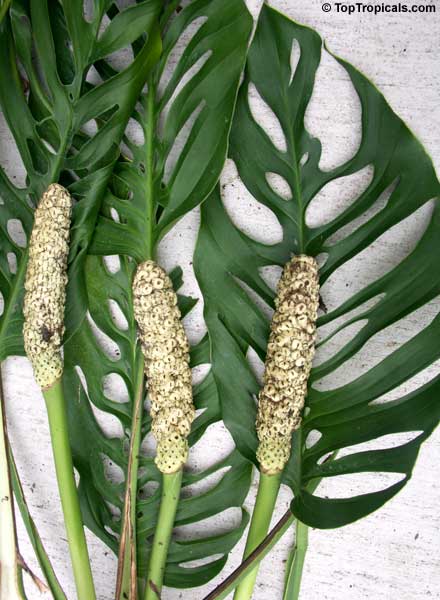
Q: I am a rare plant collector and obtained a very interesing
cultivar of Monstera from you that says it's a hybrid Monstera adansonii x obliqua. Is there a named hybrid? The leaves on
this specimen that came in 1 gal pot are much larger than the plant I have
grown in a 3 gal pot for a few years, under name of Monstera friedrichsthalii.
A: Due to their diversity, it is hard to find verified hybrids in
the genus Monstera. M. friedrichsthalii is apparently an old Florida name
for what is actually technically M. adansonii. The "primitive" juvenile growth
is very different from the much larger more robust form that only occurs when
it is allowed time to climb a tree, in which case the foliage becomes very
different and much larger with many many more fenestrations (holes) of various
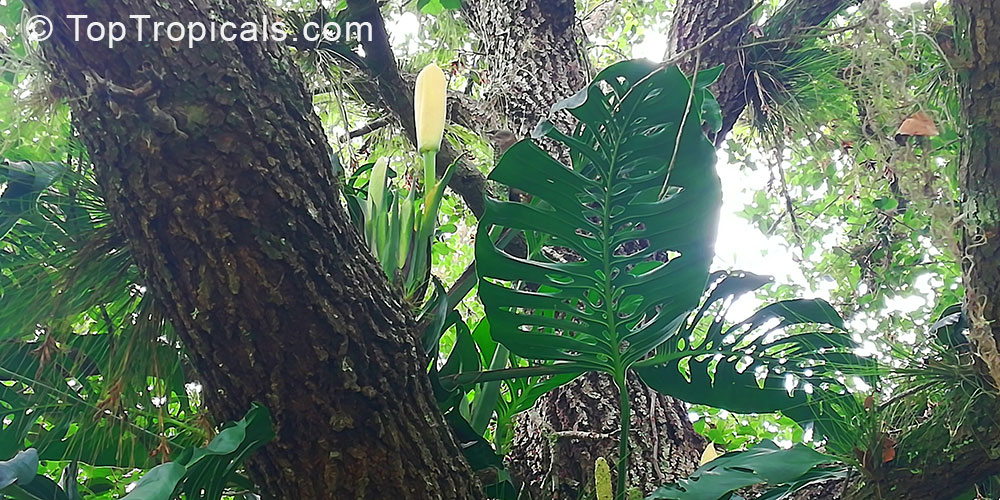
sizes. If you visit our Garden Center, you can see the mature form climbing
the oak tree in our Shade Garden in front of our office - we use this mature
plant for propagation. If you take a cutting and don't let it attach to a
bark/trunk and climb upwards, it will quickly revert to the wimpy juvenile form.
Seems that even climbing a pole indoors, it never actually develops into the
truly mature more complex adult stage.
Some juvenile forms growing on a tree if given too much shade, do not
develop into the larger mature form. Move it in more light and allow it to climb,
and it will look very different, but still is the same plant under different
conditions.