Date: 10 Jun 2021
Growing Champaka in Virginia
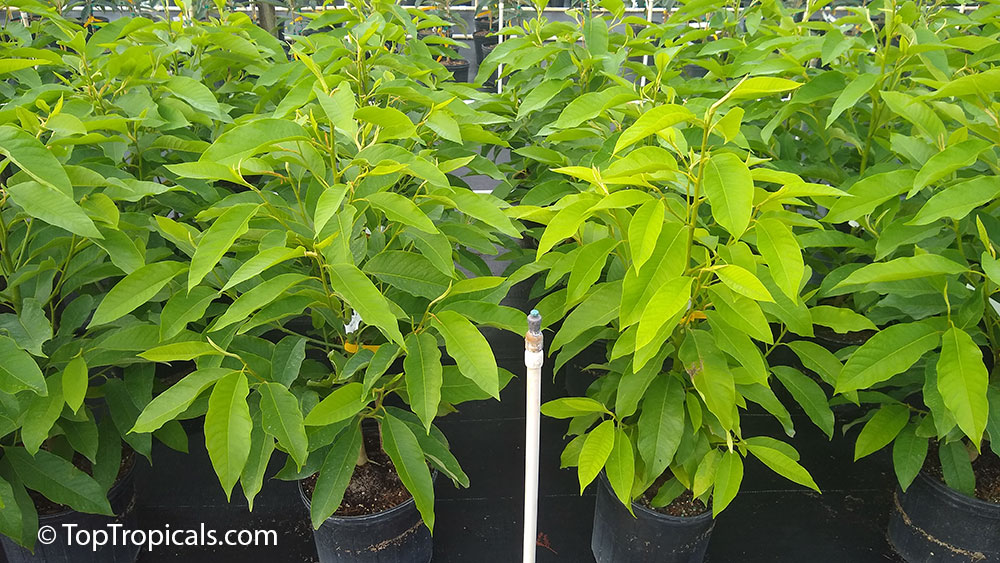
Q: I purchased a Magnolia champaca 1 gallon a few years ago. It is still growing as I bring it into my greenhouse in the winter. I live in VA. This spring I planted it in the ground hoping it might bloom which it did not. Will it survive our fairly mild winters with several freezing days with some special attention? What would you do?
A: Magnolia champaca is a tropical tree and won't survive winter in VA. It can not take hard freeze. Your only option is, to keep it in a pot and bring inside. If the temperature inside your greenhouse is too low, this may affect the plant's ability to flower. For example, if it stays 35-40F for a whole month - although it is not a hard freeze and the plant may survive, but the duration of the cold period is more critical than the low temperature itself. Champaka can survive a few hours even at upper 20's, but not many days with cool temperatures. The temperature in winter should be maintained at least above 55F during day time (the higher the better) and at least above 45F at night.
If the tree has grown too big, you may trim it. If the root ball is too
large, roots can be trimmed too (similar way like they do with bonsai) before
repotting. However, trimming must be done either during warm season and active
growth, or in Spring, when the tree starts waking up and promotes new
growth.
To encourage flowering, start fertilizing your Champaka with a liquid bloom
booster - SUNSHINE Pikake - Fragrant Flower Booster. It can be used year round
including winter months, and it is safe to apply with every watering. This way
you will provide to the tree enough energy for the next flowering season, so
flowers can be expected in late Spring - Summer.
Read more about greenhouse growing: Greenhouse in Virginia.


Date: 8 Feb 2021
I love growing for the planet!
A word from a happy gardener
"...Wow is all I can say, you all sent the most beautiful plants, I
never knew the Hawaiian Bell could have so many blooms. It arrived in Excellent shape
and I am so very thrilled to have this beautiful plant again. I am keeping
inside for a few days until a front goes thru, then it is going to be back in
mid 70s.
I give aged worm castings to my plants and recently discovered the plant food that the plant can uptake right away... And lastly, I
discovered a potting soil... Some of my plants went wild when I planted them in it.
Everything in it is tailored to not burn your plants. So nothing but the very
best for Top Tropical plants. Thank you all so much for this wonderful
plant, I will treasure and take good care of it. I have over 500 plants in pots,
because of gophers and nematodes. I love nature so do not want to kill the
gophers because the owls we have here depend on them and poisoning is a horrible
death. Much love, happiness and gratitude.
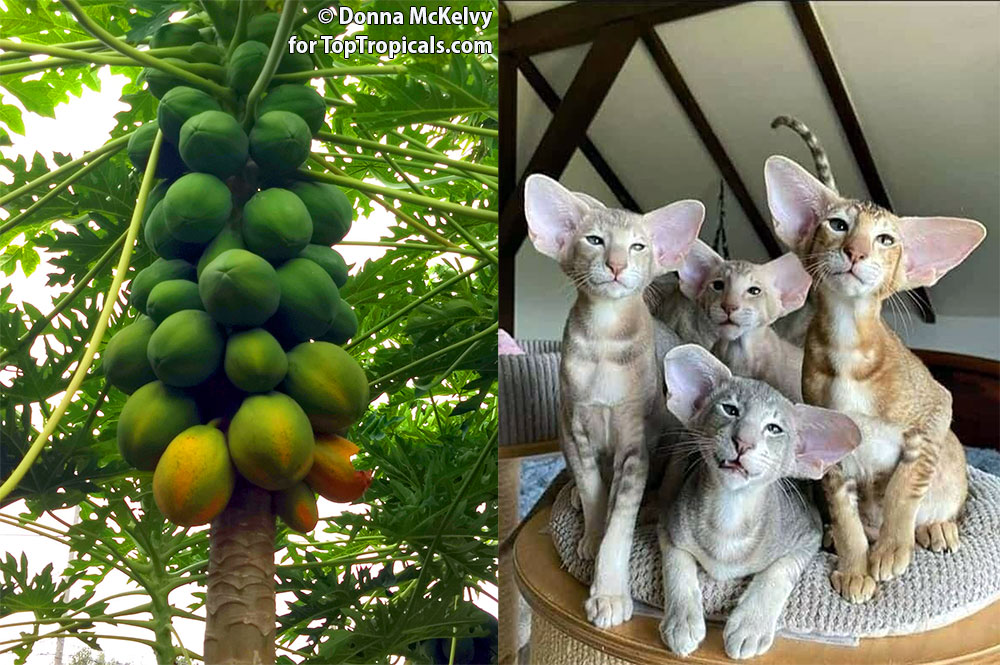
You can use pics - I love growing for the planet. I so love cats too, I
have 5 most of them Siamese. I found this pic of cats online, wow how did they
breed for a cat to have such big ears?
Much love and happiness, Donna..."
Date: 16 Jan 2020
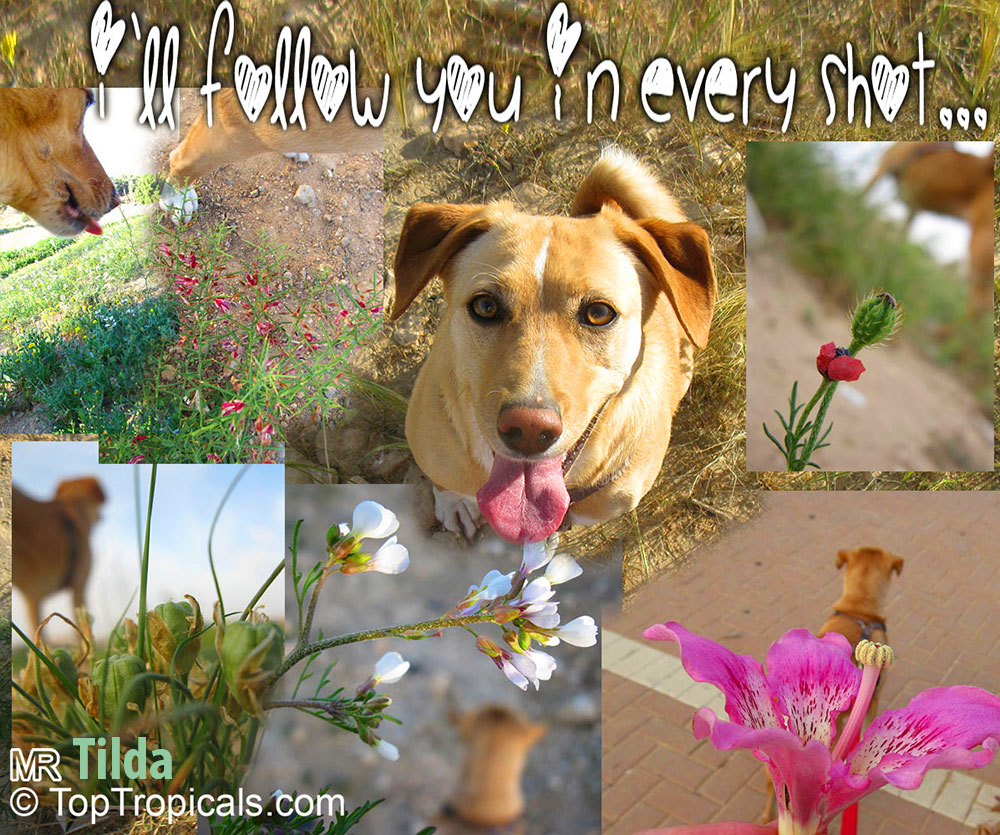
Meet People of TopTropicals. Dog of the Day: Tilda, the Assistant Editor
On January 31, 2020 TopTropicals will celebrate its official 17th birthday. While it is recognized as the World's Leading Authority on Tropical Plants, very few people know who actually stands behind the scene of our famous hand-crafted Plant Catalog with nearly 5,000 plants and 50,000 original plant photos...
Today's column is about Assistant Editor of Top Tropicals Plant Encyclopedia - Tilda. Tilda is the right hand (the right paw!) of our around-the-clock photographer, botanist, and the plant ID world known expert - Marina Rybka. Everyone knows that there is no such plant in the world that TopTropicals can not identify... we get plant ID requests from around the globe, and we always have answers for you. Do you know who is responsible for that priceless knowledge? Whose mouse touched every one of those 50,000 images and put proper names to them? Ask Tilda. She witnessed every shot!
Now that we finally decided to reveal the secrets of TopTropicals creation and history, we should continue this blog by introducing to you the rest of TopTropicals mysterious brains... Stay with us and you will find out soon!
Check out and more Cat of the Day stories.
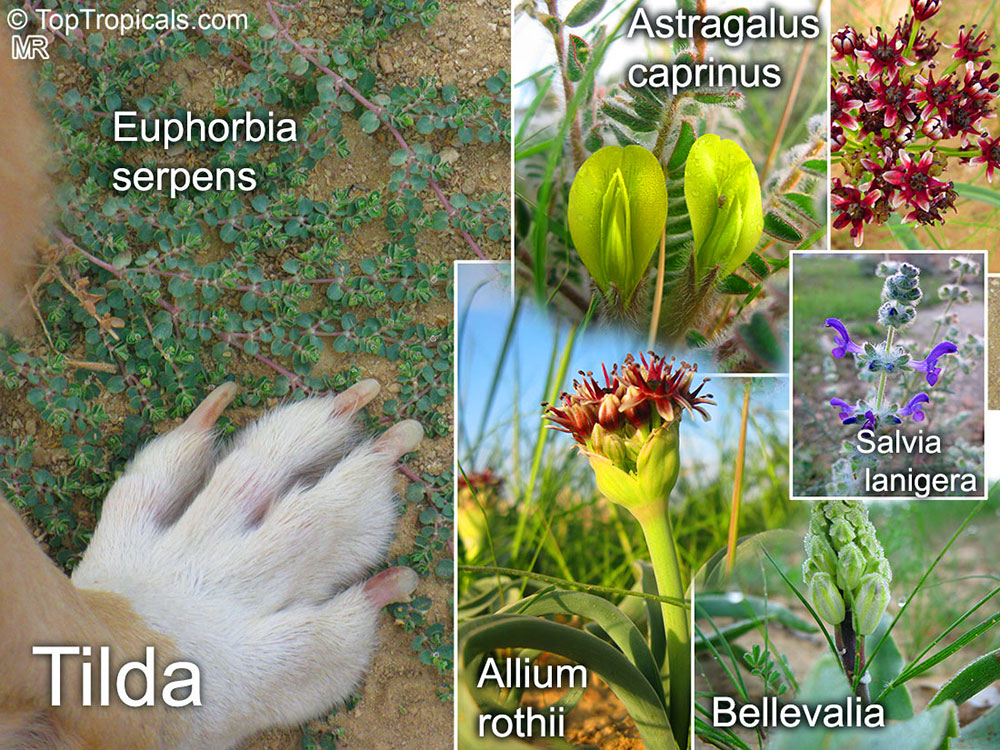
...and this is Tilda's Right Paw!..
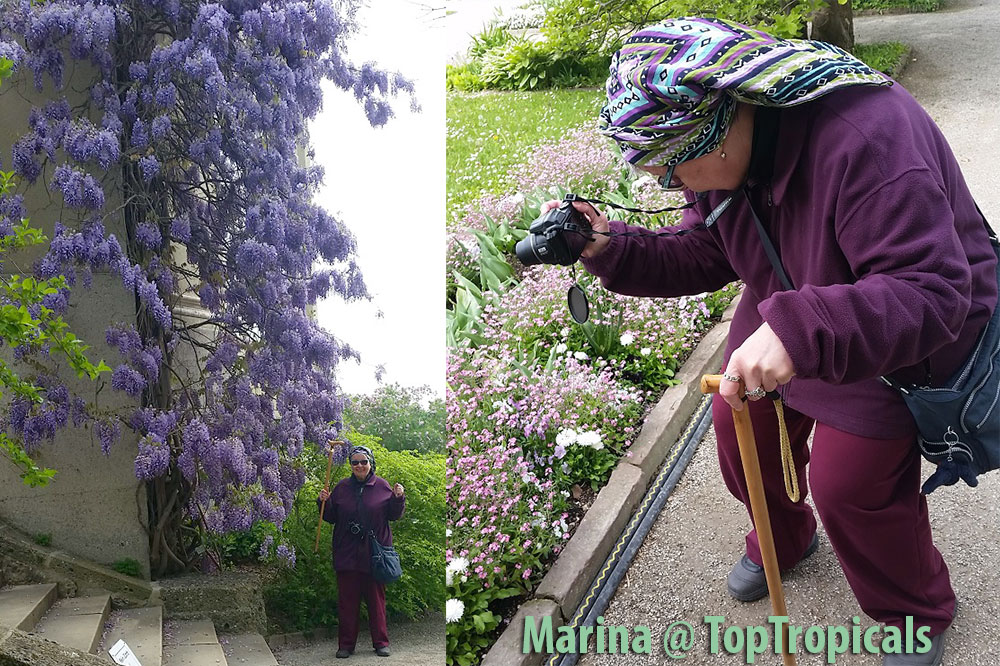
...Meet Marina Rybka: creating TopTropicals History...

Date: 5 May 2019
The most desired iconic Chanel flower...
By Onika Amell, tropical flower specialist
Q: I live in Beverly Hills, Los Angeles. I'm looking for something fragrant to grow on my porch. I don't have a lot of space and am interested to find something unusual that won't grow too large. Any suggestions? I've heard about Chanel #5 tree and I wonder I can keep it in a pot?
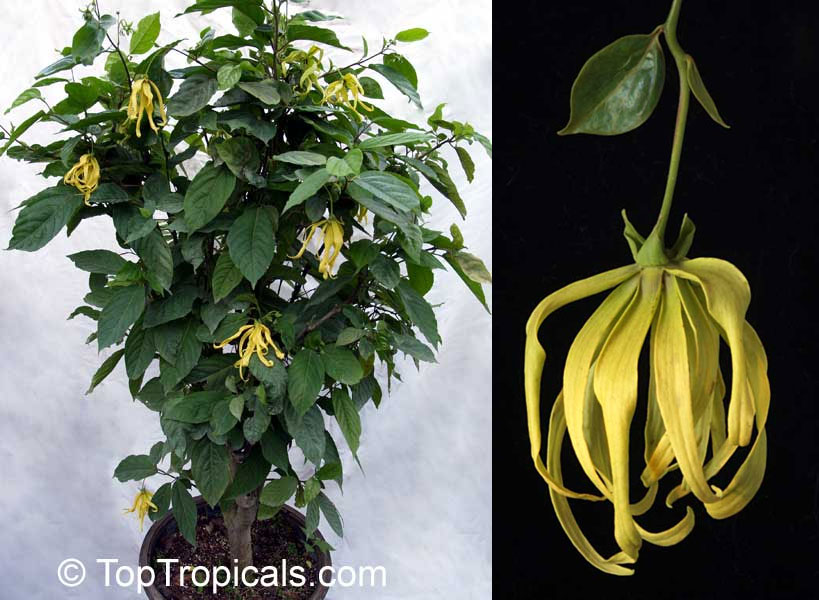
A: The Ylang-Ylang tree, Cananga odorata, emits a fragrance so soft and beautiful it became an essential ingredient of Coco Chanel's iconic and much-loved perfume Chanel No 5. Trouble is, it will grow into a giant. How do you get this kind of magic onto your lanai or porch? Opt for its smaller relative: Dwarf Ylang Ylang, Cananga fruticosa (pronounced ee-lang ee-lang, meaning: flowers of flowers).
The fragrance is a little less intense than its larger cousin, but still wonderful to have around.
Let the fragrance drift slowly through the air into your home at night. The scent is strongest from dusk to dawn and it will
need warm and humid conditions for a fuller aroma.
Dwarf Ylang-Ylang is ideal for folks with limited space as it can be
grown in a container or as a house plant. It's a very unusual and interesting plant to add to your porch, lanai or garden. It's
pretty easy to grow and disease resistant too. It will stay compact and in nice tree-like shape. Dwarf Ylang Ylang starts
blooming quite young and will continue to bloom year-round with profuse blooming during the spring and summer months.
The tree prefers a high-humidity environment, evenly moist soil, warm temperatures and will grow best in plant hardiness zones 10-11
but can take short periods of cold.
Read
more about Chanel No5 Flower...
Dwarf Ylang Ylang is certainly one of the most desired and sought after rare, fragrant plants. Get yours today!

Date: 3 May 2024
Best picks of the Season
Special SALE deals - from our horticulturist
These plants are large, developed and beautiful NOW!
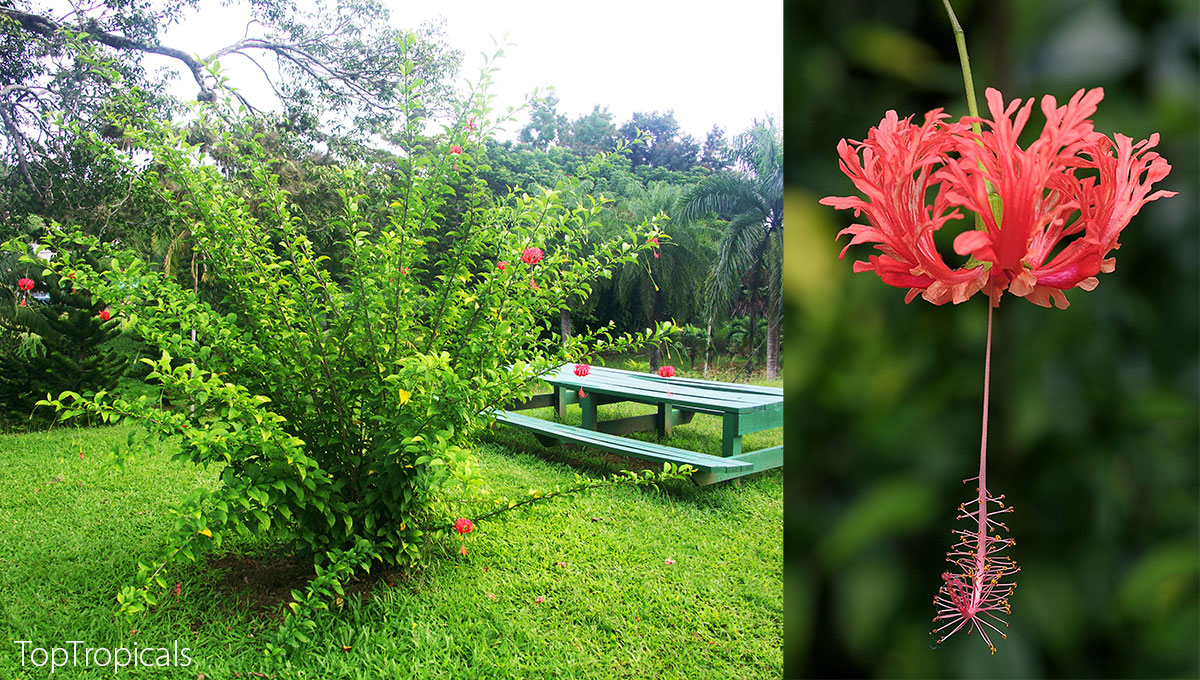
Hibiscus schizopetalus - Coral Hibiscus. Spectacular weeping tree hibiscus, rare and hard to find. Grows rapidly and blooms freely. Flowers look like parachutes and can be recognized by the fringed and lacy petals which are bent backward. It has slender and gracefully curved stems. Can be trained into a showy standard.
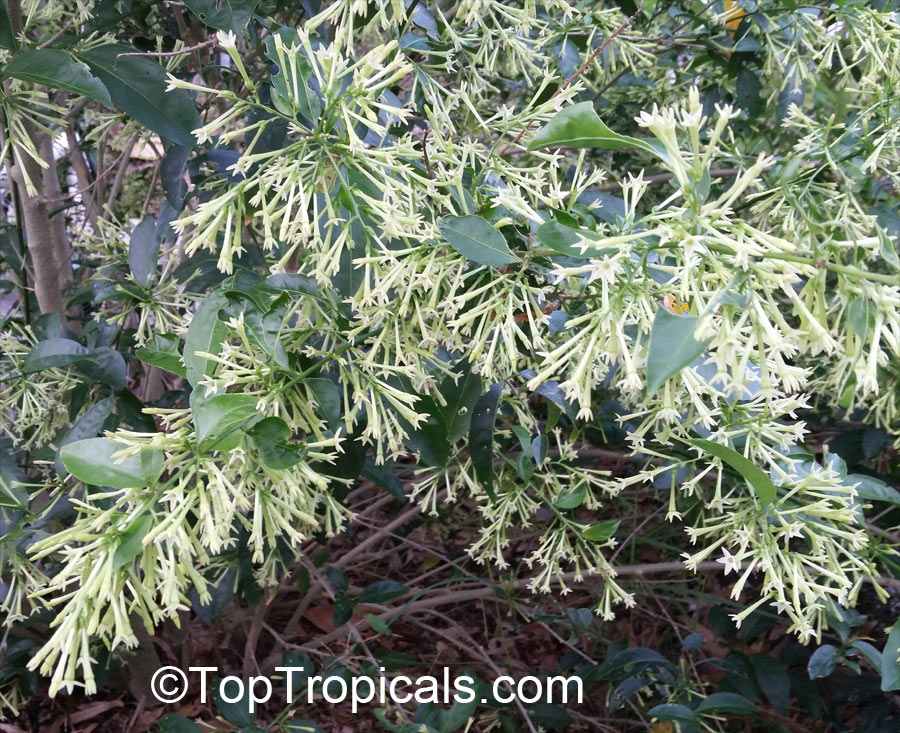
Cestrum nocturnum - Night blooming jasmine. Garden favorite - the sweetest fragrance at night is intoxicating. One of the most famous and desirable fragrant plants. Flowers are pale yellow to white, open at night and stay extremely fragrant until sunrise. These flowers are widely used in India and other countries of South Asia for perfumery, medicinal applications and in religious ceremonies. Best location will be near driveway, window or entrance, where the magic fragrance can be appreciated.
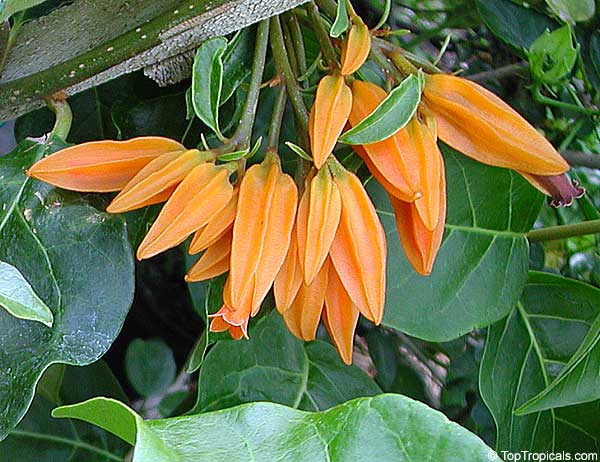
Juanulloa aurantiaca - Gold Finger plant, Mexican Spoon Flower - this one is soooo pretty! Unusual looking vine or shrub with yellow-orange fleshy flowers, everblooming and a VERY fast growing. Rare, collectible plant.
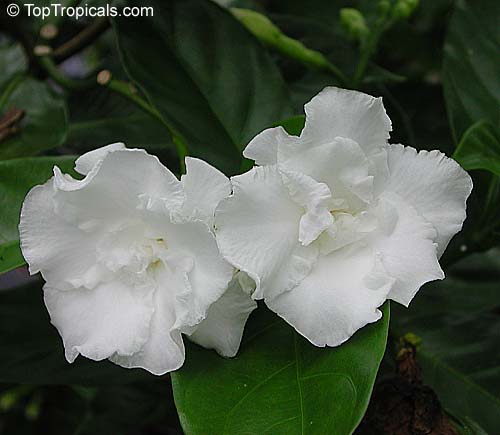
Tabernaemontana Flore Pleno - Crape Jasmine, Carnation of India, Florida Gardenia - this fast growing bush with waxy leaves and beautiful fragrant flowers is a must in tropical garden. Easy to grow and free flowering, dense bush.
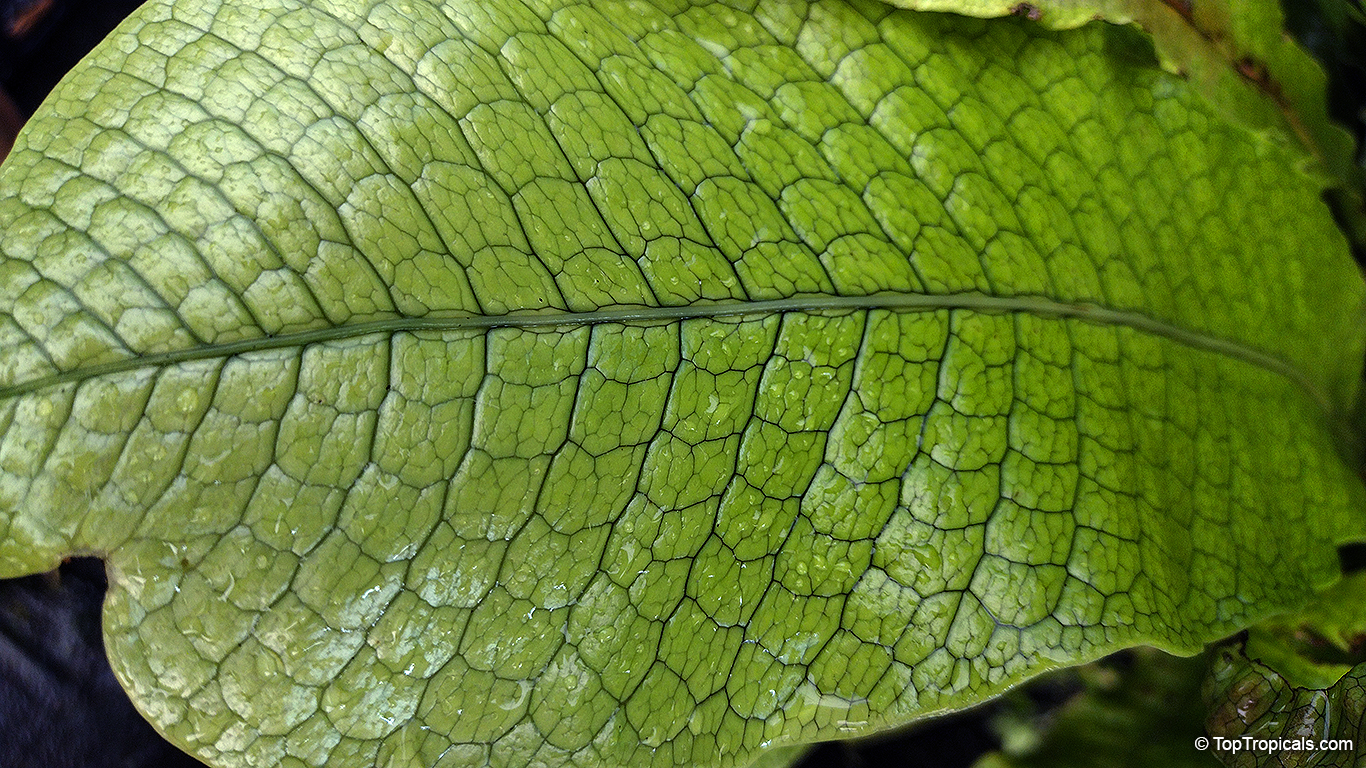
Microsorum musifolium - Alligator Fern, Crocodile Fern from Australasia. Perfect for shade! An epiphytic fern with cool alligator-skin looking leaves. The strikingly shaped, light green fronds of the fern form a lovely backdrop to its stunning stiff, leathery, dark green alligator-skin foliage. Perfect as a houseplant, or planted under a tree. Grows to 2-3 ft in height and likes a sheltered, semi-shaded location, no direct sunlight.