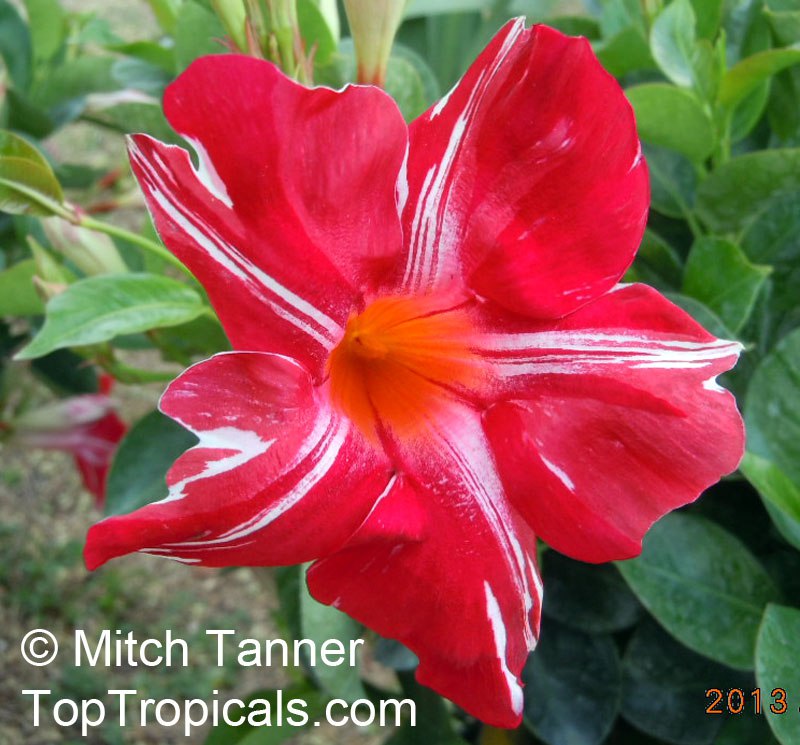
Date: 3 Feb 2025
Valentines day Best Gift Plant Ideas
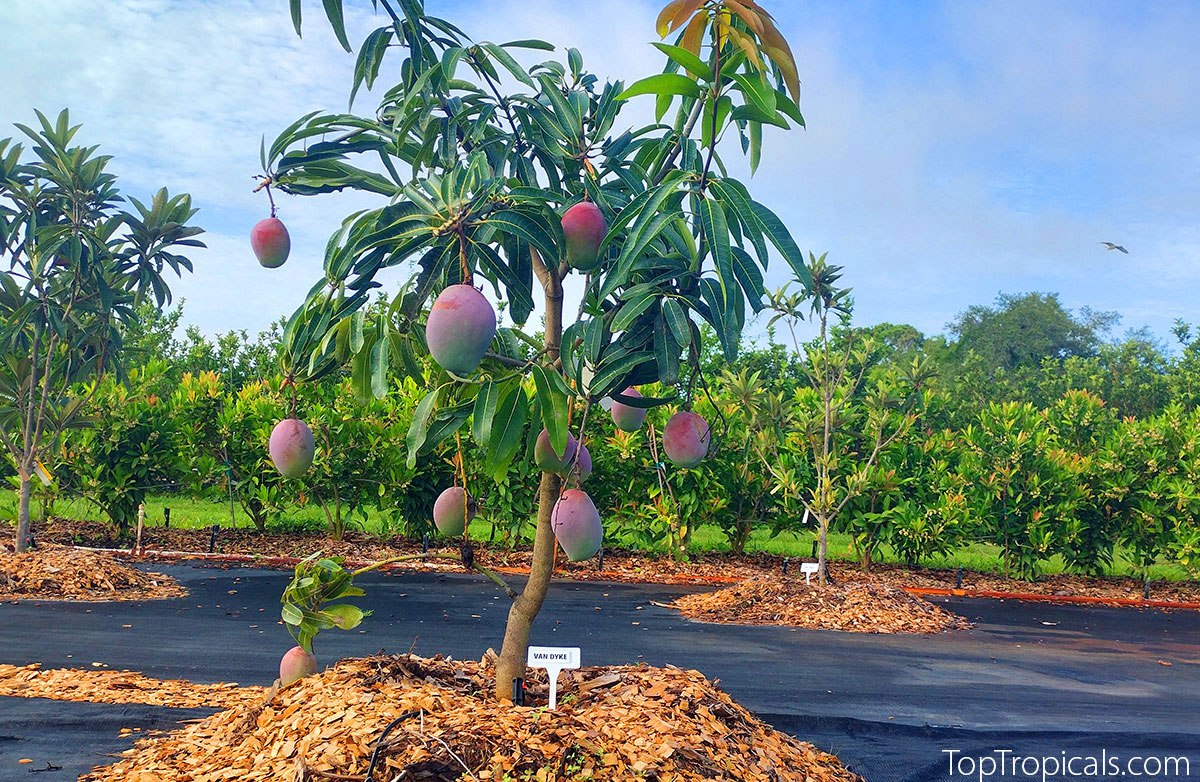
Condo Mango
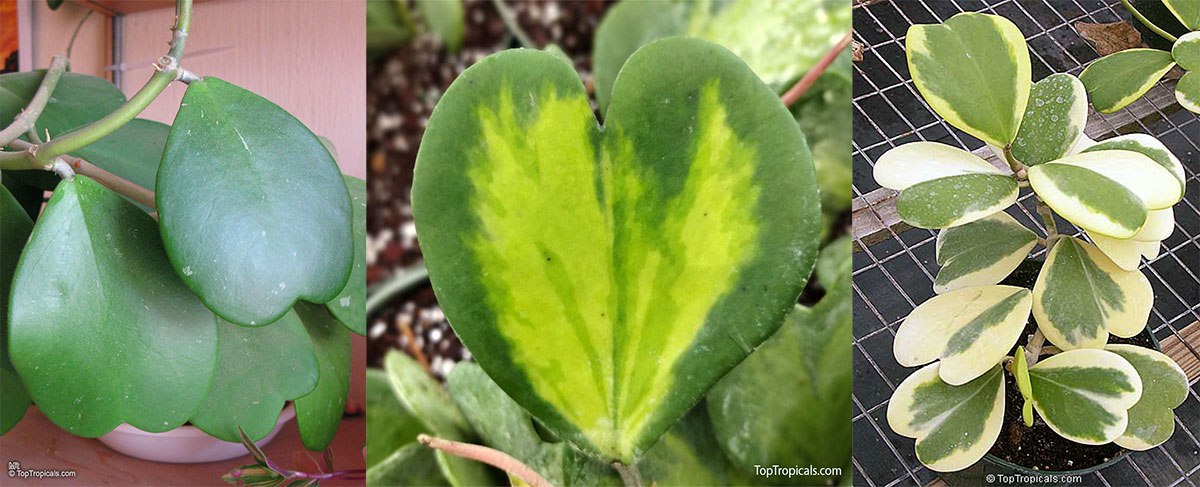
Sweetheart Hoya or Valentine Hoya - Hoya kerri
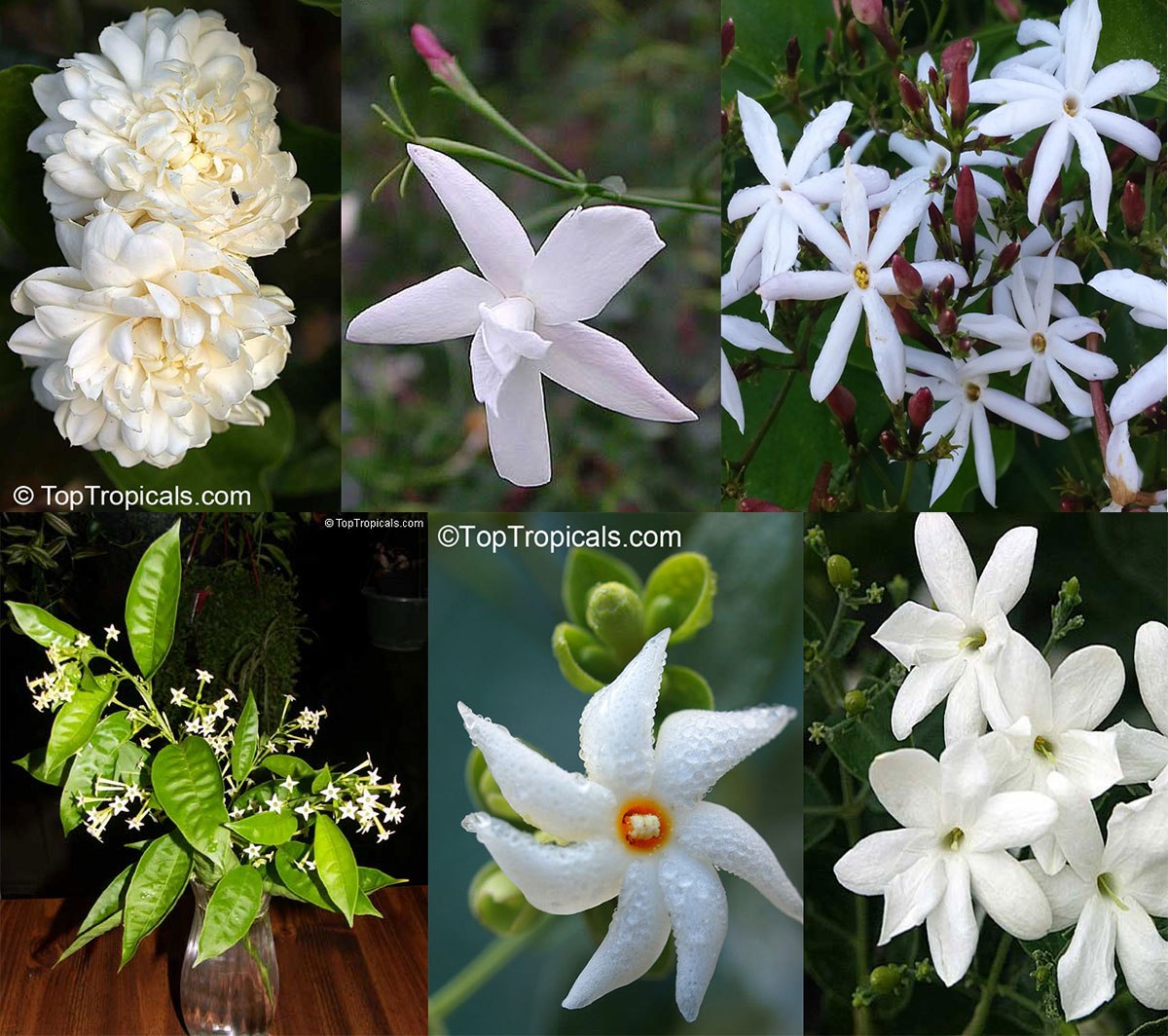
Fragrant Jasmines collage: Jasmine Sambac, French Perfume Jasmine, Rose Bud Jasmine, Night Blooming Jasmine, Parijat Jasmine Tree, and Jasmine Molle (Indian Jui)
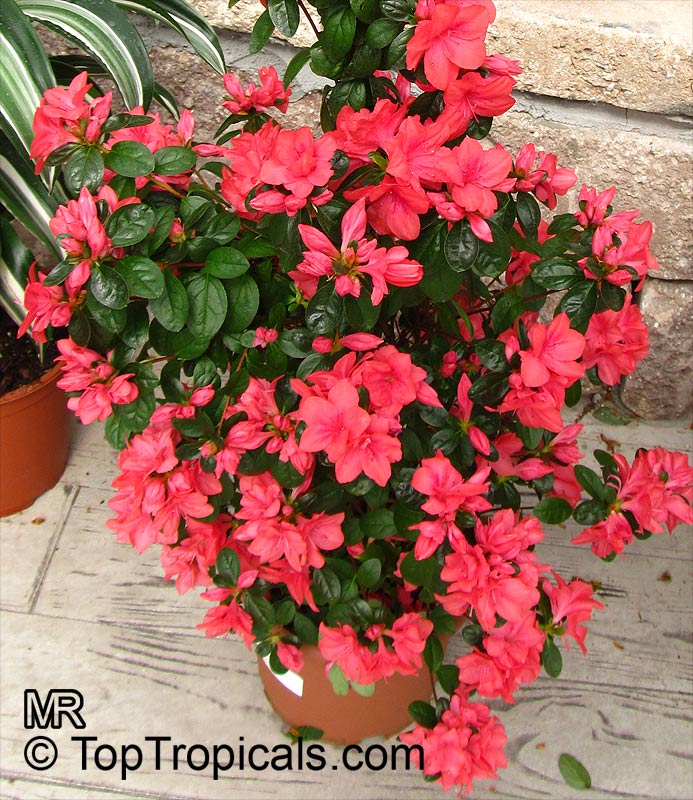
Compact Rhododendron Azalea - Red Cherry Miniature
❤️❤️ Valentines day Best Gift Plant Ideas
💋 Valentines Day is the perfect occasion to show your love with a gift that lasts beyond just one day. While traditional flowers are lovely, a live plant offers a meaningful, long-lasting way to express your affection. Whether it's the vibrant blooms, fragrant leaves, or the joy of watching a plant grow, gift plants bring a touch of nature and beauty into the home. Below are a few wonderful plant ideas to help you pick the perfect gift for your loved ones this Valentines Day.
💋 Condo Mango
The Condo Mango is the perfect choice for a unique Valentines gift! This compact, dwarf mango tree thrives in containers, making it ideal for small spaces like balconies or even indoors. With its manageable size and vibrant fruit, it's a thoughtful and practical gift that brings a tropical touch. It can stay small while still producing delicious mangoes. Share the joy of gardening and fruit-growing with someone special this Valentines Day!
Learn more about Condo Mango from our posts: A Practical Guide for Condo Mangos and Top 10 Dwarf Condo Mango - great for container culture.
💋 Valentines Sweetheart Hoya
Sweetheart Hoya or Valentine Hoya, comes in 3 kinds - Green leaf, variegated Sunshine and Variegated Moonlight - collect them all! These plants are the perfect way to show someone you care. Hoya kerrii, often called the Sweetheart Plant, has become a favorite houseplant in recent years due to its unique heart-shaped leaves. This quirky and unusual plant is ideal for those looking for a novelty gift for their plant enthusiast friends. Its easy care requirements and distinctive appearance make it a charming addition to any home, spreading love and beauty in a simple, yet meaningful way. It’s the perfect plant to celebrate Valentines Day or any special occasion! Check out previous post video: Sweetheart Hoya varieties.
💋 Fragrant Jasmine
Jasmines are about to bloom, making now the perfect time to get them before their flowers open in spring! Some of the top picks include the timeless Jasmine Sambac, French Perfume Jasmine, Rose Bud Jasmine, Night Blooming Jasmine, Parijat Jasmine Tree, and Jasmine Molle (Indian Jui). These varieties are not only beautiful but also fill your home or garden with their unforgettable, fragrant blossoms. Whether you're looking to add a touch of elegance to your space or searching for a fragrant gift, these jasmines are a must-have for any plant lover. Get them now and enjoy their aromatic beauty as they begin to bloom!
💋 Compact Rhododendron Azalea - Red Cherry Miniature
The Vivid Red Cherry Miniature Azalea is a stunning, cold-hardy evergreen that blooms with vibrant cherry-red flowers in spring and fall. Very compact and easy to care for, it thrives in shady spots and offers year-round beauty with its glossy, dark green leaves. Whether used as a hedge, accent, or screen, this semi-dwarf variety adds a pop of color to any garden or home. A perfect way to share lasting beauty and joy with someone special!
💄 Use this 15% discount code to get more gift plants and to fill your gardens with more Happiness...
👍 VALENTINES25 👍
🎁 Min order $150. Excluding S/H. Exp. 2-15-25
🛒 Shop Gift Plants
🔴 Join 👉 TopTropicals