Date: 3 May 2024
Best picks of the Season
Special SALE deals - from our horticulturist
These plants are large, developed and beautiful NOW!
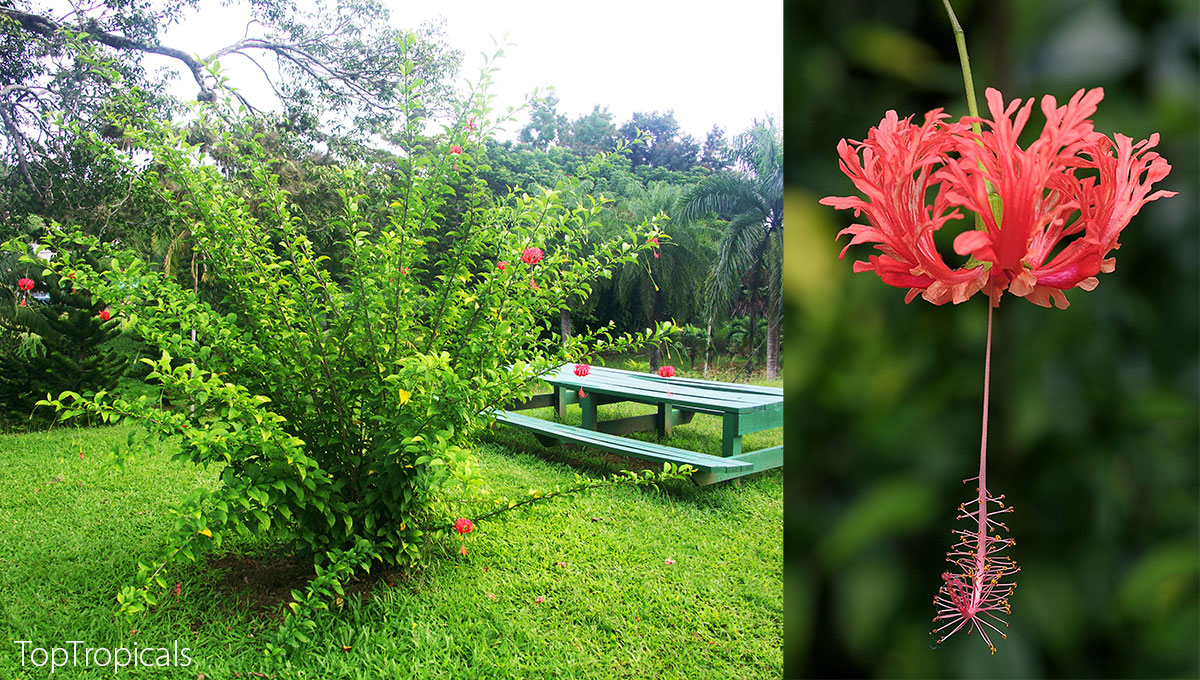
Hibiscus schizopetalus - Coral Hibiscus. Spectacular weeping tree hibiscus, rare and hard to find. Grows rapidly and blooms freely. Flowers look like parachutes and can be recognized by the fringed and lacy petals which are bent backward. It has slender and gracefully curved stems. Can be trained into a showy standard.
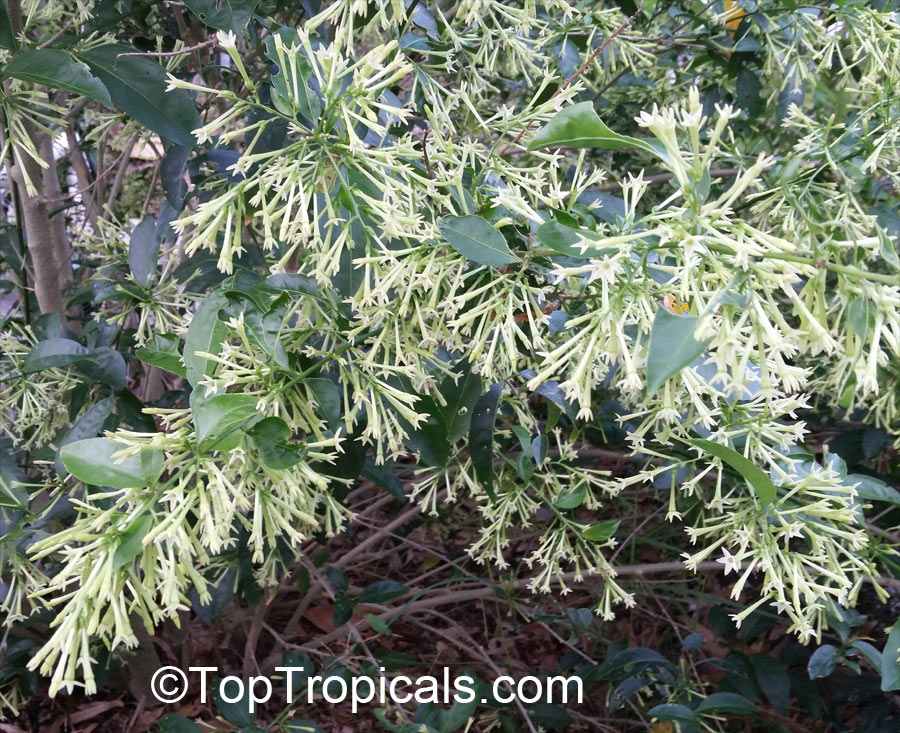
Cestrum nocturnum - Night blooming jasmine. Garden favorite - the sweetest fragrance at night is intoxicating. One of the most famous and desirable fragrant plants. Flowers are pale yellow to white, open at night and stay extremely fragrant until sunrise. These flowers are widely used in India and other countries of South Asia for perfumery, medicinal applications and in religious ceremonies. Best location will be near driveway, window or entrance, where the magic fragrance can be appreciated.
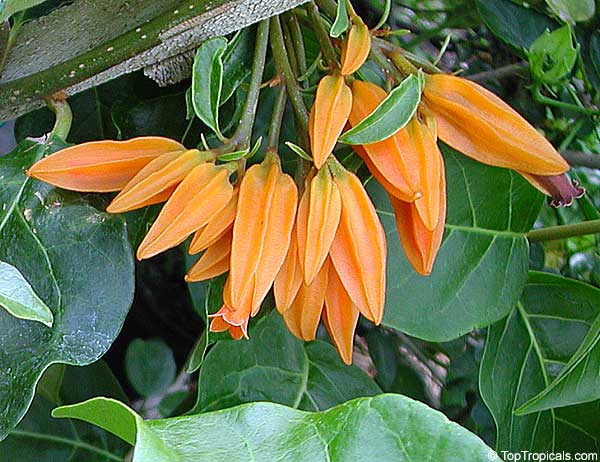
Juanulloa aurantiaca - Gold Finger plant, Mexican Spoon Flower - this one is soooo pretty! Unusual looking vine or shrub with yellow-orange fleshy flowers, everblooming and a VERY fast growing. Rare, collectible plant.
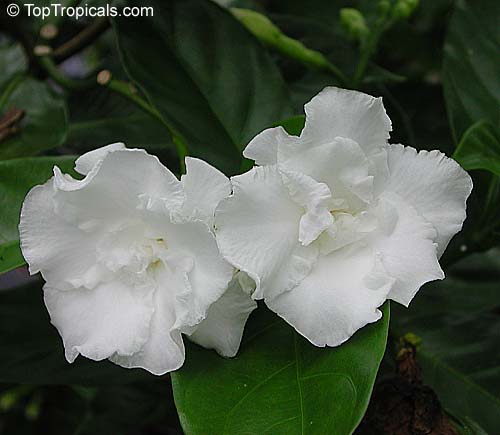
Tabernaemontana Flore Pleno - Crape Jasmine, Carnation of India, Florida Gardenia - this fast growing bush with waxy leaves and beautiful fragrant flowers is a must in tropical garden. Easy to grow and free flowering, dense bush.
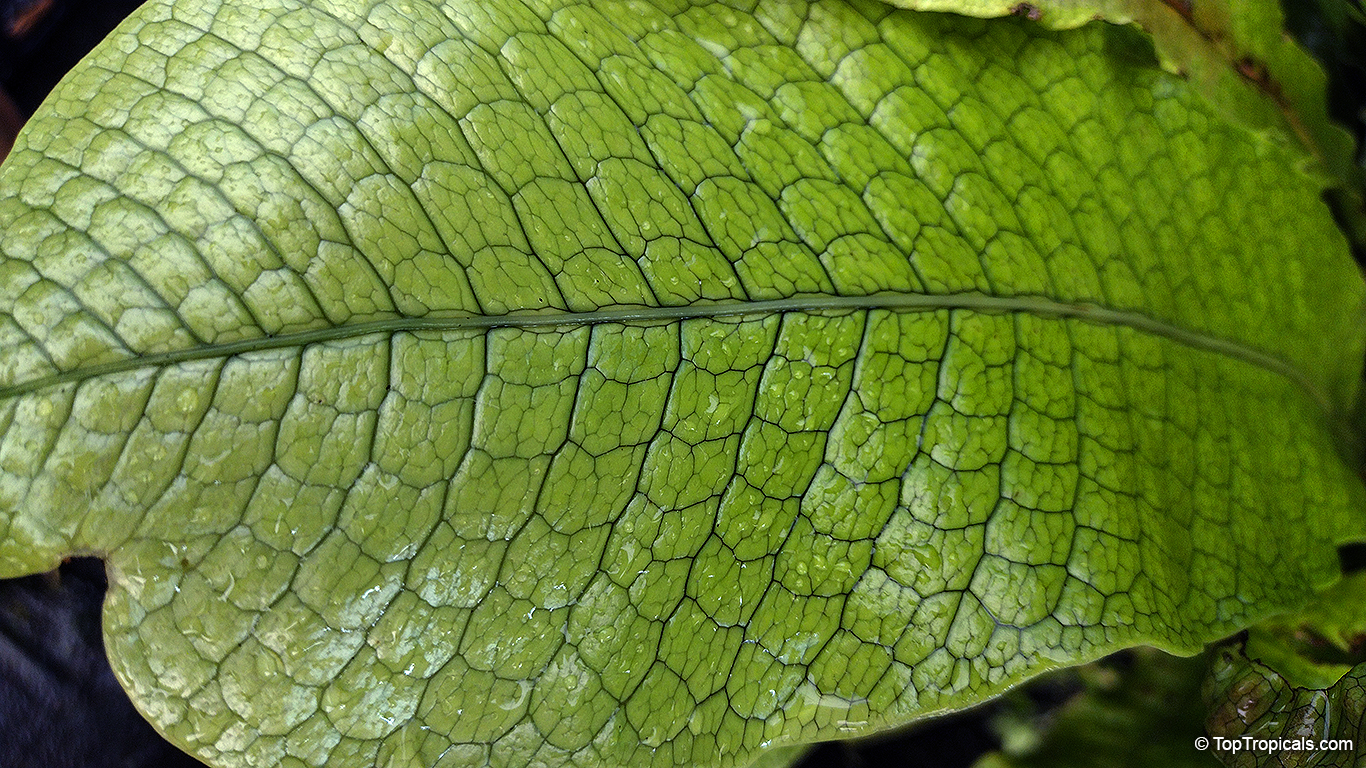
Microsorum musifolium - Alligator Fern, Crocodile Fern from Australasia. Perfect for shade! An epiphytic fern with cool alligator-skin looking leaves. The strikingly shaped, light green fronds of the fern form a lovely backdrop to its stunning stiff, leathery, dark green alligator-skin foliage. Perfect as a houseplant, or planted under a tree. Grows to 2-3 ft in height and likes a sheltered, semi-shaded location, no direct sunlight.
Date: 2 May 2024
Cat of the Day - Gutalin a.k.a Google.

Google knows everything. He is our oldest cat (born 2007), and recently started cloning himself because he can't find helpers as smart as he is. Do you know the feeling? Hold that thought. Good night for now... 🌜
📸 😺 👇 Share your cats in comments!
🐾 More #PeopleCats in our Garden: PeopleCats.Garden
🏵 TopTropicals
Date: 6 May 2024
Cat of the Day - Ricki

Find yourself a comfortable spot like Ricki did - he likes hanging out on a grill. Cool or hot, it's all good. Good night.🌜
📸 😺 👇 Share your cats in comments!
🐾 More #PeopleCats in our Garden:
PeopleCats.Garden
🏵 TopTropicals
Date: 7 May 2024
Cat of the Day - Shaka
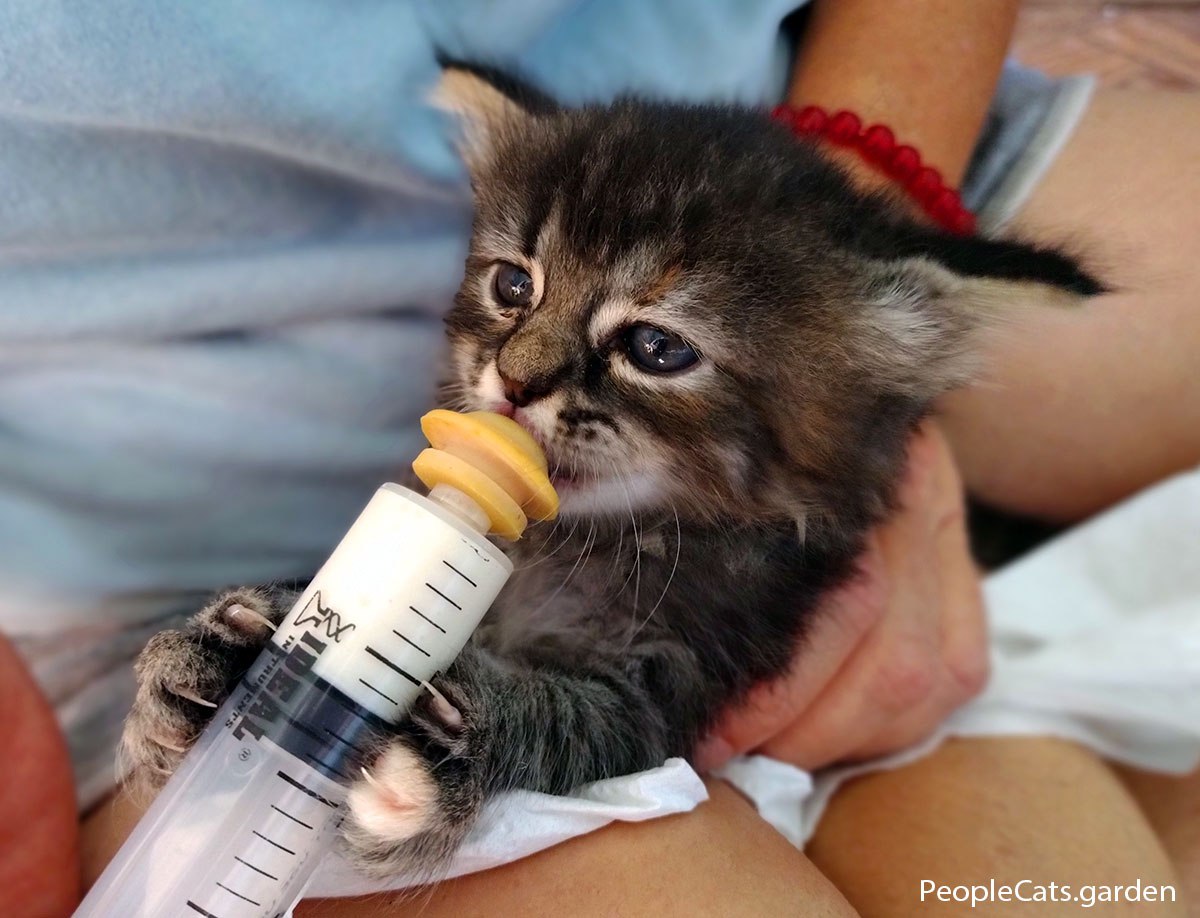
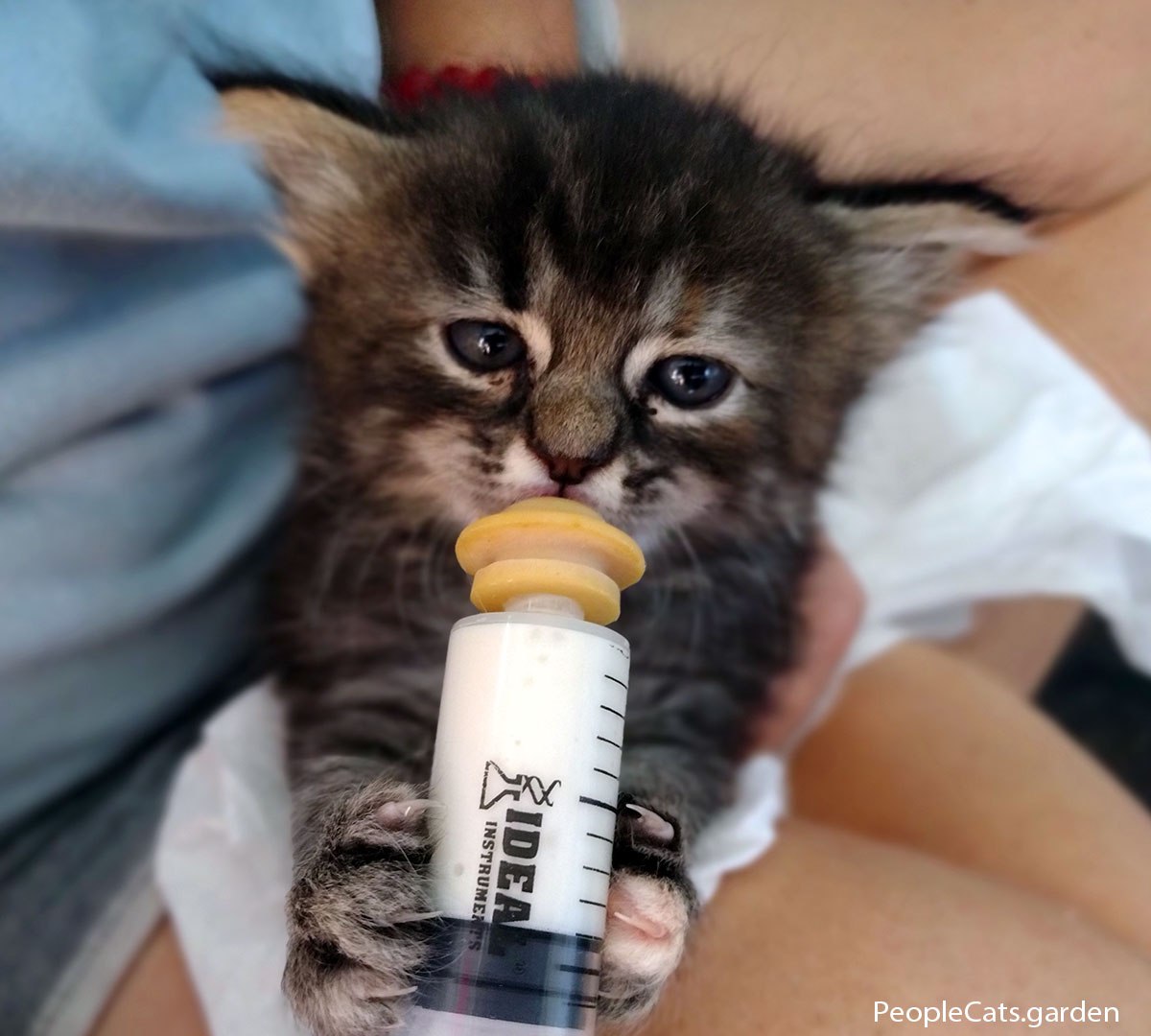
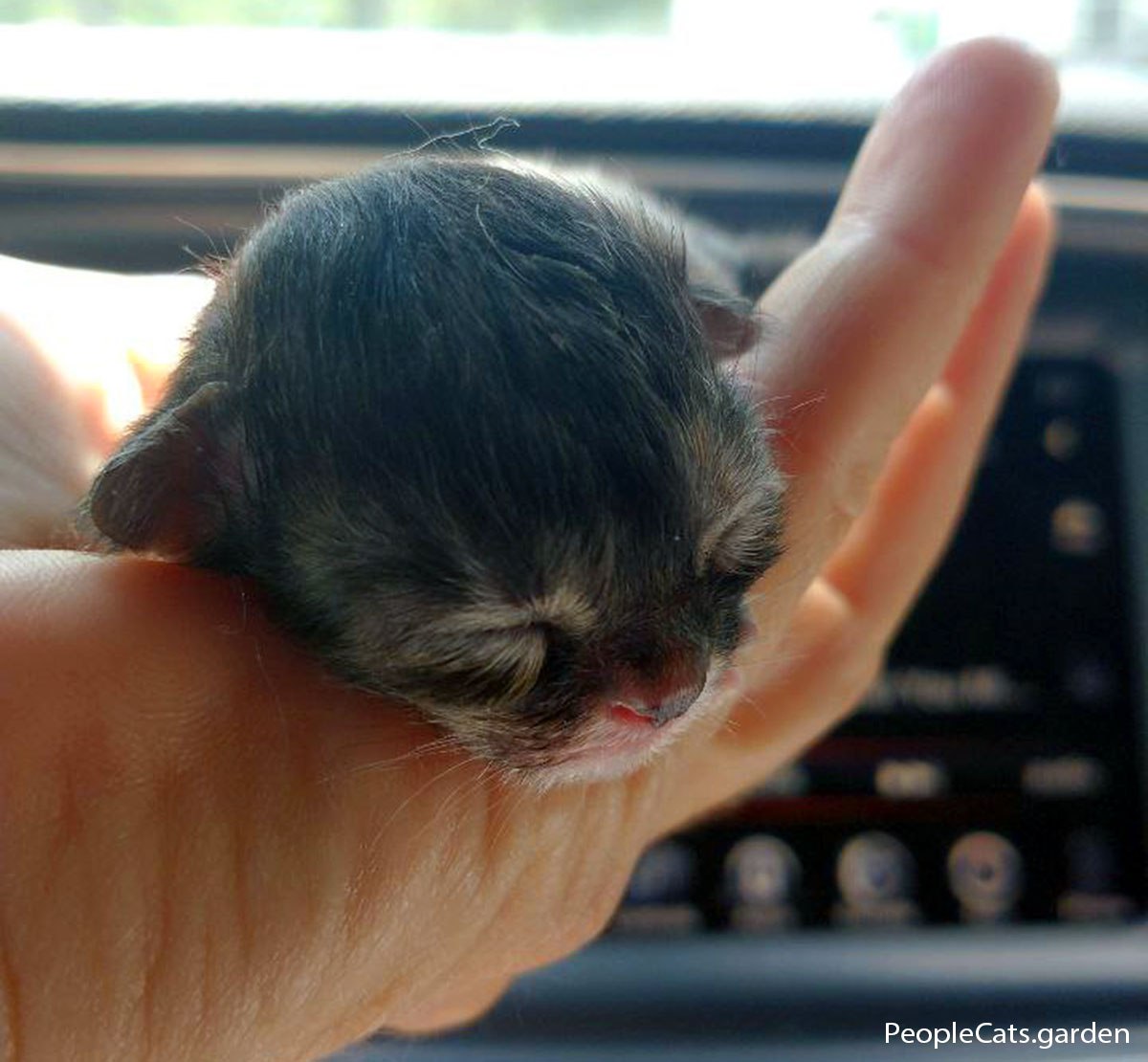
One day a feral cat had given birth to a kitten on our front porch, but the mother had left and not returned...
Find out what happened next...
📸 😺 👇 Share your cats in comments!
🐾 More #PeopleCats in our Garden:
PeopleCats.Garden
🏵 TopTropicals
Date: 26 May 2024
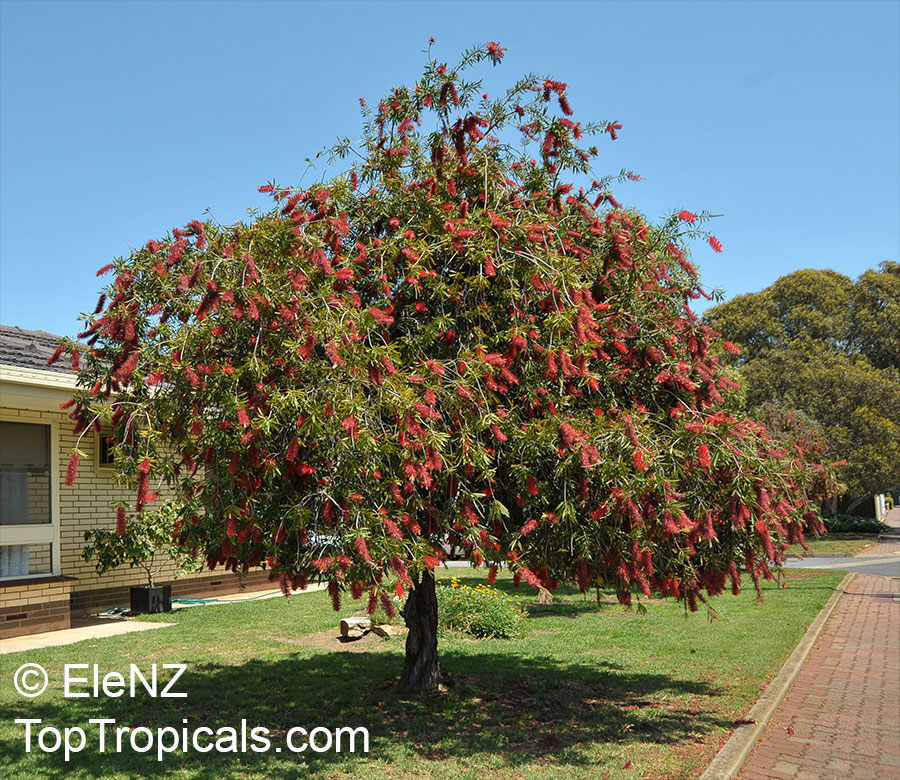
How to grow Bottle brush trees
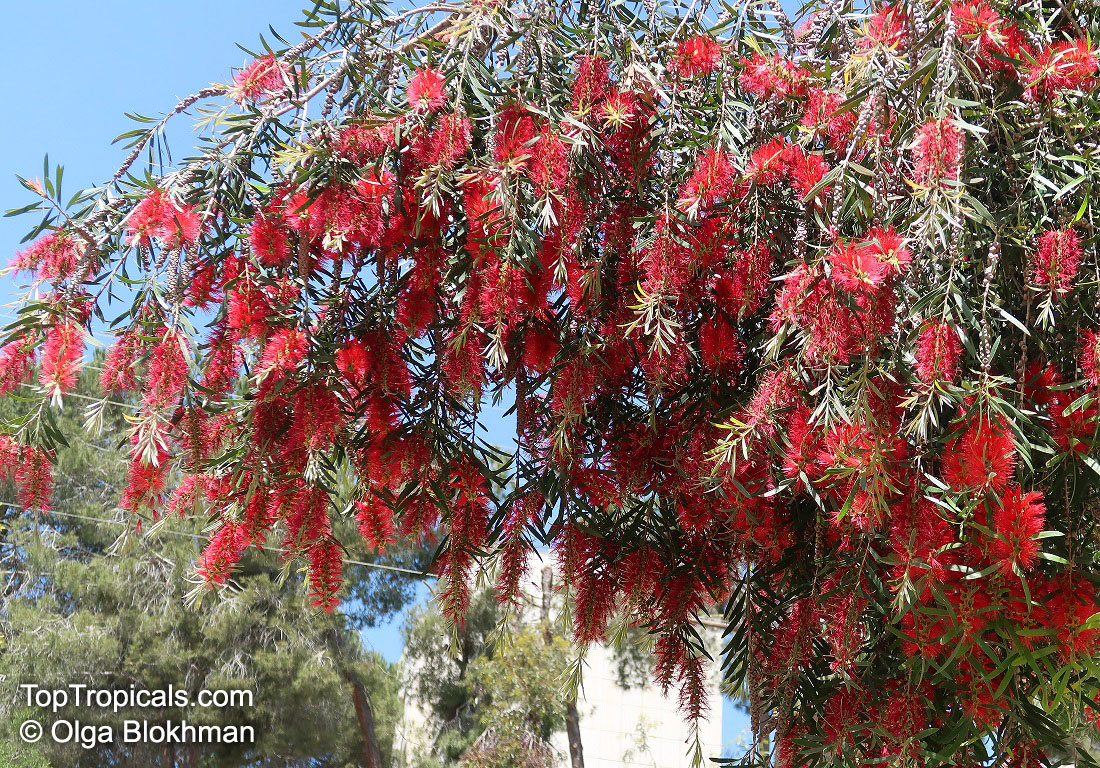
Q: Please recommend me a cold hardy flowering tree that doesn't need much care.
A: Growing bottle brush trees (Callistemon spp.) can be a rewarding experience, as they are known for their striking, brush-like flowers and ability to attract pollinators. Here are some detailed tips to help you successfully grow and maintain these trees.
Hardiness
Bottle brush trees are best suited for USDA hardiness zones 8-11. They thrive in warm climates and can tolerate some light frost, but severe cold can damage or kill the plant.
Planting Location
Sunlight: Bottle brush trees require full sun to thrive. Ensure they get at least 6-8 hours of direct sunlight per day.
Soil: They prefer well-draining soil. While they are relatively tolerant of poor soil conditions, a sandy or loamy
Space: Consider the mature size of the tree when planting. Some species can grow quite large, so provide enough space for them to spread without being crowded by other plants or structures.
Attracting Pollinators
Bottle brush trees are popular with pollinators. Their bright, nectar-rich flowers attract bees, butterflies, and birds, particularly hummingbirds. This makes them an excellent choice for a garden designed to support local wildlife.
Blooming and Fertilization
Bottle brush trees typically bloom in late spring to early summer. However, in mild climates, they may have sporadic blooms throughout the year.
Fertilization: While bottle brush trees do not require heavy fertilization, applying a balanced, slow-release fertilizer in spring can promote healthier growth and more abundant blooms. Be cautious not to over-fertilize, as this can lead to excessive foliage growth at the expense of flowers. During the year, use |find_name=Sunshine Boosters Megaflor(Sunshine Megaflor)| - it is safe to use with every watering, year around.
Watering
During the establishment period, keep the soil moist. Once established, they are quite drought-tolerant but will benefit from regular watering during dry spells.
Pruning
Prune after flowering to maintain shape and remove any dead or diseased branches. This also encourages bushier growth.
By following these guidelines, you can enjoy the beauty and benefits of bottle brush trees in your garden. Their vibrant flowers and attraction to pollinators make them a delightful addition to many landscapes.