Date: 23 Mar 2020
Garden Sustainability Tips: Live your Life. Dig your Garden.
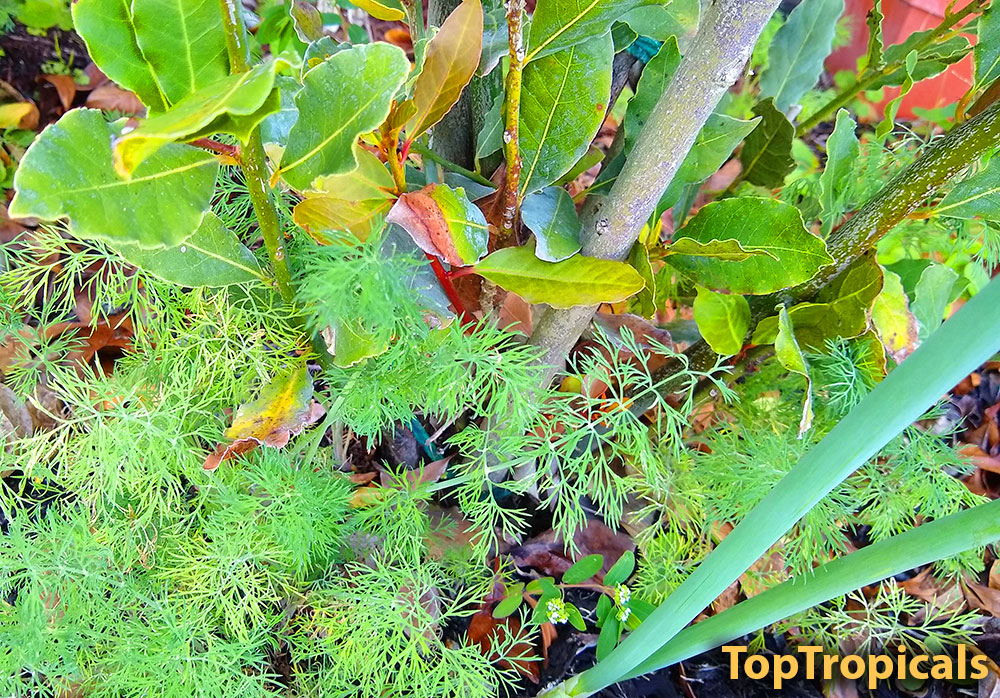
You can grow herbs and vegetables that can be easy incorporated into your home landscape. You don't need a raised bed for a few little things that will come really handy for your kitchen.
1. Parsley. Get a small 4"pot parsley plant from a local garden
center. It grows super fast and just one plant can provide great healthy
addition for your cooking for a few months. Plant in in full sun, under a tree or
shrub, where it gets hit by a sprinkler.
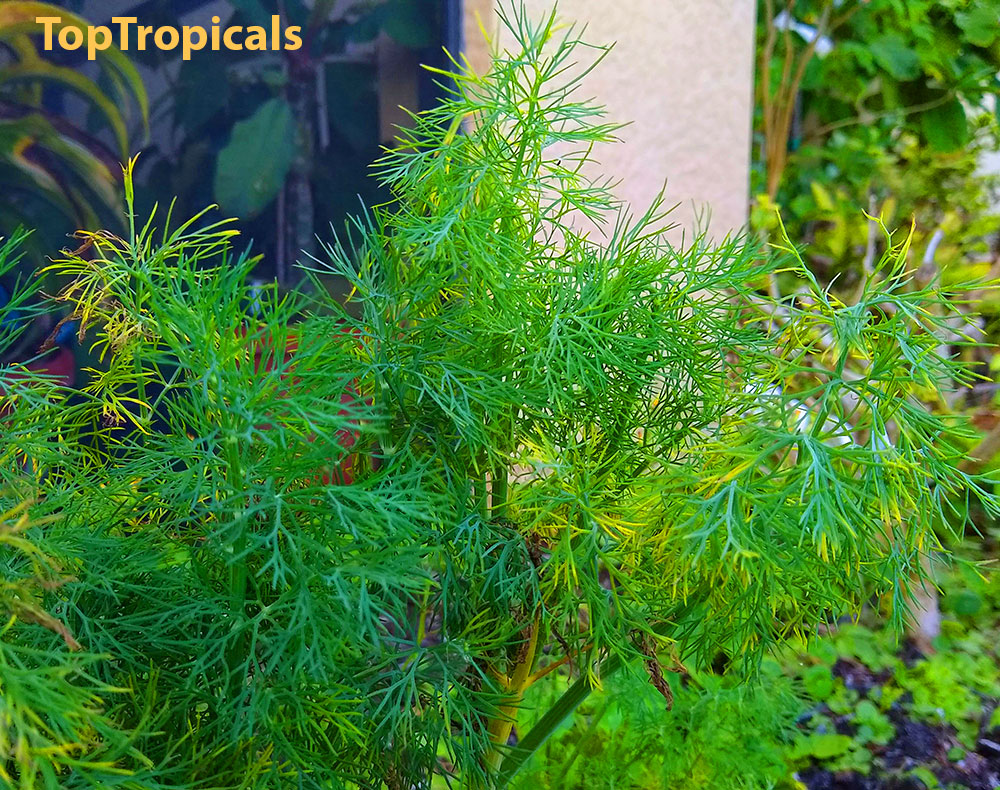
2. Dill. This one grows from seeds quickly and easily. It also needs
full sun and regular water.
3. Chives, or Green Onion. Don't through away"bulbs"from chives
you got from the store. Stick them in the ground, pretty much anywhere in your
garden. You will have supply of fresh chives loaded with vitamins right away
(withing a few days!) and for many months. You can also plant an onion bulb
(root-end down... duh) - this one will produce greens even faster!
4. Bay Leaf. If you live in a mild climate, plant a Bay Leaf in your yard (closer to the door - closer to the kitchen!). It
is a wonderful healthy spice for soups and stews that makes them super
flavorful. If your winters are cold, keep the plant in a pot. Bay Leaf makes a
great undemanding houseplant that needs bright light, but very little water.
5. Cherry tomatoes are easy to grow, heat tolerant and even grow in
lower light, so they are easy to incorporate into any existing landscape. Get
Sunshine Boosters to double your crop: see how it works.
6. More herbs and spices. Check out our large selection of herbs and spices - they are on sale today!
7. Garden work is a great exercise. While the gym is closed - get to
gardening. Read about Fun workout and Calories Burning Gardening.
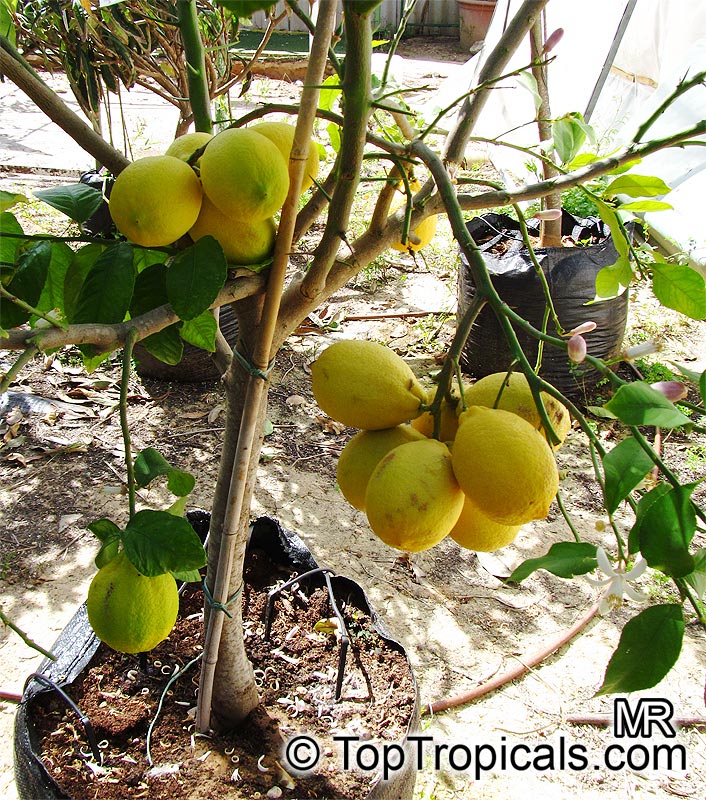
8. Lemons. Vitamin C is your best friend for boosting immune system,
and Lemons have tons of it! In areas where citrus can grow outside, Lemon
tree is a must-have for your garden, or at least find a friend who has one!
Citrus also makes a great house plant, so you can keep it in a pot, too. Just
make sure to have a grafted tree that will produce right away.
Lemon Juice Health Booster Recipe
1. Squeeze juice from 1 lemon and mix it with 1 cup of water.
2. Add ice cubes and 1-2 tbsp of any flavored syrup (optional). You may add
some fresh mint for Mojito flavor.
3. Enjoy this drink at least once a day.
4. Get a bunch of lemons, squeeze fresh juice into ice cube trays and
freeze. 1 lemon = makes 1 ice cube. Store in freezer and use 1-2 cubes to make the
above drink, daily.
Besides being rich in vitamin C that will boost your immune system,
Lemon juice is a Natural medicine that helps to treat:
- cold and flu
- headaches and high blood pressure
- stomach problems
- insomnia
- and much more
Drinking lemon juice on regular basis will make your body stronger and more
resistant to infections and many illnesses.
Please take good care of yourself and your loved ones. Stay healthy.
Date: 16 Dec 2019
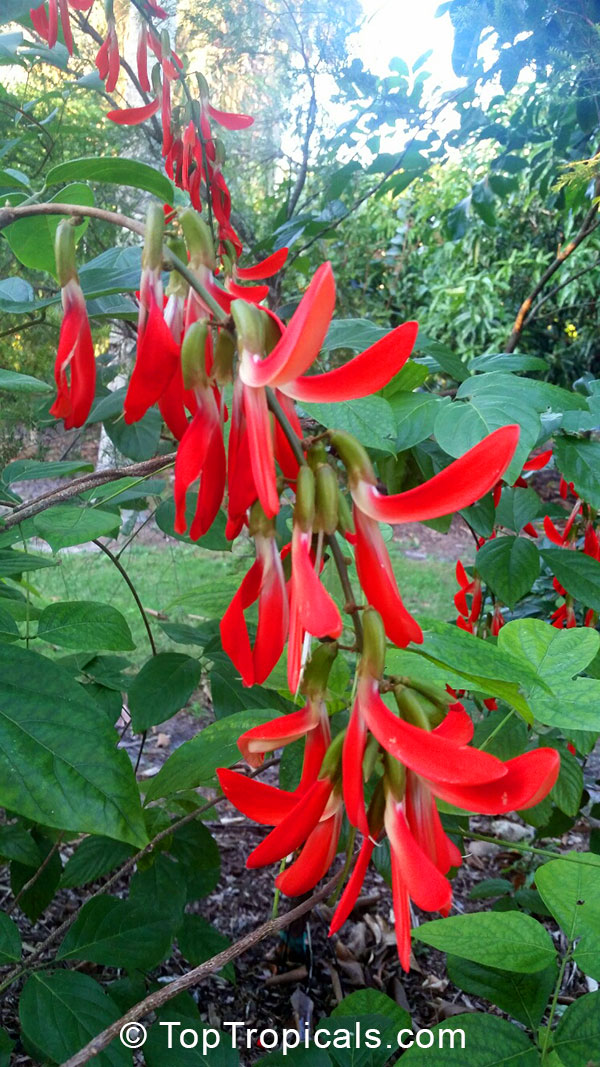
Hardy Dwarf Red Jade Vine
by Onika Amell, tropical plant specialist
Q: I simply adore Jade vines. I think they are the Queens of all the vines! I have been very been successful growing the green Strongylodon macrobotrys and purple Jade Mucuna pruriens vines here in Clewiston Florida but I am struggling to make the Red Jade vine (Mucuna benettii) thrive. It keeps dying on me during cold snaps. Any suggestions?
A: ...Here is our solution for you. Consider growing a Dwarf Red
Jade Vine or Camptosema grandiflora. It is closely related to the regular and ultra
tropical Red Jade Vine Mucuna benettii but much tougher and hardier. It is
considered to be one of the more cold hardy of the Jade Vines...
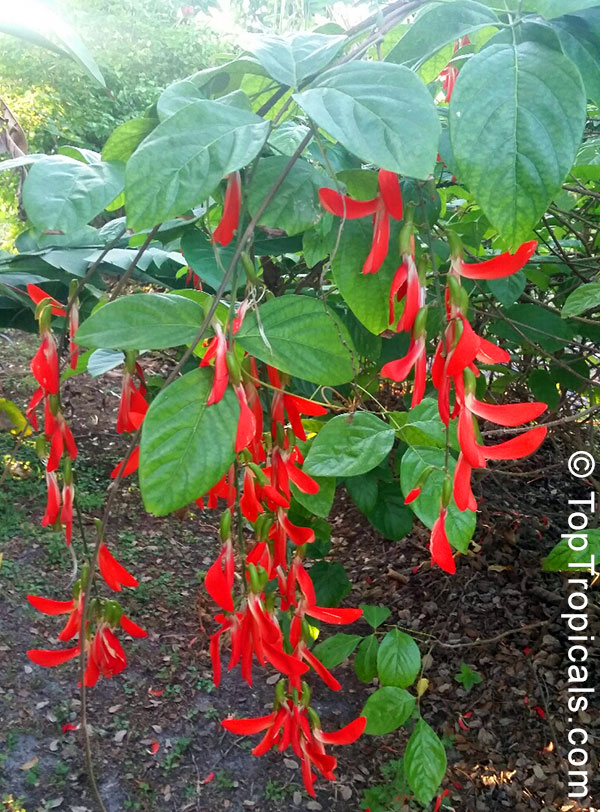
This gorgeous, rare and unusual vine is a sheer showstopper. It is easy
to grow and it will reward you with long fiery chains of dangling orange-red
flowers that bloom from late fall to early spring. Even though it is listed
as a dwarf do not be fooled. This vine will get quite large and will need a
strong support over time. The flowers are long and heavy and will show best
when planted on an arbor or pergola where they are able to hang down and wow
you and your visitors. It puts on a wonderful display. Butterflies, bees and
hummingbirds will all thank you for growing this stunner!...
CONTINUE READING >>

Date: 5 Oct 2019
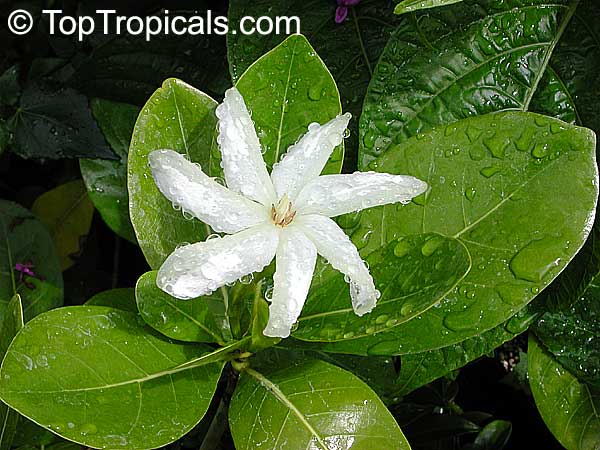
Gardenia flowers: how to prevent bud-drop
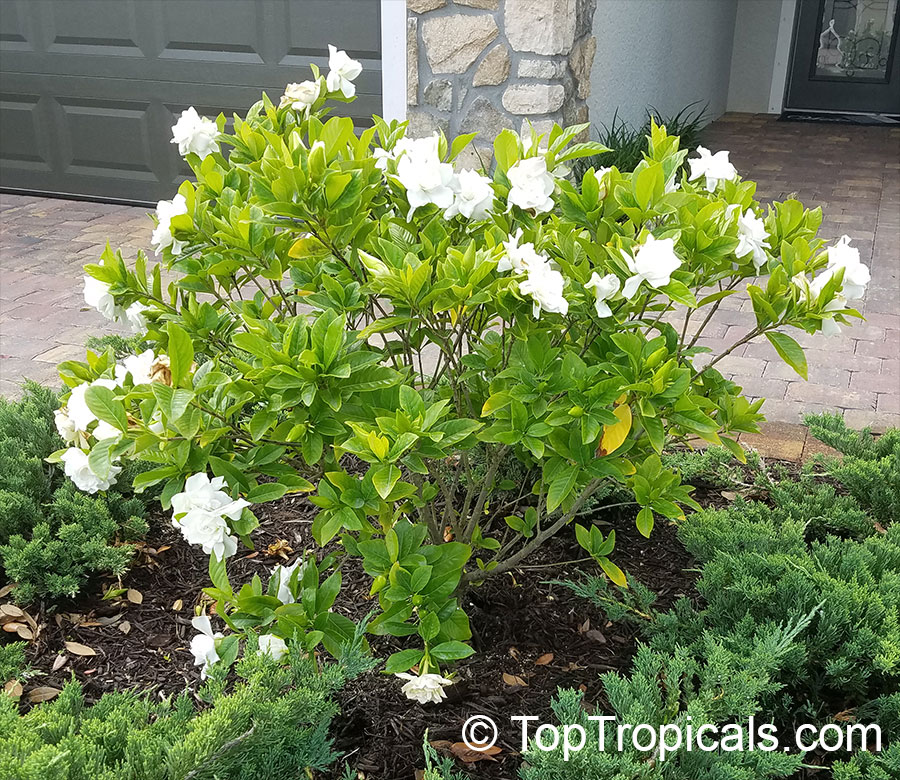
Q: My gardenia looks beautiful, but the flowers fall off of it before they even open up, the majority of them get this brown color at their base. Can you point me in the right direction.
A: There are 3 possible problems, either one, or a combination:
1) Lack of light
2) Too much water
3) Lack of micro-nutrients in soil
Try the following treatments:
- micro-elements SUNSHINE-SuperFood as foliar spray + drench rootball,
once a month, it will improve quality of the flowers.
- Silicon protection: SUNSHINE-Power-Si. This supplement has Silicon as
an active element (Si). Adding it to soil or/and over foliar spray can
immensely enhance plants' resistance to external factors and boost their growth and
health.
Make sure the soil is not soggy, reduce watering especially during
fall/winter.
Date: 16 Sep 2019
What pot is good for Medinilla?
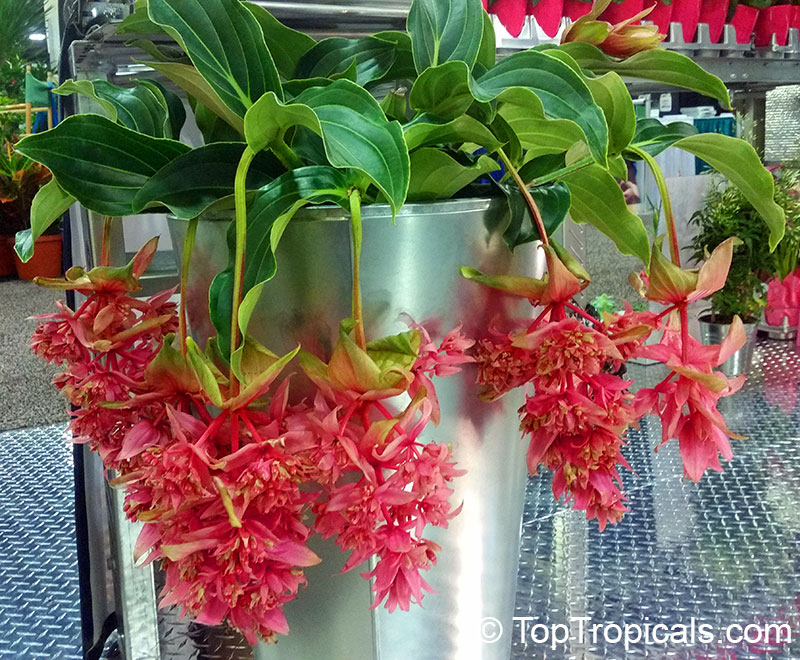
Q: I just acquired a Medinilla plant. I have a cylindrical tall clay pot that I would like to repot this beauty into. Would like to know if a deep pot is good for this type of tropical plants even if the medium is lightweight with bark and perlite allowing adequate drainage. Would appreciate your advice.
A: Medinillas are very close to epiphytes, meaning they like high air humidity and very good soil drainage characteristics. Clay pots usually provide good air circulation, as long as they are not glazed. If you add a lot of soil conditioner into your mix, like orchid mix and perlite, the tall pot will provide a good drainage. Tall pot is also great for displaying the beautiful pendulous blooms!
Plastic pots work well too, as long as you provide a well-drained soil for the plant. If a nursery plastic pot is not pretty enough, you may place it in a fancy planter; however, make sure never let the pot sit in water, Medinillas do not like wet feet.

Date: 12 Sep 2019
Shipping live plants
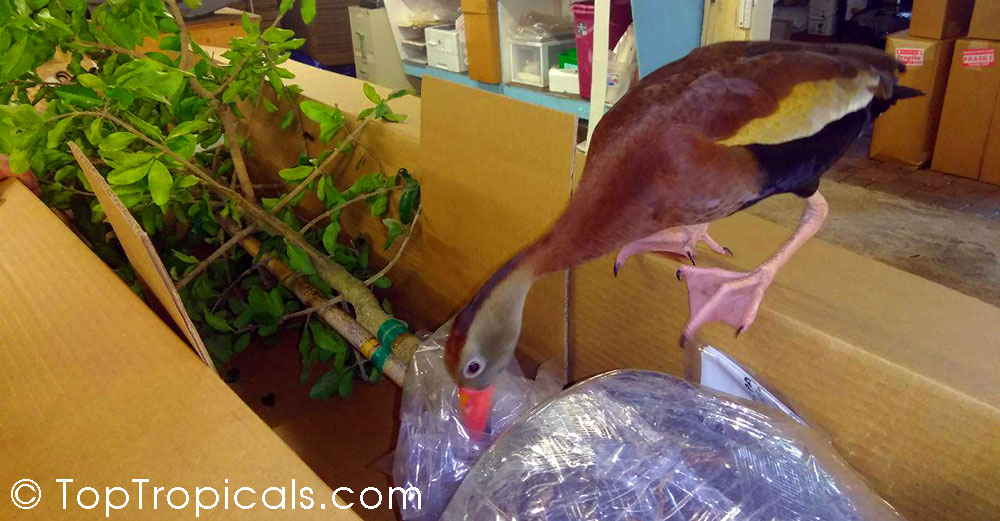
Q: I am a rare plant collector and very impressed with your plants selection that I can not find in our local nurseries in California. I have never ordered plants online before and wonder how they make it through the trip and do you suggest any special care to help plants with recovery?
A: Shipping live plant in a box for several days is definitely a challenge both for a plant and for a grower. After many years of experience packing/shipping plants we learned how to make that trip a success. Thanks to our special packing techniques, breaking during shipping happens very rarely. However, in order for the plant to recover well from normal shipping stress, some special attention required from a customer too. You will receive care instructions with your order. Make sure to follow them thoroughly, otherwise you may put your plants at risk. These are a few factors to consider that affect your plant during transit. They may cause the following symptoms of shipping stress:
1. Lack of light. Complete darkness in a box is opposite to a bright light that the plant was used to. After 2-3 days it may cause leaf drop. If this happens, make sure to reduce watering. Less leaves means less evaporation, and a plant can't use excessive water which may cause root rot.
2. Extreme temperature. Hot summer or cold winter temperatures may put a tender tropical plant into serious shock. Usually the only time when temperature may affect the package is when it is left outside on your doorstep. Watch out for delivery by tracking the package with a number we provide in shipping confirmation email.
3. Dry air and lack of water. When packing plants, we saturate root ball and then wrap it tightly in plastic so normally your plant will have enough water supply for a 3-4 day trip unless there are unexpected delays. In a special package, the plant usually has enough of humid environment around the leaves, especially if there are several plants together. However if the box was exposed to heat it may dry out, and this will cause yellowing and/or drying leaves. In most cases this is not critical; cut damaged leaves and new growth will appear soon.
The shipping stress symptoms are normal and once you apply some extra attention and love, your plants will recover sooner than you think. Be patient, don't push with too much water or light, keep warm, in bright shade, and do not fertilize until the plant shows new growth.
Remember to always use SUNSHINE Epi - a natural bio-stimulant that helps stressed plants to recover quickly!

