Date: 22 May 2016
Plant Horoscope. Gemini Zodiac lucky plants: Anthurium and Philodenron

Gemini - 5/21-6/20.
Ruled by the mutable, changeable planet Mercury (also patron of the art of medicine), Gemini is an AIR sign. Plants ruled by Mercury tend to have ferny or highly-divided leaves or stems (like the bronchi of lungs), hairy or fuzzy leaves (related to the cilia in the lungs), or subtle odors.
Gemini rules the lungs, shoulders, arms, and hands. Its plants help to strengthen the lungs and respiratory system, relax the nervous system, strengthen ears and hearing, the tongue and speaking, the vocal cords, lungs and thyroid, as well as the shoulders, arms, and hands. Gemini has so much going on mentally that they may need a little help to digest all the information they're constantly absorbing. Herbs that have clean, pure flavor not only help physical digestion, but assist spiritual and mental intake as well.
Gemini Zodiac lucky plants: Ferns, Blechnum, Tree ferns and Cyatheas, Fern Tree, Aralias, Jackfruit and Breadfruit, Paulownia, Anthurium, Philodendron, Philadelphus, Clerodendrums, Anise, Lavender, Myrtle, Nut trees, Macadamia, Ficus, Piggyback plant - Tolmiea menziesii, Aloe vera, Fig, Honeysuckle, Azalea, Mint Tree Satureja, Vitex, Ironwood, Mulberry, Osmoxylon, Acalypha, Allamanda, Aphelandra, Iboza, Ruda, Kiwi, Caesalpinia, Cyphomandra, Monstera, Kalanchoe, Magnolia, Oregano, Ocimum, Naranjilla, Zamia, Delionix, Acacias, Calliandra, Patchoili, Palms, Geranium, Grevillea, Eucalyptus.
For other signs information, see full Plant Horoscope
Date: 20 Apr 2016
5 secrets of propagation
How to propagate rare plants? It is exciting and fascinating process - to be a Creator of a rare plant collection. Sometimes when you have a rare plant, you baby it and wish you could have at least two of the kind, just in case you lose one to weather conditions or an accident... If you lose one, it hurts! Plant collectors know the feeling - it is always a good idea to propagate a few more of the rare kind. Here at Top Tropicals we know that feeling too, and we want you to keep your baby plants alive and thriving, multiply them, share with others, and make our planet better - one plant at a time! Know your different plants, and different ways of their propagation. Ready for the secrets revealed?
1. Seeds. The most popular way and in most cases the most reliable. Also, a seedling has a strong, vertical root system (cuttings or air layers have shallow roots). However growing from seed is the only sexual method of propagation (vs other methods - asexual, or cloning), which means, some varieties don't come true from seed. Similar to a baby born from two parents, blonde mother and brunette father, can have either light or dark hair... or even red, genetically provided by the great-grand father! The most important factors of success when growing from seed are - well-drained germination mix (check out our Seed Germination Mix #3), and a combination of perfect temperature (high temperature 80-90F induces germination, but some species like it cooler!) and mix moisture level (can't stay soggy).
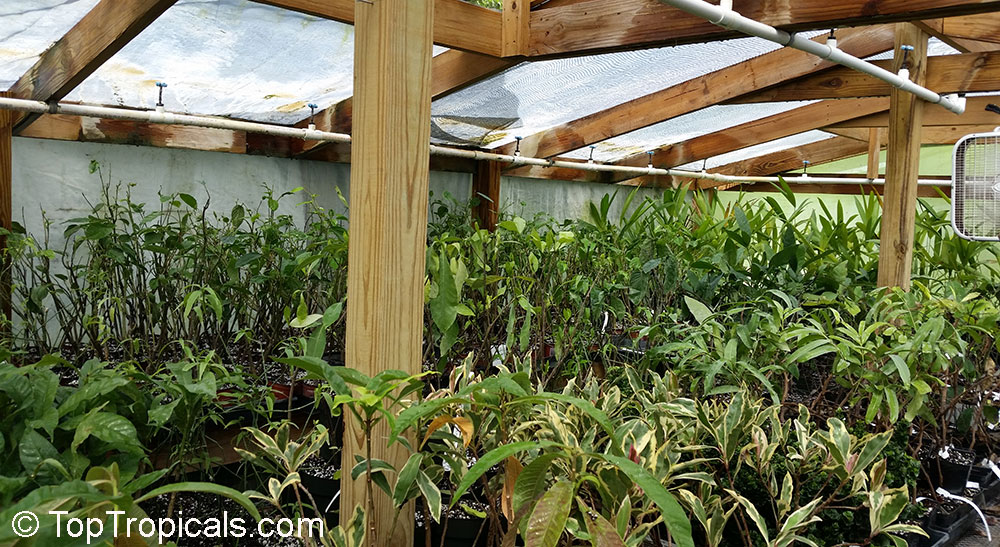
2. Cuttings. In most cases, works great as long as you know the secret for this method: clean (sterile) soil mix (check out our Propagation Mix #2), warm temperatures and very high air humidity (not moist soil, but humid air!). Mist house works well (see picture) with periodically controlled foggers (5-20 sec of fog every 5 to 20 min during light time - depending on species, and temperature), but simple clear plastic bag over a pot or tray works as well! Large leaves should be trimmed in half, or more, to eliminate extra evaporation, and soil should be only slightly moist, not soggy. Remember to use rooting hormone that not only improves rooting but keeps away fungus problems. You are welcomed to visit mist house in our facility, we will be happy to share experience.
3. Air Layers. From our experience, key to success with this method is patience. Most air layers take a few months to set root. Keep sphagnum moss moist, and create air layers only during active growth season - Sprint through Summer. Use rooting hormone.
4. Grafting. This method requires the most skills and experience but is not as difficult as it sounds. Plants can be grafted withing the same genus (e.g. one Gardenia sp. on another Gardenia sp.). There are many grafting manuals on internet. Try once, and you will get addicted to grafting! In many cases it is the most effective method. Especially when seeds not available and cuttings don't work with the species, while grafting works much faster than air-layering. The main secret in grafting is using the right type of graft, which comes with experience. Another important thing is keeping grafting parts and tools clean/sterile. Treat/clean surfaces with anti-fungicides horticultural soap (Example: Abound anti-fungal, Green Shield soap) and use rooting hormone.
5. Root divisions. All gardeners know that some plants are best to propagate by rhizome/root divisions, like Gingers, Heliconias, or Iris. And not everyone knows that some fruiting and flowering trees don't mind to reproduce by root divisions. For example, Jujube - Ziziphus jujuba, and Strawberry tree - Muntingia calabura, readily produce root suckers. Watch out for them and don't let them go to waist when spraying weeds. All time favorites, fragrant Clerodendrums also like this easy method of reproduction, especially C. bungei, C. philippinum, and many others.
Check out our Growing supplies section for professional soil mixes and drainage components that are so important in your propagation success. At Top Tropicals, we often use Coconut Coir
Date: 30 Mar 2016
Spring time fun: fertilizing and pruning
Q: When is a proper time to start fertilizing my garden in Spring? Also, when can I cut back cold damaged branches? Should I wait until end of April?
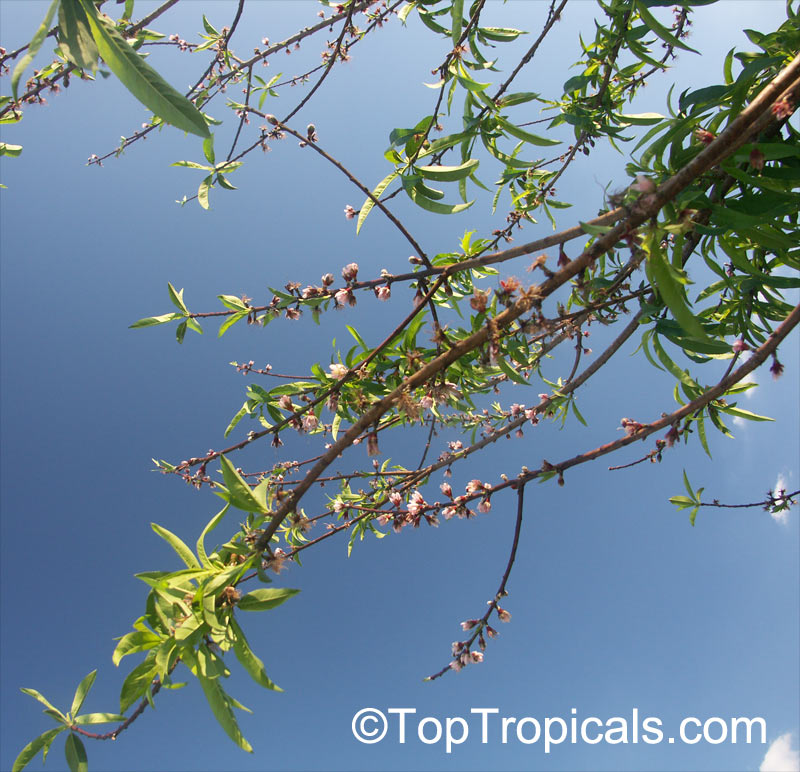
A: As a rule of thumb, fertilizer can be applied during period of active growth, when a plant needs additional nutrients. With indoor plants, you can fertilize pretty much year round as long as the plant continues growing and not dormant. For in-ground tropical plants, start fertilizing when new growth appears. In subtropical areas, with cooler winter months, most tropical plants slow down their metabolism when temperature drops below 65F. Many of them become dormant, and may even lose leaves (especially deciduous plants like Annona, or Peaches/Plums
Date: 13 Jul 2023
Fertilizing during rainy season
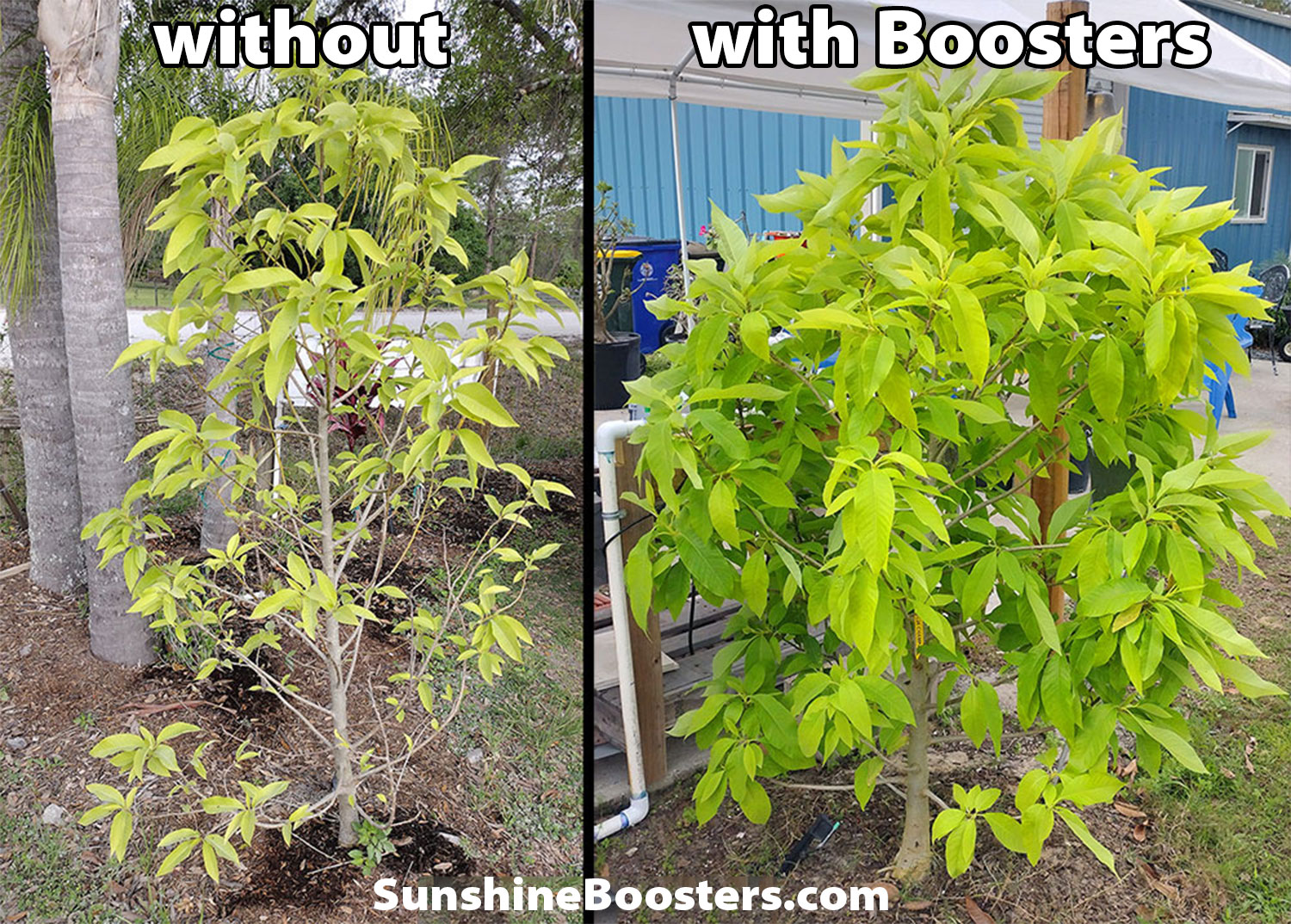
Q: I have installed your Robuster unit to fertilize my fruit trees, but here in Florida, it is the rainy season and most of the time I do not need to irrigate during the summer. What do you recommend to keep up with fertilizing program?
For in the ground plants
If there are frequent rains, it's not necessary to use any fertilizers except for slowly soluble ones. During rainy periods, use a slow release fertilizer. Simply scatter 3 oz per 100 square ft. You can adjust the amount based on your specific area and number of plants.
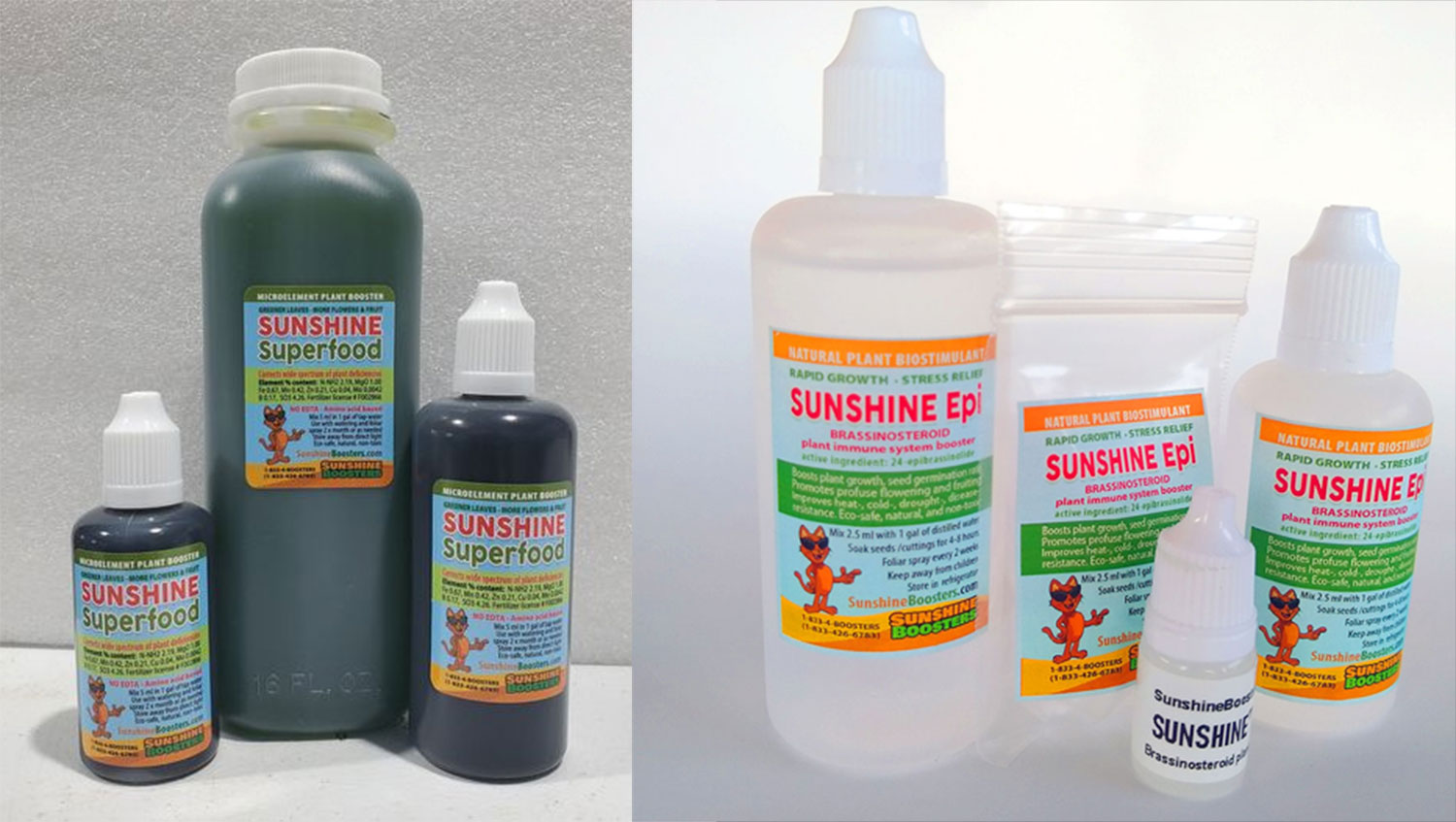
Additionally, for foliar treatments, use Sunshine SuperFood microelement supplement and Sunshine Epi biostimulator.
When you water next time, regardless of whether it rained or not, resume
using liquid Sunshine Boosters.
For potted plants
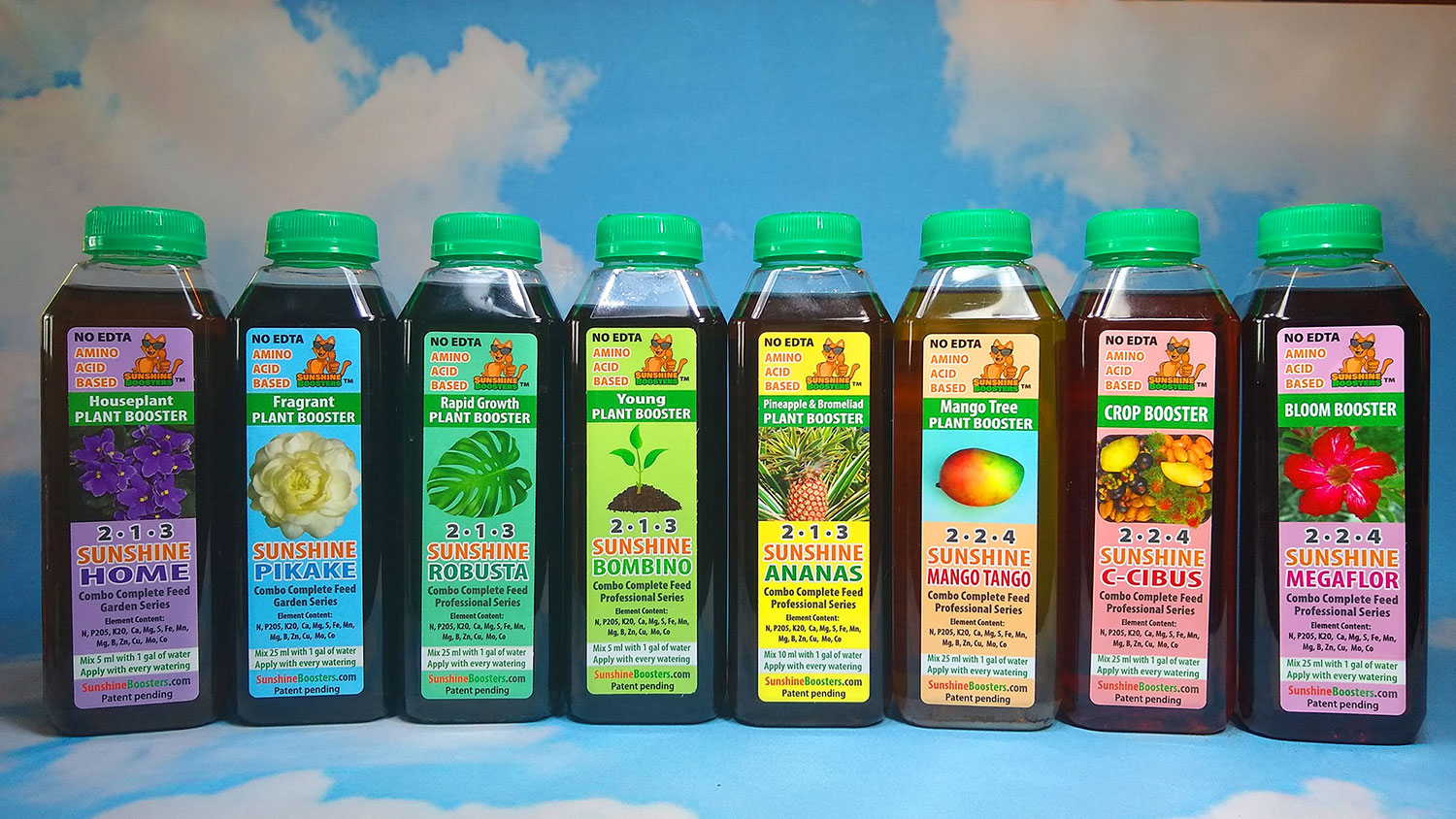
When you water your potted plants, use liquid Sunshine Boosters. Every 1 or 2 weeks (we recommend weekly), apply Sunshine Garden Series (the same type you are using when watering) for foliar treatment. Use the same dosage as you would for watering. By following these recommendations, you can ensure that your plants receive the appropriate nutrients during the rainy season.
Date: 28 Jun 2023
Six reasons to grow
Elephant Ears in your garden
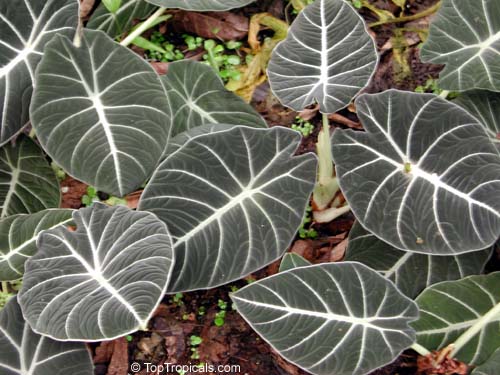
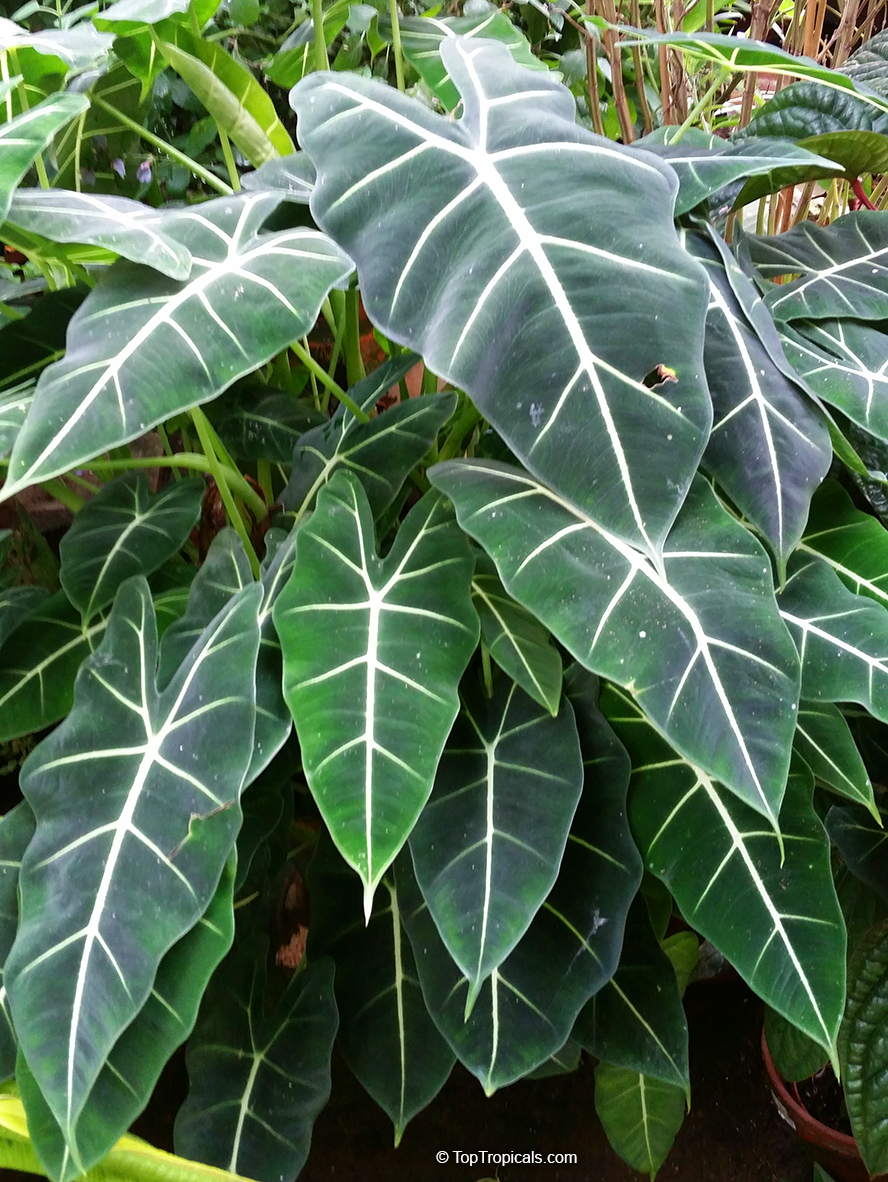
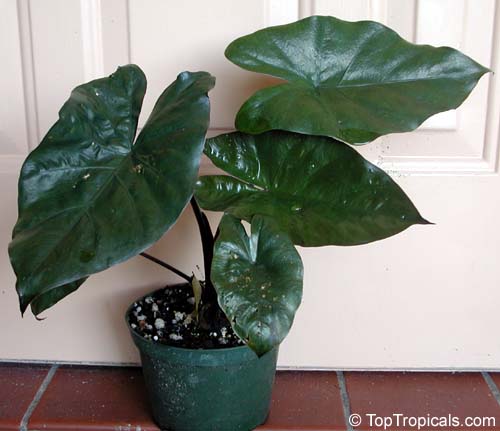
Alocasias and Colocasias, commonly known as Elephant Ears, are both remarkable and popular plants that can bring a touch of tropical elegance to any garden. Here's why they are often considered great additions:
1. Striking Foliage: One of the most captivating features of colocasias and alocasias is their large, lush foliage. The leaves can be enormous, resembling the shape of elephant ears, hence the common name. The foliage is usually rich green, but there are also varieties with hues of purple, black, or variegated patterns. These vibrant leaves create a dramatic focal point in any garden setting.
2. Tropical Aesthetic: Colocasias and alocasias have a distinct tropical vibe that can transform your garden into a lush oasis. Their exotic appearance lends itself well to creating a tropical-themed garden or adding a bold accent to other styles of landscaping. Their large, architectural leaves add a sense of drama and create a stunning backdrop for other plants.
3. Versatility: These plants can be grown in various garden settings. They work well in containers, making them suitable for patio gardens or balcony displays. In larger landscapes, colocasias and alocasias can be planted directly in the ground, either as standalone specimens or as part of mixed border plantings. They can also be utilized around water features or in bog gardens since they enjoy moist conditions.
4. Low Maintenance: Once established, colocasias and alocasias are generally low maintenance plants. They thrive in full to partial shade, preferring a consistently moist soil. Regular watering and occasional fertilization will help them grow vigorously. While they are generally hardy, some varieties may require protection during colder months or overwintering in frost-prone regions.
5. Impressive Size: With proper care and favorable growing conditions, colocasias and alocasias can reach impressive sizes. Some varieties can grow several feet tall, creating a stunning vertical element in the garden. Their size and presence make them ideal for adding structure and height to planting arrangements.
6. Unique Varieties: Colocasias and alocasias offer a wide range of cultivars and species, each with its own distinct characteristics. From the classic Colocasia esculenta to the more exotic Alocasia macrorrhizos, there are numerous options to choose from. You can select plants with different leaf shapes, colors, and patterns to suit your taste and garden design.