Date: 18 Jan 2017
10 plants that can make you happy.
3D garden ideas.
3D garden ideas.
Q: Can you make my yard bigger and prevent it from freezing?
A:
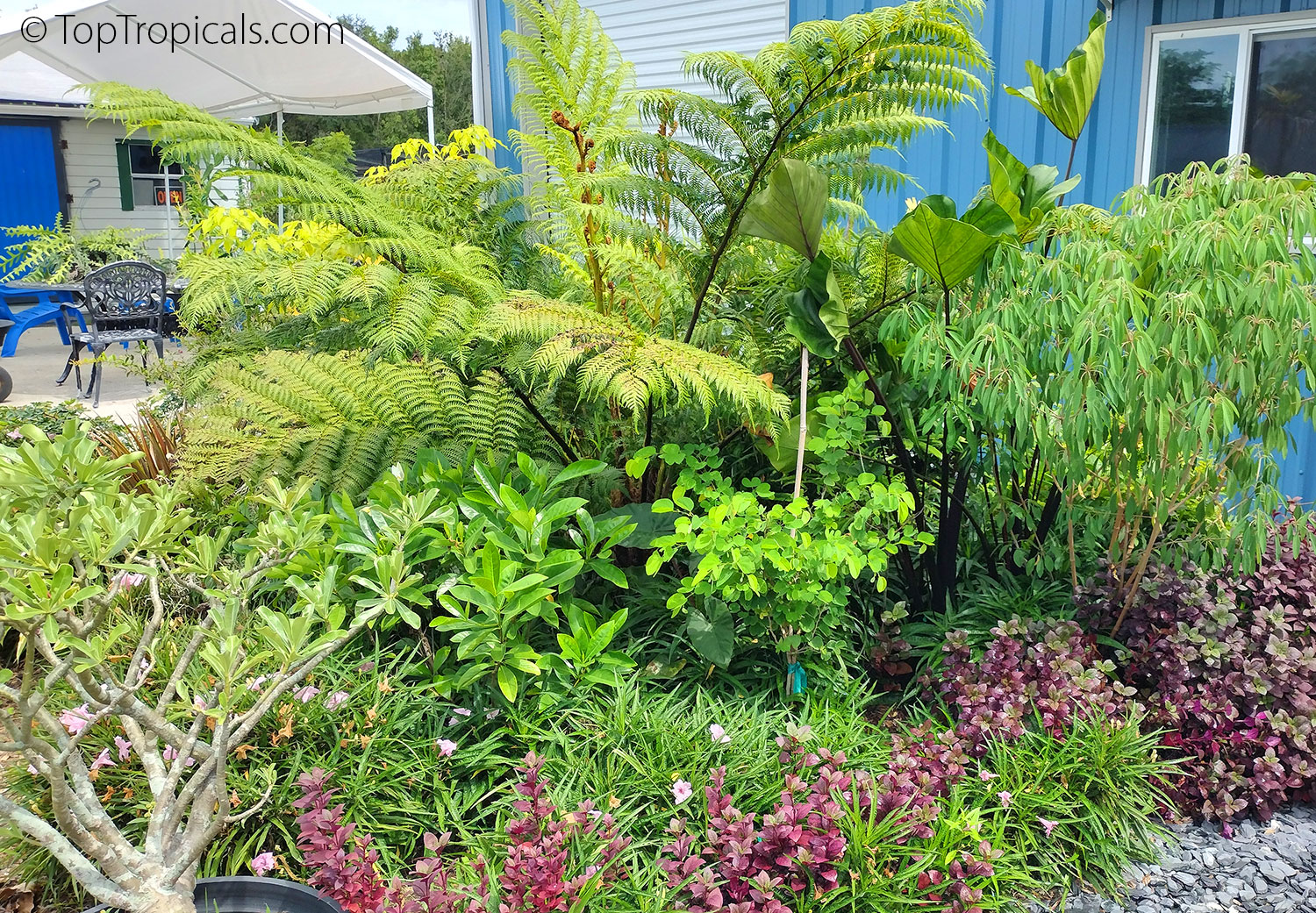
Yes, we can make your backyard bigger by adding a 3rd dimension - trees as a upper level, shrubs as a second level, vines in between, low growing perennials below them. Add ground covers and potted plants as separate specimens in between in-ground planted trees and shrubs. One more separate dimension is orchids and other epiphytes that happily grow on the trees. This multi-level structure will allow you not only collect so many plants, but also maintain them in a natural environment, similar to how they grow in a wild.
As far as preventing from freezing - it depends. You can use greenhouse, cover plants, create microclimate under large canopies, etc. Some tropical plants are tolerant to light frost, once established. If it gets below freezing in your area for more than a few hours, and especially if you have numerous nights with frost throughout winter, we recommend to keep plants in pots (BTW, this way you save space and can collect even more!). Pots can be moved to protected area during cold nights. The more established the tree, the more chances to survive colder temperatures. You may also use propane heaters during cold nights.
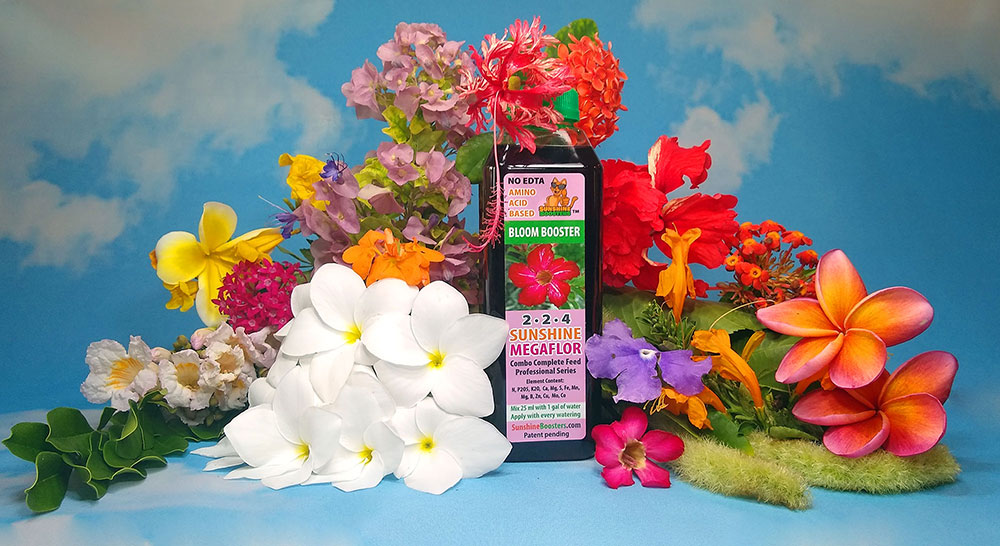
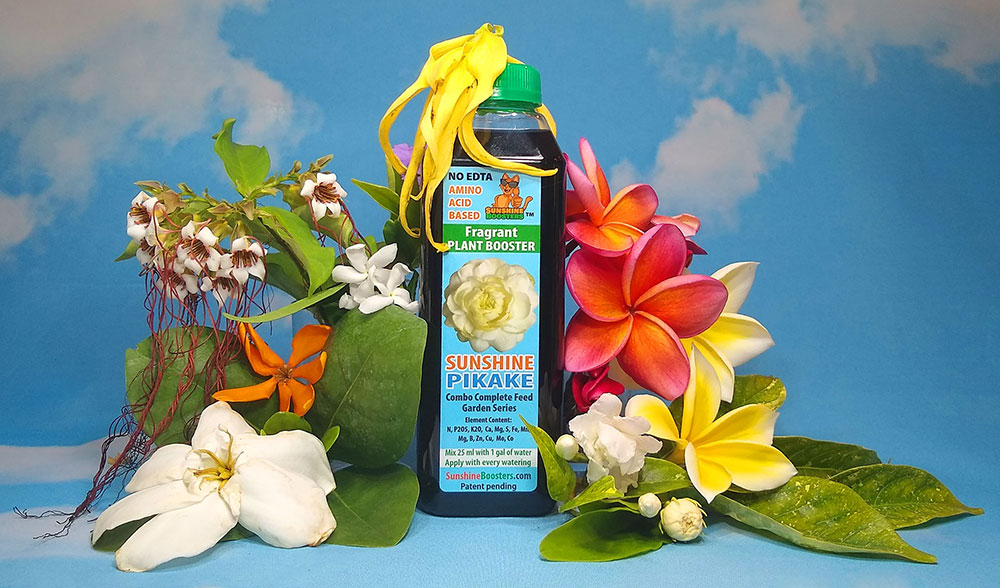
We also use plant booster SUNSHINE boosters to increase plants cold tolerance.
Cold protection is a lengthy subject. Here is some more information on cold protection.
Also, we recommend to check out our magazine Tropical Treasures (about pushing the limits of tropical gardening) for a detailed article on cold protection.
These are specific articles on Zone-Pushing in different issue #s regarding dealing with cold. See downloadable issues:
(#1) Growing Tropicals in Nontropical Climate, Three Freezing Nights in Southwest Florida
(#2) Temperature drops - an alert or a rehearsal?
(#5) Dealing with cold snaps, Cold hardy beauties
(#7) When winter is around the corner, Growing exotic Cordyline in colder climate
(#8) When the weather outside is frightful
(#9) Winter champions
(#11) Ready-for-winter checklist for in-ground plants
(#13) Winter checklist
(#18) Dealing with cold damaged plants
You may also order hard copies.
If temperatures drop below freezing in your area, remember to add Heat Pack to your order!
10 plants that will make you happy.
Everyone wants to be happy. Did you know that growing plants is not only fun but can also make you happy? In our new series we will introduce to you 10 plants for your tropical collection that will make you happy.
Visit our Facebook, YouTube Channel and stay happy!
Check out this video: 10 plants that will make you happy. Plant # 1 - Rose Apple.
Stay updated with TopTropicals Videos by subscribing to our channel at YouTube.com/TopTropicals
Date: 6 Jan 2017
6 easiest fruit trees and 5 spices to grow in containers indoors
Q: This is why I want to move so that I can grow absolutely anything I want from your catalogue. Prefered Puerto Rico. Right now I live in New York and there is absolutely nothing I can grow there.
A: Of course living in Puerto Rico brings more opportunities to grow tropical species. However, you can create your unique tropical paradise even living in New York. We have many customers from up North who successfully grow tropical species (and get them to flower and fruit) in greenhouses, and even indoors.
Here are a few suggestions of tropical fruit trees that adapt well for container/indoor culture - for both beginners and advanced gardeners.
Top 6 fruit trees great for indoors / container culture / beginners
1. Mango (Mangifera indica). Select from one of smaller mango varieties
2. Sugar Apple (Annona squamosa)
3. Guanabana, Soursop (Annona muricata)
4. Miracle Fruit (Synsepalum dulcificum)
5. June Plum (Spondias cytherea)
6. Guava (Psidium guajava)
5 top spice plants (the spice will be with you right away, you don't have to wait for it to grow)
1. Allspice (Pimenta dioica)
2. Cinnamomon or Campor tree
3. Bay Leaf (Laurus nobilis)
4. Mint Tree (Satureja vimenea)
5. Vanilla orchid (Vanilla planifolia)
See a brief article of growing tropicals outside of tropics.
Don't forget to get some SUNSHINE boosters for your plant collection - for both successful indoor culture and cold protection!
See also our magazine Tropical Treasures
Date: 23 Nov 2016
Growing tropical fruit trees in containers in winter
Q: Please give me your advice. The winter is here. I bought mango tree, jackfruit tree, sugar apple tree and planned them for spring. What can I do to keep them no frost bite? My home in Bonifay FL.
A: In
subtropical areas with occasional hard freeze in
winter, we recommend you to keep tropical plants in
pots. The plants you purchase are tender to frost. For
cold protection, container growing has several
advantages:
1) easy to move into wind-protected and sun-exposed
locations as needed: for example, on a different side
of the house. In many areas, seasonal prevailing winds
have opposite directions in Summer and Winter.
2) easy to cover with frost cloth, sheets, or blankets
in case of immediate cold spells. Container plants'
growth is easier to control and trim, and those plants
naturally stay more compact.
3) easy to move indoors, inside garage, or in covered
lanai/patio.
We also recommend to keep these trees in their
original pots until Spring, in containers size of the
rootball. Step them up in Spring, when plants start
active growth of root system. This will help you to
avoid root rot due to possible overwatering in Winter.
Reduce watering in any case, and keep your plants in
bright, wind-protected spot. Do not fertilize until
Spring. Protect from cold when night temperature drops
below 35-40F.
Use SUNSHINE plant boosters
to provide additional cold tolerance.
Cold protection is a lengthy subject. You may also use
propane heaters during cold nights.
Here is some more information on cold
protection
Date: 18 Nov 2016
Happy Holiday Season!
WINTER COMING TIPS. As the weather gets cooler, many of you move your potted tropical plants indoors. Please remember:
1. Lower air humidity, lower light and short day may cause some LEAF DROP. This is normal for seasonal environment change.
2. REDICE WATERING as winter coming. Under lower light and in cooler temperature, plants won't need much water; some plants go dormant and only need minimum water. Excess water may damage roots and kill a plant in winter.
3. NO FERTILIZER in winter. Active growth stops. Let the plant to go into dormancy or simply have a rest.
4. Watch for INSECTS by inspecting leaves regularly. They may attack plants more likely in the indoor conditions.
5. Apply SUNSHINE boosters to protect your plants from cold by boosting their immune system, vogor and cold tolerance.
STAY WARM!
20% off sale ending soon! Check out our large selection of plants that are easily grown in containers
Date: 28 Oct 2016
Devil Flowers - Bat Lilies - for Halloween!
Tacca. Growing Tacca is a great way to have an unusual flower or novelty plant, both indoors and out. Tacca is an exotic plant with flowers that mimic a bat in flight, deep purple (or white), with ruffled wings and long, hanging filaments. Curious, bat-like inflorescence both in shape and color, with wide spreading, wing-like bracts of rich maroon-black (some varieties have white flowers), accompanied by long trailing filaments or "whiskers"; the small black flowers are succeeded by heavy berries; corrugated olive-green leaves with oblique base surround the bloom... Those in warm areas can learn how to grow the beautiful and unique bat flower outdoors. In more seasonal areas, bat flower info says the plant and frilly flower grows vigorously indoors when it is happy with the conditions.
How to Grow Bat Flower.
Growing bat flowers requires a little extra care, but blossoms of this unusual specialty plant makes it worthwhile. Large plants usually have a greater rate of success than smaller ones. Keep your bat flower away from cold temps and away from direct sun. When growing this plant outside, plant it in the shade.
Care of bat flower indoors will include a shady location as well, and yearly repotting for the rapidly growing plant. This plant does not like to be root bounded. Pot up until reaching a 10- or 12-inch pot; after that, trim the roots and return to the same size pot, if desired.
Well-drained soil is a must when growing Tacca bat flowers and should remain slightly moist. Soil should be light and retain moisture but never allowed to get soggy. Our special potting mix will work best for this plant.
The plant should be allowed to dry out during dormancy. Keep this in mind during its time of rest, in fall and winter. In warmer areas, bat flowers reportedly do not experience a dormant period.
Fertilize monthly or every six weeks with a slow-release plant food.
For improving cold hardiness in winter, and heat tolerance in summer, apply SUNSHINE-E booster once a month. Tacca, as well as most plants with large lush foliage, responds well to such treatments, the plant will look greener, healthier, and bloom more readily.
Black Tacca and White Tacca, as well as Tacca seeds