Garden Blog - Top Tropicals

Date: 16 May 2024

When Bigger means Better
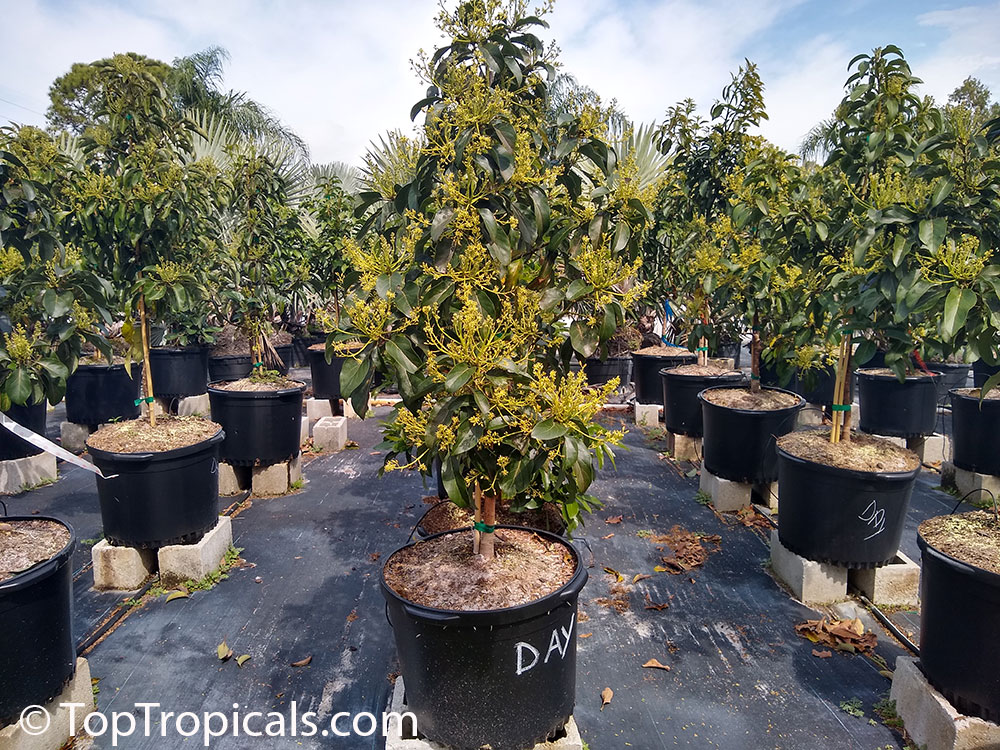
Large  Avocado  trees  in  containers

Everybody loves shopping online nowadays, and plants are no exception. Buying plants by mail order is not uncommon anymore; it only takes one click, and luckily, there are many sources - from big shopping malls like Amazon to small backyard nurseries that sell their seedlings on eBay or Facebook - all delivered to your door. But plants are alive... So when doing your online plant shopping, you must ensure that you fully enjoy your experience and are happy with a healthy plant that a) doesn't die; b) recovers quickly; and c) starts growing fast, so you can see flowers and fruit as soon as possible.

The rule of thumb for shipping plants: bigger plants undergo shipping better, experience less stress, less leaf drop, and recover quicker than plants with smaller root systems. So when it comes to buying plants online, the bigger, the better. Unfortunately, many mail-order plant sources may sell you a tiny twig that has very few chances of surviving. Shipping is very expensive today, so shipping a bigger size plant may cost more than the plant itself.

Below is a piece of advice on how to make the best plant selection for your garden...
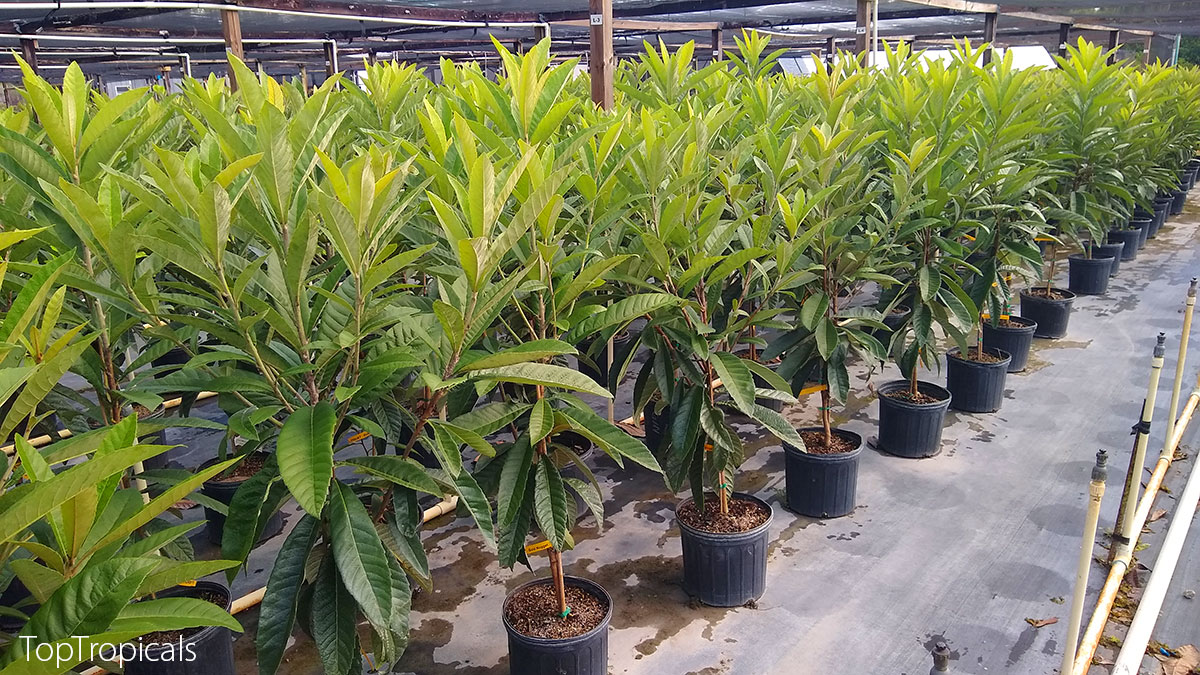
Loquat  trees  in  containers

Photo above: Loquat trees in 3 gal containers.

5 important rules on how to buy trees online

1. Find a source with bigger plants. Check reviews, ask friends for recommendations, inquire from the company about the size of their plants and how they pack their plants for shipping.
TopTropicals offers well-established, strong plants with developed root system, in container sizes 1, 3, 7, 15 gallon, directly from a tropical Florida growing farm. Our unique plant-packing techniques are state of the art!

2. Price not always reflects the size and quality of the plant
TopTropicals offers many deals, discounts and sales, while still providing the biggest and strongest plants grown in real tropical conditions.

3. Most fruit trees must be grafted to produce good fruit. Make sure you are not purchasing a seedling when it comes to Mango, Avocado, Peaches and some other trees with named varieties that don't come true to seed.
TopTropicals offers only grafted - Mango, Avocado and a large number of other tropical cultivars.

4. Pick up when possible from the nursery your ordered from, or get a delivery, instead of shipping the plants. A drive to the nursery will save you more time and money in the future, plus you can hand-pick the biggest and healthiest specimens.
TopTropicals is open 7 days a week for your convenience. Visit our Ft Myers Garden Center or Sebring Farm to select the biggest plants.

5. Take advantage of X-Large size plant material if you live outside the tropical zone and are trying to zone-push your tropical garden. Bigger plants will establish faster and have more chances to survive cold winters. Again, it will save you money in a long run (although bigger plants may be more expensive, but their survival rate is much higher when it comes to cold nights).
TopTropicals offers X-Large flowering and fruiting trees (7-15-25 gallons), and most of the varieties you see in our online store can be custom-ordered in big sizes. Delivery and installation available.
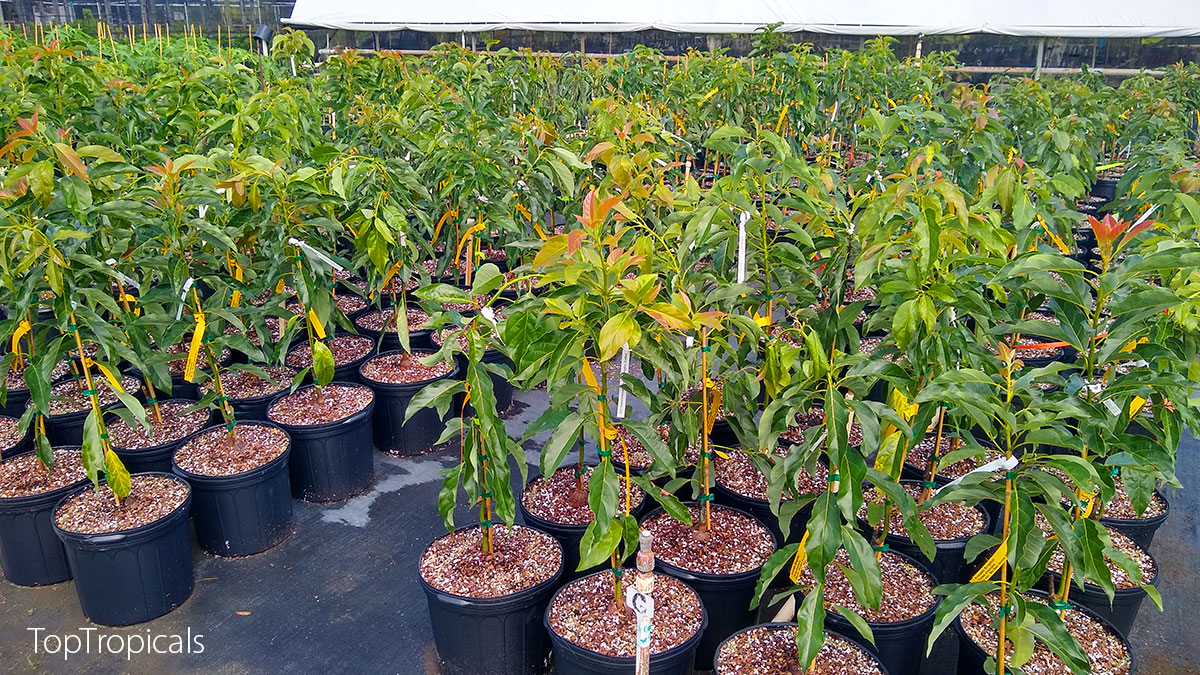
Avocado  trees  in  containers

Photo above: Avocado trees in 7 gal containers.
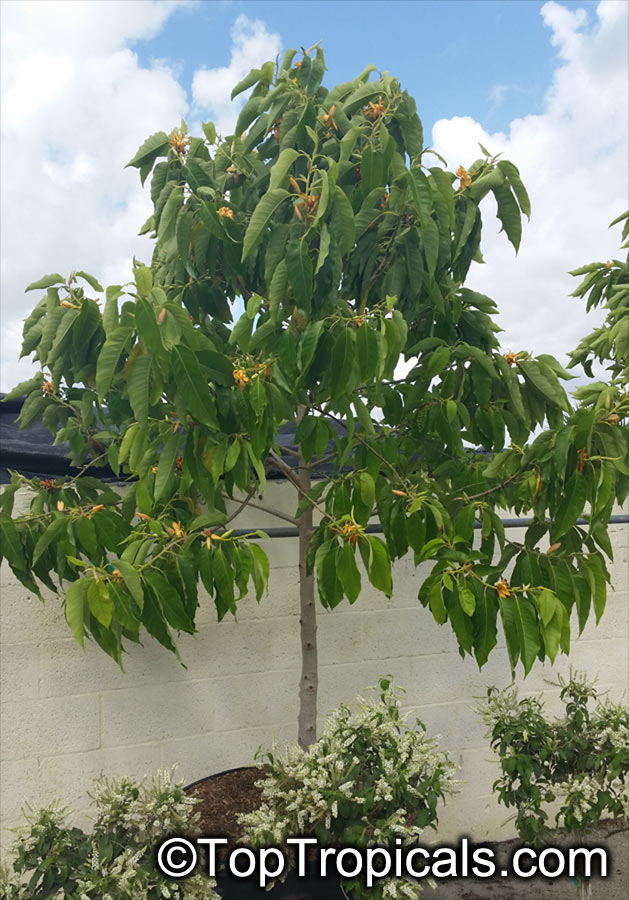
Large  Champaka  tree  in  container

Photo above: Magnolia champaca - Joy Perfume Tree in 25 gal container.
Date: 26 May 2024

How to grow Bottle brush trees

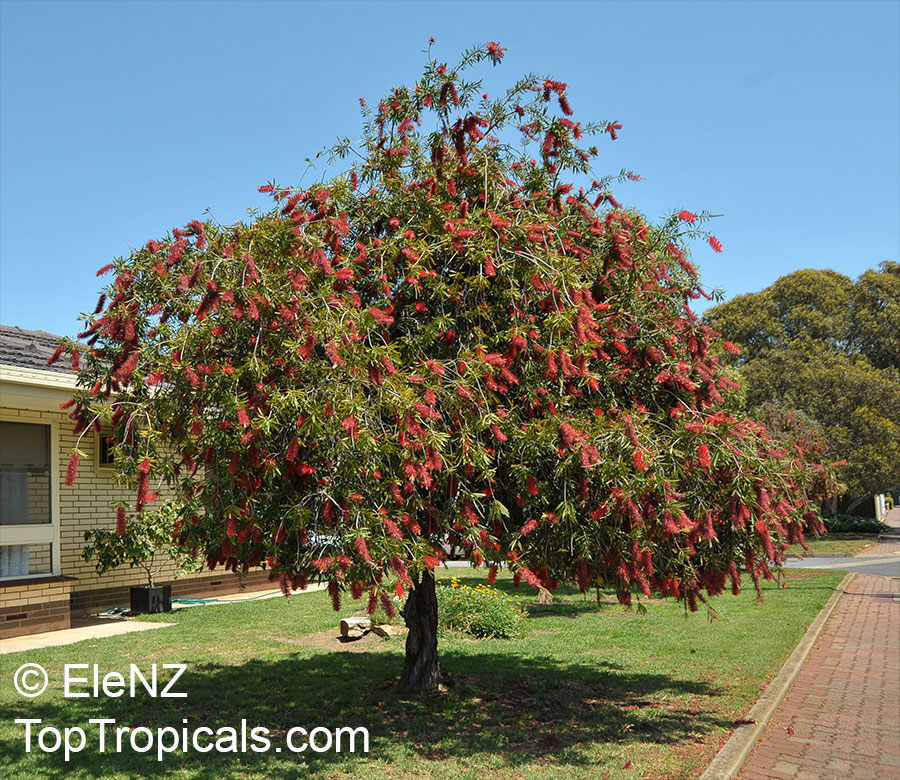
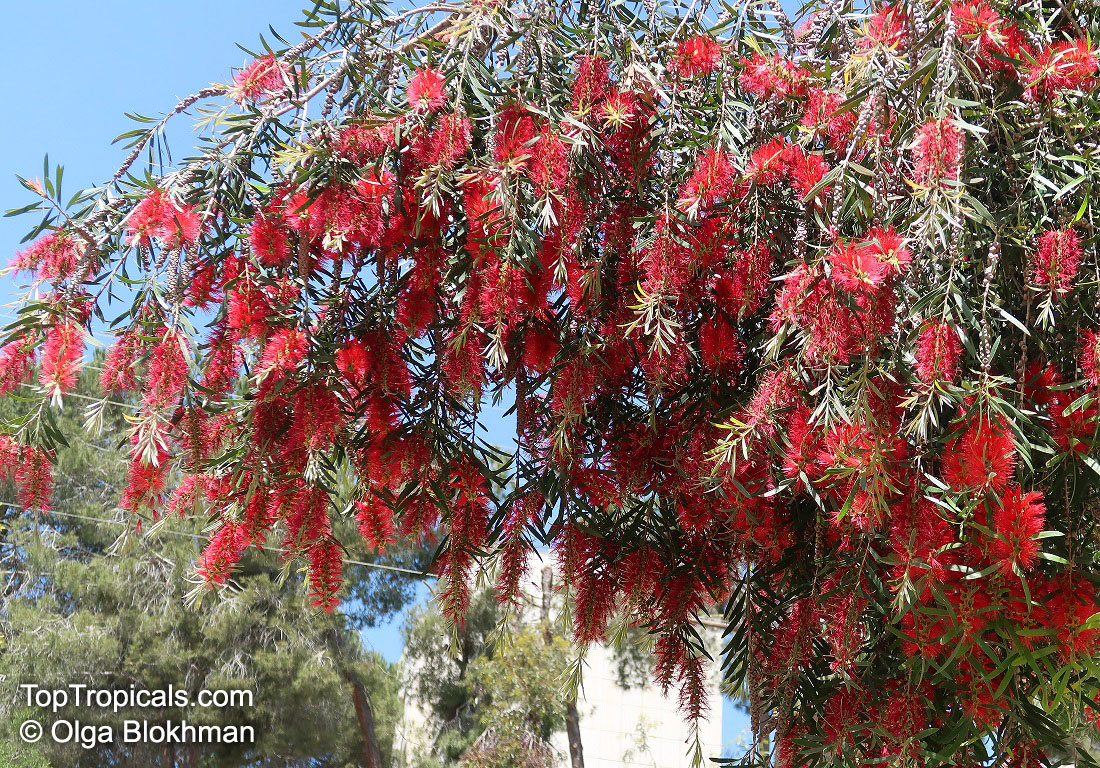
Callistemon  -  Bottle  Brush  Tree

Q: Please recommend me a cold hardy flowering tree that doesn't need much care.

A: Growing bottle brush trees (Callistemon spp.) can be a rewarding experience, as they are known for their striking, brush-like flowers and ability to attract pollinators. Here are some detailed tips to help you successfully grow and maintain these trees.

Hardiness

Bottle brush trees are best suited for USDA hardiness zones 8-11. They thrive in warm climates and can tolerate some light frost, but severe cold can damage or kill the plant.

Planting Location

Sunlight: Bottle brush trees require full sun to thrive. Ensure they get at least 6-8 hours of direct sunlight per day.
Soil: They prefer well-draining soil. While they are relatively tolerant of poor soil conditions, a sandy or loamy
Space: Consider the mature size of the tree when planting. Some species can grow quite large, so provide enough space for them to spread without being crowded by other plants or structures.

Attracting Pollinators

Bottle brush trees are popular with pollinators. Their bright, nectar-rich flowers attract bees, butterflies, and birds, particularly hummingbirds. This makes them an excellent choice for a garden designed to support local wildlife.

Blooming and Fertilization

Bottle brush trees typically bloom in late spring to early summer. However, in mild climates, they may have sporadic blooms throughout the year.
Fertilization: While bottle brush trees do not require heavy fertilization, applying a balanced, slow-release fertilizer in spring can promote healthier growth and more abundant blooms. Be cautious not to over-fertilize, as this can lead to excessive foliage growth at the expense of flowers. During the year, use |find_name=Sunshine Boosters Megaflor(Sunshine Megaflor)| - it is safe to use with every watering, year around.

Watering

During the establishment period, keep the soil moist. Once established, they are quite drought-tolerant but will benefit from regular watering during dry spells.

Pruning

Prune after flowering to maintain shape and remove any dead or diseased branches. This also encourages bushier growth.

By following these guidelines, you can enjoy the beauty and benefits of bottle brush trees in your garden. Their vibrant flowers and attraction to pollinators make them a delightful addition to many landscapes.

Callistemon  -  Bottle  Brush  Tree

Date: 13 Jun 2024

The truth about Ladybugs in your garden life

The truth about Ladybugs in your garden life The truth about Ladybugs in your garden life The truth about Ladybugs in your garden life

🐞 The truth about Ladybugs in your garden life


Q: I have Ladybugs in my garden, I wonder if they are eating my plants? Do I need to get rid of them?

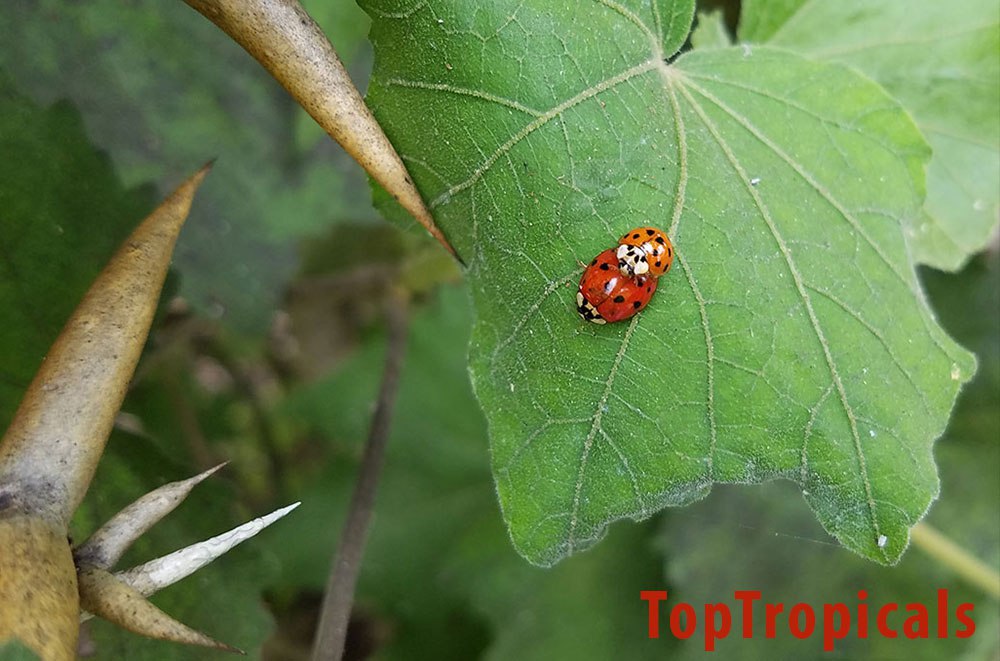
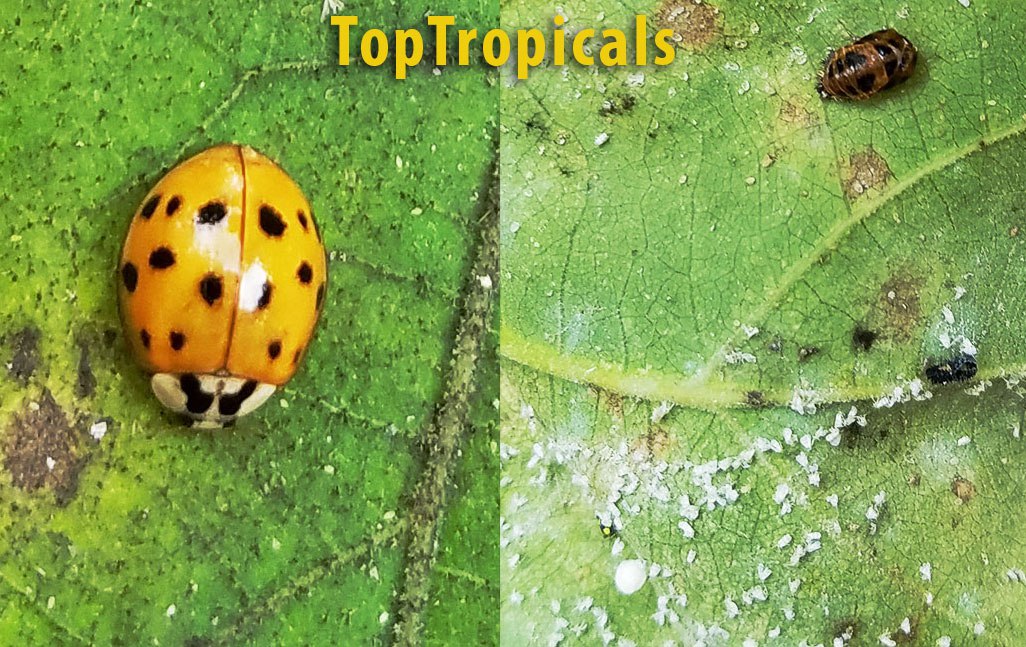
  • 🐞 Ladybug (Harmonia axyridis) is, in fact, one of the best insects you can find in your garden, it is a natural predator that takes care of many bad bugs, including aphids

  • 🐞 Keep Ladybugs happy and bring them to your garden!

  • 🐞 Ladybugs actually are cultivated as natural pest control, and you can even buy them for your yard, instead of chemicals!


📸
1. Love life of Ladybugs
2. Ladybug larvae eating aphids.
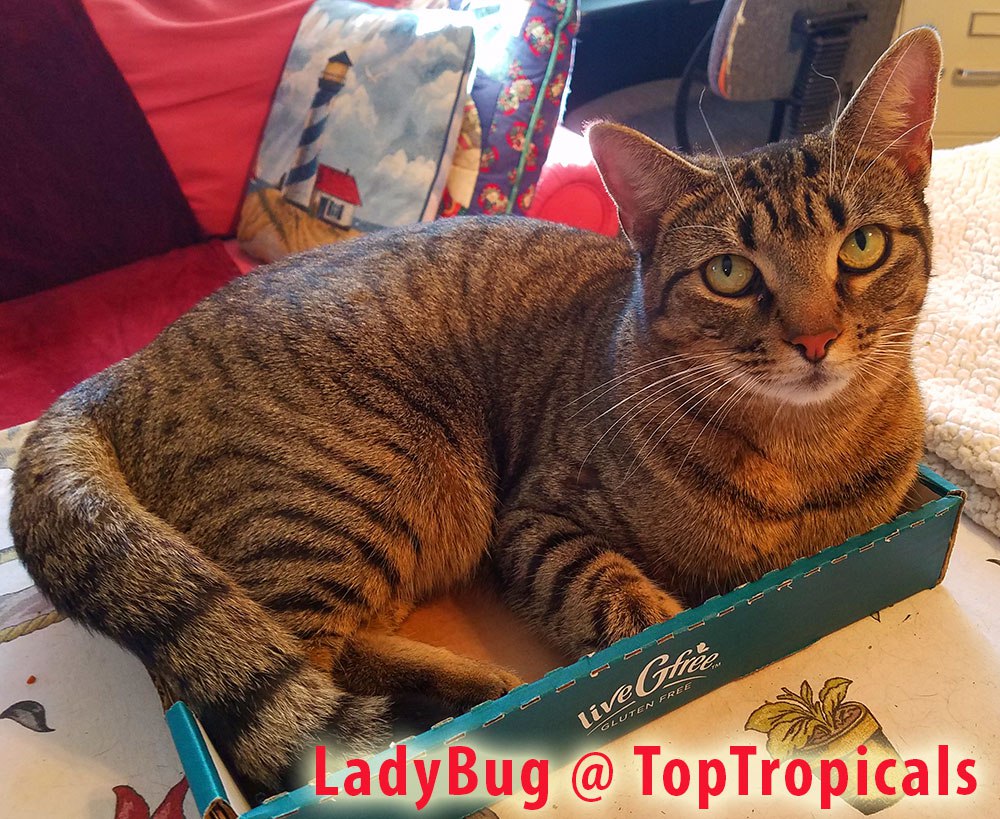
3. One of our #PeopleCats, "innocent" Ladybug (a.k.a. Bug) is wondering who else she can bug next...

#How_to

🏵 TopTropicals

Date: 13 Jul 2024

A garden

A garden

😳 A garden without with cats


  • 👀“A garden without cats... can scarcely deserve to be called a garden at all... much of the magic of the heather beds would vanish if, as we bent over them, there was no chance that we might hear a faint rustle among the blossoms, and find ourselves staring into a pair of sleepy green eyes 👀”

― Beverley Nichols, Garden Open Tomorrow

Share your cats in your garden in comments!
📸 🐈🐈🐈👇

🐾 More #PeopleCats in our Garden: PeopleCats.Garden 

#Quotes

🏵 TopTropicals

Date: 31 Jul 2024

Is it a plant or an animal? Its a Centipede Fern!

Homalocladium platycladum - Centipede Fern

Is it a plant or an animal? It's a Tapeworm Ribbonbush!

  • Homalocladium platycladum - Centipede Fern, Tapeworm Ribbonbush is Bizarreness!
  • The Ribbon Bush is a terrific, leaf-less plant from the Solomon Islands in the South Pacific with long, flattened stems resembling tapeworms - hence its nickname "Tapeworm Plant".
  • It's hard to capture the unusual beauty of this plant in pictures.
  • This is an awesome, offbeat plant that will get people asking: "What the heck is that??".
  • This plant needs very little care, makes a great houseplant, and is very hard to find.

#Nature_Wonders #Shade_Garden #Container_Garden

🛒 Order Tapeworm Plant

🔴 Join 👉 TopTropicals