Garden Blog - Top Tropicals

Date: 28 Jun 2023

Six reasons to grow
Elephant Ears in your garden
Pomegranate  fruit

Alocasias and Colocasias, commonly known as Elephant Ears, are both remarkable and popular plants that can bring a touch of tropical elegance to any garden. Here's why they are often considered great additions:

1. Striking Foliage: One of the most captivating features of colocasias and alocasias is their large, lush foliage. The leaves can be enormous, resembling the shape of elephant ears, hence the common name. The foliage is usually rich green, but there are also varieties with hues of purple, black, or variegated patterns. These vibrant leaves create a dramatic focal point in any garden setting.

2. Tropical Aesthetic: Colocasias and alocasias have a distinct tropical vibe that can transform your garden into a lush oasis. Their exotic appearance lends itself well to creating a tropical-themed garden or adding a bold accent to other styles of landscaping. Their large, architectural leaves add a sense of drama and create a stunning backdrop for other plants.

3. Versatility: These plants can be grown in various garden settings. They work well in containers, making them suitable for patio gardens or balcony displays. In larger landscapes, colocasias and alocasias can be planted directly in the ground, either as standalone specimens or as part of mixed border plantings. They can also be utilized around water features or in bog gardens since they enjoy moist conditions.

4. Low Maintenance: Once established, colocasias and alocasias are generally low maintenance plants. They thrive in full to partial shade, preferring a consistently moist soil. Regular watering and occasional fertilization will help them grow vigorously. While they are generally hardy, some varieties may require protection during colder months or overwintering in frost-prone regions.

5. Impressive Size: With proper care and favorable growing conditions, colocasias and alocasias can reach impressive sizes. Some varieties can grow several feet tall, creating a stunning vertical element in the garden. Their size and presence make them ideal for adding structure and height to planting arrangements.

6. Unique Varieties: Colocasias and alocasias offer a wide range of cultivars and species, each with its own distinct characteristics. From the classic Colocasia esculenta to the more exotic Alocasia macrorrhizos, there are numerous options to choose from. You can select plants with different leaf shapes, colors, and patterns to suit your taste and garden design.
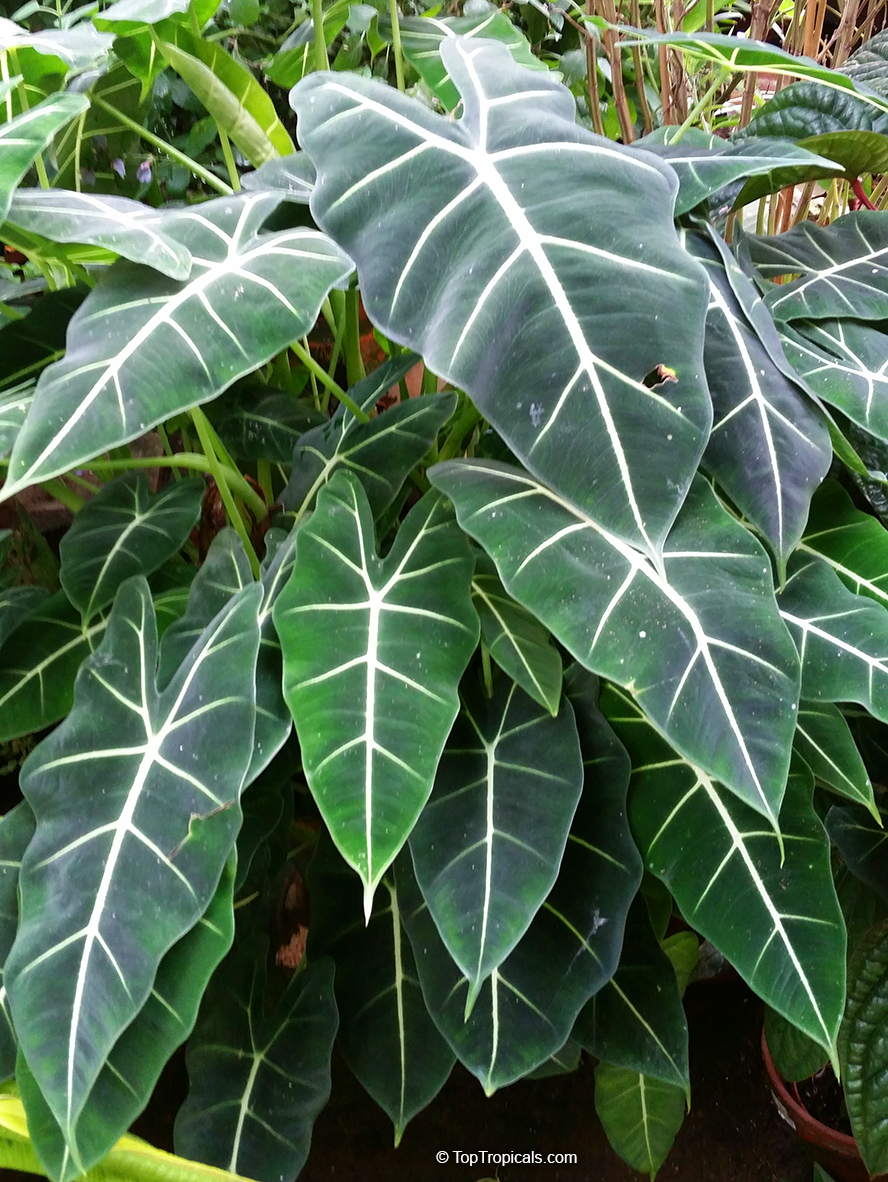
Alocasia  Elephant  Ears

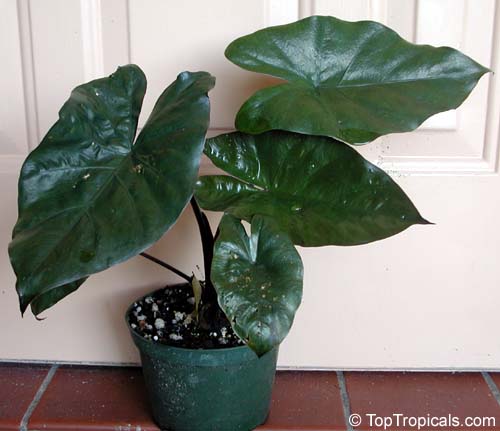
Alocasia  in  a  pot

Date: 11 May 2023

Five reasons to give your mother a live plant

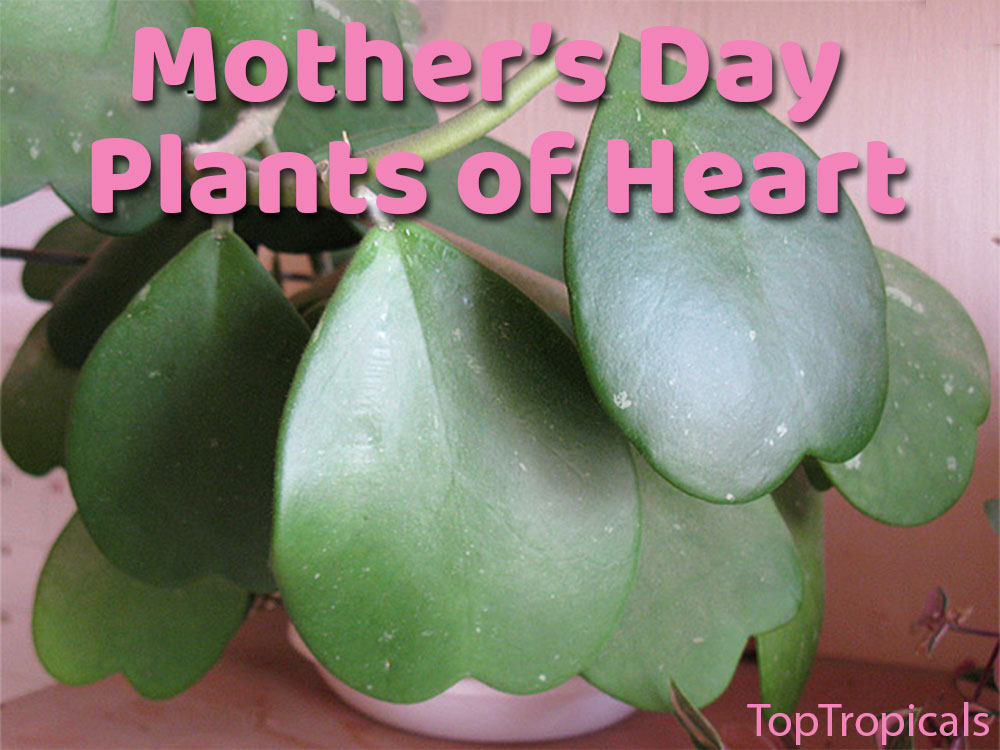
Hoya  kerrii  -  Sweetheart

In the photo: Hoya kerrii - Wax Hearts, Sweetheart Hoya, Heart leaf - makes an ideal houseplant. It has become increasingly popular in recent years because of its unusual "heart" shape leaves...

Q: What is the best Mother' Days present?

A: Buying a live plant for your mother is a thoughtful and meaningful Mother's Day gift for several reasons:

1. Growth and Nurturing: Just like a mother's love, a live plant symbolizes growth, nurturing, and the bond between a caregiver and their offspring. By gifting a live plant, you acknowledge and honor your mother's role in nurturing and supporting you throughout your life.

2. Long-lasting Beauty: While cut flowers may fade within days, a live plant has the potential to flourish and bloom for months or even years. It serves as a constant reminder of your love and appreciation, bringing beauty and vitality to your mother's living space.

3. Therapeutic and Relaxing: Gardening has been proven to have therapeutic benefits, reducing stress and promoting relaxation. By giving your mother a live plant, you provide her with an opportunity to engage in a fulfilling and calming hobby that can enhance her overall well-being.

4. Personalized and Thoughtful: Choosing a live plant allows you to select a specific type or variety that holds significance for your mother. You can consider her preferences, favorite colors, or even a plant that carries a special meaning. This personalized touch shows that you've put thought and effort into selecting a gift that resonates with her.

5. Symbol of Renewal and Hope: Plants have a natural cycle of growth, renewal, and resilience. By giving your mother a live plant, you convey a message of hope, renewal, and the endless possibilities that lie ahead.

Some suggestions of live plant gifts

Spice trees and plants - you don't need to wait until it fruits or blooms, the spice is with you right away!
Mango or Avocado tree - a classic present of a valuable tropical tree and a sign of respect
Fragrant plants - 100% success! Ladies love fragrances. Especially Jasmines.
Flowering butterfly attracting plants are so romantic!
Gingers and heliconias - are very tropical looking, exotic beauties.

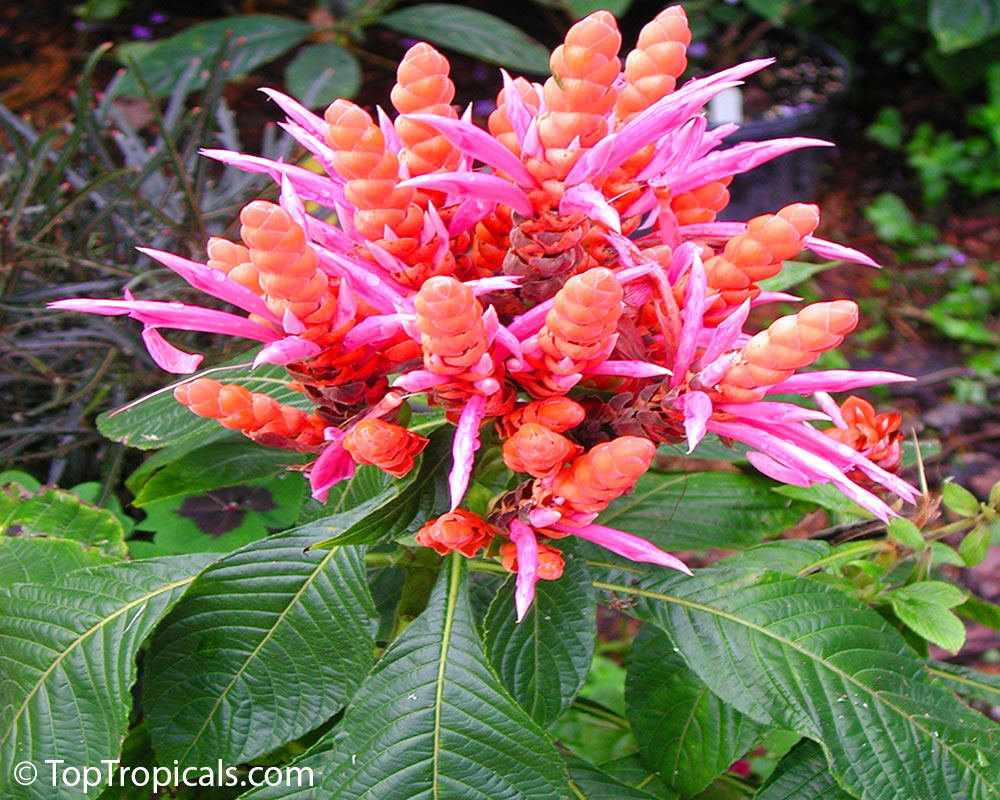
Aphelandra  sinclairiana  -  Panama  Queen

In the photo: Panama Queen - a very rare, much wanted tropical plant with extremely tropical look, fragrant flowers of unusual color combination: orange and pink

Date: 19 Feb 2023

Top 5 butterfly attractors

"Just when the caterpillar thought the world was over, it became a butterfly"
Chuang Tzu (Taoist philosopher)

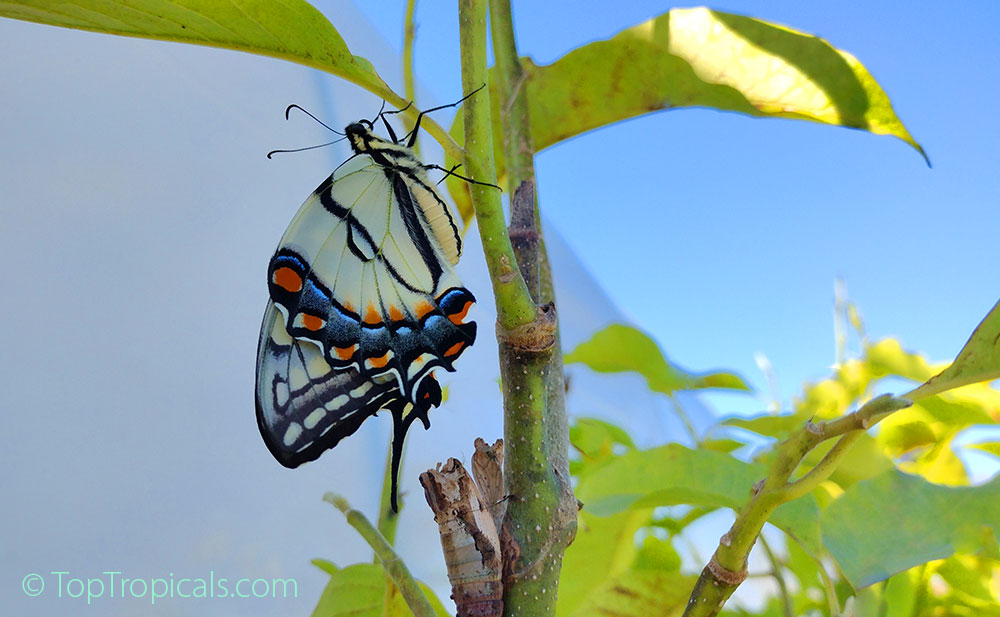
Newborn  Butterfly

In the photo: yesterday we watched a butterfly born on one of our Champaka trees!

Q: What are the best butterfly attracting plants for a Southern garden?

A: If you love butterflies and if you enjoy having nature around your home, then plant a butterfly garden. Florida is a perfect place to create a year round and fully functioning butterfly garden. Caterpillars, which transform into butterflies, require special kinds of plants to feed upon and these plants grow extremely well in the South Florida and other subtropical areas. Below are the top five winners that butterflies appreciate the most. Besides, remember That all yellow flowers are attractive to them, for example Cassias. Butterflies like the Sun and everything that looks like the Sun!
1. Calotropis gigantea - Giant milkweed, Arka
2. Odontonema cuspidatum - Firespike
3. Plumbago auriculata Imperial Blue
4. Rondeletia leucophylla - Panama Rose
5. Asclepias curassavica - Red Milkweed, Butterfly Weed

Read more about Butterfly garden:
The Milkweed and the Monarch, how to raise your own
Musings of a butterfly gardener about the milkweed bug
Plants that attract butterflies and hummingbirds

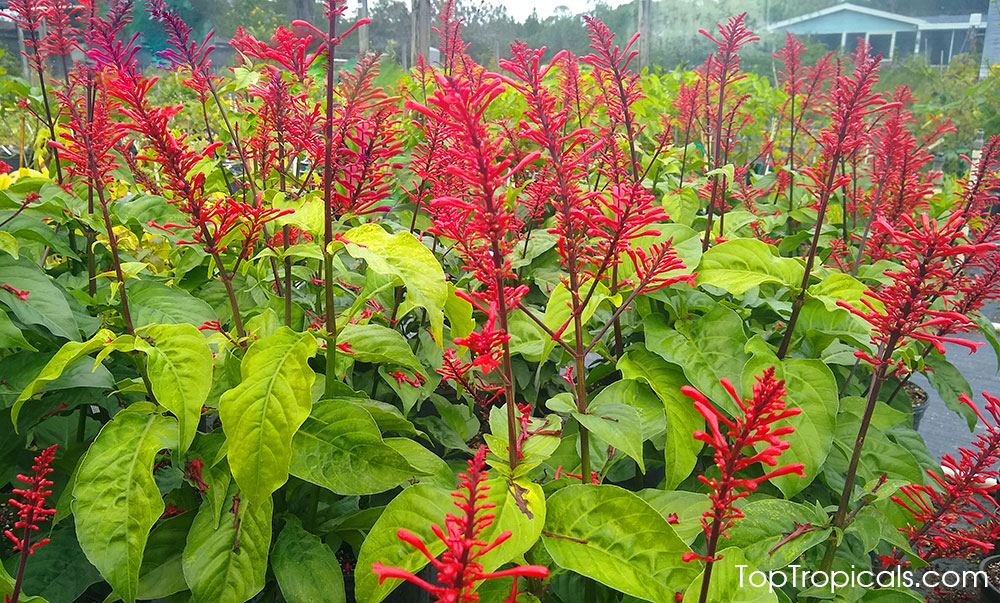
Odontonema  cuspidatum  -  Firespike

In the photo: Odontonema cuspidatum - Firespike

Date: 22 Feb 2022

How to survive Winter in South Central Florida

A touching story

by Ed Jones, the Booster Guy

Top  Tropicals:  How  to  survive  winter  in  South  Central  Florida

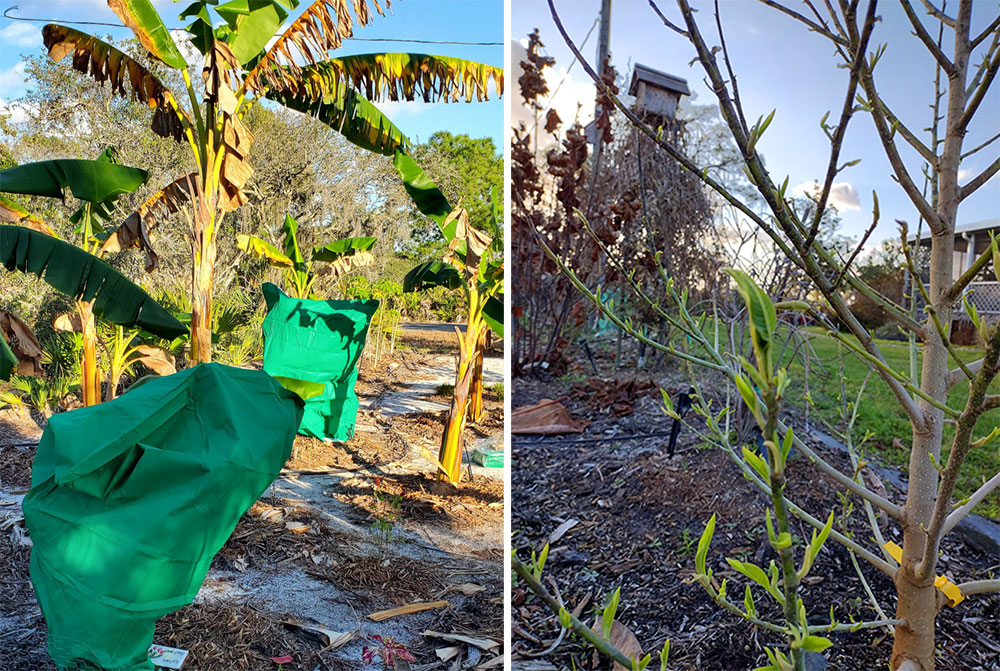
...As much of the country is still in the midst of winter, I believe the worst has passed for us here in the South Central part of Florida...
...This Winter, almost all of zone 9b and some of zone 10a had frost and many had a hard freeze...
...Now, many of us here in this part of the state enjoy growing subtropical plants and trees. There are many that grow well here and most can handle a frost or even a dip to the high 20s for a short time. Smaller and more recently planted trees and bushes are most at risk...
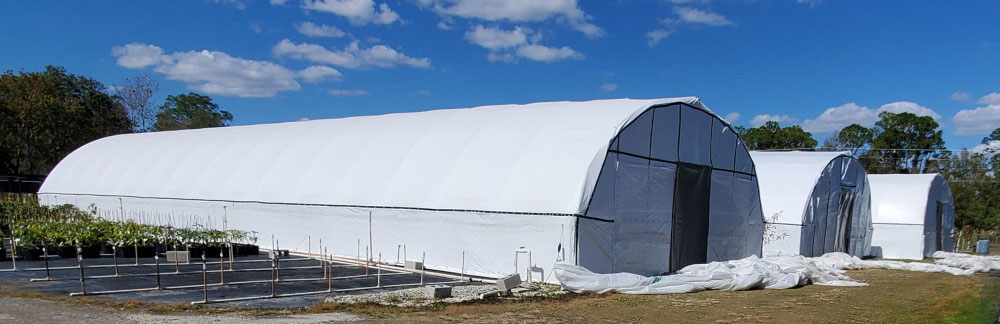
...At the Top Tropicals nursery here in Sebring, home to over 20,000 plants, we scrambled for several days to try to protect as many of our plants as possible. We moved smaller plants into some of our hoop houses that had propane heaters...
...After 2 weeks of moving plants in and out of protection, we were all pretty worn out; happy that everything survived and hoping that we would not have to do that again anytime soon. Slowly, things at the nursery are beginning to resemble our old normal. Seeds are being planted, cuttings are continuing to grow and grafting season will be upon us soon. We are all very happy for that...
...What to do and not to do when the freeze is coming and you have mango, avocado, and other tropical fruit trees and tender tropicals? Here is some news from the Orchard and many more coming... check it out and stay with our updates to learn more!

CONTINUE READING >>

Top  Tropicals:  Learn  more  about  this  subject

Top  Tropicals:  Winter  greenhouse 
 protection

Date: 24 Jul 2021

Planting during hot summer

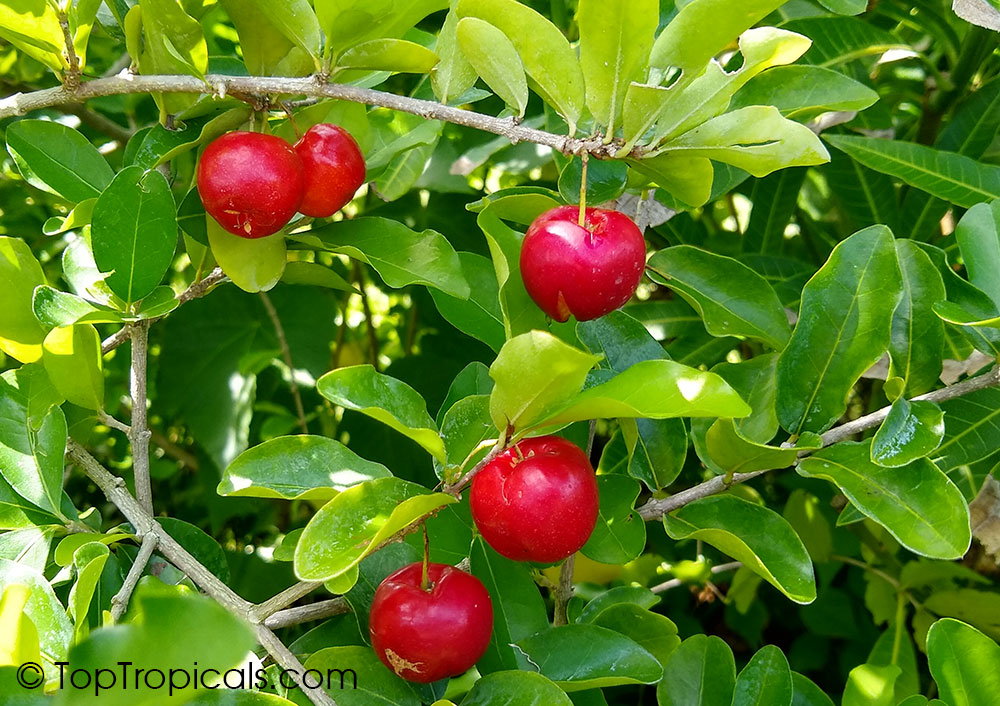
In the photo: Malpighia glabra - Barbados Cherry, Acerola

Q: We just moved to Florida from New York. The weather is so hot and I wonder if I should wait till Fall to plant my garden? I tried to plant some seeds of annuals but nothing grew, just weeds. I also planted tomato seeds, they germinated but died in few days. What am I doing wrong?

A: Growing from seeds during hot season can be tricky. Here in Florida, we still can grow anuals and vegetables from seeds, but only during winter season. Annuals and tomatoes need cooler temperatures and protection from rain water which we have in abundance during summer. Combination hot + wet can kill those seedlings. On the other hand, seeds of tropical species love the heat and humidity, and germinate in no time, they just require a little experience.
However, Summer is a perfect time to plant and establish starter plants in your garden.

Five advantages of summer planting

1. Root growth. High temperatures promote rapid root growth - this is one secrets of a plant nursery. If you grow plants in pots, putting a pot on top of black ground cover will increase the effect, and the roots will grow even faster than the tops! This is a great head start for a plant. Make sure to provide adequate watering.
2. Fast development. With bright sun and longest day light, photosynthesis is more efficient. In simple words, during hot summer tropical plants have faster metabolism, they produce cells faster and grow leaves and stems faster.
3. Bugs be gone. Bright sun in combination with good air circulation will help to stay away from insects, leaf fungus, and other diseases.
4. Fertilizing can be generous and will be most efficient. In summer, there is less chance to overdose, as plant food is consumed fast, and summer rains help to prevent nutrient lock up in soil.
5. Rain water works like magic. Rainy season in Florida is our blessing. It can not be replaced by sprinklers or even daily hose water. Rain penetrates evenly and saturates not only a root ball but also the surrounding area that gives room to spread even bigger roots. Rain water also works like a "flush" to rinse off all excessive salts that may build up in soil.

As a result, plants will establish faster and grow bigger before winter, which will give them a better chance to survive possible cold spells.

Plant in summer and watch plants grow healthy and happy every day!

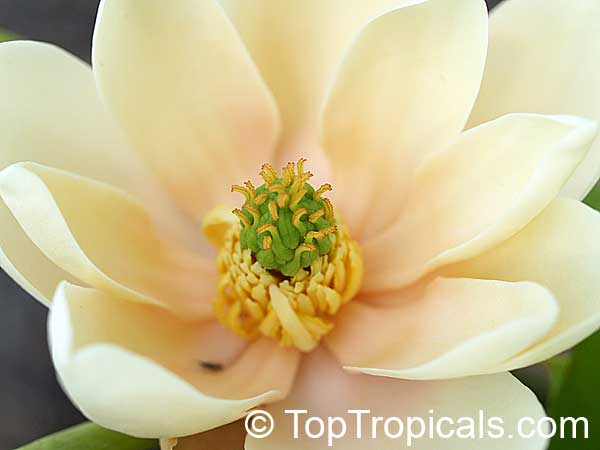
In the photo: Magnolia virginiana - Sweet Bay