Garden Blog - Top Tropicals

Date: 29 Sep 2020

Healthy Plant Food: Q&A from Mr Booster

Why my Sapodilla is not fruiting?
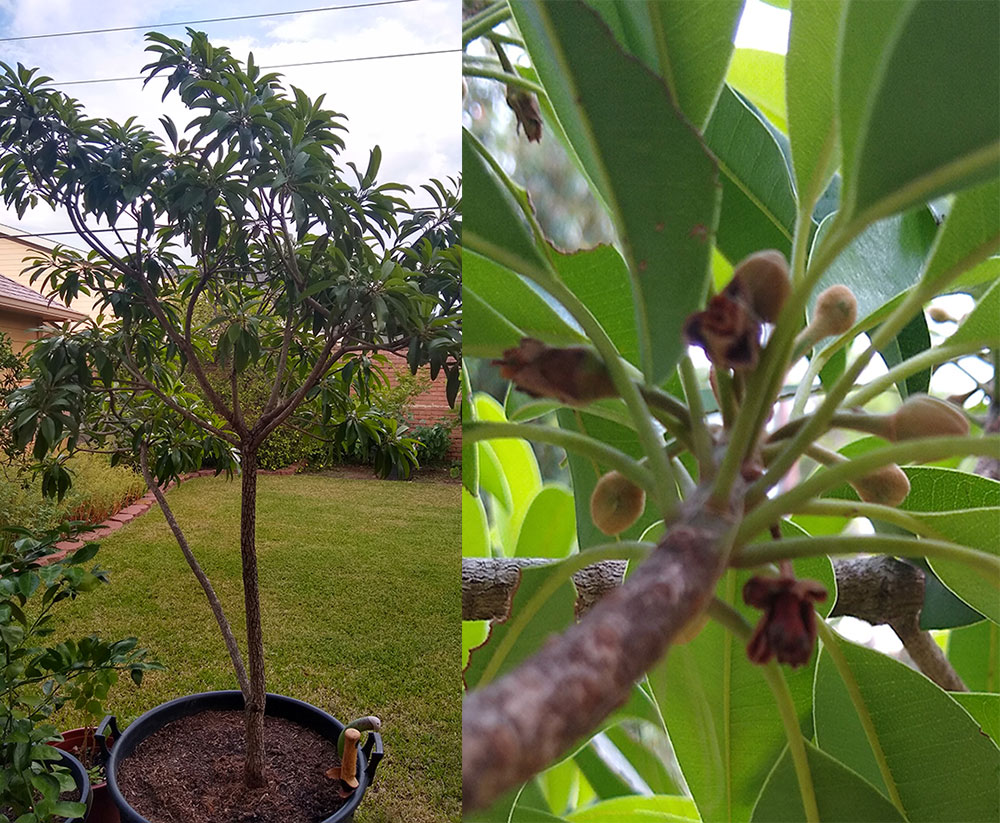
Q: I bought a Sapodilla tree from you several years ago, Silas Woods. I live in Houston area. The tree grows and produces blossoms for fruits, but then they just dry up and fall off. To-date, I have not gotten any fruits off the tree. Is there a reason for this? I really want a fruiting tree because Sapodilla is one of my favorite fruits. I have attached pictures of the tree. Please help.

A: Silas Woods is a free-flowering variety and in favorable conditions it should produce fruit almost year round, considering warm temperatures. The fact that the tree is producing flowers indicates that it is strong, overall healthy and ready for production, but for some reason these flowers don't set fruit. There may be several reasons for such behavior.

1) Too high temperature and too low humidity
In Houston area, humidity should be good in summer. However, if temperatures stay above 90F for a long time, this may cause flower dry-n-drop.
Solution: try to move the potted tree into filtered light, or in a spot where it does not get direct burning sun during the hottest hours of the day (morning sun is the best)

2) Root bound.
Solution: check if the tree needs stepping up into a larger container.

3) Lack of certain nutrients that are responsible for proper fruit formation.
In particular, elements B (Boron), Mo (Molybdenum), and a few other micro-elements (Fe - iron, Cu - Copper, etc.). This is most likely the cause of a flower drop. This is very common reason for undeveloped fruit or lack of fruit in container-grown fruit trees. When grown in the ground, plants can reach out to all necessary elements in surrounding soil (considering soils are not too poor on necessary elements). In a pot, a supply of nutrients can be exhausted very quickly, so a quality fertilizer program is very important. Fertilizer must include all necessary nutrients in easy accessible form, and a plant must have their constant supply for proper development.
Solution: prescribe to your Sapodilla tree the following combination of plant food:
- SUNSHINE C-Cibus - Crop Nutrition Booster. It will provide well-balanced amounts of high absorption Nitrogen, as well as other macro-elements - to provide enough energy to the tree, plus a combination of all necessary micro-elements. It is safe to apply this fertilizer as frequent as with every watering, including winter time.
- SUNSHINE-Honey - sugar booster. This supplement has a high content of elements Mo and B - once the tree starts getting them on regular basis (a few times a year, according to the label), it will change its habit dropping flowers and/or premature fruit drop. As extra bonus, Sunshine Honey makes fruit sweeter by bringing sugars from all over the plant and concentrating them into fruit.

4) Lack of pollinating insects.
Solution: For most effective pollination, we always recommend to put some pieces of fruit under the tree, apple peels, or even banana peel. Those attract tiny beetles that are responsible for small flower pollination.

With winter time approaching, fruiting season is about to end, however, do not get discouraged and start the fertilizing program right away: this will bring up the plant into a healthy stage within a few months, and by next season it should be covered with fruit you like so much! Remember, Sunshine liquid fertilizers can be used year round, including winter, without a risk to burn roots or overdose, as long as you follow label instructions.
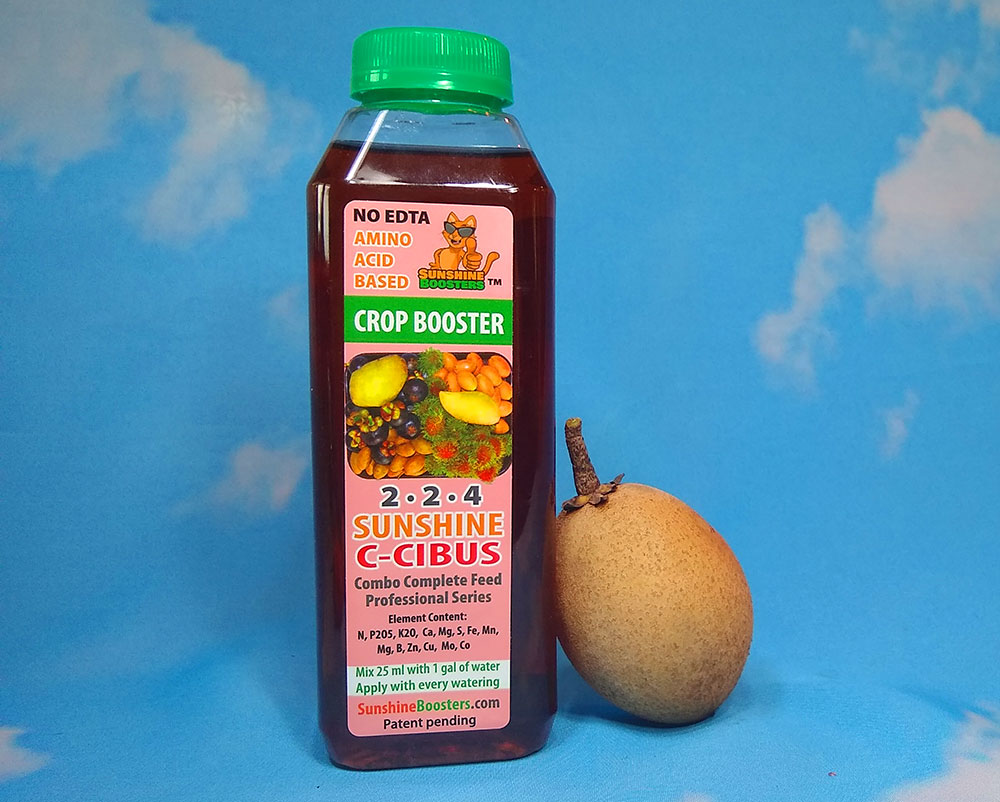
SUNSHINE C-Cibus - Crop Nutrition Booster from Garden Series, or Combo Total Feed Collection - all nutrients in just one bottle, for fruit trees and edibles.

Date: 17 Sep 2020

Healthy Plant Food: Q&A from Mr Booster

How to make pineapples fruit?

Q: I have purchased a Sugar Loaf Pineapple from you a few months ago, it is growing well and producing little babies around the main plant! I am so excited to have my own Pineapple plantation! How soon will they fruit and is there anything I can do to make them fruit faster? Can I give extra fertilizer just like I do for other garden plants?

A: It takes a year or two until a pineapple plant gains enough energy to be ready to fruit. However the total time depends on growing conditions and availability of all necessary nutrients.
Pineapples, like all other plants from Bromeliaceae family require very delicate fertilizer; traditional fertilizers, if overdosed, can harm Bromeliads and even kill them. At the same time, Pineapples require extra Magnesium for good production, and not every fertilizer has it, or contains it in well-accessible compounds / proper proportions.
Sunshine Ananas Booster is a scientifically formulated, mild fertilizer, designed especially for tender Bromeliads, containing Magnesium just in perfect concentration. Its amino-acid based ingredients are natural and work perfectly for edibles and organic gardens. Just follow the label instructions and speed up the fruit production 3-4 times!

In the photo: Mr B checking his Sunshine Boosters inventory before shipping to his Good Customers.

Date: 4 Sep 2020

Healthy Plant Food: Q&A from Mr Booster

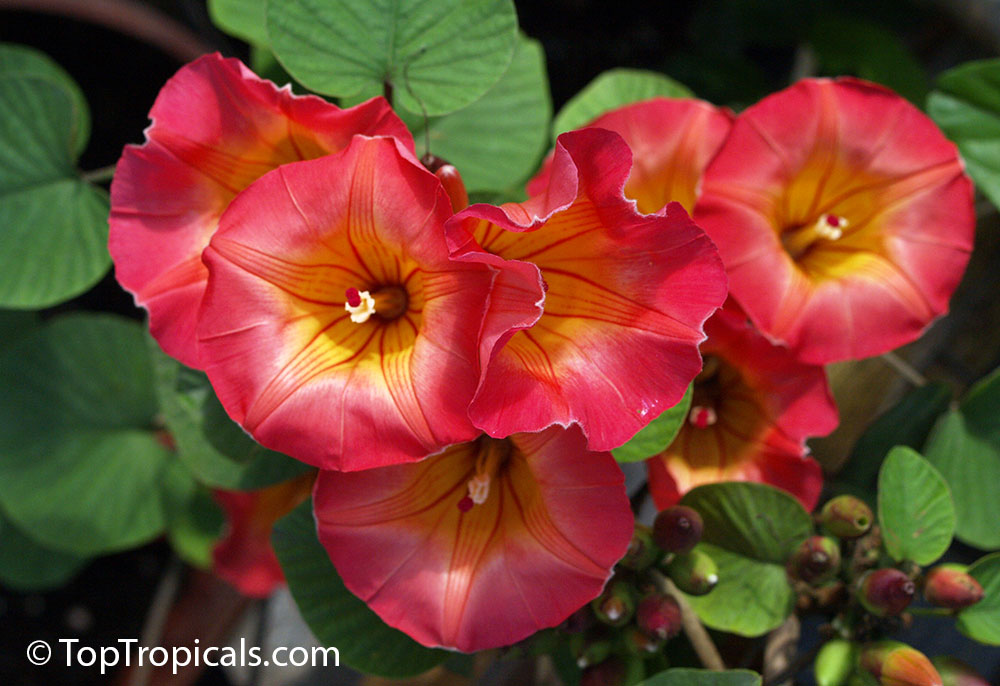
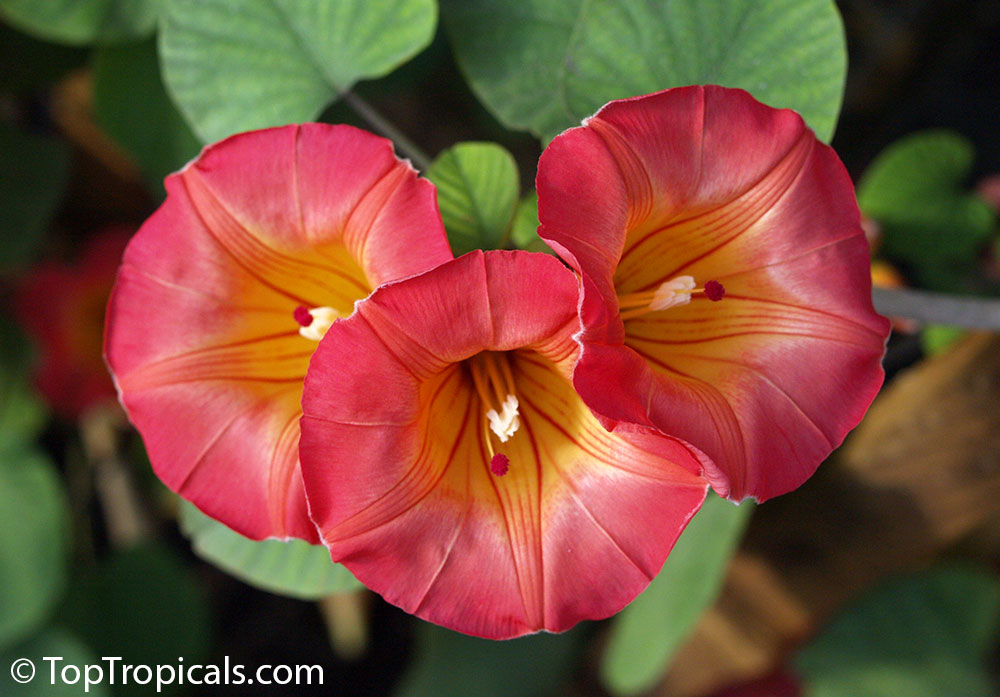
Encouraging blooms on the Hawaiian Sunset Bell Vine

Q: Please can you advise how to encourage the Stictocardia beraviensis the Hawaiian Sunset Bell vine blooms? Mine is all beautiful leaves and full sun in Miami.

A: Providing full sun, Stictocardia blooms profusely. In your area, it should be happy and thriving. However, keep in mind that these flowers can be seasonal (meaning, not ever-blooming). The good news it, Hawaiian Sunset Bell usually blooms several times a year on and off. In our garden, we have a large plant growing in the ground and covering a whole fence; we see flowers 3 times a year:
- Early Spring
- Summer (sporadically)
- Late Fall to early Winter

Make sure to provide proper fertilizer to encourage blooms. It is especially important if you grow this plant in container (where nutrients are very limited). We suggest the following fertilizer for your Stictocardia:

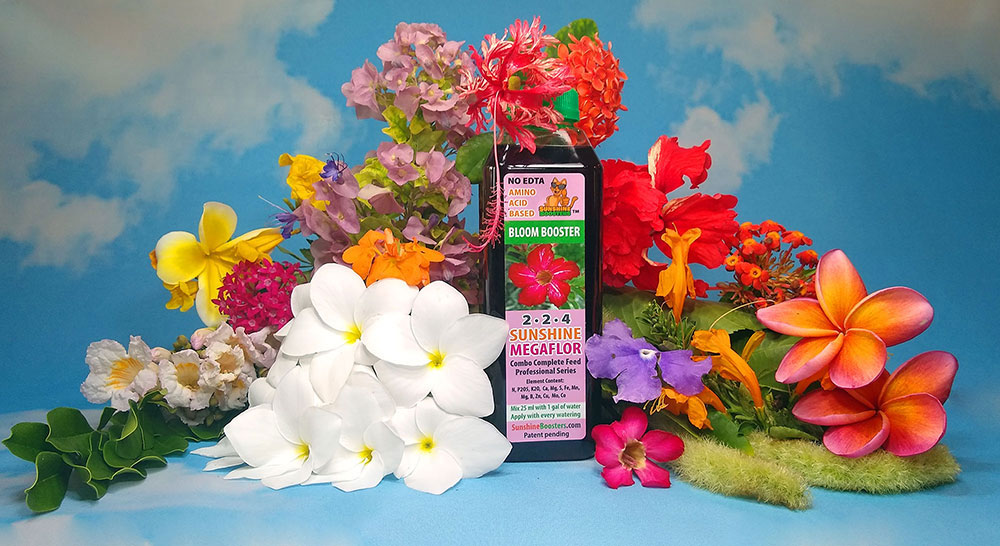
SUNSHINE Megaflor - Bloom Nutrition Booster

Date: 30 Aug 2020

Healthy Plant Food

Q&A from Mr Booster

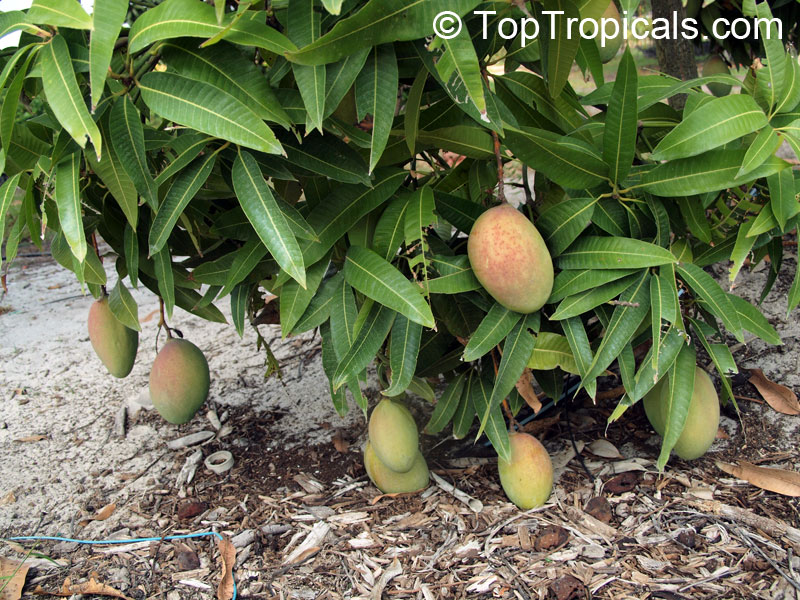
How to make Mango tree fruit

Q: Hello, I have a five-year-old Lemon Meringue tree that has only given me fruit one year. It put out about 50 mangoes and has done nothing for the past three years. Do you recommend any vitamins or any of the nutrients that you guys sell to help with this for next season?

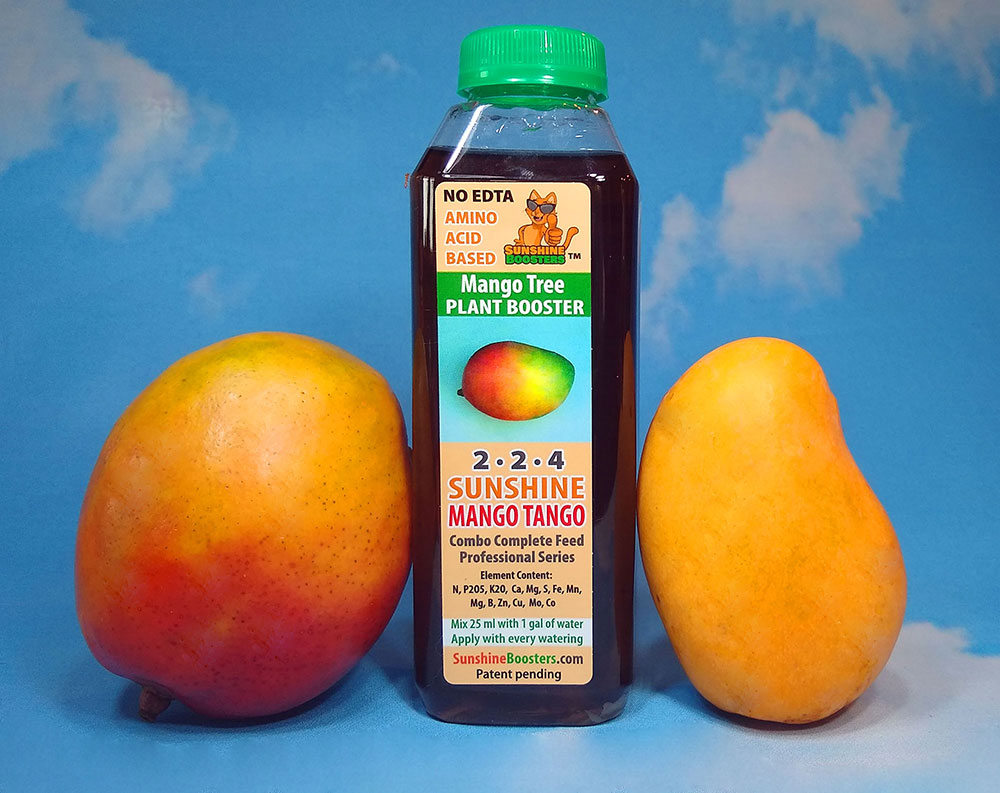
A: We've had very similar problem with our Nam Doc Mai Mango tree, fruited once and no more next year. Usually the reason is nutrients deficiency, here in Florida we have poor soils. We applied Mango-Tango tree booster and it started flowering within a couple of weeks.
Generally, Mango flowering season is over by now, however, we recommend to feed the tree starting now, during active growth season. This way it will get better established before winter and also will store away all elements necessary for triggering flowering and fruiting. So by late Fall through Winter it will be ready to flower.
Along with the fertilizer, additional micro-element supplements will be beneficial. For improving fruit quality and increasing number of flowers, we also recommend to use SUNSHINE-Honey - sugar booster

SUNSHINE Mango Tango - Mango Tree Booster, for healthy mango trees and profuse fruit production.

SUNSHINE Honey - a natural supplements that makes fruit sweeter, and increases fruit quantity and quality.

Date: 13 Aug 2020

Healthy Plant Food

Q&A from Mr Booster

Establishing Avocado Tree

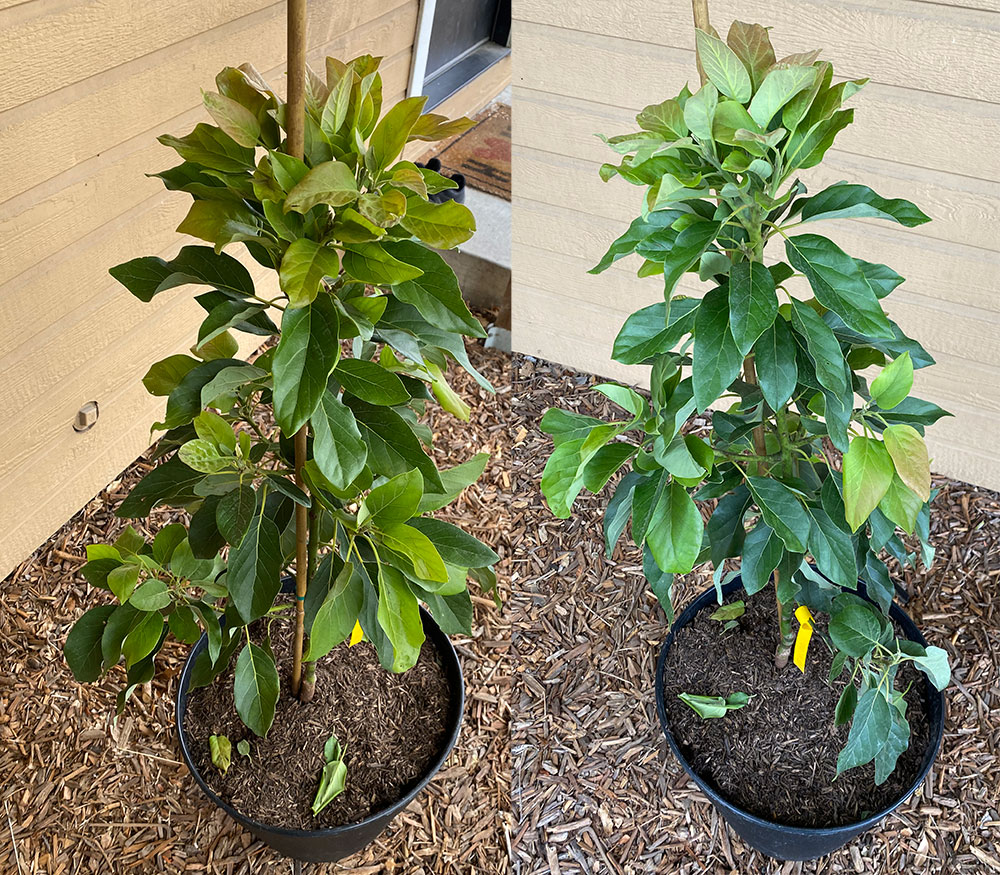
Q: I received my avocado Wurtz tree yesterday. Per instructions I have put the tree in a pot first. However I am having difficulty deciding what to trim off. Yesterday I removed obvious damaged leaves. However as you can see, the leaves are lighter in some areas and contain yellow and red in some spots. What would you advise? Given this is a critical state as I do not want to shock the tree after the trip, I would like to do everything possible to protect it and ensure viability.

A: Your Avocado tree looks great and healthy overall. You've done excellent job planting it. Wurtz is a good, vigorous variety, while the tree is somewhat dwarf, great for containers.
You are right, it is the best for the tree to leave it alone and do not trim or remove leaves any more, until it starts showing new growth. Then it will be obvious what needs to be trimmed. Reddish/orange color of young leaves is normal. If any spots or dots - no need to remove those leaves yet. Wait until the plant grows more leaves. It needs them for photosynthesis, in order to become stronger.

Keep the tree in bright shade and gradually move from filtered sun to full sun. Water daily. Within a week or two after planting, you can start applying mild fertilizer and micro-elements. We recommend at this growth stage:
SUNSHINE C-Cibus - Crop Nutrition Booster
SUNSHINE SuperFood - Micro-element Plant Booster

SUNSHINE C-Cibus - Crop Nutrition Booster from Garden Series, or Combo Total Feed Collection - all nutrients in just one bottle, for fruit trees and edibles.