Date: 23 Nov 2016
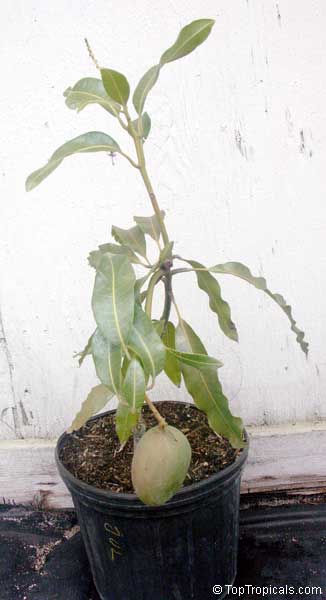
Growing tropical fruit trees in containers in winter
Q: Please give me your advice. The winter is here. I bought mango tree, jackfruit tree, sugar apple tree and planned them for spring. What can I do to keep them no frost bite? My home in Bonifay FL.
A: In
subtropical areas with occasional hard freeze in
winter, we recommend you to keep tropical plants in
pots. The plants you purchase are tender to frost. For
cold protection, container growing has several
advantages:
1) easy to move into wind-protected and sun-exposed
locations as needed: for example, on a different side
of the house. In many areas, seasonal prevailing winds
have opposite directions in Summer and Winter.
2) easy to cover with frost cloth, sheets, or blankets
in case of immediate cold spells. Container plants'
growth is easier to control and trim, and those plants
naturally stay more compact.
3) easy to move indoors, inside garage, or in covered
lanai/patio.
We also recommend to keep these trees in their
original pots until Spring, in containers size of the
rootball. Step them up in Spring, when plants start
active growth of root system. This will help you to
avoid root rot due to possible overwatering in Winter.
Reduce watering in any case, and keep your plants in
bright, wind-protected spot. Do not fertilize until
Spring. Protect from cold when night temperature drops
below 35-40F.
Use SUNSHINE plant boosters
to provide additional cold tolerance.
Cold protection is a lengthy subject. You may also use
propane heaters during cold nights.
Here is some more information on cold
protection
Date: 14 May 2016
Top Tropicals Video: Ambarella - delicious June Plum
Golden Apple, or June Plum - Spondias cytherea.
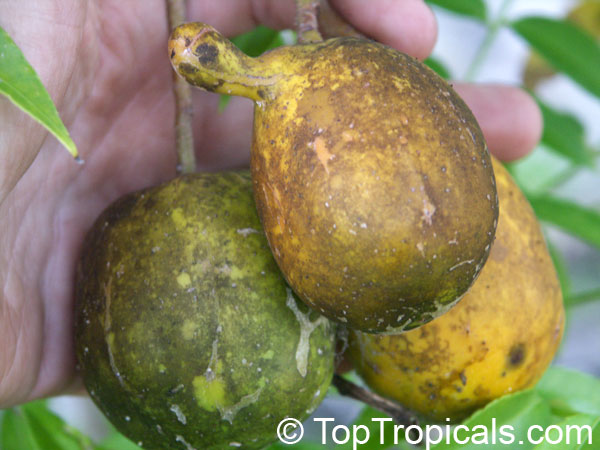
This exciting fruiting plant will amaze you with its ability to flower and fruit at a young age. It fruits in winter and holds the fruit up to 6-8 months, long after the leaves have dropped. The fruit appears in pairs and will turn a brushed-golden color as it ripens. Its feel and juiciness resembles that of a mango but with completely different flavor. The Golden apple is used both in sweet and savory dishes depending on its ripeness. When green, the fruit is commonly eaten as is (with or without skin just like green mangoes) with salt and other salty/spicy dips, made into salsas, chutneys, and into juices and smoothies. When fully ripe, the Golden Apple will be deep yellowish-orange in color. When yellow, the fruit is eaten just like an apple or stewed with sugar to make an applesauce-like dessert.
 Check out this video: Ambarella - delicious June Plum...
Stay updated with TopTropicals Videos by subscribing to our channel at YouTube.com/TopTropicals