Date: 24 Jul 2023
Easy,
stress-free plants
for Summer planting
Q: With the rising temperatures, I'm concerned about shipping my plants safely. Can they withstand the heat during transit? Also, is it okay to plant them in the ground now, or should I wait for cooler Fall weather?
A: Your concern about shipping plants in hot weather is valid. For sensitive plants, we'll delay shipping until conditions are more favorable in your area. However, there are plenty of heat-tolerant tropical plants that handle shipping well with minimal stress. These plants adapt easily when planted during the hot summer months. Simply follow the included planting instructions, gradually acclimate them to full sun, and they should thrive.
Certain flowering tropical plants, such as Allamandas, Calliandras, Caesalpinias, Adeniums, and Clerodendrums, are excellent options for shipping and establishing during the summer. Flowering vines like Jasmines also adapt well. Consider using Sunshine Booster fertilizers to promote robust growth, they are safe to use right after planting.
Additionally, many fruit trees flourish in heat. Mangoes, Avocados, Pomegranates, Pineapples, Loquats, Eugenias - Tropical cherries, Bananas, Jackfruits, Dragon Fruit, and Olive trees are great choices for summer planting. Noni trees are hardy survivors and usually ship and grow well during the summer, in spite of their lush tropical leaves.
Feel free to check with us about the specific plant you plan to order for its suitability in summer shipping. We're here to take care of your green babies and address your year-round planting needs!
Pitaya, Yellow Dragon Fruit, Selenicereus megalanthus
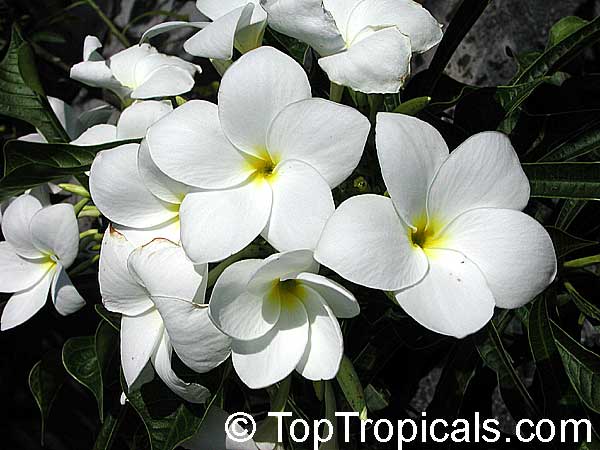
Jasminum sambac Maid of Orleans thrives and blooms in hot sun
Date: 5 May 2023
⛈
Severe weather:
How to help your plants survive
By Ed Jones, the Booster Guy
Q: A horrible hailstorm hit last night, damaging the majority of plants and trees on my property (piles of hail left like snow - crazy!). Do you have any advice on how to give plants some extra TLC while they recover? Any tips are appreciated.
A: Spring is here and in some areas of the country, so is severe weather season. So what can you do to give your plants a fighting chance when Mother Nature shows her ugly side? Here in Florida, spring and summer thunderstorms are a normal occurance. Unfortunately, those storms often come with small tornados, high winds and sometimes hail.
The photo below was from a hail storm that came through the north side of Sebring, Florida in April of 2022.
So the question remains. What can we do to help our plants when this type of weather strikes? Well the short answer is that there is not much we can do to prevent it from happening. These storms usually strike pretty quickly and most of us, given some warning, will chose to make sure vehicles are in the garage if possible and that loose items in the yard are brought in to a safe place. If you have time to move potted plants, that would be great, but it is not worth risking your own safety to do so.
The good news is that most plants will recover on their own. Even though they may look ugly for a while, patience is the best cure for most of them. Of course, the healthier the plant, the better chance it will have when it suffers damage due to severe weather. A good fertilizer plan along with regular doses of micronutrients will help your plants to be at their best so that they can recover quickly. And here is what you can do... CONTINUE READING >>
Date: 24 Nov 2021
Winter is coming tips
Reminder from Kristi, the Tropical Flower Girl
As the weather gets cooler, many of you move your potted tropical plants
indoors. Please remember:
1. Leaf drop. Lower air humidity, lower light and short day may
cause some leaf drop. This is normal for seasonal environment change.
2. Reduce watering as it gets cooler and darker. Under lower light
and in cooler temperature, plants won't need much water; some plants go dormant and only need minimum water (so soil doesn't completely dry out). Excess water may damage roots and kill a plant in winter.
3. No dry fertilizer in winter. Active growth stops. Let the plant
to go into dormancy or simply have a rest. You can continue liquid Sunshine Boosters according to regular dosage chart with every
watering. Since the watering is reduced, the plants will get only as much food as
needed for getting through the winter.
4. Watch for insects by inspecting leaves regularly. They may attack
plants more likely in the indoor conditions. You may use organic NoBug insecticide especially for your indoor plants.
Stay Warm!
In the photo: Mr Big and Zoe-the-Scooby-Doo sharing a warm tub with Emerald Peperonia
Date: 4 Jun 2021
Tahitian Gardenia
Q: I am interested in your Tahitian Gardenia and I would love to try and grow this plant in a large container/fabric pot. The soil here where I live is terrible as it's hard rock, clay, and sand! So I'm not sure if amending the soil would help to plant in the ground? Can you tell me if this will do okay in a container or best in ground? I live here in Las Vegas, NV (zone 9a). Any information would be great to help me make a this decision, I love the selection of cool tropical plants you offer! Also my daughter does Tahitian/Polynesian dance and this would be a cool "topping on the cake" if she could have a live Tiare flower in her performances.
A: Tahitian Gardenia will be doing best if grown in container in your
area. In its natural habitat, it grows full sun but also it enjoys mild weather
conditions and high air humidity. All gardenias prefer acidic soils. In your
area, if planted in the ground, it may be exposed to some harsh conditions:
too high temperatures, too hot sun, dry air, and as you mentioned - heavy clay
and sandy soil. You can enjoy this plant grown in container, which can be
moved as needed away from too much sun during summer months. Use well-drained potting mix. Use plastic pot, do not use fabric or clay
pots - soil will dry out too quickly.
Also remember to fertilize this plant on regular basis with a liquid
fertilizer SUNSHINE Pikake - Fragrant Flower Booster.
Grow gardenia in full sun or semi-shade during the hottest months. You may
spray it with pure water if the air too dry and hot. Enjoy your Tropical
Beauty and good luck!
Date: 21 Apr 2021
Healthy Plants: Q&A from Mr Booster
Mango leaves and fertilizing
Q: I received a mango tree we ordered last week (I am in California) and am trying to make sure we take care of it properly. I noticed the corners of some leaves have began drying out. I wanted to see if there was anything else we should be doing or if it is something normal. Overall the tree looks good and the leaves have perked up, but I noticed the dry tips on a handful of leaves. Any help is appreciated! I have not fertilized in the pot yet or applied the mango sunshine booster.
A:Your mango tree looks pretty healthy, and these dry leaf tips may be caused by overall shipping stress. You have dry air in California, and temperatures may be getting up, this may cause additional drying effect. You may start fertilizing with a liquid fertilizer, it will help the plant to get stronger and grow faster - then heat and dry air won't be a problem as soon as the plant becomes better established and hopefully go into a bigger pot soon, or in the ground. Make sure to provide regular water if you have hot dry summers.