Date: 29 Sep 2020

Healthy Plant Food: Q&A from Mr Booster
Why my Sapodilla is not fruiting?
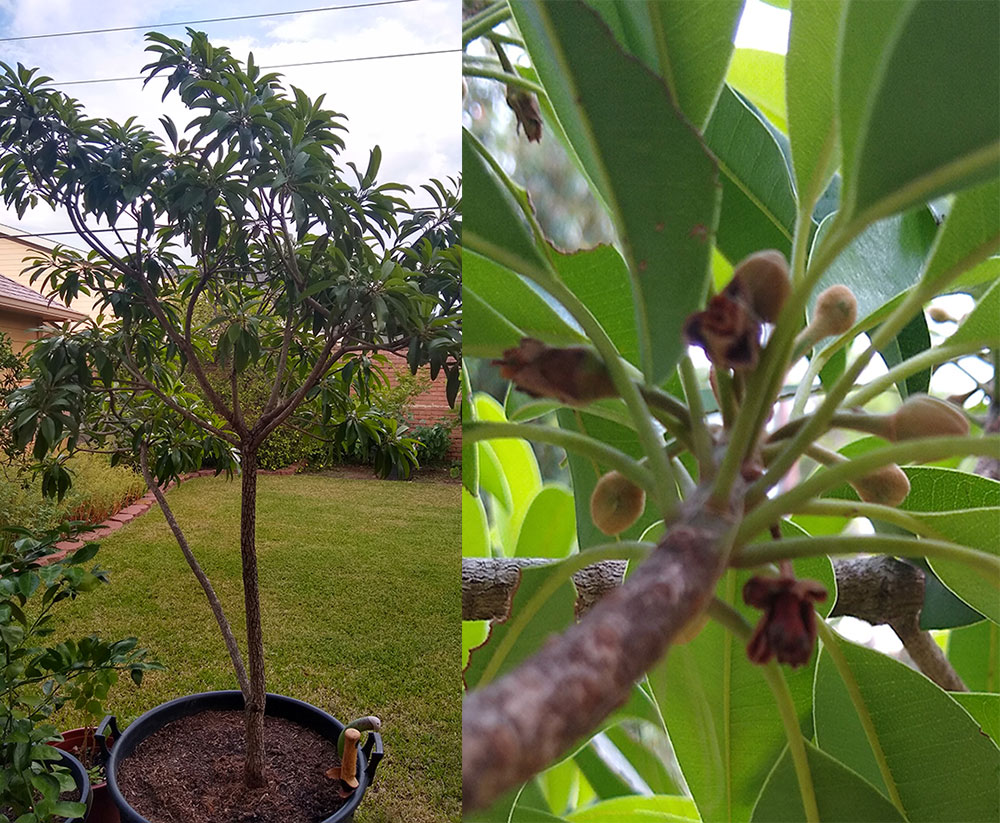
Q: I bought a Sapodilla tree from you several years ago, Silas Woods. I live in Houston area. The tree grows and produces blossoms for fruits, but then they just dry up and fall off. To-date, I have not gotten any fruits off the tree. Is there a reason for this? I really want a fruiting tree because Sapodilla is one of my favorite fruits. I have attached pictures of the tree. Please help.
A: Silas Woods is a free-flowering variety and in favorable conditions it should produce fruit almost year round, considering warm temperatures. The fact that the tree is producing flowers indicates that it is strong, overall healthy and ready for production, but for some reason these flowers don't set fruit. There may be several reasons for such behavior.
1) Too high temperature and too low humidity
In Houston area, humidity should be good in summer. However, if
temperatures stay above 90F for a long time, this may cause flower dry-n-drop.
Solution: try to move the potted tree into filtered light, or in a
spot where it does not get direct burning sun during the hottest hours of the
day (morning sun is the best)
2) Root bound.
Solution: check if the tree needs stepping up into a larger
container.
3) Lack of certain nutrients that are responsible for proper fruit
formation.
In particular, elements B (Boron), Mo (Molybdenum), and a few other
micro-elements (Fe - iron, Cu - Copper, etc.). This is most likely the cause of a
flower drop. This is very common reason for undeveloped fruit or lack of fruit
in container-grown fruit trees. When grown in the ground, plants can reach
out to all necessary elements in surrounding soil (considering soils are not
too poor on necessary elements). In a pot, a supply of nutrients can be
exhausted very quickly, so a quality fertilizer program is very important.
Fertilizer must include all necessary nutrients in easy accessible form, and a plant
must have their constant supply for proper development.
Solution: prescribe to your Sapodilla tree the following combination
of plant food:
- SUNSHINE C-Cibus - Crop Nutrition Booster. It will provide
well-balanced amounts of high absorption Nitrogen, as well as other macro-elements - to
provide enough energy to the tree, plus a combination of all necessary
micro-elements. It is safe to apply this fertilizer as frequent as with every
watering, including winter time.
- SUNSHINE-Honey - sugar booster. This supplement has a high content of
elements Mo and B - once the tree starts getting them on regular basis (a few
times a year, according to the label), it will change its habit dropping
flowers and/or premature fruit drop. As extra bonus, Sunshine Honey makes fruit
sweeter by bringing sugars from all over the plant and concentrating them into
fruit.
4) Lack of pollinating insects.
Solution: For most effective pollination, we always recommend to put
some pieces of fruit under the tree, apple peels, or even banana peel. Those
attract tiny beetles that are responsible for small flower pollination.
With winter time approaching, fruiting season is about to end, however, do not get discouraged and start the fertilizing program right away: this will bring up the plant into a healthy stage within a few months, and by next season it should be covered with fruit you like so much! Remember, Sunshine liquid fertilizers can be used year round, including winter, without a risk to burn roots or overdose, as long as you follow label instructions.
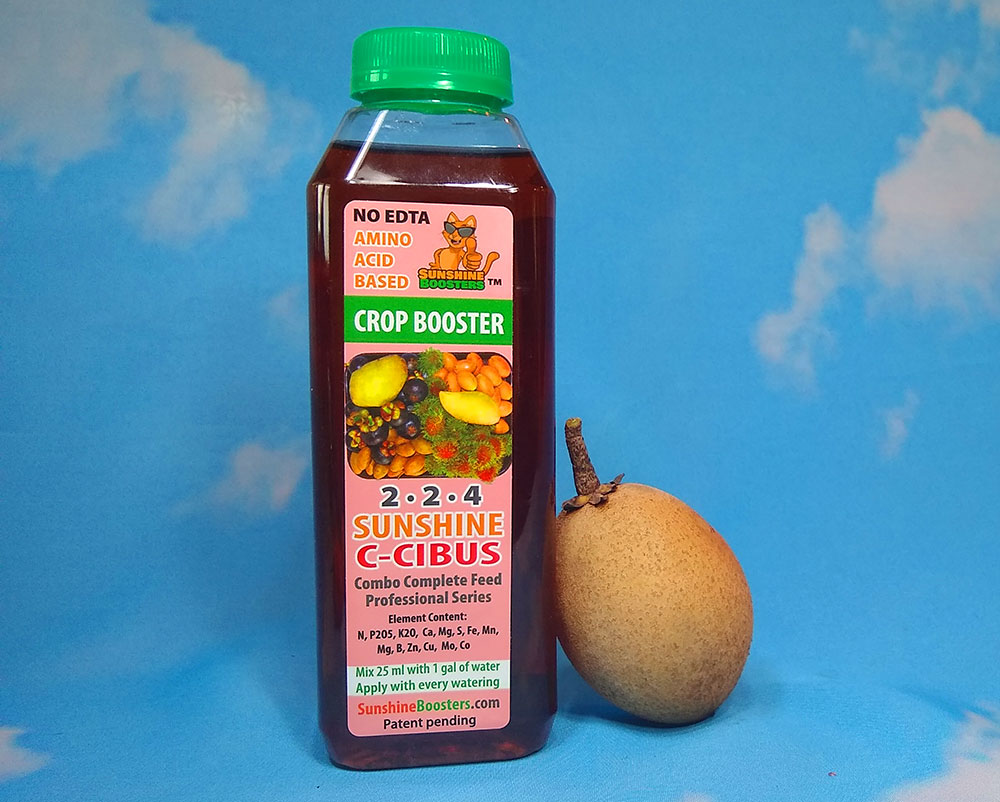
SUNSHINE C-Cibus - Crop Nutrition Booster from Garden Series, or Combo Total Feed Collection - all nutrients in just one bottle, for fruit trees and edibles.

Date: 15 Mar 2019
Save Coffee from extinct!
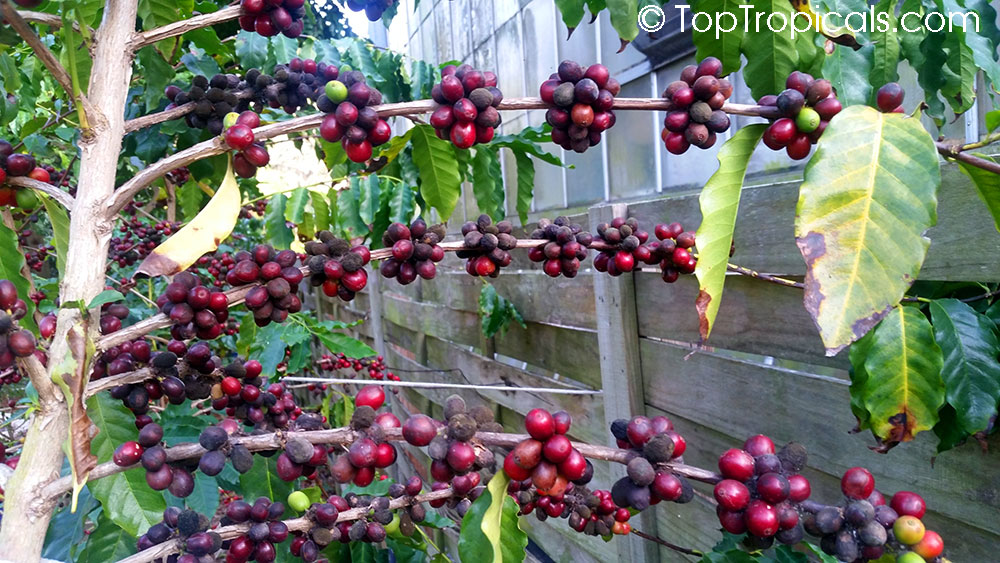
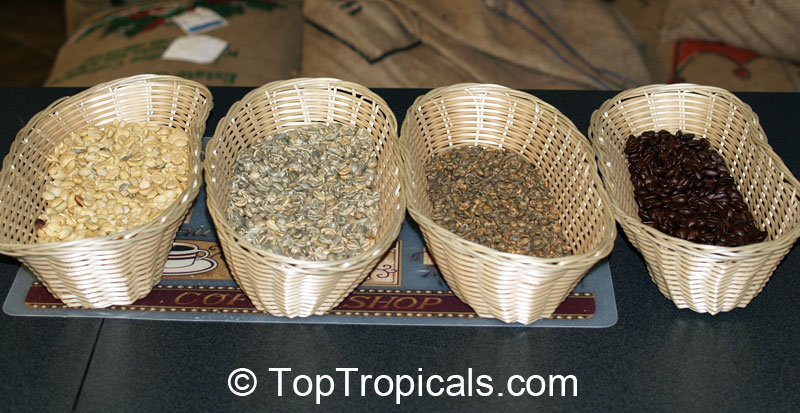
The most popular kind of coffee for commercial production, Coffea arabica, is already on the endangered species list. According to research, Coffea arabica plant could become extinct in as little as 60 years.
Coffee requires a forest habitat for its survival. With so much deforestation going on around the world, wild coffee species are being impacted at an alarming rate. Coffee plants grow in very specific natural habitats, so rising temperatures and increased rainfall brought by climate change can make coffee impossible to grow in places the plants once thrived.
Read the whole article
See video: Top Tropicals Showcase: Coffee plant
To reserve a cup of coffee for yourself and your children, plant the Coffee tree now!

Date: 11 Jan 2021
Tropical gardener beginning-of-year checklist

Final pre-Spring check of whatever we had forgotten! For a gardener, the year ahead is a chance to do things you want, as a way to achieve the things you need to do. If your number one New Year's resolution is to garden more (a want-to item), you also will be exercising more (a need-to). Or if you plant a new edible garden (want, want, want), you will end up checking off "eat more leafy vegetables and fruits" from your to-do list!
12 steps to get ready for 2021 season:
1 - Spray fruit trees and houseplants with insecticide and micro-elements
2 - Continue spraying SUNSHINE-Epi to improve plant hardiness
3 - Protect tender plants during cold spells and especially from freeze
4 - Reduce watering during cooler months, keeping the root zone on a dry
side
5 - To give your plants a kick start, fertilize with liquid SUNSHINE Boosters fertilizers - they are safe to be used year round
6 - Plant fruit trees: winter planting is beneficial to avoid heat stress for roots
7 - Plant Butterfly and Hummingbird Attractants
8 - Plant bulbs, vegetables and herbs. Use eco-safe, natural SUNSHINE boosters for all your edibles.
9 - Plan your summer garden and order seeds early
10 - Start tropical plants from seeds (indoors for cooler climates)
11 - Start ordering tropical plants and beneficial soil mix to get them established after shipping in pots
12 - Clean and oil garden tools
Date: 11 Sep 2020
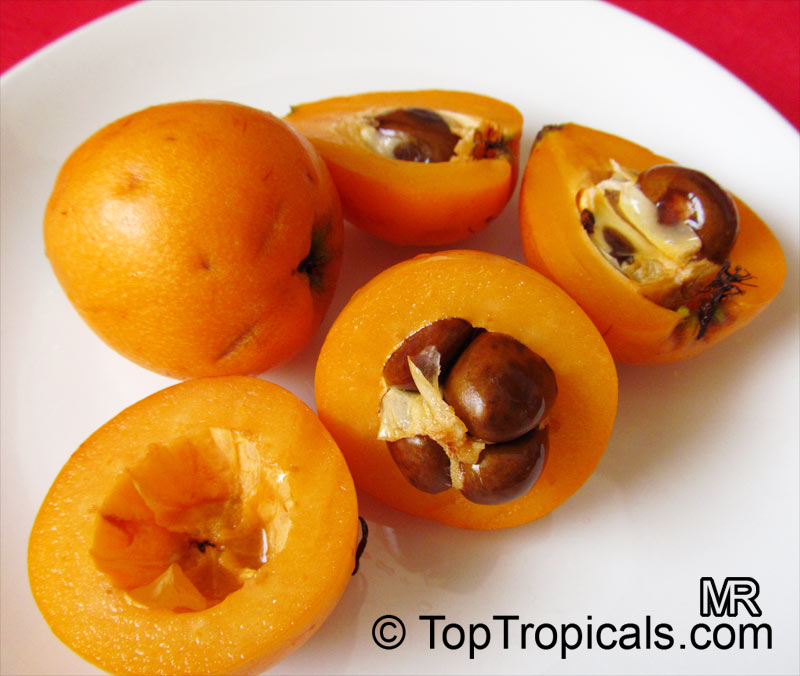
The best Loquat varieties with big, sweet fruit
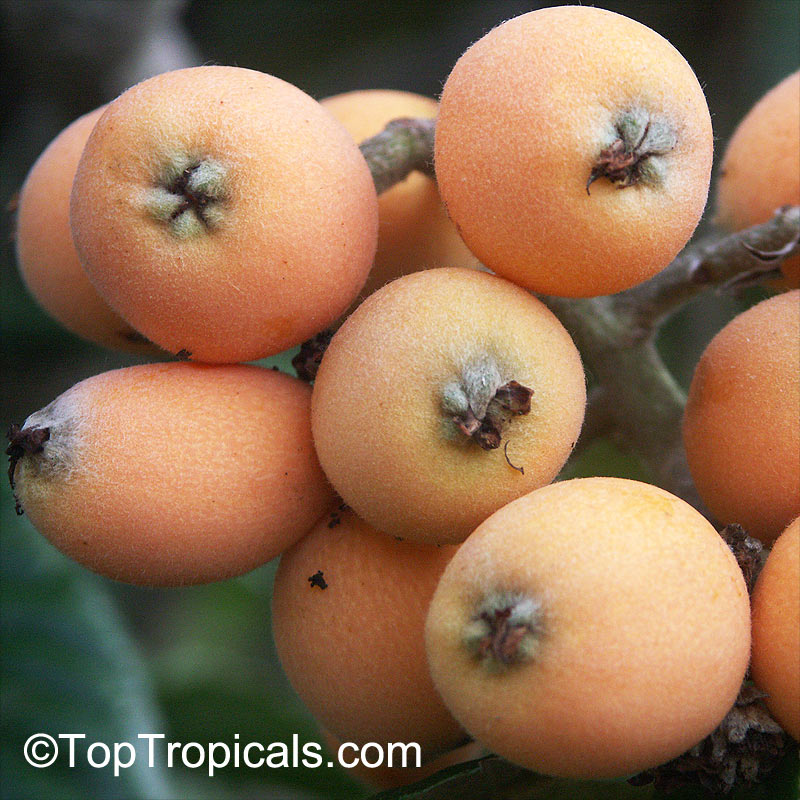
Q: I'm interested in loquat and read through the varieties you offer but wanted your recommendation. I'm looking for a variety that is big, sweet (not tart) with 1 seed. Of the varieties you offer... Which variety would you recommend?
A: From our experience, the most popular Loquat variety is Christmas.
It is an early ripening type hence the name Christmas. Fruits are very large
for a loquat, they are bright yellow with a tangy apricot flavor.
Another good variety we recommend is Yehuda - it has a large fruit and very small seed
Also, variety Oliver for many years has been considered the best loquat for South
Florida. The fruiting season is March to May. It has medium to large fruit. The
fruit is very sweet with only one-two seeds.
Loquats are very cold hardy tropical fruit trees, easy to grow, drought
tolerant, fast growing. Fruit is great for eating fresh or making jam.
Check them out while they are on sale!
Date: 30 Jun 2020
Plants like to snack!
How to feed Poinciana tree
(and other tropical flowering trees)
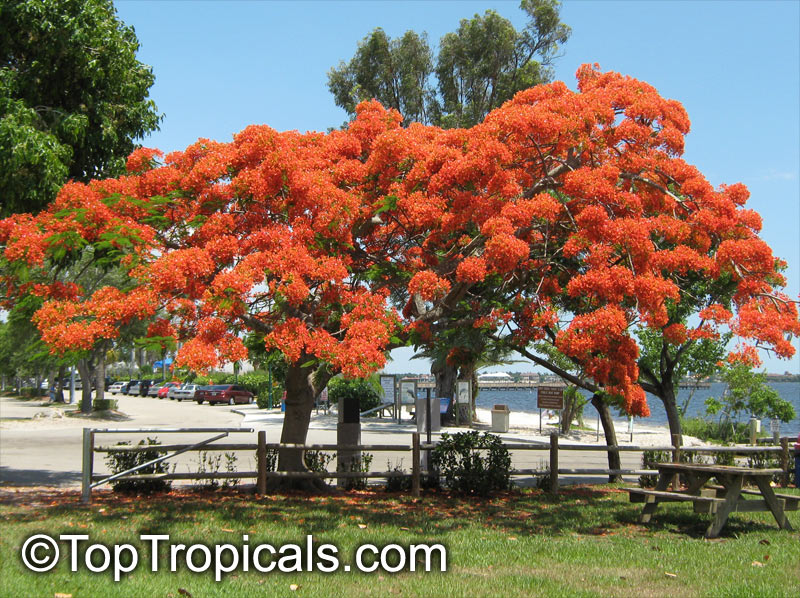
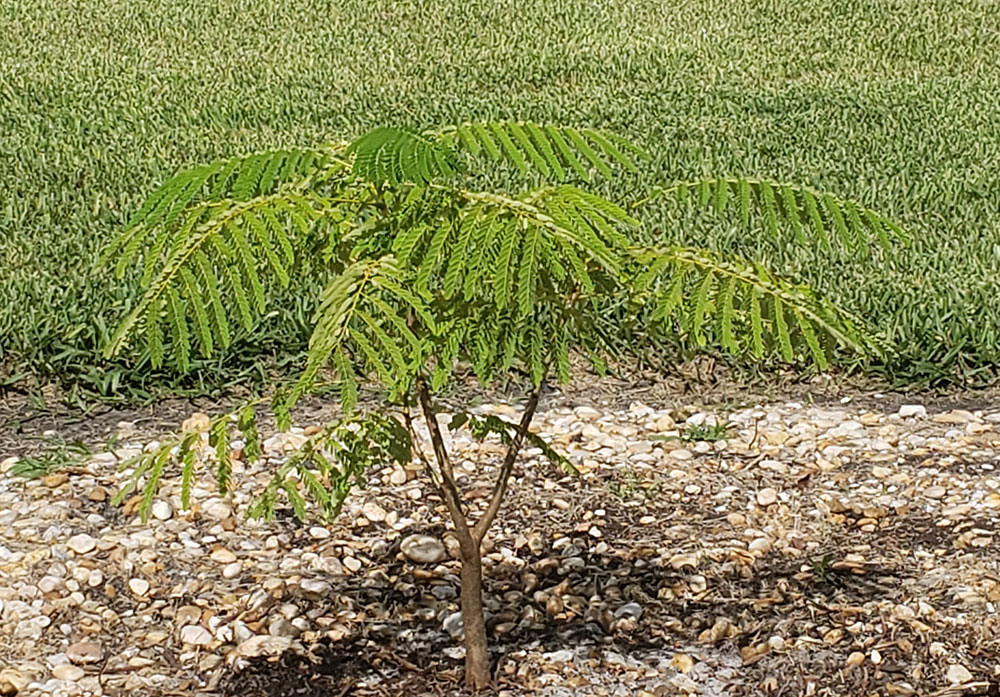
Q: We purchased a Royal Poinciana tree from TopTropicals not too long ago and we gradually gave it more sun until finally we were able to plant it in direct sunlight where it's been for a week or so. Rain has been sporadic lately so I'm giving it a little bit of water every day. It seems to be doing fine. I do have a question about whether the leaves are as green as they should be? I read online that I should fertilize it with gardenia / ixoria fertilizer in March, June, and October. I looked on homedepot.com but didn't really find anything that goes by that name. Would fertilizer help? Can you suggest a fertilizer?
A: Your Poinciana tree looks pretty healthy and happy,
congratulations with a great job!
Traditional (old-school) fertilizer recommendations usually suggest feeding
a plant 2-3 times a year with a slow-release fertilizer. And although a
plant will benefit from any fertilizer application (extra food is always good),
however, for the best results, faster growth, sooner and more profuse
blooming, your should use complete plant nutrition products - liquid fertilizers (see
why liquid
fertilizers are better than dry).
Here is an example. Some people eat a big heavy meal once a day which we
all know, is not very healthy. Other people eat balanced food more frequently
but in smaller portions - this is always the best way to go.
From this point, plants prefer SNACKING - frequent feeding, but with less
concentrated, mild and balanced nutrients.
For your beautiful Poinciana tree (and other flowering plants), we suggest
the following nutrition program:
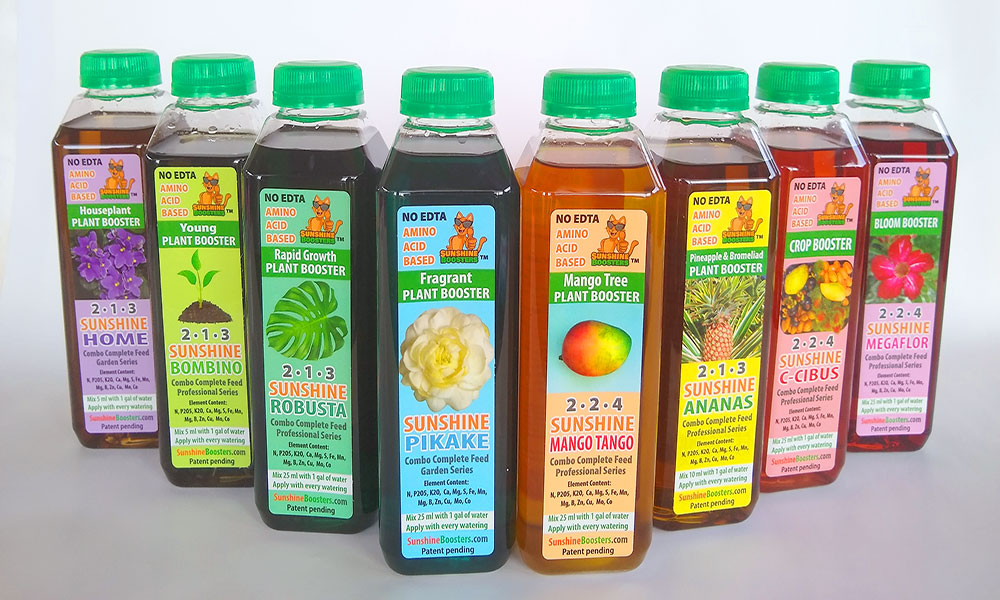
1) SUNSHINE Megaflor - Bloom Nutrition Booster - you may use this fertilizer as frequent as with every watering, it won't burn the roots, and will provide a complete nutrition for all plant needs throughout the year. You can continue fertilizing with Megaflor even during winter time. Sunshine Megaflor will help you to keep the plant healthy, vigorous, and resistant to stress and diseases. It turns leaves green and makes the plant strong so it will start flowering sooner for you.
2) Tropical Allure - Smart-Release Booster. Apply it once a month during hot season only (in Florida - from March to November).