Garden Blog - Top Tropicals

Date: 4 Oct 2016

Plants for happiness and joy

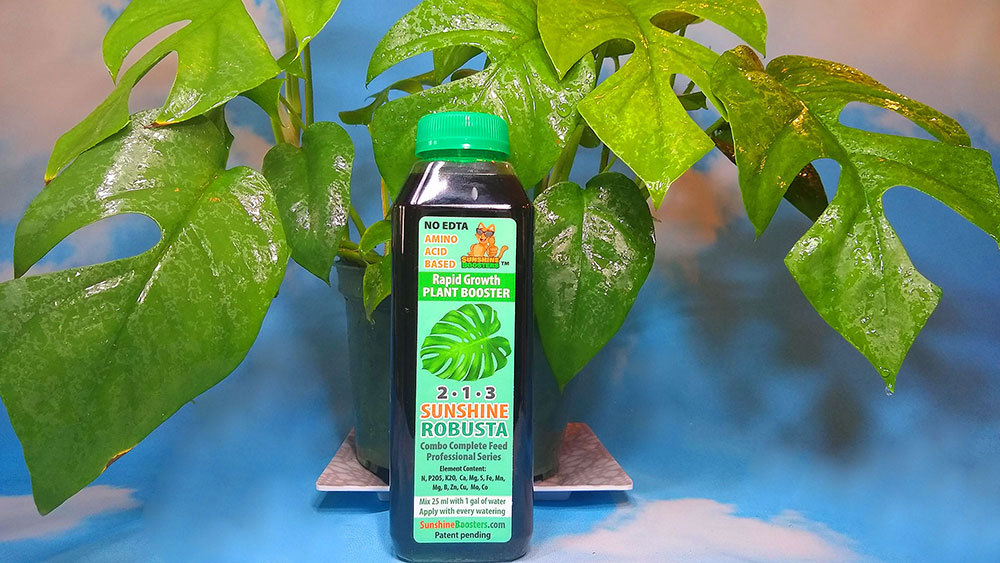
Plants as homeopathic remedies and happiness boosters. Many people know about health benefits of vitamin C which improves and boosts our immune system similar to SUNSHINE plant booster stimulating growth of plants. But not everybody realizes that this vitamin is responsible for overall happiness of our body, it brings many systems in balance. A number of tropical plants used in salads, as well as fruit with high content of vitamin C can play dual role in your life. You can use them as food, as well as enjoy their beautiful tropical appearance. Such plants will help you feel interest and joy in life when you feel apathetic and resigned to the situation you are in. Just to name a few:

Lychee
Barbados Cherry
Eugenias
Hibiscus Karkade

Date: 25 Sep 2016

Libra Zodiac lucky plants

Libra - 9/23-10/22. Libra is an AIR sign, and is ruled by the planet Venus. Because Venus is the planet of beauty and love, Libra's plants often have light, lovely flowers and gorgeous scents.
Libra has been related to the endocrine system, the kidneys, and the bladder. Venus (which also rules Taurus) is responsible for the harmony between the various body systems, as well as the abdomen, kidneys and urinary tract, and thyroid. Libra's plants help to bring balance to these areas of the body. Libra's romantic nature appreciates a spice that cultivates love and sensuality. Cardamom is a spice known for its gently warming nature, so add a sprinkle when you want to heat things up slowly.

Libra Zodiac lucky plants: Jasmine, Gardenia, Euclinia, Pua Keni Keni, Randia, Beaumontia, Faradaya, Butterfly Ginger, Kopsia, Hydrangea, Montanoa, Aglaia, Dwarf Ylang-Ylang, Desmos, Clematis, Almond Bush, Brunfelsia, Four oclock plant, Juniper, Moonflower, Carissa, White Chocolate Jasmine, Night blooming jasmine, Fiddlewood, Honeysuckle, Orchid, Clerodendrums, Millingtonia, Parijat, Fried Egg Tree, Oxyceros, Phaleria, Tuberose, Cubanola, Portlandia, Rothmannia, Allamanda, Nasturtium, Rose, Camellia, Ephedra, Fuchsia, Ylang-Ylang, Magnolia, Stemmadenia, White Plumeria, Appleblossom, Needle Flower Tree, Tree Jasmine, Guaiacum, Epiphyllum, Amazon Lily, India Hawthorn, Stephanotis, Talauma, Pakalana vine, Wrightia, White flowers, Cypress, Lucky Bamboo, Dracaena, Bakul, Apple, Pear, Fig, Raspberry, Olive, Pomegranate, Apricot, Peach, Plum, Loquat, Grape, Blackberry, Mango, Cherries, Chrysobalanus icaco, Berries, Neem tree, Asparagus, Spices, Mint, Catnip, Bergamot, Thyme, Cardamom.

For other signs information, see full Plant Horoscope.

15% OFF ON ALL FRAGRANT PLANTS

Date: 10 Sep 2016

Organic remedy for indoor plants insect protection

Q: Winter is coming and I moved my collection of fragrant plants inside the house about a week ago. Today I noticed some aphids on my jasmine. I guess they sneaked in with the plant from the garden where it was a week ago. I don't want them to spread around and get to the nearby gardenia. What should I do to protect my plants from insects indoors?

A: Sometimes bugs attack indoor plants more than those outside in the garden. The main reason is lack of air circulation, lack of sunlight, lack of bug natural predators, and lack of plant's immune resistance due to winter dormancy. So, you need to pay extra attention at your plants health during colder months they spend indoors. Inspect leaves, especially underneath, at least on weekly basis.

If noticed first signs of insect attacks (insects and/or leaf damage such as holes, chewed edges, discoloration, dark or sticky coating), use a simple organic remedy that is handy in every house. Mix in a cup of hot water two tablespoons of any cooking oil: Canola, Vegetable, Sunflower, Olive; Neem oil is the best for this purpose, but it does have a pungent odor (bugs don't like it as well as some people). Add a few drops of dish-soap for better mixing oil in the water. You may add a clove of pressed fresh garlic - bugs hate it! Clean leaves with this solution using cloth, paper towel, and/or spray bottle.

If insects are persistent or your treatment arrived too late when a plant is excessively infested, after cleaning with the oil solution, you may use additionally systemic insecticide sprays sold in garden centers, with active ingredients of pyrethrin, imidacloprid or similar. Make sure to read product label and follow instructions.

However try the organic recipe first, it really works! You may repeat it as needed, as often as you want! See TopTropicals Video on Safe and Easy Pest Control

Date: 4 Jun 2016

Desert rose winter care

Q: I purchased several packets of desert rose seeds last year. I now have 45 very healthy seedlings some of them in bud. Almost all of my seeds grew but I lost most of them when I rook them in during winter. I did not water them for a month , kept them in their pots and set them by the window. they either dried up and died or rotted and died. I noticed when you send me grafted specimens that you bareroot them. Is this a better way to keep them inside in winter, bareroot? I hate to lose these plants come winter time. Pls advise me. I live in Houston, Tx. where we get temps below 40 degrees and sometime a day or more of freezing temps.

A: Thank you for your question. Rot is pretty common problem with Desert Roses. We monitor our Adeniums closely and have a special set up of watering environment and schedule, in dedicated greenhouses just for them. Nevertheless - every now and then we see a rotten caudex and can't help it to say "oops! over-watered!" These plants are very sensitive to environment changes, especially when it comes to a combination of water and temperature. These are a few tips that should help you to reduce risk of plant loss to a minimum:

1) Use only well drained mix with much higher content of perlite than you would use for most tropical plants. For adeniums, we use mix with 30-40% of perlite in it, while regular mix has 10-15%.

2) Adeniums like alkaline soil, unlike most of tropical plants (hard to say what else likes alkaline... Ficus for sure!). This means, regular mix with high content of peat moss may cause root rot. To increase alkalinity, you may add dolomite. Here in Florida where we have natural supply of shell rock handy, it is easy to add some shell to a potting mix (shell sand, rather than quartz sand). We always add a few large shells on top of a pots with a big specimen. Besides increasing soil pH (making it more alkaline), shells look very decorative.

3) Water very carefully during cooler months. When it is hot (85-100F), excessive water usually won't harm adeniums: it will be partially used by a plant, and partially will evaporate. Especially be careful with water when temperatures drop below 65F - then tropical plants simply stop growing process and go dormant. Once adeniums start losing leaves, this is a sign to reduce watering to once a week to once a month, and in very small quantity (couple tablespoons per pot).

4) We do not bareroot adeniums for winter storage. They are not bulbs. Barerooting of this plant is recommended only during shipping. Adeniums can stay without soil for up to a week without hardly any stress, sometimes even longer.

5) We keep our big collection specimens on a roofed porch during winter, where level of light is very low. Last winter we haven't lost a single plant due to low light. They take shade pretty well considering minimum or no water. However bright light is always better - it creates healthier environment for a plant. We all know about space limitations for our large collections, especially in winter. So if you can afford a bright spot for adenium during winter - the plant will be lucky!

Adenium Summer Sale:

Date: 22 Mar 2016

Plant Horoscope. Aries Zodiac lucky plants: Aloe and Erythrina

Aries - 3/21-4/19. Aries is a FIRE sign ruled by the planet Mars. Plants associated with this element and planet very often have thorns or prickles. They can be also spicy or bitter in flavor, or red in color.

Because Aries rules the head, eyes and face, the plants for Aries purify the blood, stimulate the adrenal glands, and/or are high in iron (Mars rules the mineral iron). Mars-ruled Aries is assertive, energetic and fearless. Mars rules the red blood cells, the muscles, and metabolic processes, as well as the motor nerves and the head. These plants help you when you want more get-up-and-go and the courage to take on the world.

Aries Zodiac lucky plants - Governors plum, Hibiscus Karkade, Tapioca, Mamey Sapote, Ruda, Baobab, Euphorbia, Acanthus, Aloe, Caesalpinia, Erythrina, Opuntia, Dragon Fruit, Pachypodium, Pomegranate, Chilli peppers, Syngonium, Begonia, Geranium, Red Sandalwood, Jamiaca pepper (Pimenta, Allspice), Camphor, Jujube, Anise, Red Roses, Tiger Lily, Impatiens, Calendula, Tarragon, Ginger, Coriander, Basil, Ruda, Amaryllis, Wild Indigo, Gooseberries, Sesbania, Campsis, Red Oleander, Maple, Schotia brachypetala, Momordica, Coffee, Amla , Ephedra, Red Kapok.

For other signs information, see full Plant Horoscope.