Date: 18 Apr 2016
Seeds germination in summer
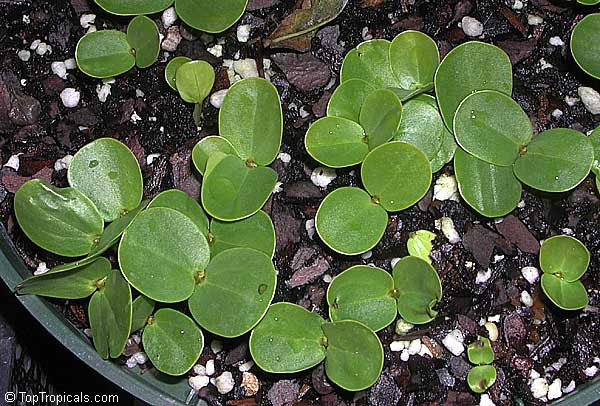
Q: What is the best way to germinate seeds in summer? Should I keep trays indoors or put them outside?
A: Summer is the best growing season for plants, and for their propagation. Seed germination process of tropical plants usually benefits from warm, and even hot temperatures, so keeping pots with seeds outside in full or partial sun can be the best way. However some seeds may be more sensitive than others, or require slightly cooler or higher temperature for germination. These are a few tips that may help:
- For seed germination, use only well drained mixes, containing either peat moss or coconut fiber to retain moisture. Some succulents may require adding sand to the germination mix. You may also try our Professional Formula Seed Germination Mix.
- Large tropical seeds, like palms, or seeds of Fabaceae (Bean) family, can be grown in full sun. Their germination will benefit from higher temperatures (up to 90-95F). Make sure to keep soil moist. Cover them well, with 3/4 to 1 inch of soil.
- Fruit seeds (large size) should be germinated either in individual cells or small pots (3-4"diameter).
- Small to medium size seeds can be grown in so-called community pots. Seedlings can be separated after they establish their first roots.
- Tiny seeds should be planted closer to the surface, covered with only 1/4-1/8 inch of soil; some seeds require bright light for germination, so full sun will be a plus. Some small seeds like Ficus for example, prefer to be broadcasted on the surface, uncovered. Put containers with such seeds in bright shade, as you don't want the surface of the soil to dry out.
- Once your seeds sprouted, move them in filtered light - bright to medium shade depending on tenderness of the species. (Gingers prefer shade, while succulent sprouts can stay in brighter light). Regardless of water/sun needs of the species, all young sprouts and first leaves are sensitive to hot sun and may get burned or even killed. Once a baby plant has a few leaves and well-branched root system, you may start moving trays into a brighter light.
- Do not overwater young seedlings, keep soil slightly moist but not soggy.
Date: 26 Mar 2026
🌈 Adeniums: More Than Just Plants
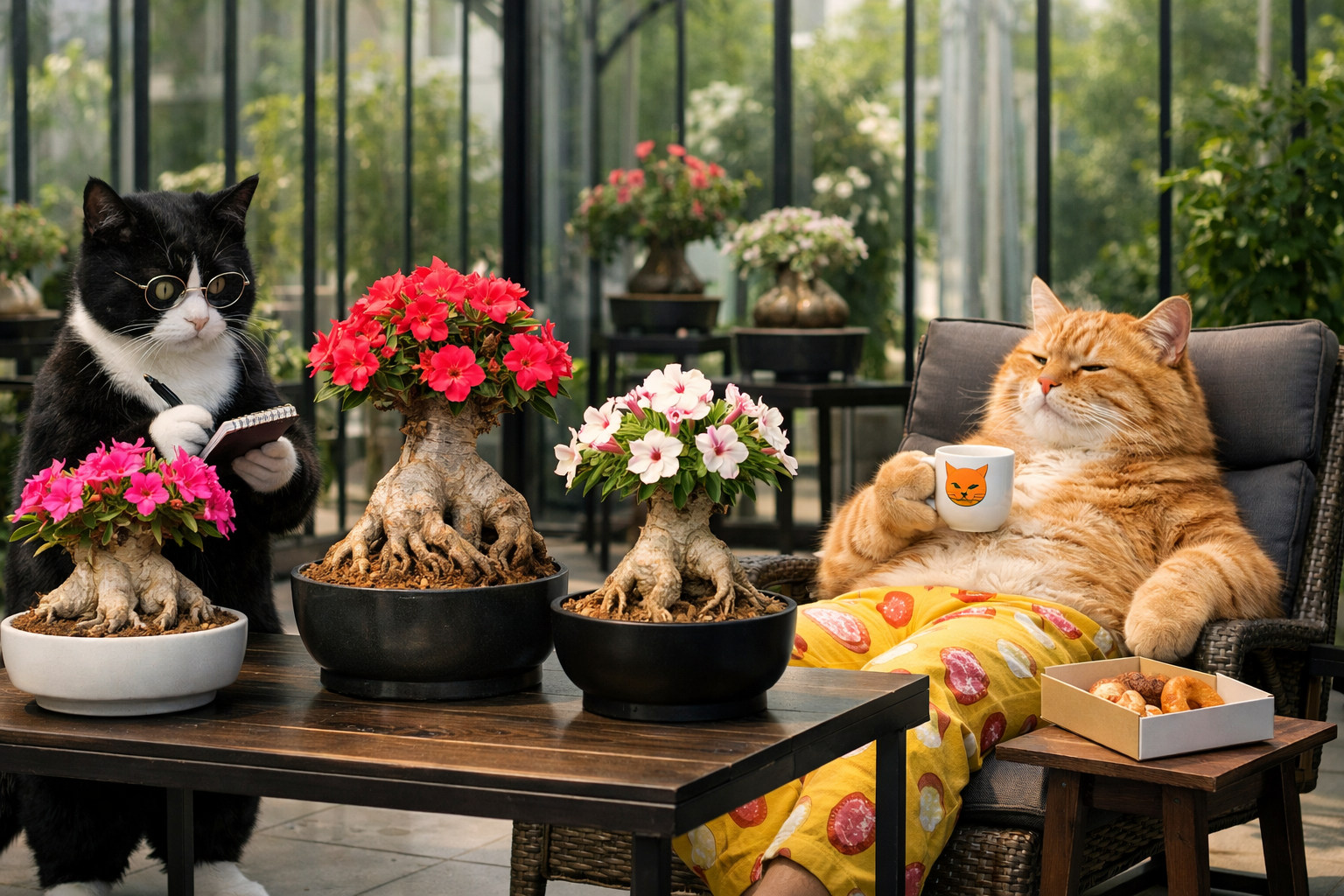
Smokey: Caudex. Water and nutrient storage for future use.
Sunshine: I need a caudex too. For coffee and my donuts
Smokey: You already have one. Have you looked in the mirror lately?.
Read more about Smokey & Sunshine
🌱 Shape, Color, and Why Each Adenium Feels Unique
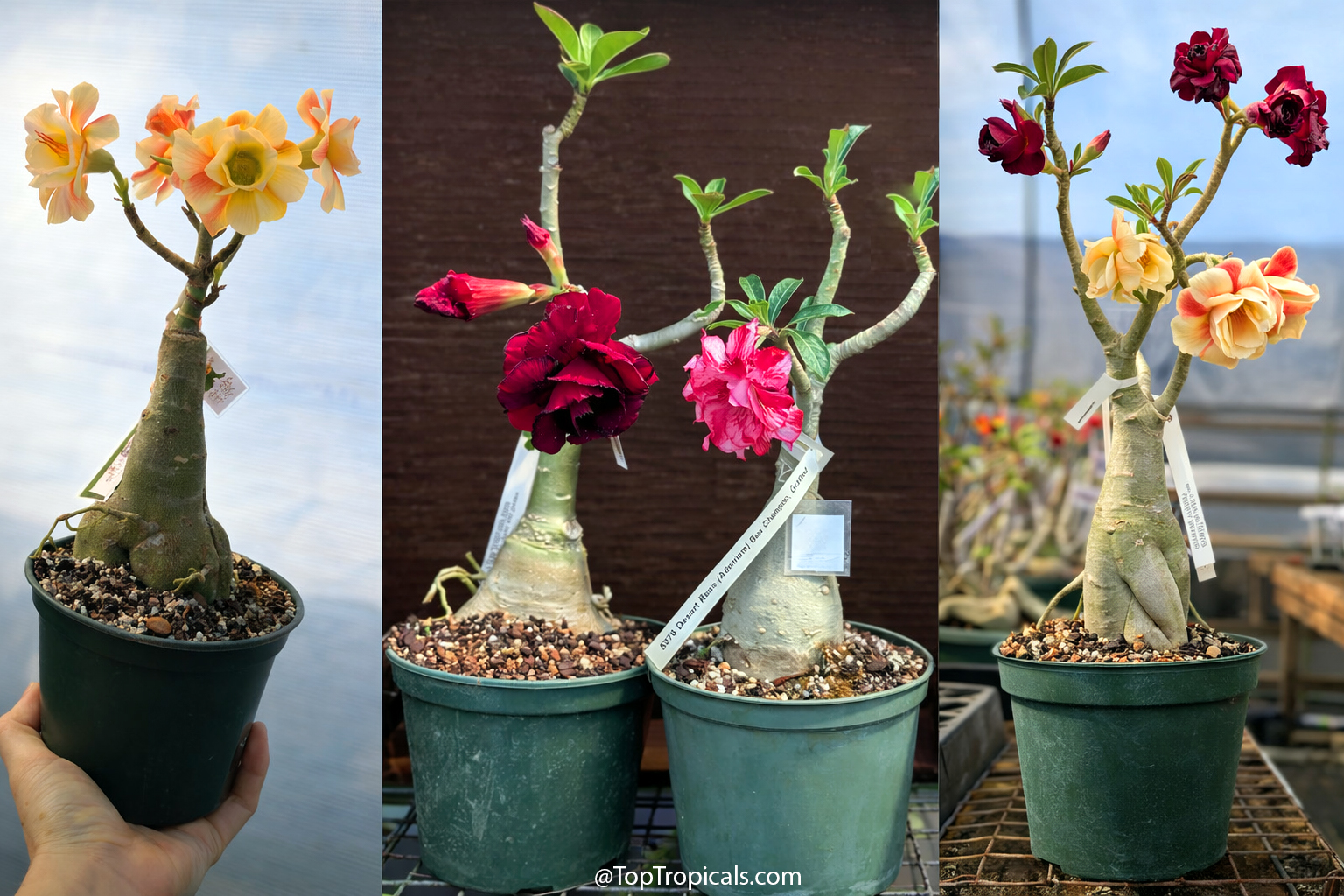
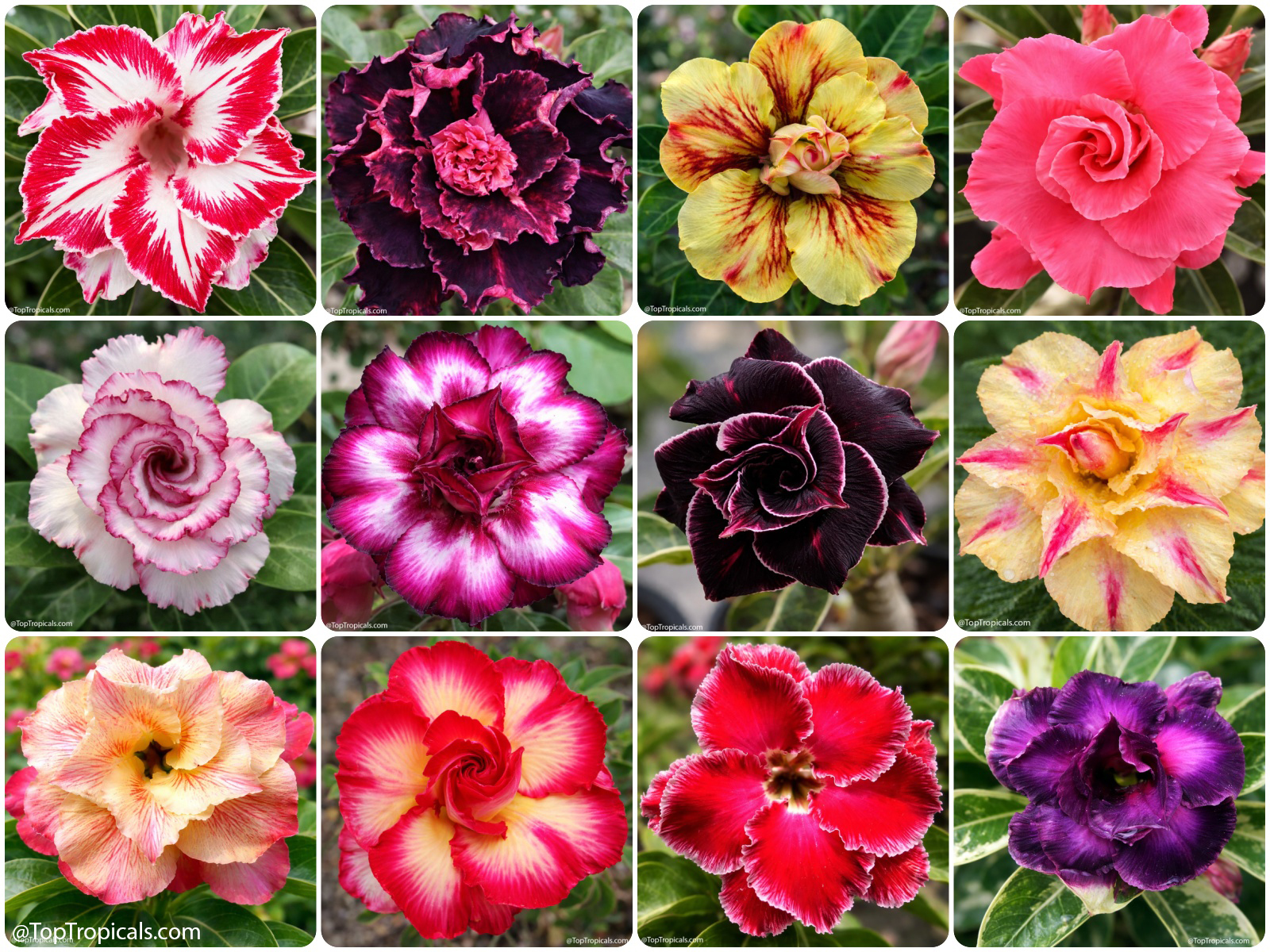
Adeniums can stop you in a strange way. It is not only the flowers, although they help. It is the whole plant. The swollen base, the curves, the way no two look quite the same. Some are thick and heavy, some more refined, almost like they were shaped on purpose. After a bit, you stop seeing them as regular plants and start treating them more like objects you want to keep and look at.
That is usually how a collection starts. One plant, then another that feels different, and then you want contrast. Light next to dark, soft next to bold, one with a wide base next to a taller form. It is not really about having many. It is about how they look together. And over time, each one changes a little, so the collection never stays the same.
Date: 13 Jun 2022
Secret Garden - 50% OFF
The point of your Garden

"...A garden always has a point..."
- Elizabeth Hoyt, The Raven Prince -
Let our Secret Garden selections help you make the point of your
Garden!
Each week we add a variety of plants to our Secret Garden with
special savings of
50% off and more!
Check back often to find new the Secret Garden selection! Find new specials of the month from our Newsletters.
And for local customers, come visit our Garden Center for an even larger Secret Garden selection. Ask our sales reps about full list of Secret Garden plants available for local pick up!
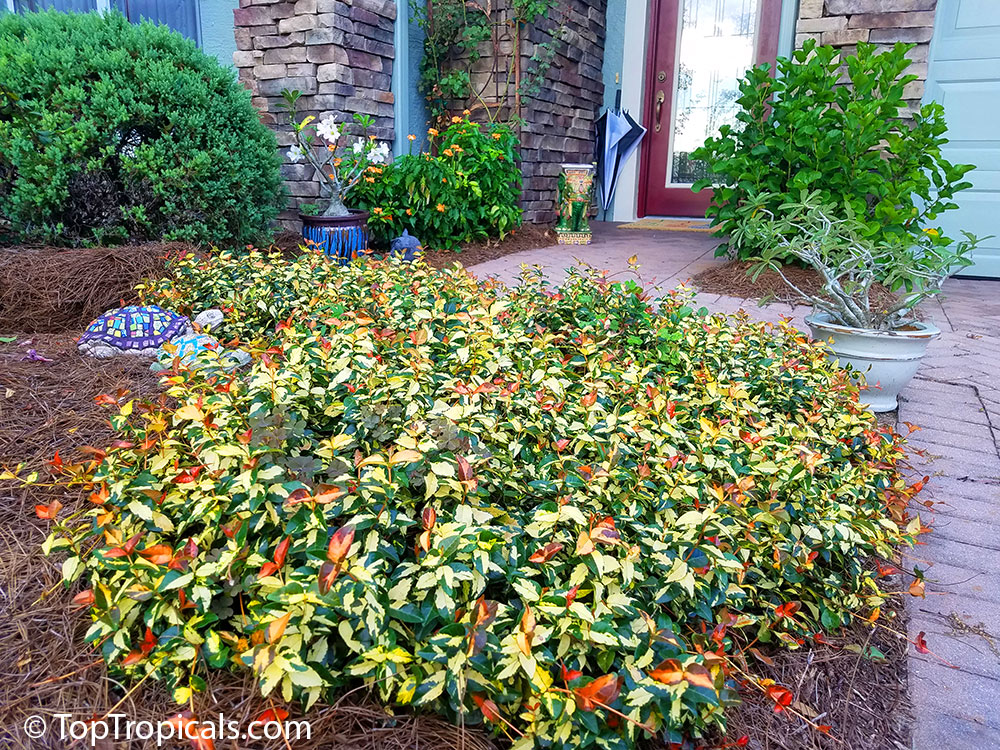
Photo above: Trachelospermum asiaticum Ogon Nishiki Gold Brocade
Date: 30 Oct 2021
Soil, media, substrate or just plain dirt, which is correct?
by Ed Jones, the Booster guy
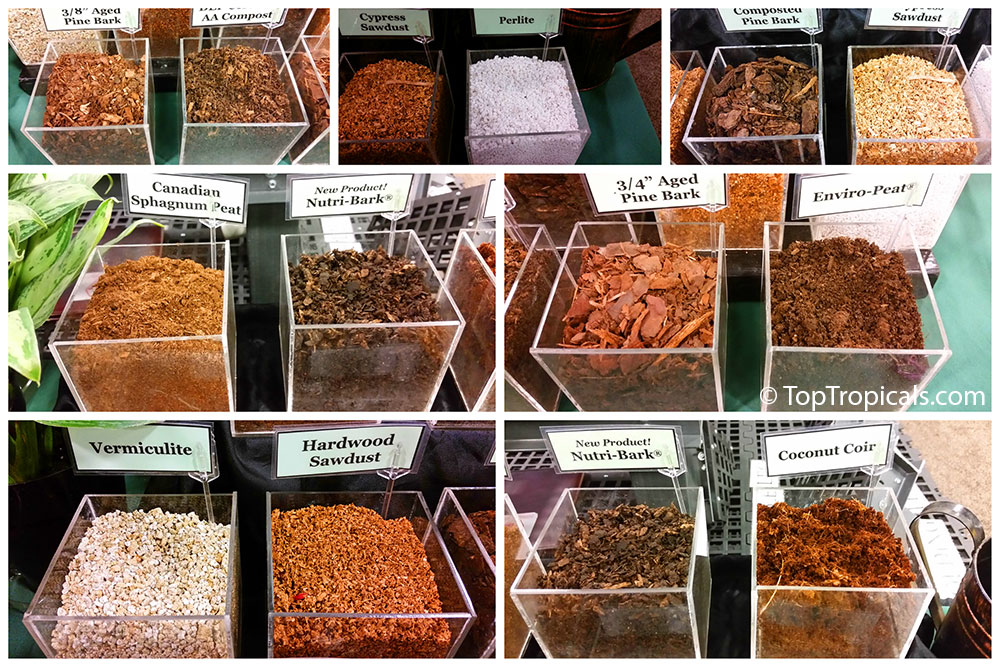
...Dirt. What is it really and does it matter what you use to grow your plants? What is the right dirt for growing plants? In the growing industry, we refer to it as soil, media or substrate. In the real world, we just call it dirt. But is it? Is it just dirt or is it something special? We will try to give some good insight in this article...
CONTINUE READING >>


Date: 24 Jul 2021

Healthy Plants: Q&A from Mr Booster
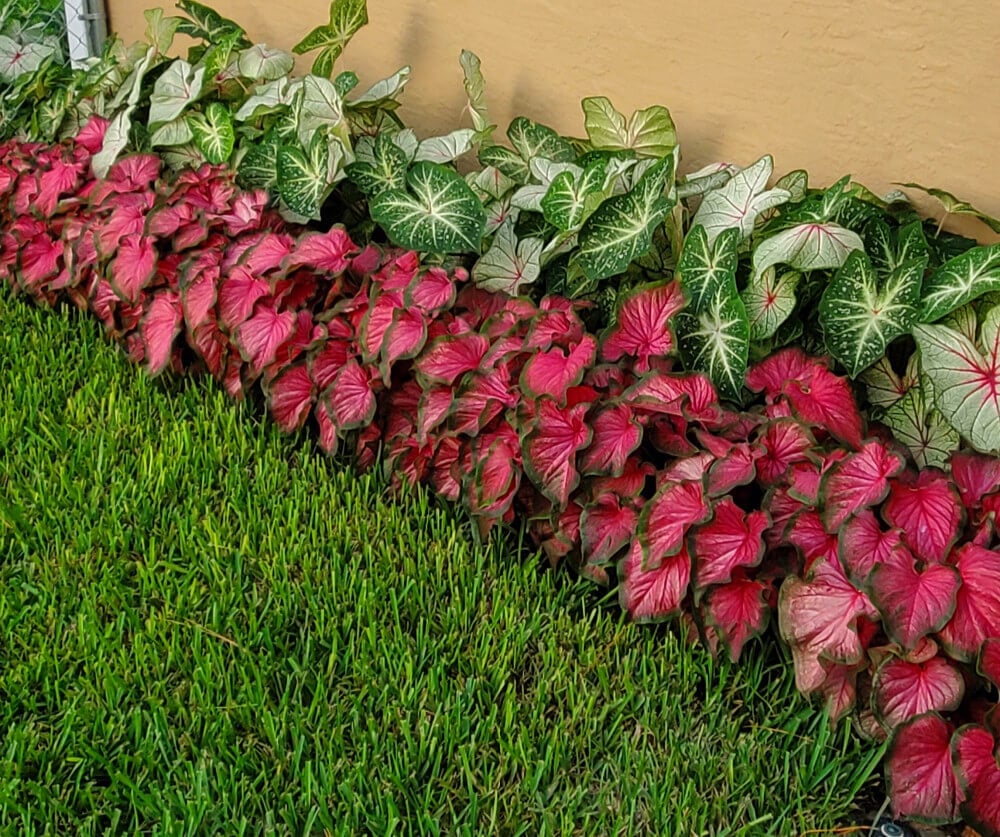
How to fertilize Caladiums and other Aroids
By Ed Jones, the Booster Guy
Q: I have a large collection of Aroid plants, different Monsteras, Philodendrons, and several unique varieties of Caladiums. I've been always told that Caladiums should not be fertilized, they don't like it. Is it so?
A: Caladium farmers often say that these plants don't need any additional fertilizer and that they really don't like it... The thing
is, caladiums do not like DRY fertilizers, and this is why. Most Aroid plants do not like being watered too often, so dry fertilizers in combination
with infrequent watering create excessive salinity for the root system. We have run some tests on the proper fertilizers for caladiums and the best results were
performed after using SUNSHINE
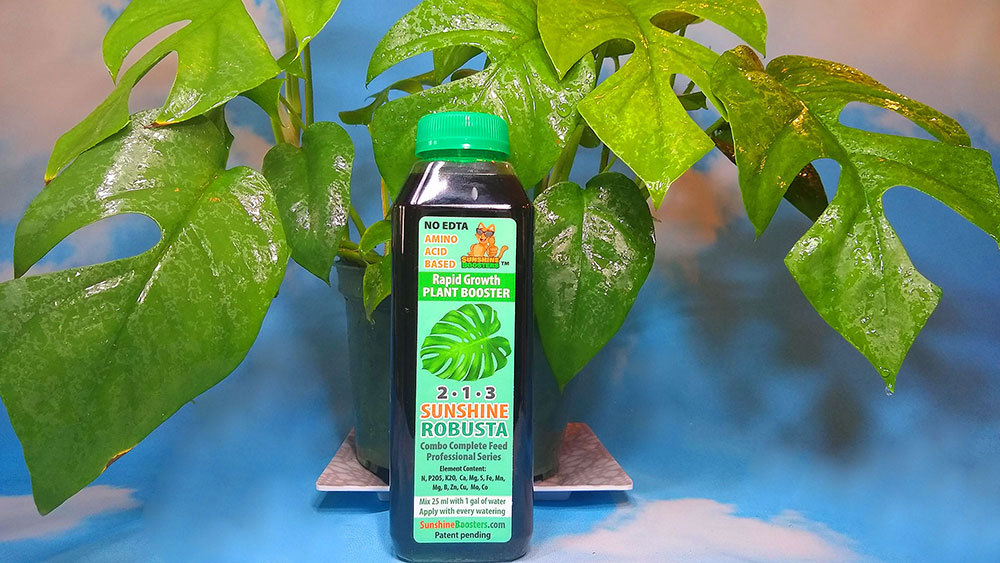
Robusta. It is amino acid based, so the delicate, large-leaved Aroid plants will not have to work quite so hard to take up the nutrients, and there will be no nutrient
lock up in soil. The nutrients are readily available to these plants.
In this article, you will see some test results of caladiums fertilized with
SUNSHINE Robusta vs. other brands of fertilizer, with more vigorous growth and larger leaf size occurring after use of Sunshine Robusta...
Caladiums do not have to be just an accent plant. They can also be the focus point of a garden area. It is said that as many as 98% of the world's caladium tubers come from right here in Highlands County, Florida, also home to the Sunshine Boosters manufacturing facility. It is such a big deal that they have a Caladium Festival here each summer. The fields are absolutely stunning in all of their colors. This year the festival runs this weekend, July 23 - July 25.