Date: 24 Jun 2018
Tip of the Month: dealing with heat waves
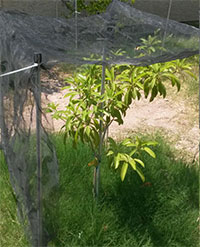
Q: I live in California and this summer has been super hot, with temperature above 100 degrees. This heat wave is killing my plants! Please help!
A: If
you live in Southwest, then you are familiar with heat
waves, when temperature raises above 110F and up to 120F,
while humidity is below 10%. Scorching heat can damage and
kill unprotected young plants. Especially if they're
recently planted.
Most tropical plants came from humid tropics and they
don't easily tolerate high temperatures and low humidity.
You can tell such plants immediately. Desert plants have
small, waxy succulent leaves, which are capable to reduce
evaporation. (See list of plants tolerant to hot
and dry conditions). Tropical plants have large soft
leaves and need high humidity.
These steps will help to protect them... Continue reading...
Date: 24 Jun 2018
Date: 24 Jun 2018
SUNSHINE boosters for recovering plants after shipping
Q: I live in Garden City, NJ and have a sun room with a tropical plant collection that I keep at about 40-45 degrees in winter. I used Sunshine booster during winter for my plant collection and results were amazing! I haven't lost a single plant. Now I see you have more products and I am planning to purchase more plants, how should I use Sunshine boosters to help plants recover after shipping?
A: Spray SUNSHINE-E solution right after receiving a plant from shipping. It will boost up the plant and make it 50-60% stronger and easier to recover after shipping stress. After that, apply SUNSHINE-SuperFood microelement booster to provide everything necessary for the plant to grow vigorously and happily. SUNSHINE-E is indeed a wonderful plant stimulant and stress reliever, although it is not a "magic-cure-all" medicine where one can't find its active ingredient. The hormone (epibrassinolide) is well-known and used in different countries along with other hormones for promote growth, fruiting, blooming, rooting, etc. One of the most amazing properties of SUNSHINE is that it works in extremely low dozes. Only a few drops will be enough to make a solution in distilled water, to treat a large size plant. If you want to try it out, one 5 ml bottle will last for several applications. Large bottles of SUNSHINE 50 ml and 100 ml - great for small and big gardens. It is a good idea to start bi-weekly applications to improve your plants tolerance to Summer heat, drought and improve disease resistance. The formula works through plant metabolism within 2-4 days, repeat application not sooner than in one week. After application of SUNSHINE-E, don't forget to boost your plants with SUNSHINE-SuperFood .
Check out SUNSHINE boosters... We offer FREE shipping on them, so you can make your plants happy!

Date: 15 Nov 2025
What to do and not to do before a cold snap?
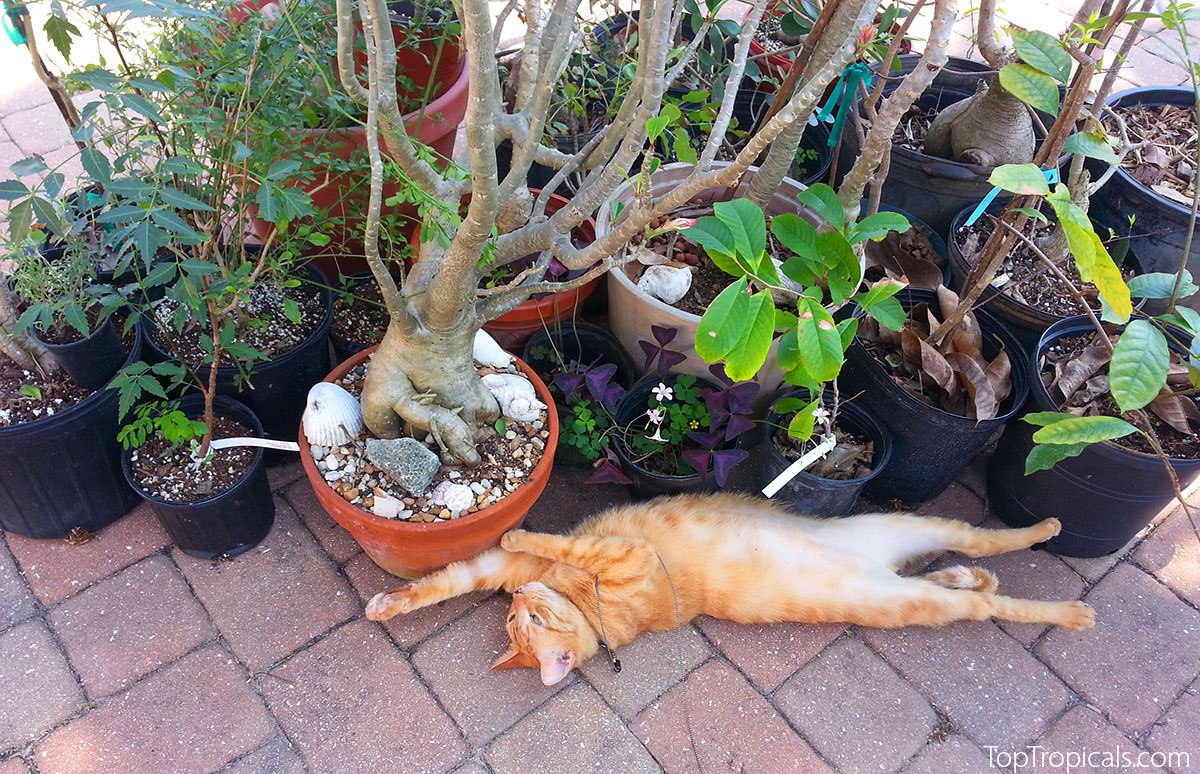
Cat and potted plants
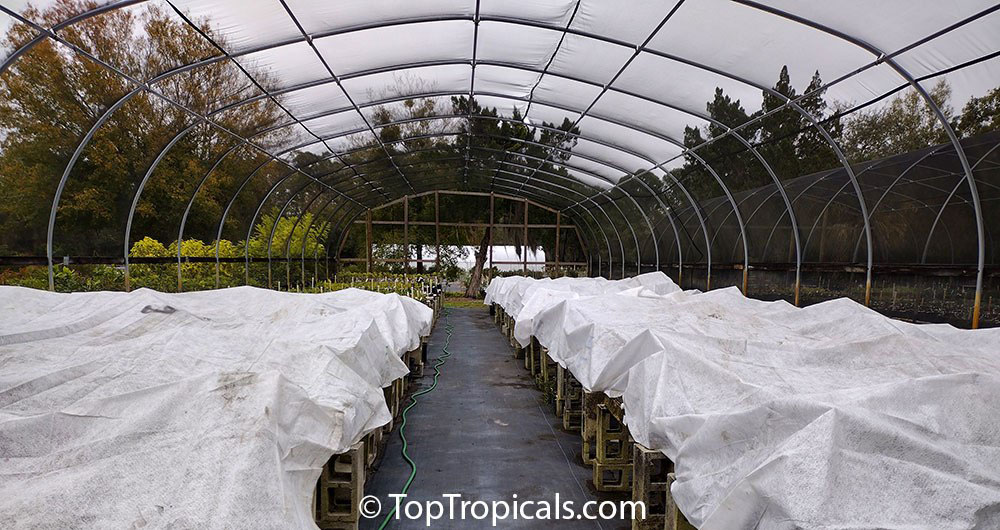
Frost covers
What to do and not to do before a cold snap?
Growing tropical plants outdoors? Here are a few practical notes for your cold protection guide.
⭕️ 5 things to DO to prepare your plants before a cold snap:
1. Water well. A well-hydrated plant is stronger. Juicy stems and leaves handle cold better than dry ones.
2. Add mulch. A thick layer around the base helps insulate the roots and keep them warm.
3. Block the wind. Move pots to a sheltered spot or set up a windbreak.
4. Cover at night, uncover by day. Use frost cloth, blankets, or plastic at night - but remove during the day so plants don’t overheat in the sun and can get as much light as possible.
5. Add gentle heat if needed. Christmas lights or a small heater can help - just use caution and make sure everything is safe.
❌ 5 most common mistakes, what NOT to do before or during a cold snap:
1. Don’t prune. Fresh cuts and new growth are tender and will freeze first.
2. Don’t overwater. Cold and soggy roots can rot. Keep soil moist, not soaked. Water just enough to quench the plant’s thirst and fill stems and leaves with moisture. Cold and wet is a dangerous combination.
3. Don’t let plants dry out either. Wilted, thirsty plants are more likely to suffer cold damage. Cold and dry can be just as harmful as cold and wet.
4. Don’t use dry fertilizer. It can burn roots in cold soil. A gentle liquid feed like amino-acid Sunshine Boosters is an exception and safe to use with every watering. Its intake naturally slows down as watering decreases.
5. Don’t just watch the thermometer. Duration and wind chill matter. A long cold night with wind can do more harm than a brief freeze.
✔️ Keep these in mind, and your plants will thank you when the cold passes!
#How_to
🟢 Join 👉 TopTropicals
Date: 18 Feb 2026
⭐️ Choosing the Right Variety of Jasmine Sambac
By Tatiana Anderson, Horticulture Expert at Top Tropicals
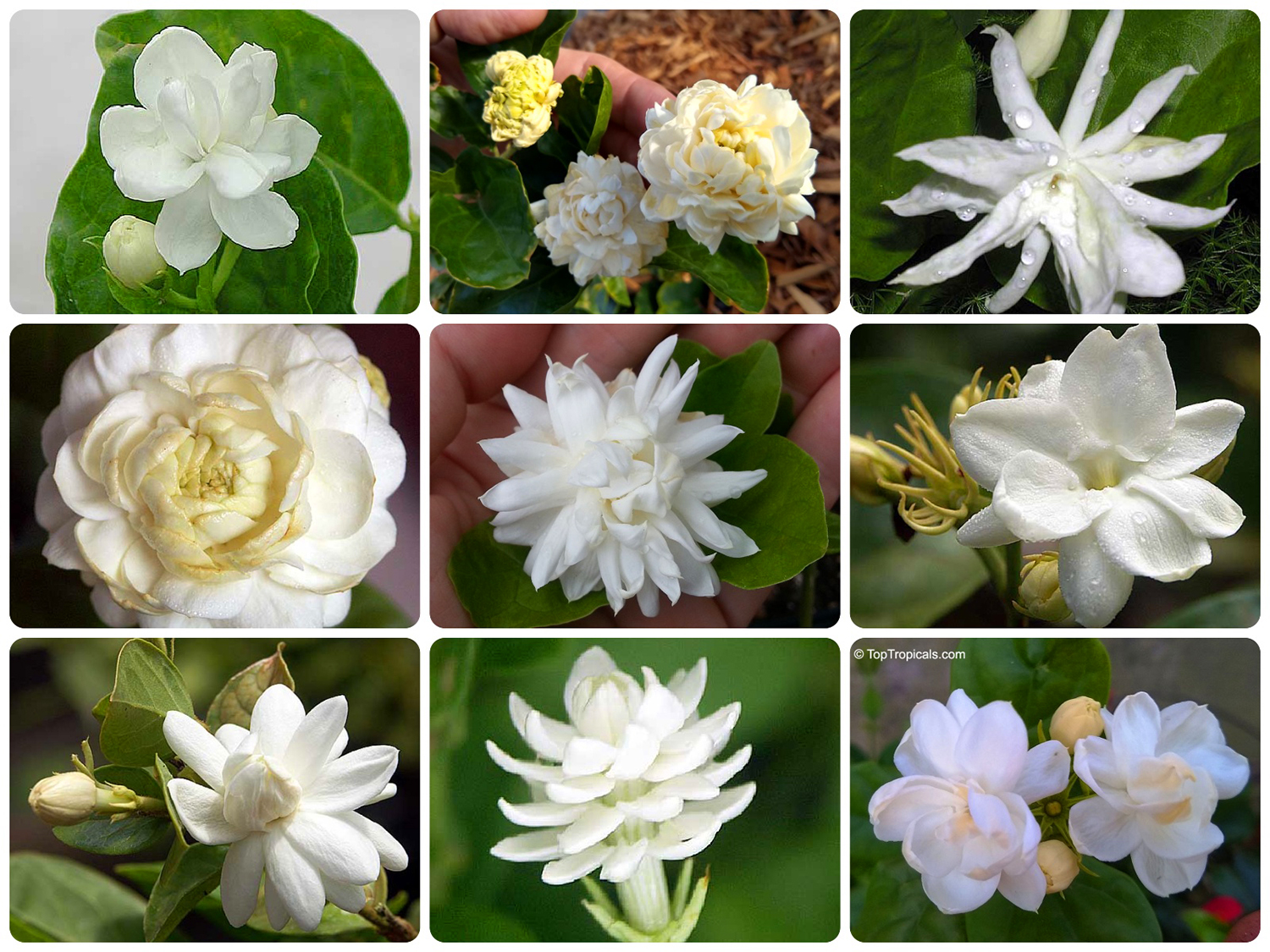
One of the reasons Jasmine Sambac is so fascinating is that it does not come in just one form. Each variety has its own personality.
If you want a compact patio plant, Arabian Nights or Little Duke are excellent choices. They stay tidy, bloom generously, and are easy to manage in containers.
If you prefer elegant, elongated petals and a refined look, Belle of India is a favorite. It can be grown as a small bush or trained lightly as a vine.
For those who love full, carnation-like double flowers, Grand Duke of Tuscany and Grand Duke Supreme are classic selections. They are vigorous and make impressive shrubs in warm climates.
If you need a stronger climber for fences or hedges, Maid of Orleans performs beautifully in full sun while Mysore Mulli prefers semi-shade.
Collectors often enjoy rare forms like Mali Chat or newer hybrids such as Gundu Malli, which combine traits from different lines.
 How to Grow Jasmine Sambac Successfully
Sambac is not difficult, but it responds best to consistency.
Light: Full sun produces the most flowers. In very hot climates, light afternoon shade is acceptable. Indoors, place it in the brightest window available.
Soil: Use a well-draining potting mix such as Sunshine Abundance. Sambac does not like heavy, constantly wet soil.
Water: Water thoroughly, then allow the top layer to dry slightly before watering again. Reduce watering during cooler months.
Pruning: Light trimming after a bloom cycle encourages branching. More branches mean more flower buds.
Feeding: Sambac is a heavy bloomer, and fragrance takes energy. During active growth, feed regularly with a balanced fertilizer that supports flowering such as Green Magic (controlled release every 6 months) or liquid Sunshine Boosters Pikake (formulated especially for fragrant flowers) - with every watering. I prefer formulas slightly higher in potassium to encourage stronger bud formation and richer bloom cycles. Consistent feeding during warm months makes a visible difference in both flower count and intensity of scent.
With proper care, Jasmine Sambac will reward you not just with flowers, but with perfume that changes the atmosphere of your entire garden.
❓Frequently Asked Questions About Jasmine Sambac
-
Does Jasmine Sambac need full sun?
It flowers best in full sun. In very hot climates, light afternoon shade is acceptable. Indoors, give it the brightest window possible. -
Can I grow it in a pot?
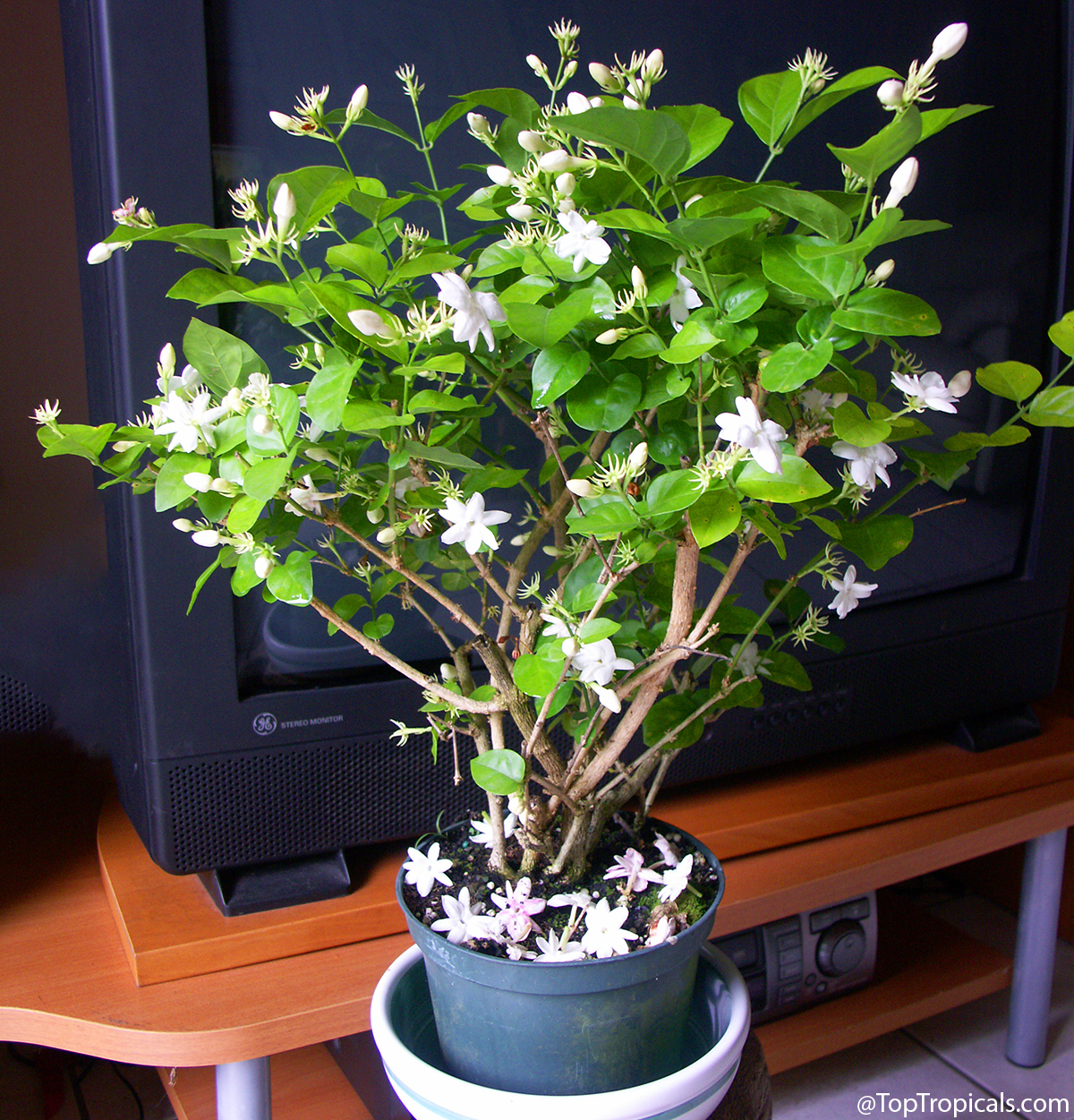
Yes. Sambac performs beautifully in containers. Many gardeners prefer pots because it is easier to control size and move during cold weather. -
How often does it bloom?
With proper light and feeding, it blooms in cycles throughout the warm season. Consistency in care makes flowering more reliable. -
Why is my plant not blooming?
The most common reasons are insufficient light or irregular feeding. Increase light first, then review your fertilizing routine. -
Is it difficult to grow indoors?
Not if you provide strong light and good air circulation. Compact varieties adapt especially well. -
Is it frost tolerant?
No. Jasmine Sambac is tropical. Protect it from temperatures below 40F and bring it indoors before frost.
🌸 Year of the Horse Special – Jasmine Bonus
Celebrate 2026 with the fragrance of Jasmine plants. For a limited time, enjoy special savings when you grow one of the most wanted perfume plants in cultivation.