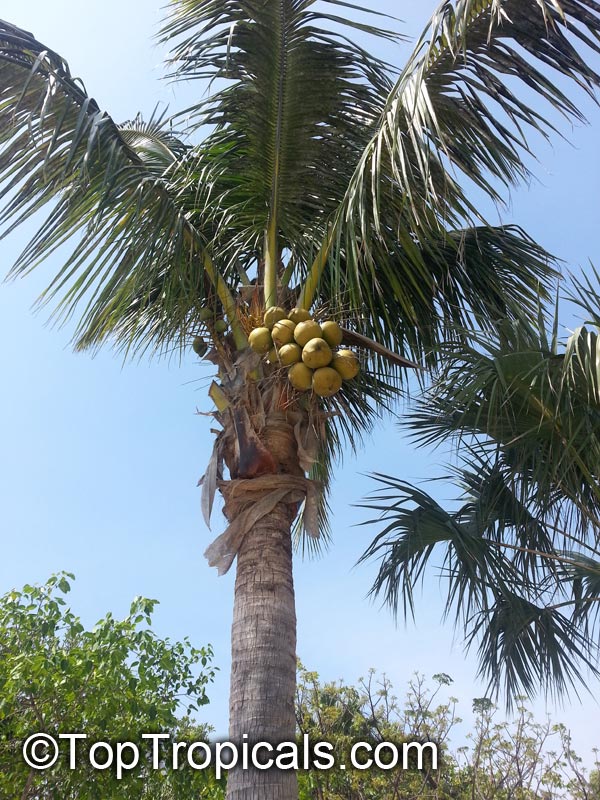
Coconut palm, Cocos nucifera
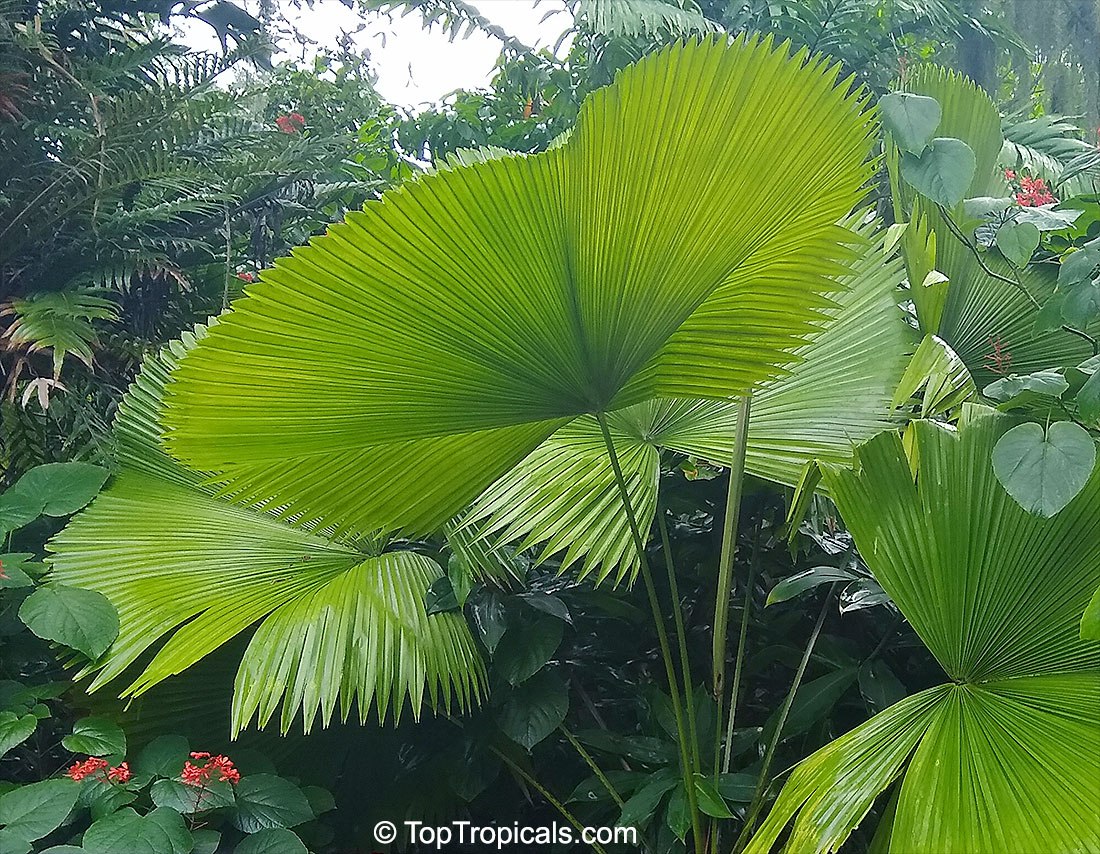
Fan palm - Licuala sp.
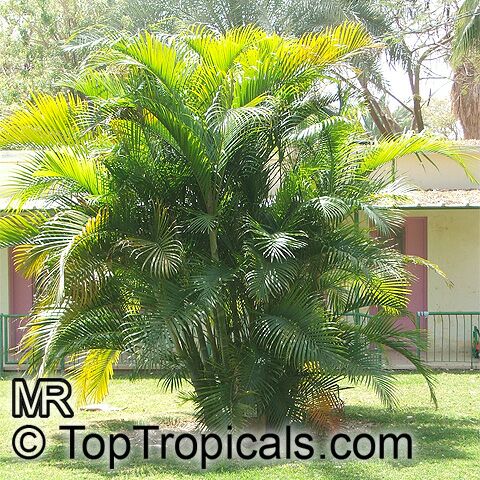
Areca palm - Areca (Dypsis) lutescens
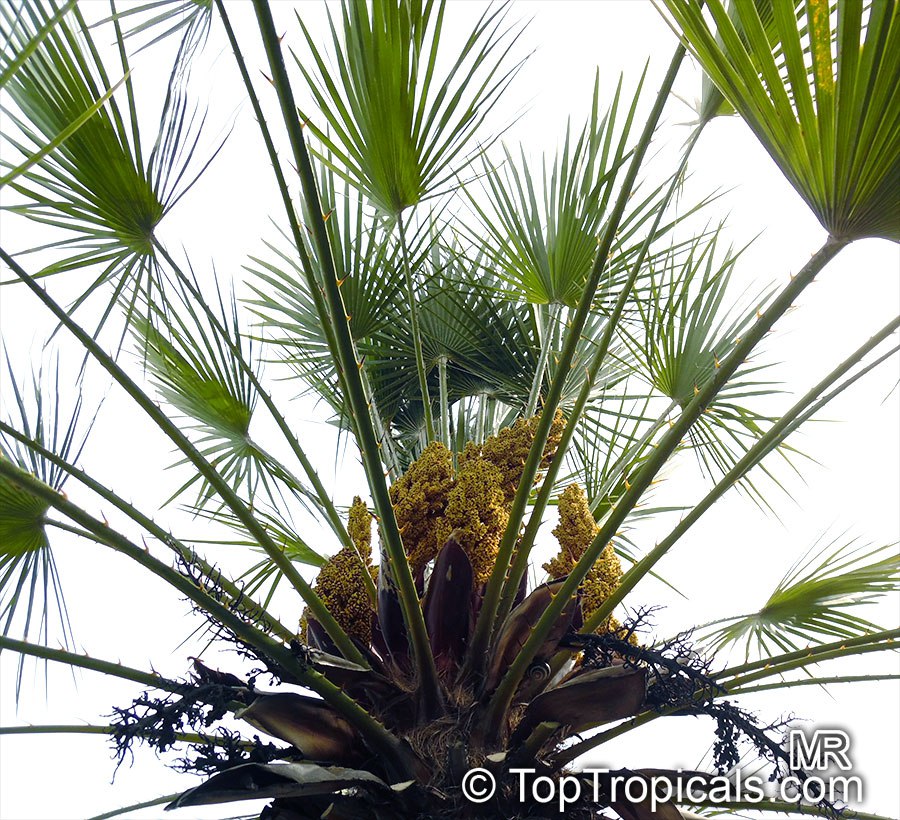
Windmill palm - Trachycarpus fortunei
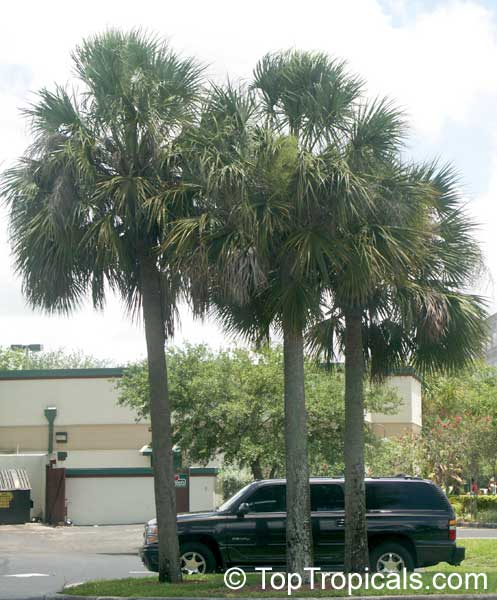
Cabbage palm - Sabal palmetto
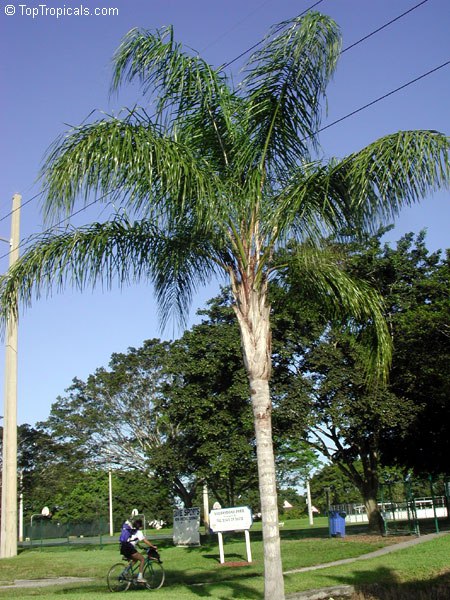
Queen Palm - Syagrus romanzoffiana
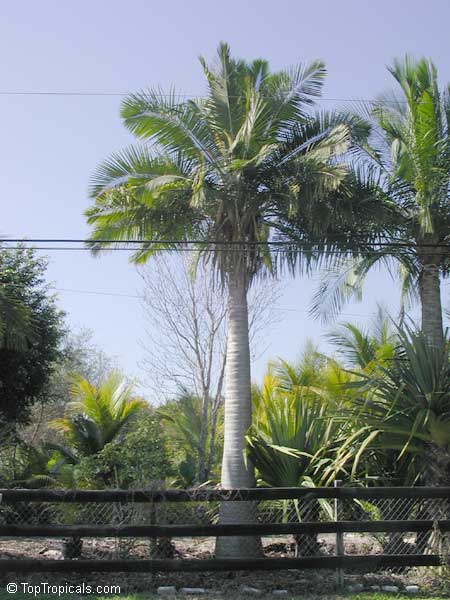
Majestic palm, Royal Palm - Ravenea rivularis
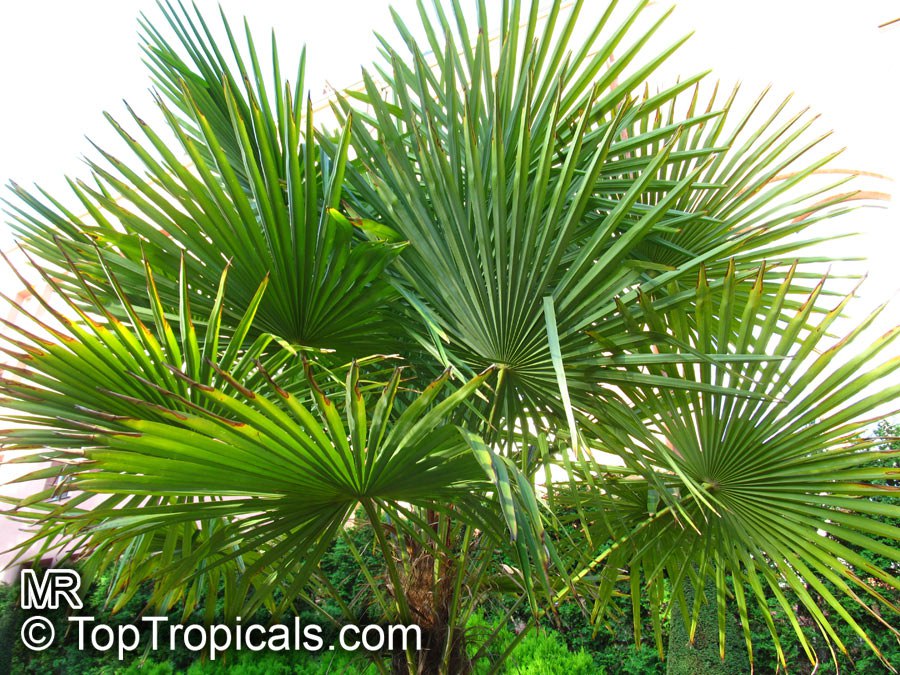
European fan palm - Chamaerops humilis
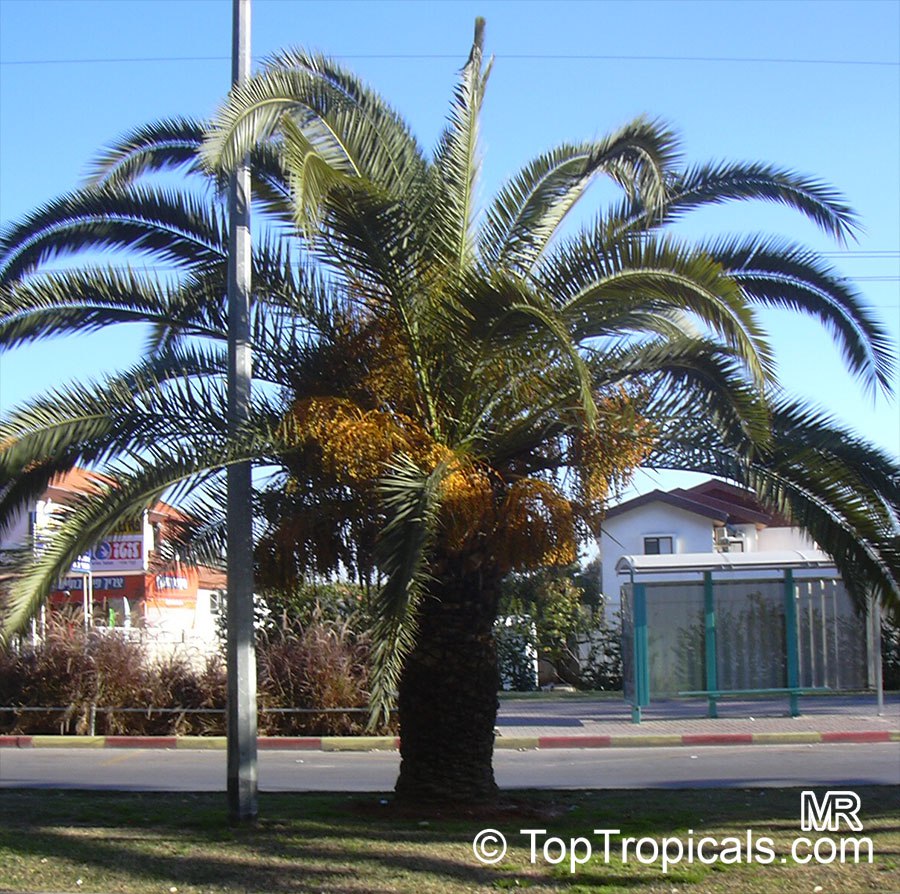
Date Palm - Phoenix canariensis
🌴 How cold hardy are palm trees and how to protect them in winter
🌴
Most palms are tropical plants and require a frost-free climate to grow outdoors. However, there are a few exceptions. Adjust care depending on your zone and palm species.
🌴
Some cold-hardy species can handle harsher conditions, with proper protection, making them great options for gardeners in zones that experience occasional freezes.
🌴
Mulch generously: Apply a thick layer of mulch around the base to insulate roots. Keep mulch a few inches away from the trunk to prevent rot.
🌴
Water before frost: Water deeply before a freeze to stabilize soil temperature and prevent dehydration.
🌴
Cover young palms: Wrap smaller or sensitive species in burlap, frost cloth, or blankets. Avoid plastic, as it can trap moisture and cause damage.
🌴
Protect the crown: For cold-sensitive palms, bundle fronds upwards and wrap the crown with cloth or burlap to shield the growing point.
🌴
Use heat sources: Place Christmas lights (non-LED) or a heat lamp near the tree, ensuring they’re safe and don't touch the foliage.
🌴
Avoid pruning: Keep fronds intact during winter—they provide natural insulation.
🌴 Species-specific care: Cold-hardy palms need less protection. Delicate types require more attention, including covering and relocating potted ones indoors.
📷 In the photos:
🌞 Cold sensitive palms:
Coconut palm:
Cocos nucifera
Fan palm:
Licuala sp.
Areca palm:
Areca (Dypsis) lutescens
❄️ Cold hardy palms:
Windmill palm:
Trachycarpus fortunei
Cabbage palm:
Sabal palmetto
Queen Palm:
Syagrus romanzoffiana
Majestic palm:
Ravenea rivularis
European fan palm:
Chamaerops humilis
Date Palm:
Phoenix canariensis
🛒 Shop Palm Trees
#Trees #How_to
🔴
Join 👉 TopTropicals