Garden Blog - Top Tropicals

Date: 13 Aug 2025

🌸 Orchid Tree - Bauhinia: Winter Blooms & Year-Round Beauty

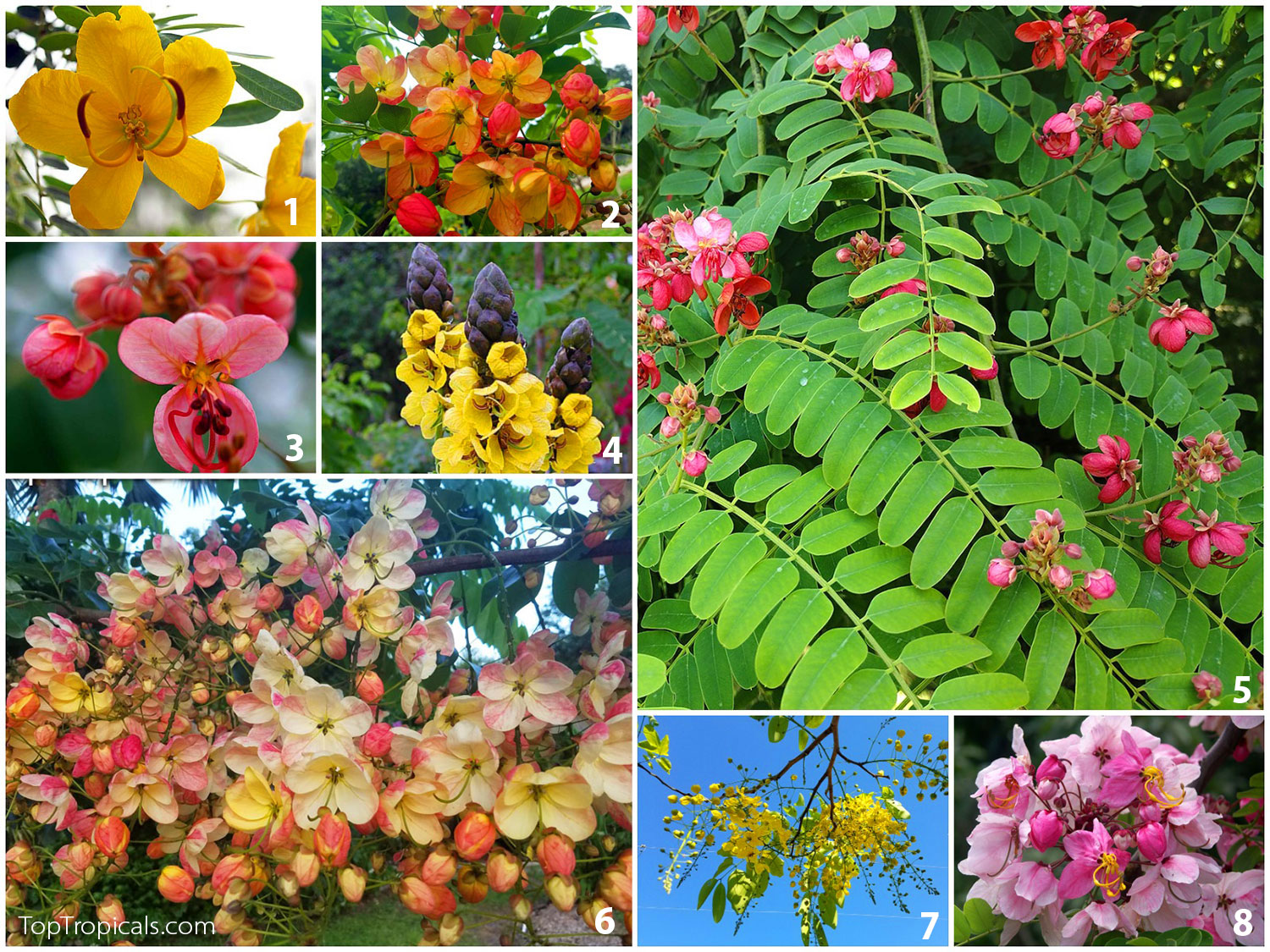
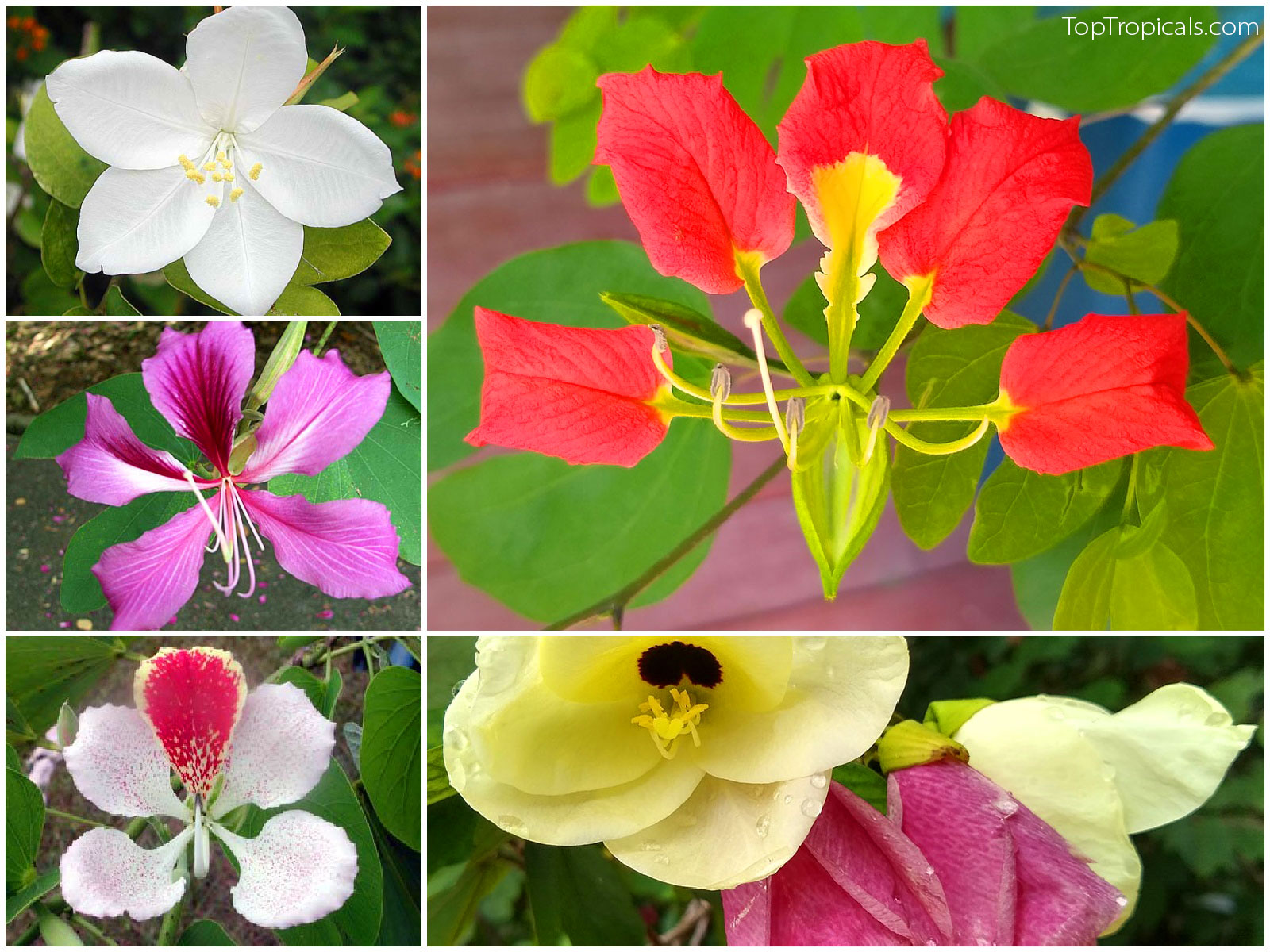
Collage  showing  Bauhinia  blakeana  with  magenta  flowers,  Bauhinia  variegata  var.  candida  with  white  blooms,  and  Bauhinia  monandra  with  pink  speckled  flowers;  all  suitable  for  gardens,  with  some  varieties  adapted  to  container  growing  if 
 trimmed.
Bauhinia blakeana, Bauhinia variegata var. candida, and Bauhinia monandra – Orchid Trees in Bloom

Sometimes a plant stops you midwalk. Flowers so bright they almost glow, leaves shaped like butterflies — that’s a Bauhinia, the Orchid Tree. These fast growers bring color when many gardens are quiet, with some blooming in the heart of winter.

🌟 Why Grow Bauhinia?

  • Exotic blooms in colors from white to deep magenta
  • Distinctive leaves — nature’s own butterfly design
  • Many varieties flower in the cooler season
  • Fast growth, easy shaping, more blooms after pruning
  • Varieties for large yards, small gardens, and sunny patios
  • Tolerant of heat, drought, and poor soils

Bauhinia Care Tips

🌞 Outdoor

Full sun for best flowering, well-draining soil, deep watering once established. Light pruning after bloom keeps shape and encourages more flowers. Protect young plants from frost. During the growing season (Spring - Fall), apply a balanced fertilizer - like top-dress slow release fertilizer or controlled-release Green Magic. Liquid fertilizer Sunshine Boosters Megaflor can be used year around - to promote vigorous growth and abundant blooms.

🏡 Indoor / Patio

Bright sun (south window or outdoors in warm months), large pot with drainage, even moisture during growth, and a bloom-booster feed in season. Feed regularly with a balanced fertilizer controlled-release Green Magic. Liquid fertilizer Sunshine Boosters Megaflor can be used year around - to promote vigorous growth and abundant blooms. Bring indoors before frost.

🍂 Seasonal Note – Bauhinias are Deciduous

Bauhinias drop their leaves in winter — even in warm climates. This is normal and part of their rest cycle. Bare branches in the cool season will leaf out again in spring, often just as flowers begin.

📝 Quick choice guide

Shop Bauhinas

Watch videos about flowering trees

Date: 23 Nov 2025

📅 Mark Your Calendar - Holiday Plant Market

Holiday  Plant  Market  flyer  for  December  13  2025  showing  two  PeopleCats 
 in  a  festive  garden,  one  black  cat  in  an  apron  next  to  a  mango  tree  and  one 
 orange  cat  holding  a  basket  of  tropical  fruit,  with  event  details, 
 discounts,  and  Top  Tropicals 
 locations.

Holiday season in Florida means sunshine, green leaves, and cats on patrol. On Saturday 12/13/25, our PeopleCats are hosting a special Holiday Plant Market at TopTropicals, 9 am to 4 pm. This is not a regular nursery day. This is the one where you grab a donut in one hand, a mango tree in the other, and try not to trip over a cat giving you a tour.

We are bringing out the best plants we grew all year: big fruit trees with real branches, flowering and fragrant beauties, rare collectors plants, and vines that are ready to take off as soon as you get them home. December is perfect planting weather in Florida, so while the rest of the country is scraping frost from windshields, you can be choosing which banana, mango, or jasmine will perfume your yard next summer.

Holiday extras: 30% OFF online prices, free plant with purchase, 5 to 10 dollar specials, mini donuts and holiday treats, iced tea and citrus water, tropical Christmas music, and raffle prizes. If there is enough ripe fruit in the morning, we will set up a tasting table too. Our PeopleCats will be on duty all day, rearranging plants, checking on visitors, and occasionally allowing themselves to be petted between tours.

Event discounts and specials are valid at both locations:

Save the date, tell a friend, and plan your plant hunting route now. Come celebrate the holidays the Florida way: sunshine, rare fruit trees, happy cats, and a car full of tropical plants going home with you.

Facebook event page - Download invitation

to confirm attendance
RSVP on Facebook!

Learn More About The Holiday Plant Market

Date: 14 Feb 2026

🍭 From Vine to Bean: A Practical Guide

Vanilla  planifolia  vine  climbing  a  support,  close-up  of  vanilla  flower,
    and  cured  vanilla  beans

Vanilla planifolia Vine, Flower, and Cured Vanilla Beans

How to Grow Vanilla: quick how-to

Vanilla is not complicated, but it does have preferences. Start with a pot and regular, well-draining mix. It does not need anything exotic. Give it:

  • Bright, indirect light
  • Warm temperatures
  • Good humidity
  • Air movement

Most importantly, give it something solid to climb. A wooden trellis, a log, or a burlap-covered board works well. The surface should be porous so the aerial roots can grip.

As it grows, guide the vine gently. You can prune it to control size. Vanilla is slow to mature. That is normal.

The Bloom Secret

Vanilla does not bloom just because it looks healthy. It blooms when it feels secure.

This is a climbing orchid. It must attach firmly to a solid, porous support such as a wood log, trellis, or burlap-covered board. When the aerial roots grip and the plant reaches maturity, flowering becomes possible.

Once the flowers appear, they usually need to be hand pollinated to produce pods. Each flower stays open for only a short time, so timing matters.

How to pollinate vanilla: In this video, we show you exactly how to pollinate vanilla step by step

❓Vanilla care: quick FAQ

  • Does Vanilla planifolia really produce vanilla beans?
    Yes. Vanilla planifolia is the commercial source of vanilla. After flowering, it can form long green pods (vanilla beans). The aroma develops later during curing.
  • What is the secret to getting vanilla to bloom?
    Let it climb. Vanilla is a climbing orchid and usually will not bloom until its aerial roots attach firmly to a solid, porous support like a wood log, trellis, or burlap-covered board.
  • Do I need to pollinate vanilla flowers?
    Yes. In most home growing conditions, vanilla flowers must be hand pollinated to produce pods. Each flower is open for only a short time, so timing matters.
  • Can I grow vanilla indoors?
    Yes, if you can provide bright, indirect light, warmth, humidity, and a support to climb. A sunny room with filtered light and a trellis or log can work well.
  • What should I use for support?
    Use a sturdy trellis, a wood log, or a burlap-covered board. The key is a porous surface that aerial roots can grip. Avoid chemically treated wood. Check out this very unusual way to grow Vanilla Orchid over a wall.
  • What potting mix should I use for Vanilla plant?
    Start in a pot with a regular, well-draining potting mix such as Sunshine Abundance. As the plant matures, it relies more on its support and aerial roots than the soil.
  • What fertilizer should I use?
    Sunshine Boosters Orchidasm is formulated specifically for orchids and will work perfecty for Vanilla orchid as well.
  • How big will it get?
    As big as you let it. Train it and prune it. Vanilla grows according to the structure and space you provide.
  • How long until it flowers?
    Typically a few years. Vanilla is a long-term project, but it is very rewarding once established.

For Collectors and Enthusiasts:

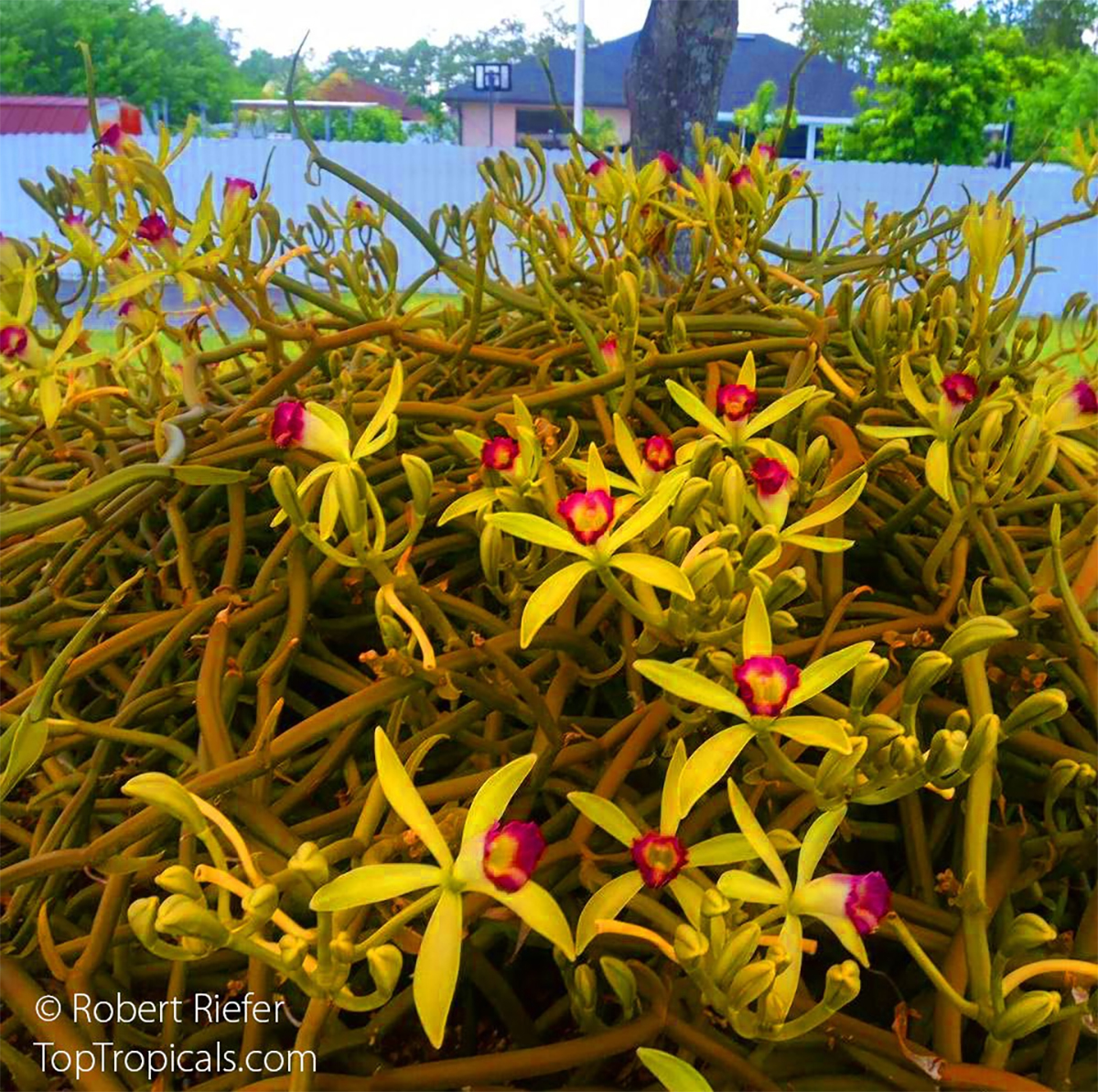
Vanilla  dilloniana  vine  covered  in  yellow-green  flowers  with  red 
 centers  growing  outdoors  in  100  gal  pot

Vanilla dilloniana in Bloom - Rare Florida Native Orchid

We also offer Vanilla dilloniana, a rare Florida native species with distinctive flowers.

One remarkable specimen of this species, grown by our friend Robert Riefer, became so vigorous over many years that it outgrew a 100 gallon container and was eventually moved into a 250 gallon pool on wheels.

The plants we offer are propagated from that very specimen:

That kind of growth reflects deliberate cultivation and ideal conditions - not something that happens unintentionally.

Vanilla grows according to the space and structure you provide.

For gardeners focused on producing real vanilla beans for the kitchen, Vanilla planifolia remains the right place to start.

✍️ More About Vanilla Orchids from Blog

🎁 Shop Vanilla Orchids

Date: 22 Sep 2025

Dragon Fruit Plant Care – Tips from the Garden Expert

Stages  of  dragon  fruit  pitaya  plant  growth  and  trellis  support 
 system

Dragon fruit is one of those plants that look exotic but are surprisingly easy once you know the basics. Here is what works best in the garden:

  • Soil: They hate wet feet. A sandy, fast-draining soilless-mix is your friend. If water sits around the roots, rot comes fast.
  • Watering: Deep watering is better than frequent sips. Let the soil dry between waterings. In rainy season they cope well, but in pots you need to be careful.
  • Sunlight: Full sun is great, but in very hot places a touch of afternoon shade keeps them happy.
  • Support: They are natural climbers. A wooden post, concrete pole, or trellis will give them something to grab and makes harvest easier.
  • Fertilizer: Feed lightly but often. A gentle liquid like Sunshine C-Cibus liquid booster with every watering, or Green Magic controlled release fertilizer every 5-6 months. It encourages strong roots, lush growth, and lots of flowers.
  • Pruning: Trim off tangled or weak stems. This guides energy into strong branches that will flower and fruit.

Think of it as training a cactus vine into a small tree. Once it settles in, it almost takes care of itself — and pays back with fruit you can’t buy in stores.

🌱 Dragon Fruit Plant Care – Outdoors and Indoors

Outdoors: Dragon fruit thrives in USDA Zones 10–11 year-round. In warm regions like Florida, Texas, California, and Hawaii, you can grow it outside in the ground. Give it fast-draining soil, full sun with a little afternoon shade in the hottest months, and a sturdy trellis or post to climb. Deep watering with drying periods in between keeps roots healthy. A yearly pruning shapes the plant and boosts flowering.

Indoors or Patio Pots: Gardeners in cooler zones can still enjoy dragon fruit in containers. Use a large pot with sandy, well-draining mix or soilless-mix and a pole for support. Place the pot in the brightest spot — a greenhouse, sunroom, or patio that gets 6+ hours of light daily. Move pots inside when temperatures drop below 40F. Even indoors, a healthy plant can bloom and fruit if it has enough light and warmth.

❓ Dragon Fruit FAQ


How soon will a dragon fruit start producing?

Cuttings can flower and fruit in as little as 2–3 years. Seed-grown plants take longer, often 4–6 years. Large developed specimens can start flowering and fruiting within a year or even the same season.

Do I need more than one plant for pollination?

Some varieties are self-fertile, others need a second plant for cross-pollination. Even self-fertile types usually set more fruit with a partner nearby.

How big do they get?

In the ground, dragon fruit can climb 15–20 ft if you let it. With pruning and a trellis, you can keep it shaped like a small tree, 6–8 ft tall.

Can I grow it in a pot?

Yes. A large container with sandy mix or soilless-mix and a pole for climbing works well. Indoors it will need bright light or a grow lamp.

What does a dragon fruit taste like?

Sweet and juicy, like a blend of blackberry and raspberry. Varieties differ: flesh can be white, pink, deep red, or purple, wrapped in skins of red, pink, or yellow. White flesh is mild and refreshing, red flesh is sweeter, and yellow flesh is the sweetest with a honey-pineapple flavor.

What zones can I grow dragon fruit outside?

USDA Zones 10–11 are best for year-round outdoor planting. In cooler areas, grow it in containers and bring inside for winter.

How often should I water?

Deep water, then let the soil dry. Too much water causes root rot. Think “desert cactus with a taste for rain.”

Is dragon fruit easy to grow?

Yes. Pitayas grow like cactus trees on strong supports, but they are easy to care for — little water, sun or semi-shade, and they thrive.

How long do they live?

A healthy dragon fruit cactus can produce for 10 years or more with proper care.

What are the health benefits?

Dragon fruit is high in fiber, supports digestion, and is low in calories. It is rich in antioxidants and vitamin C, making it good for immunity and overall wellness. Many gardeners enjoy it as a healthy snack or in smoothies.

Explore Dragon Fruit varieties

Date: 22 Sep 2025

When do I get the fruit from my Dragon Fruit?

Dragon fruit varieties

🍉 When do I get the fruit from my Dragon Fruit?

  • 🌵Dragon Fruit (Pitaya) is one of the most rewarding exotic fruits to grow. Sweet pulp, striking looks, and plenty of health benefits make it a favorite. You'll see it in three main types: white-fleshed (Hylocereus undatus), red-fleshed (Hylocereus costaricensis), and yellow-skinned (Hylocereus, or Selenicereus megalanthus).
  • 🌵Don't want to wait years for fruit? Here’s the good news: unlike many tropical trees that test your patience, dragon fruit is a fast-fruiting, easy-going cactus. With the right care, you can harvest in just 1-2 years from a cutting - or even the same season if you plant a well-established specimen.
  • 🌵 How to get Dragon Fruit faster


  • Give it strong support - trellis, fence, or post. This cactus loves to climb.
  • Full sun and good drainage - sandy or well-draining soil works best.
  • Smart watering - water deeply in hot weather, then let the soil dry. Dragon fruit loves water during active summer growth, but remember it's still a cactus - don’t keep soil soggy.
  • Pollination matters - flowers open at night. Some varieties are self-fertile, but planting a few different types boosts fruit set. This is why it helps to keep several varieties close together.
  • Feed well - use organic liquid fertilizers like Sunshine Boosters C-Cibus with every watering, or Green Magic controlled-release fertilizer every 6 months.

With these steps, dragon fruit quickly rewards you with flowers, followed by colorful, delicious fruit. Few exotics are this easy - or this fast!

🛒 Start your fast-growing Dragon Fruit production


📚 Learn more:


#Food_Forest #How_to #Dragon_Fruit

🟢 Join 👉 TopTropicals