Garden Blog - Top Tropicals

Date: 12 Apr 2023

Colocasia vs Alocasia
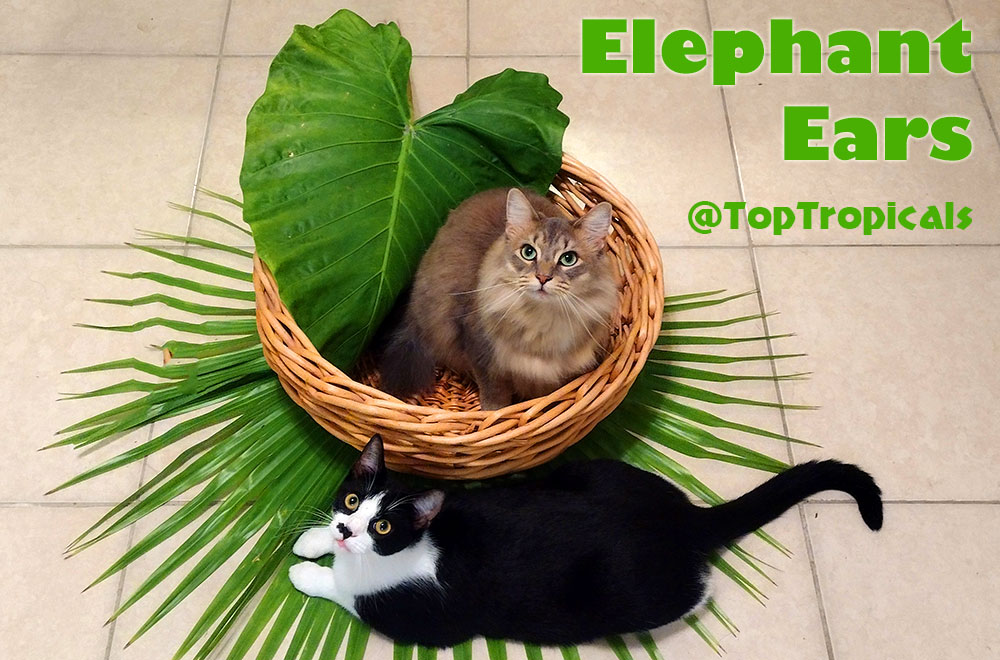
Cats  with  elephant  ears

Q: What is the difference between Alocasia and Colocasia? They both are called Elephant Ears...

A: Alocasia and Colocasia are exotic tropical-looking plants with large, arrow- or heart-shaped leaves resembling elephant ears, hence the common name. They are both members of the Araceae family and are often confused with each other due to their similar appearance. The key differences between the two plants:

Leaf shape: The leaves of Alocasia are typically arrowhead-shaped and have a more elongated appearance. The leaves of Colocasia, on the other hand, are more heart-shaped and broader.

Leaf texture: Alocasia leaves have a smooth, glossy texture, while Colocasia leaves are typically more matte and have a slightly rough texture.

Stem color: The stems of Alocasia plants are typically green, while the stems of Colocasia plants are usually purplish, dark or almost black.

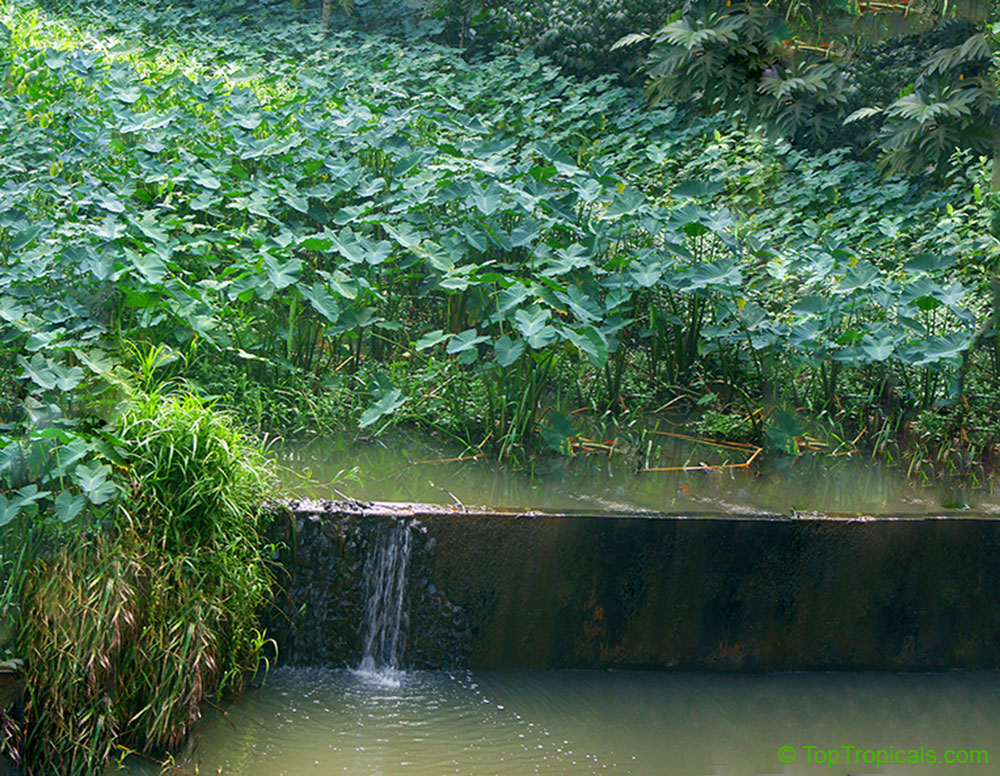
Growing conditions: Alocasia plants prefer bright, indirect light and well-draining soil, prefering to stay on a dry side, while Colocasia plants prefer partial to full shade and moist soil.

Hardiness: Colocasia plants are generally more cold-hardy than Alocasia plants and can tolerate colder temperatures. Both Alocasia and Colocasia may go dormant in Winter especially in cooler climates, and grow new leaves in Spring.

Elephant Ears are absolutely gorgeous tropical plants. They add bold texture, tropical flair, and thrive in filtered light, making it a unique and low maintenance addition to any garden, especially shaded locations.
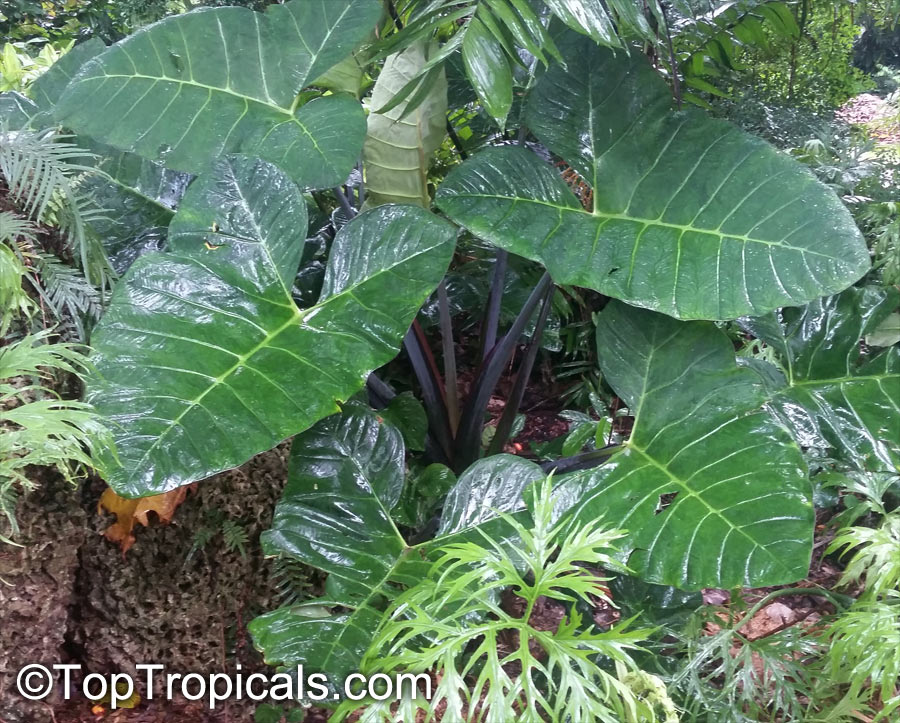
Xanthosoma  violaceum

Colocasia  in  water

Date: 13 Jan 2023

Secrets of Winter planting:
Tropical Planting Breaks the Rules

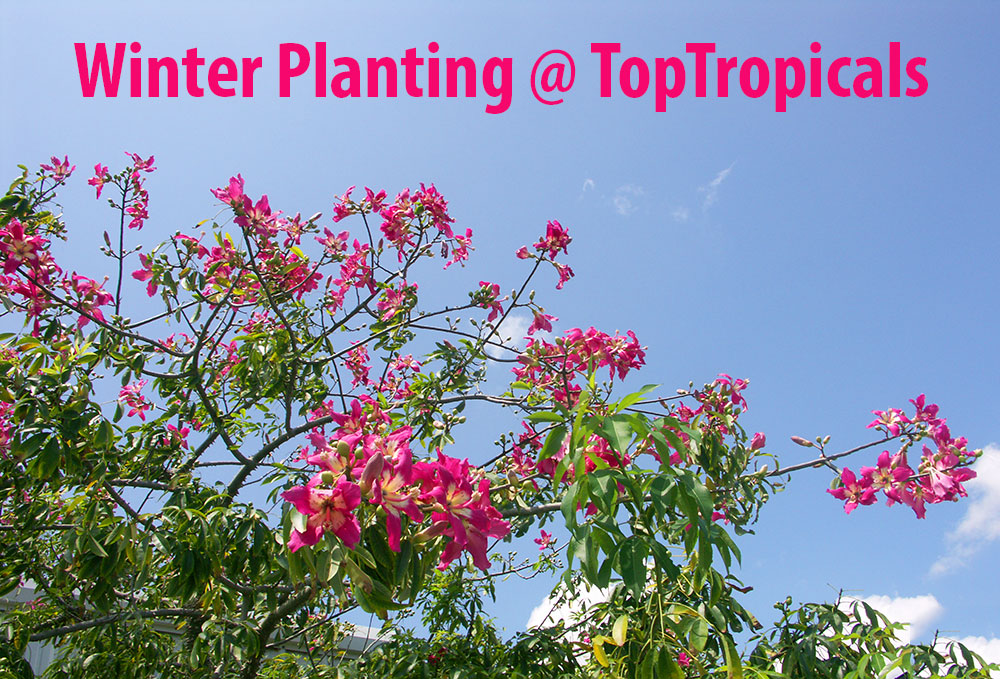
Winter  flowering  tree  -  Ceiba

by Murray Corman, Garden of Delights

Wintertime does not just mean hard work for tropical gardeners. It is also a time to enjoy the fruits of our labor. Winter-blooming plants and the visitors they attract - birds, bats and butterflies - make the garden as enjoyable in winter as any other time of year.
What a welcome relief: January daytime temperatures in the 70s, dropping to the 60s at night. This is why I came to live in the subtropics of southern Florida. The balmy climate of South Florida represents one of the few places on the mainland United States where tropical plants thrive unprotected outdoors.
But just as I had to leave behind so many of my favorite northern trees, so too did I have to put behind me many of the so-called "rules" of horticulture. These had worked well for me up north and I thought they would hold true anywhere in the world. Florida's subtropical climate posed new challenges and I soon realized that gardening in the Sunshine State would not be business as usual...
CONTINUE READING >>

See also: A Guide to Cold Hardy Tropical Fruit Trees and Avoicado Varieties (pdf download)

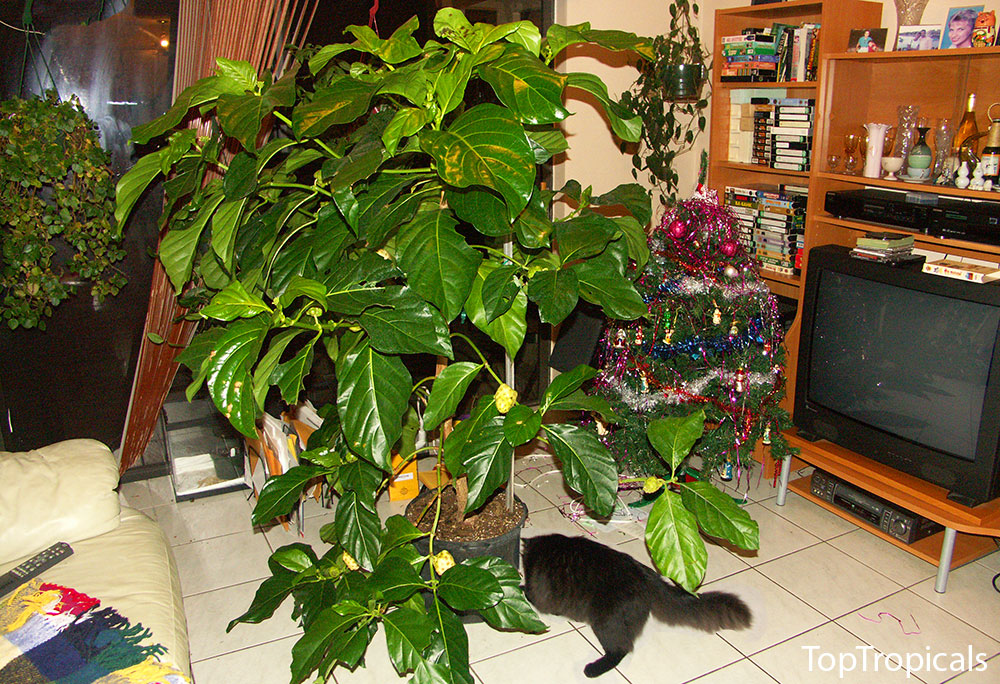
Noni  tree  with  Christmas  tree  indoors

Photo above: Noni is not just a useful fruit tree, but also a great ornamental for both sun or shade. It is also great for interior floral design or as an exotic addition to your room decorations in Winter! It fruits year round even indoors!
Order Noni online.

Date: 2 Jun 2022

New Video:
Giant Potato Tree - Solanum macranthum

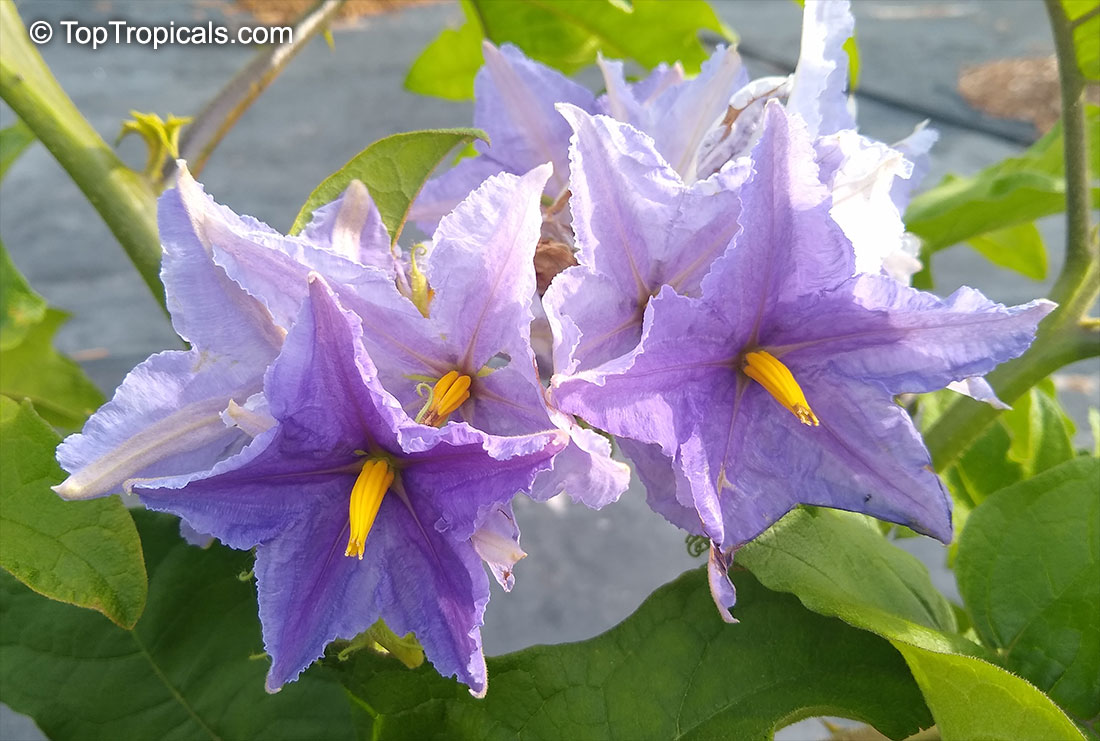
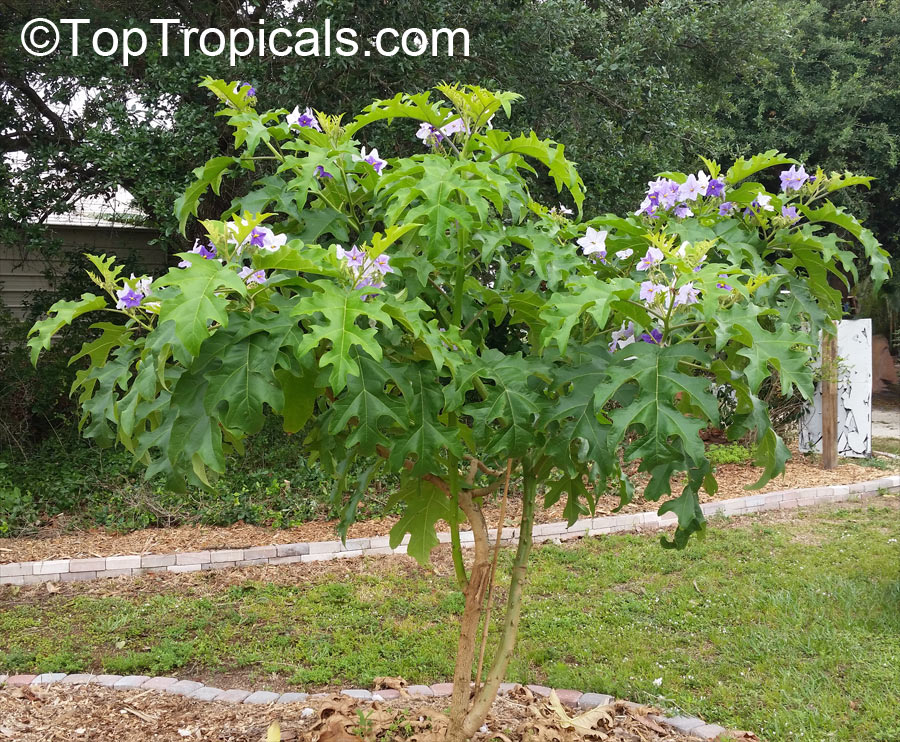
...The Giant Potato Tree is a showy and very fast growing specimen tree of small to medium size. This plant grows quickly into a bushy tree of 15 feet in height and 15' wide. So this is a great solution when you need to get shade right away - within a couple of months! The leaves are huge, lobed and prickly. Flowers are slightly fragrant and change their color from white to pink to lavender as they mature. This tree is a great choice if you need to create a shady area in your yard within just a few months!..

Giant  Potato  Tree

Giant  Potato  Tree

Subscribe to our Channel:

Stay updated with TopTropicals Videos by subscribing to our channel at YouTube.com/TopTropicals and get our latest video news of what is fruiting and blooming!

Date: 25 Dec 2021

Easy Sunday Morning Deals: Tropical Asparagus

Saving on your favorite plants is Easy.
Easy like Sunday Morning...

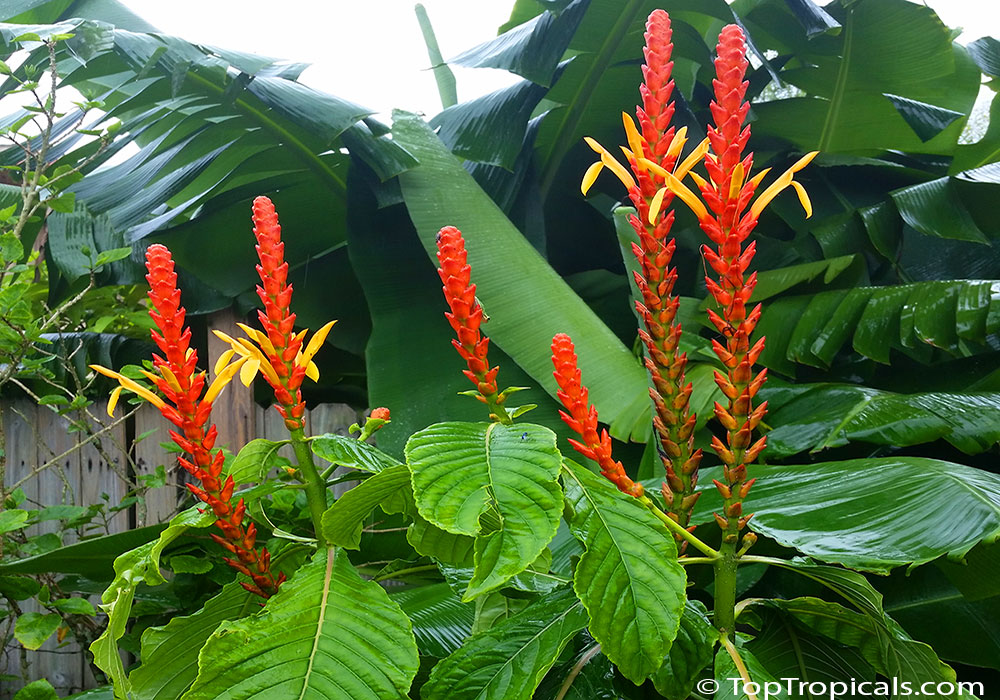
Photo above: Aphelandra hartwegiana - is at peak of its flowering season now. Spectacular flower for a shade garden.


It's time for our favorite day and another Easy stroll through Top Tropicals' Garden with savings of 50% and MORE! Christmas Day has come and gone, and now it's time to treat yourself with our Easy Sunday Deal!

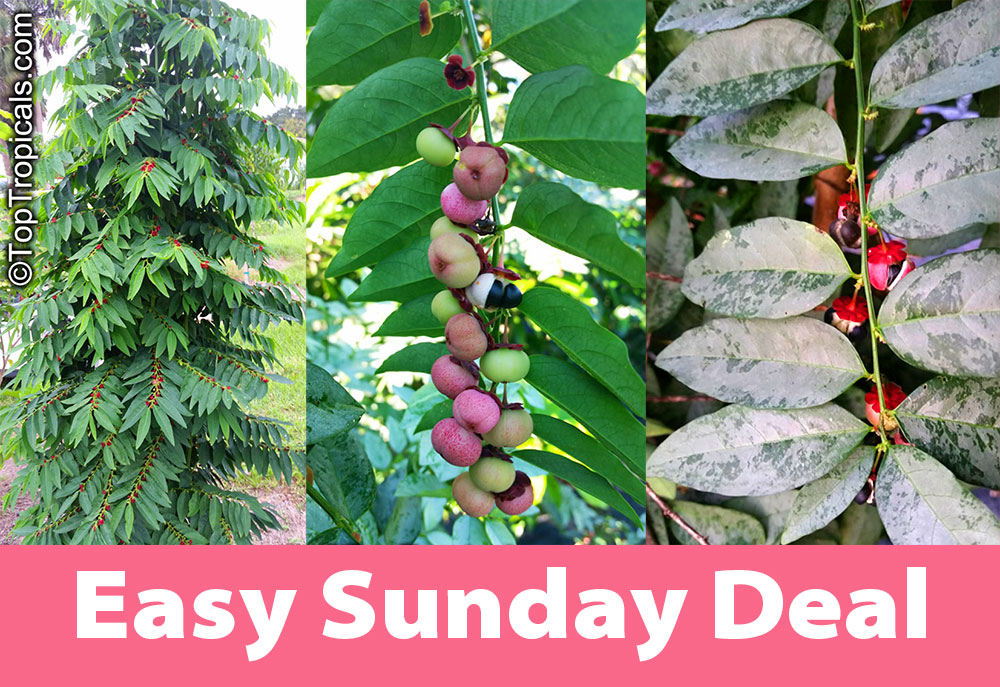
This week we bring you one of the most popular leaf vegetables in South Asia and Southeast Asia, the Tropical Asparagus - Sauropus androgynus. Notable for its high yields and palatability, Tropical Asparagus is a favorite with crab meat, minced pork, dried shrimp, or to make soup... and has delicious young shoots!

Tropical Asparagus
50% OFF and MORE!

For this Easy Sunday we have priced these at incredible savings:
Sauropus androgynus, regularly $39, is on Easy Sunday sale for only $19
Sauropus Variegata, regularly $39, is on Easy Sunday Sale for only $19.
Combine the two for your own Tropical Asparagus Kit and save even more, only $29 for the kit!

While supply lasts.

About Sauropus androgynus - Katuk, Tropical Asparagus

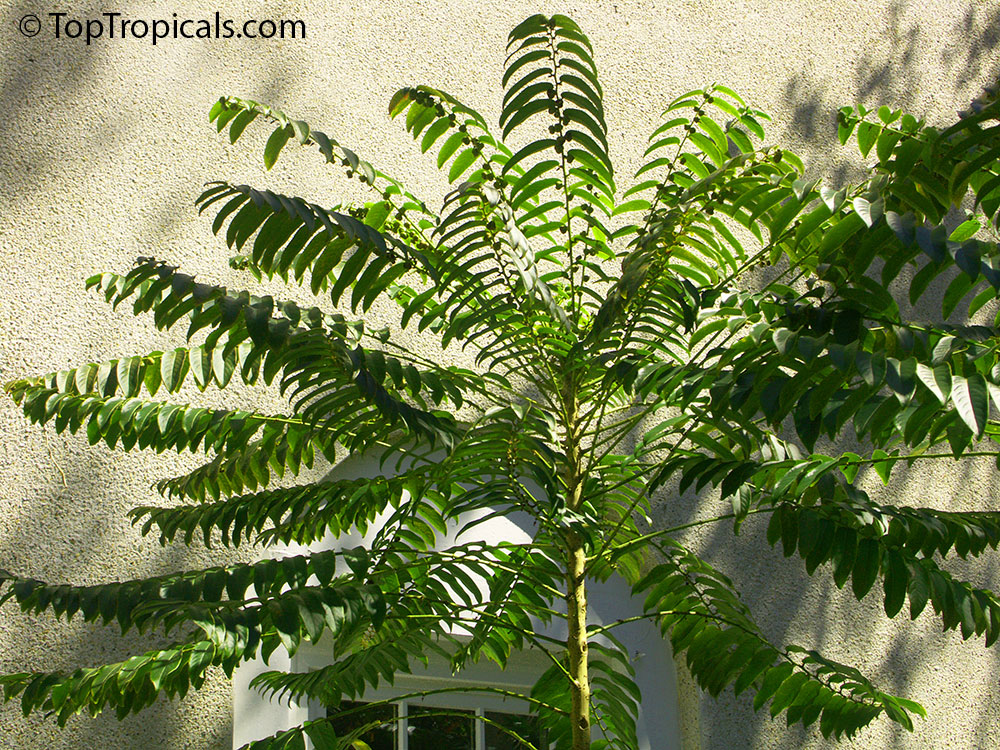
Sauropus, or Katuk, is a perennial shrub grown in some tropical regions as a leaf vegetable. It is one of the most popular leaf vegetables in Southeast Asia. It is among only a few flora containing vitamin K. Leaves and stemmed can be cooked as vegetable; young shoots are delicious eaten out of hand and taste just like sweet peas, they can be added to salads. The plant has many medicinal properties.

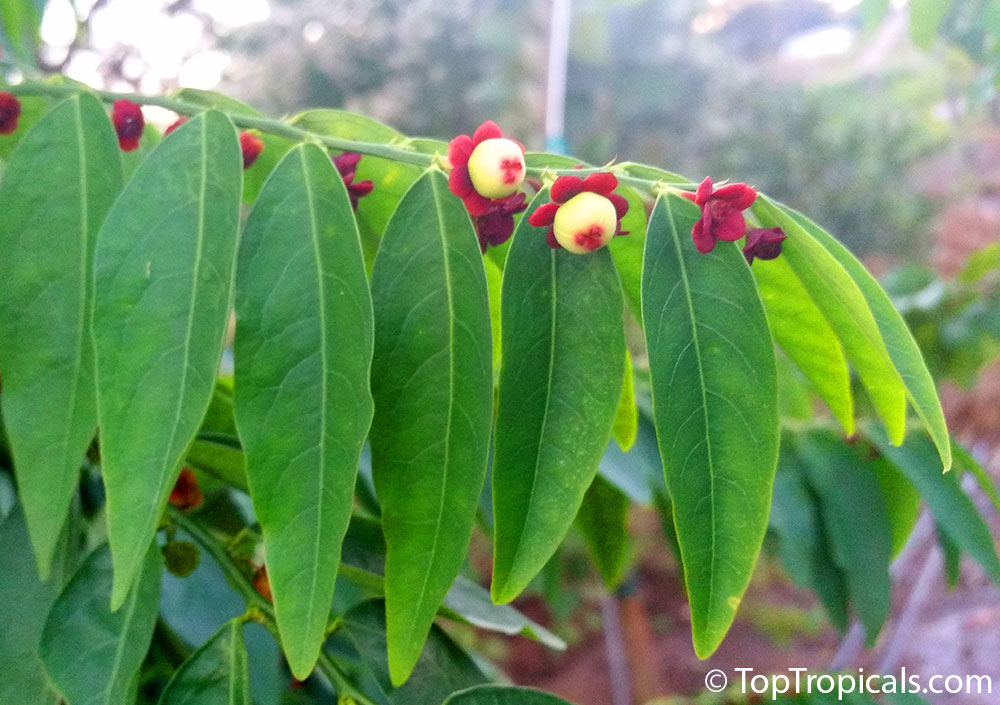
Katuk is fast growing and keeps growing as you trim it for your kitchen needs. Multiple upright stems can reach 6-7 ft high. It has great ornamental value, has pretty red flowers and ornamental fruit showing shiny black seeds when they crack open. Varieties with green leaves and variegated leaves have slightly different flavor but are equally good for your healthy, fiber-rich diet.

Remember, the Easy Sunday Deal expires on Wednesday December 29th.

Enjoy your Hot Deals!

December 26th - Boxing Day

Remember, December 26th is Boxing Day, with different theories on the roots of Boxing Day, but one commonality: Boxing Day is a day for charity and kindness. Let's all continue to be charitable and kind humans!

Date: 29 Mar 2021

How to get rid of bad luck:
The story of the Garlic Vine

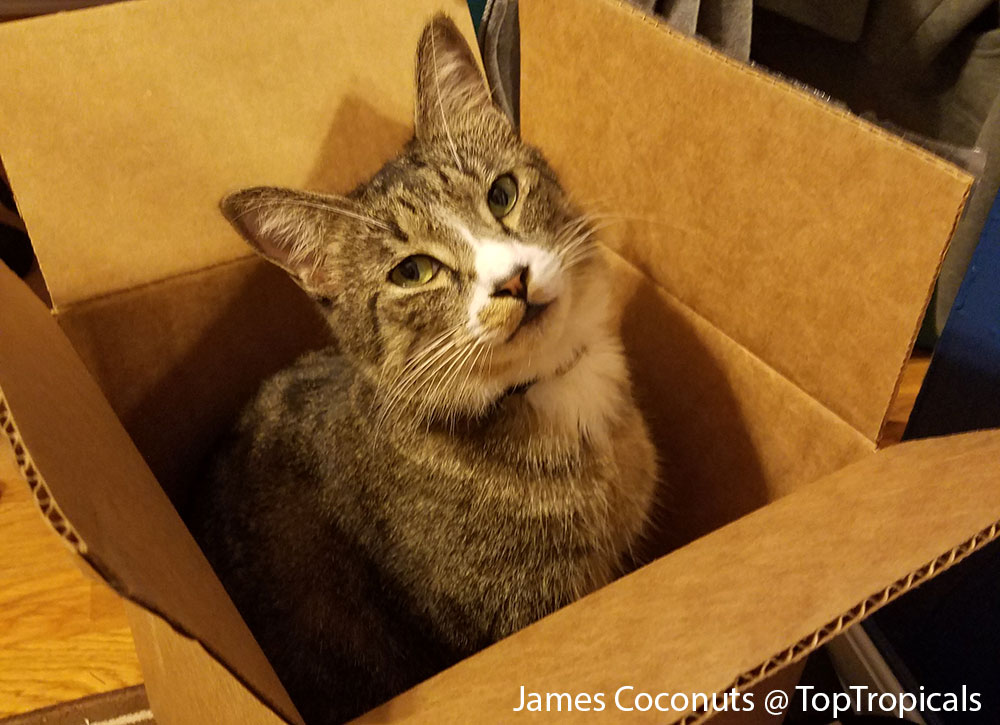
by Alex Butova, the Witch of Herbs and Cats

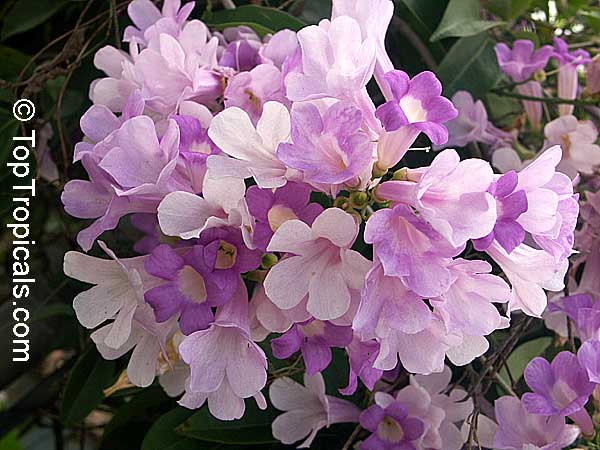
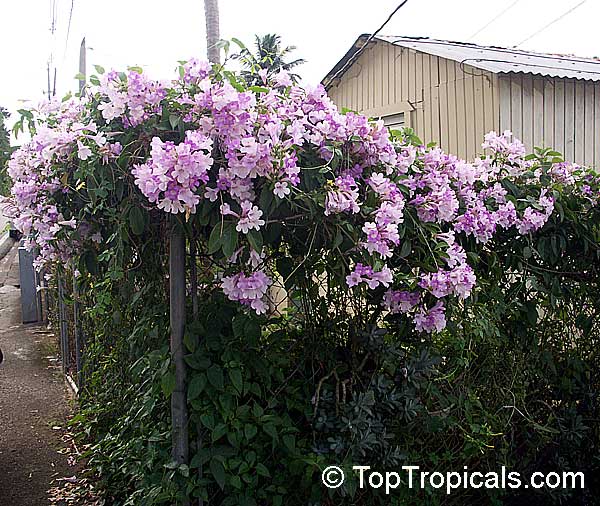
Are you a vampire? If not, then this is your Plant! Mansoa alliacea, or Garlic Vine, is a truly amazing plant. There are two special features that make it so unique...
...First, the flowers start off deep lavender with white throat and change to a lighter shade of lavender with age. Eventually fading to almost white, and you will see three different color of flowers at the same time on the plant. It's fantastic!...
...Secondly, the small of the leaves makes it a conversation piece: crushed leaves smell like garlic...
...The plant is said to help get rid of bad luck and is a favorite with hunters. Some Amazon natives offer their dogs a brew of this botanical to ensure success during the hunt. Up until now, most consider the plant to be magical or spiritual and they hang bunches of the leaves around their home for good luck or in order to drive away evil spirits...

CONTINUE READING >>