Garden Blog - Top Tropicals

Date: 22 Aug 2025

Helicopter flower Madhavi - the Spring Herald that clings to a Mango Tree
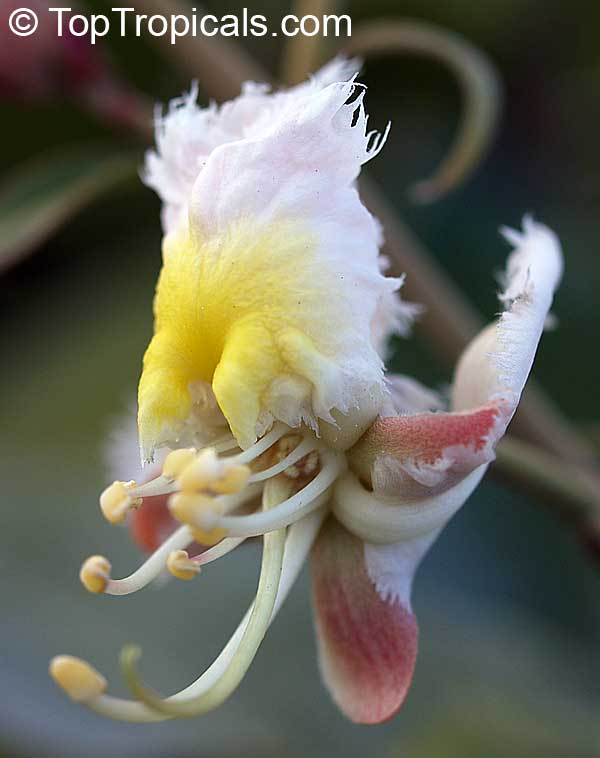
Hiptage benghalensis - Helicopter Flower, Madhavi, Spring Herald, flower close up
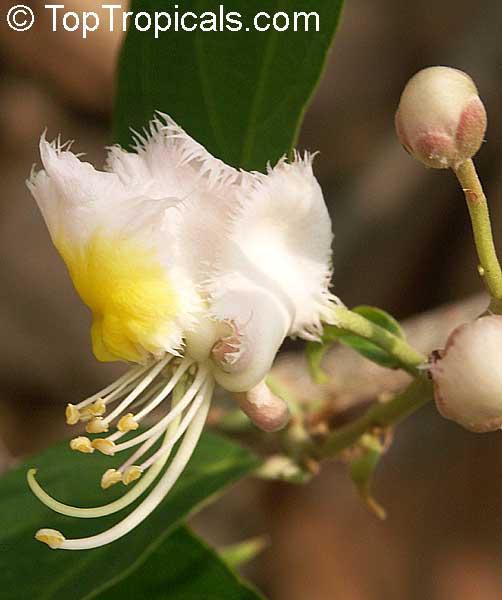
Hiptage benghalensis - Helicopter Flower, Madhavi, Spring Herald, flower close up

Hiptage benghalensis - Helicopter Flower, Madhavi, Spring Herald, flower
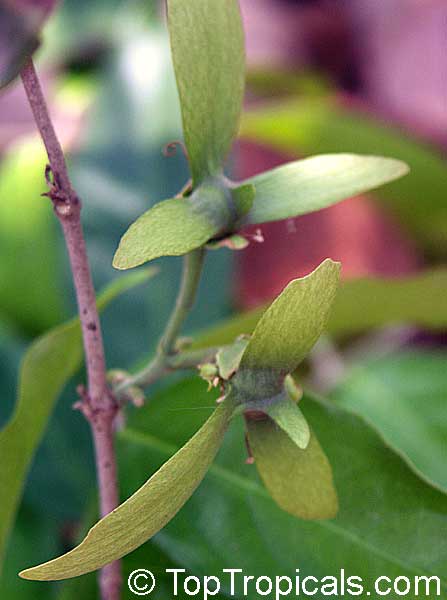
Hiptage benghalensis - Helicopter Flower, Madhavi, Spring Herald, flower

Hiptage benghalensis - Helicopter Flower, Madhavi, Spring Herald, seeds
Hiptage benghalensis - Helicopter Flower, Madhavi, Spring Herald, seeds

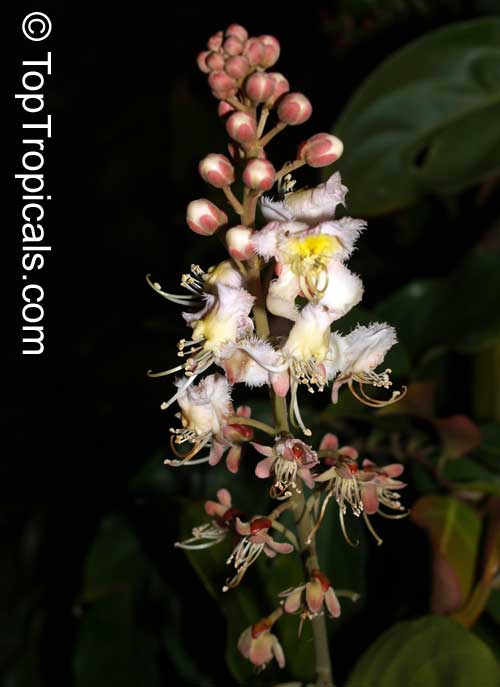
Hiptage benghalensis - Helicopter Flower, Madhavi, Spring Herald, flowers on the bush

Hiptage benghalensis - Helicopter Flower, Madhavi, Spring Herald, flowers on the bush

🚁 Helicopter flower Madhavi - the Spring Herald that clings to a Mango Tree
  • 🍥 Hiptage benghalensis - Helicopter Flower: during TopTropicals plant trip to Thailand, this was one of the first discoveries that caught our attention. We were suddenly stopped by an incredible, sweet perfume drifting through the air. Following the scent, we found its source - a dense, vigorous vine covered in unusual, eye-catching flowers.
  • 🍥 Helicopter Flower? The name comes from its funny three-winged seed pods that spin like little helicopters. But the real show happens when it blooms. Clusters of pink-white-and-yellow flowers appear in profusion, with frilly petals and a fruity perfume that can stop you in your tracks. Best of all, it flowers in winter and early spring, just when most other plants are quiet, so it fills the air with fragrance at a time you need it most.
  • 🍥 Hiptage is easy-going and adaptable. It can be trimmed as a shrub, trained into a small tree, or let go as a climber, but be ready to give it space and strong support if you let it vine. It's fast-growing, tolerant of different soils, and happy in either sun or part shade. You can even keep it in a container and trim it into a rounded bush. It's pretty cold hardy too - can take some light frost.
  • 🍥 In India, the Helicopter Flower is called Madhavi - the Spring Herald, and often paired with mango trees in stories and gardens - the sturdy mango holding up this vigorous fragrant vine, symbolizing love, devotion, and the union of strength with beauty. Planting the two together makes for a striking, symbolic pair!
  • 🍥 For gardeners, it's the rare combination of beauty, fragrance, adaptability, and a good story to tell. A plant that not only perfumes your garden but also brings a touch of legend to it.
  • 🍥 Used medicinally in India.


🛒 Bring Perfume Spring Herald to your garden

#Perfume_Plants #Hedges_with_benefits

🟢 Join 👉 TopTropicals
Date: 14 Feb 2024

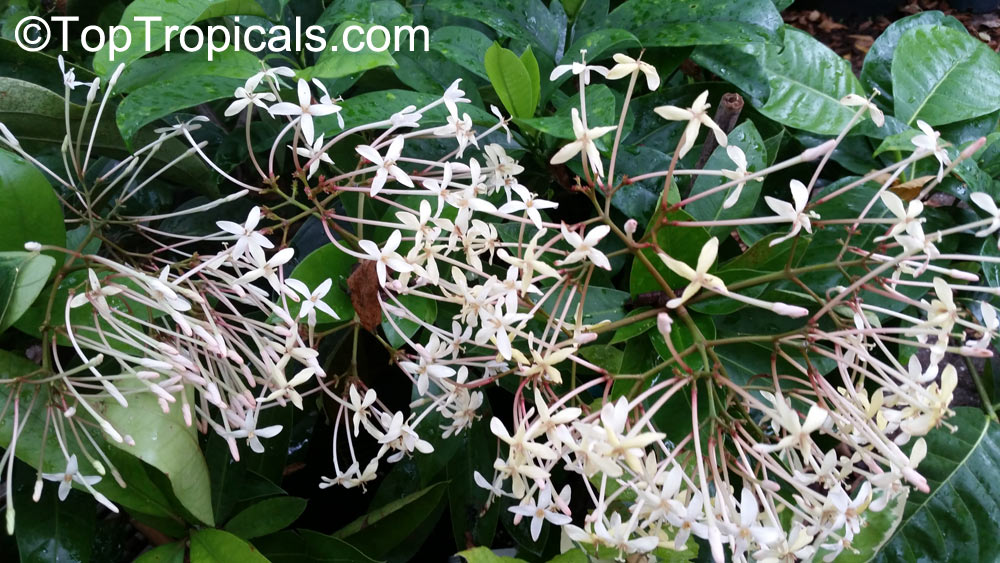
Ixora odorata - exclusive flower with fine perfume

Ixora  odorata  flowers

Q: I see you have a very special plant - Ixora odorata with fragrant flowers, I've heard that the fragrance is heavenly. Is it easy to grow? Can I plant it as a hedge, like a regular ixora bush?

A: Indeed, Ixora odorata is quite special. It's a must-have for any tropical plant enthusiast, often likened to esteemed fragrance collectibles like Ylang Ylang or the Joy Perfume Tree. While it shares the genus with the common Southern landscape plant, Ixora, cultivating Ixora odorata requires some special attention. We wouldn't recommend using this rare exotic as a hedge; it's best suited as a centerpiece or specimen in your garden. The effort is certainly rewarded, as the sweet fragrance of its flowers is truly remarkable, reminiscent of Jasmines. Here are some tips for growing Ixora odorata:

1. Temperature. Ixora odorata is sensitive to cold and can't withstand even light frost. Protect it by growing it in a container that can easily be brought indoors during cold weather.
2. Soil. Like all ixoras, Ixora odorata prefers acidic soil. This is easily achieved since it's typically grown in a pot. High-quality potting soil, such as Sunshine Abundance, tends to have a lower pH (acidic), has low pH (acidic).
3. Light. Unlike most ixoras, Ixora odorata prefers shade to filtered sunlight, unlike most ixoras that are full sun plants.
4. Water. Ixora odorata prefers drier conditions during winter, so reduce watering in the winter months. In summer, regular watering is necessary, as it won't tolerate drying out.
5. Insect control. Ixora odorata can be susceptible to insects during winter. Keep an eye out for mealybugs during winter. Monitor the leaves, especially underneath.
5. Prune after flowering.
6. Fertilizer. Feed Ixora odorata with Sunshine Boosters Megaflor for most profule flowering and healthy waxy leaves.

Ixora odorata blooms in winter, making it a delightful addition to your home during the colder months. What can be better having this perfume factory! It's a true gem that's worth the extra care and attention - it deserves to be pampered!

Ixora  odorata  flowers

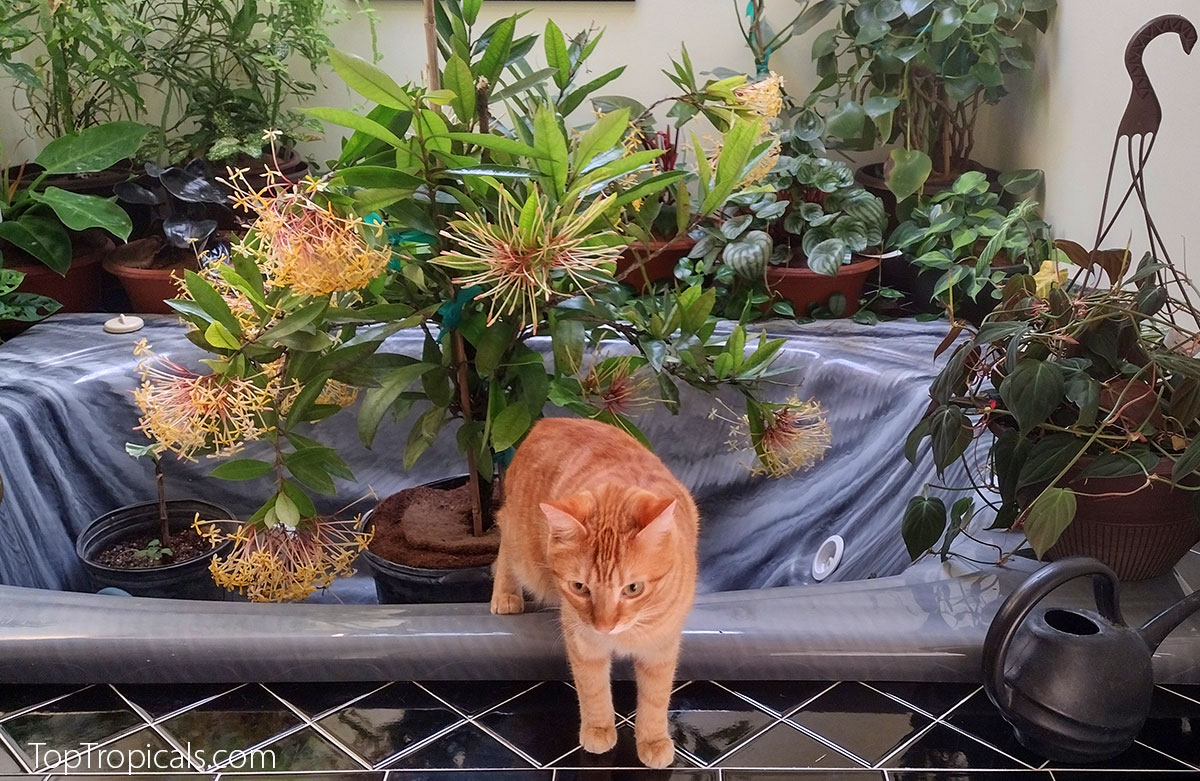
We bring our Ixora odorata indoors during winter. It is happy to sit in a large bathtub with a skylight above it. It flowers all winter long, filling the air with light perfume not only in the bathroom and bedroom, but in the whole house. And of course, cats love it too!

Date: 16 Jun 2023

NEW VIDEO:
ABC7 Fort Myers News:
Avocado Varieties at Top Tropicals

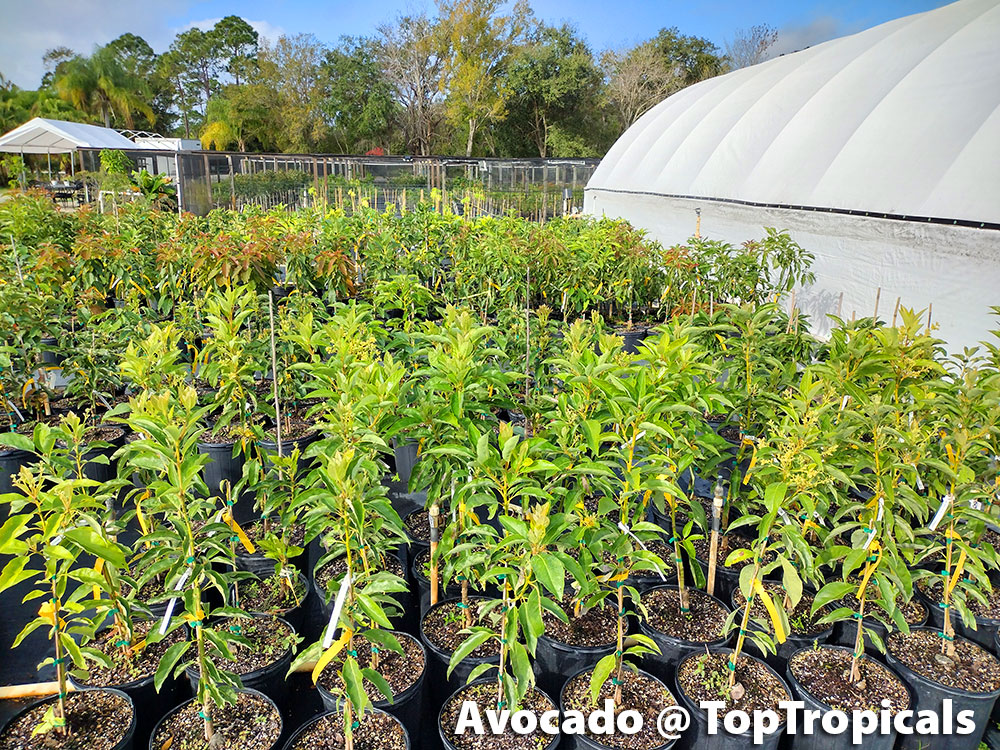
We continue the series of ABC-7 News on Top Tropicals selections. Previously, we showed you segments about Butterfly Plants, Rare Fruit Trees, and Mango varieties. Today's video is about growing an Avocado tree in your home garden.

Growing your own avocado tree has many benefits. You can enjoy fresh, delicious avocados right from your garden. Avocado trees are attractive, provide shade, and enhance your landscape. There are many avocado varieties to choose from, offering unique flavors, sizes, and ripening times. You will find Avocado trees for sale online right here at TopTropicals.com. Our trees can be shipped to you!

Watch the news segment by Rachel Anderson for ABC-7:
Avocado Varieties at Top Tropicals.

Subscribe to our Channel:

Stay updated with TopTropicals Videos by subscribing to our channel at YouTube.com/TopTropicals and get our latest video news of what is fruiting and blooming!

Avocado  trees  in  3  gal  pots

Date: 12 Apr 2023

Colocasia vs Alocasia

Cats  with  elephant  ears

Q: What is the difference between Alocasia and Colocasia? They both are called Elephant Ears...

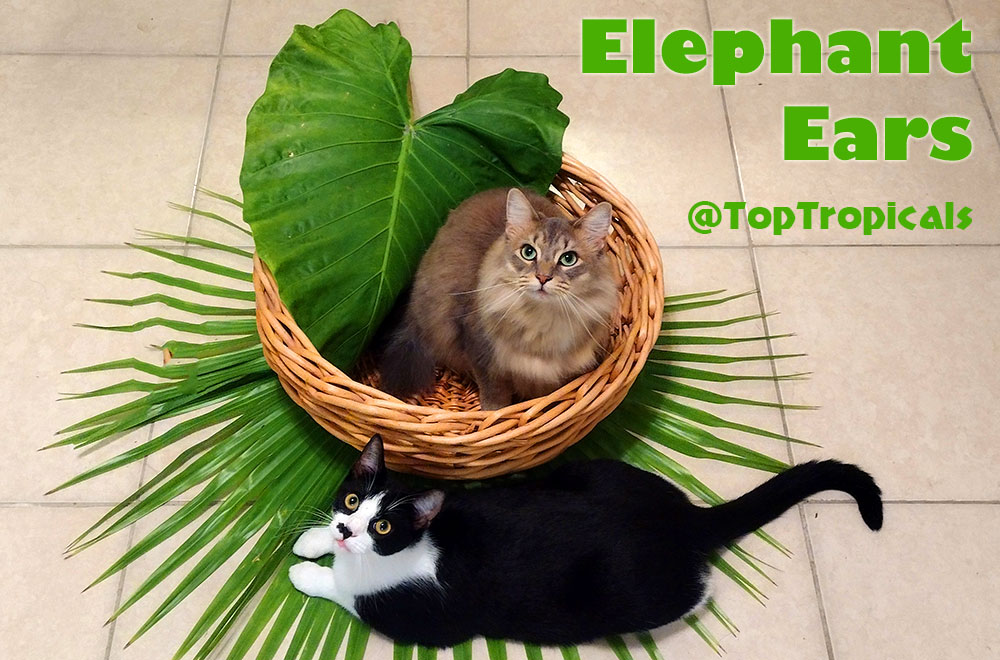
A: Alocasia and Colocasia are exotic tropical-looking plants with large, arrow- or heart-shaped leaves resembling elephant ears, hence the common name. They are both members of the Araceae family and are often confused with each other due to their similar appearance. The key differences between the two plants:

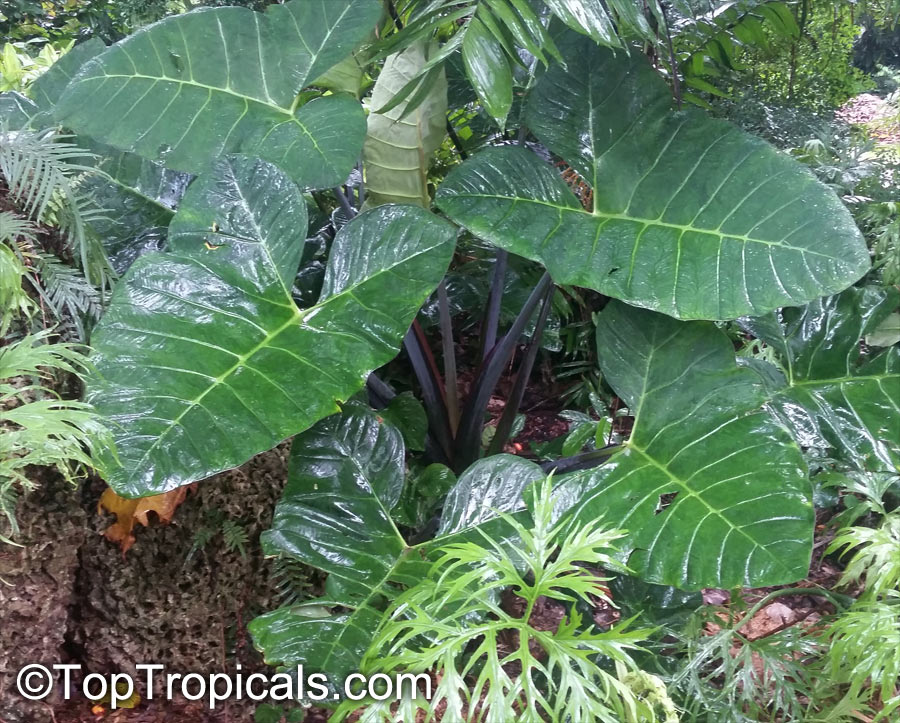
Leaf shape: The leaves of Alocasia are typically arrowhead-shaped and have a more elongated appearance. The leaves of Colocasia, on the other hand, are more heart-shaped and broader.

Leaf texture: Alocasia leaves have a smooth, glossy texture, while Colocasia leaves are typically more matte and have a slightly rough texture.

Stem color: The stems of Alocasia plants are typically green, while the stems of Colocasia plants are usually purplish, dark or almost black.

Growing conditions: Alocasia plants prefer bright, indirect light and well-draining soil, prefering to stay on a dry side, while Colocasia plants prefer partial to full shade and moist soil.

Hardiness: Colocasia plants are generally more cold-hardy than Alocasia plants and can tolerate colder temperatures. Both Alocasia and Colocasia may go dormant in Winter especially in cooler climates, and grow new leaves in Spring.

Elephant Ears are absolutely gorgeous tropical plants. They add bold texture, tropical flair, and thrive in filtered light, making it a unique and low maintenance addition to any garden, especially shaded locations.

Xanthosoma  violaceum

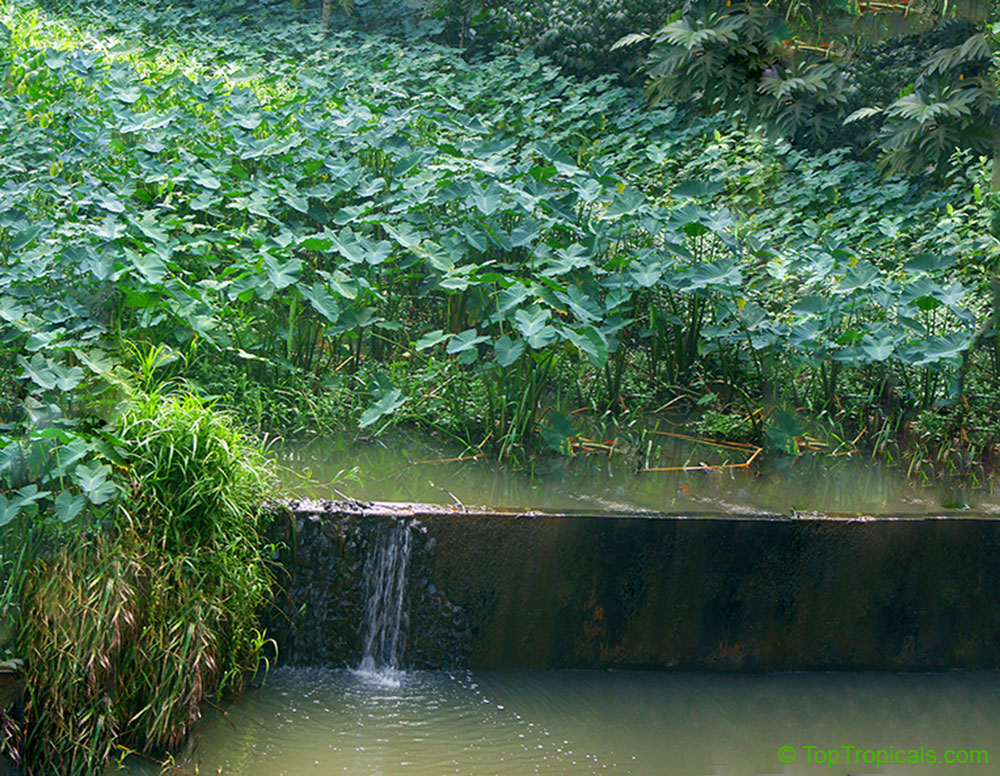
Colocasia  in  water

Date: 13 Jan 2023

Secrets of Winter planting:
Tropical Planting Breaks the Rules

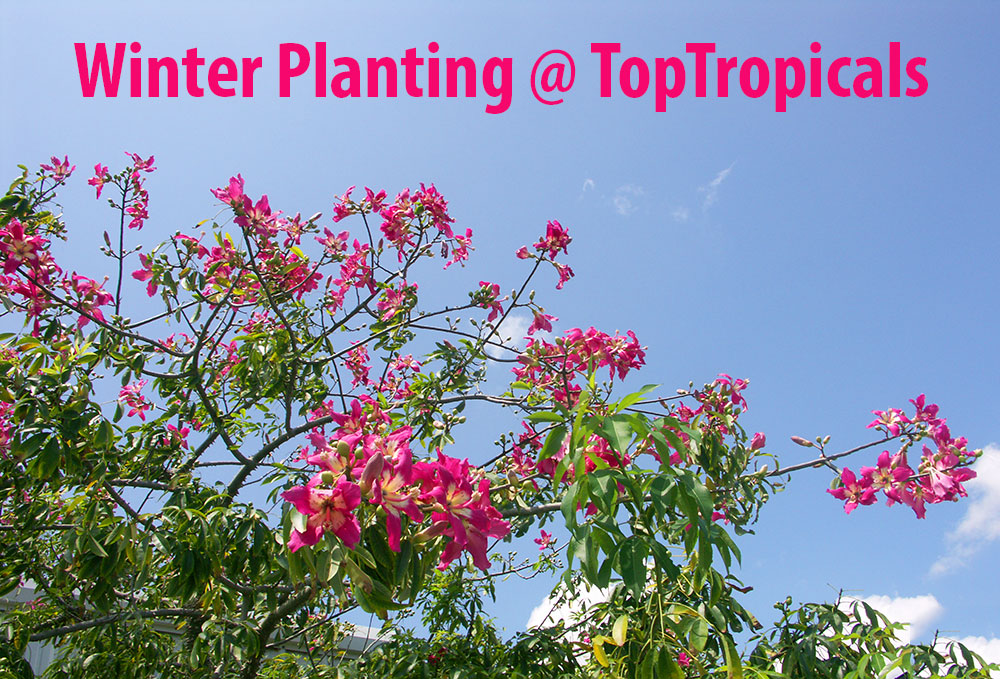
Winter  flowering  tree  -  Ceiba

by Murray Corman, Garden of Delights

Wintertime does not just mean hard work for tropical gardeners. It is also a time to enjoy the fruits of our labor. Winter-blooming plants and the visitors they attract - birds, bats and butterflies - make the garden as enjoyable in winter as any other time of year.
What a welcome relief: January daytime temperatures in the 70s, dropping to the 60s at night. This is why I came to live in the subtropics of southern Florida. The balmy climate of South Florida represents one of the few places on the mainland United States where tropical plants thrive unprotected outdoors.
But just as I had to leave behind so many of my favorite northern trees, so too did I have to put behind me many of the so-called "rules" of horticulture. These had worked well for me up north and I thought they would hold true anywhere in the world. Florida's subtropical climate posed new challenges and I soon realized that gardening in the Sunshine State would not be business as usual...
CONTINUE READING >>

See also: A Guide to Cold Hardy Tropical Fruit Trees and Avoicado Varieties (pdf download)

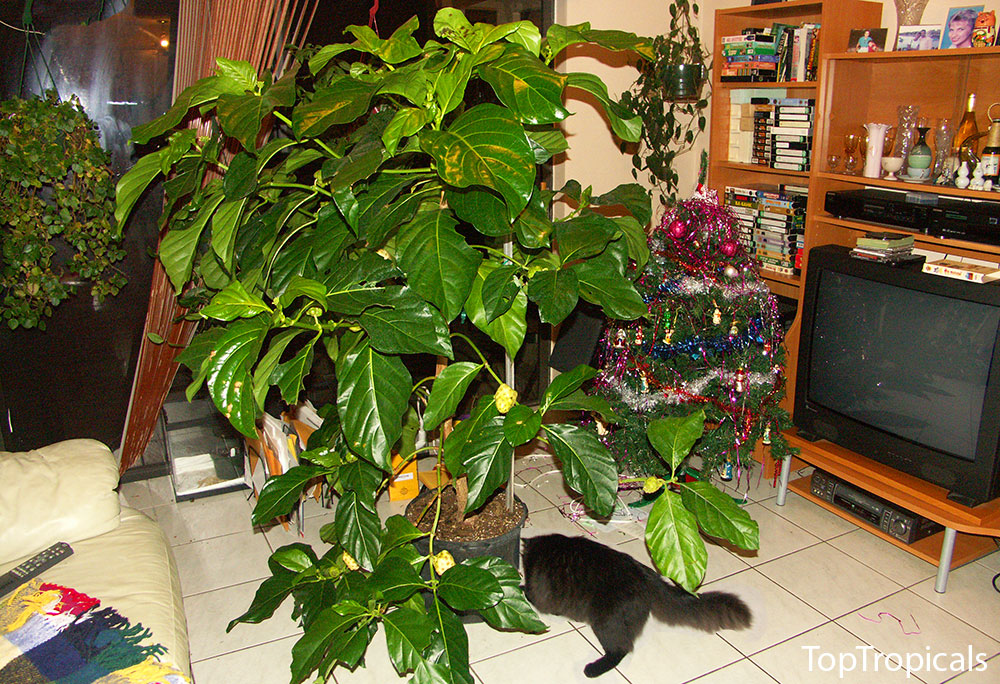
Noni  tree  with  Christmas  tree  indoors

Photo above: Noni is not just a useful fruit tree, but also a great ornamental for both sun or shade. It is also great for interior floral design or as an exotic addition to your room decorations in Winter! It fruits year round even indoors!
Order Noni online.