Garden Blog - Top Tropicals

Date: 3 Oct 2025

Plant for birds: feast for wildlife and people from a tiny vine!

Passiflora suberosa - Corkystem Passion Vine

Plant for birds: feast for wildlife and people from a tiny vine!

  • Passiflora suberosa - Corkystem Passion Flower: did you know this Florida native passion vine is more than just a butterfly host? Birds love it too - they’ll happily snack on the little fruits and sing you thank-you songs all day long!
  • And yes, the fruit is edible for people as well! The berries are small, but they make a fun and exotic treat.
  • The plants has a tiny flower and a tiny fruit – both only about half an inch – but together they create a mighty native habitat.
  • It's a triple win: butterflies, birds, and people can all enjoy something from this charming little plant. Plus, it’s the larval host for Gulf Fritillary, Zebra Longwing, and Julia butterflies, and its tiny greenish flowers provide nectar all year long. Fast-growing, easy, and full of life – a real gem for any Florida garden.
  • This vine is delicate and compact, perfect for a medium trellis or climbing a small tree. Unlike the big, aggressive passion vines that can cover a whole fence, this one stays manageable.
  • This Passion vine is not just charming and wildlife-friendly, it’s also tough as nails. Cold hardy and easy to grow, this native vine takes whatever Florida throws at it – heavy rains, long droughts and heat, poor sandy soils, even total neglect – and still thrives. A perfect choice if you want beauty, wildlife, and resilience all in one little plant.


🛒 Plant this small and tough vine with food and wildlife benefits

📚 Learn more:


#Food_Forest #Hedges_with_benefits #Butterfly_Plants #How_to

🟢 Join 👉 TopTropicals
Date: 2 Oct 2024

Florida Native Plant Sale

Florida  Native  Plant  Sale

One Week Only: Instant 10% OFF

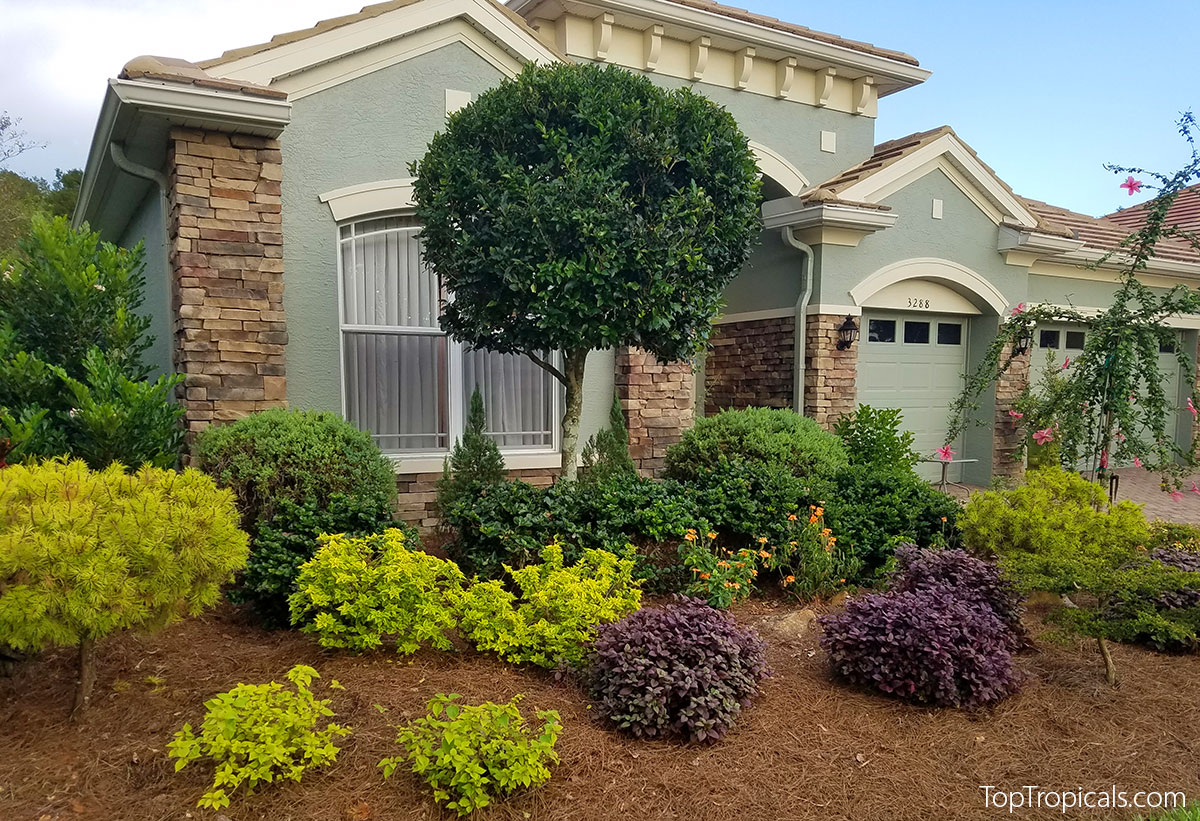
Take advantage of this limited time offer: 10% OFF Florida Native plants! With cooler weather on the way, these hardy plants are perfect for fall and winter planting. They're easy to establish and offer numerous benefits, especially for those in HOA communities.

Why choose Florida natives?

- HOA approved and welcomed
- Adapted to the local climate and soil
- Require less water, fertilizer, and fewer pesticides (if any, thanks to natural insect predators)
- Easy to grow - perfect for beginners - Provide essential habitat and food for local wildlife, including birds and butterflies

Go native and make your landscape thrive!

Florida  landscape

Date: 4 Oct 2016

Plants for happiness and joy

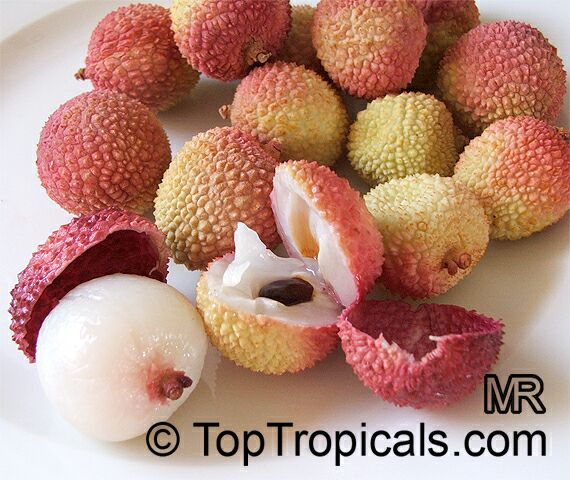
Plants as homeopathic remedies and happiness boosters. Many people know about health benefits of vitamin C which improves and boosts our immune system similar to SUNSHINE plant booster stimulating growth of plants. But not everybody realizes that this vitamin is responsible for overall happiness of our body, it brings many systems in balance. A number of tropical plants used in salads, as well as fruit with high content of vitamin C can play dual role in your life. You can use them as food, as well as enjoy their beautiful tropical appearance. Such plants will help you feel interest and joy in life when you feel apathetic and resigned to the situation you are in. Just to name a few:

Lychee
Barbados Cherry
Eugenias
Hibiscus Karkade

Date: 11 May 2016

Top Tropicals Video Presents: Doctor Noni

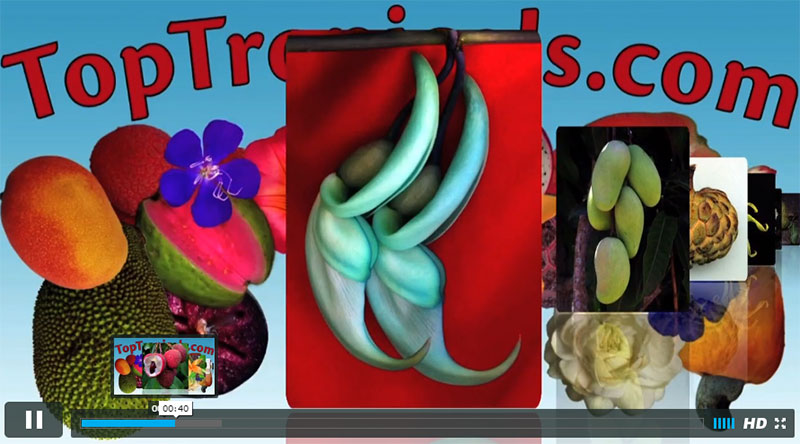
Top Tropicals Video Channel. We are happy to introduce to our customers our new project - Top Tropicals Video. Gardeners have been enjoying our Tropical Treasures Magazine with its unique stories on fascinating plants, their history, plant clinic and Do-It-Yourself projects. Now you can have more fun to visit actual tropical paradise by watching our short movies in your convenience - from your computer, or simply on your smart phone. In our future video tours, we will be showing both popular and rare exciting plants and how to grow them. We will be sharing little secrets of how to make these plants happy, so they will make your own life brighter and happier. Stay updated with TopTropicals Videos by subscribing to our YouTube channel at YouTube/TopTropicals and get our latest video news of what's fruiting and blooming! Our today's video story -

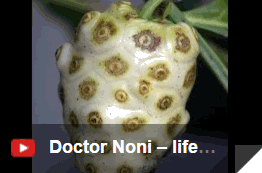
Doctor Noni - life sustaining plant. Many people have heard about the mysterious and miraculous Noni fruit, yet few know exactly what it is. This odd-looking fruit grows on a beautiful tropical tree from Polynesia - Morinda citrifolia, that actually belongs to a Coffee family! The Noni fruit, also called Cheese Fruit for its special odor, has unique health benefits. It is said that this plant food is to be used when we are feeling really ill or really old... Do you want to know how to have your own FREE fresh Noni juice year round? Check out this Movie: Doctor Noni - life sustaining plant

Date: 18 Apr 2016

Seeds germination in summer

Q: What is the best way to germinate seeds in summer? Should I keep trays indoors or put them outside?

A: Summer is the best growing season for plants, and for their propagation. Seed germination process of tropical plants usually benefits from warm, and even hot temperatures, so keeping pots with seeds outside in full or partial sun can be the best way. However some seeds may be more sensitive than others, or require slightly cooler or higher temperature for germination. These are a few tips that may help:

- For seed germination, use only well drained mixes, containing either peat moss or coconut fiber to retain moisture. Some succulents may require adding sand to the germination mix. You may also try our Professional Formula Seed Germination Mix.

- Large tropical seeds, like palms, or seeds of Fabaceae (Bean) family, can be grown in full sun. Their germination will benefit from higher temperatures (up to 90-95F). Make sure to keep soil moist. Cover them well, with 3/4 to 1 inch of soil.

- Fruit seeds (large size) should be germinated either in individual cells or small pots (3-4"diameter).

- Small to medium size seeds can be grown in so-called community pots. Seedlings can be separated after they establish their first roots.

- Tiny seeds should be planted closer to the surface, covered with only 1/4-1/8 inch of soil; some seeds require bright light for germination, so full sun will be a plus. Some small seeds like Ficus for example, prefer to be broadcasted on the surface, uncovered. Put containers with such seeds in bright shade, as you don't want the surface of the soil to dry out.

- Once your seeds sprouted, move them in filtered light - bright to medium shade depending on tenderness of the species. (Gingers prefer shade, while succulent sprouts can stay in brighter light). Regardless of water/sun needs of the species, all young sprouts and first leaves are sensitive to hot sun and may get burned or even killed. Once a baby plant has a few leaves and well-branched root system, you may start moving trays into a brighter light.

- Do not overwater young seedlings, keep soil slightly moist but not soggy.

See full list of available seeds