Garden Blog - Top Tropicals

Date: 30 Jan 2019

Featured plant. Clitoria ternatea - Blue Butterfly Pea
TopTropicals.com

Clitoria ternatea - Blue Butterfly Pea

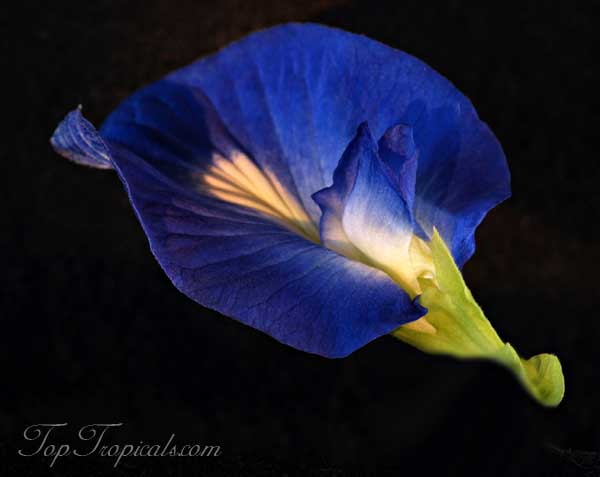
Butterfly pea, Asian pigeonwings. Perfect vine! Blooms year-round, fast growing, easy, not invasive, controllable, not messy, curious bright blue flower - Clitoris-like flower shape, hence the name of the plant. Fast-growing climber with fine foliage, pinnate leaves. Besides being a great ornamental, this plant has some practical and medicinal value. The seed pods are edible, as well as the flowers. The flowers are used for blue food dye for rice and teas. It is also a nitrogen fixer and helps prevent E-coli.

Read more about this plant...

Date: 1 Jan 2019

NEW VIDEO:

Dwarf Barbados Cherry

Malpighia punicifolia - Dwarf Barbados-Cherry, Dwarf Acerola. This dwarf form of Acerola makes a wonderful low-growing shrub or beautiful bonsai tree with edible fruit. Profuse bloomer, it is also a nice ornamental! Due to its shallow and smaller root system, Acerolas can be interplanted with other crops more closely than many trees. Acerolas grows in marl, limestone, clay and other heavy soils as long as it drains well. Has the highest vitamin C content of any fruit. 1 Cherry is equal to 12 oranges. Used in jellies, jams, freezes without losing its vitamin C content. The plant is drought tolerant and easy to grow.

Malpighias are available from our store

Stay updated with TopTropicals Videos by subscribing to our channel at YouTube.com/TopTropicals and get our latest video news of what is fruiting and blooming!

Date: 23 Nov 2018

Featured Plant. Dillenia philippinensis - Katmon, Philippines Elephant Apple

TopTropicals.com

Dillenia philippinensis - Katmon, Philippines Elephant Apple

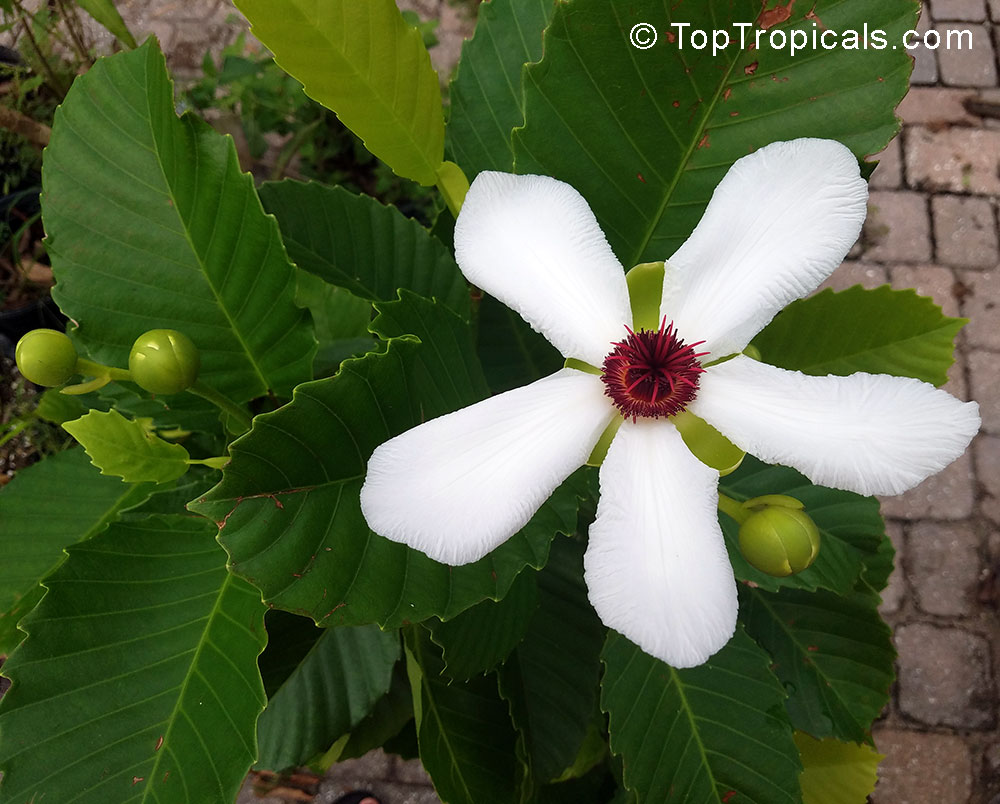
Philippines Elephant Apple has spectacular blooms and amazing large leaves that are toothed and unusually shaped. This super-tropical looking beauty is a favorite tree among Filipino garden enthusiasts. It is endemic to the Philippines. The tree is buttress-forming, evergreen, and shade tolerant, it is a great container and house plant. The leaves are large, 1-2 ft long, leathery, shining, and coarsely toothed at the margins. Its flowers are white, large, showy, and also very large, up to 1 ft wide, with showy reddish pistils and stamens. The edible fruits are rounded, 2-3"in diameter, with medicinal value. Flowers last only one day, but the plant stays in bloom all summer through fall, with multiple flowers and buds that keep opening every day. The plant is perfect for container and indoor culture, with showy tropical leaves, beautiful flowers, shade tolerance, and compact growth.

Check out this plant...

Date: 6 Nov 2018

Elephant Foot Yam seed production

TopTropicals.com

Q: Very interesting information about Amorphophallus in your recent newsletter! (which I always enjoy BTW). I would like to purchase those fresh seeds, and I have a couple of questions. Did you have to hand pollinate that flower? I've heard it is not easy to set a fruit. Also, is this an edible variety?

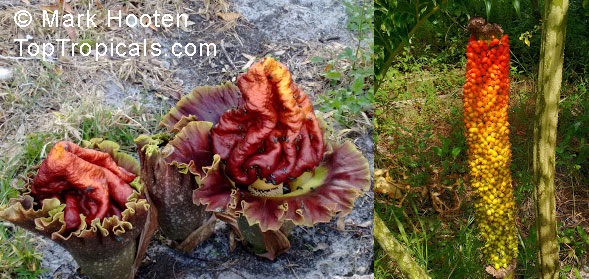
A: From Mark Hooten, the Garden Whiz. These Elephant Yam seeds were produced as a result of hand pollination between two different Amorphophallus paeoniifolius plants grown from entirely different sources. Both plants over ten years old. One corm originated from a traditional Chinese market here in Ft. Myers, while the other came from a Hindu market in Naples. As both were being sold for eating (the prepared corms of the sweet types are a popular Asian vegetable), we know they are of the "sweet" type, not the acrid type which is the commonest in cultivation. The flowering occurred this last April, with the fruit spike maturing in October which is very fast considering it may take up to a year to mature this fruit!
The flowering image shows three different flowers all emerging from a single clump of the Chinese plant which has developed over the years, each flower being a couple of days apart. This is the plant which made the fruit-spike, one of its flowers having been hand pollinated by the Hindu store plant on the other side of the property. Notice all of the large blue flies swarming the fully mature and very stinky flower!

Check out Fresh seeds of Amorphophallus paeoniifolius. Only a few packs left!

Date: 3 Aug 2018

Featured Plant. Monstera deliciosa - Swiss cheese plant

TopTropicals

Monstera deliciosa - Swiss cheese plant

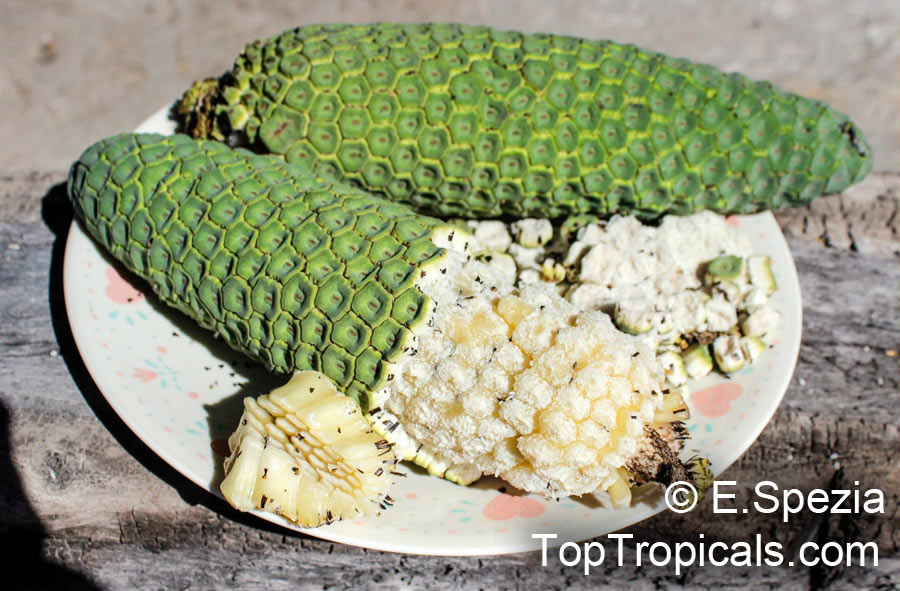
Swiss cheese plant is a jungle climbing relative of the philodendron from Mexico and Guatemala. It is seen in gardens in tropical and subtropical areas, growing well in partial sun or shade. The plant begins bearing fruit after three years. The large deep green, cone-like fruit is actually an unripened flower spike, covered with hexagonal scales that dry out and separate as the fruit ripens from the base upwards, revealing the white pulp. It takes a little longer than a year to mature to an edible stage. The fruit tastes kind of like a cross between a sugar apple and a pineapple. Very perfuming smell and taste! It's so amazing, can't figure the consistency, but totally a pineapple sugar apple cross... But wash the black specks off before eating - they will sting your tongue.

Check out this plant...