Date: 5 Nov 2024
How much water is too much?

"Always over-water your plants: just improve their soil drainage!" - Murray Corman, horticulturist, rare tropical fruit tree expert.
Q: I always tend to overwater my plants. How often should I water container plants and how to determine if it's too much water?
A: One of the most common challenges in tropical plant care, including houseplants, is overwatering, particularly in container gardening. So, how much water is too much?
The rule of thumb: let the soil dry out a bit before watering again, and never water if the soil feels wet to the touch. For indoor plants with saucers underneath, ensure they don't sit in standing water by removing any excess from the saucer after watering. However, remember that the watering schedule alone isn't the only key to success!
Improve drainage. Surprisingly, water itself isn't harmful to plants, no matter how generous your watering is. The real issue is poor drainage, which leads to stagnation and bacterial buildup, ultimately causing root rot.
In the nature. If you've traveled to places like Hawaii or explored tropical jungles, you might have noticed plants thriving between rocks with minimal soil, receiving a near-constant fine mist of rain. Conversely, swamps support very few trees - only bog or water plants adapted to wet conditions can survive there. The lesson? It's not the water, it's the growing medium!
The Soil Solution: for potted plants, always use a high-quality potting mix with excellent drainage properties. This should include ample "soil conditioners" such as perlite, vermiculite, and pine bark. At our nursery, we use a professional soil mix called Abundance. Learn more about potting soil.
Pot size matters. And the last but not least: if you tend to overwater your potted plants, consider using the smallest container size that comfortably fits the root system. A pot that's too large can mean excess wet soil, increasing the risk of root rot. With proper fertilizer program, container plants don't need to much soil to thrive.
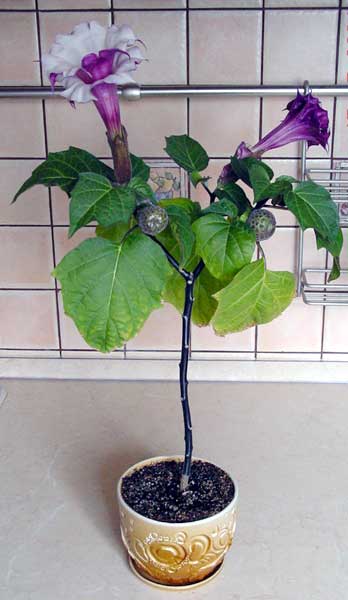
Photo above: Datura Metel
Date: 15 Dec 2024
How to take care of house plants in Winter
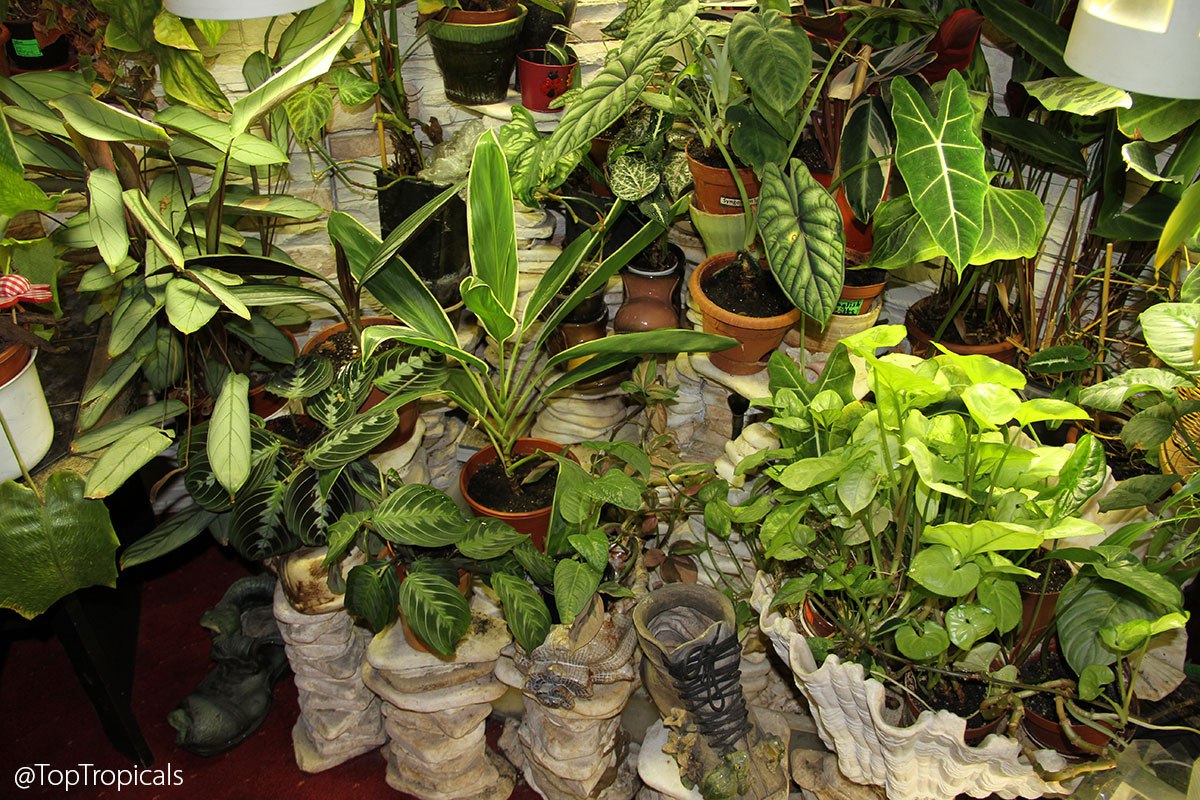
Indoor House plants
🎩 How to take care of house plants in Winter
💡 Let There Be (Enough) Light!
Shorter days mean less light. Move plants closer to windows but avoid freezing drafts.
🚽 Water, but Sparingly
Overwatering is a winter no-no. Check soil dryness before watering—your plants won’t mind a little thirst.
🌈 Humidity is Happiness
Dry air isn't their friend. Use a humidifier or group plants together for a moisture boost.
👀 Wise Snacks
Use only amindo-acid based liquid Fertilizer in winter, like Sunshine Boosters. Let plants take their seasonal nap from dry plant food.
Keep It Cozy
Protect plants from cold windows and heat vents - consistent warmth is key.
🍀 Dust Those Leaves
Clean leaves help plants soak in the limited light. They'll thank you with a brighter look!
🌱 Your plants may slow down for winter, but with a little care, they’ll thrive until spring!
🛒 Shop Indoor Garden
#Shade_Garden #How_to #Container_Garden
🔴 Join 👉 TopTropicals
Date: 29 Sep 2025
How do we ship plants?
James Coconuts managing Shipping Department at TopTropicals
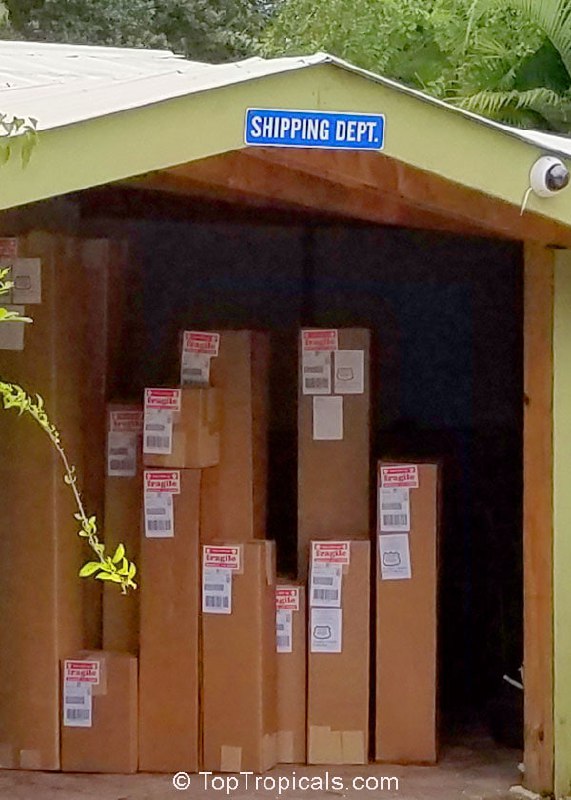
Plants packed in boxes and ready to go
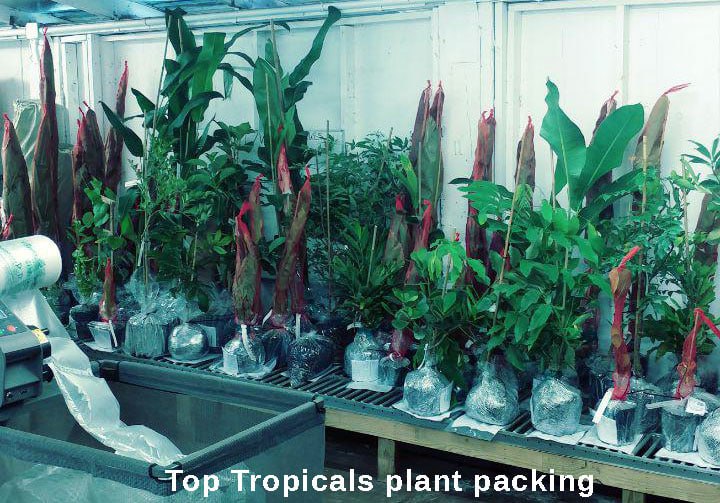
Plant packing conveyer
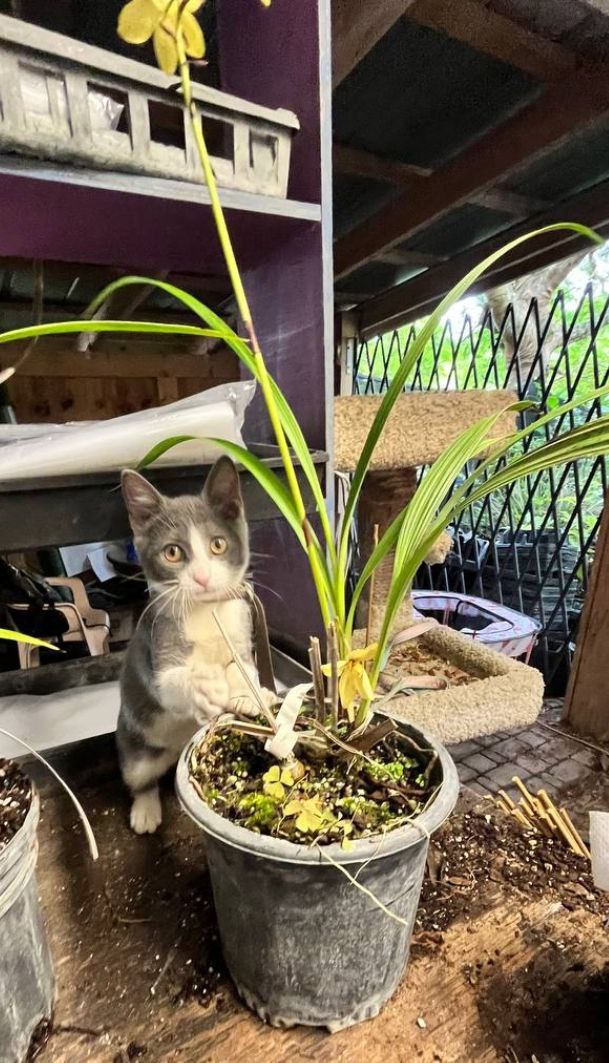
Mittens is a new Shipping hire
🚚 How do we ship plants?
🚚 How do we ship plants?
📦 More pictures of packing plants for the previous videos:
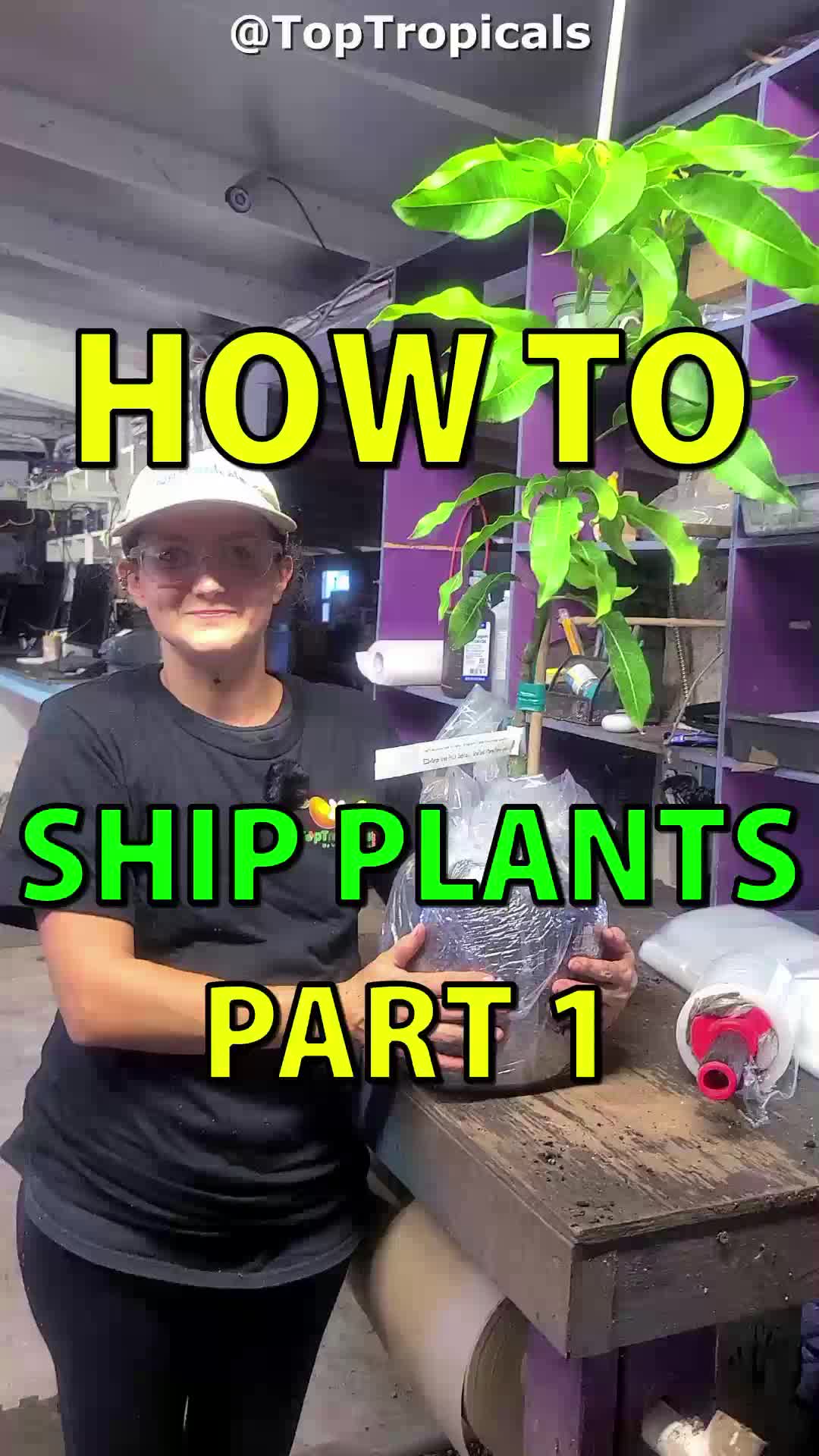
- How do we ship plants? Part 1: prepare the plant
- How do we ship plants? Part 2: packing in the box
- How do we ship plants, Part 3: it's Christmas - unwrapping is fun?
📸 In the pictures:
- · James Coconuts managing Shipping Department at TopTropicals
- · Plants packed in boxes and ready to go
- · Plant packing conveyer
- · Mittens is a new Shipping hire
🛒 Shop plants online
📚 Learn more:
#How_to
🟢 Join 👉 TopTropicals
Date: 6 Jan 2024
Ten
New Year Resolutions:
Diversity in Tropical Garden
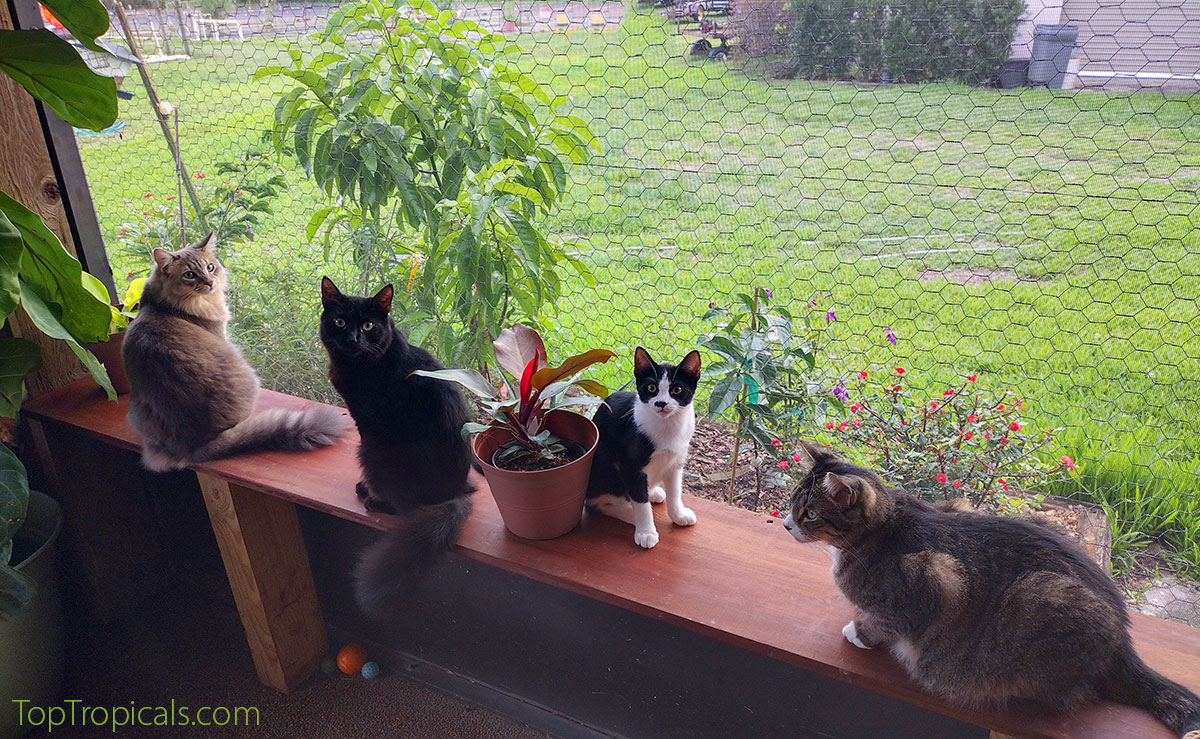
1. Diversity. Grow different plants. Add more types of tropical plants to your garden for a colorful and diverse look.
2. Save Water. Use water wisely by installing drip systems, collecting rainwater, and using mulch to keep the soil moist.
3. Improve Soil. Make your soil healthier by adding compost or manure regularly. Healthy soil promotes robust plant growth and enhances overall garden resilience.
4. Deal with Pests Smartly. Keep pests in check with a plan - use natural solutions and check your plants often. Preventing program is easier than dealing with infestations.
5. Right Fertilizing. Feed your plants with Eco-frintdly fertilizer such as Sunshine Boosters (safe to use year around). If you use slow-release fertilizers - apply in right amounts, from March to November.
6. Trim Regularly. Keep your garden tidy and healthy by pruning and removing dead or sick parts of the plants.
7. Companion Planting. Explore which plants work well together to enhance nutrient uptake, fight pests and provide shade for those species that need it.
8. Right Climate and Zone Pushing. Pick plants that love your climate, considering sunlight, temperature, and humidity. For more sensitive tropical plants, work on a plan for cold protection: grow them in pots or set up temporary covers.
9. Teach Others. Share your gardening knowledge with the community. Propagate your plants from seeds, cuttings, divisions - and share them with friends and neighbors. Remember: live plant is the best gift, and love is sharing!
10. Make a Relaxation Spot. Create a cozy corner in your garden with comfy seating or hammock, shade, and maybe a water feature for a peaceful retreat.

Date: 31 Oct 2018
Lighting for overwintering tropical plants indoors
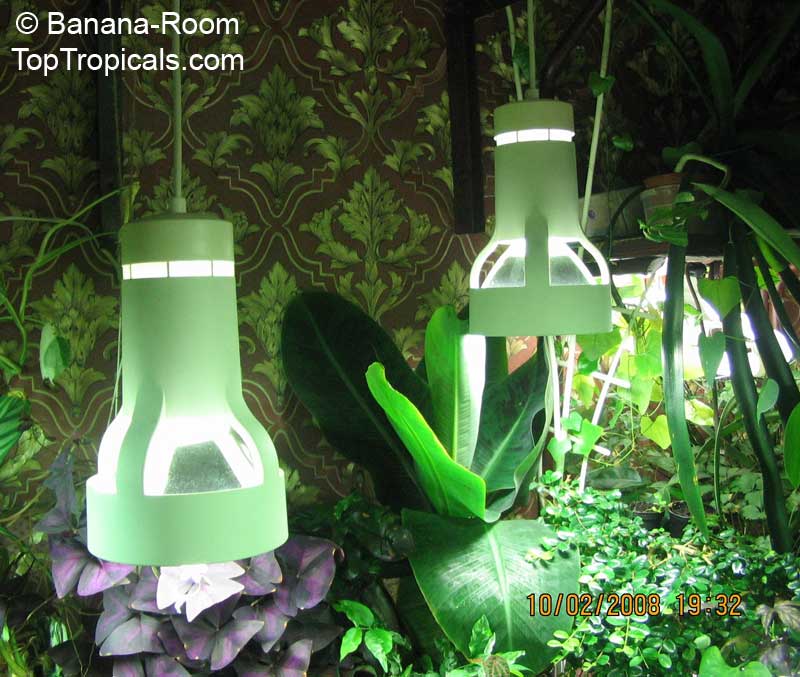
Q: Days are getting shorter and darker... I brought my tropical plants indoors for overwintering (I live in Atlanta, GA). Could you give me some advice on what lamps should I use for additional lighting of my plants?
A: Indoor
plants are very unlucky: they have to grow in"caves,"and everybody knows
that plants don't grow in the caves. The luckiest plants win sunny windowsills,
but even there they dwell rather like in underbrush under tall trees, where
the sun illuminate them only early in the morning or in the evening, and its
light is diffused by foliage.
Usually domestic plants are in desperate lack of illumination not only
in winter, but also in summer. No light - no growth, no flowering. So, plants
need extra light to compensate the lack of illumination in the"room-cave"
conditions.
Before you will start any practical actions to help your plants, you
need first to decide whether you are going to set an additional illumination,
or provide full lamplight. In the case of just additional illumination, rather
inexpensive luminescent lamps will do, and you don't have to think about
their spectrum. Continue reading...