Garden Blog - Top Tropicals

Date: 11 Sep 2025

An intelligent man

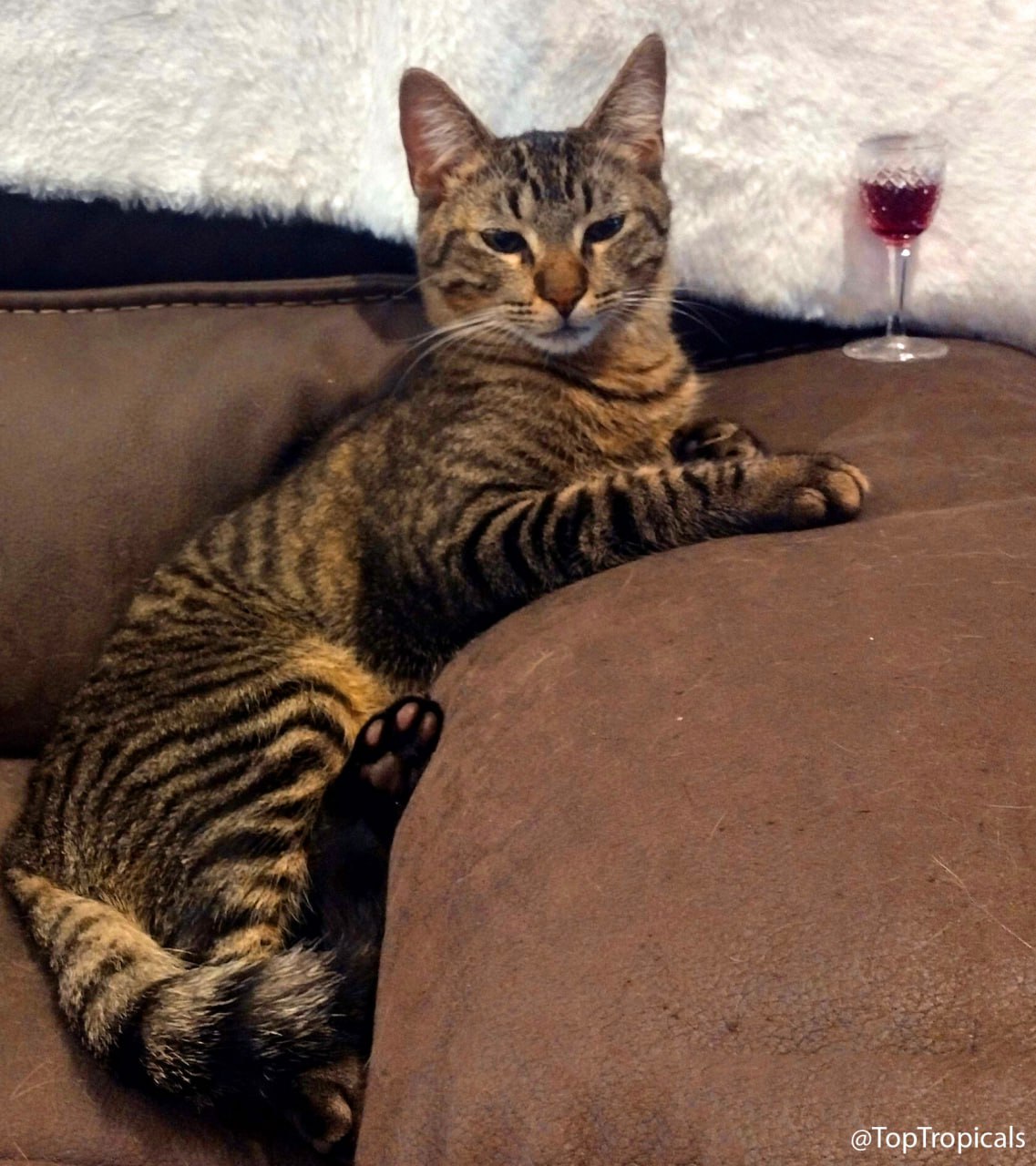
Mr B the cat planning his evening at TopTropicals

Mr B the cat planning his evening at TopTropicals

🍷 An intelligent man


"An intelligent man is sometimes forced to be drunk to spend his time with his fools.”
- Ernest Hemingway, For Whom the Bell Tolls

🐈📸 Mr B the cat planning his evening at TopTropicals PeopleCats.Garden 

#PeopleCats #Quotes

🟢 Join 👉 TopTropicals

Date: 12 Sep 2025

What flowers do NOT attract bees?

Butterfly on a flower that doesn't attract bees

❌ What flowers do NOT attract bees?


Most tropical flowers bring in pollinators, and bees are usually first in line. But what if you’d rather avoid them? Maybe you’re allergic, or just don’t want bees buzzing around. Good news: some flowers attract butterflies, hummingbirds, moths, or even flies - but not bees.

👉 Quick rules:


✔️ Night-blooming + strong fragrance = moths or bats, not bees.
✔️ Red tubular flowers with little scent = hummingbirds or butterflies, not bees.
✔️ Rotten or fermented smell = flies, not bees.
✔️ Carnivorous plants = trap insects, no bee nectar.

1.

Night-blooming, fragrant - moth and bat flowers


Bees forage by day, so many night-fragrant flowers skip them.

Brugmansia - Angel’s Trumpet - big, hanging blooms, moth and bat pollinated.
Cestrum nocturnum - Night-blooming Jasmine - powerful night scent, moths only.
Hylocereus Dragon Fruit - huge cactus flowers, bats and moths.
Brunfelsia - Lady of the Night - sweet fragrance at dusk, no bee interest.

2.

Hummingbird and butterfly flowers


Bees don’t see red well. Tubular reds, oranges, and yellows usually go to birds and butterflies.

Hibiscus - hummingbirds and butterflies visit, bees less so.
Heliconis and Gingers - designed for hummingbird beaks, bold tubes are for birds, not bees.
More good picks: Ruellia, Sanchezia, Aeschynanthus, Aphelandra, Anisacanthus, Cuphea, Fuchsia, Iochroma, Justicia, Lonicera, Hamelia, Russelia, Odontonema, Tecomaria, Bougainvillea.

3.

🐱 Fly-pollinated oddballs


Some flowers smell bad to us but irresistible to flies.

Amorphophallus (Voodoo Lily) - rotting meat scent.
Tacca (Bat Head Lily) - spooky black flowers, fly-pollinated.
Stapelia (Carrion Flower) - also fly-pollinated.
Aristolochia (Pelican Flower) - giant, bizarre fly-traps.

4.

🌸 Specialized orchids


Not all orchids rely on bees. Many use moths, butterflies, or beetles instead.

Vanilla orchid - its natural bee pollinator is absent in most regions, so no bee appeal elsewhere.
Brassavola nodosa and others - open at night for moths, not bees.

5.

🕷 Bonus: carnivorous curiosities


Carnivorous plants don’t offer nectar. They trap insects instead, so bees stay away.

Nepenthes (Pitcher Plant) - uses pitchers of liquid to lure and digest insects.

These flowers keep the beauty, fragrance, and wildlife appeal - but without making your garden a bee hotspot.

🛒 Explore butterfly attractors

#Butterfly_Plants #How_to #Discover


🟢 Join 👉 TopTropicals

Date: 13 Sep 2025

Which dog would you take home: golden, black or chocolate?

Sunshine (golden), Draco(chocolate) and Lila (black) Labrador dogs

🐶 Which dog would you take home: golden, black or chocolate?

"Dogs come when they're called; cats take a message and get back to you later." - Mary Bly

🐈📸 Sunshine (golden), Draco(chocolate) and Lila (black) Labrador dogs at Top Tropicals Bfarm and PeopleCats.Garden

#PeopleCats

🟢 Join 👉 TopTropicals

Date: 14 Sep 2025

Banned Jamaican fruit: why you never see fresh Akee in U.S. stores?

Akee (Blighia sapida)

⛔️ Banned Jamaican fruit: why you never see fresh Akee in U.S. stores?


Did you know that fresh Akee (Blighia sapida) is restricted for import into the U.S.?
That's the bad news.
The good news: you can grow your own Akee tree and enjoy this famous fruit right in your backyard!

The reason it's restricted is because unripe Akee (Ackee) contains toxins. Only when the pods split open naturally is the fruit safe to eat, after cooking (video). That’s why it's hard to import fresh – but easy to grow and handle at home once you know the trick.

Plenty of people love this fruit (it's actually a vegetable). It's the national fruit of Jamaica, and a must-have in the classic dish Akee and saltfish. Planting your own tree means you never have to miss out.

⛔️ Why grow Akee?


✔️Fresh fruit that you simply can’t buy in U.S. stores.
✔️You decide when it's ripe and safe, straight from the pod.
✔️A taste of Jamaica in your own garden - both food and culture in one tree.

So don't wait for the fruit that never arrives at the port. Plant your own Akee tree and enjoy the harvest tomorrow!

🛒 Plant your own Akee (Achee) tree


📚 Learn more:
📱 What is Akee - Jamaica's National Fruit - and how to grow it
New Christmas ornaments? Ackee monster fruit!
Akee deliciousness
What is number one tree-grown vegetable
Grow Your Own Food: Akee
📱 How to cook perfect Akee

#Food_Forest

🟢 Join 👉 TopTropicals

Date: 15 Sep 2025

Free natural shampoo: squeeze it and see what comes out!

Pine Cone Ginger - Zingiber Zerumbet, Shampoo Ginger

💄 Free natural shampoo: squeeze it and see what comes out!


💄Pine Cone Ginger (Zingiber Zerumbet), is called Shampoo Ginger due to its unique, milky substance found in the cones. If you squeeze these bright red cones, a fragrant, milky liquid seeps out - traditionally used in Asia and Hawaii as a natural shampoo. Even today, you’ll find it in commercial shampoos.

💄 But there's more to it than hair care. All parts of the plant carry a spicy fragrance, the cones make striking, long-lasting cut flowers, and the whole plant adds a tropical vibe to your garden.

💄 And here's a fun history twist: Pine Cone Ginger is a "canoe plant", carried across the Pacific by ancient Polynesian voyagers. Imagine - this little shampoo factory traveled the ocean in canoes centuries ago!

Would you try washing your hair with this tropical ginger?

🛒 Grow your own Natural Shampoo Ginger

📚 Learn more:


🟡 What Ginger makes a natural shampoo?
🟡5 most spectacular Ginger species

#Shade_Garden #Container_Garden #Remedies #Food_Forest

🟢 Join 👉 TopTropicals