Date: 20 Feb 2017
Flowering plant for a front yard
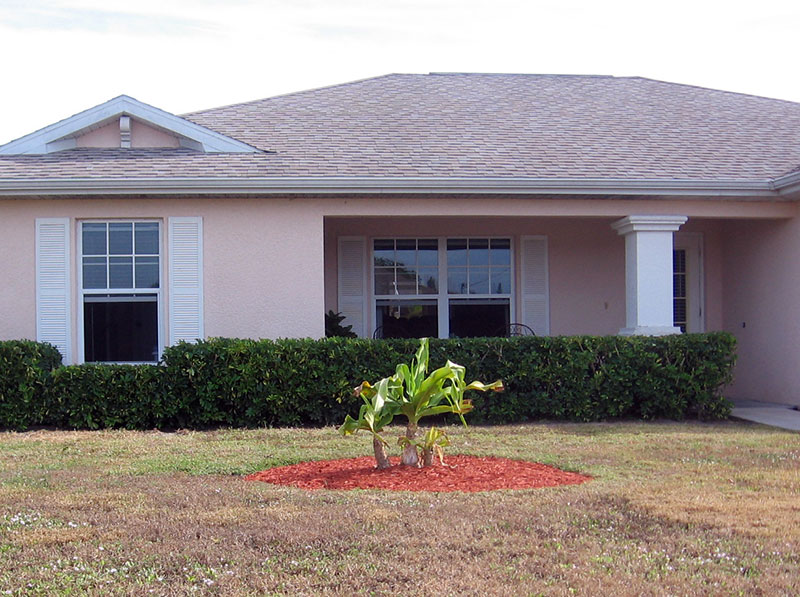
Q: I need your expertise. I had a plant in the front of my house that when I moved in (two years ago) wasn't doing well. It was infested with grasshoppers and snails. I treated it with a pesticide and fertilizer and it flourished. Had beautiful flowerings and was almost the size of the mulch area. Then the property management company hired some terrible grass cutters that I believed destroyed it. I would come home and find the red mulch and leaves from the plant all over the front lawn. And since then it has gone down hill. I am attaching a picture. As of now the larger of the remaining two trunks (out of six that were there) is falling over and it doesn't seem to be doing well. So I was wondering if you can recommend a nice plant that I can replace this one with. Nothing extravagant but nice enough to fill in that area. Also since I only lease here don't want to get to pricey either. Thanks for any advice and plants you have.
A: The plant you have is called Spider Lily. It is one of the easiest landscape plants that doesn't require much care and is great for low maintenance yards. In your case, besides possible damage from the grass cutter, looks like the plant is very old judging by the thick woody stem. It is not a bad idea to replace it with something more pretty rather than trying to baby it. Other suggestions for this location would be something easy and low maintenance, especially if you don't have reliable sprinkler system in that area of your yard and don't want to spend time hand-watering with a house:
Sweet mimosa - grows into very large bush, Pony tail, Dwarf poinciana, Powderpuff, Clusia, Devils backbone (smaller bush 3 ft tall), Cordyline, Ti leaf - these are very colorful.
There are more low maintenance plants you can chose from.
And always remember that traditional "landscapers" that only mow grass, may not be experts on plants. You may always call TopTropicals Garden Doctor
Date: 4 Feb 2017
Groundhog Day Feb 2

On Groundhog Day Feb 2: Groundhog Punxsutawney Phil saw his shadow on Thursday morning, predicting six more weeks of winter during Groundhog Day festivities at Gobbler's Knob, a small hill just outside Phil's hometown.
According to folklore, if it is cloudy when a groundhog emerges from its burrow on this day, then the spring season will come soon; if it is sunny, the groundhog will supposedly see its shadow and retreat back into its den, and winter weather will persist for six more weeks.
Phil promised long winter, however, we should not cry in despair but starting to get ready for Spring!
Spring Check List:
- Make sure min temperatures are above 45F before you start bringing potted plants outside.
- When active new growth appears from buds, after-winter pruning can be done.
- You may start weekly fertilizing as soon as night temperatures raise above 55F.
- Start planting in the ground as soon as there are no more chances of frost, until then keep newly arrived plants in pots so they get better established.
- Low chill cold hardy fruit trees including Peaches, Nectarines, Plums, Apples, Mulberry, Loquats go in the ground first, so you can enjoy their blooms and early fruit set. Plant Pomegranates, blueberries and cranberries, raspberries and blackberries, grapes.
- Water as needed, still keeping on dry side until afternoons get hot and plants start using more water.
- Start seeds indoors. The sooner the better, to give seedlings more time to establish before planting out in the ground.
Overwintering Magnolia (Michelia)
Michelia alba Question: I have a question about Michelia alba. My Michelia alba leaves turning yellow and losing leaves. When I brought it inside for the winter, after the leaves falling off new one grow back not all of them grow back and now the new the branches start to die. I water once a week.
A: Whenever moving a plant in or out of the home it is always best to do it gradually. Moving a plant all in one day will cause stress to the plant due to environmental changes such as, new humidity levels, new light levels and new watering requirements. Michelias
Date: 24 Jun 2018
Cold hardy tropical fruit trees for Luisiana
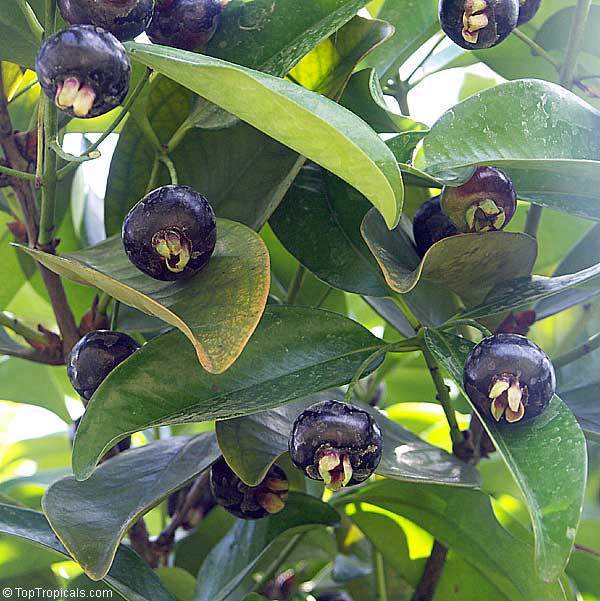
Q: I've just moved to Louisiana and have been wondering whether it would make sense to plant some tropical fruit trees in our garden. Average lows in New Orleans are 41 deg F in January and February, although we did hit 25 once with the Arctic vortex. I'm interested in litchi, longan, rambutans, and persimmons. Do you have varieties that can tolerate Louisiana's temperature range? I'd love mangosteen but I don't suppose they will survive. Do you have any suggestions on tropical fruit trees that I could try?
A:
Average temperatures are for statistics only; it is actual
temperatures that may hurt your cold sensitive plant. This
is what you should keep in mind when starting your
tropical fruit collection:
1) Ultra-tropical plants like Rambutan can not survive
winters below 45-50F. However, they can be successfully
grown in containers in a greenhouse or moved indoors into
a sun room during cold periods.
2) Tropical plants like Litchi and Longan may take some light
frost once established. Still, for areas with freeze our
advice is - keep them in pots and move inside in case of
cold.
3) There is a number of subtropical fruit trees that are
hardy enough to take some freeze. Persimmon, Feijoa, Fig, Cattley Guava, Jujube, Kiwi, some Eugenias and others. Please
refer to our Tropical Fruit Sensitivity Chart.
4) Remember that plant's ability to survive winter depends
on several factors, not only temperature itself. Important
factors are: wind protection (chill wind kills rather than
low temperature itself), exposure, how close the tree is
planted to the house, plant maturity and its overall
strength and health. If a plant had received good
nutrients during summer, has well established root system,
planted in enclosed area protected from winds and has
plenty of bright sunlight - it has better chances to
survive than a weak plant in warmer conditions.
5) Use SUNSHINE plant boosters
Date: 17 Apr 2024
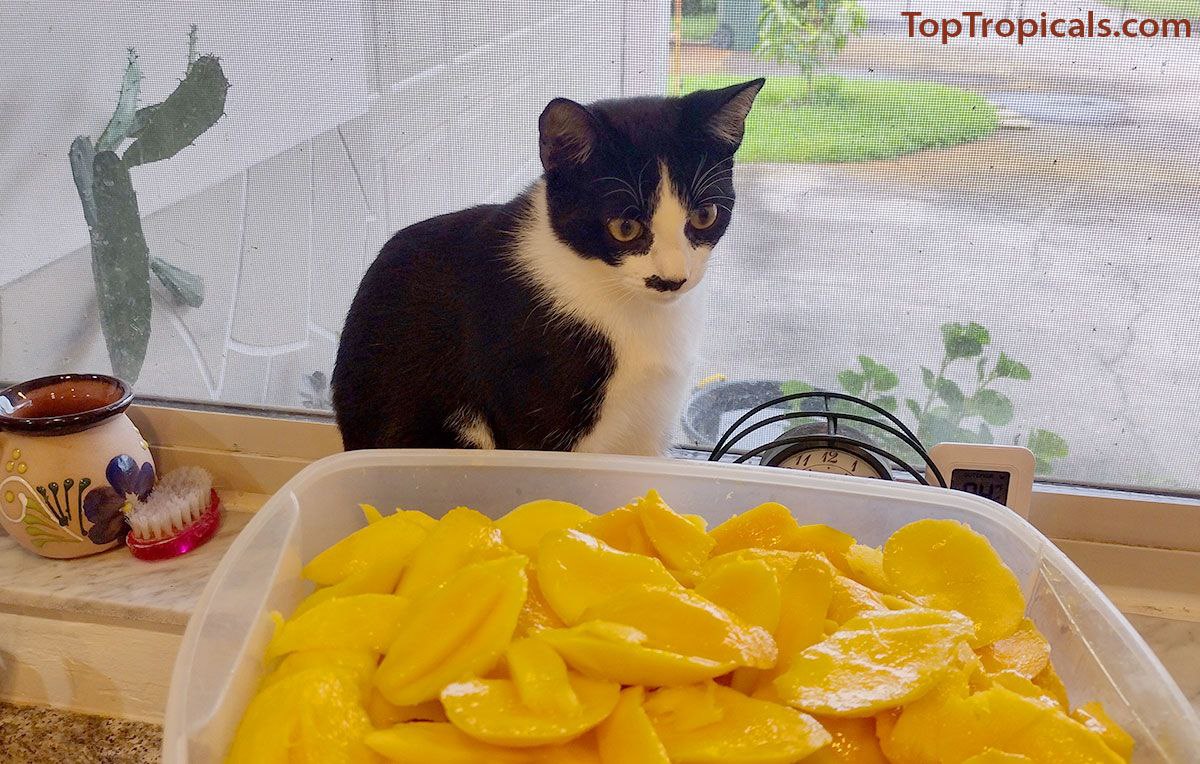
Why buy Mango from the store? Plant the trees today to enjoy your own fruit tomorrow!
🛒 Shop Mango trees
#Food_Forest
Date: 10 Jun 2024
Shade
Tree Discount Program
How to reduce an electric bill and energy costs?
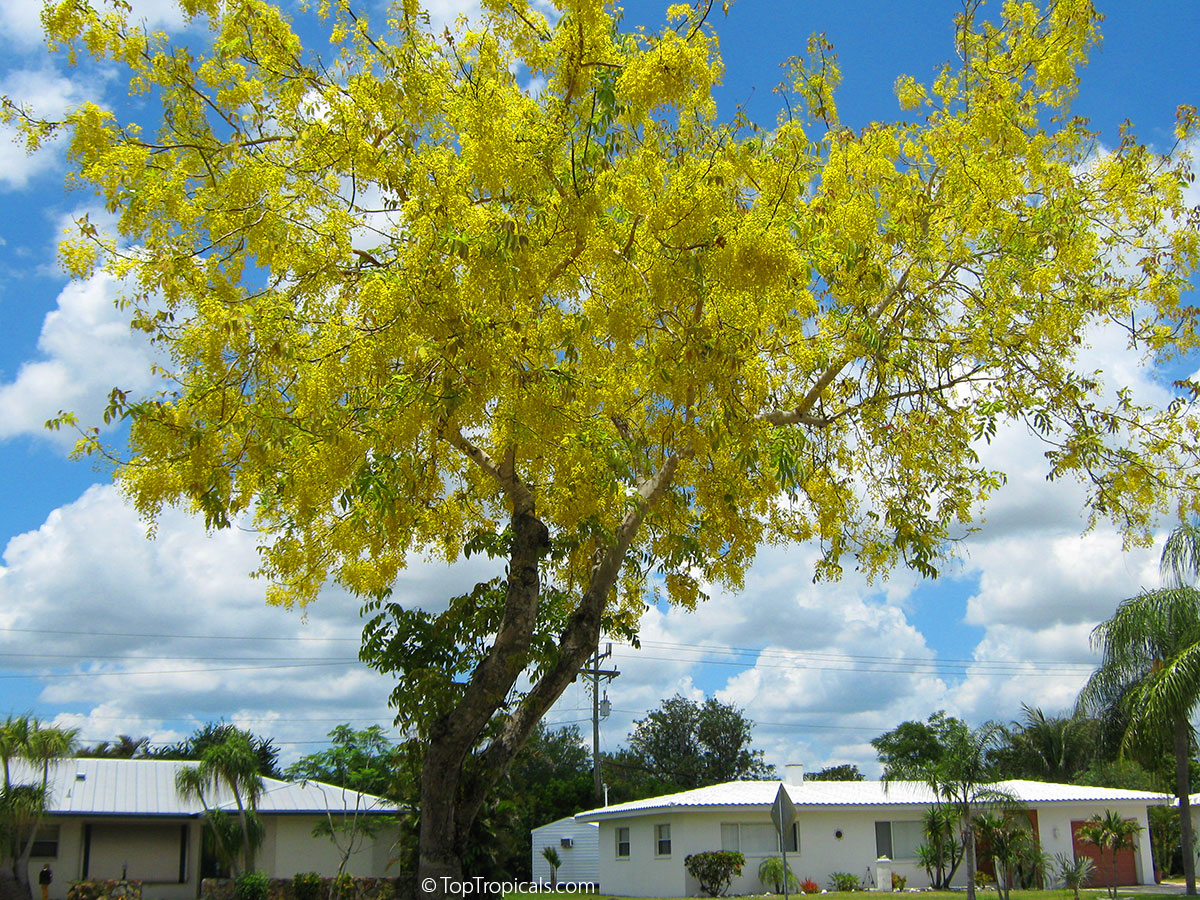
Photo above: Cassia fistula - Golden Shower Tree - one of the most popular trees. This all time favorite is fast growing and elegant.
Q: How to reduce an electric bill and energy costs?
A: This summer is expected to be hot. And the next summer... and next... Want to reduce your electric bill and energy costs? There is an excellent solution: plant a shade tree! Once fully grown, these trees will help keep your house cooler and lower your energy expenses.
Today we are offering a special discount you can use for purchasing
trees that will keep your homes cooler in Summer and gardens warmer in Winter!
Check out Fast
Growing Shade Trees, as well as other flowering trees and fruit trees and use discount below:
GETSHADE
Your savings with this code:
5% off orders $100+
15% off orders $150+
20% off orders $200+
Excluding S/H. Excluding 15 gal material. Exp. 6-12-24
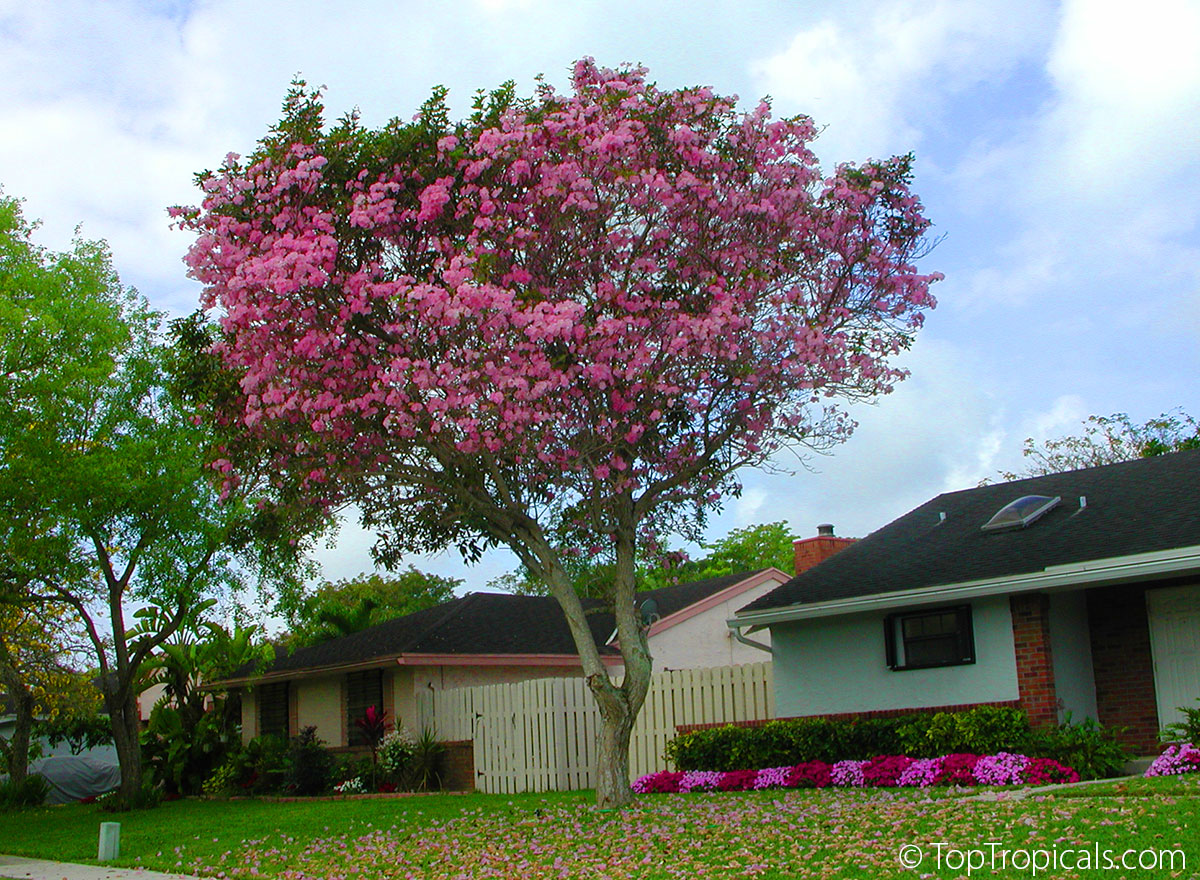
Photo above: Tabebuia - spectacular winter bloomer.
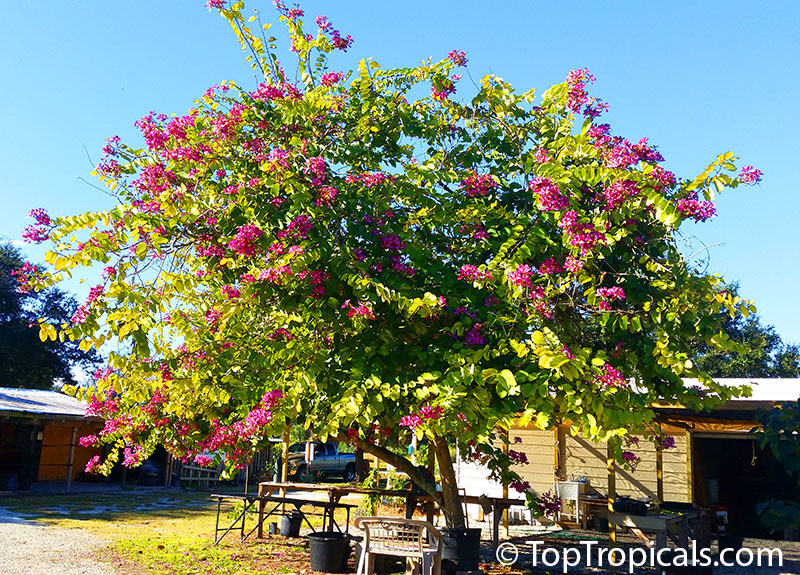
Photo above: Bauhinia blakeana - Hong Kong Orchid Tree. The most beautiful of all orchid trees.
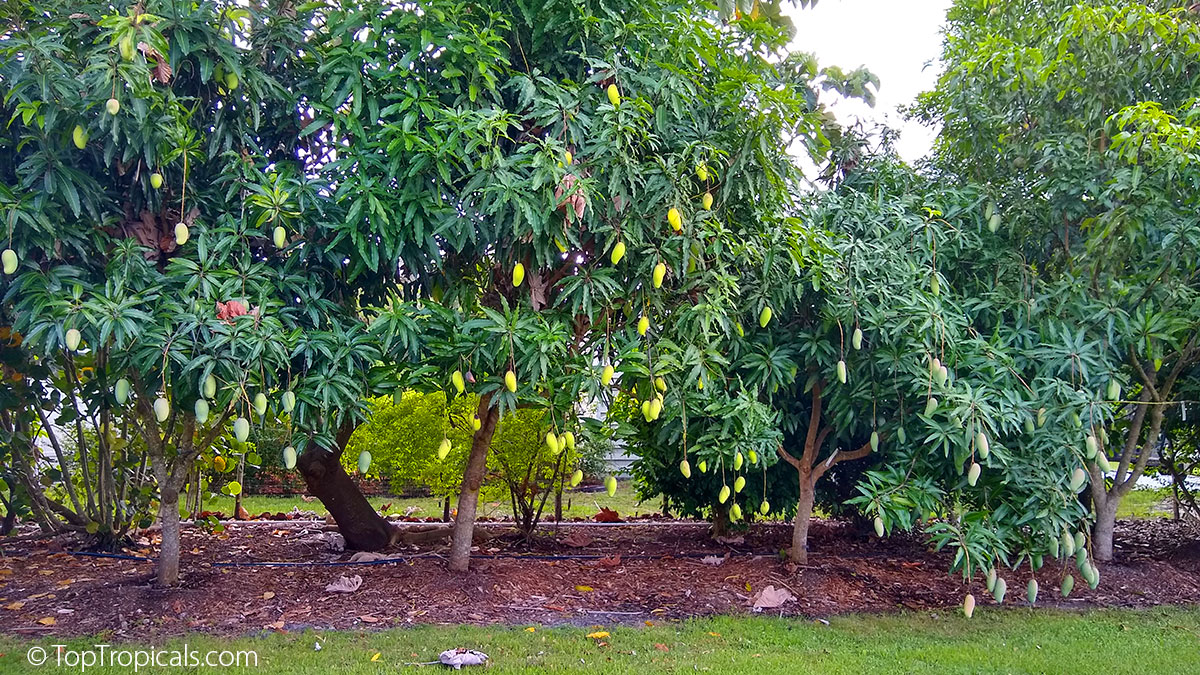
Photo above: Mango trees now. Many varieties are vigorous, large trees.
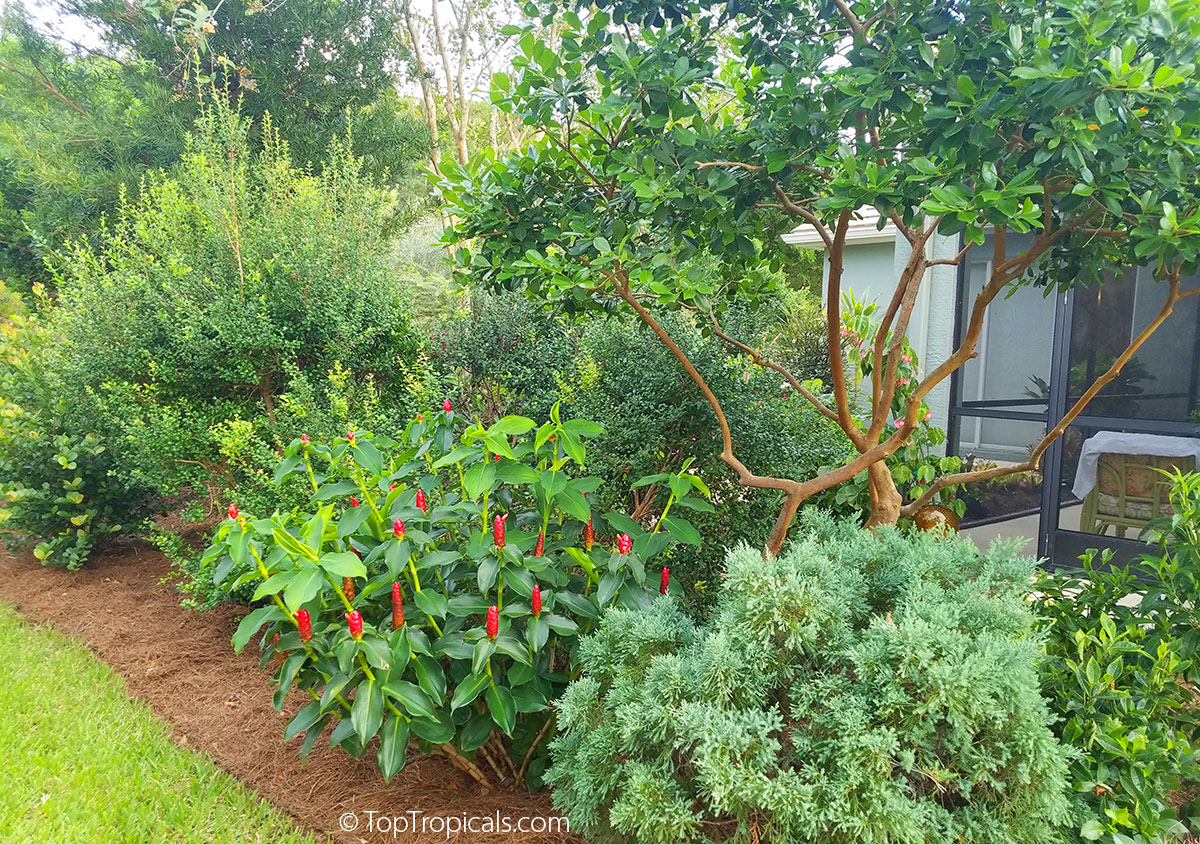
Photo above: Cattley Guava Tree is an elegant solution for small spaces. Red Button French Kiss Ginger