Garden Blog - Top Tropicals
Date: 2 Jan 2025
Seven most popular low-growing plants
for small gardens
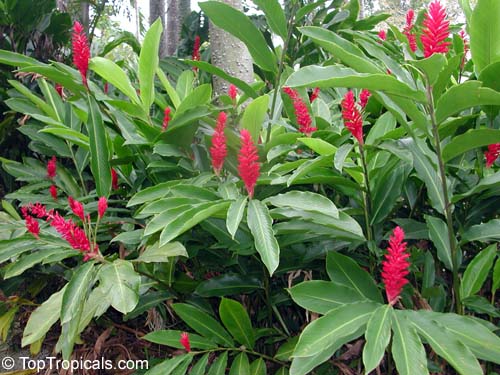
Photo above: Alpinia purpurata - Dwarf Red Cone Ginger - is a medium-growing, compact option for your garden, offering vibrant red flowers with minimal space needed. Its tropical appeal and tolerance for partial shade make it perfect for adding color without overwhelming your garden. Grows up to 4-5 ft.
Easy plants that can stay compact and short!
Q: I am looking for a few compact plants that I don't need to trim all the time. Can you recommend some low-growing pretty shrub to plant along my driveway (sun) and under an oak tree (shade)?
A: Here are a few most popular showy shrubs for you that can stay compact and require minimal if any pruning or maintenance!
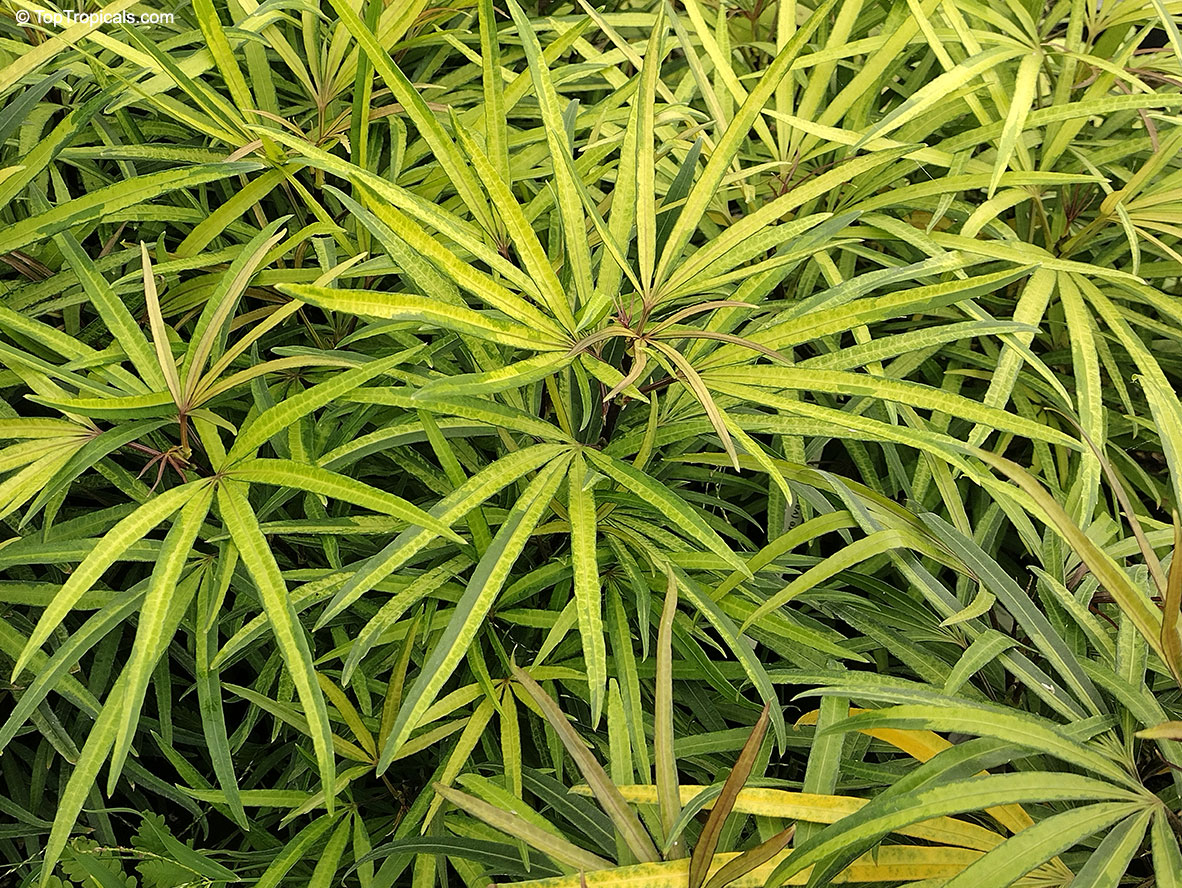
Osmoxylon lineare - variegated Miagos bush, Golden Feather - is a compact and striking shrub perfect for adding an exotic touch to a small garden or indoor space. Its hardiness and low-maintenance nature, combined with its tolerance for various light conditions, make it an ideal choice for a small, visually appealing addition to your garden. Full sun or light shade.
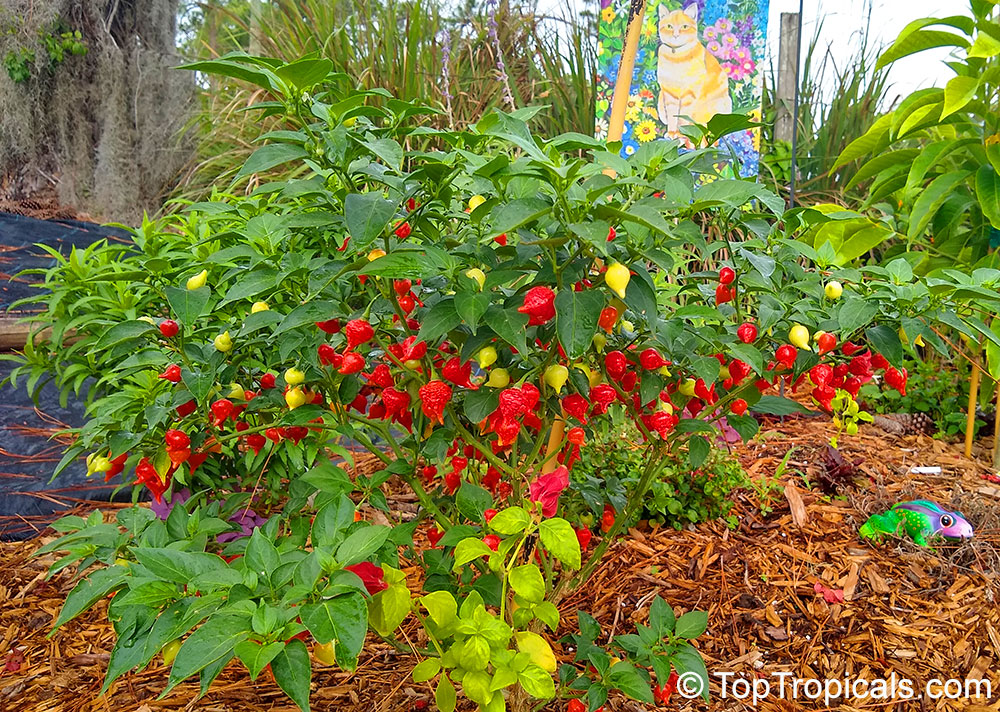
Capsicum annuum x chinense - Biquinho Pepper - amazing showy pepper, both ornamental and useful! Vibrant, compact plant that combines ornamental beauty with culinary use. Its small, bright fruits offer a burst of fruity, habanero-like flavor, making it a unique addition to any garden or kitchen, with little to no heat. Full sun: the more sun - the more peppers!
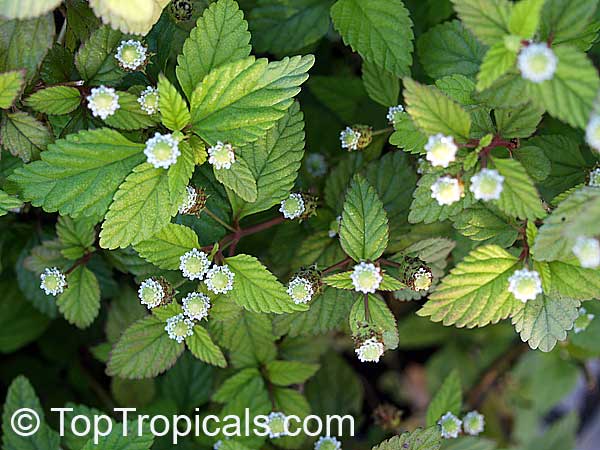
Lippia dulcis - Aztec Sweet Herb, Sweetleaf - not only showy, but also scented leaves and useful herb right at your doorstep! This fragrant, compact elegant plant adds both beauty and function to your garden. Its sweet-tasting leaves are perfect for snacking or enhancing fruit salads, while also serving as a natural remedy for colds and coughs.
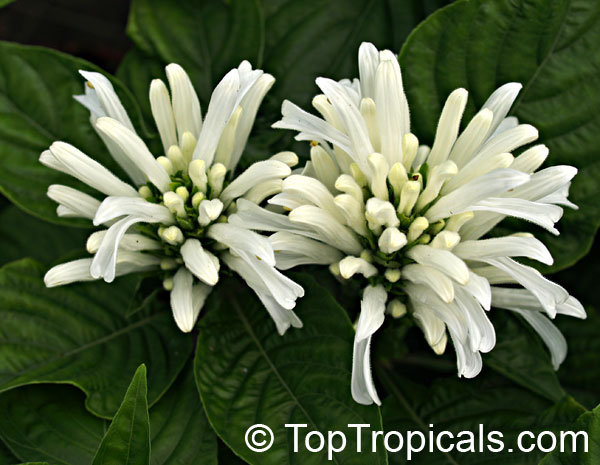
Justicia carnea Alba - White Brazilian Plume Flower is a compact, tropical beauty that thrives in full to partial sun and attracts hummingbirds and butterflies. Its stunning white flowers and lush green foliage make it a perfect choice for adding a tropical touch to your garden, and its relatively cold hardy!
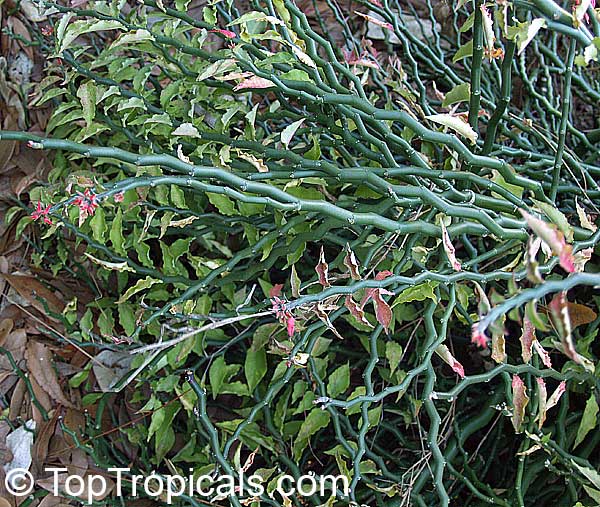
Pedilanthus tithymaloides - Devils Backbone - thrives in toughest spots! Hardy, low-maintenance plant, offering striking pink flowers and showy, unique ziz-zag foliage. Easy care requirements, full sun and minimal watering.
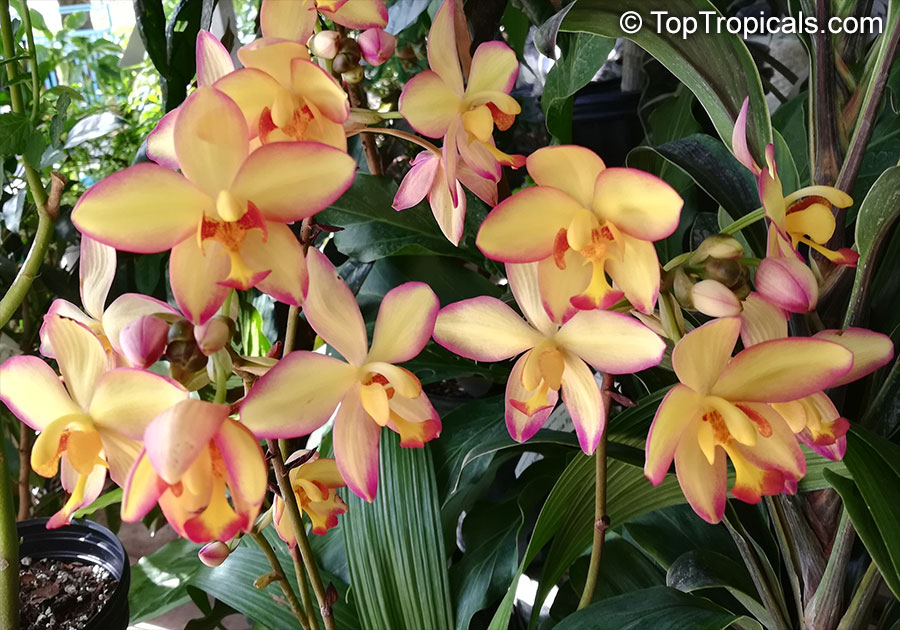
Ground orchids are a fantastic choice for exotic flower beds and colorful borders, growing just 2-3 feet tall and blooming year-round. They offer a wide selection of colors and bloom year-round. Sun or shade, they thrive in both! And yes, they grow in regular garden soil, which is why they are also called Terrestrial Orchids.
Date: 2 Jan 2025
New Year with New Plants:
Choose from 17 Tropical Paradise Resolutions!
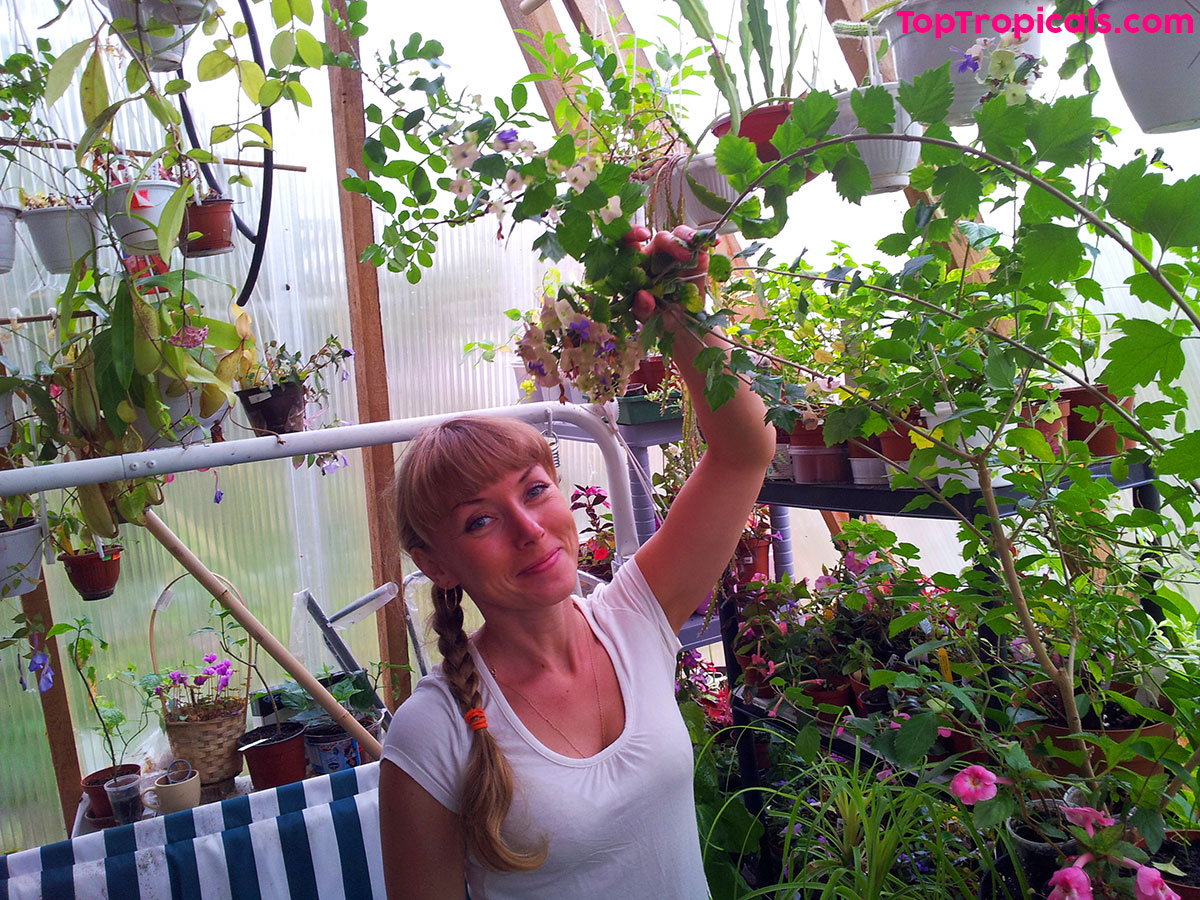
"A garden is never so good as it will be next year..." - Thomas Cooper.
Happy New Year, dear fellow gardeners! As we step into a fresh new year, it's the perfect time to think about what exciting, special, and life-changing plants we can add to our gardens. The days are getting longer, and spring is just around the corner, so now's the time to make a plan and prepare for the season ahead. Let's take small steps each year to create the garden of our dreams. This winter, consider these fun resolutions:
- Hang a bird feeder and install a rain barrel
- Order some tropical plant seeds for an early start
- Ask your grandparents about their favorite garden plants
- Build a raised bed for succulents
- Plant a fruit tree or two to have some crop this year
- Start a compost pile
- Switch to organic fertilizers and plant boosters
- Fill empty spaces with flowering trees, shrubs, and vines
- Add butterfly attractors to your garden
- Provide water for bees and butterflies to help them thrive and pollinate your fruit trees
- Get a bonsai starter to try bonsai art
- Enjoy meals outside as often as you can
- Teach a child how to plant a tree
- Plant berry-bearing shrubs like Tropical Cherries to feed the birds
- Rake up leaves for winter mulch
- Add a few exotic plants to your indoor collection or container garden
- Share plants as gifts all year long
Happy gardening in 2025!
Date: 30 Dec 2024
2025:
The Year of the Green Wood Snake
A Time for Wisdom, Growth, and Renewal

Are You Ready to Transform?
Q: What does the new year 2025 offer in horoscope? And what are the lucky plants for the New Year 2025?
A: On January 29th, 2025, Asia ushers in the Lunar New Year of the Green Wood Snake, a symbol of wisdom, transformation, and creativity. This isn't just any snake year; it's one filled with the potential for significant personal and communal evolution.
What Makes the Snake So Special?
In Chinese astrology, the Snake is known for its intelligence, elegance,
and quiet strength, paired with the Wood element to foster creativity and
flexibility in 2025. Are you ready to shed old habits and embrace new
possibilities?
What Does It Mean to Be Born in the Year of the Snake?
Those born under the Snake sign are intelligent, creative, and determined,
often thriving under pressure. This year offers them a special opportunity to
leverage their talents fully.
How Can the Snake Inspire You?
The Snake's ability to solve problems and adapt to changes encourages us to
face life's challenges with grace. What will you shed this year to reveal
your best self?
What Can We Learn from Snake Myths?
The legend of Nuwa, the goddess who embodies creation and balance, teaches
us about renewal and harmony. How will you harness this energy in 2025?
Why Is 2025 Perfect for Growing Something New?
The Wood Green Snake, as the Patroness of Plants, makes 2025 an ideal year
for gardening and embracing nature. What will you grow this year?
How Can You Blossom in 2025?
This year encourages personal growth, healthier habits, and creativity.
What steps will you take to thrive?
Are You Ready to Embrace the Possibilities?
2025 invites you to grow, create, and transform. Follow the Snake's lead
and make it a year to remember. What will you achieve in the Year of the Green
Wood Snake?
What are Snake's lucky plants and your lucky plants for the New Year
2025?
Find out now! Check out the lucky plants especially for you, depending
on the year you were born:

Date: 29 Dec 2024
Carefree
Garden:
How easy is it to grow a Papaya tree?

Q: What is the easiest to grow fruit tree? It must tolerate, heat, rains, and hurricanes! I live in Florida.
A: Papaya is the easiest to grow fruit tree. In our garden in Florida, newly planted Papaya trees survived several hurricanes, frosts, drought and heat, and keep producing year around!
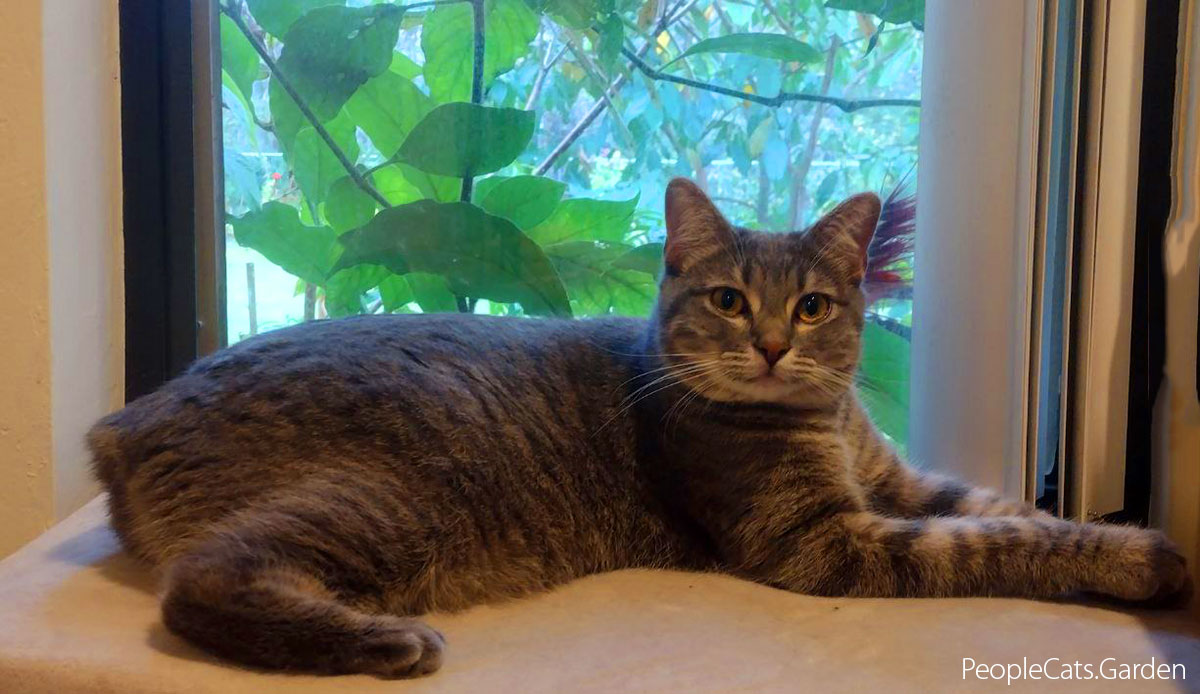
We all enjoy eating Papaya fruit every day. It is great for digestion and is a perfect naturally sweet, healthy snack. Even our PeopleCats love Papaya. Check out this short video how our cat Cash is begging for his daily Papaya treat!

Why do we love Papaya? Fun facts about Papaya:
Not a tree: Papaya is technically a giant herb with a single, straight trunk that can grow up to 30 feet tall.
Gender flexible: Papaya plants can change their gender based on environmental conditions. This complex mechanism ensures better adaptability.
Cold and wind resistant: Papayas can withstand light freezes and strong winds, making them surprisingly hardy for a tropical plant.
Solo cultivars: These smaller, round or oval papayas are incredibly sweet and less susceptible to fruit flies.
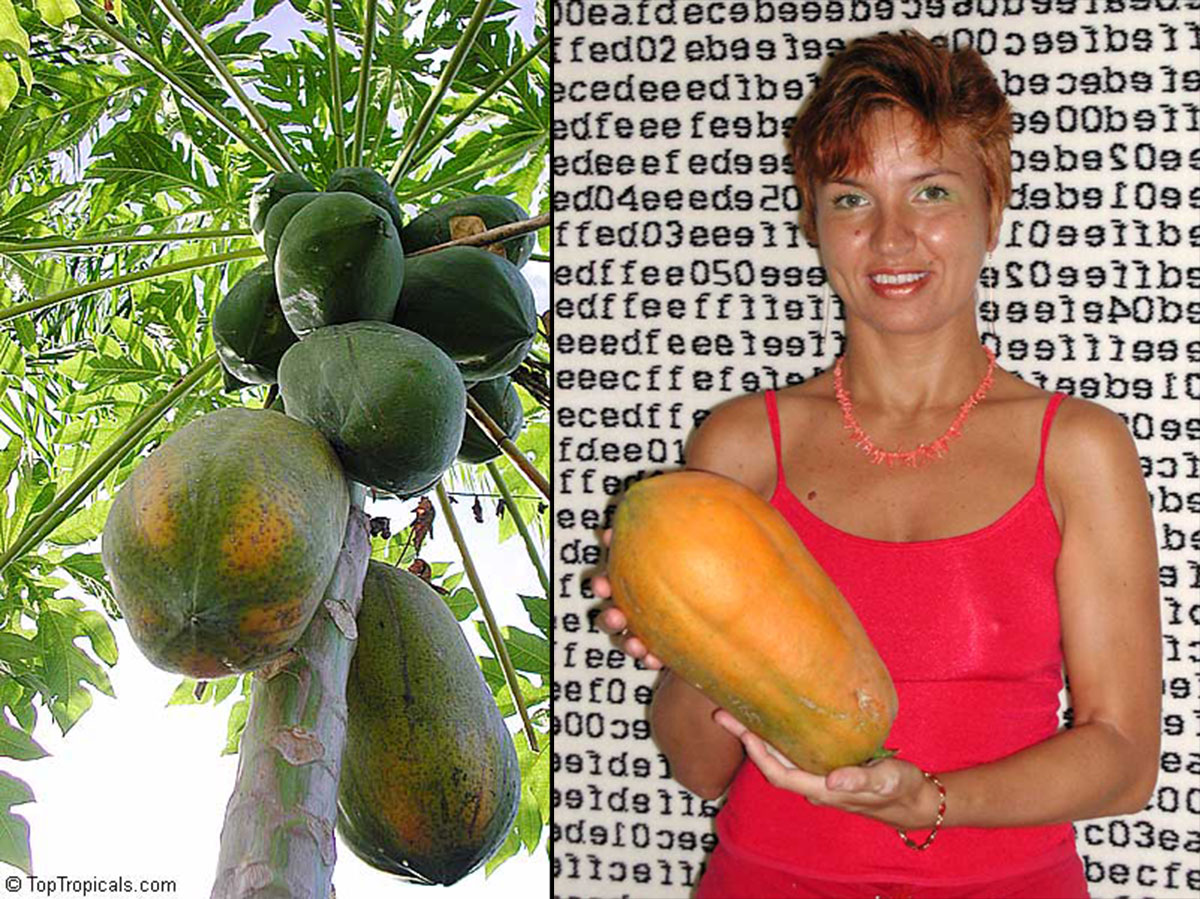
How to grow a Papaya Tree: Practical Guide
Papaya is one of the fastest fruiting plants to grow. Often starting production the same year from planting a seed, papayas are ideal for gardeners seeking quick rewards. Many dwarf varieties reach only 6-8 feet tall, yet produce large crops of full-sized fruit that are easy to harvest. Papaya trees are space-efficient, making it possible to plant multiple trees in even small gardens. Plant 2-3 different cultivars to enjoy year-round harvests of healthy, delicious fruit.
How Easy Are Papaya Trees to Grow?
Papaya trees are exceptionally easy to grow. Technically a large herbaceous
plant rather than a true tree, they are resilient and adaptable. They can
tolerate light freezes and even hurricane winds without significant damage.
Additionally, many varieties are self-fertile, but planting multiple trees
encourages better pollination and higher yields.
What Light Levels and Soil Types Are Ideal?
Papayas thrive in full sunlight, so choose a sunny spot in your garden or
balcony. They prefer well-draining, fertile soil enriched with organic matter.
Add compost or manure to improve soil quality and ensure healthy growth.
Avoid waterlogged areas as papayas are sensitive to standing water.
How Much Watering Is Required?
Papayas need some watering to thrive, especially during the growing and
fruiting seasons. Water deeply once or twice a week, depending on your climate,
ensuring the soil remains moist but not waterlogged. Mulching around the base
helps retain moisture and regulate soil temperature.
Growing Papayas in Containers
Papayas can be successfully grown in large containers, making them ideal
for gardeners in cooler regions or those with limited space. Choose a container
at least 7 gallons in size with good drainage. Use a rich, well-draining
potting mix, and place the container in a sunny location. Select dwarf varieties
to keep the plant manageable and productive.
Health Benefits of Papaya
Papaya is considered a superfood due to its high nutritional value. Rich in
the enzyme papain, it aids digestion and promotes gut health. Papaya is also
an excellent source of vitamins A, C, and E, as well as antioxidants that
boost immunity and overall wellness. Additionally, papaya leaves can be used as
wraps for cooking meats, naturally tenderizing them.
Papayas are a low-maintenance, high-reward addition to a Southern garden or greenhouse collection, whether in the ground or in a container. Their fast growth, year-round fruiting potential, and health benefits make them a must-have for gardeners and fruit enthusiasts alike.
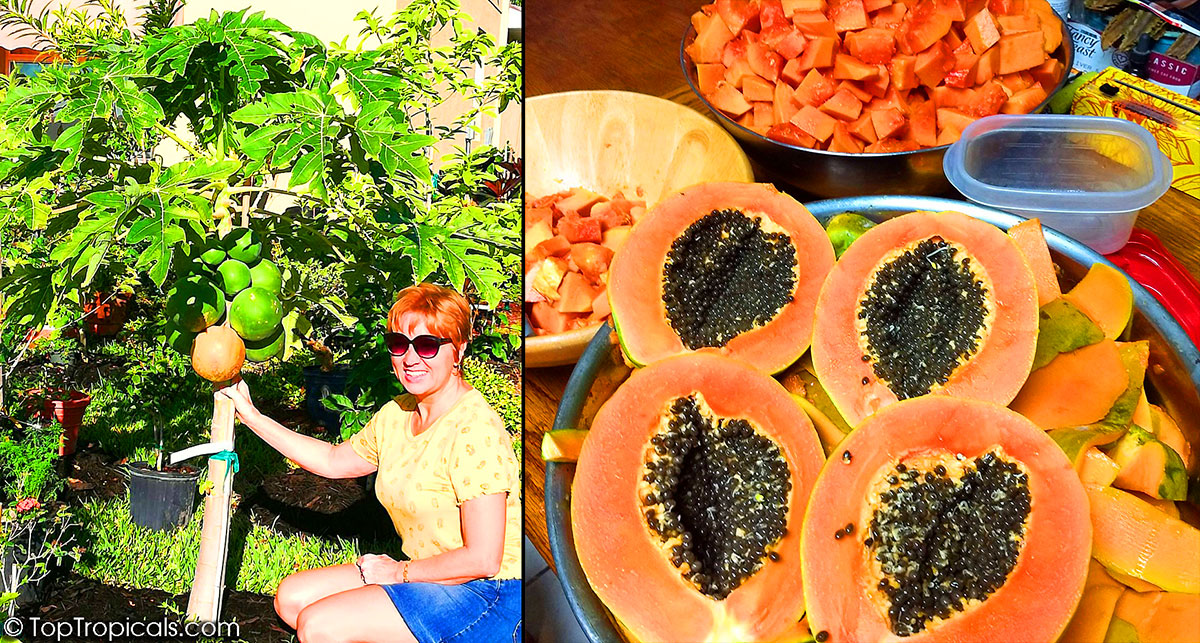
Photo above: For small gardens, limited space, or container culture, choose dwarf varieties that remain compact and short (5-8 ft tall) while producing a tremendous amount of fruit! Most productive dwarf varieties: Red Vietnam, Lady Red, TR Hovey, Wan Deng. Semi-dwarf: Waimanalo, Sunrise.