Date: 7 Aug 2025
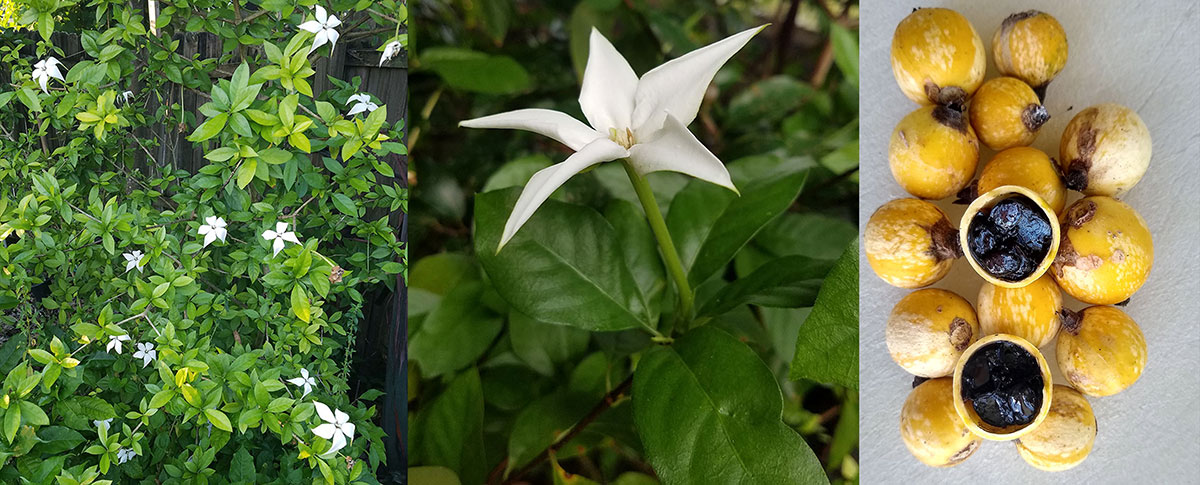
Randia formosa - Blackberry Jam Fruit Tree with Flowers and Ripe Fruit
You know how some plants just surprise you?
That's Randia formosa - the Blackberry Jam Fruit Tree. At first, it just looks like a cute little gardenia-type shrub. Glossy leaves, sweet white flowers. Nice enough. But then the fruit shows up… and you crack one open and go, “Wait - this tastes like jam?!”
And not just any jam - like real, fresh blackberry jam. No sugar, no cooking. Just soft black pulp inside this golden little fruit. It's weirdly satisfying. One of those things you make everyone taste just to see their face.
What's even cooler is how easy it is. This thing starts blooming and fruiting when it's barely 2 feet tall. You can grow it in a pot on your porch, or even inside if it gets enough light. And while most of your other plants take the winter off, this one keeps going - flowers, fruit, the whole show.
If you've got a spot with filtered light and a little curiosity, it's absolutely worth a try. Honestly, it's just… fun.
This rare South American evergreen shrub checks all the boxes: fragrant, compact, easy, and edible.
✅ Grows in pots ✅ Indoors ✅ Small yards
Randia formosa – Blackberry Jam Fruit Tree – FAQ
What is Randia formosa?
Randia formosa, also known as Blackberry Jam Fruit or Jasmin de Rosa, is a compact tropical shrub that produces fragrant white flowers and small yellow fruits filled with soft, black pulp that tastes remarkably like blackberry jam. It belongs to the Rubiaceae family, the same as Gardenia and Coffea.
Why gardeners love Randia
- Delicious jam-flavored fruit – no sugar needed.
- Compact grower – perfect for patios and indoor spaces.
- Fast results – blooms and fruits within 1–1.5 years.
- Big yield in a small pot – 25–30 fruits at once!
- Fall–Winter performer – keeps going when others stop.
- Kid favorite – fun to grow, fun to eat.
What does the fruit taste like?
The pulp inside the fruit tastes just like fresh blackberry jam - sweet, tangy, and rich. It is edible fresh, without any processing or sweeteners, and is loved by both kids and adults.
How big does the plant get?
In the ground, Randia formosa typically reaches 4 to 5 feet tall. In containers, it usually stays smaller, around 3 to 4 feet, making it perfect for small gardens, patios, or indoor growing.
How soon will it fruit?
Very quickly! This is one of the fastest fruiting tropicals. Plants begin to flower and produce fruit within two years from seed. Еstablished plants in 3 gallon containers may begin fruiting at just 2 feet tall.
Does it need full sun?
No. It actually prefers filtered light or partial shade, especially in hot climates. Leaves tend to look healthier and greener when grown in dappled light.
Can I grow Randia formosa indoors?
Yes! Its compact size and shade tolerance make it an excellent choice for bright indoor spaces. Just be sure to provide good air circulation, high humidity if possible, and avoid cold drafts.
How cold-hardy is it?
Mature plants can tolerate temperatures down to about 26F for short period of time, but young plants are more sensitive and should be protected from frost. It is best grown outdoors in USDA zones 9b and up or kept as a container plant that can be brought indoors in winter.
What kind of soil does it need?
Randia formosa requires acidic, well-draining soil. Avoid alkaline soils, which may cause leaf chlorosis (yellowing with green veins).
How often should I water it?
Keep soil evenly moist but not soggy. It is sensitive to overwatering, especially in cooler weather. During winter, reduce watering. Underwatering may cause sudden leaf drop - but the plant usually recovers quickly once watered again.
What fertilizer does it need?
Yes. Use a slow-release fertilizer formulated for acid-loving plants. Regular applications of micronutrients (especially iron and magnesium) help prevent chlorosis. Foliar sprays can also be helpful. Apply Sunshine C-Cibus Booster or Green Magic controlled release fertilizer to keep your plant happy: Blackberry Jam Fruit is a heavy feeder!
When does it flower and fruit?
This plant can bloom and fruit for several months, often from summer through winter. It is known to bloom off-season, making it a fun and productive plant when others are dormant.
Are the flowers fragrant?
Yes, the white star-shaped tubular flowers have a light, sweet fragrance, similar to gardenias but less intense. The flowers open at night.
Is it self-pollinating?
Yes. A single plant can set fruit on its own, although insect activity can improve fruit set.
Are there any common problems?
The most common issue is chlorosis, which shows up as yellowing leaves with green veins - usually due to overwatering, poor drainage, or alkaline soil. It's fixable with acidification and micronutrients. The plant may also drop leaves suddenly if underwatered but tends to bounce back.
Is this plant related to Gardenia?
Yes. It is in the same plant family (Rubiaceae) as Gardenia and Coffee. That's why the flowers look similar and why it tolerates similar care needs.
Can it be used for bonsai or miniature tree styling?
Yes, due to its slow growth and branching habit, Randia formosa can be shaped into a miniature tree form and is quite attractive when trained.
Is it drought-tolerant?
Once established, it shows moderate drought tolerance. However, young plants need regular watering and are more vulnerable to drying out.
Date: 1 Feb 2025
The magic number
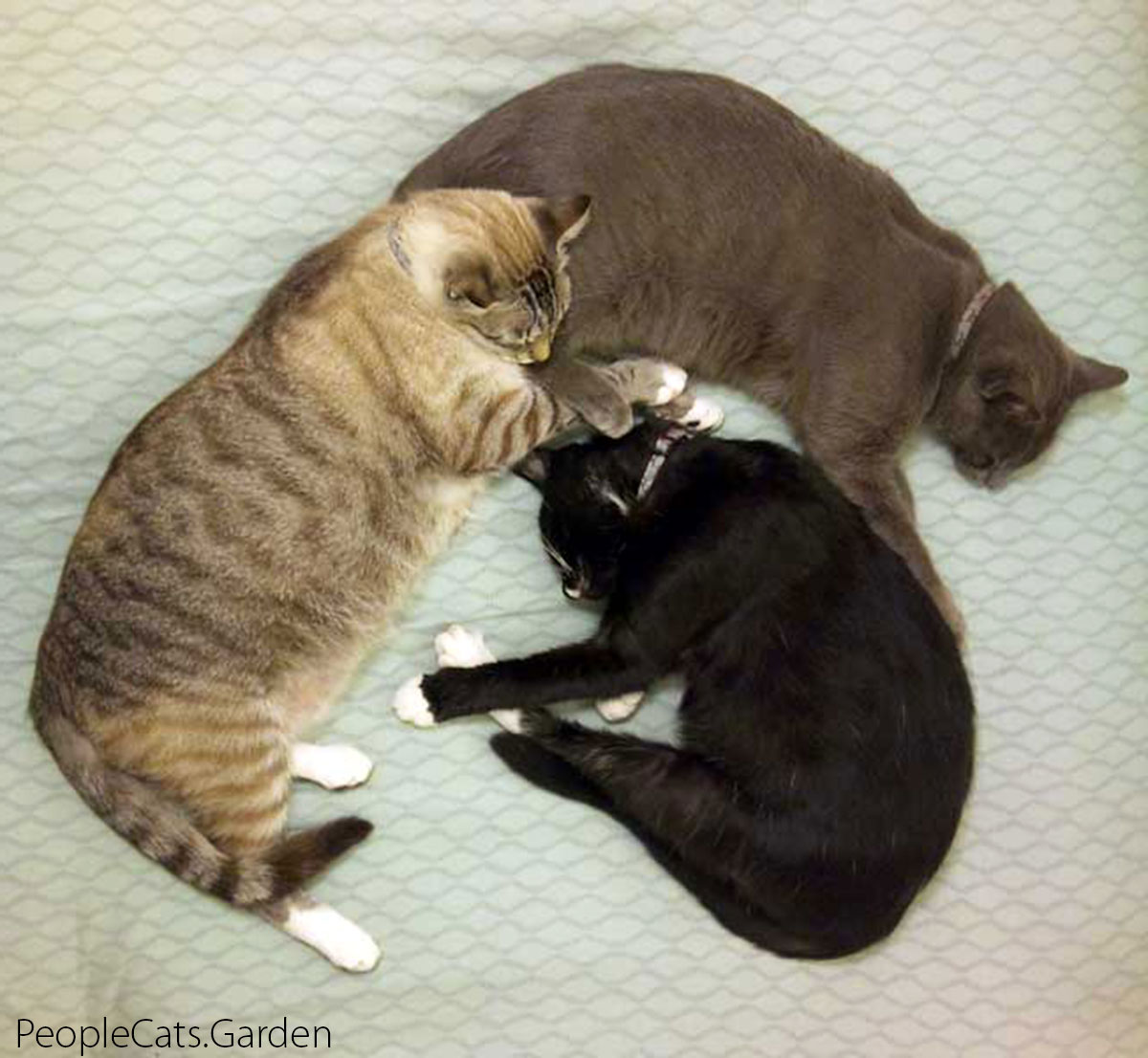
🍑🍑🍑 The magic number
"Good things come in threes, for three is the magic number" - Tom Waits
🔠 PeopleCats.Garden
#PeopleCats #Quotes
🔴 Join 👉 TopTropicals
Date: 16 Jun 2023
10 tips how to care of tropical
garden
during hot Summer
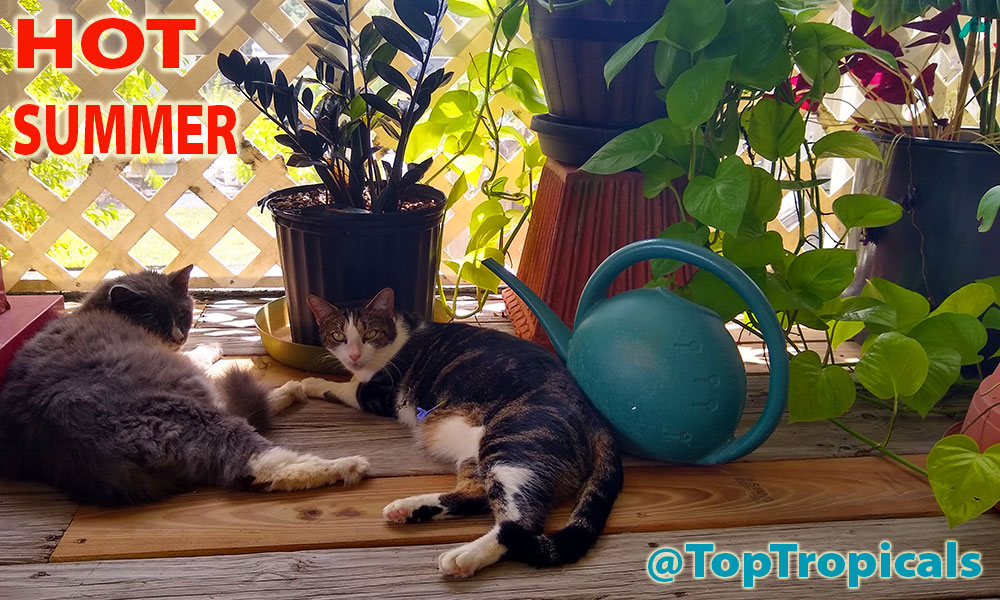
Q: Do you have any special recommendations how to take care of plants during hot season, to reduce heat strees?
A: Tropical plants prefer temperatures of 70-90F, except for heat-adapted desert plants. High temperatures above 90F can cause slowed metabolism and signs of stress like wilting, yellowing, and leaf drop. Hot and humid conditions attract pests and fungal diseases. To keep your plants stress-free and healthy, during Summer:
1. Monitor temperature and signs of stress.
2. Provide shade to regulate heat exposure: use shade cloth or simply a sheet of fabric as needed to protect lush foliage from burns.
3. Choose heat-tolerant plant varieties.
4. Plant in groups and levels, with trees protecting smaller shade loving plants (see companion planting).
5. Water deeply in the morning or evening to prevent evaporation.
6. Mulch to conserve moisture and regulate soil temperature.
7. Air: ensure good air circulation.
8. Trim damaged foliage and crowded branches.
9. Fertilize: use appropriate fertilization to improve plant heat tolerance. Remember, plants need lots of food during active growth period.
10. Remove weeds, pests, and diseases promptly.
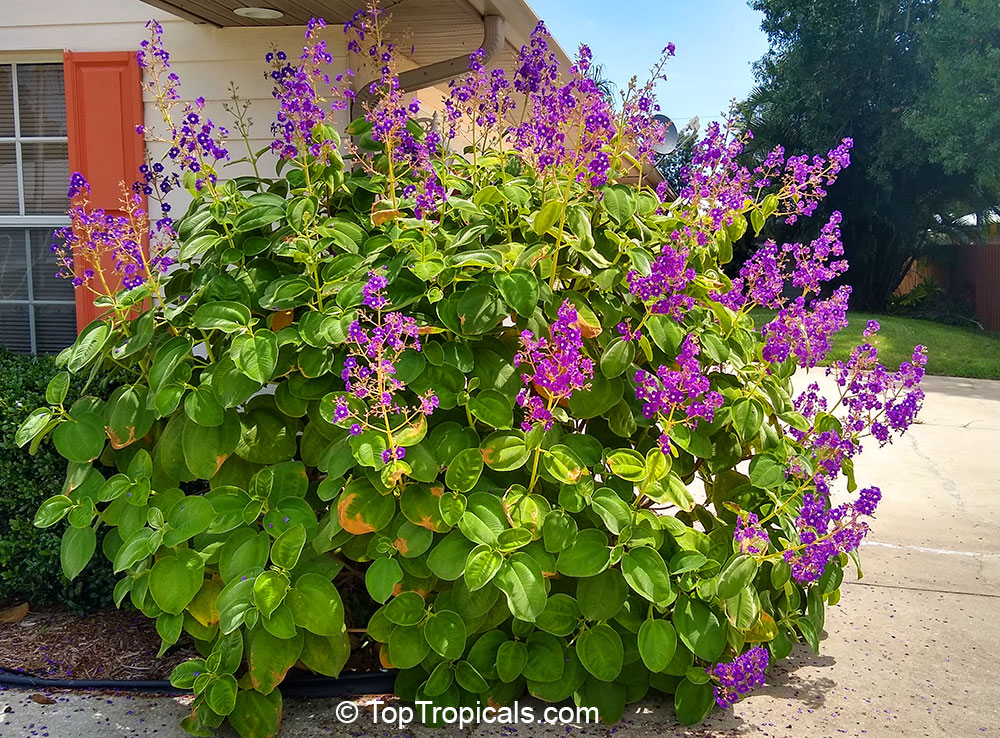
In the photo: Tibouchina multiflora
Date: 8 Jun 2023
Repotting tropical plants
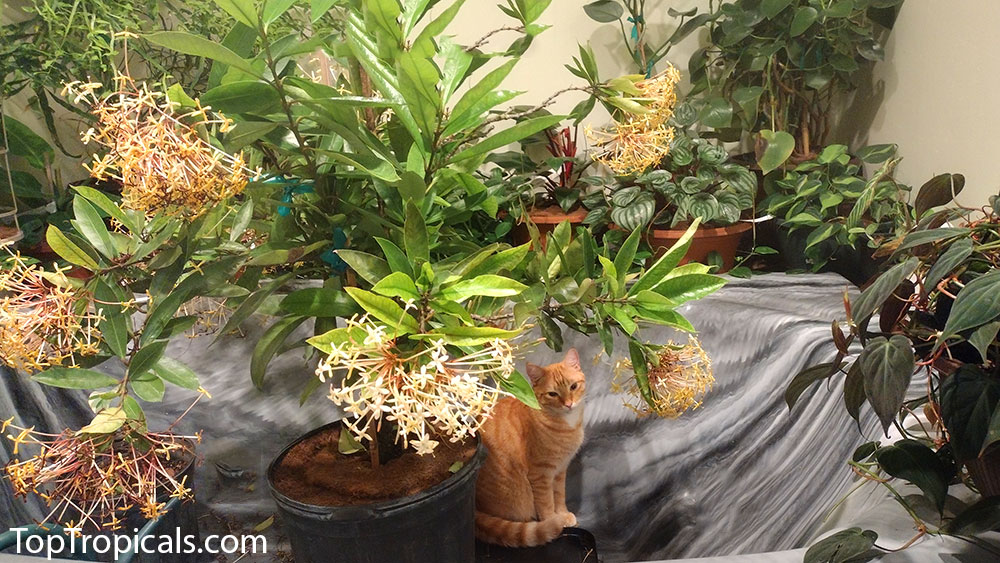
By Alex Butova, the Witch of Herbs and Cats
Q: When is the best time to repot tropical plants?
A: Repotting tropical plants is vital for their overall health and growth. The best time to repot them is during the Spring through early Summer, when they start active growth.
Start by selecting a well-draining soil mix that consists of equal parts potting soil, peat moss, and perlite. Gather the necessary supplies, including a slightly larger pot, the soil mix, and a good fertilizer
Carefully remove the plant from its current pot, trim any damaged branches, and place it in the new pot with fresh soil mix. Be sure to position the plant with the growth point slightly above the soil level. Water the plant thoroughly but avoid overwatering. After repotting, find an appropriate location with suitable lighting conditions for your plant. Monitor the moisture levels and water when the top inch of the soil feels dry.
Additionally, apply the appropriate Sunshine Boosters fertilizer according to the instructions on the packaging. Use Sunshine Boosters fertilizers for specific plant needs (Robusta for foliage, Megaflor for flowering, Ananas for pineapples, etc.). It is safe to apply Sunshine Boosters all year around. Keep a close eye on the plant for any signs of stress or issues and adjust your care routine as needed. Help the plant to cope with stress by spraying with solution of Sunshine Epi.
Enjoy the beauty of your thriving indoor tropical garden!
Date: 21 Dec 2022
Heat [Cat] Pack for Winter shipping
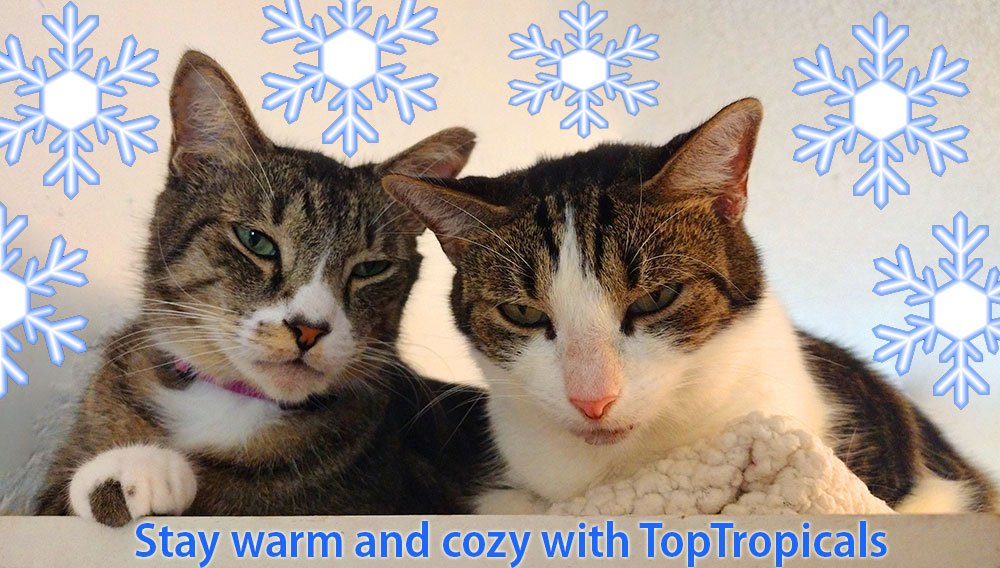
In the photo: James Coconuts and Riki are purrfectly hot People!
Not too warm on the way to your home? No problem! Heat Pack will help your plants to have a safe and warm trip from Top
Tropicals to your house.

Heat Pack maintains warm temperature while shipping, and is good for 20+ hours. It is a must if temperature drops below 40F in your area. Large orders require 2-3 packs. When ordering large 3-7 gal size plants (especially sensitive ultra-tropical plants), you may need 1 pack per plant. Contact us for more information on particular species.
Alternatively, we can
include a warm cat!
(subject to limited supply)