Garden Blog - Top Tropicals

Date: 1 Aug 2023

Yuca Fries Recipe

Food from your garden
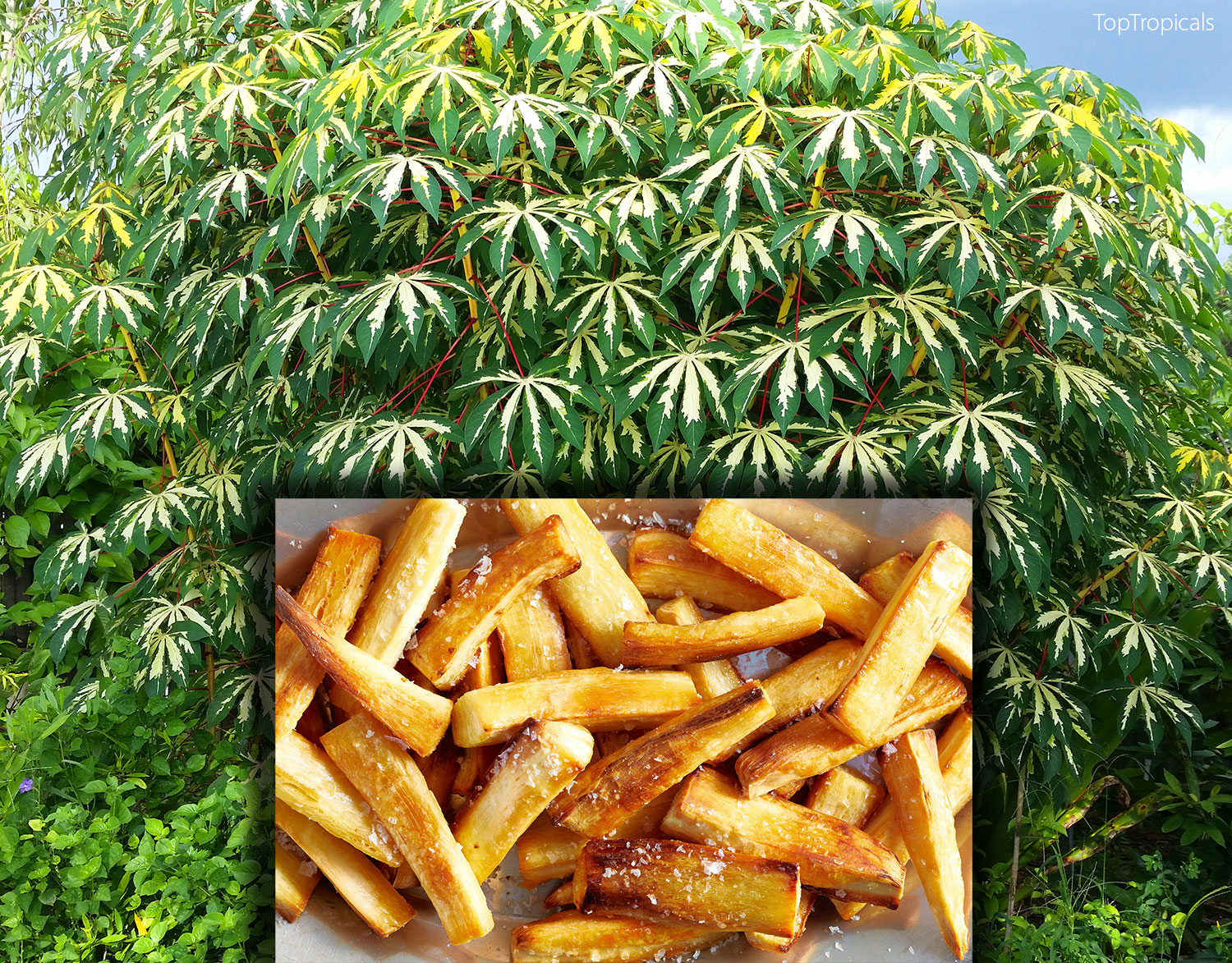
Yuca  root  fries  recipe

Ingredients:

1 medium-sized Yuca Root
2 tablespoons olive oil
Salt, to taste
Optional: spices or herbs of your choice (paprika, garlic powder, cayenne pepper, etc.)

Instructions:

Prep the Yuca: Peel the Yuca root with a sharp knife and remove any fibrous parts. Cut the Yuca into evenly sized sticks or fries.

Boil the Yuca: Bring a pot of salted water to a boil and add the Yuca fries. Cook for about 10-15 minutes until the fries become tender but not mushy. You should be able to pierce them easily with a fork.

Drain and Cool: Drain the boiled Yuca fries and let them cool for a few minutes. Preheat your oven to 425F during this time.

Seasoning: Toss the slightly cooled Yuca fries in olive oil, ensuring they are evenly coated. Add a pinch of salt and any additional spices or herbs you prefer for added flavor.

Baking: Arrange the seasoned Yuca fries in a single layer on a baking sheet lined with parchment paper or aluminum foil.

Bake: Place the baking sheet in the preheated oven and bake the Yuca fries for about 25-30 minutes, flipping them halfway through to ensure even browning.

Serve: Once they turn golden and crispy on the outside, take the Yuca fries out of the oven. Serve them hot as a delicious and unique alternative to regular fries. You can enjoy them as a side dish with your favorite dipping sauce or as a snack on their own.

These Yuca fries are not only tasty but also a great way to introduce friends and family to this delightful tropical root vegetable! Enjoy your yuca-culinary adventure!
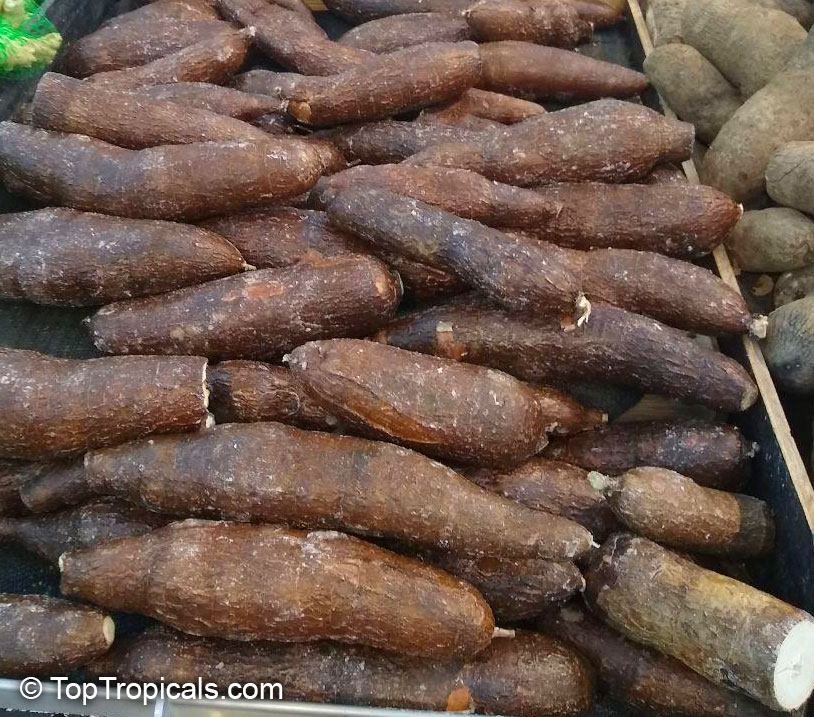
Manihot  esculenta,  Yuca  Root,  roots

Date: 20 Oct 2023

Prepare your plants for Winter with Sunshine Boosters

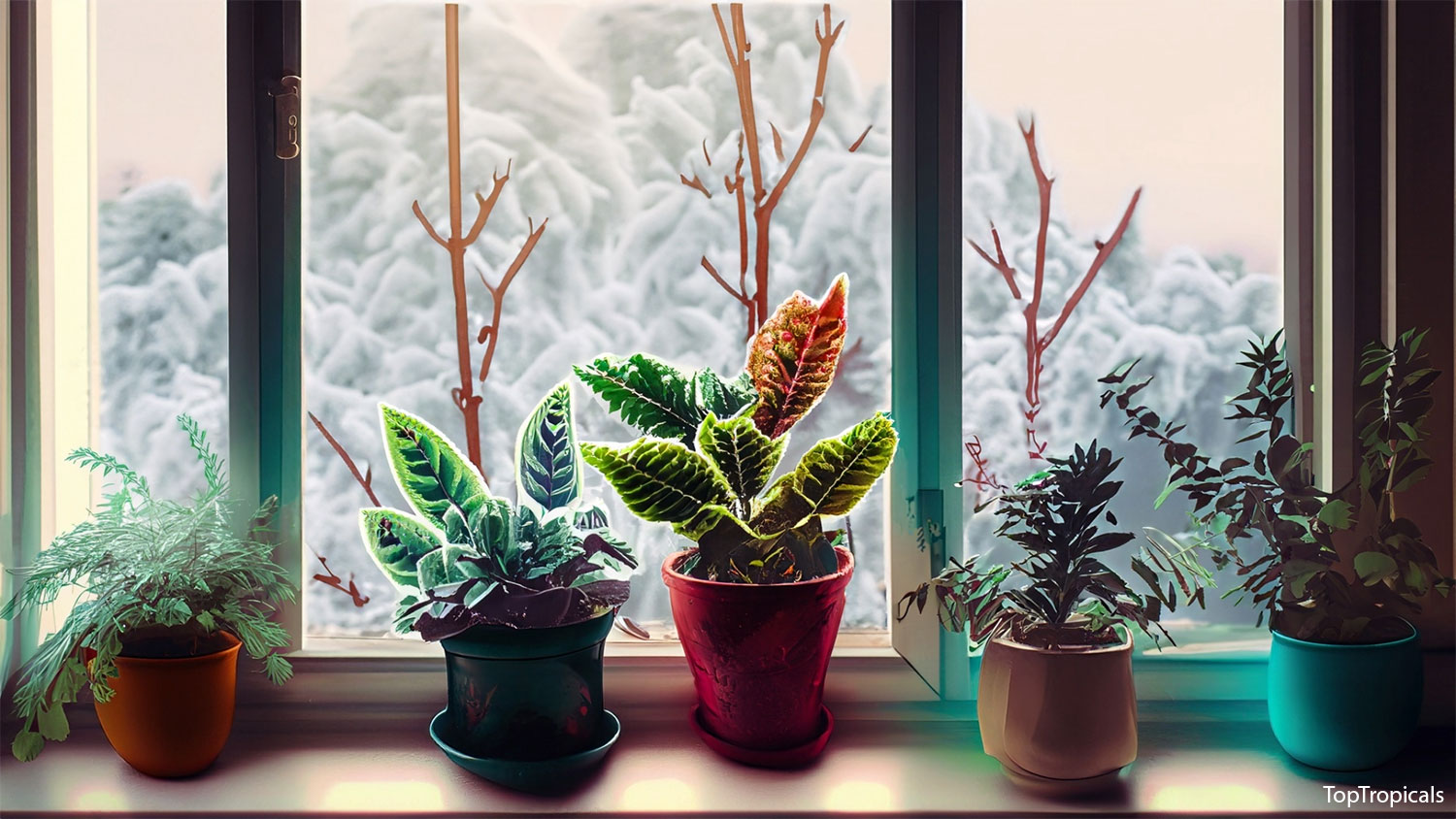
Tropical  Plants  on  Winter  Windowsill

We usually stop using dry slow-release fertilizers from November to March. However, liquid Sunshine Boosters, which are natural plant food, can be used all year. They help your plants survive winter. When it gets colder, we water less, so the fertilizer decreases too. The plants only use what they need. To learn more about how Sunshine Boosters work and why they're safe and helpful, check out this blog: Using Sunshine Booster during Winter.

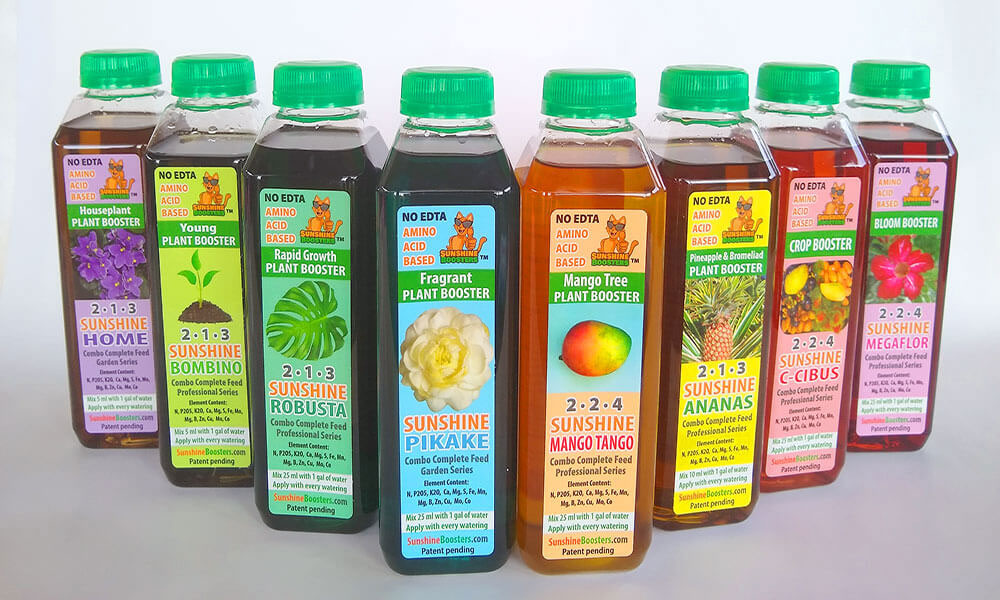
Sunshine  boosters  formulas

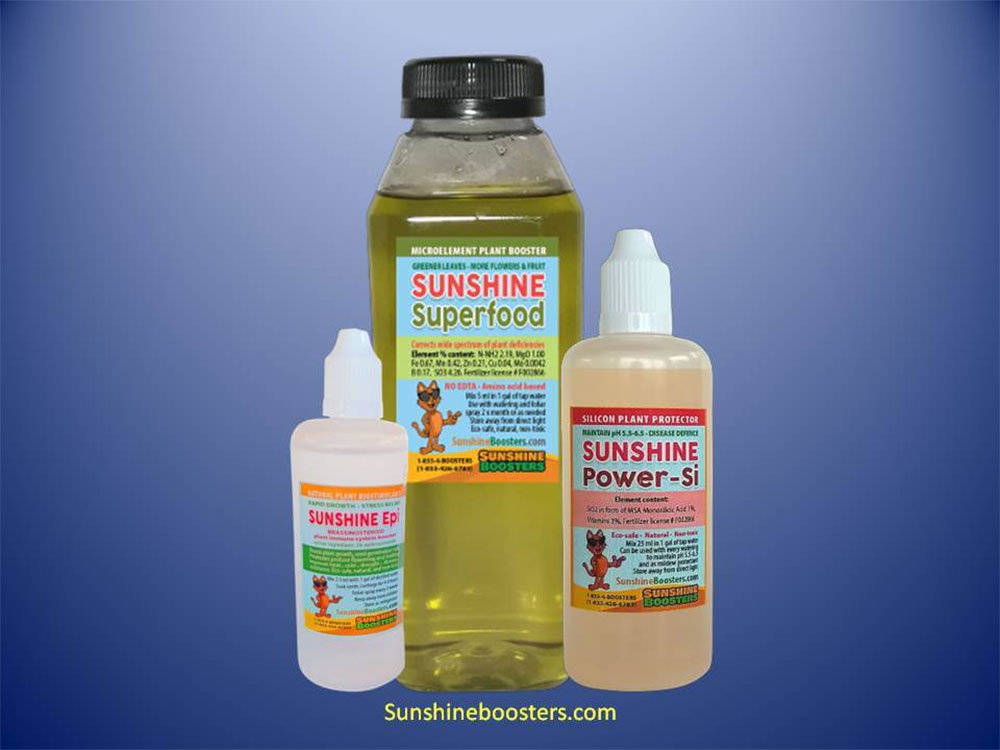
Apart from giving your plants nutrients during winter, you also can improve their ability to handle the cold. Try the Sunshine Boosters supplement kit for tropical plants. Follow the schedule and use three different supplements: SUNSHINE Superfood, SUNSHINE Epi, and SUNSHINE-Power-Si. Read more about treatment with Sunshine boosters supplement kit.

Sunshine  boosters  supplement  kit

Sunshine  boosters  supplement  kit

Date: 1 Mar 2025

Flowers and cats

💯 Flowers and cats


“I take care of my flowers and my cats. And enjoy food. And that’s living.” - Ursula Andress

🔠 PeopleCats.Garden 
#PeopleCats #Quotes

🔴 Join 👉 TopTropicals

Date: 16 Jun 2023

10 tips how to care of tropical garden
during hot Summer

Cats  in  shade  of  tropical  plants

Q: Do you have any special recommendations how to take care of plants during hot season, to reduce heat strees?

A: Tropical plants prefer temperatures of 70-90F, except for heat-adapted desert plants. High temperatures above 90F can cause slowed metabolism and signs of stress like wilting, yellowing, and leaf drop. Hot and humid conditions attract pests and fungal diseases. To keep your plants stress-free and healthy, during Summer:

1. Monitor temperature and signs of stress.
2. Provide shade to regulate heat exposure: use shade cloth or simply a sheet of fabric as needed to protect lush foliage from burns.
3. Choose heat-tolerant plant varieties.
4. Plant in groups and levels, with trees protecting smaller shade loving plants (see companion planting).
5. Water deeply in the morning or evening to prevent evaporation.
6. Mulch to conserve moisture and regulate soil temperature.
7. Air: ensure good air circulation.
8. Trim damaged foliage and crowded branches.
9. Fertilize: use appropriate fertilization to improve plant heat tolerance. Remember, plants need lots of food during active growth period.
10. Remove weeds, pests, and diseases promptly.

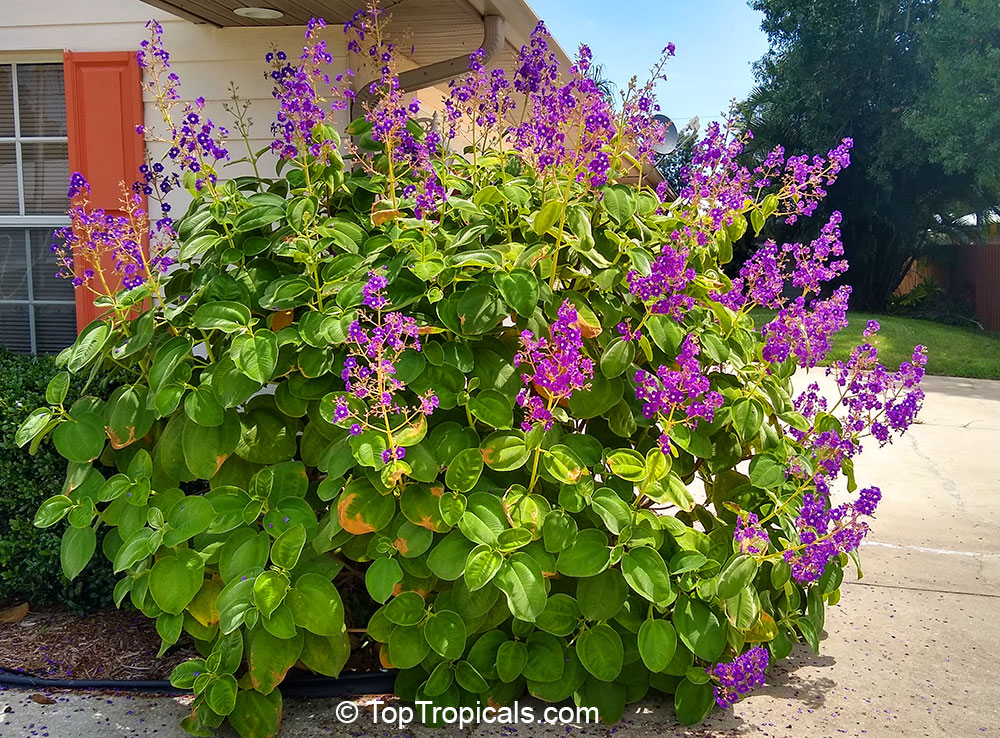
Tibouchina  multiflora  (grandifolia)  -  Glory  bush,  Quaresmeira

In the photo: Tibouchina multiflora (grandifolia) - Glory bush, Quaresmeira, one of the most impressive flowering plants for tropical gardens, with impressive, large velvet leaves and beautiful purple flowers. It blooms in both sun or shade!

Date: 10 Nov 2022

Fertilizing indoor plants in Winter

Sunshine  boosters  for  indoor  palnts

What is the best fertilizer for indoor plants?
Can I fertilize house plants in Winter?

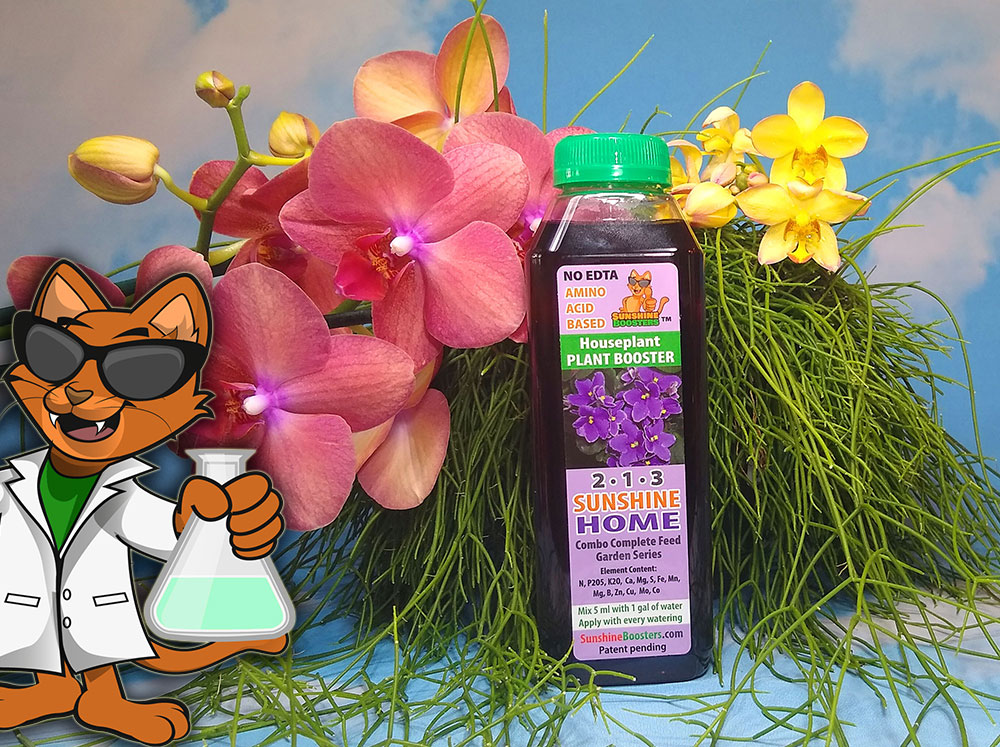
The best fertilizer for indoor plants is liquid fertilizer Sunshine Boosters (TM). It is amino-acid based, natural, and is safe to use with every watering and year around. Unlike dry fertilizers that are not recommended to use during Winter, Sunshine Boosters formula is mild and scientifically balanced. Your houseplants will consume exactly as much nutrients as they need even during cooler months of less active growth. Sunshine boosters will not burn roots and won't create nutrient lockup (excessive salts that often caused by dry fertilizers). Sunshine Boosters is a perfect food for all kinds of plants, and different boosters available for different plant types (flowering, fruiting, even for orchids). Check out Sunshine Boosters selection.

Arundina  graminifolia  -  Bamboo  Orchid,  Bird  Ground  Orchid

Grow Purple! In the photo: Arundina graminifolia - Bamboo Orchid, Bird Ground Orchid - Winter flowering orchid that grows in regular soil. These plants are in bloom right now, picture taken this week!