🔥 Blazing into the 2026 with hot jasmines
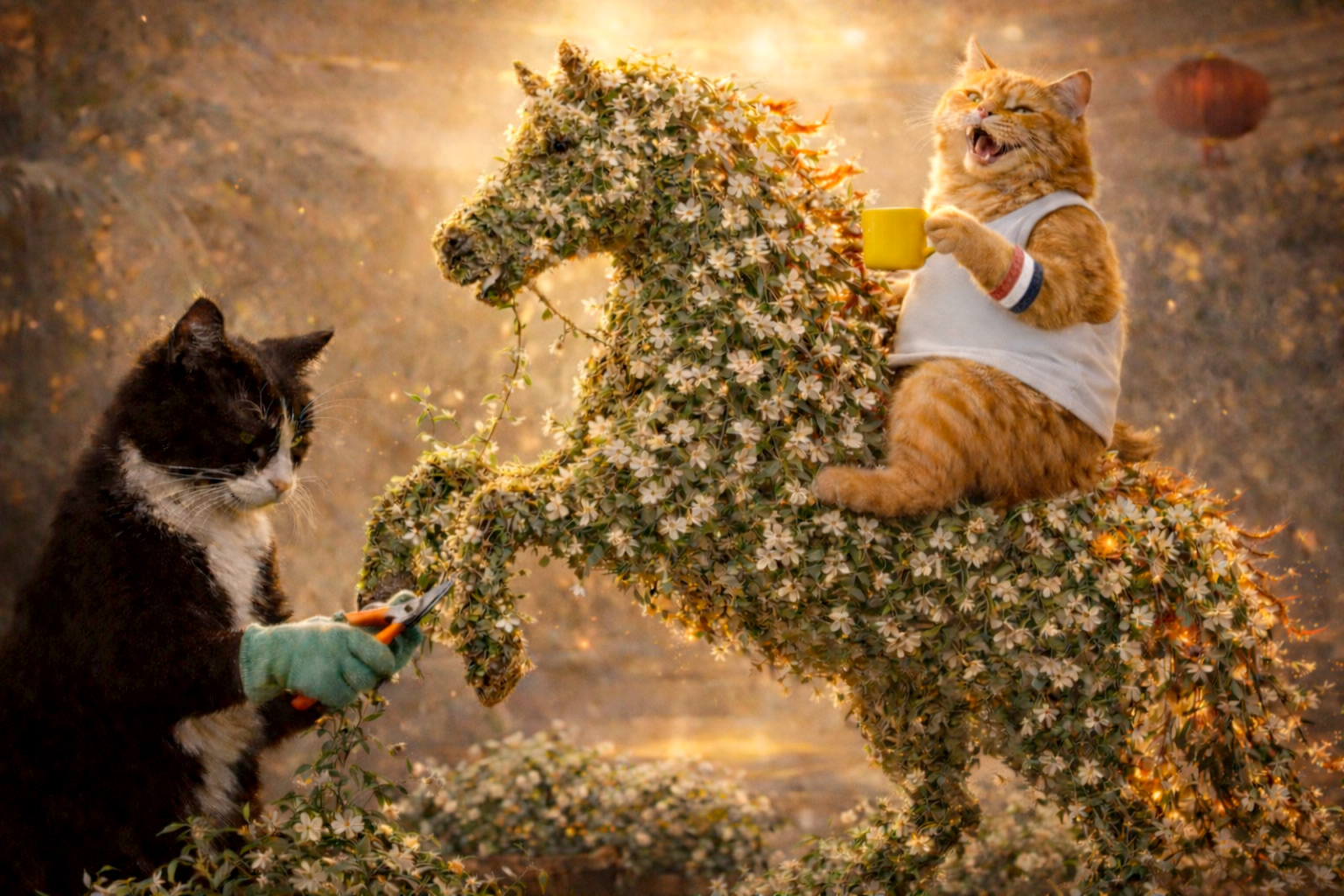
Sunshine: I'm blazing into the 2026 Year of the Horse! Call me
Mister Fahrenheit. Don't stop me now! 'Cause I'm having a good time —
I'm a shooting star, leaping through the sky like a tiger, defying
the laws of gravity!
Smokey: It's jasmine, Tiger. A shrub. Not Wembley. Calm down.
💮
2026 Year of the Horse - and the Plant I Trust Most
By Tatiana Anderson, Horticulture Expert at Top
Tropicals
Every new year carries its own energy.
2026 is the Year of the Horse - a year of movement, fire, momentum, and
bold decisions. It is not a quiet year. It pushes us
forward.
When fellow gardeners ask me what to grow in a year like this, my answer
is simple:
Grow something that balances strength with grace.
For me, that plant is Jasmine Sambac.
In many cultures, Sambac represents devotion, purity, and deep affection.
In the Philippines it is the national flower -
Sampaguita - woven into garlands for weddings and sacred ceremonies. In
Hawaii, it becomes leis - a symbol of welcome and connection -
Pikake. In India, it perfumes temples
and homes.
This is not just a fragrant shrub.
It is a plant tied to love, loyalty, and continuity.
The Horse runs forward.
Jasmine anchors the heart.
In a fiery year like 2026, I believe we need both.
And that is why I always return to Jasminum sambac.
🛒 Explore Jasmine varieties
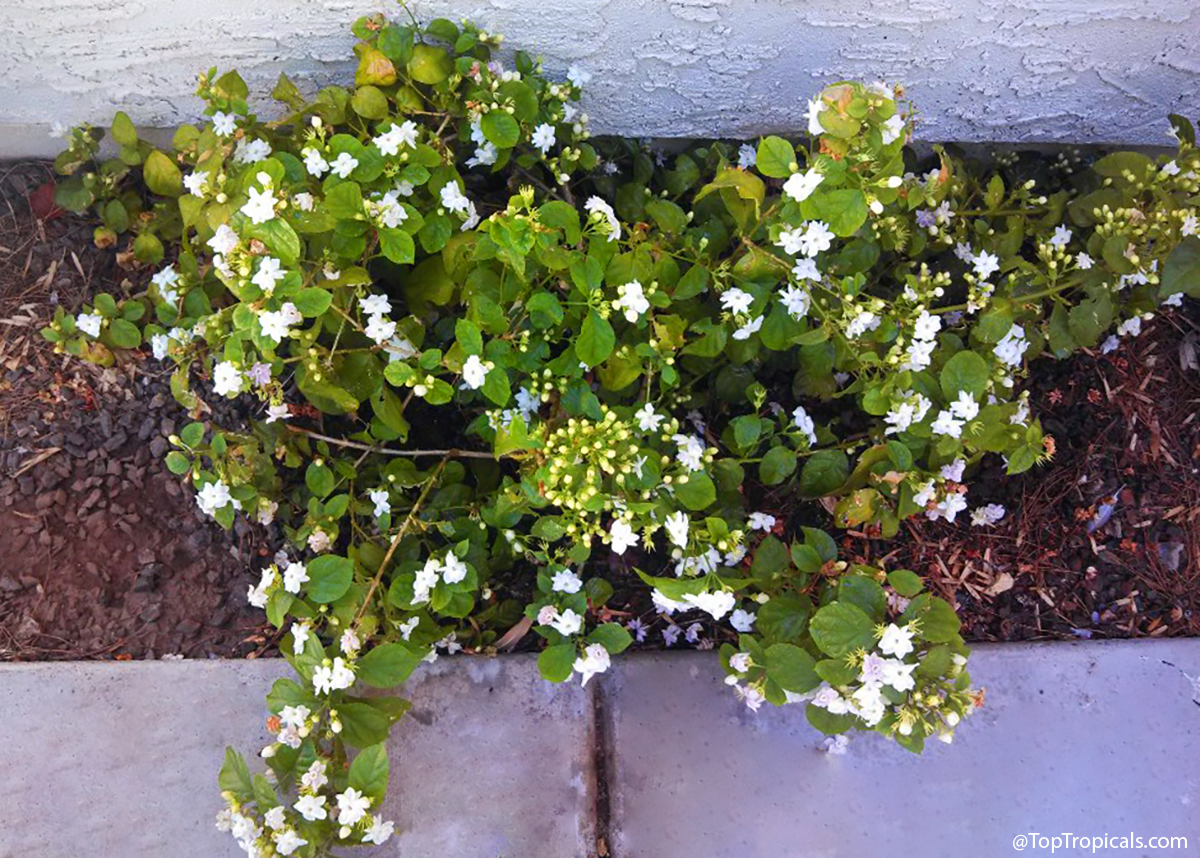
Jasmine Sambac thrives in hot, sunny locations
✅ Why Jasmine Sambac?
Over the years I have grown thousands of plants, but very few have the
staying power of Jasmine Sambac.
It is not just fragrant. It is intensely, unmistakably fragrant. One open
flower can perfume an entire patio. In the evening, the scent becomes
deeper and richer.
But what makes Sambac truly special is its adaptability.
It can grow as a compact patio shrub, a flowering hedge, or a climbing
vine. It performs beautifully in containers. It tolerates both full sun and
partial shade. The more light you give it, the more flowers it rewards you
with.
And unlike many tropicals, Sambac does not bloom just once. With proper
care, it flowers in cycles throughout the warm season.
For gardeners, that combination is rare: beauty, perfume, flexibility,
and repeat bloom.
That is why it has remained one of the most wanted fragrant plants in
cultivation.
✍️ More About
Jasmines from Blog
🛒 Explore Jasmine
plants