Garden Blog - Top Tropicals

Date: 10 Oct 2016

Cold protection - winter action for your plant collection

A note from our customer: Last winter was very cold here in Arizona, lower 30's. I used white synthetic sheets (called frost cloth, it is very light and yet effective) to cover my fruit trees, and kept simple light garlands on for the whole night. Sending you couple photos so you can share with others. It worked pretty well for my plants and no cold damage!

With winter approaching, it is time to take some actions to protect your rare plants from cold stress and damage.
If you live in a mild climate, you still need to get ready for the cold nights. When expecting a cold night, individual plants and trees can be wrapped with sheets, or blankets, to protect them from the wind chill. Christmas lights is a good idea for an additional warm up.

For large collections of tropical plants, temporary winter greenhouse doesn't have to be expensive. An easy-assembly mobile carport from a hardware store covered with a plastic or fabric will cost you $100-200. It can fit a hundred plants or more!

If you live in area with a hard freeze, Southern exposure windowsill will work for most of the compact tropicals providing proper care. Larger collections may also move into your garage for a few cold nights, or for longer periods if the garage has a bright light source.

Factors affecting tropical plant winter survival:

1. Duration of cold period. Tropical plants can't stand long periods of cold. A few days of even upper 30's may kill a tropical plant. A few hours of frost may cause leaf drop but the plant will recover.
2. Minimum temperature - of course, the warmer the better. But see 1) - if cold is not for too long, it may be OK.
3. Wind-chill can be more dangerous than low temperatures.
4. Exposure. Southern slopes get warm during daytime and stay warm longer.
5. Protection with a house, fence, larger trees - where a "pocket" of warm air forms and stays - is beneficial.
6. Humidity. A lake or a river nearby (especially ocean) will mild the micro-climate.
7. Individual species hardiness. Don't try to grow Orchid Tree outdoors in New York.
8. Plant maturity and health. A well-established plant with developed root system has more chances to survive cold. If a plant had a good change to develop during warm season (bright light, enough water, fertilizer), it will be more cold hardy. Healthy plant can withstand lower temperature, so proper nutrition is important, including micro-element applications. Large specimens, even ultra-tropical, may survive cooler winter than they normally do in their natural habitat. The Nature provided plants with better hardiness level than it is normally used. To boost plant immune system and improve cold tolerance even more, use SUNSHINE plant boosters. SUNSHINE-T - thermo-protection booster, is specially formulated for winter protection of tropical plants. To improve cold hardiness, spray 1-2 days prior to cold with 5 ml/1 gal solution and continue applications with 2.5 ml/1 gal solution every 10-15 days throughout winter period.
9. Gradual temperature decrease is less dangerous than a sudden drop since it gives a plant a chance to adjust. One sudden freeze in December with prior warm fall may create more damage than a gradual temperature adjustment. If it starts to get cold early in the Fall, plants slow down their metabolism, and the new tender growth won't get hurt later in winter, since the plants are "expecting" the cold.
10. Do not fertilize plants during cool months. Not only because they don't need much food beyond growing season, but also because fertilizer (especially Nitrogen) encourages rapid tender growth that will be damaged by cold and this will stress the whole plant.

Stay warm!

Date: 28 Sep 2025

Guava Tree Plant Care

Tips from Top Tropicals Plant Expert - Tatiana Anderson

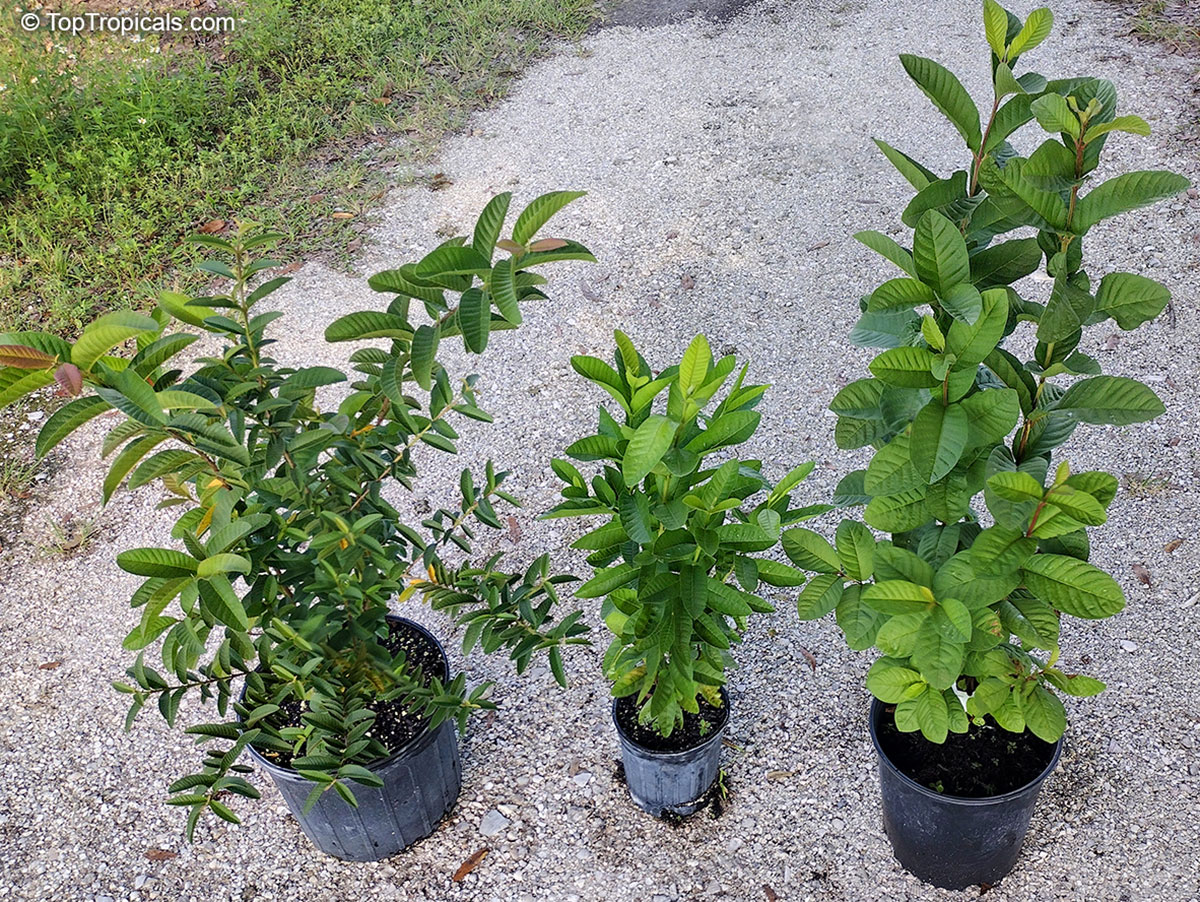
Guava  trees  for  sale  in  3-gallon  nursery  pots,  healthy  young  plants 
 with  green 
 foliage.

Where to Plant Outdoors

Guavas love full sun — aim for 6–8 hours of direct light. They’re adaptable to many soils but do best in well-drained, organic-enriched mixes. Plant them in a spot where you can water easily; guavas are thirsty trees during fruiting.

Container & Indoor Growing

Don’t have space or live in a cooler climate? Guavas thrive in large pots. Use well-drained potting mix. LINK TO OUR SOIL Keep them on a sunny patio during warm months and bring them indoors when nights dip below freezing. Compact varieties like Dwarf Hawaiian Rainbow or Tikal are especially good for pots.

Winter Care

Mature guavas can handle a light frost (down into the high 20s F), but young plants need protection. If planted outdoors, cover them with frost cloth on cold nights. Container guavas can be wheeled into a garage, greenhouse, or bright indoor window until the weather warms.

Watering and Fertilizing

Water deeply once or twice a week, more often in hot weather or when fruit is developing. They don’t like soggy soil, but they won’t complain about short floods either. Fertilize 3–4 times a year during the growing season with a balanced fruit tree fertilizer. Guavas especially love potassium and phosphorus for strong flowering and heavy crops. We recommend liquid crop booster Sunshine C-Cibus and balanced controlled release fertilizer Green Magic.

Pruning

Prune after fruiting to keep them compact and open up airflow. Remove crossing or dead branches. In containers, trim back vigorous shoots regularly to manage size and encourage more fruiting wood.

Pests and Problems

Guavas are generally tough and pest-resistant. The main thing to watch for in humid or rainy climates is mealybugs - those cottony white clusters on leaves or stems. They're easy to manage with neem oil or a quick spray of horticultural soap.

Fruit time

Guavas fruit young - often within a year or two.

Pollination

Guavas are self-pollinating, so you'll get fruit even with a single tree. Planting more than one tree, however, often boosts harvests and gives you a longer fruiting season.

If you've ever wanted instant gratification from a fruit tree, guava is it.

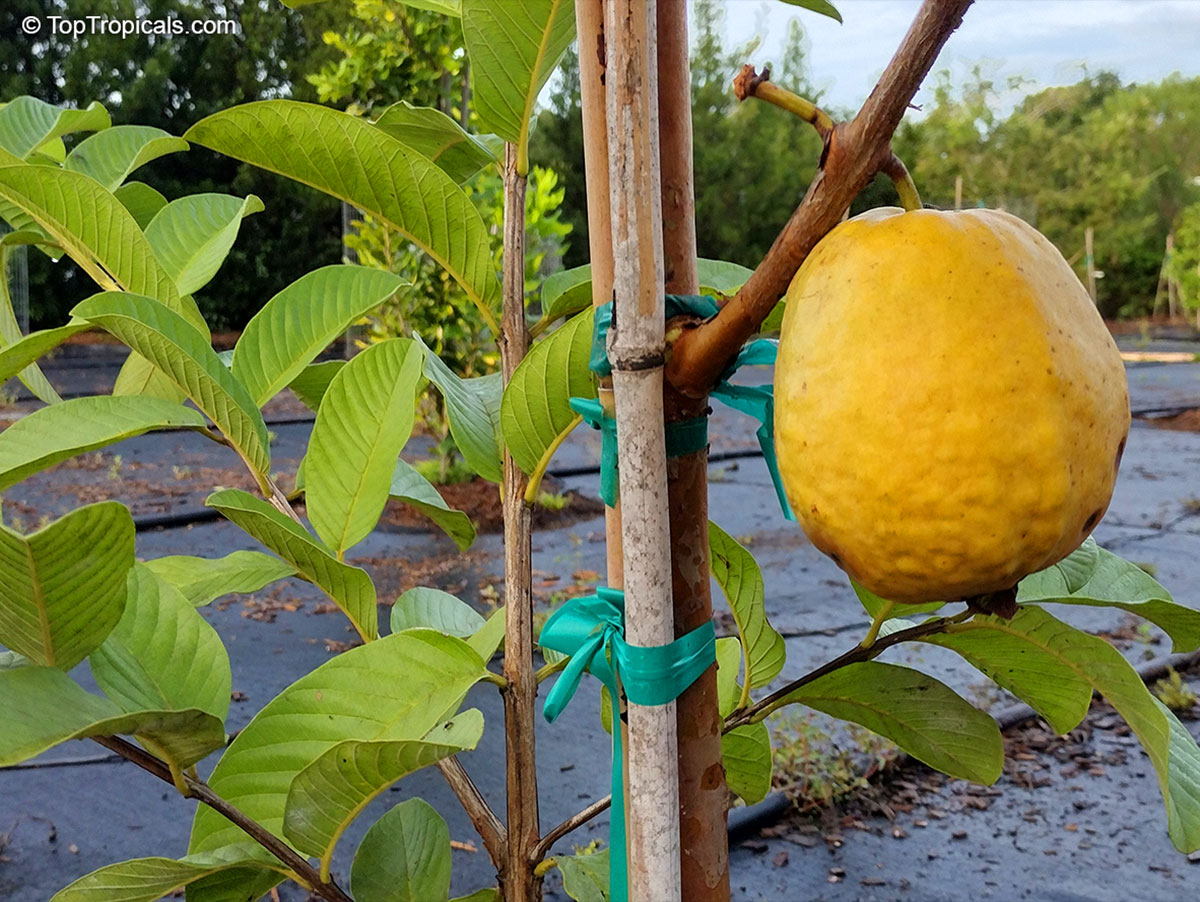
Ruby  Supreme  Guava  tree  with  a  large  ripe  yellow  fruit,  variety  known 
 for  sweet  pink  flesh  and  reliable 
 harvests.

🍴 Guava Recipes

With all that fruit, the next question is always: "What do I do with it?" Here are our favorites:

  • Cas Guava: Make Agua de Cas

    Boil halved Cas Guava fruits with sugar, simmer, strain, and bottle. Dilute with water when serving. The concentrate keeps for months in the fridge.
    Check out the recipe.

  • Hawaiian Gold: Make Drinks

    Perfect for Mojitos or Margaritas. Sweet, tangy juice pairs beautifully with lime and mint. Learn more

  • Araca Pera: Guava Wine

    Famous in Brazil, where the fruit is turned into a vibrant rosу wine. Locals say it’s the taste of summer in a glass — and yes, you can make it at home too. Learn more...

  • Quick snack: Guava Grilled Cheese

    Spread guava paste or fresh mashed fruit with cheese, grill until golden. Sweet and savory heaven. Learn more...

  • Simple Guava Juice

    Blend ripe guavas with water, ice, and a little sugar if you like. Instant refreshment.

✅Ready to Grow? Whether you want fresh juice, sweet fruit, or even your own guava wine, we’ve got the best varieties in stock right now. Your future self, sipping guava juice on a hot summer afternoon, will thank you.

👉 Order your guava tree today

Tabby  cat  sitting  between  a  glass  of  yellow  guava  juice  with  white 
 guavas  and  a  glass  of  pink  guava  juice  with  green  guavas  and  cut  pink  guava 
 fruit.

Date: 19 Jul 2021

Healthy Plants: Q&A from Mr Booster - Mango Talk

Today we are introducing a new column - Mango Talk! Everybody loves Mango - the most delicious fruit in the world. Fruit experts like to talk about varieties, how to grow a Mango tree better, and the fruit bigger and sweeter. And beginners want to know more! What variety to get? How to take care of it? How to get more fruit sooner than later?
This easy-read blog from Ed Jones is about the first steps - what to do when you get your first Mango tree...
In our future publications, you will hear from Mango experts and have a tour on Mango varieties...

Fertilize your Mango trees

By Ed Jones, the Booster Guy

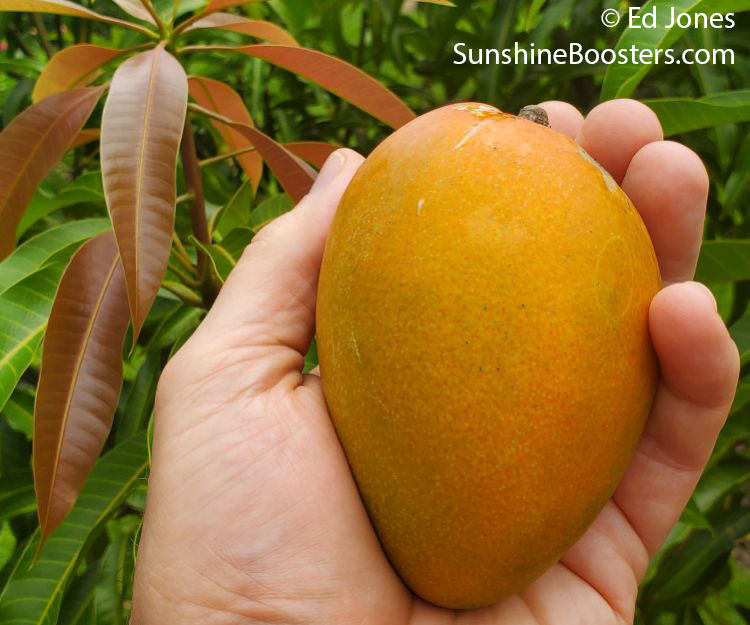
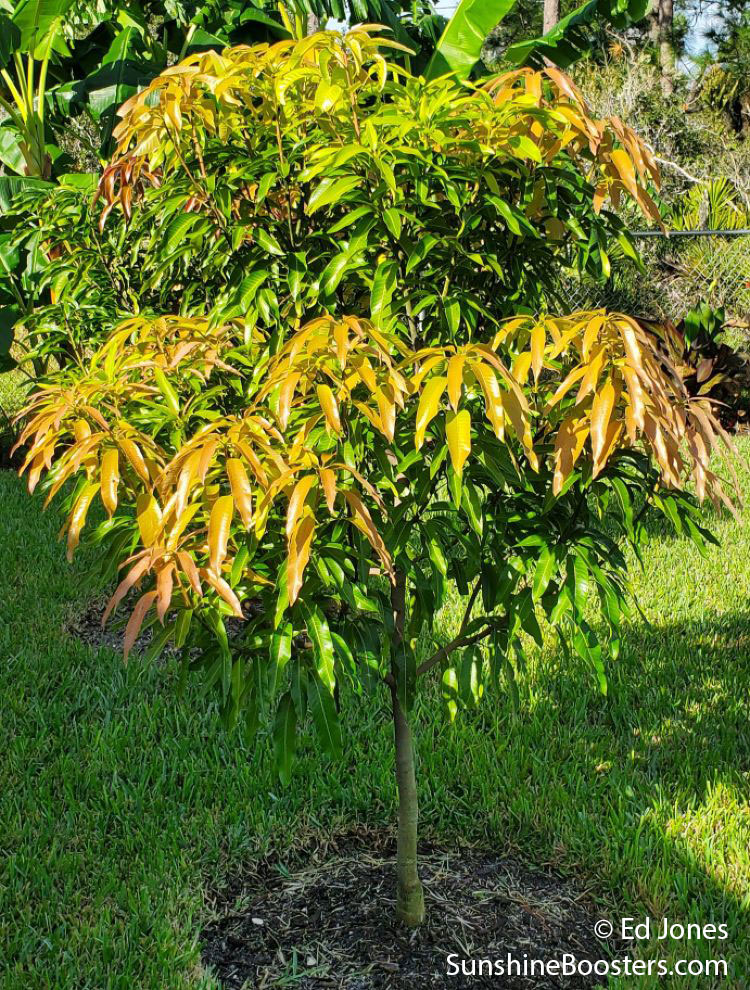
Ok, you finally did it. You bought your first mango tree. Now what? Well, you have to love it and feed it and trim it and love it some more. But today, lets talk about how to fertilize your mango tree. The photo above shows some very small grafted mango trees. This is probably how yours will look when you bring them home or have them delivered....

CONTINUE READING >>

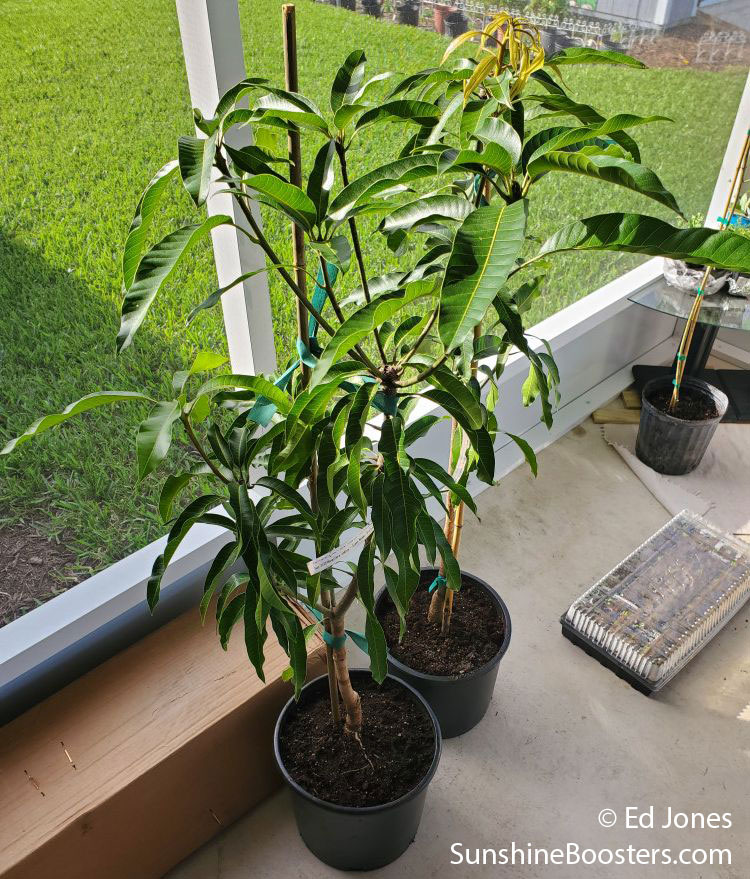
The photo above is of the two trees at the beginning of this blog after just under 10 months of TLC.

Date: 26 Mar 2020

PeopleCats ruling TopTropicals Kitchen. Healthy Treats for Humans

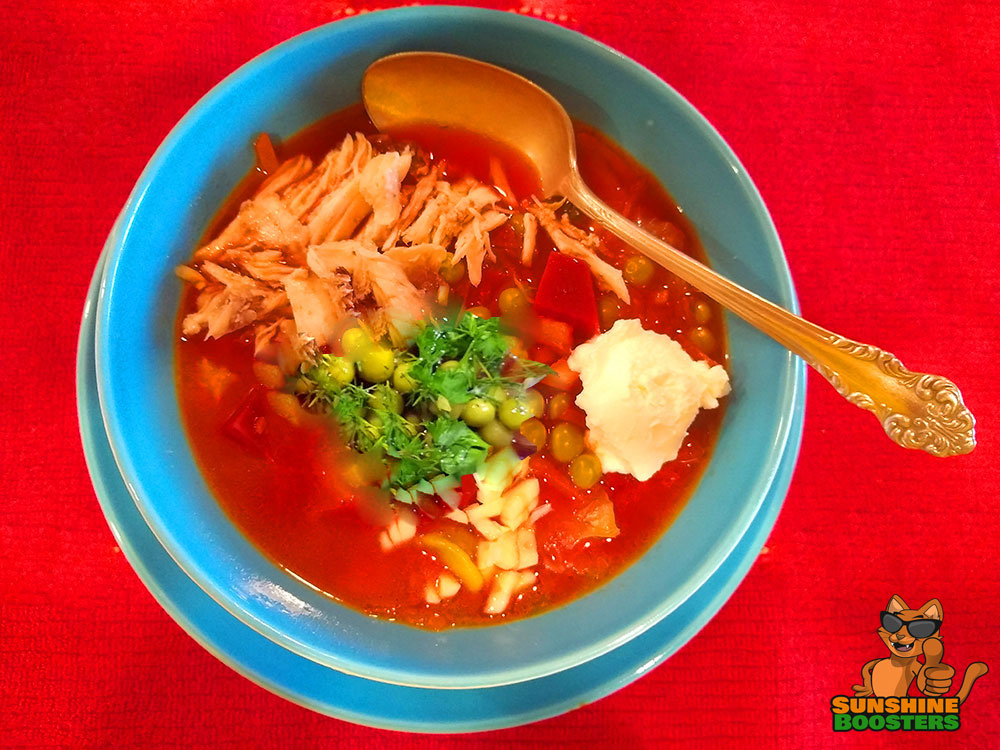
TREAT OF THE DAY: The Secret Health Booster: the Real Russian Borsh

While PeopleCats continue ruling our gardens, getting their daily treats and helping us to survive, they suggested we share some special treats for humans, besides exotic plants and plant boosters...
It is - our favorite Russian Borsh that we make for our TopTropicals International team! It is the most delicious and healthy meal ever invented, for both adults and kids. It boosts your energy, makes you feel warm, wealthy, and happy!

This soup, along with Russian Vodka, is the secret of Russians' Survival Mode - how to stay healthy, strong, tough, and resistant to any virus.

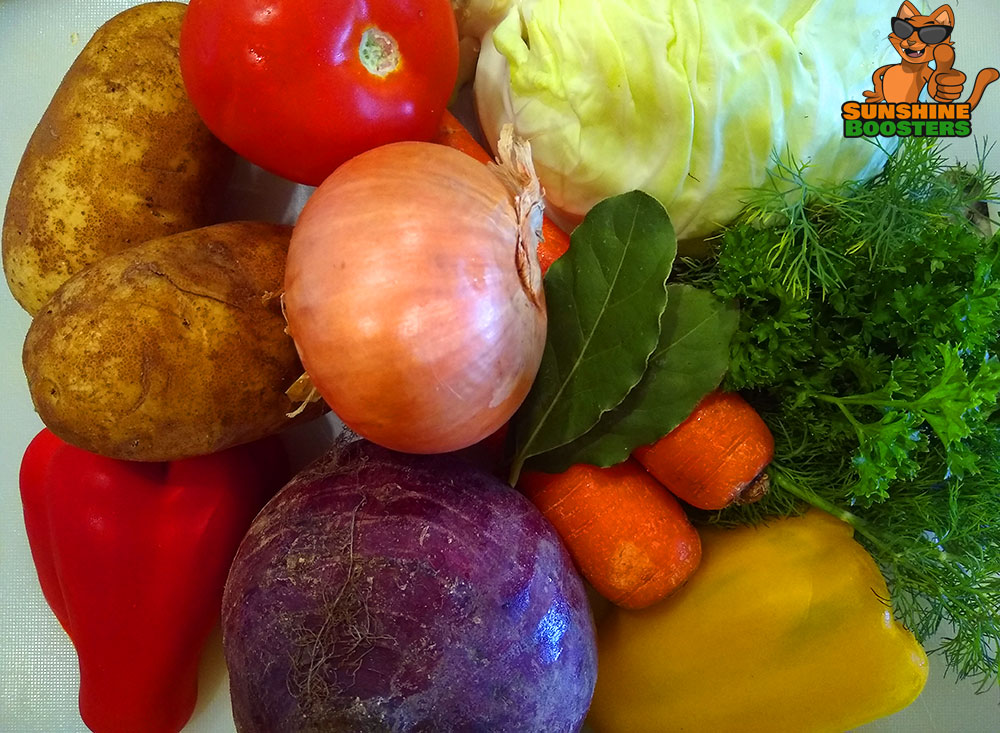
The recipe of the Real Russian Borsh involves very simple, inexpensive, and easy to find ingredients. However, making it right takes a little bit of time (which we sure have now!), since Russians like to make things complicated and from scratch... they use whole foods!
Take your time and enjoy the process - it is a part of this secret recipe. At the end, you will be rewarded with a healthy, tasty meal for the whole family for the whole week! And, it is only $2 per serving!

And remember, it is spelled Borsh (not Borscht!), according to the real Russians.

CONTINUE READING >>

Please tell us how you liked it! :)

TopTropicals PeopleCat Club

Thank you everybody for supporting us in helping PeopleCat Community! Donations accepted from our website. Thank you and God bless you and your pets!

Date: 13 Jun 2019

How to get Strophanthus tree to bloom?

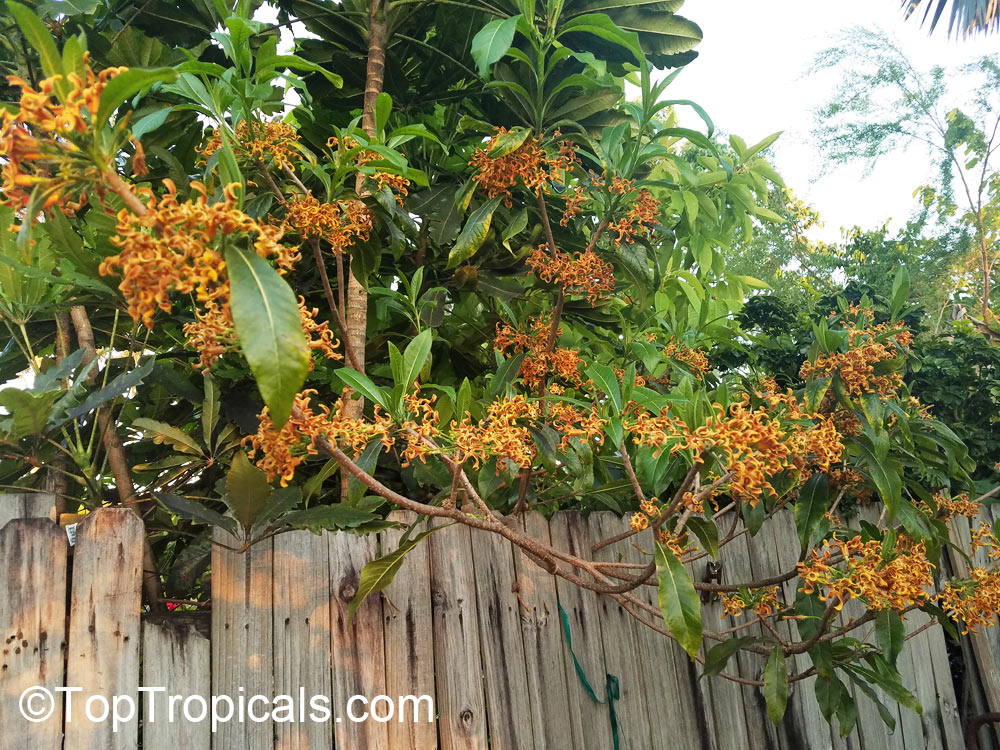
Q: I purchased from you three of these plants - Strophanthus bovinii and I wonder if you could help me. The plants are out of control growing large limbs to the sides and I would like it to grow more upright. Is this possible? Second, it does not flower. What type of fertilizer should I use and how often? How about the watering schedule? I have them in an eastern exposure but possibly they are not getting enough sun? Right in front of them, there is a large tree outside the curb of my house. What should I do about that?

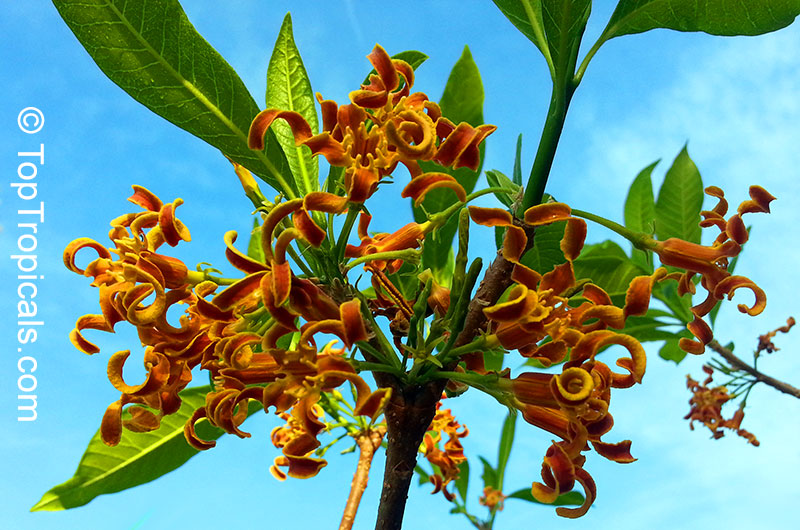
A: Strophanthus bovinii - Wood shaving flower, is quite a unique plant that is very rare in cultivation, this is why very little information is available on its cultivation due to limited experience among gardeners. We have had this plant in our garden for over 12 years and this is what we can advise.
In the nature (Madagascar) it supposedly grows into a large tree, however, from our experience, it tends to be rather bushy, umbrella-like large shrub. Yes, you can train it into a tree by trimming branches growing side-wise, and by removing lower branches. The best time for pruning is early spring when the tree starts new growth and re-leafs (it is semi-deciduous). As far as flowering, the plant is very particular about blooming season, with profuse flowering in Summer (here in SW Florida), however it may produce more flowers sporadically throughout the year.
It thrives in full sun but will tolerate bright filtered light. If a large tree is shading it too much, try to trim some limbs of that large tree to allow more light. Water needs of Strophanthus bovinii are very moderate, so you can rely on your sprinkler system or water once a week for established plants.
You should use 2 types of fertilizers - slow release (once a month) and water-soluble bloom booster (frequent applications are safe):
Pink N Good Daily Plant Food - Flower Booster
Tropical Allure - Smart-Release Booster